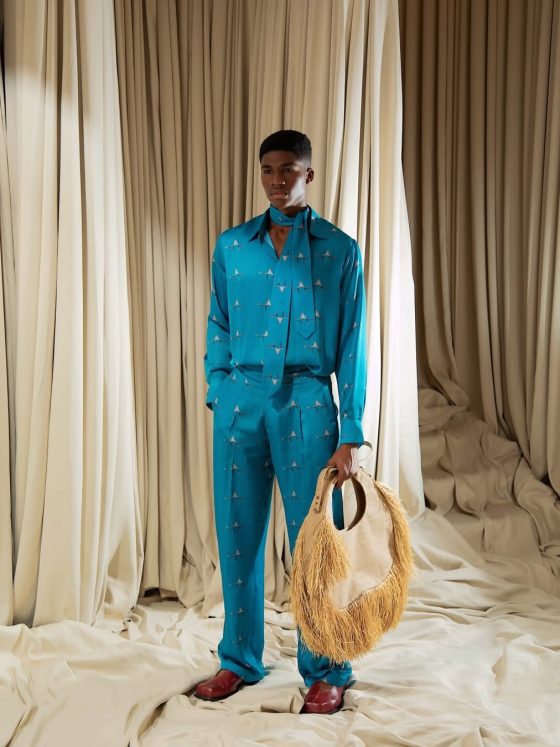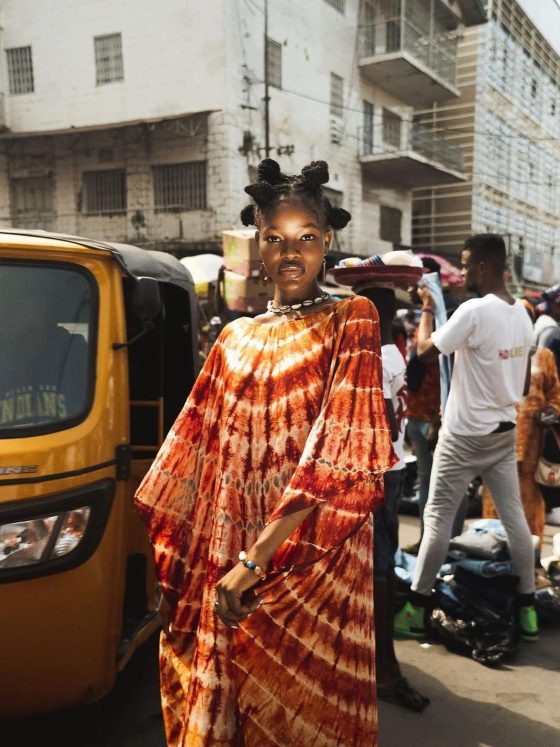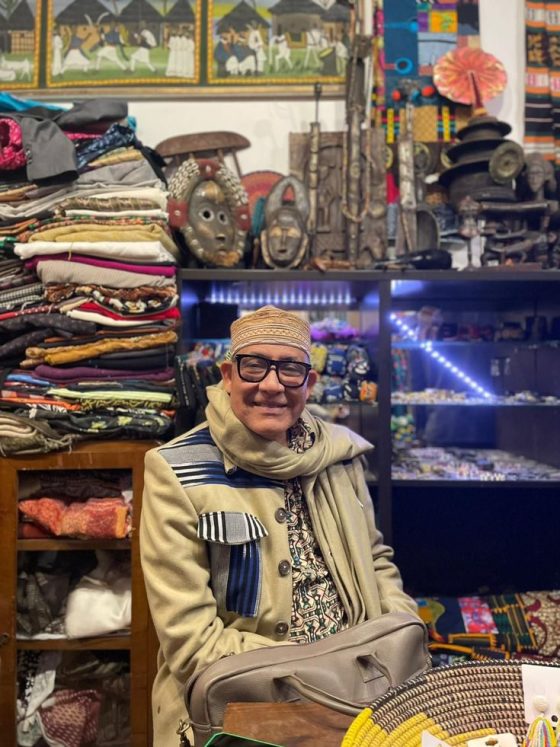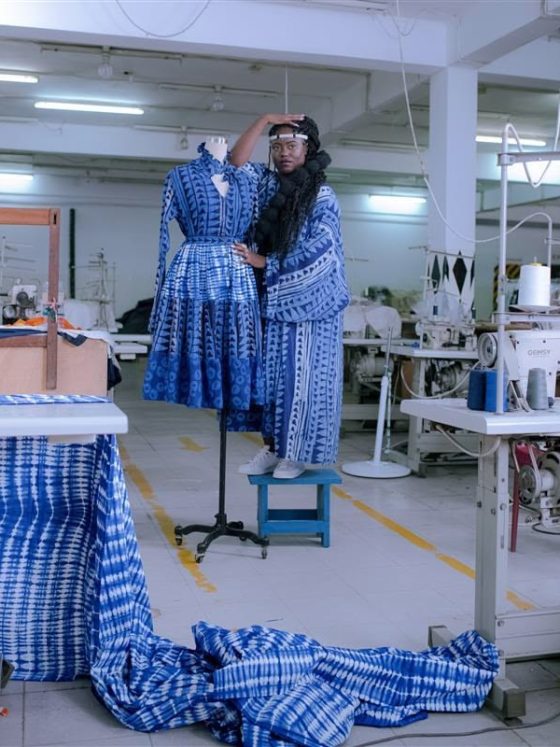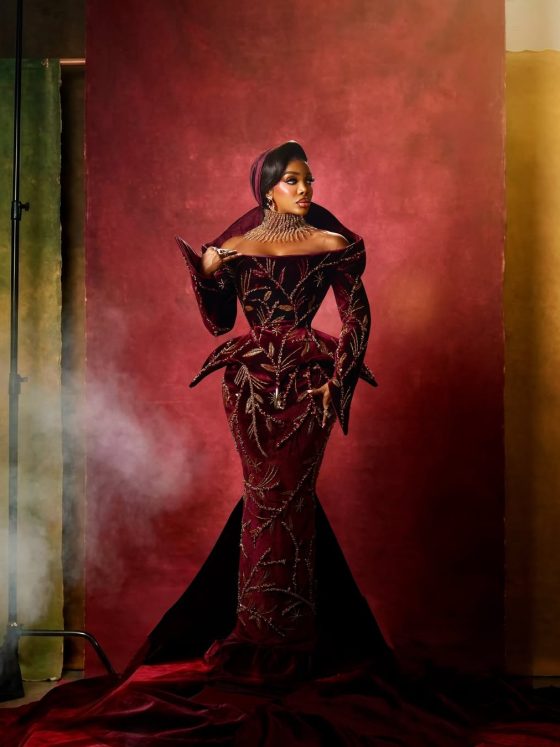
In the weaving studio in Ilorin, south-west Nigeria, the cloth that becomes a Kenneth Ize collection takes days to produce. Each piece of Aso Oke requires a community, a living person whose specific knowledge of tension, thread, and pattern makes the fabric possible. Ize has described this as the reason his work means what it means: “I want people who wear my clothes to feel the soul inside the clothing. It takes a person to create the fabric they are made from, and it takes days, within a community, to weave the cloth. It’s their life and DNA. That’s how much soul is being put into that fabric.”
That is not the language of an emerging designer waiting to be discovered. It is the language of a designer who understands exactly what the work is doing and why it matters. The same clarity runs through every designer in this piece. The global fashion industry has spent decades describing African menswear designers as exceptions to a rule that was never as universal as the industry assumed. The rule is wrong. These designers are not the exception. They are the standard.
Kenneth Ize, Thebe Magugu, Rich Mnisi, Laduma Ngxokolo, Mai Atafo, John Kaveke: the African menswear designers who are not exceptions to global fashion. They are the standard.
Kenneth Ize Is Proving That Heritage Can Shape the Future
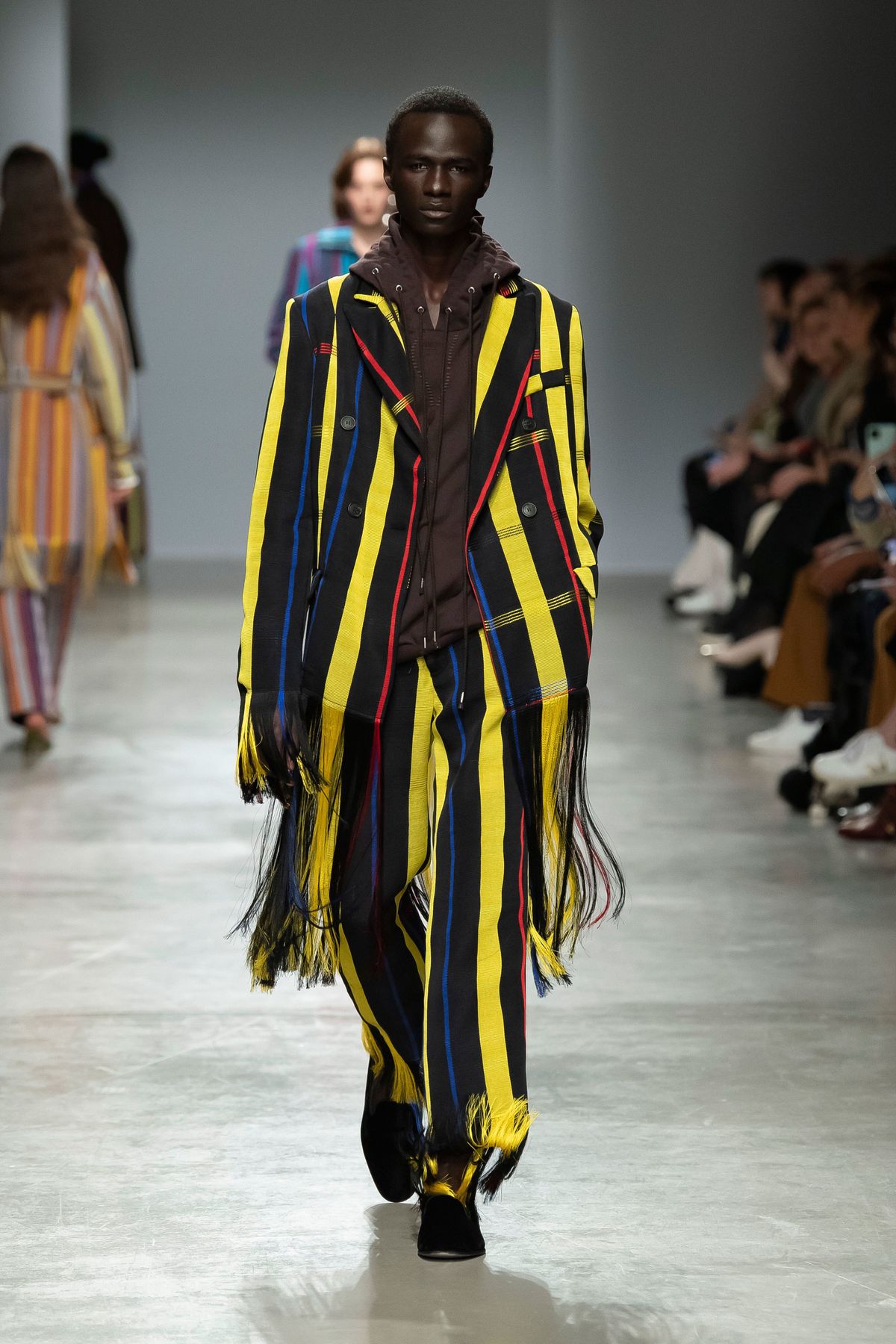
Born in Vienna to a traditional Nigerian family, Kenneth Ize built his label around Aso Oke, a handwoven fabric produced by skilled weaving communities in south-west Nigeria. Rather than treating it as a fabric reserved for ceremonies, Ize has transformed it into contemporary jackets, trousers, coats, and knitwear for international runways and major luxury retailers. He was an LVMH Prize finalist in 2019 alongside Thebe Magugu. His debut at Paris Fashion Week in February 2020 featured Naomi Campbell. His own description of the ambition is direct: “I believe I am a professional in this industry, and I force myself to do more each season. I am telling the international audience it’s possible here.” As Omiren Styles has documented in Imperfection as Intention: Why “Undone” Dressing Defines 2026 High Fashion, Ize builds collections from hand-woven Aso Oke that carry the weave variation of their making directly into the final garment. The cloth does not pretend to be machine-produced. Its irregularity is its authority. Ize has shown at Paris Fashion Week to critical recognition precisely because the garments carry a form of proof that luxury manufacturing has erased.
The weavers are not hidden behind the finished garment. Their craft remains central to the story. At a time when fashion is increasingly questioning how clothing is made, Kenneth Ize demonstrates that heritage techniques can compete with industrial production without sacrificing relevance or creativity.
Thebe Magugu Treats Fashion as Historical Research
South African designer Thebe Magugu approaches fashion as a form of historical documentation. Each collection begins with research into South African history, politics, or social life. Garments become a way of documenting stories that might otherwise receive little attention. His Spring/Summer 2021 “Genealogy” collection was built from a box of family photographs, presenting looks inspired by the photos with his mother and aunt alongside him on screen. “My family had a very strong sense of self and of individualistic fashion,” he said. “The clothes they were wearing in those photos were so modern that I don’t feel I did a lot to change them.” His own articulation of the mission is precise: “My goal is to create clothes that merge my South African heritage with contemporary shapes and proportions. I come from a very rich culture: there’s a lot of beadwork, a lot of craft. I want to merge these references with my global outlook. It’s a project that reflects a more authentic Africa, one that recognises that we are forward-looking, open to the world.” As Omiren Styles has documented in the full profile at Thebe Magugu: African Heritage Meets Global Luxury in 2025, his work is both intellectually rigorous and commercially strong: stocked at Browns, Dover Street Market, and MatchesFashion, and worn by Naomi Campbell, Rihanna, Lupita Nyong’o, and Zendaya.
This approach earned him the LVMH Prize in 2019, a 300,000-euro grant, making him the first African designer ever to receive the award. More importantly, it established him as one of the strongest voices arguing that fashion can do more than respond to trends. That intellectual depth has helped redefine expectations of contemporary African fashion.
ALSO READ
- Thebe Magugu: African Heritage Meets Global Luxury in 2025
- Why European Luxury Houses Invest in Afrobeats Stars but Not African Fashion Infrastructure
Rich Mnisi Is Building a New Language of African Luxury
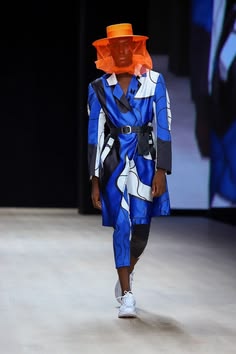
Rich Mnisi founded his label in 2014 after graduating from LISOF in Johannesburg, and won the Africa Fashion International Young Designer of the Year award that same year. He appeared on the Forbes Africa 30 Under 30 list in 2019. In 2024, he won the Best African Designer award at Africa Fashion Up during Paris Haute Couture Week, selected by a jury from Balenciaga, HEC Paris, and Galeries Lafayette. His own statement after the award was characteristically direct: “I am profoundly grateful to my incredible team for their unwavering dedication and hard work.”
Based in Johannesburg, Mnisi combines sculptural silhouettes, bold colour, and contemporary design with ideas drawn from his Tsonga heritage and personal experience. His collections avoid familiar stereotypes about African fashion. They present a confident aesthetic that feels modern while remaining connected to the continent’s cultural landscape. Beyoncé wore his designs during her 2018 visit to South Africa. His success reflects a broader shift: designers are no longer seeking approval by imitating established luxury brands. They are creating work that defines luxury from their own perspective.
The future of menswear is not being written from a single capital. It is being written from Lagos, Johannesburg, and Nairobi by designers who have stopped waiting for permission.
Laduma Ngxokolo Preserves Culture Through Knitwear
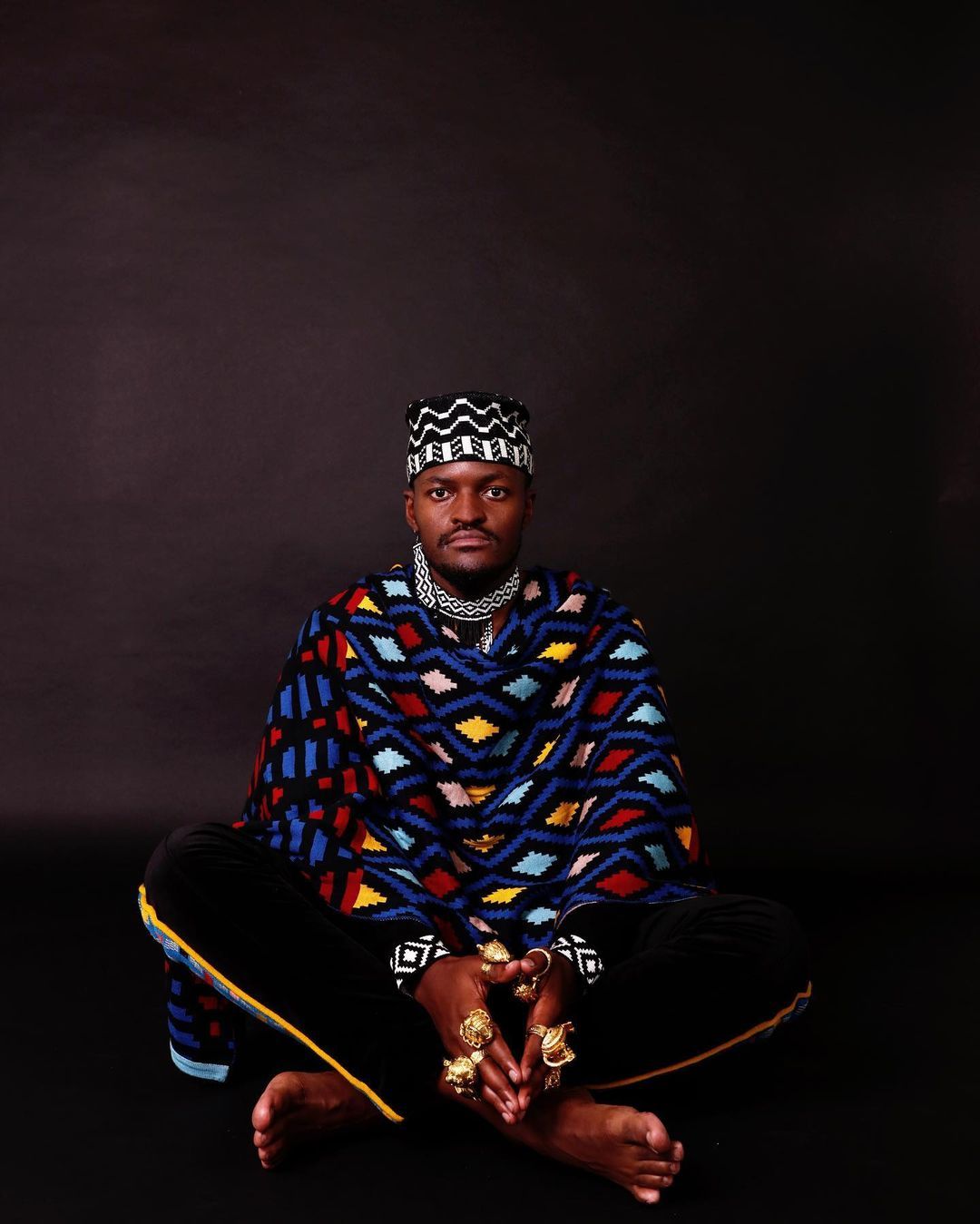
When Laduma Ngxokolo founded Maxhosa Africa, he recognised a specific gap: traditional Xhosa beadwork carried deep cultural meaning, yet those visual traditions were rarely reflected in contemporary knitwear. Through Maxhosa Africa, he began translating Xhosa aesthetics into premium knitwear that speaks to modern consumers without reducing cultural heritage to costume. The brand is stocked at Selfridges, Net-a-Porter, and major international retailers. As Omiren Styles has documented in Imperfection as Intention, Maxhosa’s work represents one of the clearest examples of how visible craft decisions, in this case the technical complexity of Xhosa-inspired knitwear patterns, function as the garment’s authority rather than as decoration applied over it.
Ngxokolo’s work demonstrates an important lesson for contemporary designers. Preserving heritage does not require reproducing historical garments exactly as they existed. It requires understanding the principles behind them and finding new ways to express those ideas through modern design. The result is a brand recognised internationally for its technical excellence as much as its cultural significance.
ALSO READ
- Imperfection as Intention: Why “Undone” Dressing Defines 2026 High Fashion
- Top African Menswear Collections Released in 2025
Mai Atafo Shows That Tailoring Remains an African Strength
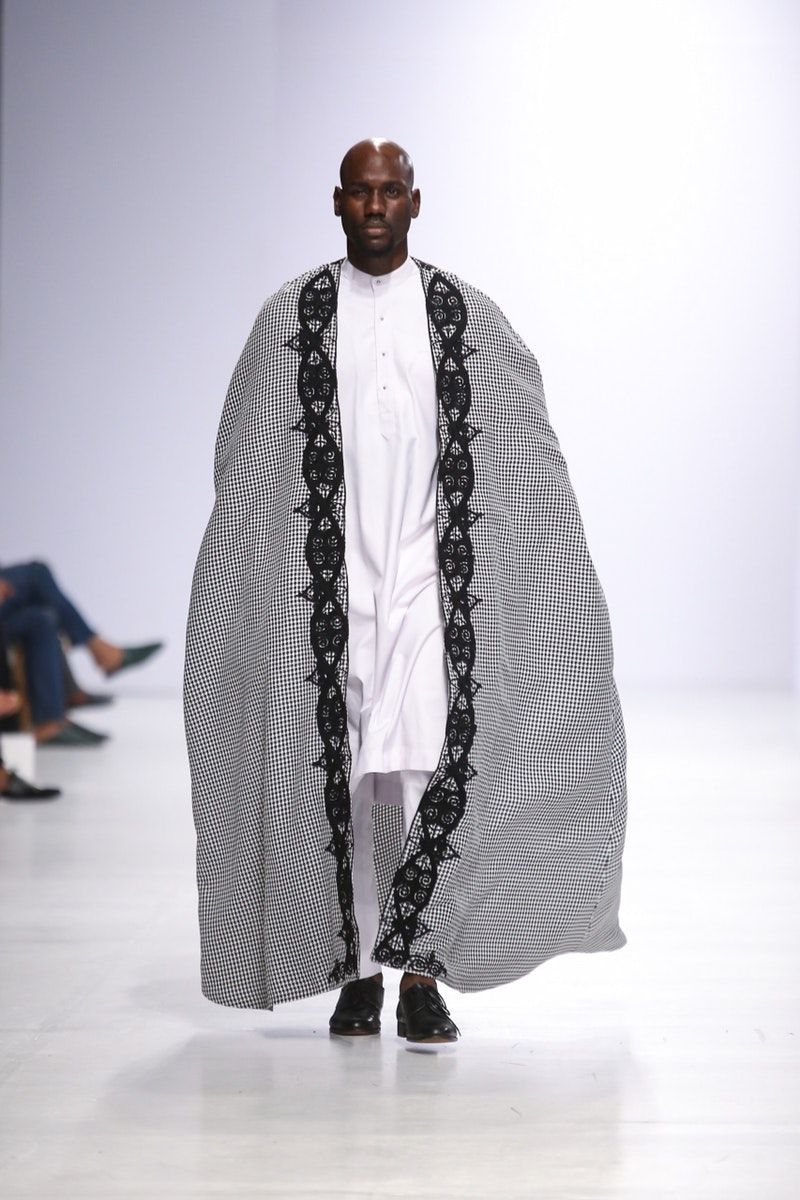
African menswear is often discussed through the lens of textiles and traditional garments. Mai Atafo reminds the industry that tailoring deserves equal recognition. The Nigerian designer has built his reputation through impeccably constructed suits, formalwear, and bespoke garments. His work reflects years of technical discipline, careful pattern cutting, and an understanding of proportion that rivals any established tailoring house.
Atafo’s success challenges a common misconception: African fashion is not defined solely by bold prints or heritage fabrics. It also includes precision tailoring, understated elegance, and craftsmanship that meets international standards without abandoning local identity. His work has helped position Lagos as one of the continent’s leading centres for bespoke menswear.
John Kaveke Highlights East Africa’s Growing Influence
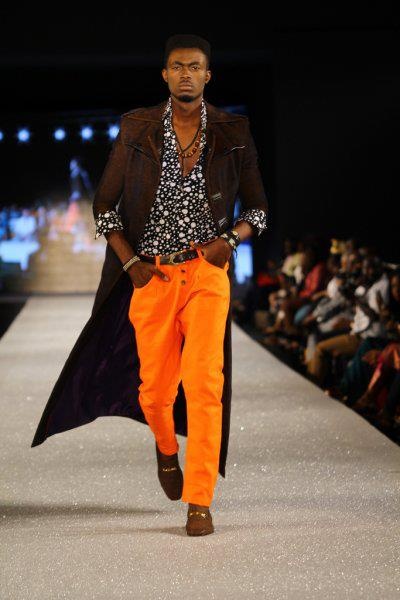
The conversation around African menswear often focuses on West Africa, leaving important voices from other regions underrepresented. Kenyan designer John Kaveke offers a reminder that the continent’s fashion landscape is far more diverse.
Over the past two decades, Kaveke has become known for combining refined tailoring with African-inspired design elements. His collections balance contemporary menswear with subtle references to heritage, creating garments that feel sophisticated without relying on obvious cultural symbolism. His contribution extends beyond his own label: he has helped strengthen Kenya’s position within East Africa’s growing fashion industry and demonstrated that excellence in menswear is present across the continent rather than from a single regional centre.
African Menswear No Longer Needs a Single Story
Perhaps the most important argument these designers make collectively is that there is no single African menswear identity, and that this is a strength rather than a weakness. Kenneth Ize builds through handwoven textiles. Thebe Magugu tells stories through historical research. Rich Mnisi reimagines contemporary luxury through Tsonga heritage and queer identity. Laduma Ngxokolo transforms Xhosa beadwork into international knitwear. Mai Atafo perfects the bespoke suit. John Kaveke expands the conversation beyond familiar fashion capitals, as Omiren Styles has documented in the analysis in Why European Luxury Houses Invest in Afrobeats Stars but Not African Fashion Infrastructure, these designers are not exceptions that prove the rule. They are evidence that the rule was wrong. The argument that luxury fashion originates in a small number of European capitals and filters outward has never accurately described how the best clothing in the world is made. These six designers prove it.
Their work differs in technique, inspiration, and aesthetic direction, yet each designer contributes to a broader movement. Together, they reject the idea that African fashion must fit a narrow set of expectations to gain international recognition. Instead, they demonstrate that African menswear is defined by its diversity, craftsmanship, and willingness to draw confidently on local histories while engaging a global audience.
WHY THE QUESTION HAS CHANGED
The question is no longer whether African menswear deserves international attention. The evidence already answers that. Thebe Magugu won the LVMH Prize in 2019, the first African designer to do so, with a prize of 300,000 euros. Kenneth Ize has shown at Paris Fashion Week and is stocked by major international luxury retailers. Rich Mnisi won Best African Designer at Africa Fashion Up during Paris Haute Couture Week in 2024, selected by a jury from Balenciaga, HEC Paris, and Galeries Lafayette. Laduma Ngxokolo’s Maxhosa Africa is stocked at Selfridges and Net-a-Porter. These are not exceptional moments. They are a cumulative record.
The more important question is whether the global fashion industry is prepared to recognise African designers as the standard rather than as exceptions to it. The designers shaping the future of menswear are not waiting for permission. They are building new design languages from handwoven textiles, historical research, technical tailoring, and cultural memory. In doing so, they are proving that the future of fashion will not be written from a single capital or a single tradition. It will be written wherever craftsmanship, originality, and cultural conviction continue to thrive.
FAQs
Who are the most influential African menswear designers right now?
Kenneth Ize, Thebe Magugu, Rich Mnisi, Laduma Ngxokolo, Mai Atafo, and John Kaveke represent six distinct approaches to African menswear: heritage textiles, historical research, contemporary luxury, cultural knitwear, bespoke tailoring, and East African design, respectively. Each has built internationally recognised work from within Africa rather than relocating to European fashion capitals to gain credibility.
Why is Kenneth Ize considered one of Africa’s leading fashion designers?
Kenneth Ize is recognised for bringing handwoven Aso Oke textiles to international luxury fashion. Born in Vienna to Nigerian parents, he works directly with weaving communities in south-west Nigeria to produce the fabric at the heart of every collection. He was an LVMH Prize finalist in 2019 and made his Paris Fashion Week debut in 2020. His own description of the work is precise: he is telling the international audience that making serious fashion from Africa is possible, and proving it with every collection.
What makes Thebe Magugu’s fashion collections different from those of other designers?
Thebe Magugu is known for grounding his collections in historical and social research. Rather than following seasonal trends, his work explores themes such as South African history, surveillance, gender-based violence, spirituality, and family memory. He won the LVMH Prize in 2019, worth 300,000 euros, becoming the first African designer to receive the award. His work is stocked at Browns, Dover Street Market, and MatchesFashion, and worn by Naomi Campbell, Rihanna, Lupita Nyong’o, and Zendaya.
Which African designer is known for luxury knitwear inspired by Xhosa culture?
Laduma Ngxokolo, the founder of Maxhosa Africa, is internationally recognised for creating premium knitwear inspired by Xhosa beadwork, colours, and cultural traditions. The brand is stocked at Selfridges and Net-a-Porter. His designs reinterpret heritage through contemporary luxury fashion without reducing the source tradition to costume.
Who are the best African designers known for bespoke men’s tailoring?
Mai Atafo is one of Africa’s best-known bespoke menswear designers. His reputation is built on precision tailoring, formalwear, and custom-made suits that combine technical excellence with modern elegance. His work has helped position Lagos as one of the continent’s leading centres for bespoke menswear.
How are African menswear designers changing the global fashion industry?
African menswear designers are reshaping global fashion by placing local craftsmanship, indigenous textiles, cultural storytelling, and artisan production at the centre of their collections. Rich Mnisi won Best African Designer at Africa Fashion Up during Paris Haute Couture Week in 2024. Thebe Magugu won the LVMH Prize. Kenneth Ize has shown at Paris Fashion Week. These are not exceptional moments in an otherwise conventional story. They are a cumulative record of designers who are the standard, not the exception.
Why do African menswear designers represent the future of global fashion?
Because they have demonstrated that the most technically ambitious, culturally specific, and intellectually rigorous menswear produced anywhere in the world comes from Africa, the premise that luxury fashion originates in a small number of European capitals and filters outward has never been accurate. These six designers prove it is wrong. The future of fashion is being written from Lagos, Johannesburg, and Nairobi by designers who have stopped waiting for permission.