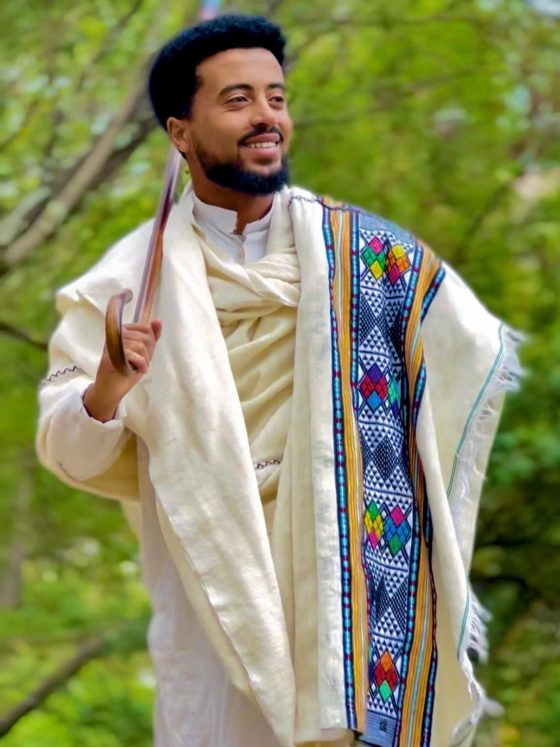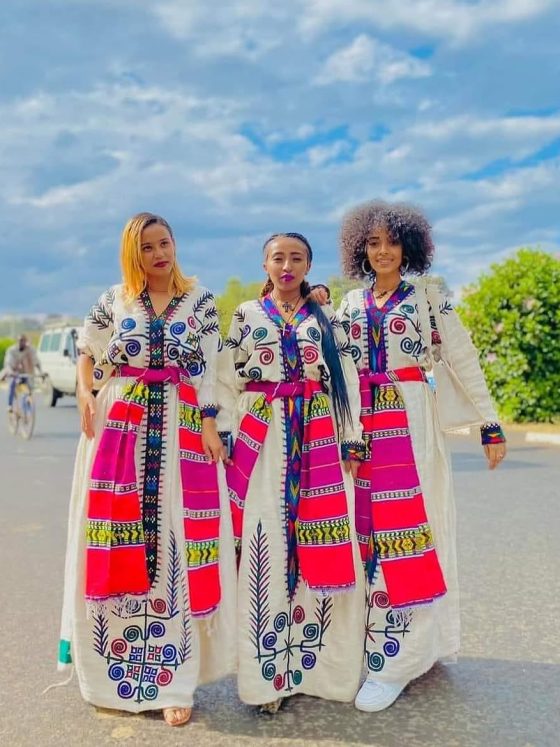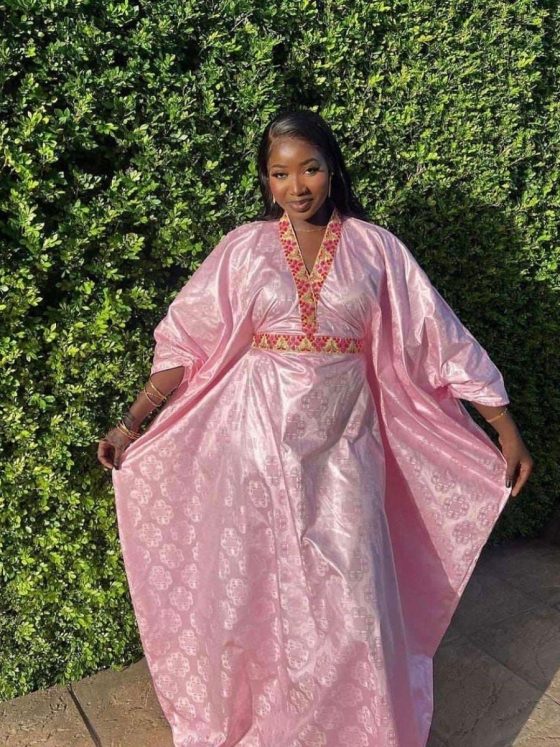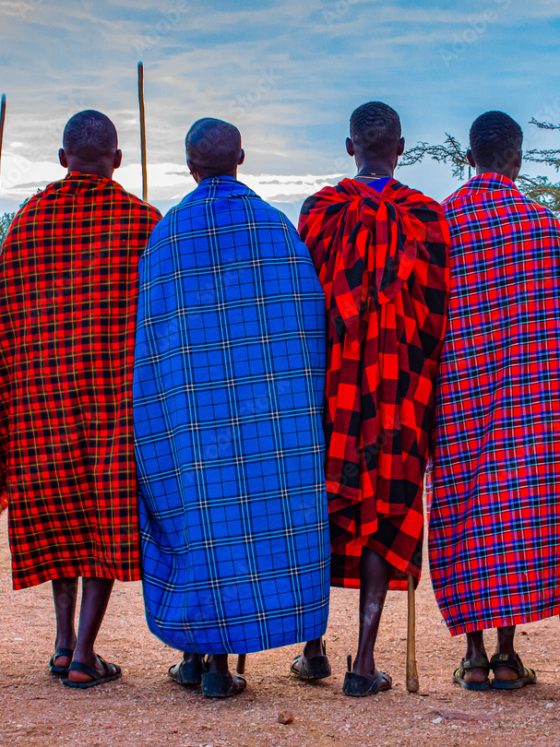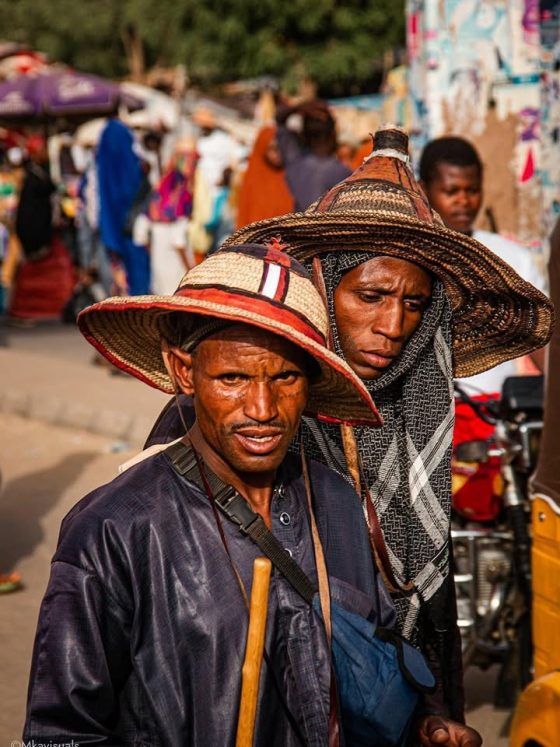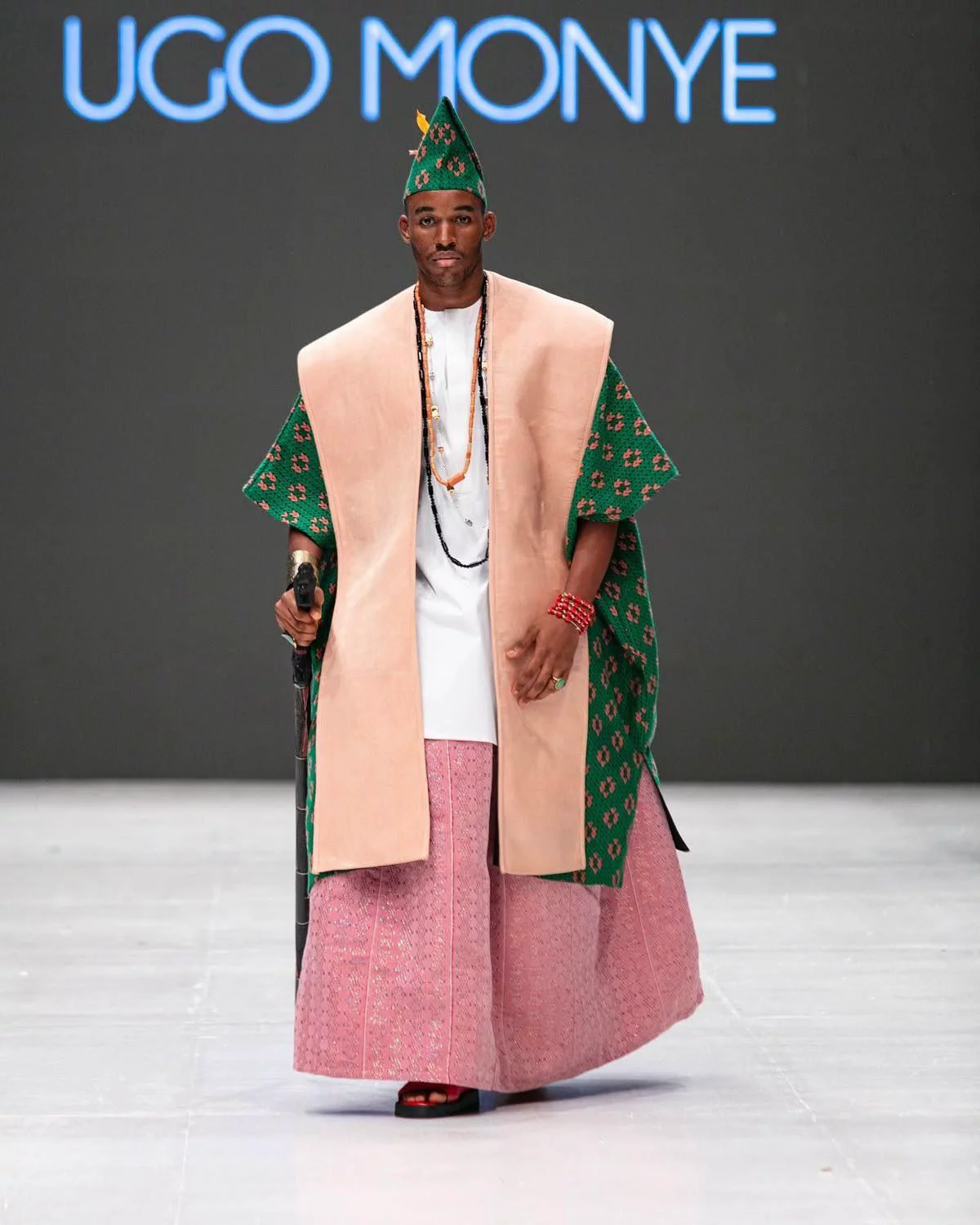
A great deal of fashion writing focuses on what clothing looks like. African menswear often requires a different question: what is the clothing trying to say?
Across the continent, garments have historically done more than cover the body. They have communicated status, authority, spirituality, occupation, community affiliation, and personal achievement. A pattern could reference a proverb. A colour could signal a particular occasion. The amount of fabric used in a garment could communicate rank long before the wearer spoke a word.
This is why African menswear cannot be understood solely through the language of trends, aesthetics, or tailoring. Its design traditions developed in societies where clothing often served as a form of communication. To understand the garments, one must first understand the ideas embedded within them.
Discover how pattern, proportion, and purpose shape African menswear, and why many garments were designed to communicate meaning, status, and identity rather than simply follow fashion.
Why African Menswear Was Never Designed for Decoration Alone
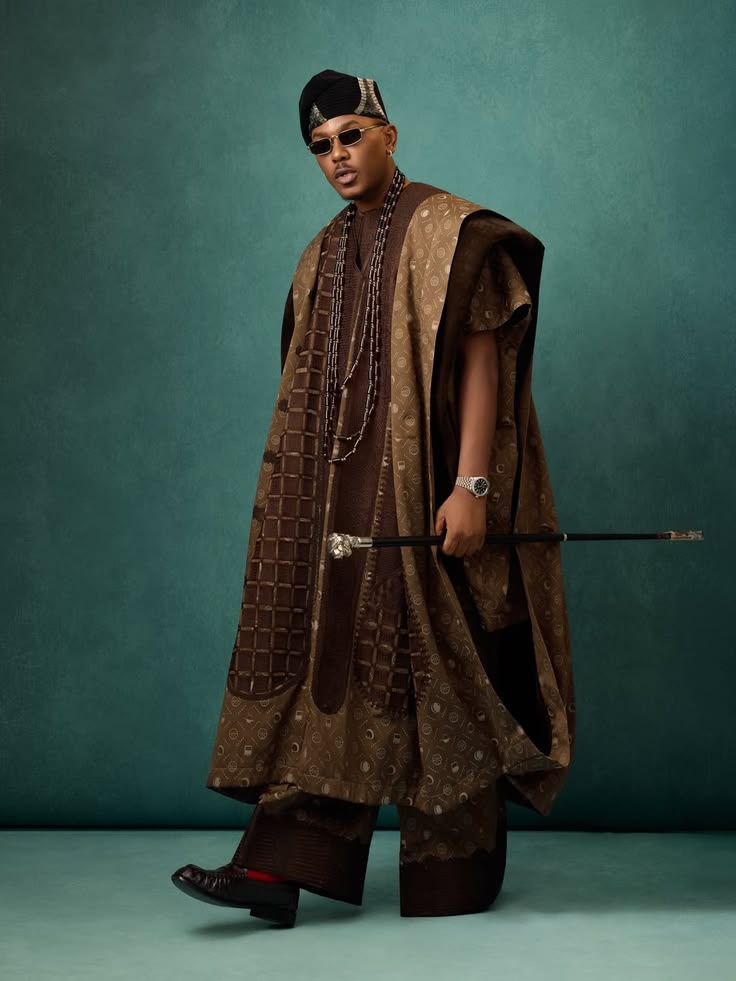
One of the most persistent misunderstandings about African fashion is the assumption that pattern and embellishment exist primarily for visual appeal. While beauty has always been important, many African dress traditions were built around the idea that clothing should carry meaning.
Historically, garments were often expected to communicate information about the wearer: social standing, age, religious identity, political authority, or participation in significant cultural events. In many communities, dress formed part of a broader visual language that helped people understand their place in society and recognise others’ status.
This helps explain why certain design elements have survived for generations. Their value does not lie only in their appearance. They endure because they continue to carry cultural significance. When viewed through this lens, African menswear becomes more than fashion. It becomes a system through which communities preserve memory, communicate values, and express identity.
When Pattern Becomes Language
Perhaps the clearest example of this principle can be found in the symbolic traditions that appear across African textiles. Among the Akan of Ghana, Adinkra symbols developed into a visual system for communicating philosophical ideas, historical lessons, and social values. Symbols such as Sankofa, Gye Nyame, and Fawohodie are not simply decorative motifs. Each carries a specific meaning that can be understood by those familiar with the cultural context. As Omiren Styles has documented in What Accra Street Style Is Actually Arguing in 2026, Adinkra symbolism carries meaning in concentrated form, and the Ghanaian design tradition has never been about overwhelming the observer. It has been about rewarding the one who looks carefully. That is a design philosophy, not a decorative habit.
The same principle appears across African textile traditions. Patterns can reference ancestry, spiritual beliefs, historical events, or collective values. A garment may function as a visual text that can be read as well as admired. As Omiren Styles has traced in African Textile Museums: Preserving Memory in an Age of Fast Fashion, Kente patterns can signal authority, wisdom, or historical events, while Adire connects to women-led economies and indigenous dyeing knowledge. These are not decorative surfaces. They are what might be called cultural data: social hierarchy, spirituality, migration, and resistance woven into cloth.
Many contemporary consumers recognise these patterns but are unfamiliar with the meanings behind them. As a result, garments that once communicated clearly within their communities are sometimes reduced to aesthetic objects detached from their original significance. This interpretive shift changed the design language from something communities could read into, something outsiders simply looked at, often missing the embedded meaning.
A patterned cloth does not necessarily communicate through colour and shape alone. It may also be communicating through story, proverb, or cultural memory.
Why Size and Volume Matter in the Design Language of African Menswear
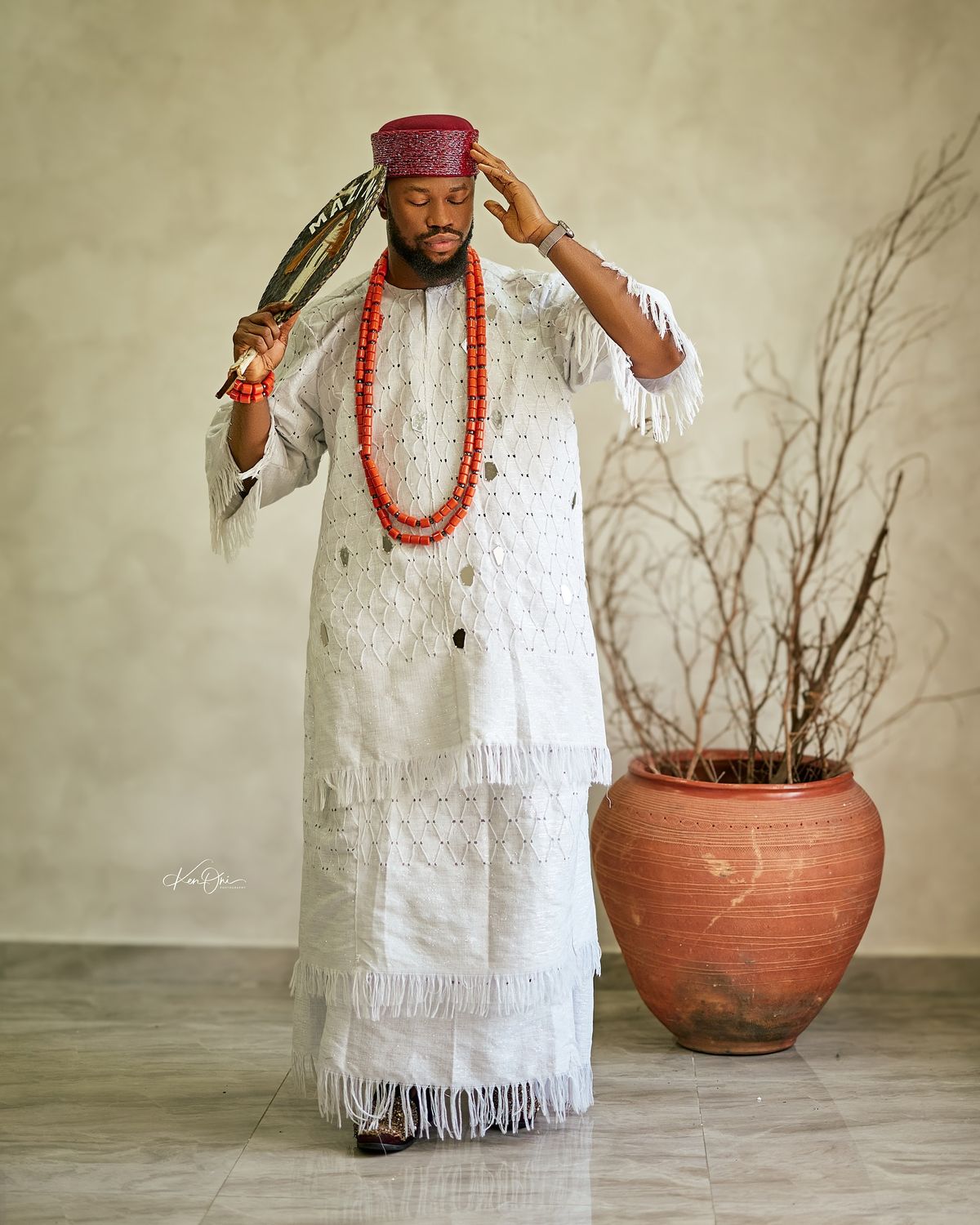
The use of volume is one of the defining characteristics of many African menswear traditions. Flowing robes, layered garments, and expansive silhouettes appear across numerous regions of the continent.
To someone trained to view clothing through the lens of European tailoring, these proportions can appear excessive. Yet within their original contexts, they serve clear social and cultural purposes. In numerous societies, the amount of cloth used in a garment historically reflected access to resources, craftsmanship, and status. Large silhouettes increased the wearer’s visibility and presence. The garment occupied space in a way that reinforced authority, dignity, and social importance.
This principle is visible in ceremonial robes worn by rulers, religious leaders, scholars, and respected elders. The garment’s volume was not an accident of design. It formed part of the message. The silhouette communicated something before the wearer spoke. It projected significance.
Climate, Movement, and Practical Design
Not every design decision was symbolic. Many emerged from practical realities. Across large parts of Africa, clothing developed within environments characterised by heat, sunlight, and seasonal variation. Loose garments provided ventilation and freedom of movement. Lightweight fabrics allowed wearers to remain comfortable while carrying out daily activities.
This practical dimension is often overlooked when traditional garments are evaluated according to foreign standards. What appears oversized in one context may represent a highly effective response to local environmental conditions in another. The most successful garments often combined practicality with symbolism: they responded to climate while simultaneously communicating social meaning. Function and culture were not competing priorities. They worked together.
This relationship between environment and design remains visible in contemporary African fashion, where many designers continue to prioritise movement, comfort, and adaptability without abandoning cultural references.
How Craftsmanship Shapes Meaning
The story of African menswear cannot be separated from the craftspeople who produce it. Across different traditions, weaving, dyeing, embroidery, leatherwork, and textile finishing have long been specialised skills passed from one generation to the next. These techniques do more than produce garments. They connect clothing to specific communities, histories, and knowledge systems. A handwoven textile carries evidence of the people who created it. An embroidered garment reflects traditions developed through years of practice and refinement. The production process itself becomes part of the garment’s cultural value. As Omiren Styles has documented in Imperfection as Intention: Why “Undone” Dressing Defines 2026 High Fashion, Adire represents a fully realised design philosophy that predates European deconstruction theory by centuries: visible construction as transparent, acknowledged labour as valuable, and variation as authentic. When African designers work with traditional techniques today, they are not simply borrowing visual elements. They are engaging with entire systems of knowledge.
What Colonialism Changed About the Way We Read African Clothing
Colonial rule altered many aspects of African dress culture, including the way garments were interpreted. As European educational systems, administrative institutions, and commercial networks expanded, Western ideas about fashion and respectability gained influence. Clothing that had previously been understood within local cultural frameworks was increasingly judged by imported standards.
Patterns that once carried specific meanings were often treated as decorative motifs. Traditional silhouettes were sometimes viewed as old-fashioned or unsuitable for modern life. In many cases, garments survived while the knowledge required to interpret them fully became less widely shared.
This shift created a disconnect between appearance and meaning. People continued to wear certain designs, but the cultural literacy needed to understand them gradually weakened. The result is a contemporary fashion landscape in which many African garments remain visible while some of the stories embedded within them have become less familiar.
ALSO READ
- What Accra Street Style Is Actually Arguing in 2026
- African Textile Museums: Preserving Memory in an Age of Fast Fashion
- Fashion and Ritual: How Celebrations Shape African Style Practices
- Imperfection as Intention: Why “Undone” Dressing Defines 2026 High Fashion
How Contemporary Designers Are Translating Heritage for a New Generation
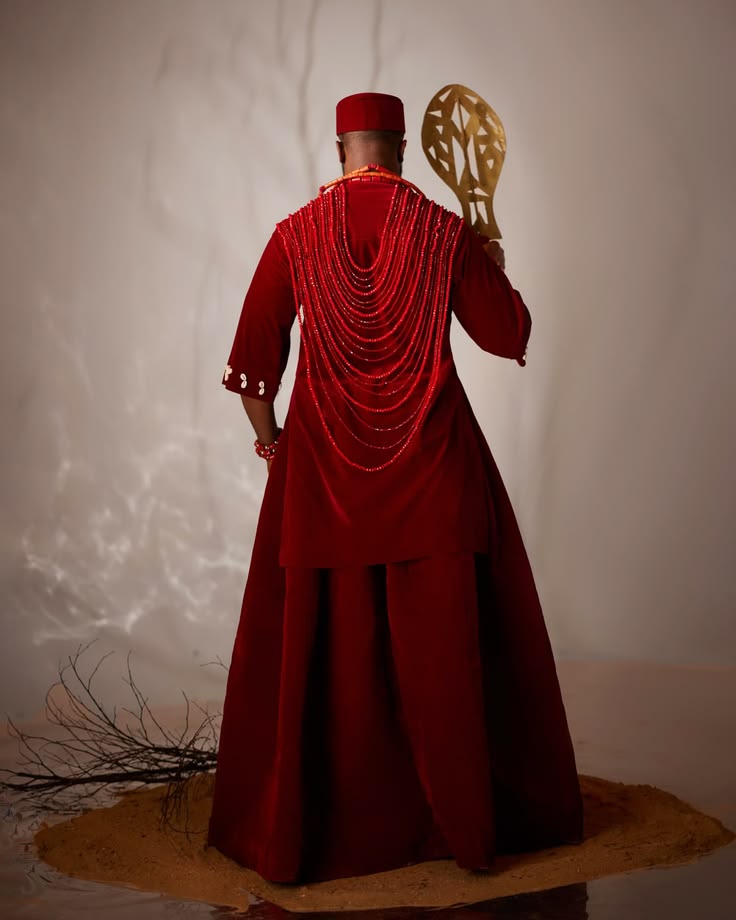
Many of today’s most influential African menswear designers are engaged in a form of translation. They are not simply reproducing historical garments, nor are they abandoning tradition in favour of global trends. Instead, they are finding ways to carry older design principles into contemporary fashion contexts. As Omiren Styles has documented in Fashion and Ritual: How Celebrations Shape African Style Practices, designers such as Kenneth Ize and Maki Oh position African ritual-derived craft as a form of global fashion literacy, proving that ceremonial style can inform the most forward-looking wardrobes. Some reinterpret symbolic patterns through modern tailoring. Others adapt traditional silhouettes for urban lifestyles while preserving their underlying logic. Many continue to collaborate with artisans whose skills connect present-day fashion to longstanding craft traditions.
This work is important because it allows heritage to remain active rather than frozen in the past. Cultural traditions survive not because they remain unchanged but because they continue to find relevance in new circumstances. The strongest contemporary designers understand this balance. They recognise that innovation does not require abandoning history. Sometimes it requires learning the language.
THE OMIREN ARGUMENT
African menswear has often been described in terms of its colours, patterns, and craftsmanship. These qualities matter, but they tell only part of the story. The deeper story lies in design itself. Across the continent, garments were created within systems that treated clothing as a form of communication. Patterns carried meaning. Proportions expressed status. Craftsmanship connected garments to communities and histories. Practical considerations worked alongside cultural values rather than replacing them.
To view African menswear solely as fashion is therefore to miss much of what makes it significant. These garments were designed to be read as well as seen. Understanding that design language does not simply deepen appreciation of African fashion. It changes the way we understand what clothing can do. A garment that carries a proverb in its pattern, communicates rank through its volume, and embeds community knowledge in its construction is not competing with European fashion traditions. It is operating in a different and older register entirely.
FREQUENTLY ASKED QUESTIONS
What is the meaning behind patterns in traditional African menswear?
Patterns in traditional African menswear often carry cultural, historical, or philosophical meaning. In many societies, symbols woven, dyed, or embroidered into garments communicate ideas about identity, leadership, spirituality, ancestry, and social values rather than serving as decoration alone. Among the Akan of Ghana, for example, Adinkra symbols each carry a specific philosophical meaning that can be read by those familiar with the cultural context.
How do African clothing patterns communicate cultural identity?
African clothing patterns can communicate cultural identity through symbols, colours, and motifs recognised within specific communities. Textile traditions such as Adinkra cloth in Ghana use visual symbols to express proverbs, beliefs, and collective values that connect wearers to their cultural heritage. Kente patterns can signal authority, wisdom, or historical events depending on the specific weave and occasion.
Why are many traditional African men’s garments loose and oversized?
Many traditional African men’s garments were designed with both climate and social meaning in mind. Loose silhouettes improve airflow and comfort in hot environments, while larger garments have historically been associated with authority, prestige, seniority, and ceremonial importance. In many societies, the amount of cloth used in a garment directly reflected access to resources and social rank.
What is the role of craftsmanship in African menswear design?
Craftsmanship plays a central role in African menswear because techniques such as weaving, embroidery, dyeing, and textile finishing often preserve cultural knowledge passed down through generations. These skills connect garments to specific regions, communities, and historical traditions. The production process itself becomes part of the garment’s cultural value, not just a means of manufacturing.
How did colonialism change the interpretation of African fashion?
Colonial influence often shifted attention away from the cultural meanings embedded in African clothing. Many garments and textile patterns survived, but the knowledge needed to interpret their symbolism became less widely understood as European ideas about fashion and dress gained influence. This interpretive shift changed the design language from something communities could read into, something outsiders simply looked at, often missing the embedded meaning.
How are contemporary African menswear designers using traditional design principles?
Many contemporary African designers draw on traditional patterns, silhouettes, and craft techniques while adapting them for modern lifestyles. Rather than copying historical garments, they reinterpret cultural design systems in ways that remain relevant to contemporary audiences, often collaborating with artisans whose skills connect present-day fashion to longstanding craft knowledge.
What makes African menswear different from Western menswear traditions?
African menswear has historically placed strong emphasis on cultural communication through pattern, proportion, symbolism, and craftsmanship. While aesthetics are important, many garments were also designed to express identity, social status, spiritual beliefs, and community values in ways that go beyond personal style. The garments were designed to be read as well as seen, which is a different design philosophy from Western menswear traditions that primarily emphasise fit and visual appearance.