Menu
  • AFRICA
    • African Fashion
    • African Designers
    • Textiles & Craft
    • Heritage Clothing
    • Made in Africa
    • Regional Style
  • DIASPORA
    • Diaspora Voices
    • Diaspora Connects
    • UK Scene
    • US Scene
    • Caribbean Diaspora
    • Afro-Latino Identity
    • Migration & Identity
  • CULTURE
    • Style & Identity
    • Ceremony & Ritual
    • Art & Music
    • Cultural Inspirations
    • Black Culture
    • Heritage Stories
  • FASHION
    • Trends
    • Street Style
    • Runway
    • Sustainable Fashion
    • Tailoring
    • Luxury Fashion
  • INDUSTRY
    • Editorial Intelligence
    • Market Trends
    • Brand Strategy
    • Retail & Commerce
    • Partnerships
    • Reports
    • Insights
    • Omiren Style Index
  • BEAUTY
    • Skincare
    • Makeup
    • Hair & Hairstyle
    • Fragrance
    • Beauty Traditions
    • Natural Beauty
  • MEN
    • Men’s Style
    • Grooming Traditions
    • Traditional & Heritage
    • The Modern African Man
    • Menswear Designers
  • WOMEN
    • Women’s Style
    • Evening Glam
    • Workwear & Professional
    • Streetwear for Women
    • Accessories & Bags
    • Bridal
  • NEWS
    • Cover Stories
    • Fashion Weeks
    • Opinion & Commentary
    • Style Icons
    • Rising Stars
  • DIRECTORY
    • Designers
    • Brands
    • Boutiques
    • Stylists
    • Models
    • Photographers
    • Creative Teams
    • Events
    • Production
    • Materials & Suppliers
Subscribe
OMIREN STYLES OMIREN STYLES

Fashion · Culture · Identity

OMIREN STYLES OMIREN STYLES OMIREN STYLES OMIREN STYLES
  • AFRICA
    • African Fashion
    • African Designers
    • Textiles & Craft
    • Heritage Clothing
    • Made in Africa
    • Regional Style
  • DIASPORA
    • Diaspora Voices
    • Diaspora Connects
    • UK Scene
    • US Scene
    • Caribbean Diaspora
    • Afro-Latino Identity
    • Migration & Identity
  • CULTURE
    • Style & Identity
    • Ceremony & Ritual
    • Art & Music
    • Cultural Inspirations
    • Black Culture
    • Heritage Stories
  • FASHION
    • Trends
    • Street Style
    • Runway
    • Sustainable Fashion
    • Tailoring
    • Luxury Fashion
  • INDUSTRY
    • Editorial Intelligence
    • Market Trends
    • Brand Strategy
    • Retail & Commerce
    • Partnerships
    • Reports
    • Insights
    • Omiren Style Index
  • BEAUTY
    • Skincare
    • Makeup
    • Hair & Hairstyle
    • Fragrance
    • Beauty Traditions
    • Natural Beauty
  • MEN
    • Men’s Style
    • Grooming Traditions
    • Traditional & Heritage
    • The Modern African Man
    • Menswear Designers
  • WOMEN
    • Women’s Style
    • Evening Glam
    • Workwear & Professional
    • Streetwear for Women
    • Accessories & Bags
    • Bridal
  • NEWS
    • Cover Stories
    • Fashion Weeks
    • Opinion & Commentary
    • Style Icons
    • Rising Stars
  • DIRECTORY
    • Designers
    • Brands
    • Boutiques
    • Stylists
    • Models
    • Photographers
    • Creative Teams
    • Events
    • Production
    • Materials & Suppliers
  • Style & Identity

What Chiefs Wear: The Language of Royal Dress Across African Kingdoms

  • Fathia Olasupo
  • June 8, 2026
What Chiefs Wear: The Language of Royal Dress Across African Kingdoms

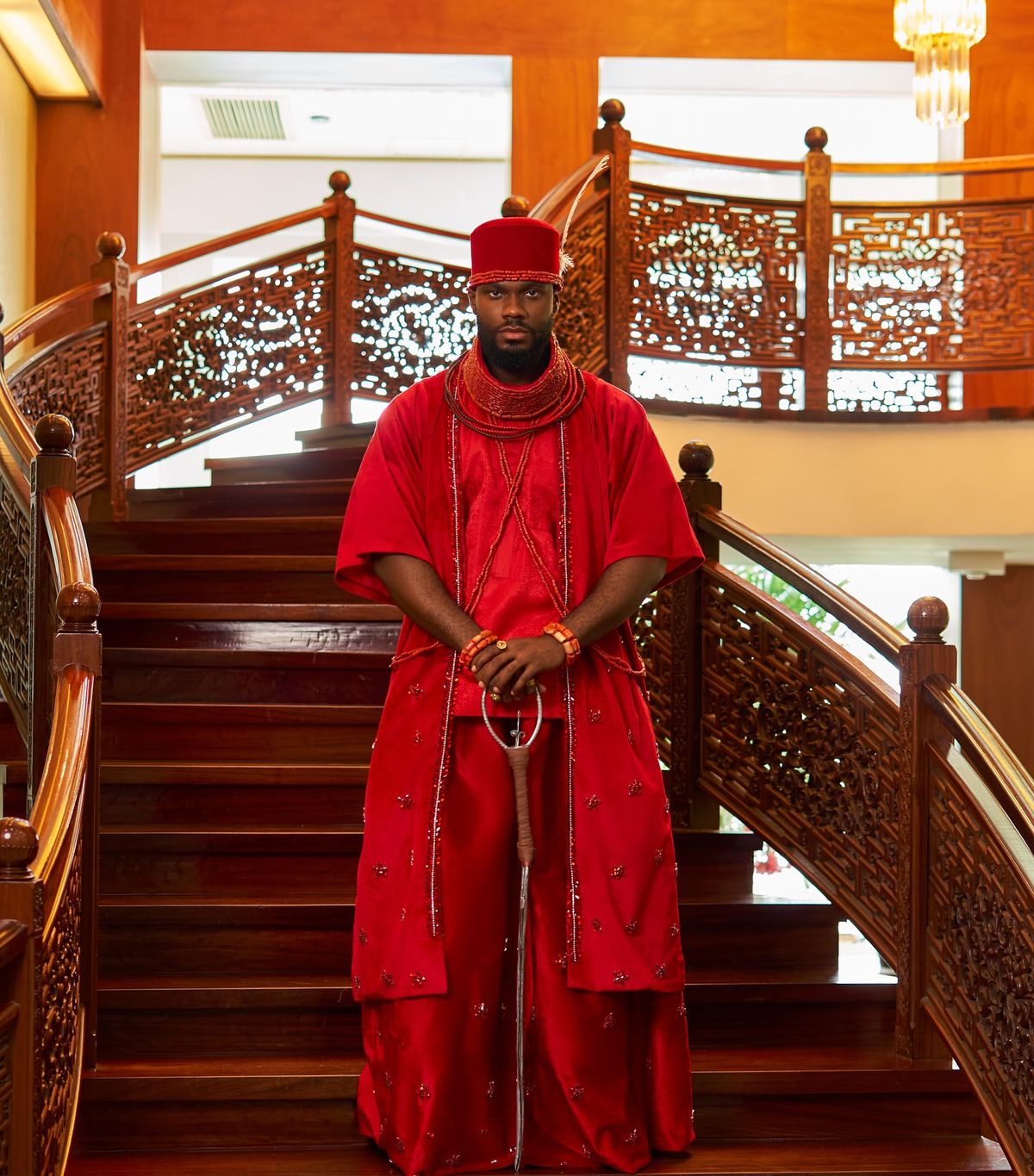
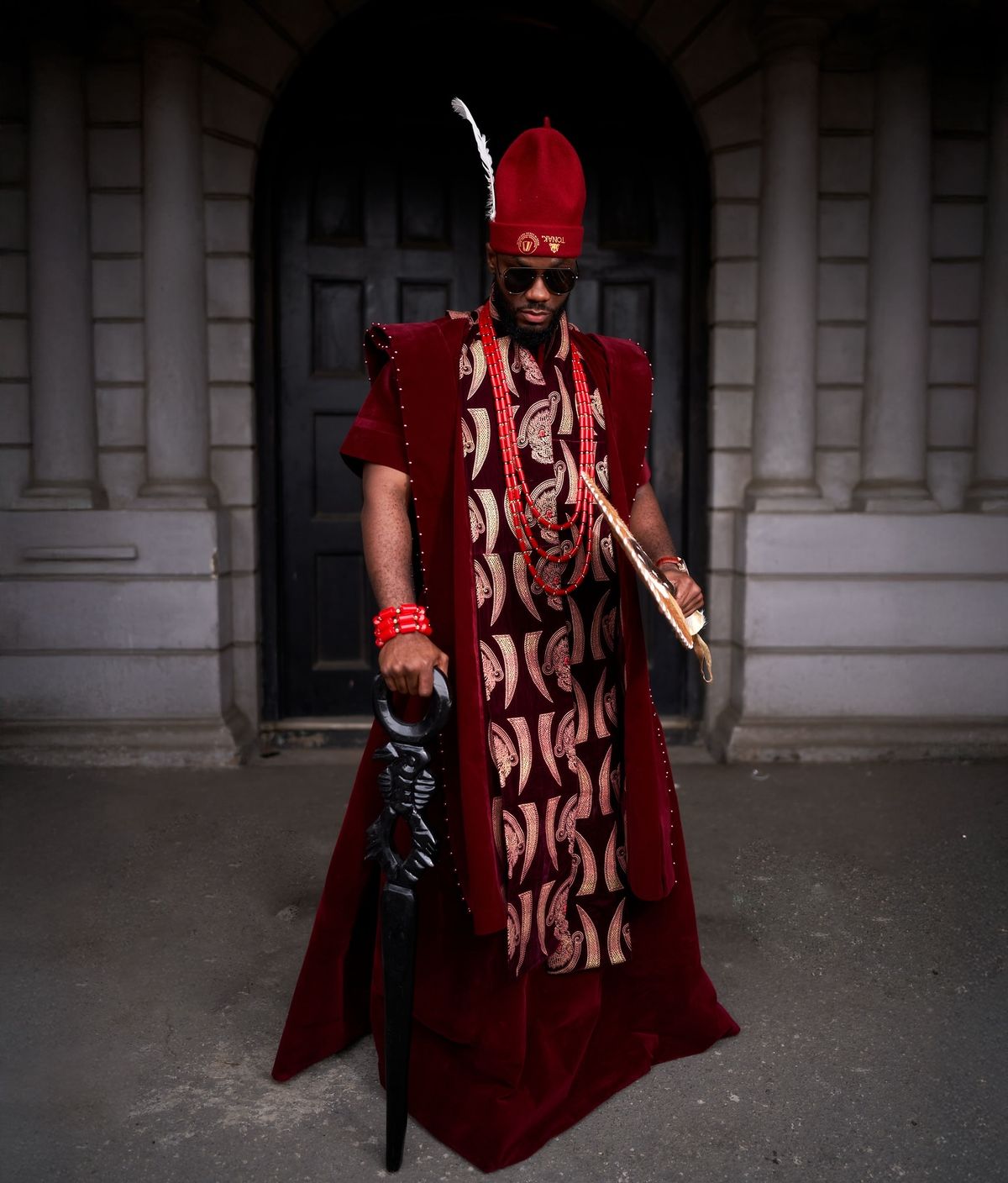
A crown may attract the eye first, but royal dress in Africa has never been limited to a single object. Across the continent’s kingdoms and traditional institutions, clothing communicates authority through layers of symbolism built into fabric, colour, beadwork, jewellery, footwear, and ceremonial accessories. Every element serves a purpose. Every detail contributes to a visual language that communities understand.

To an outsider, royal dress may appear decorative or ceremonial. Within the societies that produce it, however, these garments often communicate lineage, rank, responsibility, spiritual authority, and historical continuity. Chiefs, kings, queens, and traditional rulers do not simply wear clothing. They wear systems of meaning developed over generations.

Understanding African royal dress requires looking beyond aesthetics and examining the cultural logic that gives these garments their power.

African royal dress communicates authority, lineage, and identity through garments, regalia, and symbols understood by communities.

Royal Dress Is Designed to Be Read
Royal Dress Is Designed to Be Read

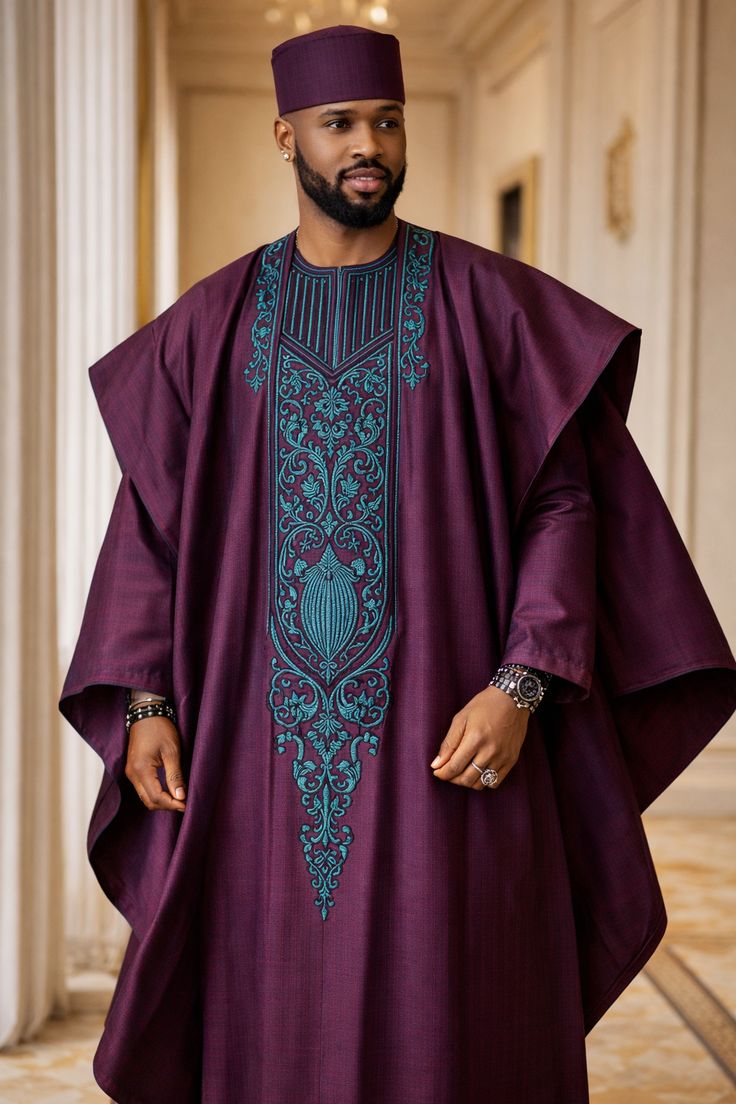
Across many African kingdoms, ceremonial clothing functions as a form of communication. Before a ruler speaks, their clothing may already have conveyed information about status, office, or occasion.

Among the Akan peoples of Ghana, for example, rulers often appear in elaborately draped kente cloth whose patterns and colours carry specific meanings. In parts of Nigeria, Yoruba monarchs wear garments and crowns that distinguish royal authority from other forms of leadership. Across East Africa, ceremonial robes and regalia have historically communicated rank and political standing within royal courts.

These systems vary from one kingdom to another, but they share a common principle: clothing is designed to be interpreted.

Royal dress therefore operates as a visual language rather than a personal fashion preference.

Materials Matter Because Meaning Matters

The significance of royal dress often extends to the materials themselves. Gold, ivory, beads, leather, handwoven cloth, and precious metals have historically appeared in royal regalia because of their social and symbolic value.

Beadwork provides one of the clearest examples. Across parts of Southern and Eastern Africa, specific colours, arrangements, and patterns can communicate information about identity, authority, and community relationships.

Similarly, handwoven textiles frequently carry prestige because they represent specialised knowledge, labour, and cultural continuity. The value of these materials lies not only in rarity but also in the meanings communities attach to them.

The garment becomes important for what it represents as much as for what it is made of.

READ ALSO:

  • The History of the African Barbershop: Why It Has Always Been a Cultural Institution, Not Just a Haircut
  • How to Wear White Like You Mean It: The African Man’s Case for an Underrated Power Colour

Royal Dress Changes Without Losing Its Purpose
Royal Dress Changes Without Losing Its Purpose

One of the most persistent misconceptions about traditional dress is that it remains frozen in time. African royal clothing demonstrates the opposite.

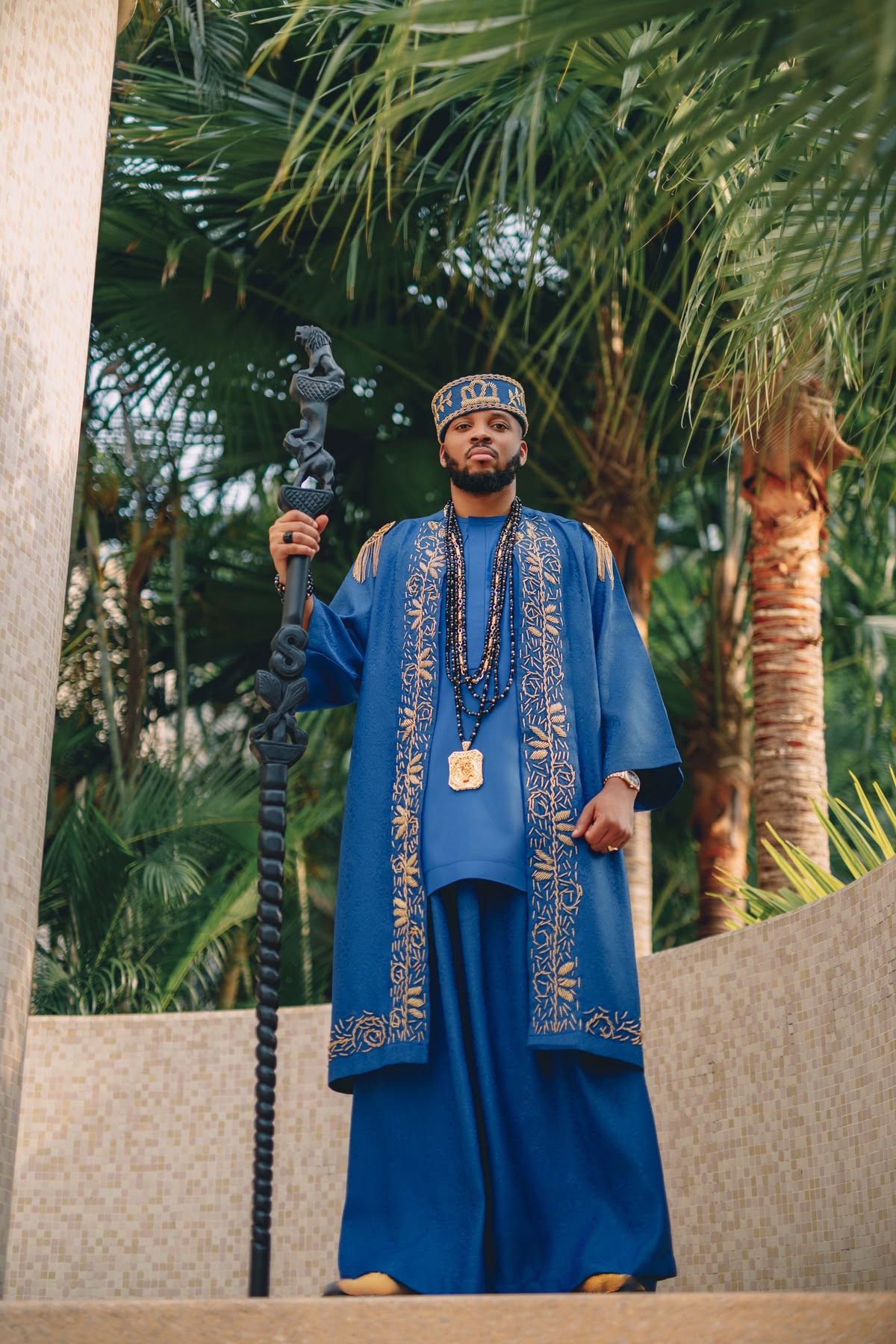
Many contemporary rulers continue to wear ceremonial garments rooted in historical traditions while adapting elements to modern realities. New fabrics may appear alongside older techniques. Contemporary tailoring may influence silhouettes. Public events may require different forms of presentation than those used centuries ago.

Yet these changes do not necessarily weaken tradition. In many cases, they help ensure its continuity.

The purpose of royal dress has always been communication. As long as the message remains legible to the community, adaptation becomes part of the tradition rather than a departure from it.

Why Royal Dress Still Matters Today
Why Royal Dress Still Matters Today

Royal institutions continue to hold cultural significance in many African societies. Traditional rulers may no longer exercise political authority as they once did, but they often remain important custodians of history, identity, and communal memory.

Royal dress plays a role in maintaining that connection. Ceremonial appearances provide opportunities for communities to engage with symbols that link the present to the past.

In this way, royal clothing functions as living heritage rather than a museum display. The garments remain meaningful because the institutions and communities surrounding them remain active.

The Omiren Argument

African royal dress is often presented as evidence of cultural history, as though its primary value lies in what it tells us about the past. This interpretation overlooks its continuing function within contemporary society.

Royal garments remain relevant because they continue to communicate authority, identity, and continuity in the present. Their significance does not depend on age or rarity alone. It depends on whether communities still recognise and understand the language they speak. Across African kingdoms, that language remains remarkably alive.

FAQs

  1. Why is royal dress important in African kingdoms?

It communicates authority, identity, lineage, and cultural continuity through visual symbols and materials.

  1. Do all African kingdoms use the same royal clothing traditions?

No. Dress systems vary significantly between regions, cultures, and historical traditions.

  1. What materials are commonly used in royal regalia?

Handwoven textiles, beads, gold, leather, precious metals, and ceremonial accessories are common.

  1. Has African royal dress changed over time?

Yes. Many traditions have adapted to contemporary realities while preserving core cultural meanings.

  1. Is the royal dress still relevant today?

Yes. It remains an important expression of cultural identity and institutional continuity in many communities.

Post Views: 10
Related Topics
  • African ceremonial traditions
  • African Cultural Heritage
  • Cultural Identity in Fashion
  • Traditional African Dress
Fathia Olasupo

olasupofathia49@gmail.com

You May Also Like
How Are African Men Redefining Professional Style Beyond the Suit?
View Post
  • Style & Identity

How Are African Men Redefining Professional Style Beyond the Suit?

  • Fathia Olasupo
  • June 9, 2026
How African Identity Is Styled Differently Across Continents
View Post
  • Style & Identity

How African Identity Is Styled Differently Across Continents

  • Ayomidoyin Olufemi
  • June 2, 2026
The Cultural Codes of Dressing Well: What Every Society Understands About Style and Respect
View Post
  • Style & Identity

The Cultural Codes of Dressing Well: What Every Society Understands About Style and Respect

  • Fathia Olasupo
  • March 31, 2026
View Post
  • Style & Identity

On Dressing With Intention in a World That Wants You Distracted

  • Rex Clarke
  • February 20, 2026
View Post
  • Style & Identity

Destinations as Living Stories: A New Way to Experience Travel

  • Philip Sifon
  • February 5, 2026
​​The Face as a Political Canvas: Identity, Power & Resistance
View Post
  • Style & Identity

​​The Face as a Political Canvas: Identity, Power & Resistance

  • Heritage Oni
  • February 2, 2026
When Style Becomes Self-Knowledge
View Post
  • Style & Identity

The Language of Draping: How Silhouette Shapes Women’s Style and Self-Expression

  • Ayomidoyin Olufemi
  • December 24, 2025
Soft Strength: Redefining Feminine Power in Contemporary Women’s Style
View Post
  • Style & Identity

Soft Strength: Redefining Feminine Power in Contemporary Women’s Style

  • Ayomidoyin Olufemi
  • December 24, 2025
The Omiren Argument

African fashion and culture are not emerging. They are foundational. We document, interpret, and argue for the full cultural weight of African and diaspora dress. With precision. Without apology.

Omiren Styles Fashion · Culture · Identity

All 54 African Nations
Caribbean · Afro-Latin America
The Global Diaspora

Platform

  • About Omiren Styles
  • Our Vision
  • Our Mission
  • Editorial Pillars
  • Editorial Policy
  • The Omiren Collective
  • Campus Style Initiative
  • Sustainable Style
  • Social Impact & Advocacy
  • Investor Relations

Contribute

  • Write for Omiren Styles
  • Submit Creative Work
  • Join the Omiren Collective
  • Campus Initiative
Contact
contact@omirenstyles.com
Our Reach

Africa — All 54 Nations
Caribbean
Afro-Latin America
Global Diaspora

African fashion intelligence, in your inbox.

Editorial features, designer profiles, cultural commentary. No noise.

© 2026 Omiren Styles — Rex Clarke Global Ventures Limited. All rights reserved.
  • Privacy Policy
  • Editorial Policy
  • Terms of Use
  • Accessibility
Africa · Caribbean · Diaspora
The Omiren Argument

African fashion and culture are not emerging. They are foundational. We document, interpret, and argue for the full cultural weight of African and diaspora dress. With precision. Without apology.

Omiren Styles Fashion · Culture · Identity
  • About Omiren Styles
  • Our Vision
  • Our Mission
  • Editorial Pillars
  • Editorial Policy
  • The Omiren Collective
  • Campus Style Initiative
  • Sustainable Style
  • Social Impact & Advocacy
  • Investor Relations
  • Write for Omiren Styles
  • Submit Creative Work
  • Join the Omiren Collective
  • Campus Initiative
Contact contact@omirenstyles.com

All 54 African Nations · Caribbean
Afro-Latin America · Global Diaspora

African fashion intelligence, in your inbox.

Editorial features, designer profiles, cultural commentary. No noise.

© 2026 Omiren Styles
Rex Clarke Global Ventures Limited.
All rights reserved.

  • Privacy Policy
  • Editorial Policy
  • Terms of Use
  • Accessibility
Africa · Caribbean · Diaspora

Input your search keywords and press Enter.