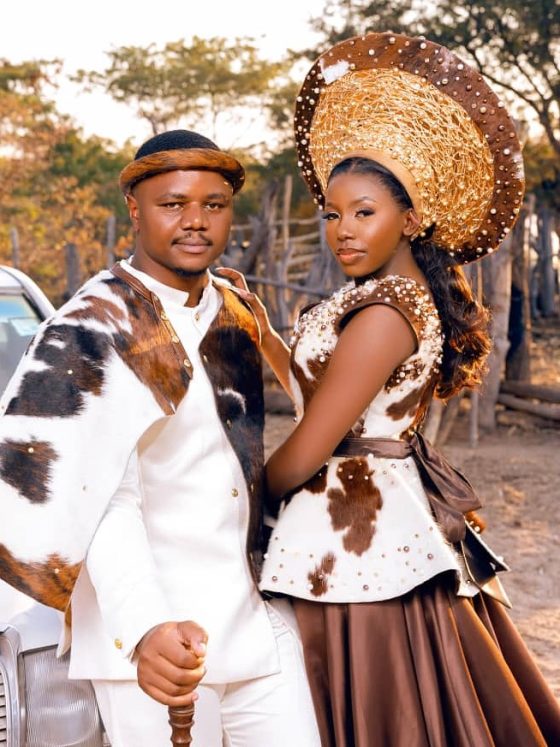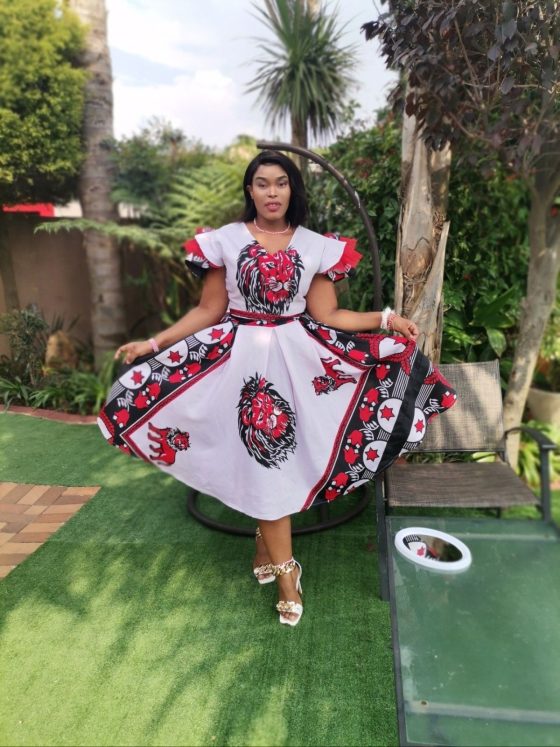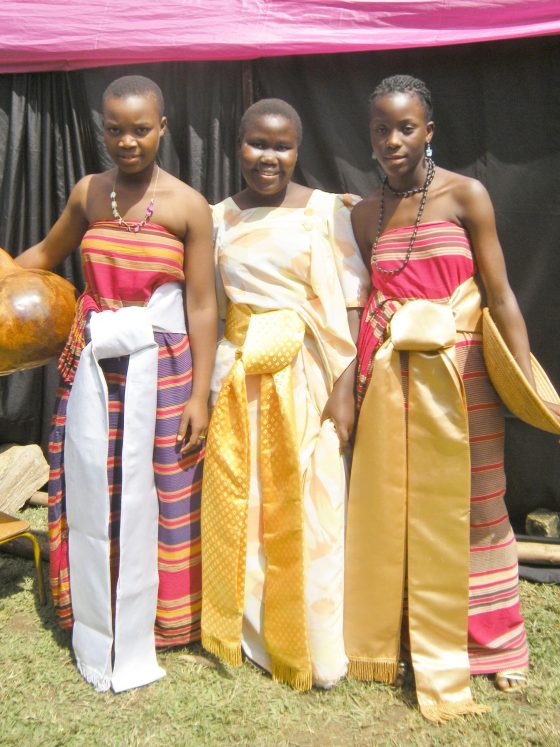
In many African dress systems, accessories are not the final detail added to an outfit. They are part of the message itself. A cap, a strand of beads, or a piece of metal jewellery can carry information about age, status, religion, or social role without a single spoken word.
This is why reading African menswear through the lens of decoration alone misses the underlying structure. Accessories do not operate as neutral styling choices. They function as codified systems shaped by long histories of identity, authority, and community recognition.
Explore how African men use caps, beads, and jewellery as structured systems of identity and communication rooted in deep cultural and historical traditions.
Accessories as a Visual Language, Not Ornamentation
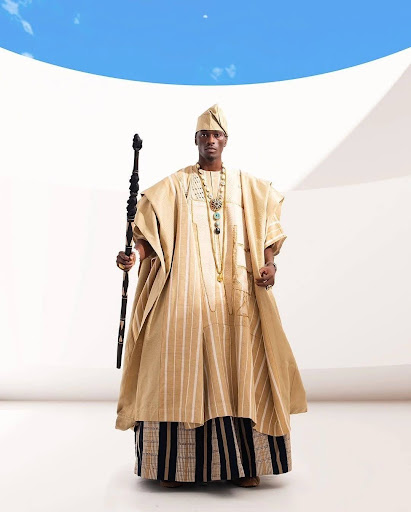
Across many African societies, accessories function as disciplined communication systems. They carry meaning that is understood within cultural contexts, especially by those familiar with the codes.
In West Africa, headwear often signals more than taste. It can indicate maturity, religious identity, or social positioning. In parts of East and Southern Africa, bead systems communicate information about life stages, relationships, and community roles. In royal and court traditions across the continent, jewellery and metalwork have historically signified authority or lineage.
These are not symbolic interpretations added after the fact. They are embedded meanings designed into the way dress systems function. Clothing communicates identity, but accessories refine and specify that communication. For any serious reading of African menswear, accessories are part of the sentence, not punctuation at the end.
Caps and Headwear in West African Identity Systems
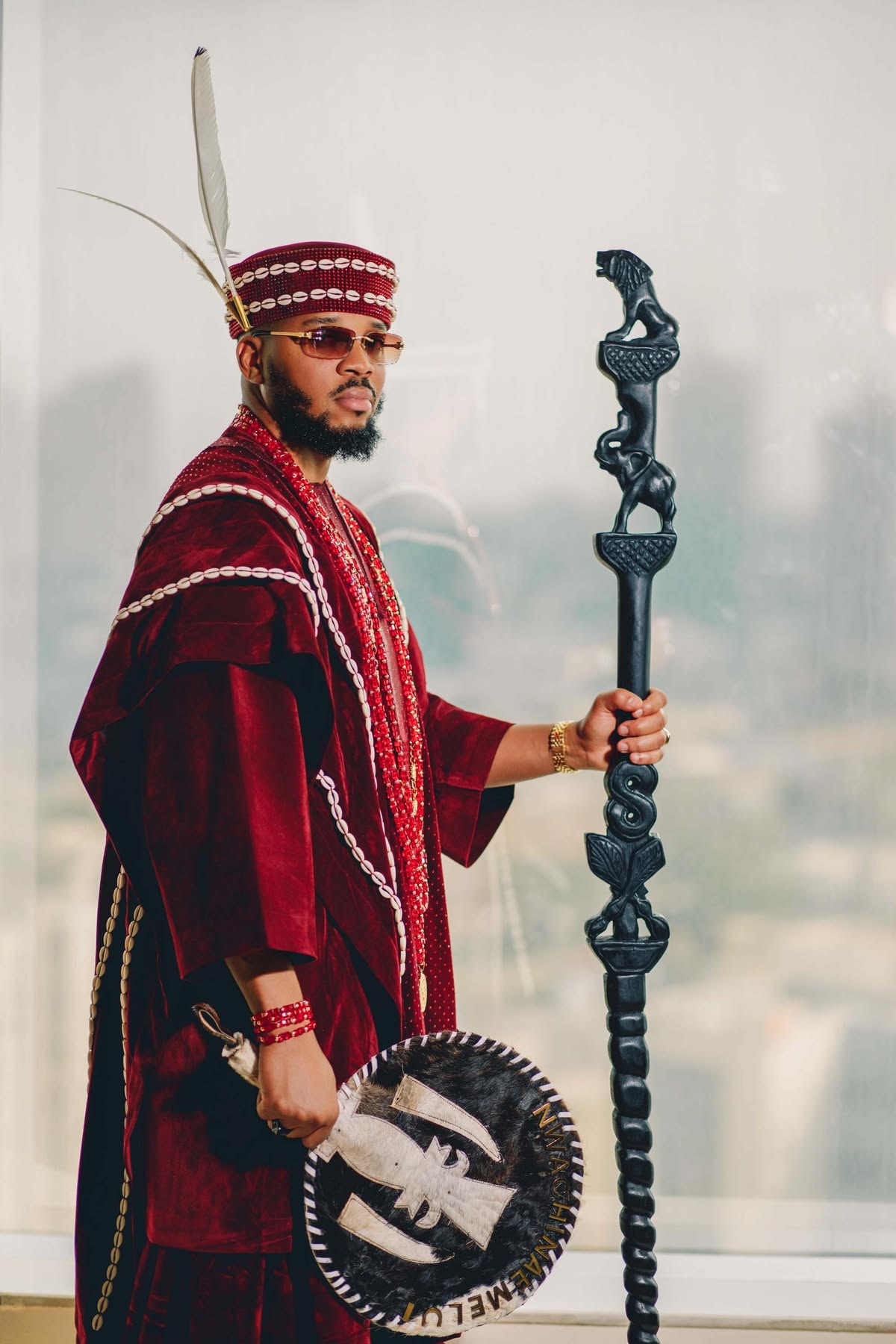
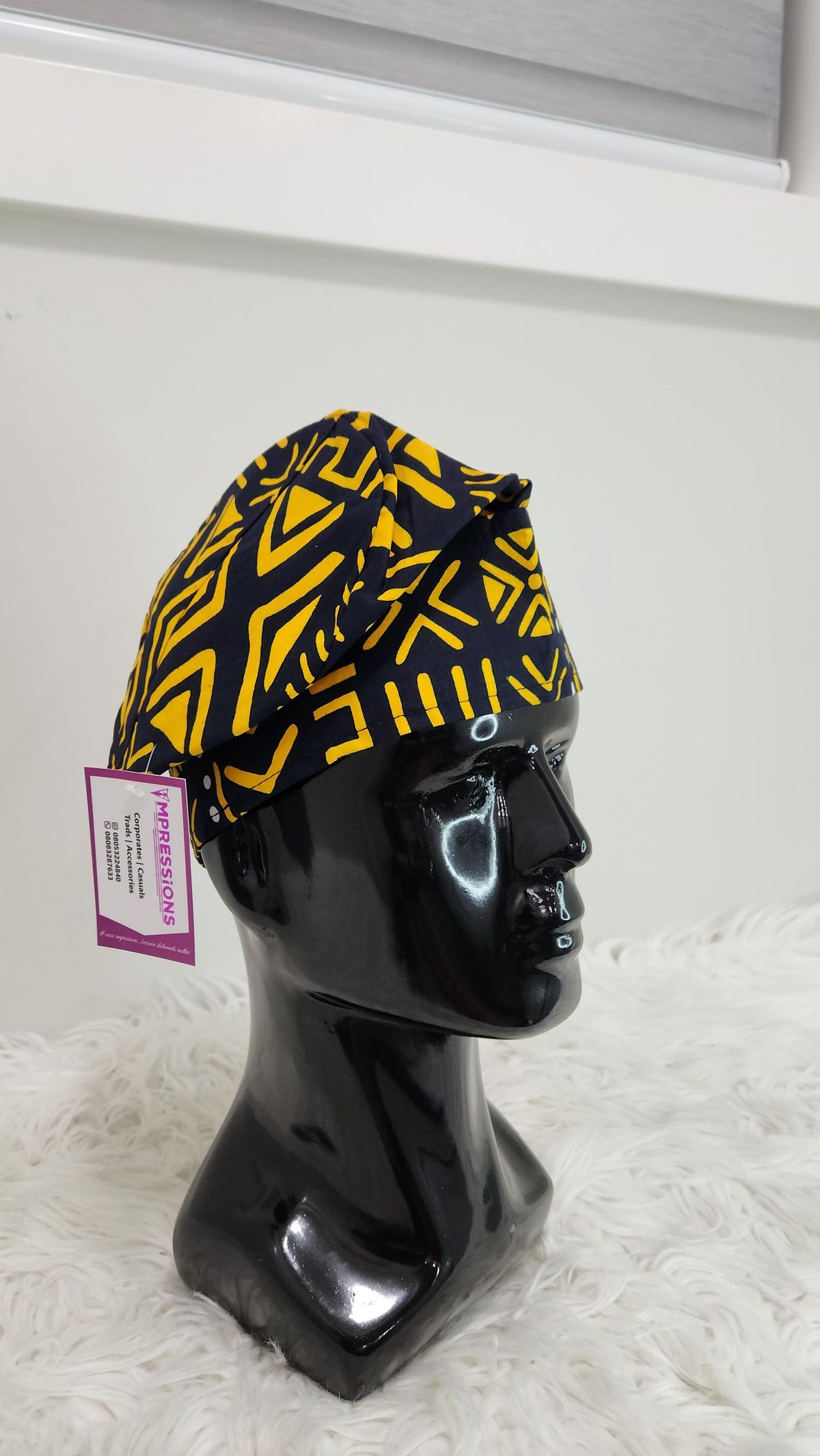
In Hausa, Yoruba, and wider Sahelian dress traditions, caps are part of structured menswear systems rather than casual additions. A cap can indicate religious affiliation, especially within Islamic communities; social maturity and respectability; occupational identity, such as scholarship, trade, or leadership; and ceremonial participation during significant events. In Yoruba dress systems, the fila cap worn with agbada can mark adulthood, respectability, and occasion. In Hausa traditions, an embroidered hula sits within scholarly, religious, or trader identities. These are not simply silhouettes. They are signals. As Omiren Styles has documented in Inside the Heritage of Hausa Embroidery, the embroidery on a Hausa cap serves as a silent grammar of status, lineage, and identity, with motifs that situate the wearer within a specific social and cultural network.
The way a cap is worn is as meaningful as the cap itself. Fold, angle, embroidery, and fabric choice can all contribute to the message being communicated. Headwear becomes a form of visual positioning, signalling how a man is understood within a social structure before he speaks or acts.
These are not simply silhouettes. They are signals.
Beads as Structured Communication in East and Southern Africa
In East and Southern African societies, bead systems represent some of the most codified visual communication in dress culture on the continent. As Omiren Styles has documented in depth in Maasai Beadwork: Meaning, Symbolism, and the Language of Identity, Maasai beadwork is not decoration but governance, a biography and a cosmology translated into geometry. Every bead is placed within a cultural grammar. Colour combinations, patterns, and placement reflect stages of life, particularly transitions from youth to warriorhood and beyond, with specific colours carrying widely understood meanings within the community: red for bravery, blue for water and energy, white for purity, green for pasture. The bead system functions as a shared visual language, not an aesthetic preference.
In Zulu traditions, beadwork historically played a role in communication between individuals, particularly in courtship contexts. Colour combinations and pattern arrangements could be used to convey emotional or social messages in coded form, with specifics varying by community and period. Among Ndebele communities, beadwork extends beyond personal adornment to encompass broader aesthetic systems, including architectural decoration and household visual identity, reinforcing the link between personal dress and collective expression.
In all these cases, beads are working as code, not just colour. They are part of a structured system of meaning that relies on shared cultural knowledge.
ALSO READ:
- Maasai Beadwork: Meaning, Symbolism, and the Language of Identity
- Inside the Heritage of Hausa Embroidery
- Agbada, Boubou, Grand Boubou: One Silhouette, Four Countries, Four Arguments About Power
- The Dashiki Is Not a Costume: What African Fashion Borrowed Back From the World
Jewellery as Masculine Authority in African Historical Contexts
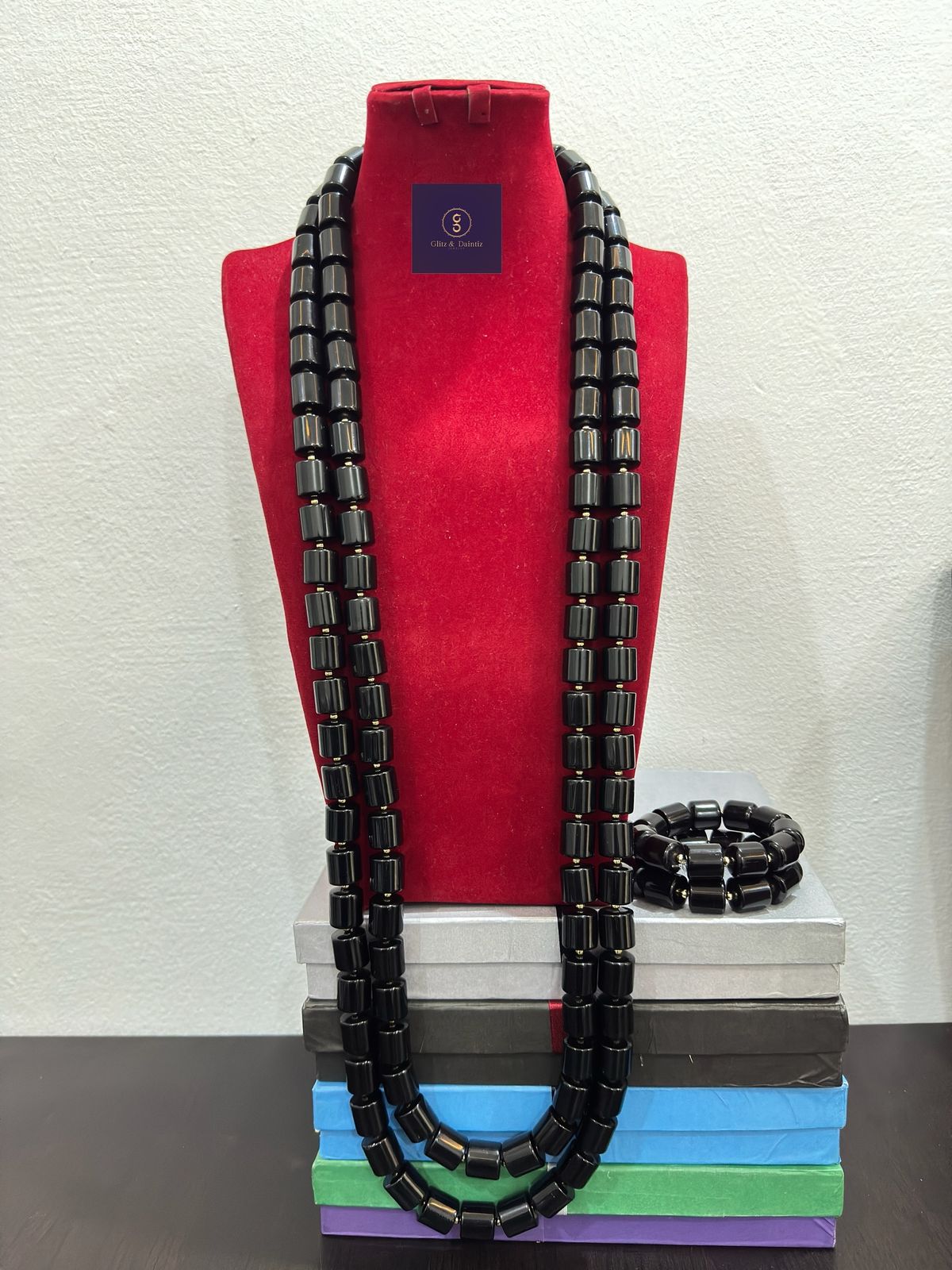
The presence of jewellery in African male dress systems challenges common assumptions about masculinity and adornment. In several African courts and religious traditions, jewellery has historically been associated with authority, wisdom, and status, not aesthetics alone. In the Ashanti royal court, gold was the central material of political legitimacy: gold weights, regalia, and ornaments served as visible indicators of power, wealth, and the structured hierarchies that governed public life. At the court of Benin, coral beads and brass were similarly codified: the depth of red in a chief’s coral was not decorative but rank-specific, with the density of coral indicating proximity to royal authority. As Omiren Styles has traced in Agbada, Boubou, Grand Boubou: One Silhouette, Four Countries, Four Arguments About Power, the fabric hierarchy in Lagos agbada dressing functions on identical logic: every material choice speaks before the wearer opens his mouth. The same applies to metal adornment.
In some Sahelian scholarly traditions, subtle metal adornments and crafted accessories have also appeared within religious and intellectual communities. In these contexts, adornment does not diminish masculinity. It reinforces social legitimacy and respectability. This challenges modern interpretations that treat male jewellery as a recent fashion development. In many African societies, it is part of a much older vocabulary of status and identity.
Colonial Influence and the Shift in Visibility
Colonial systems introduced new ideas about restraint in male dress, particularly within administrative and professional spaces. European dress norms emphasised minimal ornamentation and standardised forms of presentation. These expectations influenced schools, government institutions, and workplaces across many regions, gradually shifting perceptions of what constituted appropriate male dress in formal environments. The impact varied by region, but the overall pattern linked reduced ornamentation with professionalism.
However, this shift did not eliminate traditional accessory systems. Instead, it reduced their visibility in certain public spaces while preserving them in ceremonial, cultural, and religious contexts. Many communities continued to use accessories in their original communicative roles outside colonial administrative frameworks. The knowledge did not disappear. The audience for it narrowed.
Contemporary African Fashion and the Reactivation of Meaning
In contemporary African fashion, accessories are being reintroduced into visible public dress systems, but not as novelty items. Designers and stylists are working with existing cultural codes and adapting them to modern silhouettes and global fashion environments. As Omiren Styles has documented in The Dashiki Is Not a Costume: What African Fashion Borrowed Back From the World, the most durable African dress systems are those in which garments and accessories function together as a complete cultural statement, rather than as separable styling elements. The same principle applies to how contemporary designers are handling caps, beads, and jewellery: the accessory is being restored to its position as part of the argument, not added to it after the fact.
Beadwork is appearing in contemporary menswear collections, integrated into structured garments rather than separated as decorative additions. Caps are being reinterpreted as statements of identity rather than simply traditional markers. Jewellery is increasingly used to connect contemporary aesthetics to historical systems of meaning.
This shift is not the invention of new symbols. It is the reactivation of existing ones within new visual contexts. What is changing is visibility. Systems that have always existed are becoming increasingly visible in urban, professional, and global fashion spaces.
THE OMIREN ARGUMENT
Accessories in African menswear are often misread as mere decorative embellishments, but they function as structured systems of communication. Caps, beads, and jewellery carry information about identity, status, and belonging that has been developed and transmitted over generations. The hula and the fila are not style choices in the way a fashion accessory is. They are positions within social and cultural grammars that predate contemporary fashion by centuries.
The contemporary use of these accessories is not a departure from tradition. It is a continuation of it within new cultural and economic environments. African men are not adding meaning to their clothing through accessories. They are revealing the meaning that has always been present within those systems. For any stylist, designer, or editorial team working seriously with African menswear, that is the starting point: these objects carry a sentence before they carry a look. Reading the sentence is the work.
FREQUENTLY ASKED QUESTIONS
What do caps mean in African men’s dress systems?
In many African cultures, particularly in West Africa, caps can indicate religious identity, social maturity, occupation, or ceremonial status depending on style, fabric, and how they are worn. A Yoruba fila worn with an agbada can signal adulthood and respectability; a Hausa embroidered hula can sit within scholarly or trader identities. The cap’s meaning is not fixed to the object alone but to how, where, and by whom it is worn.
How do African men use beads to communicate identity?
In several East and Southern African societies, beadwork functions as a structured communication system. Among the Maasai, colour combinations and pattern placements reflect stages of life, with red commonly associated with bravery, white with purity, and green with pasture, among other associations. In Zulu traditions, specific bead arrangements have historically communicated social and emotional messages in courtship contexts. The specifics vary by community, but the underlying principle holds: beads are working as code, not just colour.
Are beads and jewellery part of African masculinity traditions?
Yes. In many African historical contexts, male jewellery and adornment have been associated with authority, leadership, spiritual status, and cultural identity rather than fashion alone. In Ashanti royal courts, gold regalia and ornaments signified rank and political authority. At the court of Benin, coral bead density indicated proximity to royal power. Adornment in these contexts reinforced masculinity and social legitimacy rather than undermining it.
What is the cultural meaning of beadwork in Maasai society?
Maasai beadwork is closely tied to age-set systems and life transitions, with colours and patterns reflecting stages such as youth, warriorhood, and elder status. As Omiren Styles has documented, it functions not as decoration but as governance, a biographical and cosmological record translated into geometry and maintained primarily by women across generations.
How did colonialism affect African men’s use of accessories?
Colonial systems promoted minimal ornamentation in formal and institutional settings, influencing workplace and educational dress codes across many regions. The impact was not uniform, but the overall pattern linked reduced visible ornamentation with professionalism. Traditional accessory systems continued in ceremonial and cultural spaces, preserving their communicative function outside colonial administrative environments.
Why are African designers using beads and caps in modern fashion?
Designers are integrating traditional accessories into contemporary fashion not as novelty but to reconnect modern menswear with existing historical systems of identity, communication, and craftsmanship. This is a reactivation of meaning that was always present, not an invention of new symbolism.
Are African men’s accessories just decorative, or do they have meaning?
In the African dress systems examined here, accessories function as structured visual systems that communicate identity, status, and belonging. A cap, bead arrangement, or piece of jewellery carries a social position before it carries a look. Reading that position accurately is what separates cultural intelligence from surface observation.