Few garments have travelled as widely or been as misunderstood as the dashiki. Recognised instantly for its bold prints and relaxed silhouette, it has appeared everywhere from West African ceremonies to global fashion runways and diaspora celebrations. Yet, despite its visibility, the dashiki is often reduced to a costume, something worn for themed events rather than understood as a legitimate form of dress. This misinterpretation strips it of its cultural and historical depth.
In reality, the dashiki is part of a broader system of African men’s fashion rooted in identity, craftsmanship, and social meaning. To wear it correctly is not simply a matter of styling. It is a matter of understanding.
Editorial Notice: Some links in this article are affiliate links. Omiren Styles may earn a small commission at no extra cost to you.
The dashiki is not a costume. It is a West African garment carrying centuries of identity, craft, and cultural authority that global fashion has borrowed without ever properly crediting its origins.
The Origins of the Dashiki
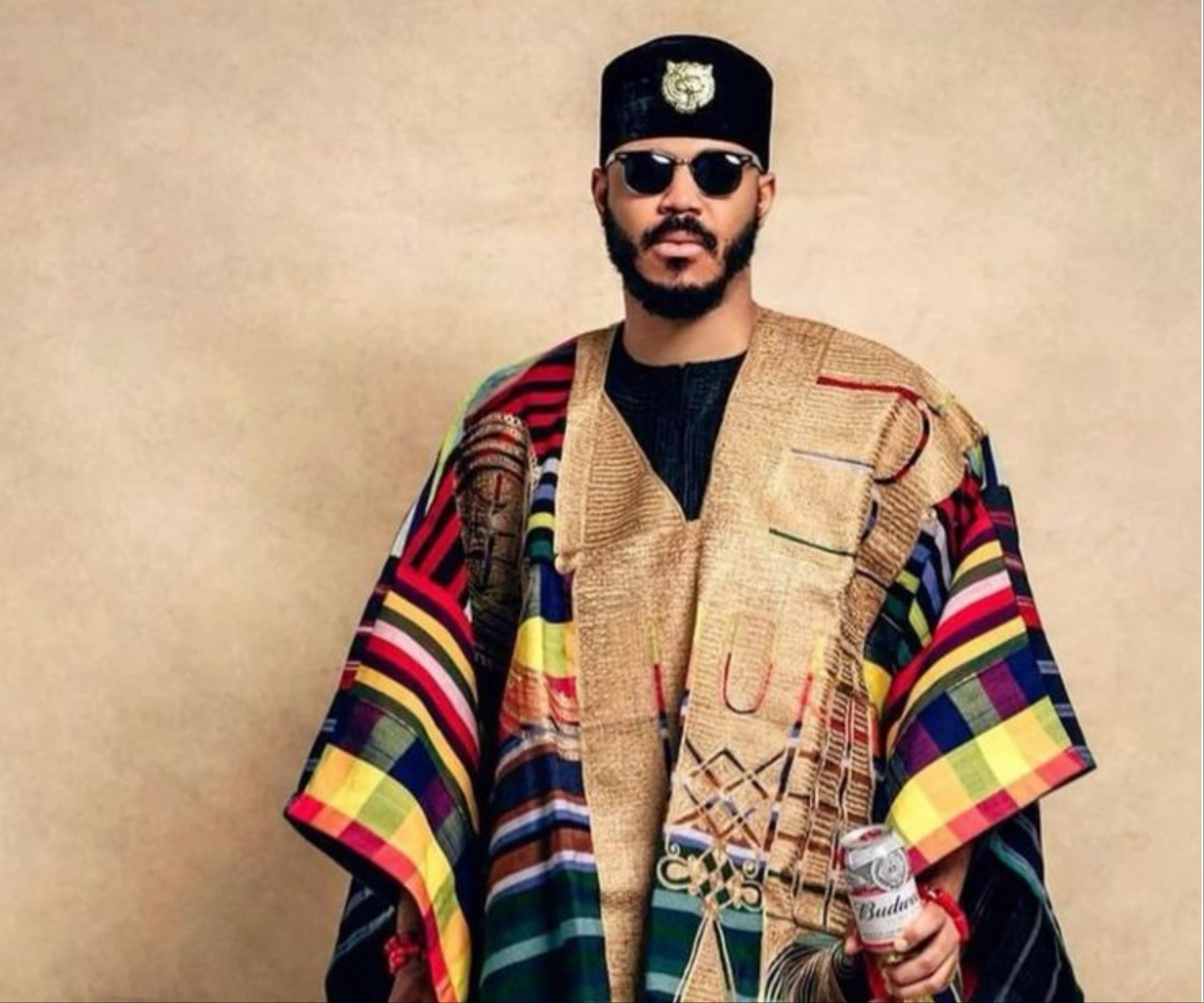
The dashiki originates from West Africa, particularly among Yoruba, Hausa, and other ethnic groups, where it forms part of traditional male attire. The word itself is derived from the Yoruba term “danshiki,” referring to a loose-fitting tunic worn across the region.
Historically, this garment was not worn in isolation. It was part of a complete outfit, often paired with trousers and sometimes layered under more elaborate robes. Its design allowed for comfort in warm climates while maintaining a sense of structure and presence.
Understanding the Structure of the Dashiki
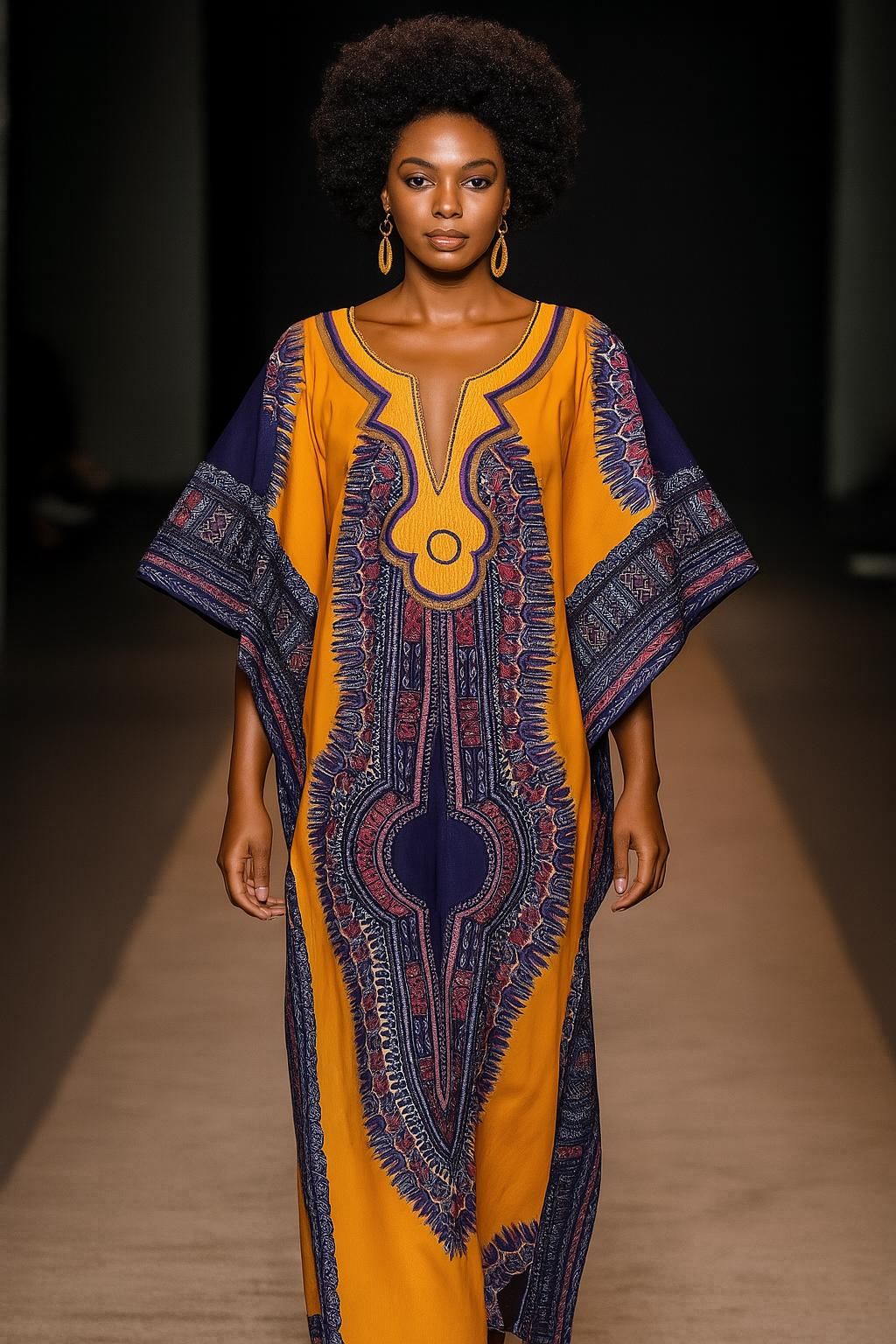
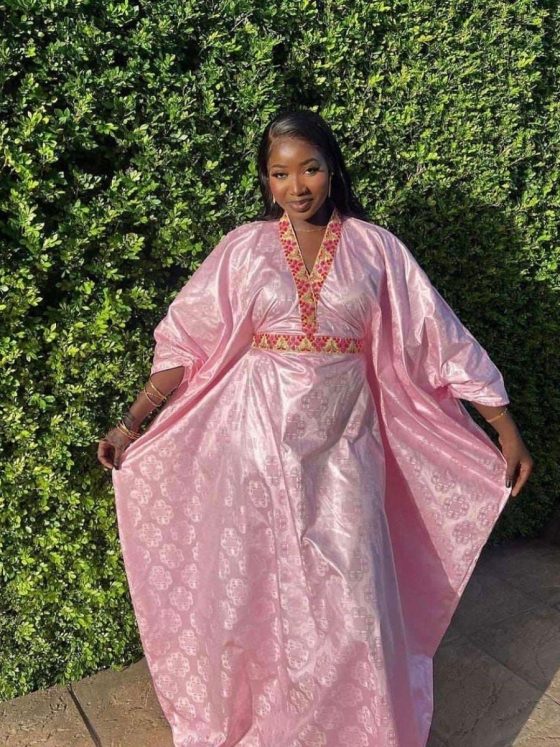
At its core, the dashiki is a tunic. It is typically loose-fitting, with wide sleeves and a V-shaped neckline, often embellished with embroidery.
The silhouette is intentional. It allows for movement while maintaining a clean, structured appearance. The embroidery around the neckline serves as a focal point, drawing attention upward and framing the face.
Fabric plays a crucial role. Traditional dashikis are often made from cotton or brocade, with bold prints that carry cultural significance. The choice of fabric and pattern is never random. It contributes to the garment’s overall meaning.
The Language of African Prints
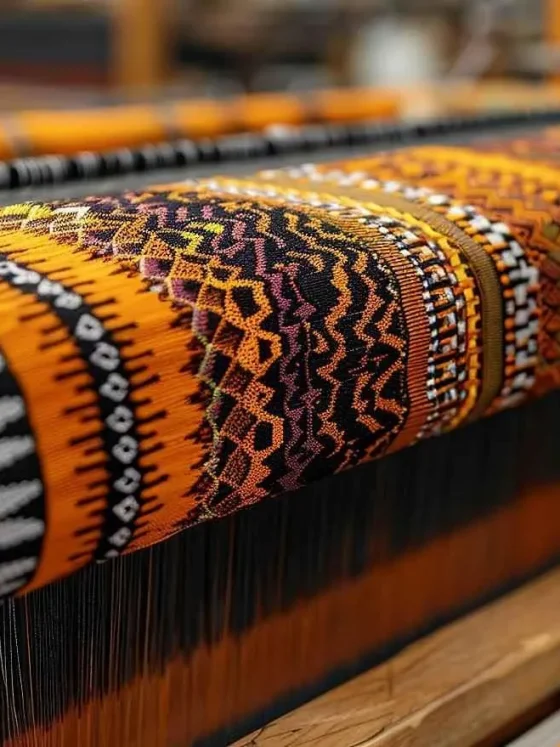
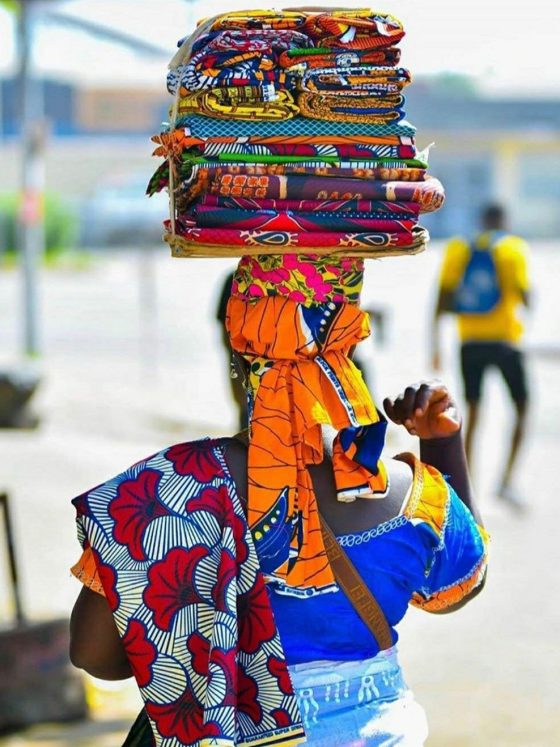
African prints are central to the identity of the dashiki. Patterns, colours, and motifs are used to communicate ideas, values, and cultural references.
In many cases, these prints are symbolic. They may reference proverbs, historical events, or social concepts. The repetition of patterns creates rhythm, while colour combinations add emotional depth.
This is why African print clothing cannot be reduced to aesthetic appeal alone. It operates within a system of meaning that requires context to be fully understood.
Many contemporary artisans across West Africa continue to preserve these textile traditions through hand-finished garments, woven fabrics, and carefully embroidered pieces. For readers interested in exploring craftsmanship inspired by these clothing. Explore selected hand woven dashiki fabrics here
The Dashiki in the African Diaspora
The global recognition of the dashiki is closely tied to the African diaspora, particularly during the 1960s and 1970s. It became a symbol of cultural pride and resistance, worn as a statement of identity during civil rights movements.
This moment transformed the dashiki from a regional garment into a global icon. It was no longer confined to West Africa. It became part of a broader conversation about race, identity, and representation.
Today, the dashiki continues to hold this symbolic power. It represents a connection to heritage, especially for those navigating identity outside the continent.
Why the Dashiki Is Not a Costume
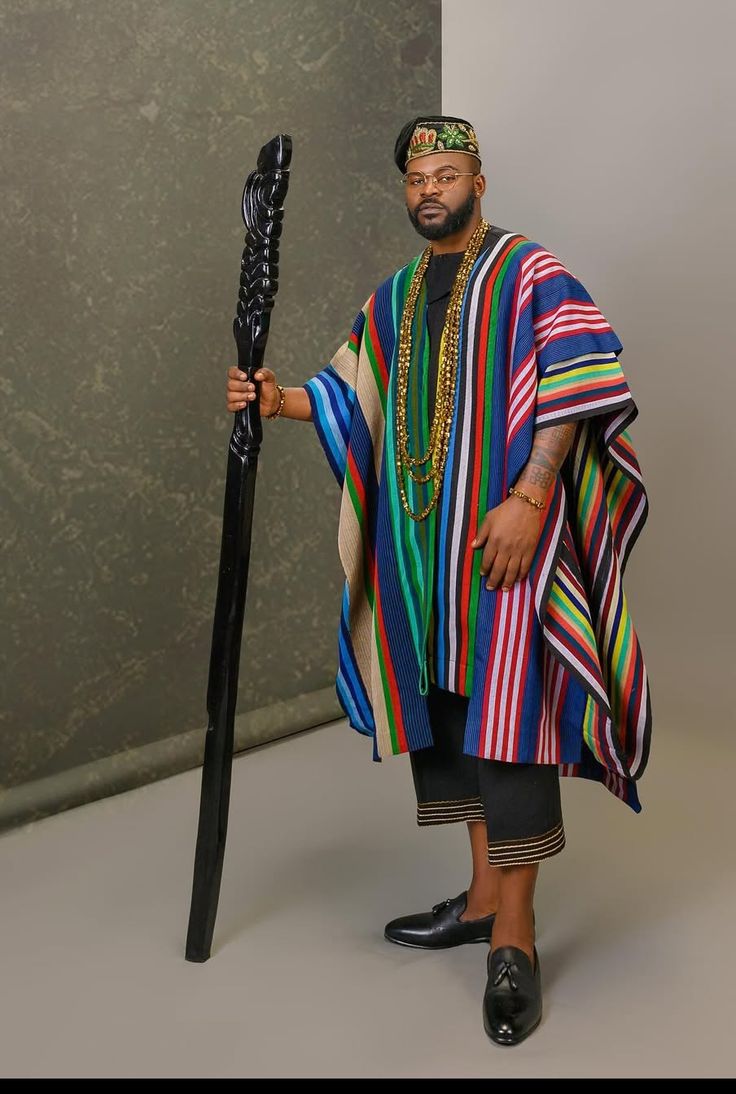
The idea of the dashiki as a costume stems from its use in themed events and cultural celebrations outside its original context. When worn without understanding, it becomes detached from its meaning.
However, in its proper context, the dashiki is everyday wear. It is formal wear. It is cultural wear. It exists across different levels of social life.
Calling it a costume reduces it to something temporary and performative. It ignores its role as a legitimate garment within African fashion systems.
To wear a dashiki correctly is to recognise its place within this system. It is to move beyond surface-level engagement and into cultural awareness.
OMIREN ARGUMENT
The dashiki did not become a global icon because the world went looking for African fashion. It became one because the African diaspora carried it into spaces that could no longer ignore it, wore it as a form of resistance during the civil rights movement, and transformed a regional West African tunic into a statement that crossed every border it encountered. The world did not discover the dashiki. The dashiki arrived, announced itself, and the world scrambled to catch up. That sequence matters because the version of the story that credits global fashion with “embracing” African prints gets the direction of influence exactly backwards.
What happened to the dashiki after it gained visibility is equally instructive. It was reproduced without credit, repackaged without context, and eventually labelled a costume by the same cultures that had lifted it from its origins. That is not adoption. That is extraction followed by dismissal. True engagement with the dashiki requires something the fashion industry rarely offers African garments: the acknowledgement that its meaning was complete long before anyone outside West Africa decided it was interesting.
How to Wear a Dashiki Correctly
Wearing a dashiki well requires attention to both context and styling.
First, consider the full outfit. A dashiki is often best worn with tailored trousers or traditional pants that complement its silhouette. This creates balance and structure.
Second, pay attention to fit. While the garment is loose, it should not appear oversized or unstructured. The shoulders should align properly, and the length should feel intentional.
Third, consider the occasion. A dashiki can be worn casually, but it can also be styled for formal settings depending on the fabric and design.
Finally, understand the print. Choosing patterns with awareness adds depth to the outfit, transforming it from clothing into expression.
Understanding the dashiki often begins with understanding the makers behind it. Contemporary African designers and independent ateliers continue to reinterpret traditional silhouettes while remaining rooted in the garment’s cultural language. We’ve curated a small selection of artisan made pieces for readers interested in exploring that continuing tradition. Explore dashiki for men and women
Modern Interpretations of the Dashiki
In contemporary fashion, the dashiki has been reinterpreted in various ways. Designers are experimenting with cuts, fabrics, and styling, creating versions that align with modern aesthetics.
Some designs incorporate slimmer silhouettes, while others blend traditional prints with contemporary tailoring. These adaptations allow the dashiki to remain relevant in global fashion while maintaining its cultural roots.
However, the most successful interpretations are those that respect the garment’s original structure and meaning.
Read also:
- When the Gele Speaks: The Cultural Language of Yoruba Head-Tying
- African Print as Modern Armour: Identity, Belonging, and Cultural Authority
The Cultural Responsibility of Wearing African Prints
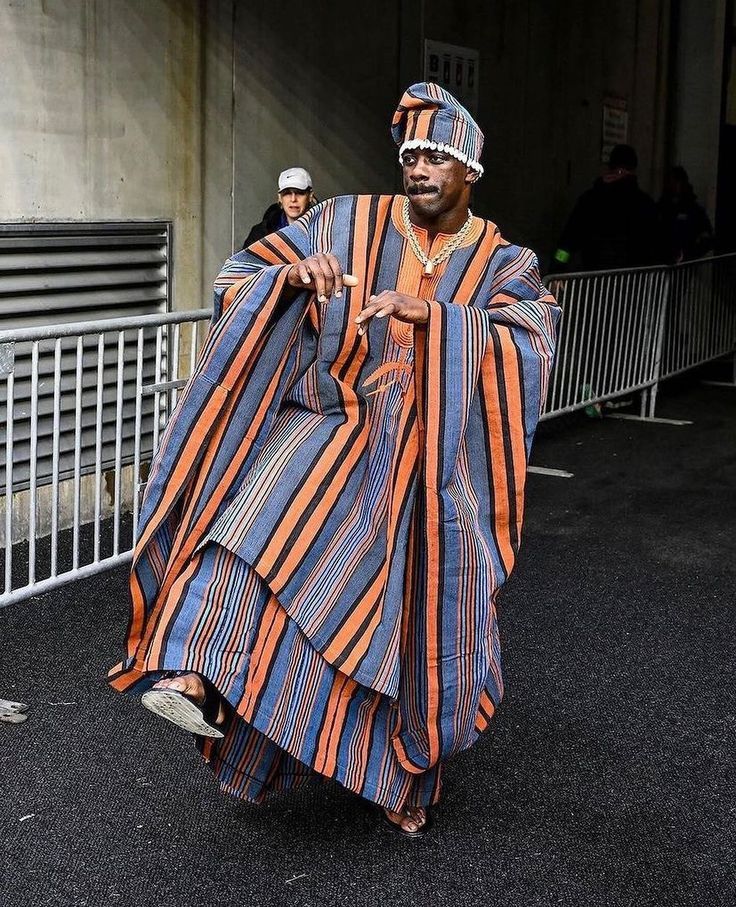
As African prints gain global popularity, there is a growing need for cultural responsibility.
Wearing a dashiki should not be an act of appropriation. It should be an act of appreciation grounded in understanding. This means acknowledging its origins, respecting its significance, and engaging with it thoughtfully. For readers interested in already made African dashiki outfit, can explore here
This responsibility extends to designers, stylists, and consumers alike. It ensures that African fashion is represented accurately and with respect.
Identity and Expression
The dashiki is more than a garment. It is a form of identity.
For many, it represents connection to heritage, pride in culture, and a sense of belonging. It allows individuals to express who they are in ways that are both personal and collective.
In this sense, wearing a dashiki is not just about style. It is about statements.
Conclusion
The dashiki is not a costume. It is a garment with history, meaning, and cultural significance.
Understanding it requires more than visual appreciation. It requires engagement with the systems of identity, craftsmanship, and symbolism that define African fashion.
As global interest continues to grow, there is an opportunity to move beyond misunderstanding and toward deeper appreciation. To see the dashiki not as something worn for effect, but as something worn with intention.
Because in the end, true style is not just about what is seen. It is about what is understood.
Further Reading
The history of the dashiki cannot be separated from the wider history of African textiles, identity, and the cultural movements that carried these garments across the world. For readers interested in exploring these histories further, we’ve selected a number of beautifully researched books on African fashion, textile traditions, and cultural history.
Frequently Asked Questions (FAQs)
- What is a dashiki?
A dashiki is a traditional West African tunic worn by men, known for its loose fit, bold prints, and embroidered neckline.
- Is a dashiki African or African American?
The dashiki originates from West Africa but gained global recognition through the African diaspora, particularly in the United States.
- Can anyone wear a dashiki?
Yes, but it should be worn with respect and understanding of its cultural significance.
- What do dashiki patterns mean?
Many patterns carry symbolic meanings related to culture, history, and social values.
- Is the dashiki still fashionable today?
Yes, the dashiki remains relevant in both traditional and modern fashion contexts worldwide.