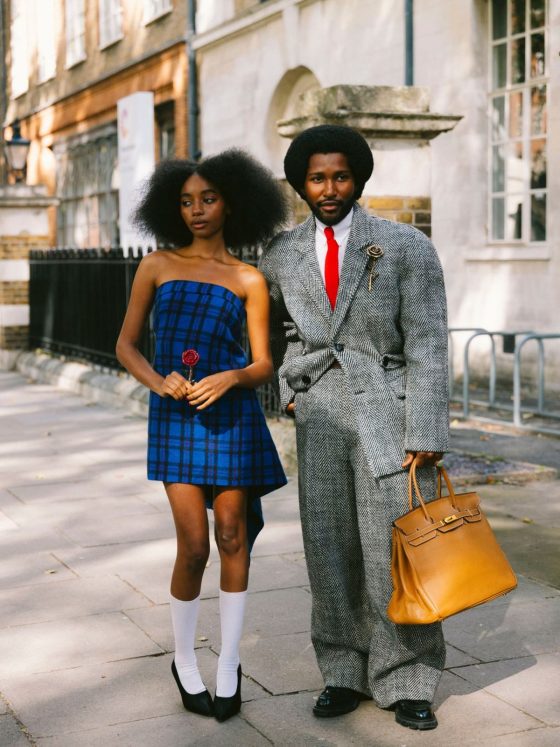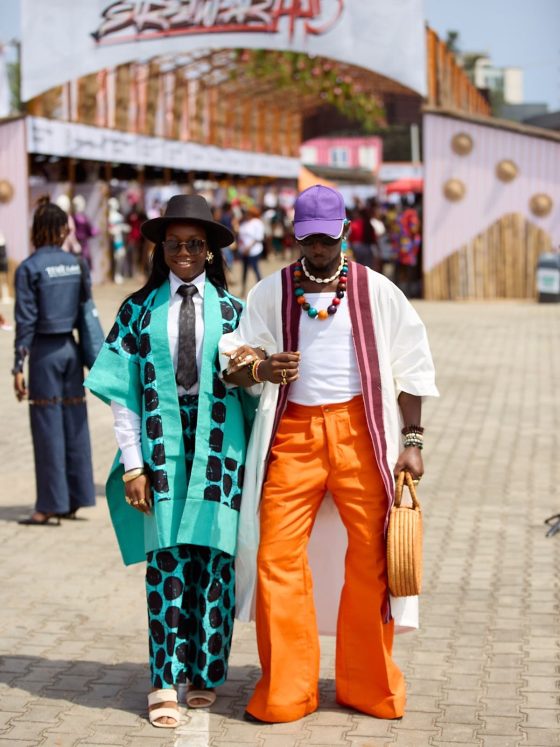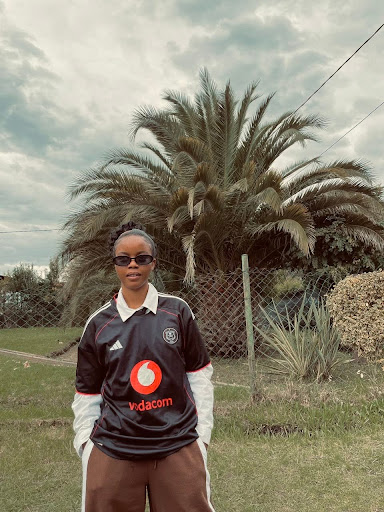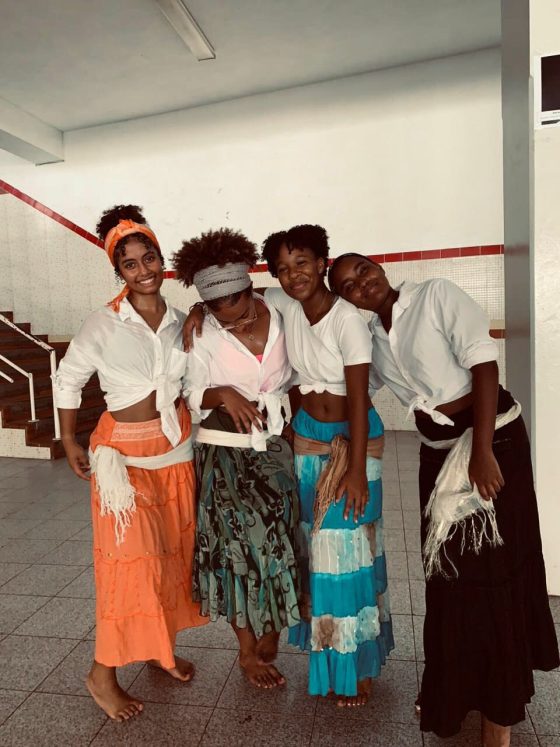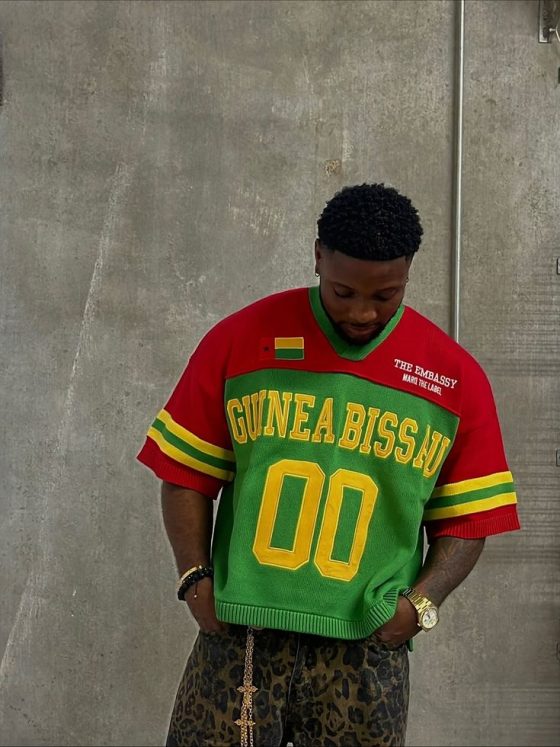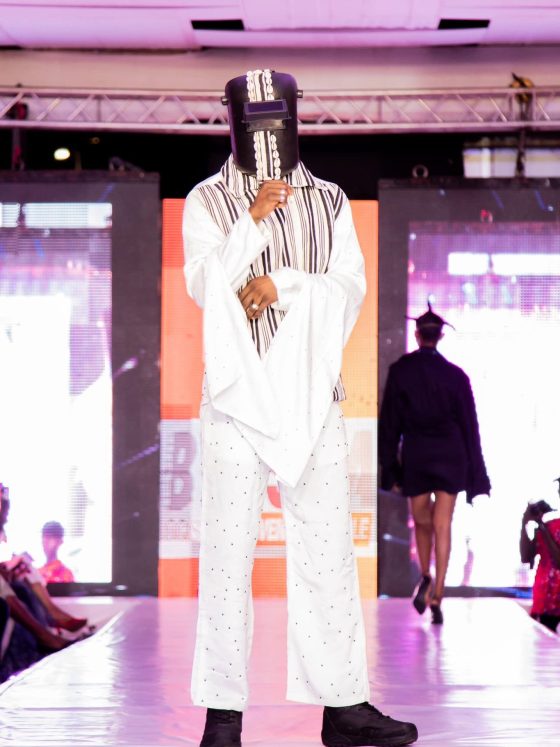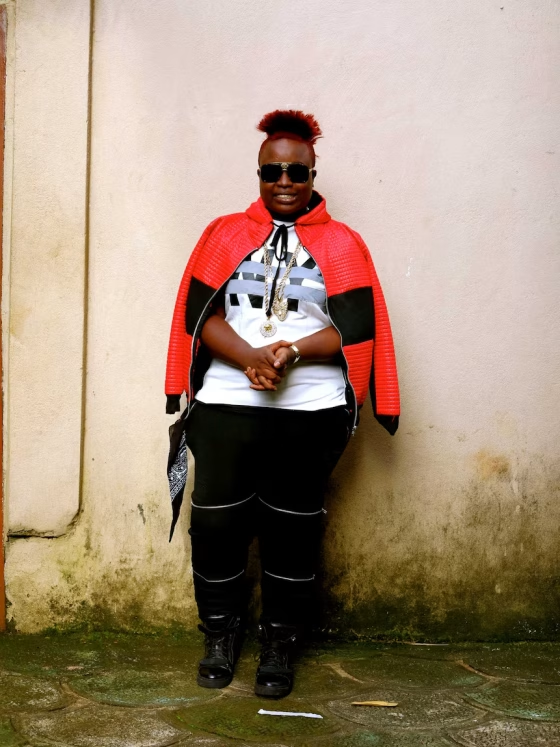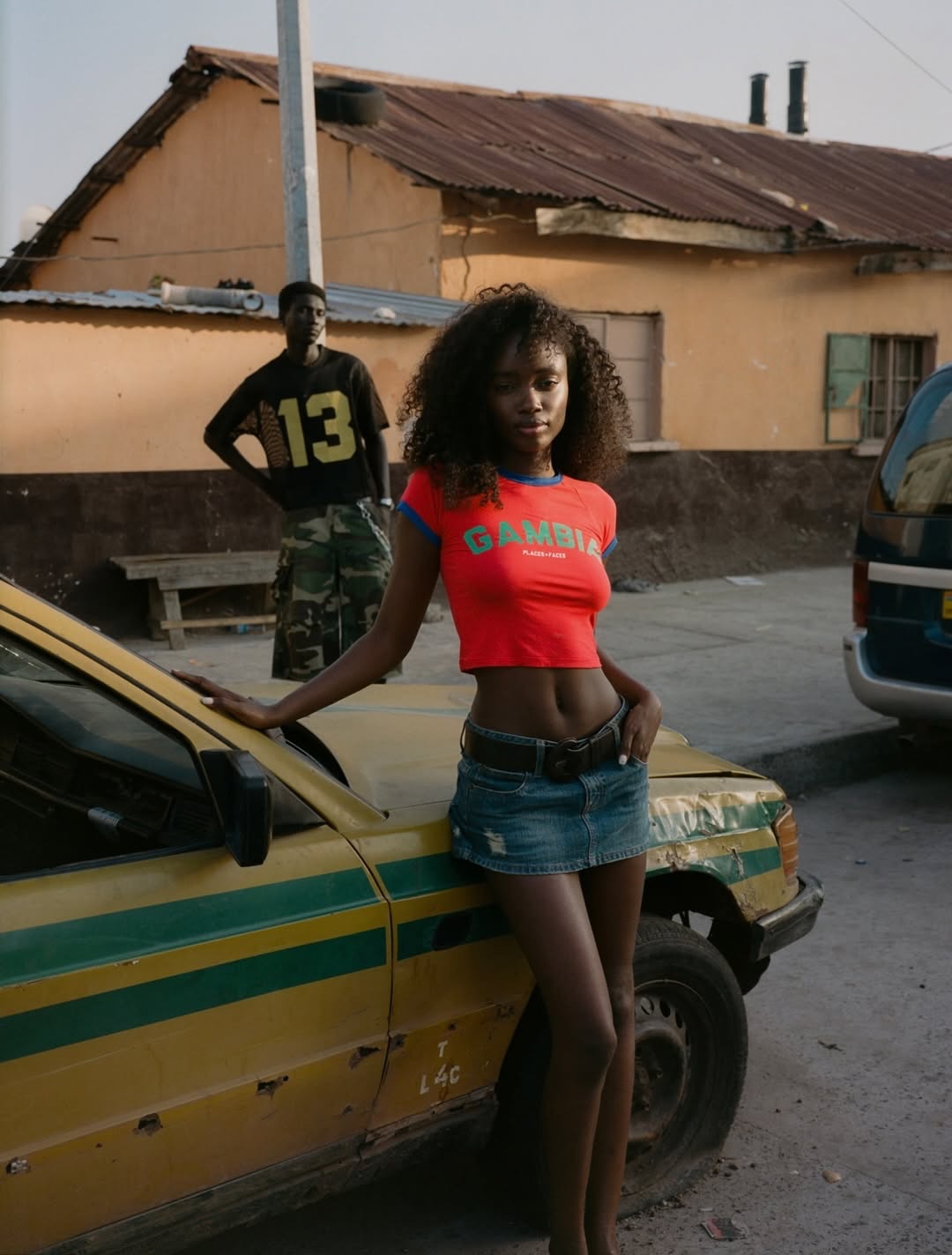
Gambian street style represents a deliberate and ongoing negotiation. In areas like Banjul and Serrekunda, young people actively reshape inherited clothing practices to fit their realities instead of choosing one over the other.
This choice creates visible tension. It also raises questions about respect, identity, and what it means to be young and Gambian in public spaces today.
So in Gambia, street style stands as more than fashion but as one of the clearest spaces where the country’s youth test the boundaries of cultural continuity and personal freedom.
Gambian street style reflects how young people in Banjul and Serrekunda adapt traditional tailoring and modest fashion. Read this article to learn more.
How Youth Are Shaping Gambian Street Style
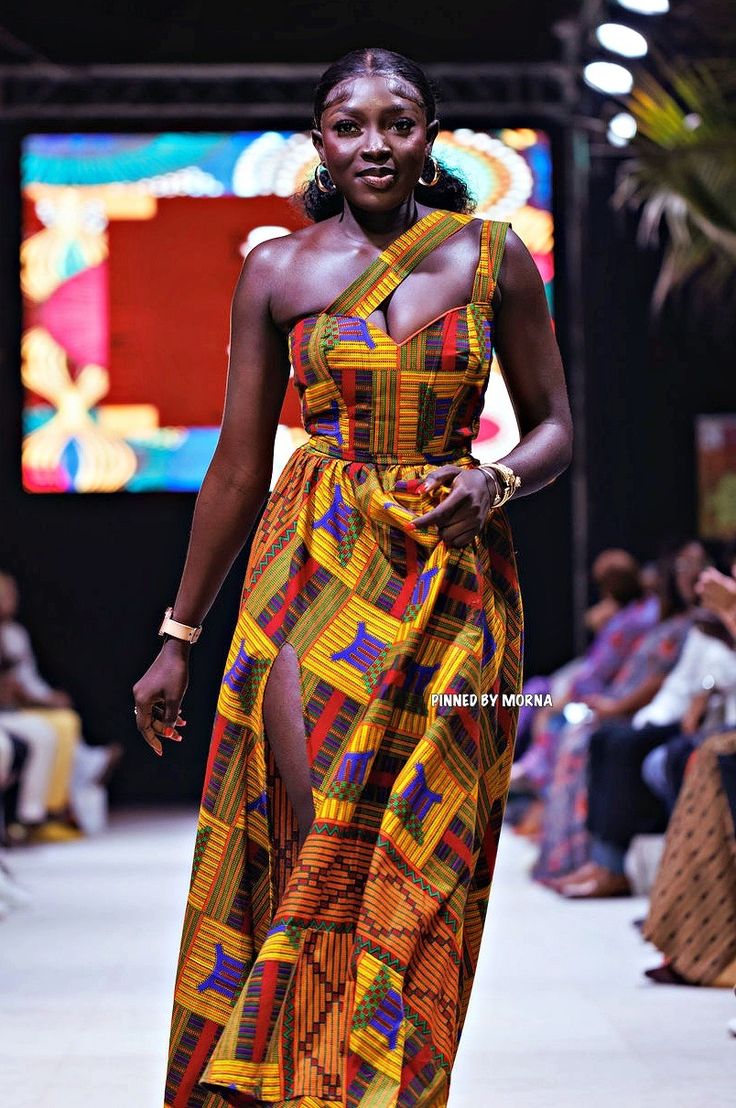
Young people in the Gambia actively shape Gambian street style through their daily clothing choices. In Banjul and Serrekunda, they adjust traditional tailoring to fit modern needs and urban movement.
Many young men ask tailors for slimmer versions of the boubou and kaftan. They combine these with jeans, sneakers, or simple trousers for everyday use. This creates practical looks suitable for school, work, and street life.
Young women adapt modest dress styles with updated proportions and details. They mix local batik, tie-dye, and other fabrics with lightweight jackets or contemporary accessories while keeping overall modesty.
Youth also combine locally tailored pieces with second-hand and imported items. These combinations allow them to respond to economic conditions and current influences without fully abandoning local tailoring traditions.
Through these consistent decisions, young Gambians turn Gambian streetwear into an active form of cultural adaptation rather than a passive following of trends.
How Global Influences Mix with Local Realities in Gambian Street Style
Gambian street style develops through selective mixing rather than direct copying of global trends. Young people in the Gambia see international styles through social media.
But they adapt them to fit local economic conditions, climate, and social expectations. Many youth pair locally tailored garments with second-hand jeans, sneakers, or lightweight tops.
This combination allows comfortable movement in the heat while meeting modesty standards common in daily life. Limited budgets make second-hand and affordable imported items practical choices alongside traditional tailoring.
The mixing process shows clear decision-making. Young people keep elements of local fabrics and cuts that carry cultural meaning. Then they adjust proportions, layering, and accessories to match current needs. Social media helps them test and share these adaptations quickly among peers.
This approach creates a distinct form of Gambian street style. It reflects real conditions in The Gambia. Some of which include economic realities, urban routines, and generational expectations. They chose this path instead of following external trends without modification.
The Tailoring Markets as Engines of Gambian Street Style
In the heart of Serrekunda Market and tailoring areas across Banjul, young Gambians commission skilled artisans who sustain Gambian street style as a living practice. These markets serve as centres where inherited tailoring skills meet the requirements of daily urban life.
Artisans work with locally sourced fabrics to create garments that balance cultural meaning with practical function. Young people bring specific requests to tailors. They seek adjusted versions of the boubou and kaftan with practical features suited to movement in the coastal climate and busy routines.
This made-to-measure approach supports local craft economies while producing clothing that fits real needs for school, work and street navigation. Tie dye and batik fabrics hold a central place in these commissions.
Artisans draw on established techniques that use plant-based materials. Such methods contribute to patterns that carry continuity across generations. Young customers select these textiles deliberately to maintain a connection to Gambian craftsmanship in their everyday wear.
This process does more than create individual outfits. It circulates resources within local communities and positions youth as active participants in Gambian youth clothing trends.
The interaction between customer, tailor and material produces Banjul street style that resists both rigid tradition and unadapted imitation. It demonstrates cultural agency rooted in the realities of The Gambia.
Also Read
- Traditional Clothing in The Gambia: Culture and Identity Through Fashion
- Gambian Fabrics and Craftsmanship: A Cultural Expression
- The Future of Fashion in Guinea: Tradition Meets Innovation
Modesty as Foundation in Gambian Youth Street Style
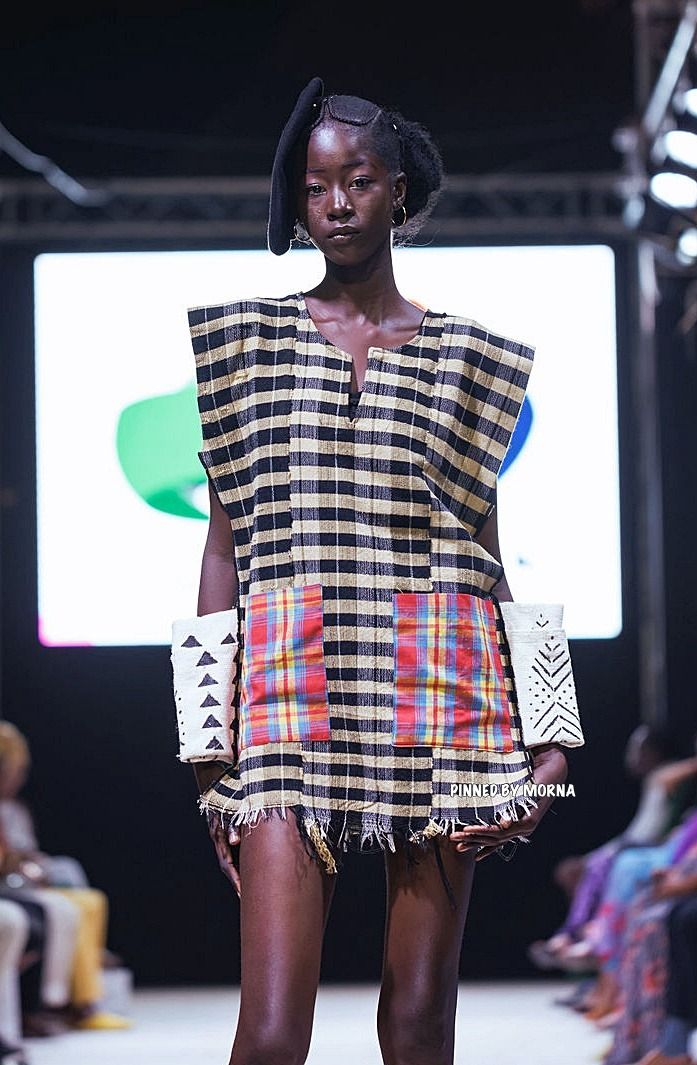
The Gambia maintains a predominantly Muslim society where Gambian street style rests on shared expectations of modesty. Young people in Banjul and Serrekunda interpret these expectations actively through their daily clothing choices.
Young women wear long dresses made from local tie-dye or batik fabrics. They pair these with lightweight headscarves and simple jackets or trainers. This approach supports ease of movement during daily routines while meeting standards of coverage common in public spaces.
Young men combine the kaftan or boubou with trousers or jeans and practical footwear. These combinations maintain a polished appearance suited to urban life. They reflect ongoing generational discussions about respectability and personal expression in street style, Banjul, Serrekunda.
Such choices form part of broader negotiations in youth fashion in Gambia. Young people balance faith, family expectations and the practical demands of heat and movement. The resulting outfits demonstrate cultural agency rather than rejection of inherited norms. They show how modesty remains a living framework that accommodates contemporary realities without erasure.
The Omiren Argument
Gambian youth street style is not a dilution of tradition but its active contemporary evolution that asserts control over cultural continuity amid economic constraints and global exposure.
Across Mandinka, Wolof and other communities in The Gambia, clothing has long served as a marker of identity, social standing and occasion, with garments such as the boubou and kaftan carrying specific cultural weight in daily and ceremonial life.
Colonial and post-independence influences introduced Western silhouettes and imported goods, yet young people today selectively commission local tailors in Serrekunda Market and Banjul to modify these inherited forms rather than abandon them entirely. They pair adjusted cuts with practical second-hand items to navigate heat, modesty and limited budgets.
This everyday practice reveals how young Gambians exercise power over their own narrative. Fashion becomes a site of negotiation where identity, respectability and personal freedom coexist without ceding authority to external trends.
Gambian street style therefore stands as proof that African youth fashion remains authoritative on its own terms, deeply rooted in local realities and deliberately shaped for the present and future.
Frequently Asked Questions
- What is a street style look?
Street style usually refers to clothing worn in everyday public life, outside formal runways or editorial settings. It often reflects personal taste, local trends, and how people adapt fashion to real life.
- How to dress in The Gambia?
Dress in The Gambia is generally practical and modest, especially in public spaces and religious or family settings. Lightweight clothing is often more comfortable in the climate, and many people also wear tailored or traditional outfits for ceremonies and special occasions.
- What are the four types of dress codes?
The four common dress code categories are formal, semi-formal, business casual, and casual. These categories help describe how dressed up or relaxed clothing should be for a given setting.
- What is the famous city in Gambia?
Banjul is the capital city and one of the best-known cities in The Gambia. Serrekunda is also very well known because it is the country’s largest city and a major urban centre.
- Is Gambia rich or poor?
The Gambia is generally considered a lower-income country rather than a rich one. Its economy depends heavily on sectors like agriculture, tourism, and services, and many people still face financial constraints.