Pathé’O is one of the most important designers in modern African fashion history, even if his name is still not widely known outside Francophone Africa. He made the printed shirts Nelson Mandela wore repeatedly in the 1990s and after, turning an everyday garment into one of the most recognisable visual signatures of African political life.
That makes this story more than a designer profile. It is a story about authorship, visibility, and how a shirt became part of the visual language of African leadership. Mandela did not simply wear Pathé’O’s clothes. He helped make them part of political memory. Fashion history, which is comfortable remembering the wearer, has not yet done enough to remember the maker.
Who made Nelson Mandela’s shirts? Explore Pathé’O’s fifty-year career and the shirt that became one of modern Africa’s most photographed political garments.
Who Pathé’O Is
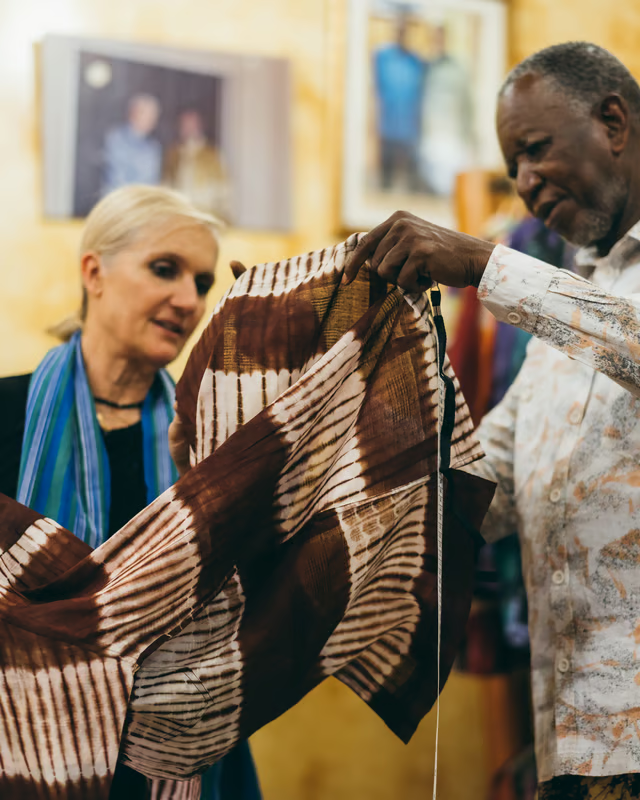
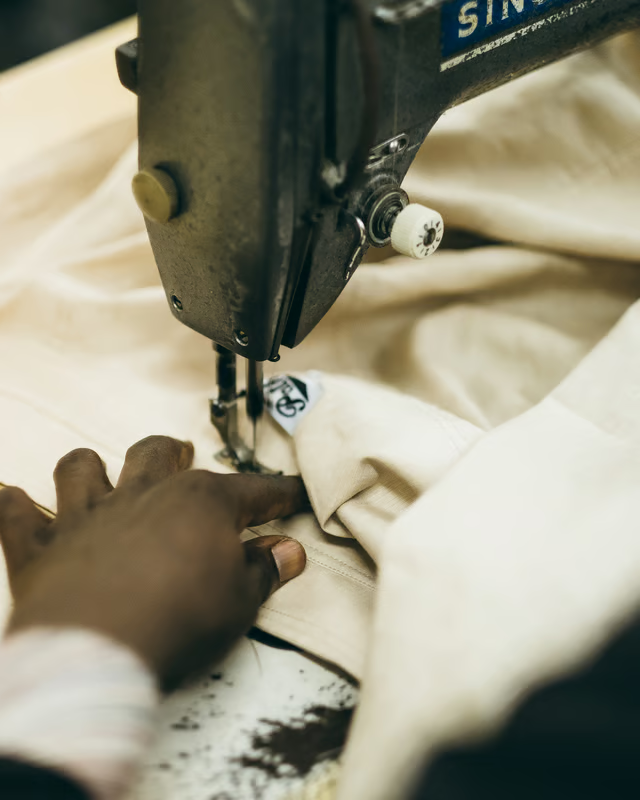
Pathé Ouédraogo, known professionally as Pathé’O, is a Burkina Faso-born designer who built his career in Côte d’Ivoire over five decades, eventually becoming one of the continent’s best-known clothiers of political and cultural figures. His workshop in Treichville, Abidjan’s working-class quarter, is where he has worked since he first set up shop as a young self-taught tailor. That detail matters. He did not begin in a fashion capital or through institutional training. He began in a rented workspace, teaching himself, improving steadily, winning Côte d’Ivoire’s Golden Scissors contest in 1987, and building a reputation piece by piece.
Over time, his richly coloured shirts and dresses became associated with African leadership, dignity, and contemporary elegance. His clients have included Moroccan King Mohamed VI, Rwandan President Paul Kagame, former UN Secretary-General Kofi Annan, model Naomi Campbell, and Africa’s richest man, Aliko Dangote. His business now spans roughly ten countries and employs sixty people. That long arc matters because it shows that the Mandela shirt story did not come from a marketing moment. It came from fifty years of sustained craft practice.
Pathé’O’s significance also lies in how he framed the work. He consistently positioned African-made clothing as worthy of pride rather than as a lesser alternative to European luxury. In a fashion system that often conditions African designers to seek validation from outside the continent, that was not a small stance. It was, as Omiren Styles has documented in When Dressing Becomes Declaration, the kind of choice that carries ideological weight, because it makes identity visible and refuses the assumption that authority comes from elsewhere.
How Mandela Came to Wear the Shirts
The connection between Pathé-O and Nelson Mandela is now part of fashion and political history, but it began in a human, unplanned way. Singer Miriam Makeba bought shirts from Pathé’O and gave them to Mandela. In 1997, Mandela wore one during an official visit to France and publicly mentioned the designer’s name. That moment opened the door.
It mattered because Mandela’s clothing choices were never incidental. He understood the political force of dress. The shirts he wore signalled accessibility, African identity, and a deliberate break from the formal Western suit as the default visual code of statesmanship. He was, as Pathé’O himself recalled, someone who never asked whether the shirt suited him or whether he should dress more like other heads of state. He wore what he wanted to wear, without embarrassment, without seeking permission from the conventions of European political dress.
Pathé’O’s shirts fit that message precisely. They were colourful, relaxed, and unmistakably African in sensibility without being costumed. Mandela’s choice to wear them made the shirts legible to the world as more than garments. They became a statement about African leadership, pride, and self-definition, which is exactly what they already were in the workshop where they were made.
Why the Shirt Became Iconic
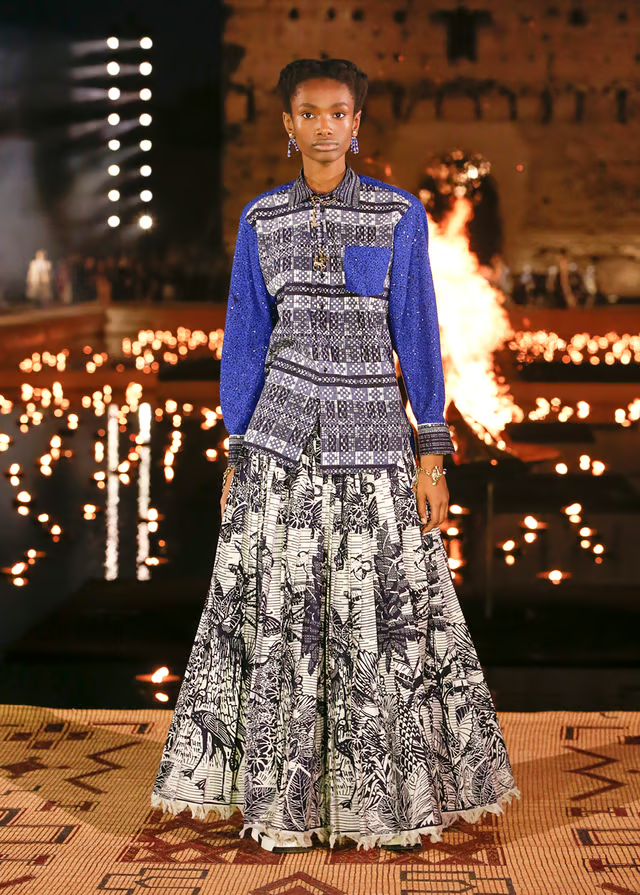
A shirt becomes iconic when it does more than dress the body. In Mandela’s case, Pathé’O’s printed shirts helped create a recognisable visual identity for the statesman in his post-prison, post-apartheid public life. The shirt appeared in repeated images that circulated globally, and it became one of the garments most closely associated with his legacy.
The shirt worked because it carried several meanings at once: elegant, relaxed, African, political, and deeply photogenic. It stood apart from the suit-and-tie uniform of global statesmanship, which made it feel fresh while remaining dignified. It did not perform Africanness. It simply was African, and the man wearing it was not going to apologise for that.
He was not like the others. He was daring; he was not afraid to wear this. He was not embarrassed.
The shirt’s fame shows how clothing can travel through politics, media, and memory simultaneously. It was the product of a specific African designer whose craft helped shape one of the most enduring images of modern African leadership. That is fashion history operating at the level of civilisation, not trend. The same claim can be made of the broader African dress traditions Omiren Styles has traced in The African City That Fashion Forgot: sophisticated dress systems were doing this kind of political, spiritual, and diplomatic work centuries before any European institution thought to document them.
Why Pathé’O Remains Under-Celebrated
Despite the global recognisability of Mandela’s shirt, Pathé-O himself remains under-celebrated outside Côte d’Ivoire and in parts of Francophone Africa. That gap is telling. Fashion history often remembers the image but forgets the maker, especially when the maker works outside the dominant Anglophone fashion circuits of London, New York, Milan, and Paris.
That is a problem of cultural hierarchy, not publicity. The shirt became globally visible because it was worn by one of the most photographed African political figures of the twentieth century. Yet, the designer behind it has not received the kind of international recognition that such a contribution would usually generate if it had come from a European or North American studio. The logic is circular: visibility accrues to makers already inside the recognised system, while makers outside it must attach themselves to globally famous wearers just to enter the frame.
Pathé’O’s fifty-year career also shows that the Mandela shirt is only one chapter in a much larger body of work. He built a whole practice around African-made elegance, dressing political leaders and public figures across the continent while insisting on the value of clothing produced where the culture lives. That insistence is part of a longer argument about cultural resistance and dress that Omiren Styles has traced across post-colonial African history: the refusal to treat local production as inferior, and the decision to dress for African audiences first.
ALSO READ
- When Dressing Becomes Declaration: Clothing as Cultural Identity
- The African City That Fashion Forgot: How Benin, Oyo, Dahomey, and Asante Dressed Before Europe Arrived
- Cultural Resistance: How the World’s Most Powerful Style Movements Were Built
- Top Ghanaian Fashion Designers Shaping Africa’s Global Fashion Narrative
What This Story Means Today
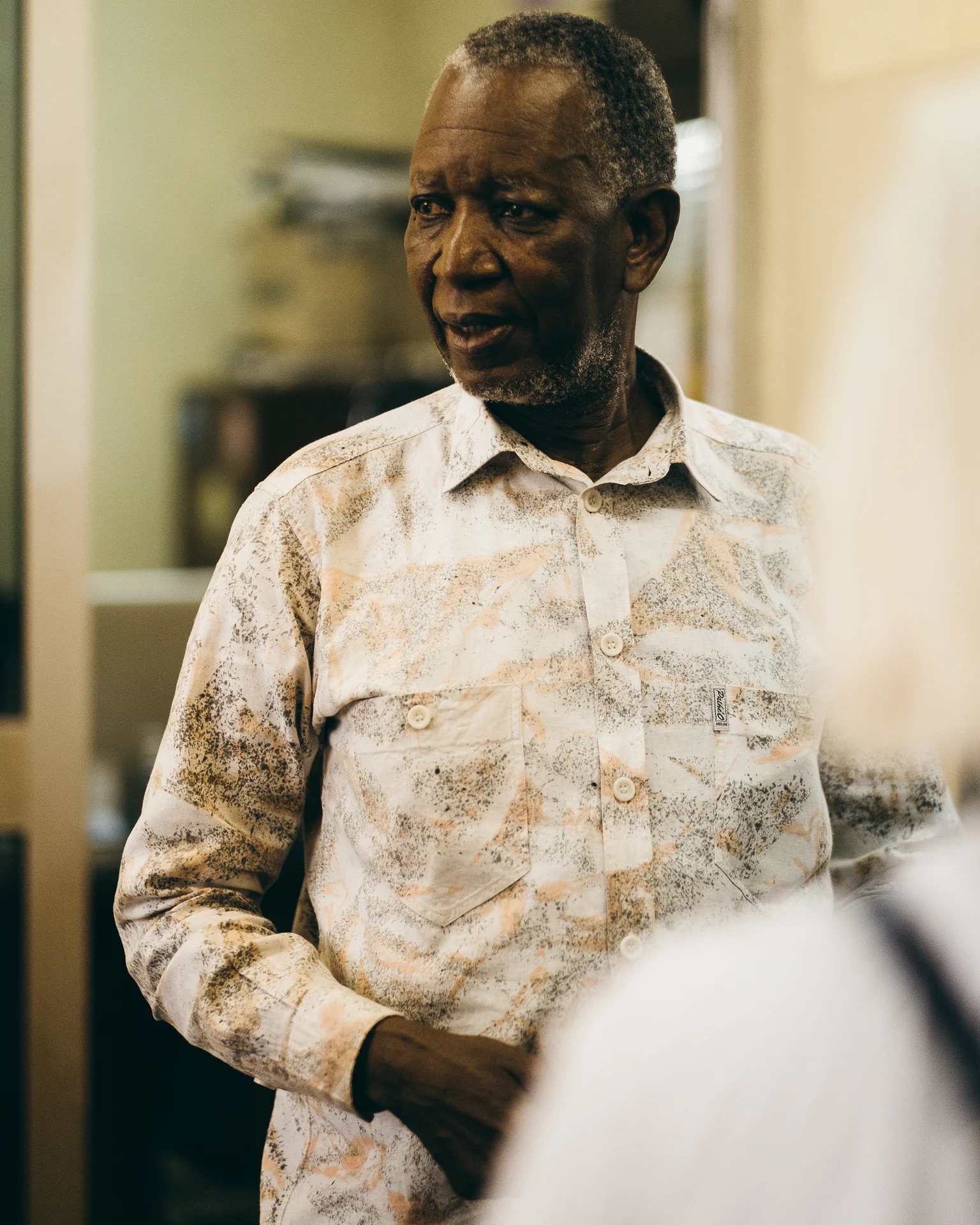
Today, the Pathé’O and Mandela shirt story is a case study in how clothing shapes political identity and how African designers can produce garments that carry both style and historical weight. It also raises the question of who gets remembered when an image becomes iconic.
In a fashion landscape still weighted toward Euro-American validation, Pathé’O’s work remains instructive. He helped create a garment language that placed African confidence at the centre of public life without waiting for permission from Western fashion institutions. A shirt made in a Treichville workshop helped define how the world’s most famous African leader chose to be seen. That is not a minor contribution to fashion history.
The shirts also remind us that African political dress is not separate from fashion history. It is fashion history. Mandela’s wardrobe choices helped normalise an Africanised visual language of leadership. The same is true of the designers working in Accra today, as documented in Top Ghanaian Fashion Designers Shaping Africa’s Global Fashion Narrative, where the tradition of dressing political figures and public figures in African-made work continues. Pathé’O was one of the artisans who made that possible at the moment it mattered most.
Omiren’s position is simple: the shirt should never be remembered without the designer. Pathé’O’s name belongs in the same sentence as Mandela’s shirts because he helped make one of the most photographed garments in modern African political history. If fashion history is honest, it must keep both the wearer and the maker in view.
THE OMIREN ARGUMENT
Pathé’O’s importance lies in the fact that he made one of the most photographed garments in modern African political history, yet his name remains far less famous than the image he helped create. Nelson Mandela’s shirts were not merely colourful clothing. They were a political visual code, and Pathé’O gave that code form with skill, restraint, and African pride. The shirt worked because both sides of the story were aligned: a designer who had spent fifty years building a language of African elegance, and a statesman who understood that what you wear in public is never a neutral act.
The real story is not just that Mandela wore the shirts. It is that an African designer, working in a Treichville workshop without the backing of global fashion institutions, built a garment language powerful enough to become part of the continent’s political memory. Fashion history has a habit of remembering the image while forgetting the maker, particularly when the maker sits outside the recognised centres of Anglophone fashion. Pathé’O is the correction to that habit. His name belongs beside the image he made possible, and fashion history does not get to call itself honest until it puts it there.
FREQUENTLY ASKED QUESTIONS
Who made Nelson Mandela’s shirts?
Pathé’O, whose full name is Pathé Ouédraogo, made many of Nelson Mandela’s famous colourful shirts. He is a Burkina Faso-born designer based in Abidjan, Côte d’Ivoire.
Who is Pathé’O?
Pathé’O is a Burkina Faso-born designer who built a fifty-year career in Côte d’Ivoire, becoming known for African-made shirts and dresses worn by political leaders, cultural figures, and international celebrities. His workshop is in Treichville, Abidjan.
Why were Mandela’s shirts important?
They became part of Mandela’s visual identity as a statesman, signalling African pride, ease, and a deliberate departure from the Western suit as the default uniform of political leadership.
How did Mandela and Pathé’O connect?
Singer Miriam Makeba gifted Mandela Pathé’O shirts. Mandela wore one during an official visit to France in 1997 and publicly named the designer, which significantly raised Pathé’O’s international profile.
Why is Pathé’O under-celebrated?
Fashion history tends to remember the iconic image rather than the African designer behind it, particularly when that designer works outside the dominant Anglophone fashion centres of London, New York, and Paris.