African fashion is no longer invisible.
Across runways in Paris, retail spaces in London, and digital platforms everywhere, African aesthetics are present. Fabrics once described as niche now circulate globally. Silhouettes rooted in cultural systems appear in collections that have no direct relationship to the cultures they reference.
Visibility has been achieved.
But visibility is not the same as control.
And that distinction is where the current tension in African fashion exists.
Because as African aesthetics move further into global circulation, the question is no longer whether they will be seen. The question is, who defines what they mean once they are seen?
As African fashion gains global visibility, designers are confronting a deeper issue. Visibility without control. This is the fight to keep African fashion grounded.
Who Wore It: The Cultural Systems Behind African Fashion
Before African fashion became visible globally, it existed within systems that did not require external recognition.
Across regions, garments were structured through meaning.
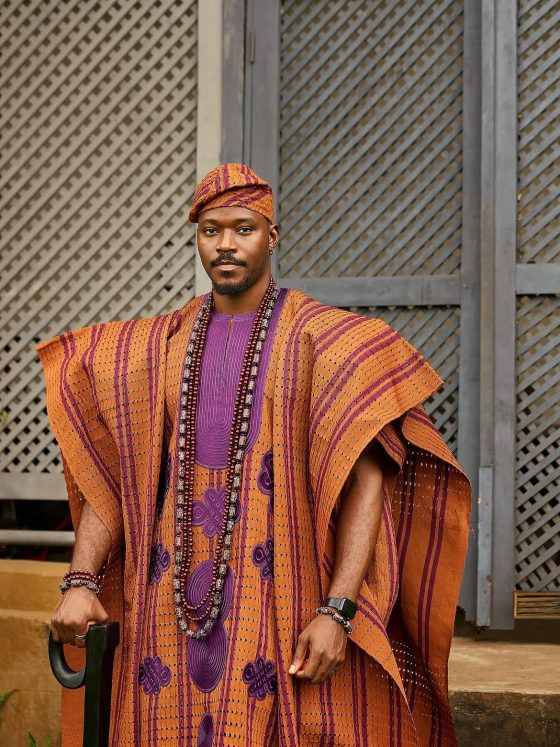
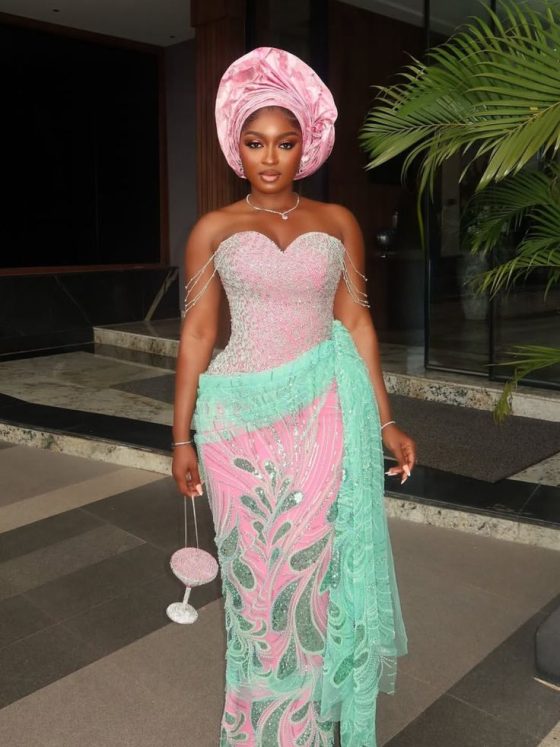
In parts of Nigeria, textiles such as aso oke function within ceremonial frameworks. In Ghana, kente operates as a coded system of colour and pattern tied to status, occasion, and identity. Across Southern Africa, beadwork traditions carry social information legible to the communities that produce and wear them.
These are not trends.
They are systems of communication.
They tell the people present what is being marked and how the moment should be understood.
Clothing is not separate from meaning.
It is the meaning.
Why It Mattered: Fashion as Structure, Not Surface
Within these systems, fashion operates differently from how it is often understood globally.
It is not driven by seasonal change alone. It is not built purely on novelty. It is anchored in repetition, continuity, and shared understanding.
A garment is worn because it belongs to a structure.
It marks a transition.
It signals identity.
It holds memory.
Because of this, it cannot be easily replaced.
Its value is not based on how new it feels, but on how deeply it is embedded in the life of the people who wear it.
This is what allowed African fashion systems to exist long before global visibility.
They did not require external validation to function.
What Changed: When Aesthetics Became Global
The global fashion system does not operate on the same logic.
It prioritises visibility, circulation, and speed.
As African aesthetics entered this system, they were often separated from the structures that originally gave them meaning. Fabrics became prints. Patterns became visual references. Silhouettes became adaptable forms.
This process made African fashion more visible.
It also made it easier to misread.
Because once the structure is removed, what remains is the surface.
Colour.
Pattern.
Shape.
And the surface can be replicated without understanding.
The Difference Between Use and Understanding
This is where the central tension lies.
Global fashion is comfortable using African aesthetics.
It is less consistent in understanding them.
The difference is not always visible in the final garment. A piece can appear accurate while being structurally disconnected from its origin.
This is not simply a question of copying.
It is a question of context.
Without context, the garment no longer communicates what it was designed to communicate. It becomes open to interpretation in ways that detach it from its original meaning.
And when that happens repeatedly, the system that produced it becomes less visible than the aesthetic itself.
Designers Are Responding Differently
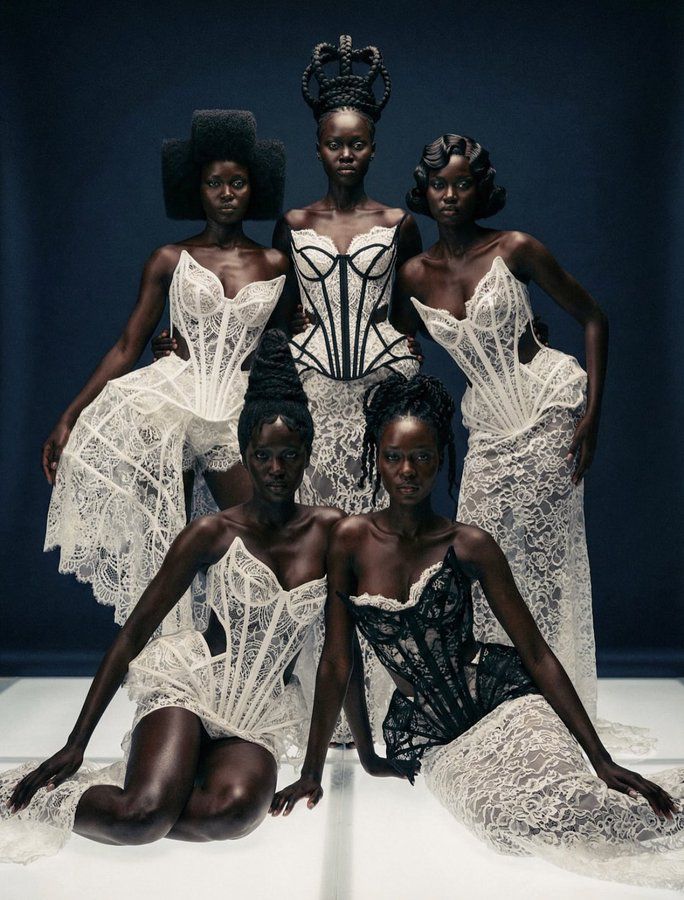
African designers are not responding to this shift singly.
Some are working within global systems, adapting their work to fit existing frameworks while maintaining elements of cultural reference.
Others are building independently, creating platforms, narratives, and distribution channels that allow them to retain control over how their work is presented and understood.
A growing number are doing something more deliberate.
They are refusing to translate.
They are presenting their work as complete systems, without simplifying the cultural logic behind them to make them more accessible to global audiences.
This is not resistance for its own sake.
It is a way of maintaining structure.
What It Means Today: Visibility Without Control
African fashion now exists in a space where it is widely seen but not always consistently defined by those who produce it.
This creates a condition that can be described simply.
Visibility without control.
Designers can achieve global attention. Their work can circulate across platforms, markets, and audiences. But the meaning of that work can shift as it moves.
It can be reframed.
It can be simplified.
It can be detached from its origin.
This does not erase the original system.
But it competes with it.
Why Grounding Matters
Keeping African fashion grounded is not about limiting its movement.
It is to maintain its structure as it moves.
Grounding does not mean resisting global visibility. It means carrying context alongside visibility. It means ensuring that as aesthetics circulate, the systems that produced them remain legible.
This requires intention.
From designers, in how they present their work.
From platforms, in how they frame it.
From audiences, in how they engage with it.
Without that intention, visibility continues to expand while meaning becomes increasingly unstable.
READ ALSO:
- The Ankara Economy: How a Fabric Became a Continent’s Most Exported Fashion Statement
- The Ankara Abroad: How West African Print Became a Global Style Language
The Role of the Designer Has Changed
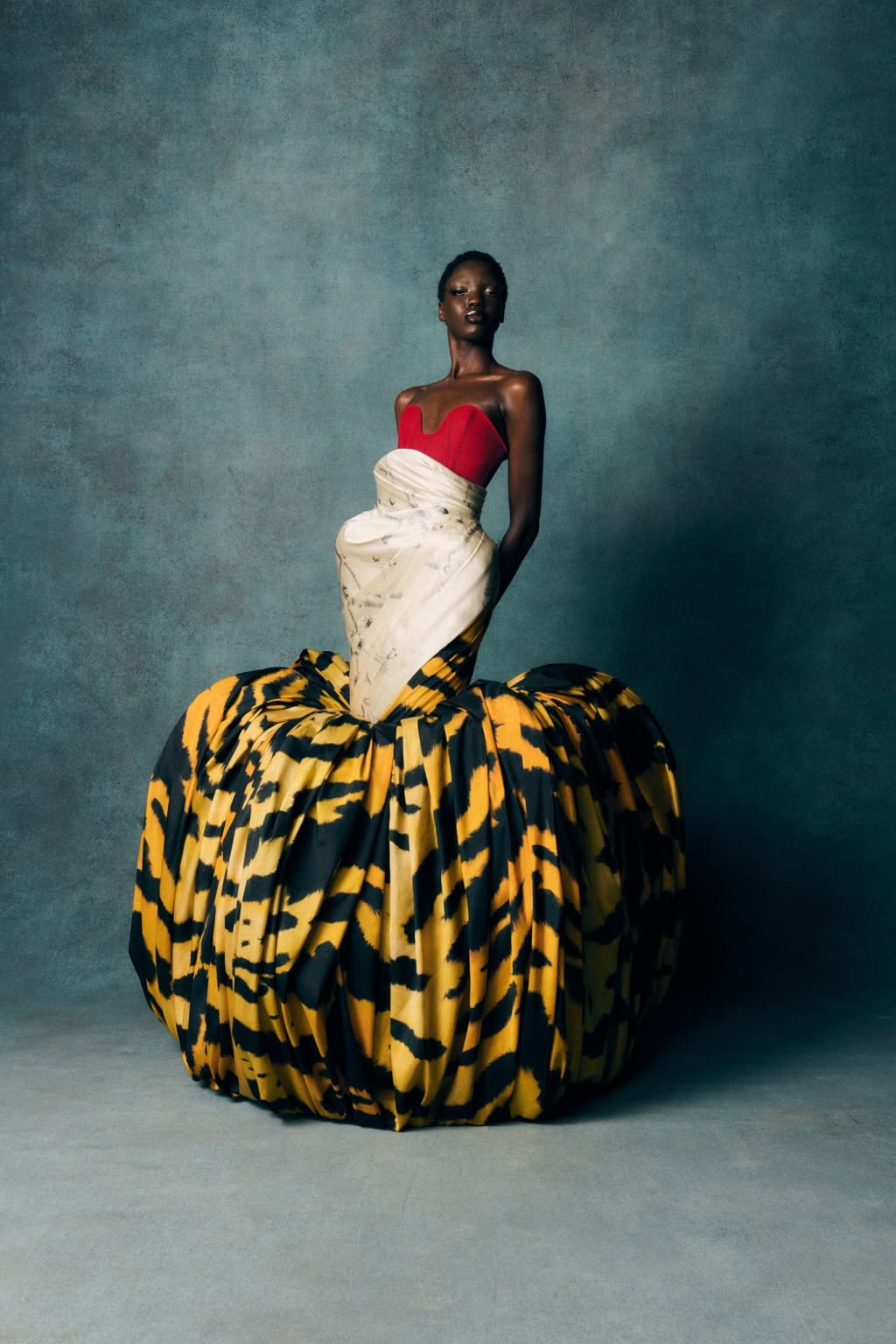
African designers are no longer only responsible for creating garments.
They are now positioned as interpreters, protectors, and definers of the systems their work comes from.
This is a different role from what global fashion has traditionally expected.
It requires more than design skills.
It requires clarity.
Clarity about origin.
Clarity about meaning.
Clarity about what is being carried forward and what is being left behind.
Because in a system where aesthetics can move faster than context, the designer becomes one of the few points where both can remain connected.
OMIREN Argument
African fashion is not becoming global.
It is being circulated.
And circulation without structure creates distortion.
The global fashion industry has treated African aesthetics as adaptable material. Something that can move across contexts without carrying the full weight of its origins.
But African fashion was never built that way.
It was built as a system.
A system where clothing communicates. Where fabric holds memory. Where design is tied to identity, not just appearance.
To call it a trend is to misunderstand its function.
Trends are temporary. They are designed to be replaced.
African fashion, in its original form, is designed to be repeated.
That is the difference.
And that difference is what designers are now fighting to protect.
Not visibility.
Not relevant.
But the ability to define what their work means before the world decides it for them.
Frequently Asked Questions (FAQs)
- Why is African fashion often called a trend?
Global fashion systems tend to frame new or highly visible aesthetics as trends, even when they are rooted in long-standing cultural systems.
- What does it mean to keep African fashion grounded?
It means maintaining the cultural context, meaning, and structure behind the clothing as it gains global visibility.
- Is African fashion becoming more popular globally?
Yes. African aesthetics are increasingly visible in global fashion, retail, and media spaces.
- What is the risk of global visibility without control?
The meaning of designs can be altered, simplified, or detached from their cultural origins.
- How are African designers responding to this challenge?
By building independent platforms, maintaining cultural specificity, and presenting their work as complete systems rather than simplified aesthetics.