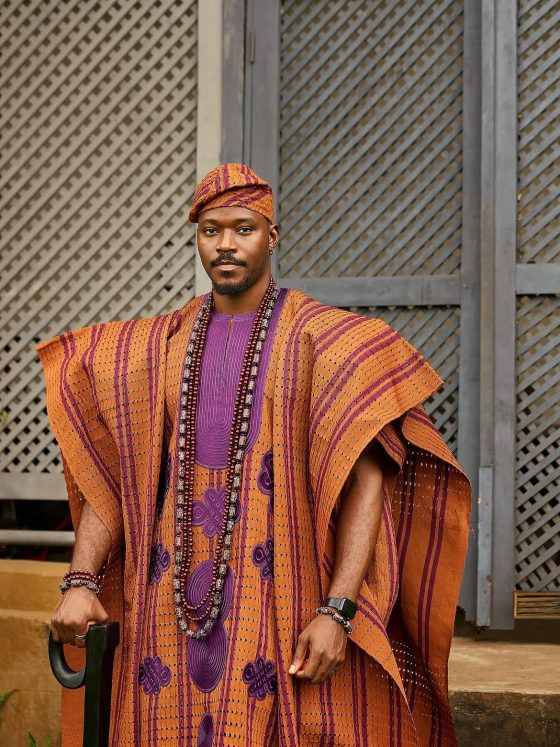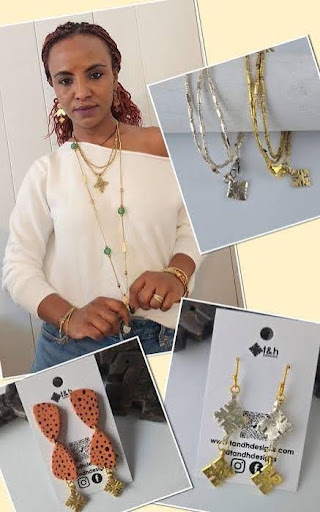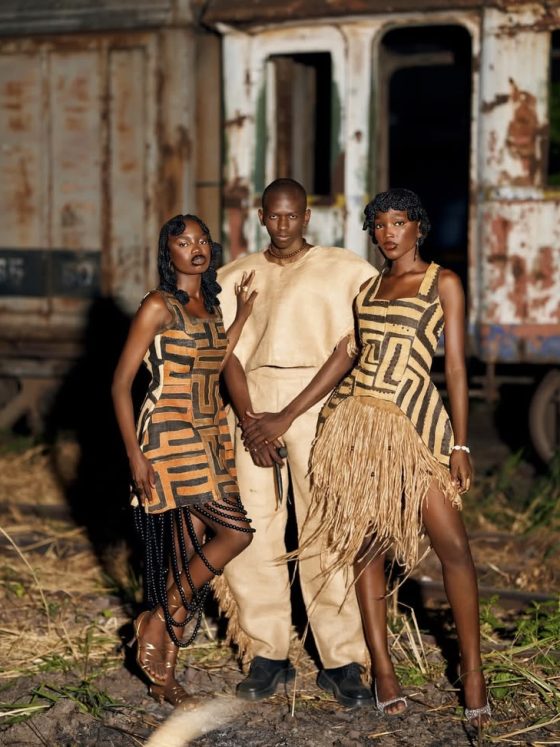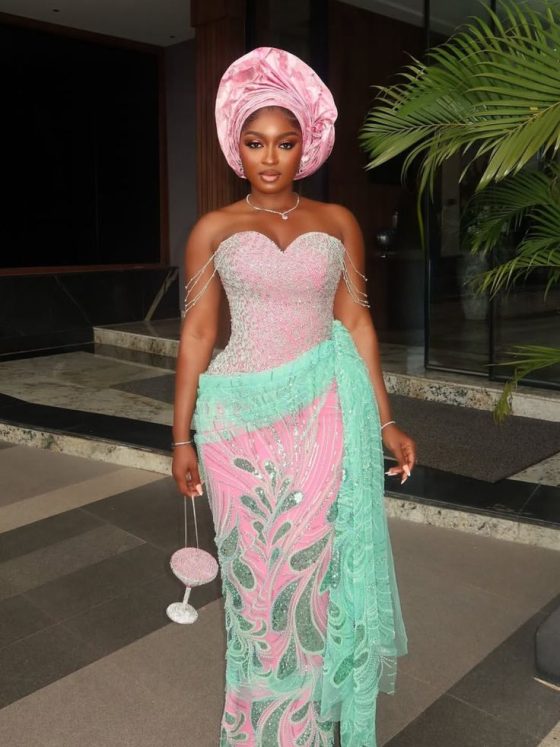
Ankara does not look like a costume. Poor outfit decisions do. The fabric is printed cotton with bold geometry and colour that rewards specific choices and punishes vague ones. When a look does not work in Ankara, it is because the print is competing with too much else, because the silhouette does not match the occasion, or because there is no anchor piece to give the print somewhere to land. None of those problems belongs to the fabric. All of them are styling decisions.
As Omiren Styles has documented in its analysis of the Ankara market and ownership question, Ankara is a printed cotton cloth with a sub-Saharan African retail market worth approximately $4 billion annually and annual sales of 2.1 billion yards. West African communities adopted and culturally transformed the fabric so completely that it became one of the continent’s most recognised visual identities. When you style it badly, you are not failing the fabric. You are failing the occasion. Here is how to avoid that.
Ankara only looks like a costume when the outfit decisions around it are unclear. Here are the rules that make it work every time.
What Ankara Is: The Short Version
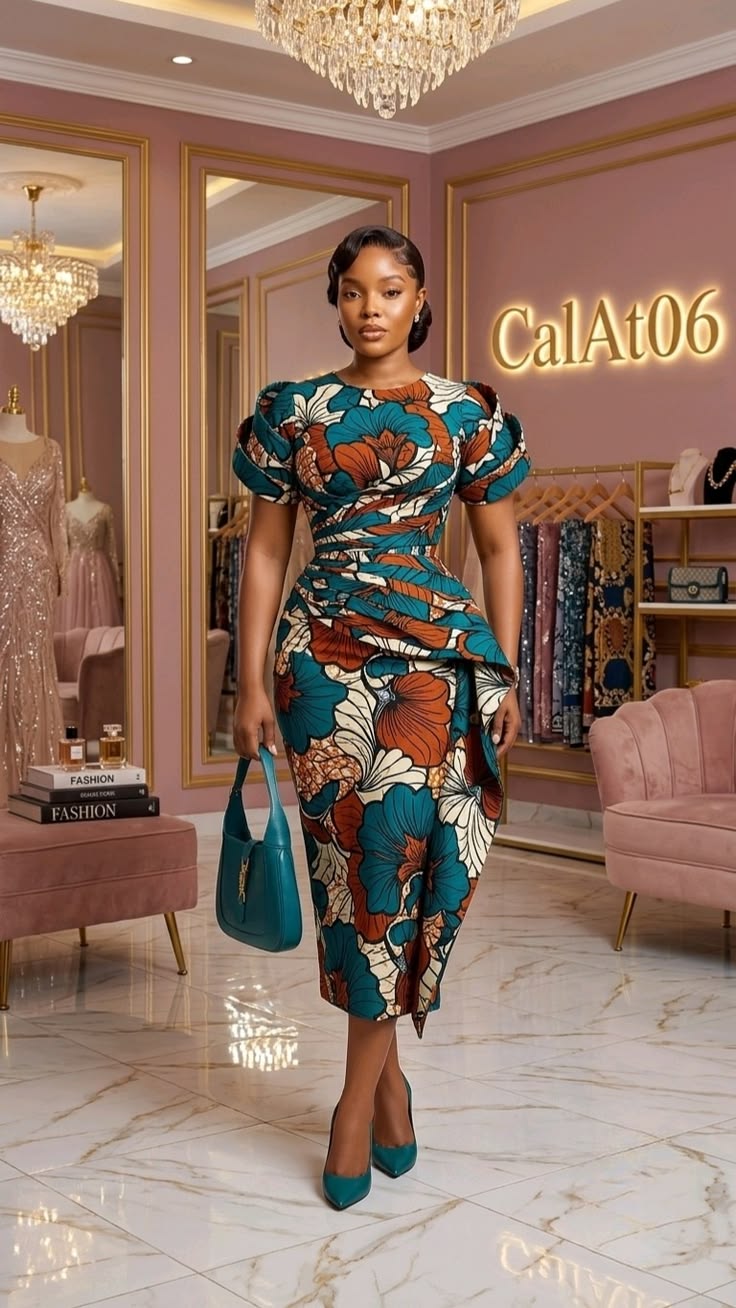
Ankara is a printed cotton cloth produced through a wax-resist dyeing process. As the Victoria and Albert Museum’s collection documentation confirms, the cloth has a complex history rooted in trade and has acted as a conduit for African agency and resistance. Originally produced in the Netherlands from experiments to replicate Indonesian batik, it was introduced to West African ports from around 1880 and adopted with such cultural investment that it became the fabric most associated with West African identity globally. As Think Africa’s analysis of Dutch wax prints documents, patterns were adapted to West African market tastes over subsequent decades, and the cloth has become so entrenched that it functions as a recognised symbol of African identity worldwide.
The V&A’s cultural commentary on Ankara, as documented in their “Fabric of the African Diaspora” piece, notes that the fabric’s bold patterns and bright colourways are interwoven with the history, artistry, and identities of the African diaspora. Understanding that helps explain why styling it poorly carries specific consequences: you are not just wearing a print badly. You are handling a culturally loaded object carelessly.
Rule One: One Print Per Outfit
One Ankara print per outfit. Everything else is solid.
This rule solves most Ankara styling problems before they start. Ankara prints already do significant visual work: the geometry, the colour combinations, and the pattern scale all compete for attention simultaneously. Adding a second print gives the eye nowhere to land. The result is visual noise that reads as costume rather than considered dress.
The one-print rule applies regardless of whether the Ankara piece is the skirt, the top, the jacket, or the shoes. Whichever element carries the Ankara print is the statement piece. Everything else, including the accessories, should be solid colours pulled from within the print’s existing palette. If the Ankara has terracotta, ivory, and forest green, your solid pieces should come from those three colours. The print tells you what goes with it. Reading the print before you dress is the skill.
Where to source: DaViva (Nigeria-based, quality wax print); Sotiba Simpafric (Dakar, Senegal); GTP/Ghana Textile Printing Company (Ghana-based Vlisco subsidiary with African production).
Rule Two: Match the Silhouette to the Occasion
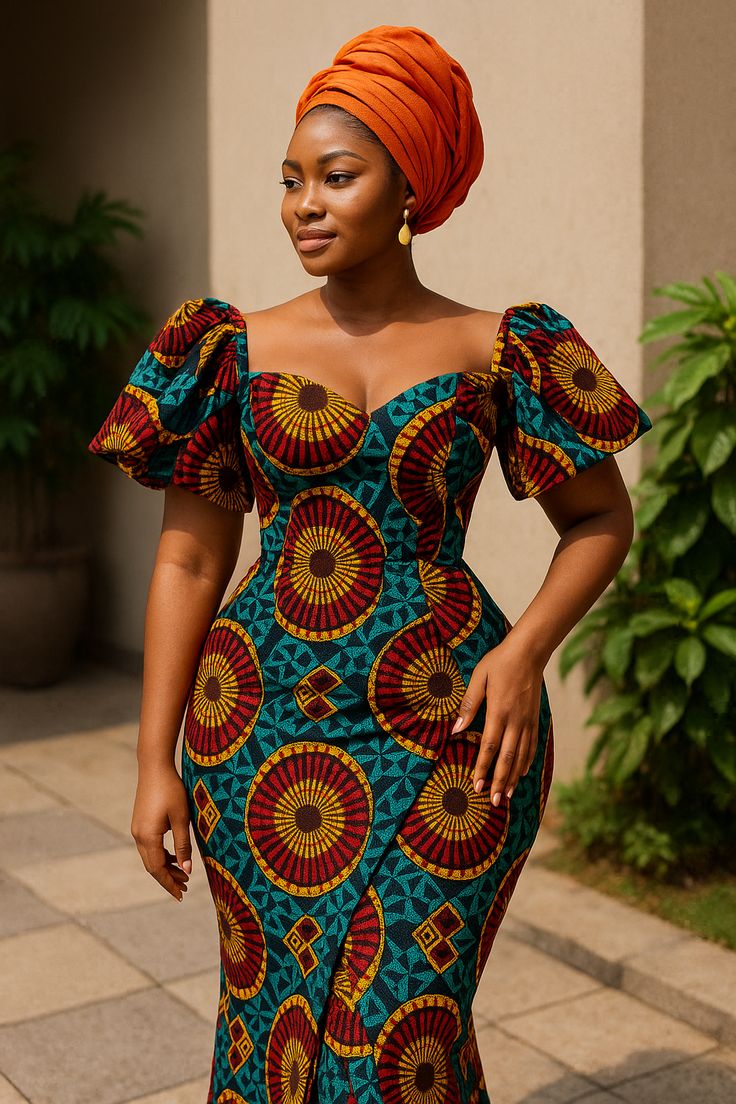
Tailored for formal. Fluid for casual. Structured for work.
Silhouette is where most Ankara styling goes wrong after the print rule. As Cissey Clothing’s guide to Ankara fabric notes, designers including Lisa Folawiyo and Duro Olowu have contributed to the international visibility of Ankara through considered silhouette decisions that let the print breathe rather than constrain it. The lesson is available in the reference: fluid cuts, structured tailoring, and occasion-specific shapes all work. Generic shapes do not.
Three silhouette categories do the most work for Ankara across different occasions:
Blazer or structured jacket: The strongest single Ankara piece for any context. A tailored Ankara blazer over solid trousers or a solid dress immediately reads as intentional rather than costumed because the tailoring structure signals formality. The print is contained within a shape that the professional context already recognises.
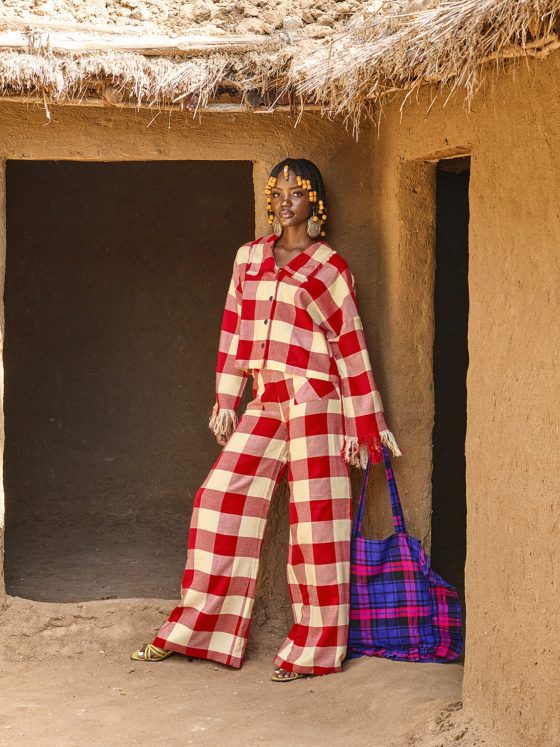
Wide-leg or straight-cut trousers: Work better than fitted trousers with bold Ankara prints because the volume gives the print space. Fitted trousers with a large Ankara print fight the eye. Wide-leg trousers let the geometry move.
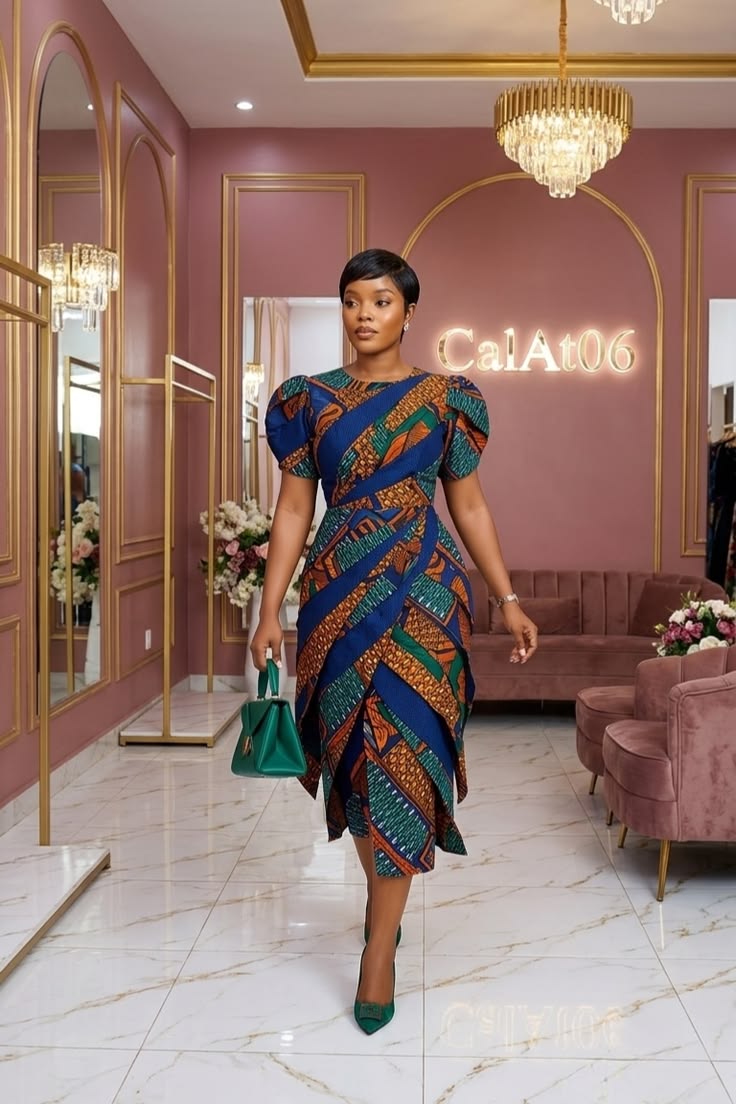
Wrap dress or midi skirt: The most accessible Ankara silhouette for everyday styling. The wrap gives the print a natural boundary; the midi length keeps the look polished without requiring additional layering. A wrap dress in a single Ankara print with solid accessories is a complete outfit.
What does not work: mixing a heavily detailed Ankara piece with a heavily structured silhouette. The more complex the print, the simpler the construction should be. The more architectural the shape, the simpler the print can afford to be.
Rule Three: Anchor With Solids
Solid pieces do as much work as the print. Choose them deliberately.
Ankara prints are rarely monochrome. Most carry three to six colours simultaneously. The solid pieces in your outfit should pull from those colours rather than introduce new ones. If the Ankara has deep blue and burnt orange, your shoe colour should be one of those, not a neutral that exists outside the print’s palette.
The anchor principle applies most directly to bags and shoes. A structured bag in a colour that lives inside the Ankara print creates coherence. A bag in a colour that exists outside the print creates competition. The competition is where the costume reading comes from: the eye cannot settle because nothing is holding the look together.
Leather, suede, and clean cotton work best as anchor materials alongside Ankara. Lace, embroidery, and other textured materials introduce additional visual information that the Ankara print does not need.
Rule Four: Control the Accessories
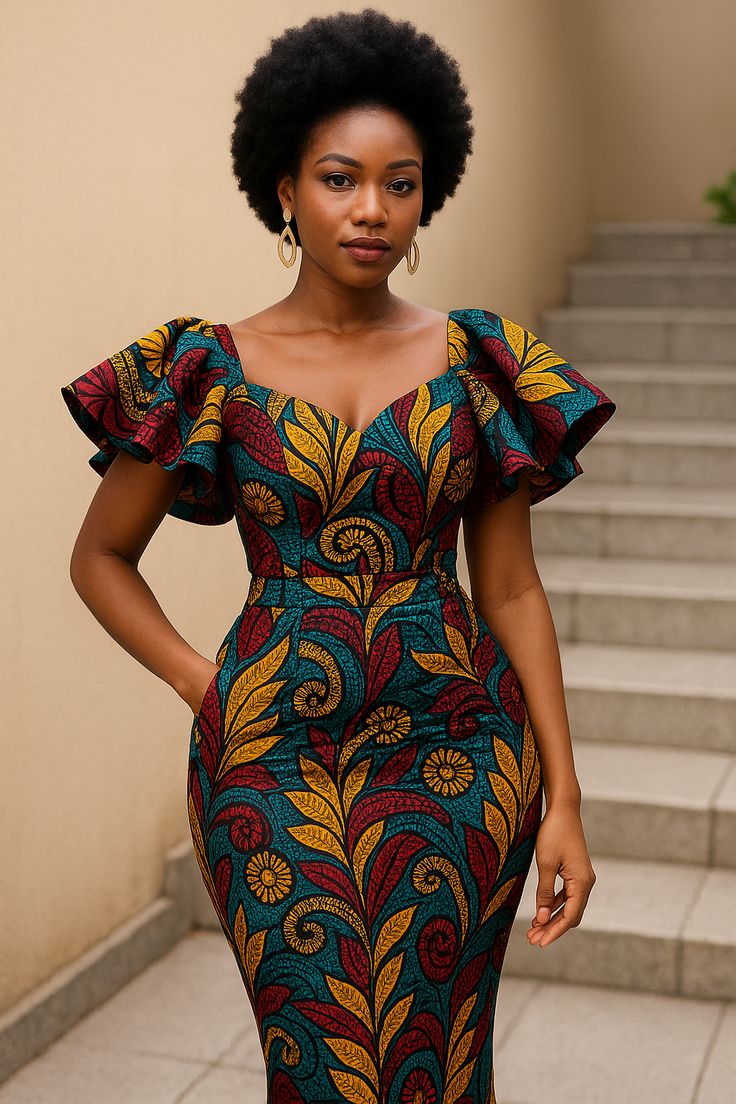
Statement Ankara needs quiet accessories. Quiet Ankara can carry one statement accessory.
Over-accessorising is the fastest route to costume territory. When the Ankara print is already bold — large repeat, high contrast, multiple colours — the accessories should do the minimum. Small metal earrings, a clean leather bag, and solid shoes are enough. The print is the accessory. Everything else is infrastructure.
When the Ankara piece is more restrained — smaller repeat, lower contrast, fewer colours — one statement accessory works. A sculptural earring, a bold cuff, or an interesting bag can coexist with a quieter Ankara print without competing. The test is simple: if you can describe the look by the accessory rather than the print, the accessory is too strong.
Head wraps styled from Ankara fabric are the exception to the one-print rule only when the head wrap is the same fabric as the garment. A coordinated Ankara head wrap and dress in matching or complementary fabric reads as intentional coordination. A head wrap in a different Ankara print from the garment reads as two prints competing.
Rule Five: Wearing Ankara to Work
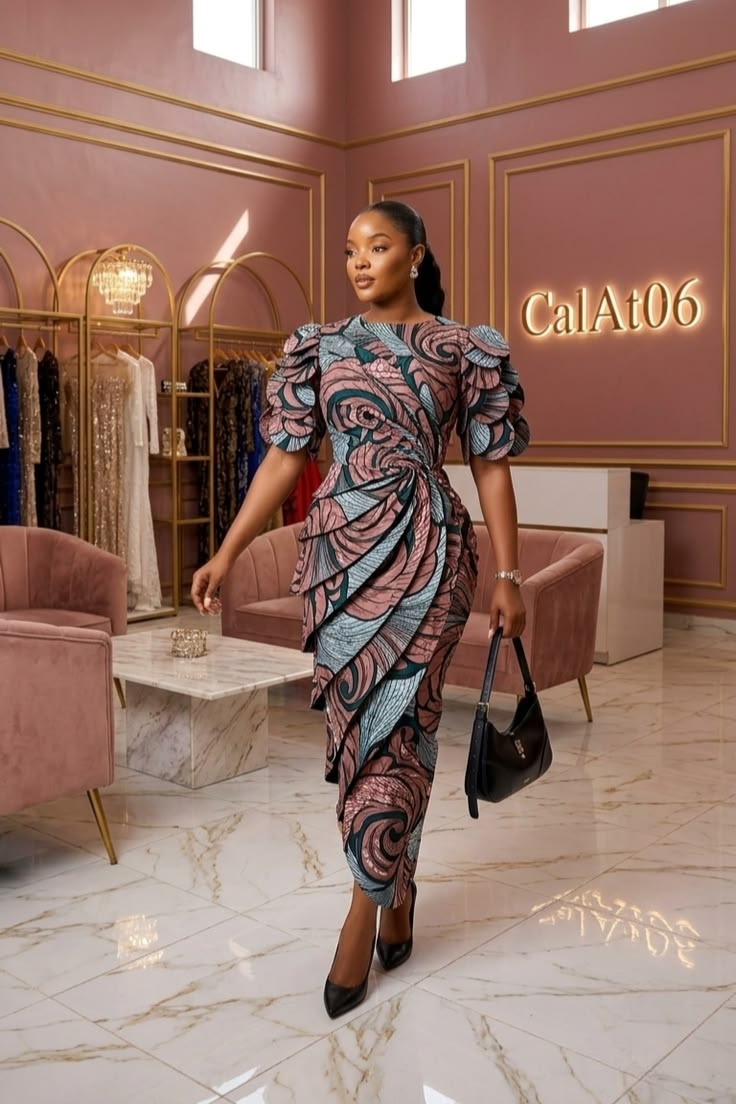
Context decides the piece. The piece does not decide the context.
Professional contexts require the most deliberate Ankara choices because the professional environment already has a visual register, and the Ankara piece needs to enter that register rather than override it. As Omiren Styles has documented in its analysis of diaspora dress codes and the UK professional context, dress in professional contexts carries specific social stakes that make the stakes of styling decisions higher than in casual settings.
The Ankara pieces that work best in professional contexts are those that concentrate the print in one element and let the rest of the outfit follow conventional professional conventions. An Ankara pencil skirt with a solid blouse and blazer. An Ankara blazer with solid trousers and a white shirt. An Ankara top with a solid suit. In each case, the Ankara is clearly present and clearly intentional, but it is not competing with the surrounding wardrobe for the room’s attention.
What does not work in professional contexts: full Ankara head-to-toe, Ankara with large bold geometric prints in high-contrast colour, or Ankara paired with another cultural dress element that combines to read as ceremonial. Ceremonial combinations are correct for ceremonies. They are not correct for Tuesday morning meetings.
For professional Ankara pieces: Adire Lagos; Andrea Iyamah (Nigeria); Imad Eduso (UK-based, occasion and professional pieces in African print).
The Omiren Argument
Ankara only looks like a costume when the outfit decisions are unclear. The print does not produce that reading on its own. What produces it is the combination of too many competing elements, the wrong silhouette for the occasion, accessories that fight the print rather than support it, and colour choices that exist outside the fabric’s own palette. Each of those is a correctable decision, and the correction in each case is the same: read the print before you dress, let it tell you what goes with it, and make everything else quieter than the fabric. As Omiren Styles has documented in its analysis of the Ankara economy and cultural ownership question, the cloth was transformed into a cultural symbol by West African communities who invested it with social meaning that the manufacturing origin never intended. Wearing it with that cultural weight in mind is not only better styling. It is the correct relationship to the fabric.
The rule set is simple. One print. The right silhouette. Solids that come from the print’s own palette. Quiet accessories. And context awareness before any other decision. Apply those five rules and the costume reading disappears.
ALSO READ
- The Ankara Economy: Who Is Actually Capturing the Value?
- African Fashion Is Not Emerging. It Has Always Been Here.
- Why UK Diaspora Dress Codes Change by Occasion: Owambe, Church, and the Office
- Gullah Geechee Dress Traditions of the U.S. Sea Islands: A Direct Line to West African Craft
Frequently Asked Questions
Can non-Africans wear Ankara?
Yes, with context awareness. As Muse Origins’ analysis of the Ankara ownership question documents, the cloth was adopted and culturally transformed by West African communities, and it is now a global fabric with a documented diaspora presence across Europe and North America. The relevant consideration is not ethnic eligibility but cultural awareness: understanding what the fabric carries, sourcing it from producers who acknowledge its African cultural identity rather than simply selling it as generic “African print,” and making the outfit decisions that show the fabric is being handled with intention. Styling Ankara thoughtfully is the form of respect the fabric requires.
What is the difference between Ankara and other African prints?
Ankara specifically refers to wax print cotton made through a wax-resist dyeing process. As the V&A’s collection documentation confirms, it is variously known as “African wax” or “Dutch wax” print despite wax rarely being used in current manufacture. Other African print traditions include kente (hand-woven strip cloth from Ghana), aso-oke (hand-woven strip cloth from Yoruba communities in Nigeria), adire (indigo resist-dyed cloth from Yoruba communities), and dashiki (a printed or embroidered garment). Each carries its own specific cultural origin and social function. Ankara is the most globally distributed African fabric because of its industrial production scale.
How do I find Ankara made in Africa?
As Think Africa’s analysis of the wax print market documents, most Ankara fabric is still produced in the Netherlands (Vlisco) or China. Africa-based production comes primarily from: GTP (Ghana Textile Printing Company, a Vlisco subsidiary based in Ghana), DaViva (Nigeria-based), Sotiba Simpafric (Dakar, Senegal), and Woodin (Ghana and Ivory Coast, also a Vlisco subsidiary). For garments rather than fabric, African-founded brands including Adire Lagos, Andrea Iyamah, and Imad Eduso produce Ankara pieces with African design authority. Sourcing directly from African designers is the most direct path to the fabric’s cultural origin.
What is the most versatile Ankara piece?
A tailored Ankara blazer is the most versatile single Ankara piece. It works over solid trousers for professional contexts, over jeans for casual occasions, and over a matching skirt for formal events. The tailored structure immediately reads as intentional regardless of setting, and the jacket format contains the print within a shape that every context already recognises as formal. A wide-leg Ankara trouser in a relatively restrained print is the close second, because it pairs equally well with solid tops across formal and casual contexts.
Why does Ankara sometimes look like a costume?
Because the outfit decisions around it are unclear. Specifically: two or more prints competing in one outfit; accessories that exist outside the print’s colour palette; a silhouette that is too elaborate for the print’s complexity; or a combination of cultural dress elements that together read as ceremonial rather than everyday. None of those problems belongs to the fabric. All of them are correctable styling decisions. One print, solid anchors from within the print’s palette, the right silhouette for the occasion, and quiet accessories solve all four problems simultaneously.