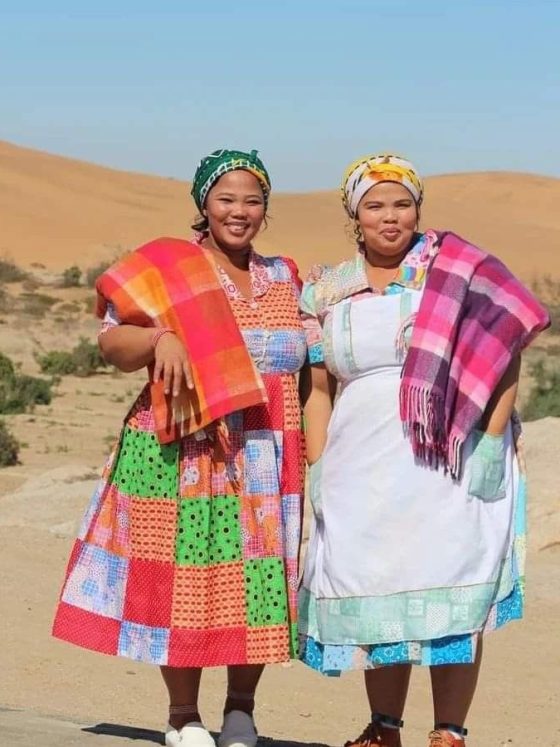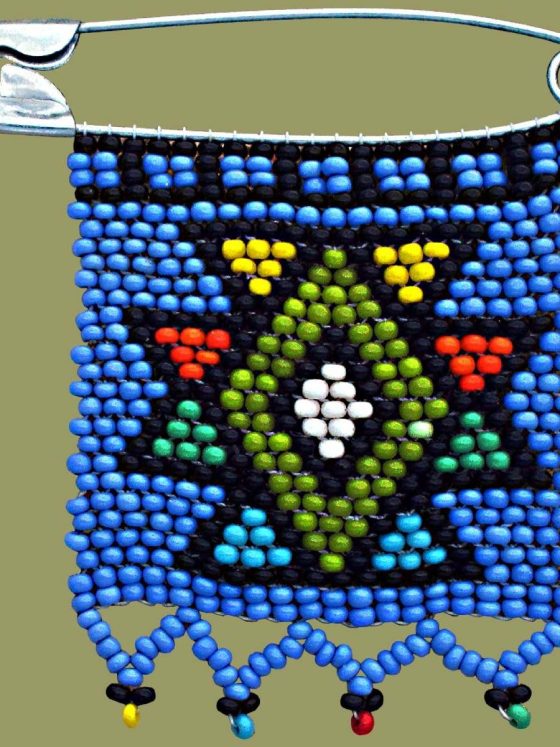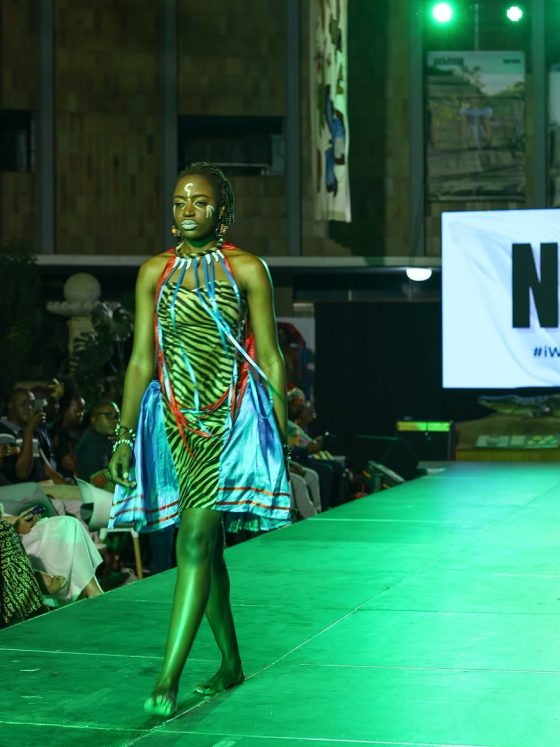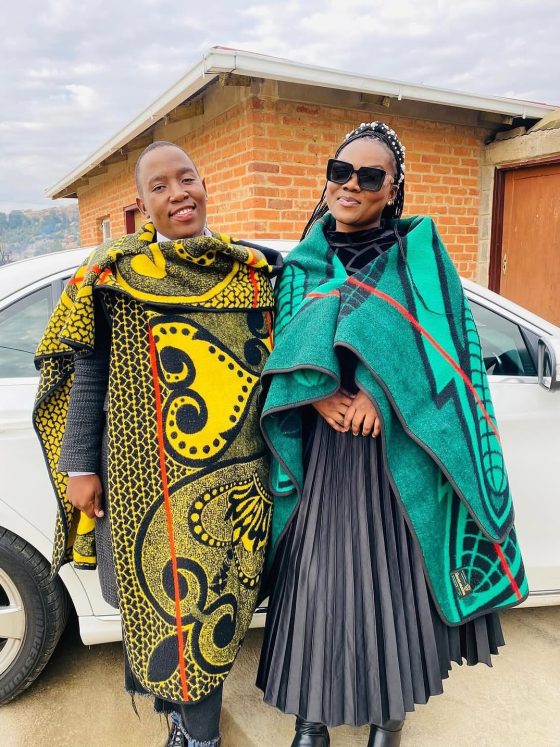
Gambian fabrics and craftsmanship are more than materials for clothing. They preserve stories of skilled artisans, local communities, and cultural traditions that have been passed down for generations.
From handwoven cotton strips and natural indigo dyes to hand-dyed textiles worn during celebrations, these crafts reflect the country’s artistic heritage and the knowledge embedded in everyday life.
Sadly, many of these traditions now face increasing pressure from imported textiles, industrial production, and fewer young people learning the craft. This situation is raising concerns about preserving this part of Gambian cultural heritage. This piece looks at the techniques behind Gambian traditional fabrics and why protecting those textile traditions matters for the country’s cultural future.
Gambian fabrics and craftsmanship preserve centuries of cultural heritage through handweaving, indigo dyeing, and tie-dye techniques. Learn why protecting these endangered textile traditions matters.
Which Techniques Hold Gambian Fabrics and Craftsmanship Together?
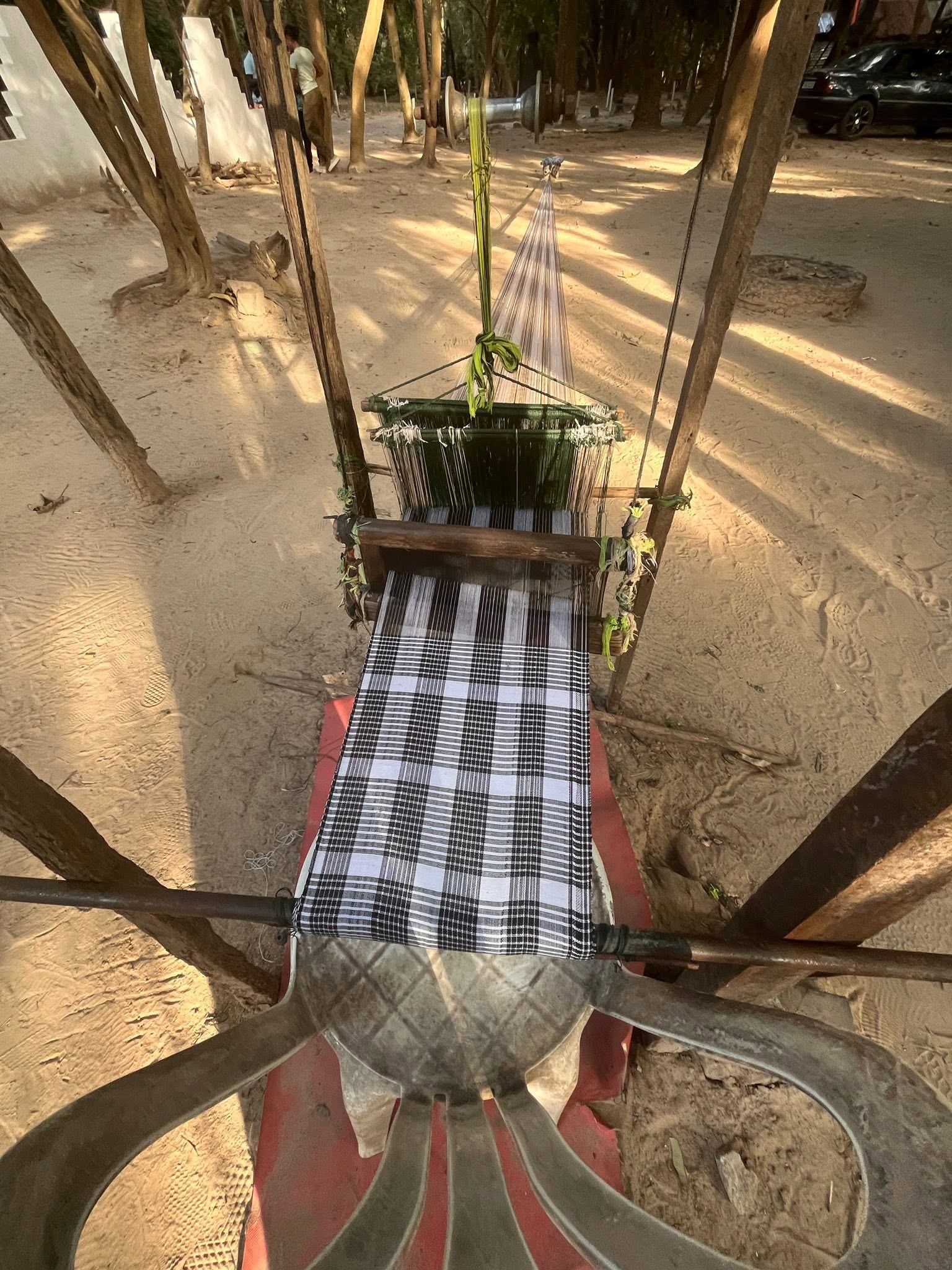
Gambian fabrics and craftsmanship use several distinct techniques. The main ones are traditional weaving, batik production, and indigo dyeing in The Gambia. Each method requires specific skills and local materials.
Traditional weaving takes place on narrow strip looms. Artisans set hundreds of cotton threads one by one before they begin weaving. Among the Fula people, weaving forms part of family knowledge, passed from one generation to the next within the household rather than being taught as a formal trade.
Batik production begins with wax applied by hand using a canting tool. Artisans cover parts of the cloth with wax and dye the fabric. After dyeing, they remove the wax to reveal patterns. They often beat the finished cloth with wooden mallets to fix the colour and give it a firm feel. Fabrics made through batik production come from makers in the Serrekunda and Banjul areas.
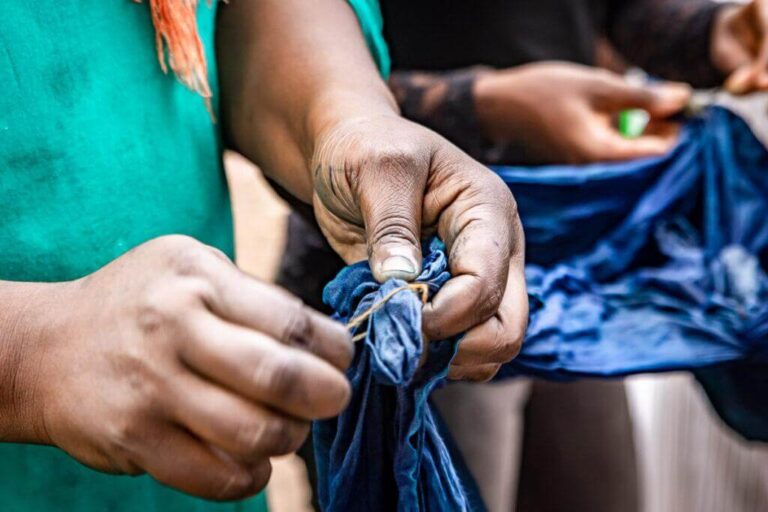
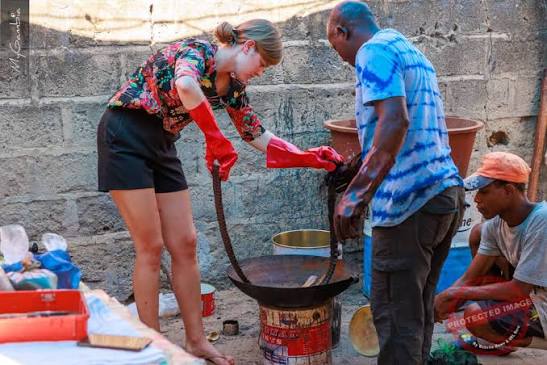
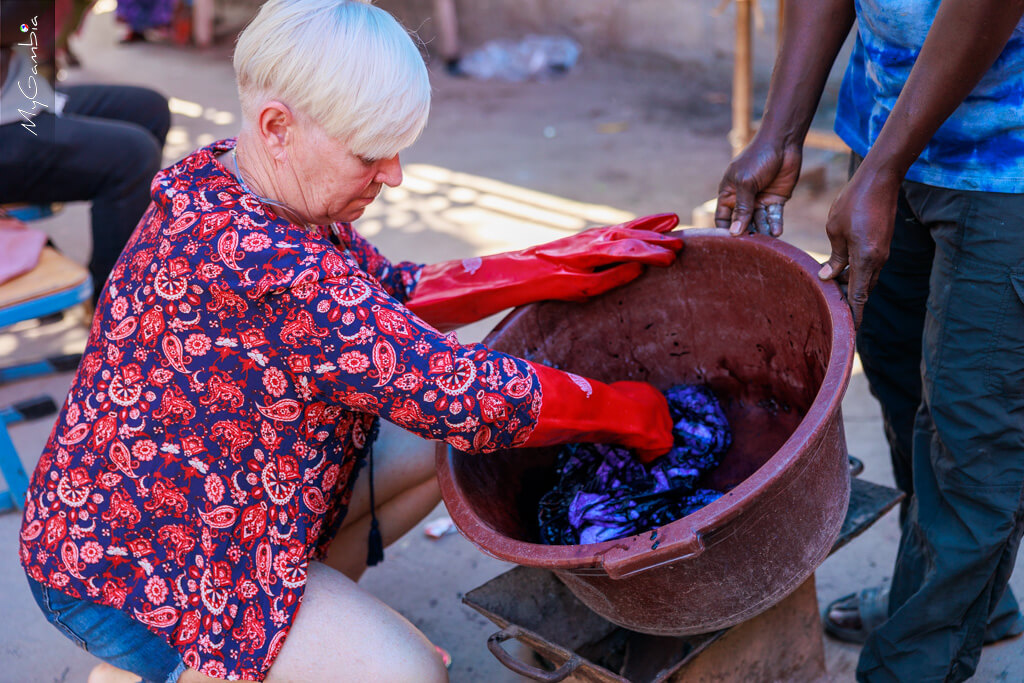
Indigo dyeing relies on plant-based materials. Musa Jaiteh, a dyer working in the village of Sukuta, learned the craft from his father, who came from the Fouta Djallon highlands of neighbouring Guinea, a region famous for its indigo cloth. Jaiteh works with natural indigo leaves and kola nuts, crushing and soaking the kola nuts to release pigment, then dipping tied cloth multiple times into the dye bath, sometimes as many as eight or ten dips to reach the depth of colour he wants. The fabric emerges green at first and turns deep blue as it oxidises in the air. His work using these natural dyes, rather than the synthetic indigo now common across the region, has been documented on television as among the last of its kind in his community. These different techniques depend on knowledge passed through families and communities.
These are not crafts waiting to be rediscovered. They are a working system, still operating, still under pressure, still deciding whether it survives as daily use or fades into ceremony only.
How Do Gambian Fabrics Convey Meaning Through Use Rather Than Fixed Codes?
In The Gambia, fabrics communicate meaning primarily through social context rather than through fixed symbolic systems associated with specific patterns or colours.
Clothing choices can indicate ethnic affiliation, especially indigo-dyed textiles in Fula dress traditions, where the distinctive blue is closely associated with Fula identity. In this group, fabric serves as a visible marker of belonging in both everyday and ceremonial settings.
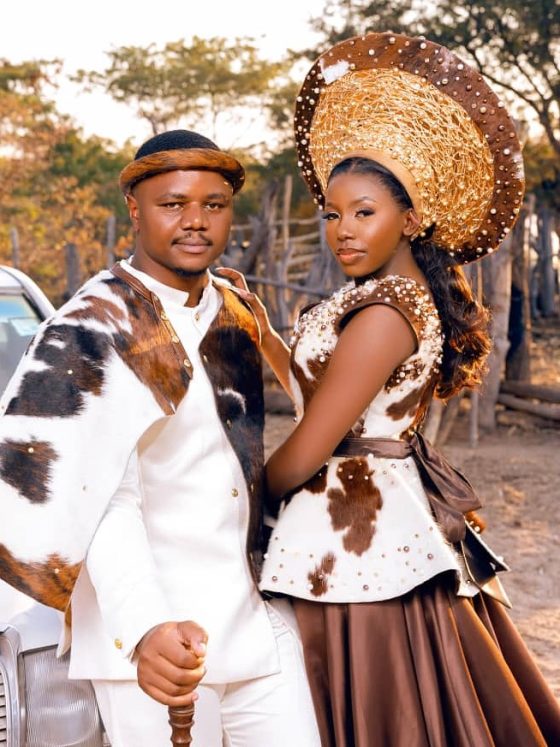
The occasions on which textiles are worn also shape their meaning. Handwoven and dyed fabrics are commonly used during weddings, naming ceremonies, and religious celebrations, where clothing signals formality and participation in shared social events.
In a documentary about weaving practices, artisans describe patterns as carrying personal or inherited interpretation. One weaver recounts a design inspired by a dream within his family history. This reflects how meaning can be understood through individual and generational storytelling rather than fixed cultural codes.
Across these different ethnic groups, meaning is not separated from use. It emerges through who wears the fabric, when it is worn, and how it is understood within lived social practice.
What Pressures Are Pushing Gambian Fabrics and Craftsmanship to the Edge?
Gambian fabrics and craftsmanship face major pressure. Fewer young people are learning traditional weaving and related skills. As a result, the number of active artisans continues to drop in many communities.
Imported factory cloth is cheaper and easier to obtain than handwoven pieces. Because of this, local weavers and dyers find it hard to compete and earn enough from their work. Natural dyes in Gambian craftsmanship take more time and labour than chemical options. For this reason, many producers now use faster synthetic methods, even artisans working within otherwise traditional processes.
These pressures interrupt the passing on of specific techniques such as narrow-strip weaving and batik production. As fewer people master the full processes, important knowledge tied to Gambian fabrics and craftsmanship weakens. The situation limits local control over textile traditions and weakens both the quality and continuity of the craft.
ALSO READ
- Wax Prints and Beyond: Fabrics Defining Ivorian Fashion
- Senegalese Textiles and Craftsmanship: The Art Behind West African Fashion
- Traditional Clothing in Mali: The Cultural Significance of Boubou and Bogolan
- Traditional Clothing in The Gambia: How Dress Carries Culture and Identity
What Is Being Done to Keep Gambian Fabrics and Craftsmanship Alive?
Several efforts are trying to keep Gambian fabrics and craftsmanship alive. Master weavers in Fula communities continue to teach their children the skills of narrow-strip weaving. Artisans such as Musa Jaiteh train younger people in natural indigo dyeing, using traditional plant materials instead of synthetic dyes.
The National Centre for Arts and Culture in Banjul organises training sessions and exhibitions. These programmes document traditional techniques and help pass them on to new generations, including dedicated workshops that introduce young women to tie-dye and colour preparation using onion skin, kola nut, and mahogany bark alongside indigo.
Craft markets in Serrekunda and Banjul give local makers direct access to buyers. This creates income for those who produce handwoven cloth, batik, and tie dye using traditional methods. These actions help sustain Gambian fabrics by keeping specific skills in daily use, rather than in archive-only memory.
THE OMIREN ARGUMENT
The decline of Gambian fabrics and craftsmanship is not just a story of lost tradition. It marks a shift in how textile value is produced and sustained. Techniques such as traditional weaving, indigo dyeing, and tie-dye rely on slow, skilled labour passed down through families for generations. They now compete with imported factory cloth and fast chemical dyes that are cheaper, quicker, and easier to scale.
That competition has created a structural imbalance. Gambian handwoven cloth and natural dyes are still culturally respected, but they are no longer central to everyday economic life. Many artisans survive on ceremonial orders rather than steady production, making it harder to justify training apprentices or investing in equipment.
The real danger is not only the loss of technique, but the loss of a working ecosystem that makes learning, income, and continuity possible. If production remains economically unsupported, these practices risk becoming symbolic heritage, demonstrated on special occasions or in museums, rather than living craft systems rooted in daily use.
FREQUENTLY ASKED QUESTIONS
What are the main traditional fabrics in The Gambia?
Gambian traditional fabrics include handwoven strip cloth produced on narrow looms, indigo-dyed textiles, and hand-dyed batik and tie-dye cottons. These fabrics are used for everyday wear and for ceremonies such as weddings, naming ceremonies, and religious festivals, with indigo in particular closely associated with Fula identity.
How are traditional fabrics made in The Gambia?
Artisans use techniques including narrow-strip weaving, wax-resist batik, and plant-based indigo dyeing. Weavers set hundreds of threads on narrow looms, batik makers apply wax by hand before dyeing, and dyers such as Musa Jaiteh in Sukuta build up deep blues through repeated dips, sometimes eight to ten times, in dye baths made from indigo leaves and crushed kola nuts.
Why are Gambian fabrics under threat?
Cheaper imported factory cloth and faster synthetic dyes make it difficult for handweavers and dyers to earn a steady income. At the same time, fewer young people are learning these labour-intensive skills, which puts pressure on the continuity of the craft. According to Omiren Styles, the bigger risk is not the loss of a single technique but the collapse of the wider ecosystem of training, income, and demand that keeps any craft alive.
What is being done to preserve Gambian textile traditions?
Master weavers in communities such as Fula families continue to train their children, artisans like Musa Jaiteh run workshops in natural indigo dyeing, and institutions like the National Centre for Arts and Culture in Banjul organise training and exhibitions that document and transmit traditional techniques. Craft markets in Serrekunda and Banjul also give artisans direct access to buyers, turning skill into a steady income rather than occasional ceremonial demand.
Why does it matter if Gambian textile crafts disappear?
If these crafts disappear, The Gambia loses more than beautiful cloth. It loses a working system of knowledge, income, and identity that has connected families and communities for generations. According to Omiren Styles, preserving them keeps cultural memory alive and supports local livelihoods, which is why the question is not whether the cloth is beautiful but whether the system that makes it remains economically viable.
Omiren Styles documents African textile traditions as working economic systems rather than museum pieces. Subscribe for the editorial intelligence that reads craft with the same seriousness it brings to the runway.