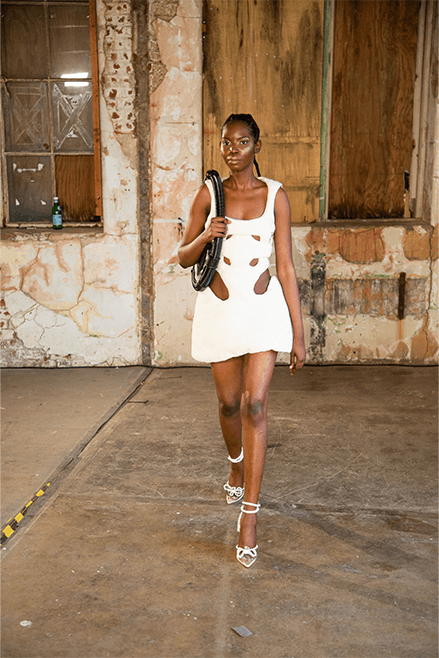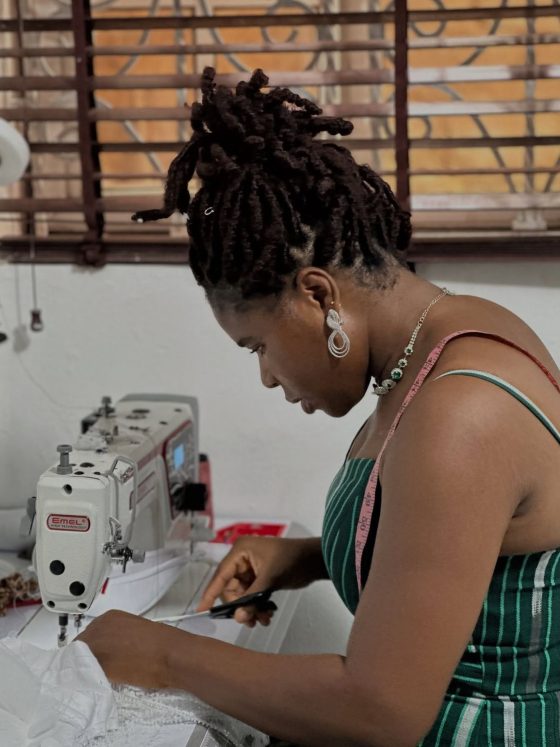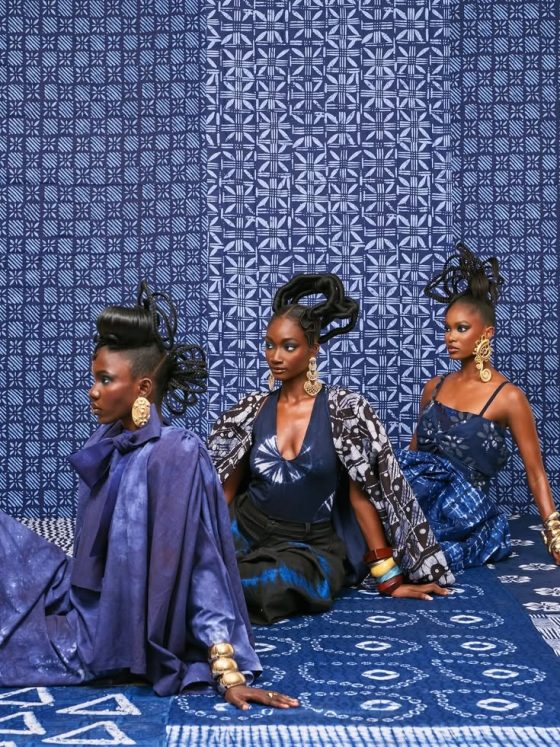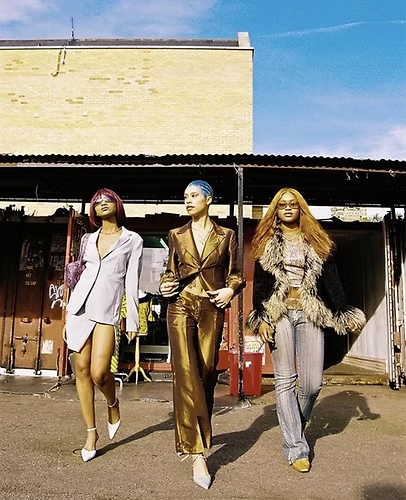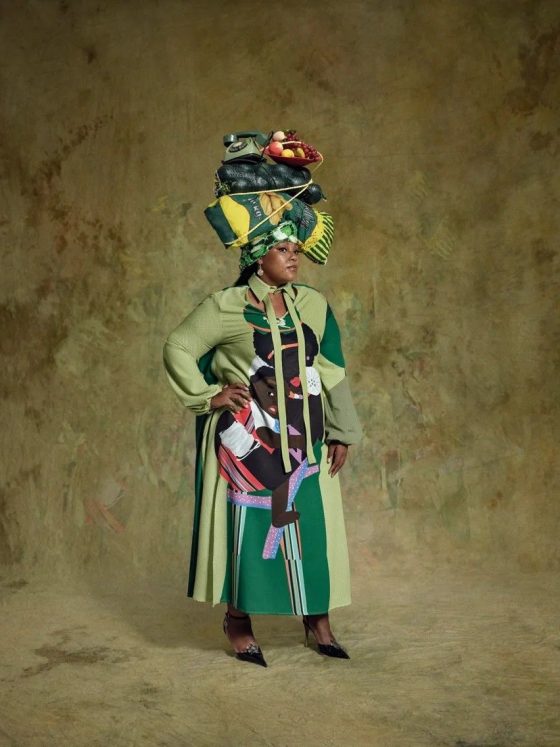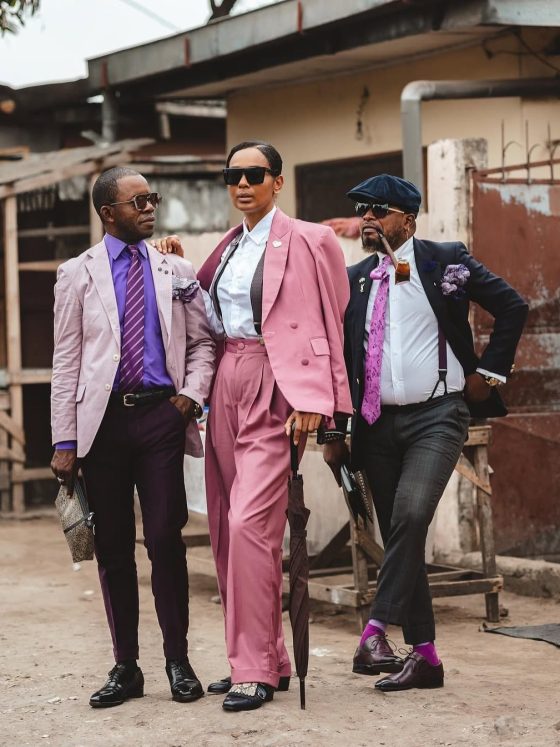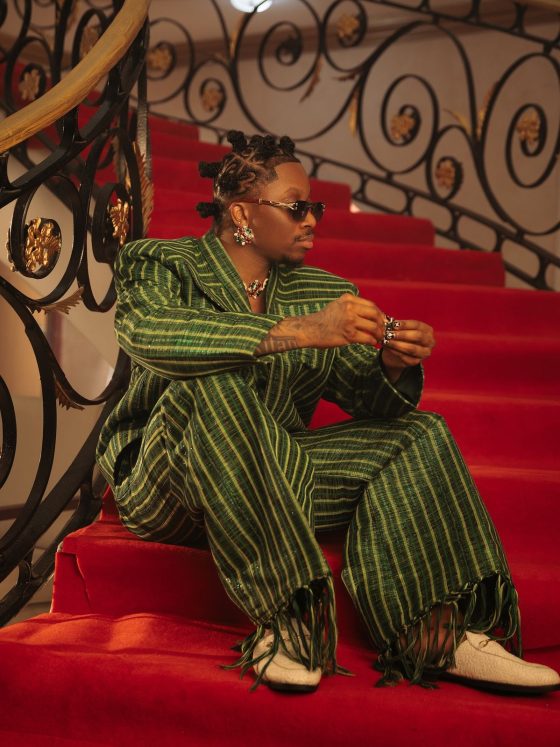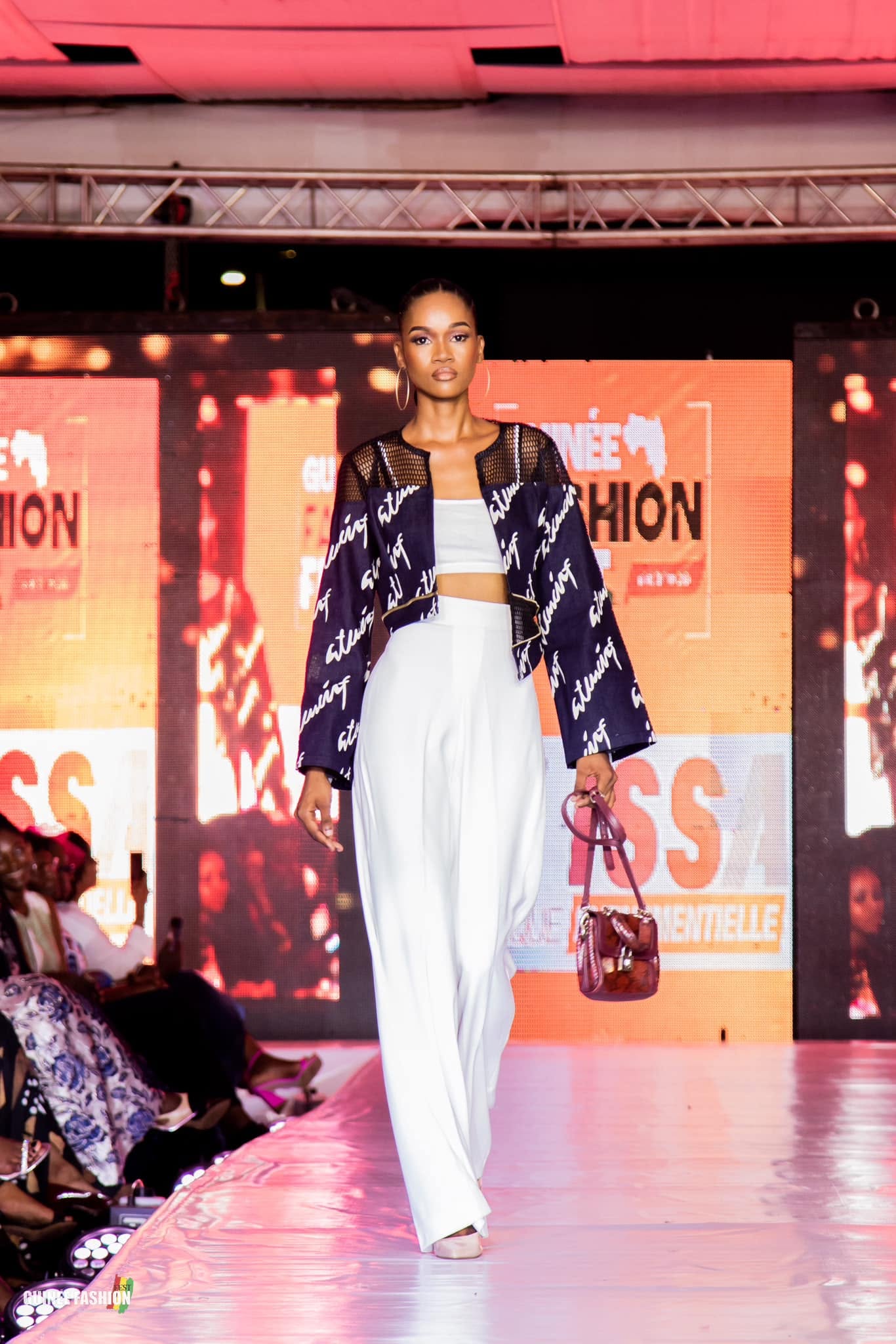
The future of fashion in Guinea-Conakry starts with something as specific as designers replacing imported fabrics with protected Léppi in a modern grand boubou.
These are the kinds of deliberate choices being made in Conakry that most people outside Guinea still never hear about. Far from waiting for external trends or validation, local creatives are actively shifting away from decades of dependence on imports toward production that honours the country’s own regional textile mastery.
Through platforms like Guinée Fashion Fest, this evolution is turning living heritage into a real economic opportunity and a source of cultural confidence. The result isn’t nostalgia, but a future being designed on Guinean terms.
Explore the future of fashion in Guinea-Conakry and how local designers, Léppi textiles, and innovation are shaping a stronger creative industry.
How Is Guinée Fashion Fest Quietly Rewiring Conakry’s Fashion Scene?
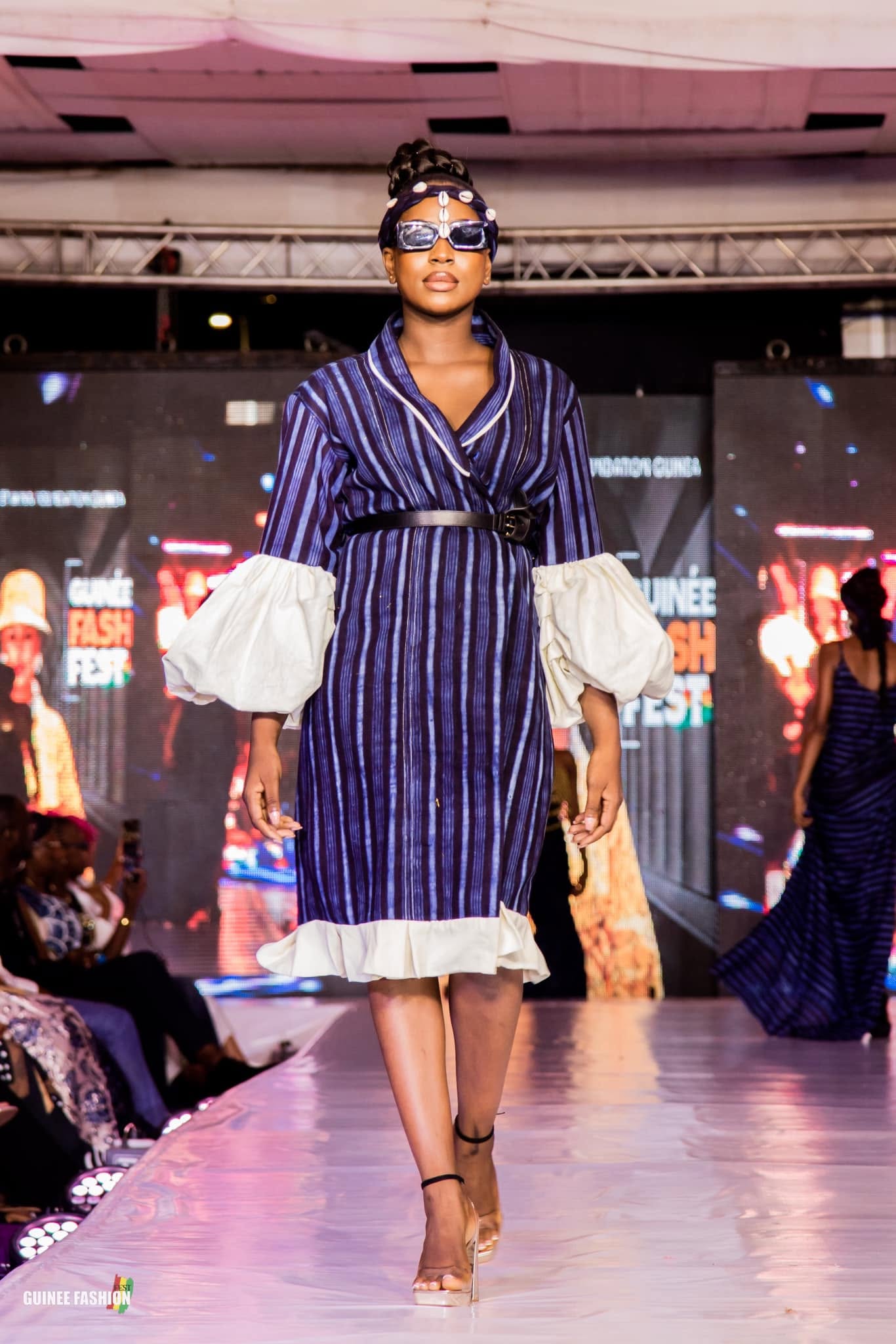
Guinée Fashion Fest serves as one of the main drivers of modern Guinean fashion in Conakry. The event was launched in 2016 by Binta Diallo, an international model who returned to her hometown after building a career across global fashion circuits, including Dakar Fashion Week, with the explicit goal of creating a comparable platform on Guinean soil. The festival paused during the pandemic in 2020 and 2021 before returning in 2022, and has continued to grow since then, running alongside her sister Aminata Diallo, who also founded the Kpaaf couture training school in Conakry.
The festival brings designers, artisans, and buyers together for shows, workshops, and industry talks, focusing on visibility for local talent and promoting Made-in-Guinea approaches that favour regional fabrics over imports. Recent editions have emphasised practical connections between creators and economic opportunities in the sector. Supporting efforts include the 72 Hours of Guinean Textiles, an initiative that links fabric producers directly with designers and potential markets.
Such events go beyond simple presentations. They create concrete pathways for training and business development that tie cultural knowledge to present-day needs in Conakry, including specific support for the women who dominate dyeing and finishing work across the sector.
This is not a country waiting to catch up with global fashion. It is a country deciding, fabric by fabric, what it owes to imports and what it owes to itself.
How Do Made-in-Guinea Textiles Turn Protection into Real Economic Power?
The future of fashion in Guinea-Conakry gains strength when legal protections and smart market moves deliver better returns to the people who actually make the cloth. Léppi, the indigo-dyed cotton fabric woven by Fulani communities in the Fouta Djallon region of Middle Guinea, was granted Protected Geographical Indication status by the African Intellectual Property Organisation, with the formal registration ceremony held in Conakry on 22 October 2025 alongside Guinea’s pineapple PGI. OAPI describes Léppi as the country’s first artisanal PGI, the culmination of an effort led by Guinea’s National Office for the Promotion of Crafts with funding from the European Union.
This recognition protects the distinctive fabric against copies and raises its value in both local markets and beyond. Weavers and dyeing families in Middle Guinea can now earn more from their plant-based techniques and the generational knowledge they carry. It rewards the care and precision that have always defined the work. Guinean textiles benefit directly as this protection encourages investment in local supply chains. With less reliance on imported materials, rural weaving communities and Conakry-based makers build stronger connections, and women artisans, who handle much of the dyeing and finishing, find new training opportunities and steadier livelihoods through these efforts.
Over time, this creates a sector that stands on its own quality and origin rather than competing only on price. Guinean hands are shaping production decisions that bring both economic power and lasting cultural authority, turning local resources and ideas into sustainable activity at the centre of the country’s fashion future.
How Are Guinean Designers Turning Léppi and Local Cloth into Modern Fashion?
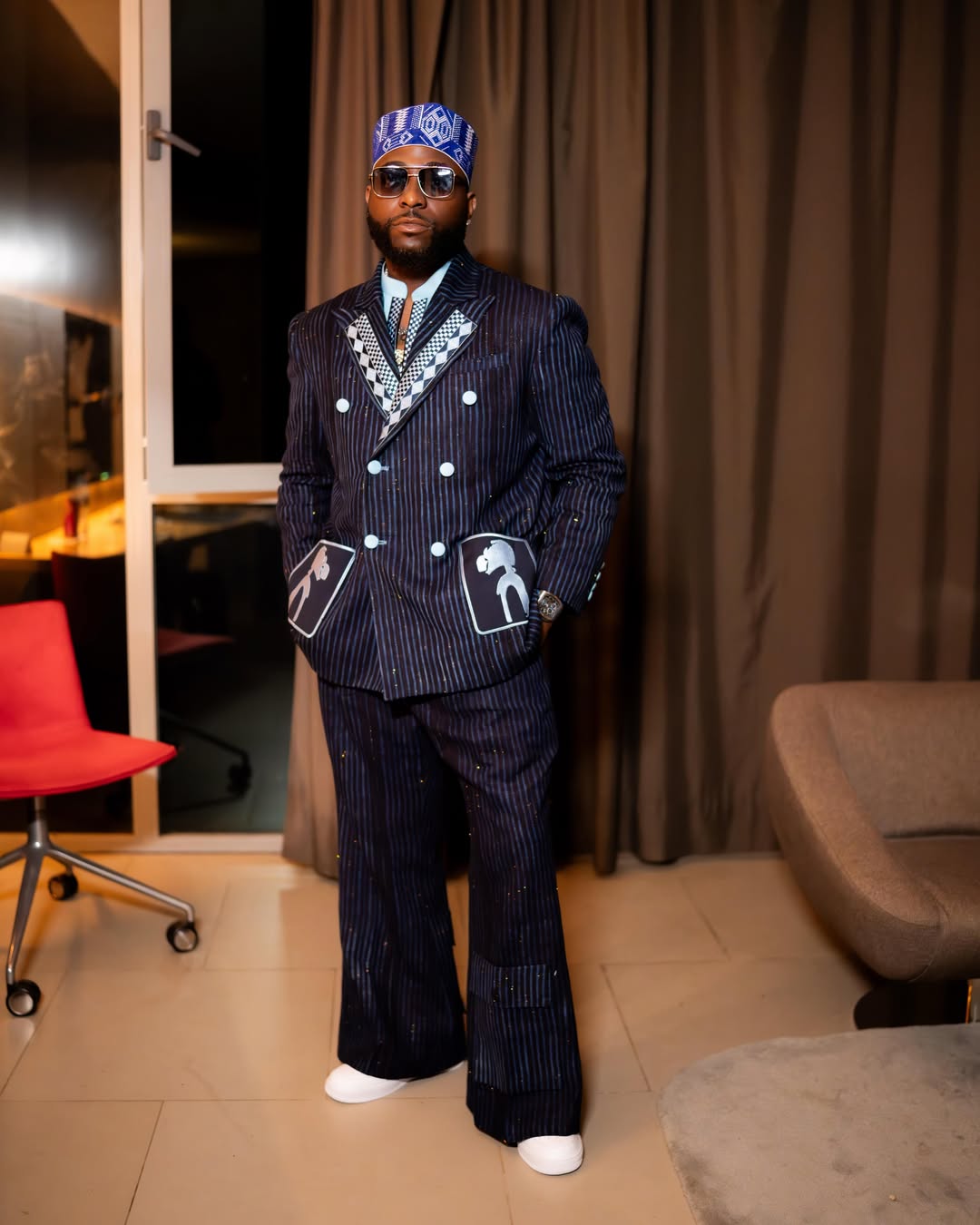
Guinean designers in Conakry incorporate regional textiles such as Léppi and Bazin Riche into contemporary garments. Fatoumata Binta Diallo, founder of Kaadé Collection, uses these fabrics in limited-edition pieces. She combines indigo dyeing traditions with structured silhouettes that work in both local and international settings, integrating regional Guinean materials such as Léppi, Kendeli, Bakha, and Forêt Sacrée into each collection. The brand presents at events in Conakry and abroad, including Guinée Fashion Fest, the Cannes Film Festival, and Miami Fashion Week.
Other designers follow comparable practices, including Fatou Koné of La Rouhe Design, who blends Léppi and Kendéli with silk and wax prints in couture creations. Her designs emphasise Guinean heritage while producing ready-to-wear options. Binta Sagale Diallo of Binta Sagale Designs creates modern tailoring, including prom dresses, bridal wear, and evening gowns, that integrates Guinean motifs with contemporary Western-influenced cuts. As Omiren Styles has documented in Boubou (Grand Boubou): Power, Prestige, and the Soul of Senegalese Style, Guinea sits among the Mande-world countries where the boubou silhouette has been continuously reinterpreted using local fabrics and symbolism rather than treated as a fixed import. These designers produce pieces shown at Guinée Fashion Fest editions and worn by figures including Miss Guinée contestants, demonstrating ongoing use of local textiles in professional and ceremonial contexts across Conakry.
ALSO READ
- Boubou (Grand Boubou): Power, Prestige, and the Soul of Senegalese Style
- Top 5 Tie-Dye Styles for Mandinka Women in 2026
- Traditional Fashion in Côte d’Ivoire: Culture, Colour, and Identity
- Traditional Clothing in the Benin Republic: Culture, Royalty, and Identity
Why Is Local Innovation, Not Imports, Shaping the Future of Fashion in Guinea-Conakry?
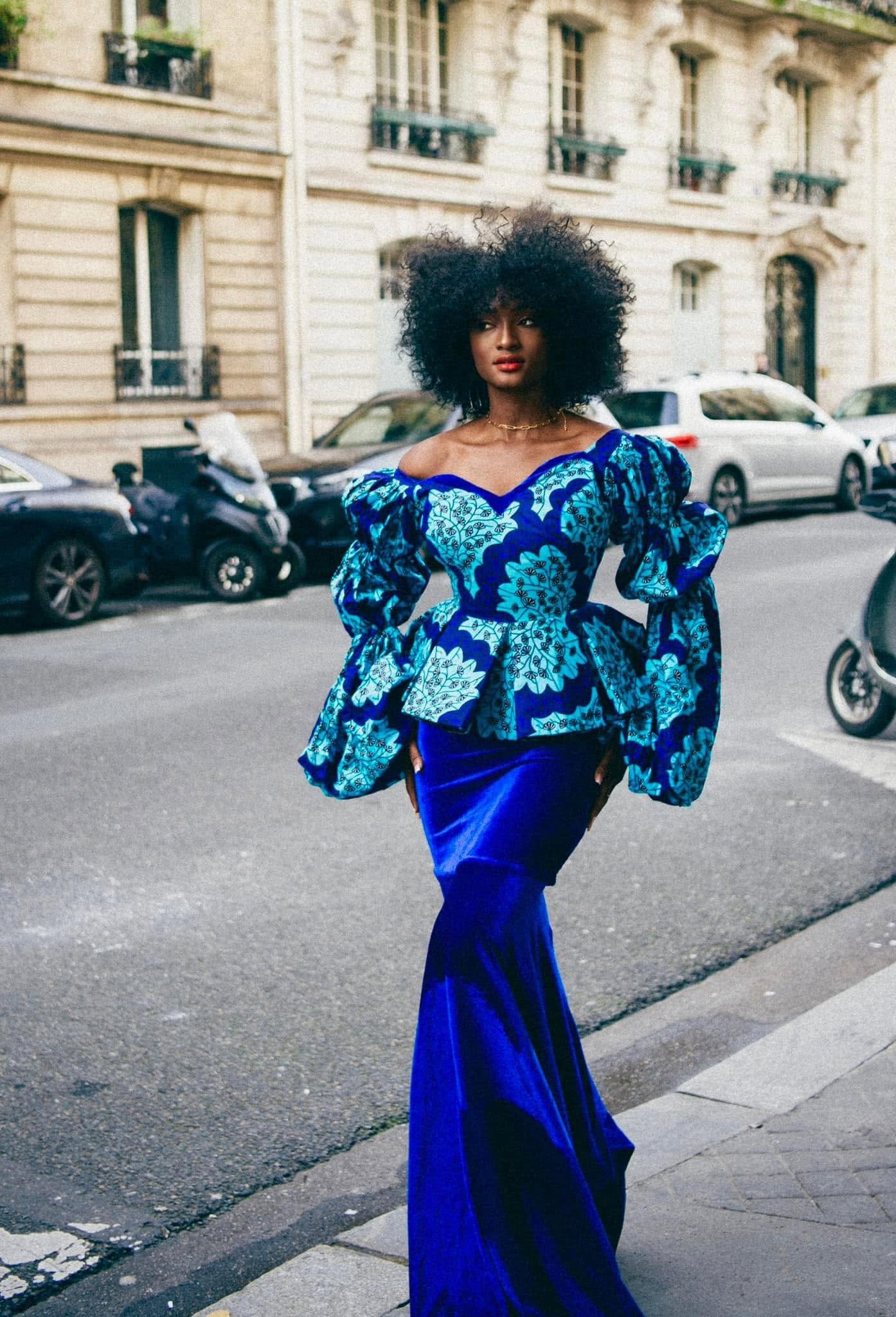
Local innovation drives the future of fashion in Guinea-Conakry by turning limited resources into practical solutions that support self-reliance. Tailors and small workshops in Conakry adapt traditional techniques to create garments that meet urban needs while reducing dependence on imported goods. Initiatives such as Guinée Créative, launched in 2021, strengthen this direction, supporting entrepreneurs in fashion and design along the Conakry-Kindia-Mamou axis. It has helped formalise dozens of businesses, create new jobs, and increase average sales for supported companies.
Partnerships with the National Office for the Promotion of Crafts have introduced the first official label for authentic Léppi, guaranteeing quality and opening new opportunities for craftspeople. These efforts encourage direct collaboration between weavers in Middle Guinea and makers in the capital, producing garments that combine generational knowledge with adjustments suited to daily life in Conakry, including improved durability and wearability for local conditions. As Omiren Styles has noted in Top 5 Tie-Dye Styles for Mandinka Women in 2026, artisan cooperatives supported by female dyers in Conakry and Labe continue to produce hand-bound, stitch-resist textiles for both domestic and export markets, proof that Guinean textile innovation is not confined to a single fabric or workshop.
Local innovation, therefore, builds a more resilient sector. It positions Guinean expertise as the foundation for growth rather than external models, rooted in the country’s own materials, skills, and decision-making.
THE OMIREN ARGUMENT
Guinea’s fashion future will be decided by how confidently it invests in its own textile knowledge, not by how closely it tracks global fashion calendars. Protected textiles such as Léppi, industry platforms like Guinée Fashion Fest, and targeted initiatives for local production demonstrate that traditional craftsmanship can drive contemporary fashion and economic growth simultaneously.
This challenges the assumption that modern African fashion must rely on imported fabrics or external validation to succeed. Guinea is demonstrating that cultural authority can become a competitive advantage when heritage is treated as a living resource rather than a museum piece. The future of fashion in Guinea-Conakry rests on strengthening the people, skills, and materials that have been shaping its identity for generations.
FREQUENTLY ASKED QUESTIONS
What is shaping the future of fashion in Guinea-Conakry right now?
Key drivers include platforms such as Guinée Fashion Fest, legal protection for Léppi and other local textiles, and targeted support programmes, such as Guinée Créative, that help formalise fashion businesses along the Conakry-Kindia-Mamou axis. Together, these efforts shift the sector away from import dependence and toward production rooted in Guinean materials and labour.
Why is Léppi important to the future of fashion in Guinea?
Léppi, an indigo textile from Fouta Djallon woven by Fulani communities, was granted Protected Geographical Indication status by the African Intellectual Property Organisation, with the formal registration ceremony held in Conakry in October 2025. That protection raises its value, protects it from copies, and directs more income to the weaving and dyeing families who have kept the technique alive, making it a cornerstone of Made in Guinea fashion.
How are Guinean designers using traditional textiles in modern clothing?
Designers such as Fatoumata Binta Diallo of Kaadé Collection and Fatou Koné of La Rouhe Design use Léppi, Kendéli, Bakha, and other local cloths in structured silhouettes, occasion wear, and ready-to-wear pieces that work in both Guinean and international contexts, presenting at events from Guinée Fashion Fest to the Cannes Film Festival and Miami Fashion Week.
What role do women play in Guinea’s fashion industry?
Women artisans are central to dyeing, finishing, and garment production across Middle Guinea and Conakry. They also run labels and workshops, including Kaadé Collection and La Rouhe Design, and benefit directly from training, labelling schemes, and events that connect their work to new markets, such as the official Léppi quality label introduced alongside the National Office for the Promotion of Crafts.
How are local fashion initiatives reducing dependence on imported clothing in Guinea?
By supporting local weaving, tailoring, and brand development, initiatives such as Guinée Créative and festivals like Guinée Fashion Fest encourage designers to source and produce within Guinea rather than relying on imported textiles and second-hand clothing. This builds a fashion economy rooted in Guinean materials and labour, with formalised businesses and steadier income for the weaving communities at its base.
Omiren Styles covers the African fashion industry as it builds, country by country. Subscribe for the editorial intelligence that documents how creative economies grow from the ground up.