Pano di Pinti is the handwoven cotton textile of Guinea-Bissau that survives 500 years of Portuguese colonisation by maintaining indigenous rateio weaving techniques rather than adopting European methods. When Bissau-Guinean women wear pano wraps at wedding ceremonies on the island of Bolama, the fabric displays painted zigzag patterns created by applying wax before dyeing. This process transforms simple cotton into coded communication about family lineage, regional origin, and social status. The textile’s name reveals its dual inheritance: “pano” comes from the Portuguese “pano” (cloth), while “pinti” derives from the Mandinga “pinti” (painted), announcing Guinea-Bissau’s creole identity before the wearer speaks.
Guinea-Bissau represents one of West Africa’s most understated textile cultures precisely because its weaving exists in daily survival rather than museum display. The country’s population of 2 million includes Balanta, Fula, Mandinga, and Portuguese-descended families who created distinct weaving traditions across 15 ethnic groups. Their textiles reflect this diversity: Balanta women paint zigzag patterns on cotton wraps, Fula artisans create geometric stripes using indigo dye, and Mandinga weavers incorporate Portuguese floral motifs into indigenous rateio loom structures. This fusion isn’t accidental; it’s the result of centuries of trade, colonisation, and cultural negotiation that produced textile systems operating beyond simple national boundaries.
This article examines how pano di pinti maintains indigenous weaving despite Portuguese influence, which specific techniques define rateio construction, and why Guinea-Bissau’s textiles remain potent, as people still wear them in 2026. You will learn what pano di pinti means, how rateio weaving differs from West African strip-weaving, and why indigenous textiles survive through adaptation rather than preservation.
Discover Pano di Pinti, the handwoven textile of Guinea-Bissau’s rateio technique, and how indigenous weaving survives Portuguese colonial influence in West African fashion.
The Pano di Pinti Textile: How Painted Cotton Became Bissau-Guinean Identity
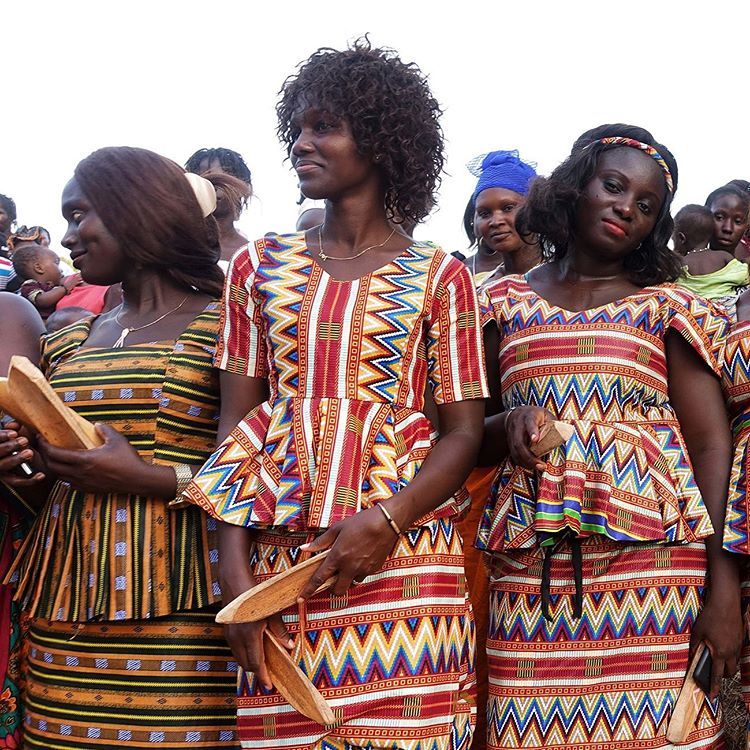
The pano di pinti textile proves that indigenous weaving techniques survived Portuguese colonisation by maintaining African loom structures while incorporating European design elements.
Who makes pano di pinti and where?
Pano di pinti is handwoven by Balanta women artisans across Guinea-Bissau’s southern regions, particularly in the provinces of Bafatá and Gabú. The cotton comes from local farms in the savannah belt and is woven on horizontal wooden looms called rateio, which measure 3–4 metres in length. Women work in groups called kamanهو, sharing techniques while producing 2–3 metre cloth strips that are stitched together into larger wraps measuring 1.8 × 1.4 metres.
The Balanta people, Guinea-Bissau’s largest ethnic group, comprising 30% of the population, maintain weaving as a female-dominated craft. Grandmothers teach daughters how to construct looms, apply wax, and dye. This knowledge transfer ensures continuity across generations despite economic pressures threatening traditional craft.
What does pano di pinti look like?
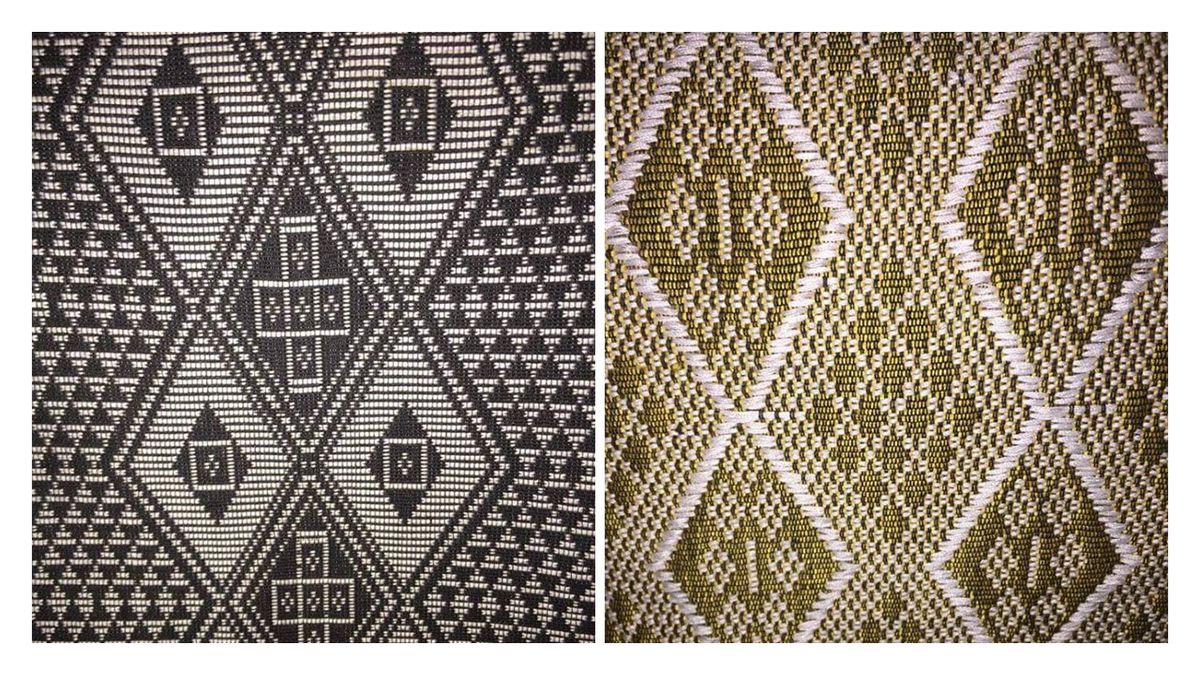
The fabric features bold zigzag patterns painted in black wax before indigo dyeing, creating white lines against a deep blue background. These zigzags represent water, rivers, and the Niger River’s flow, critical symbols for Balanta communities living along Guinea-Bissau’s coastal waterways. Additional patterns include diamond shapes (fertility), cross marks (protection), and parallel lines (family lineage).
The colour palette remains limited: deep indigo blue from fermented Indigofera leaves, white from unwaxed cotton, and occasional red from imported cassia leaves. This restraint contrasts with Nigerian Adire’s multi-coloured patterns, showing how Guinea-Bissau’s textile tradition prioritises symbolic clarity over visual complexity.
Why does pano di pinti matter culturally?
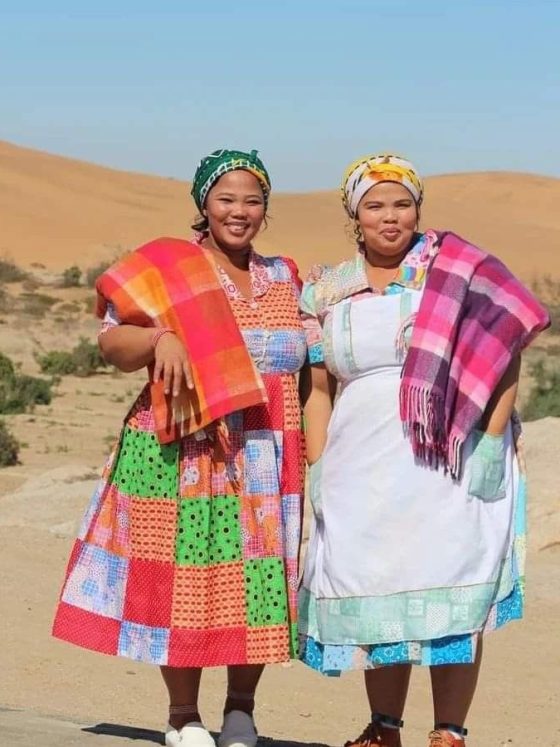
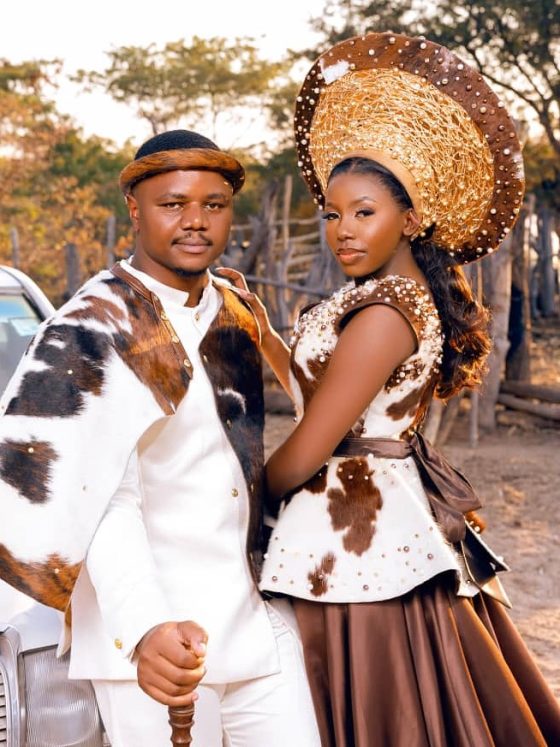
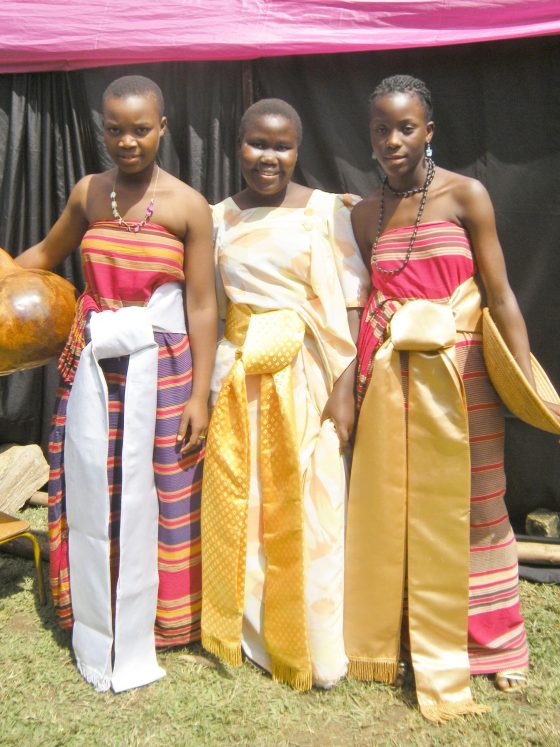
Women wear pano di pinti wraps at weddings, coming-of-age ceremonies, and religious festivals, tying them around the body with matching headwraps. The fabric signals femininity, cultural pride, and connection to Balanta roots. A woman’s pano quality indicates her family’s economic status; finer weave, clearer patterns, and deeper dye cost more and demonstrate greater skill.
The painted zigzags communicate specific meanings within Balanta communities. Widows wear broken zigzags (interrupted lines), married women wear continuous waves, and unmarried girls wear straight lines. This coding system allows women to communicate status without verbal declaration, embedding social structure into textile design.
What does pano di pinti mean today?
Younger Bissau-Guineans wear pano di pinti as a fashion statement, along with modern dresses, scarves, and bags made from traditional fabrics. Urban women in Bissau combine pano wraps with contemporary tops, creating a fusion style that maintains cultural identity while adapting to modern aesthetics. This transformation demonstrates Pano’s durability: it survives by maintaining core weaving techniques while adapting its applications.
A similar adaptation appears in Christie Brown, led by visionary designer Aisha Ayensu, who redefines Ghanaian luxury fashion by incorporating traditional kente into contemporary ready-to-wear, ensuring heritage fabrics serve modern purposes while maintaining cultural meaning.
The Rateio Weaving Technique: How Indigenous Looms Differ from West African Strip-Weaving
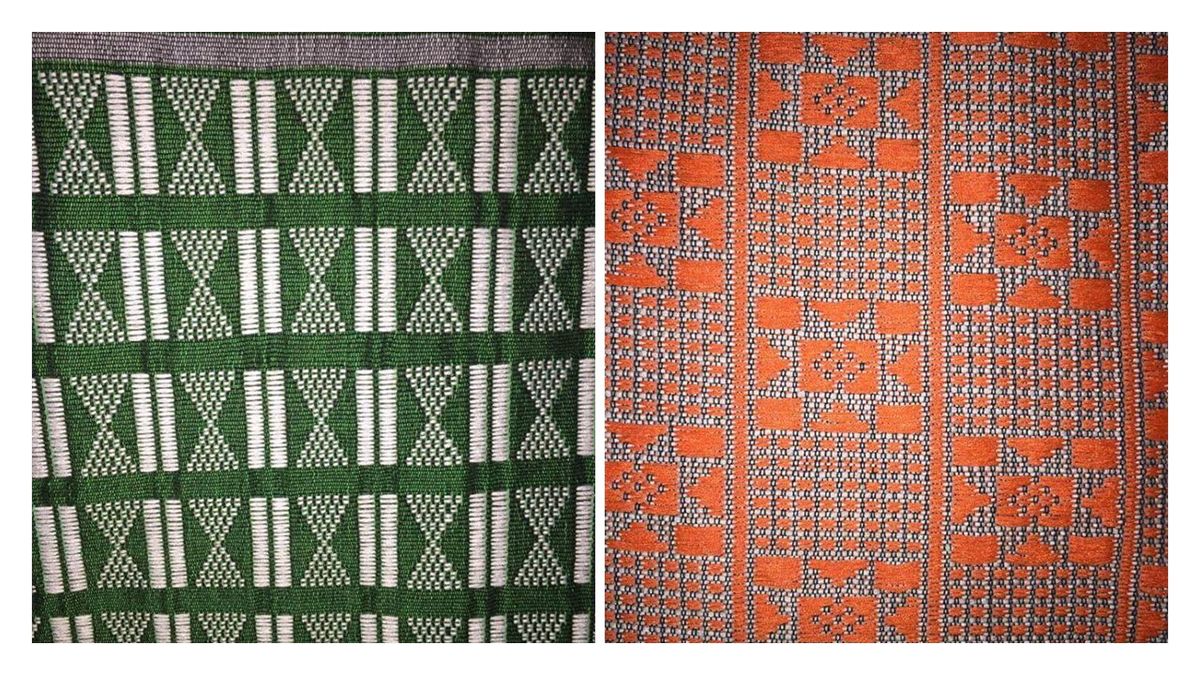
The rateio loom demonstrates that Guinea-Bissau’s weaving tradition developed independently of Nigerian and Ghanaian strip-weaving, maintaining horizontal rather than vertical band construction.
What is ‘rateio’ weaving?
Rateio is the horizontal wooden loom used throughout Guinea-Bissau to weave pano di pinti cotton. The loom consists of two parallel beams (warp beam and cloth beam) connected by four legs, with tension controlled by wooden pegs inserted between beams. Weavers sit before the loom, passing shuttles containing weft thread through warp threads arranged horizontally.
This horizontal structure differs fundamentally from Nigerian aso-oke strip-weaving, which uses vertical looms producing narrow 10–15 cm bands stitched together. Rateio produces continuous 2–3-metre widths, requiring different tension-control and pattern-making techniques. The difference reveals Guinea-Bissau’s independent textile development, separate from Yoruba and Ashanti traditions despite geographic proximity.
How is the weaving process structured?
The process takes 3–5 days for a single pano cloth:
Day 1: Cotton is harvested, hand-spun into thread, and wound onto warp beams. Women work in groups, each responsible for spinning 200–300 metres of thread.
Day 2: Warp threads are arranged on the rateio loom, tensioned using wooden pegs, and tested for evenness. This setup requires precision; uneven tension creates irregular patterns.
Day 3: Weaving begins. The weaver passes shuttles through warp threads, creating a plain weave structure. Every 10 cm, the weft is beaten with a wooden comb to compact the threads.
Day 4: Wax is applied to create zigzag patterns. Women use metal styluses to paint melted wax onto specific warp threads before dyeing.
Day 5: Cloth is dyed in indigo pits, wax is scraped off, revealing white patterns, and the pano is hung to dry under intense sunlight.
This timeline shows Pano di Pinti’s labour intensity: a single wrap requires 15–20 hours of skilled work, which helps explain its cost and ceremonial value.
What materials define rateio weaving?
- Cotton: Local Guinea-Bissau cotton from savannah farms, hand-spun into 200–300 metre threads. Some weavers import cotton from Guinea-Bissau’s northern neighbours when local supply fails.
- Indigo dye: Fermented from Indigofera Tinctoria leaves grown in southern Guinea-Bissau. The dye pit contains 200–300 litres of dye and is maintained by women’s groups who share fermentation knowledge.
- Wax: Beeswax collected from local honey farms, melted over a charcoal fire before painting. The wax must reach a specific temperature; too hot burns cotton, too cold fails to block dye.
- Wood: Rateio looms constructed from ija-tree wood, resistant to moisture and warping. Looms last 20–30 years and are passed from mother to daughter.
Why does ‘rateio’ matter for Indigenous identity?
The rateio loom represents indigenous technology that survived Portuguese colonisation without European modification. Portuguese colonisers introduced vertical looms, attempting to replace the horizontal rateio, but Balanta women maintained the indigenous structure because it produced wider cloth more efficiently.
This resistance through continuation proves Guinea-Bissau’s textile autonomy. The rateio isn’t “traditional” in the museum sense; it’s active technology used daily by living artisans. When Balanta women weave on rateio, they participate in a 500-year continuity of indigenous innovation.
Similar continuity appears across West Africa. Tongoro, the Senegalese fashion brand founded by Jeanne Amadou, integrates traditional African silhouettes with contemporary ready-to-wear, making heritage fabrics accessible to younger generations who might otherwise abandon traditional dress.
ALSO READ:
- Traditional Clothing in Cape Verde: Afrocentric and Portuguese Fashion Identity
- Traditional Clothing in Senegal: Cultural Heritage and Modern Fashion
- Christie Brown by Aisha Ayensu: Ghanaian Luxury Fashion Taking the World Stage
Colonial Trade and Textile History: How Portuguese Influence Shaped Guinea-Bissau Fabric
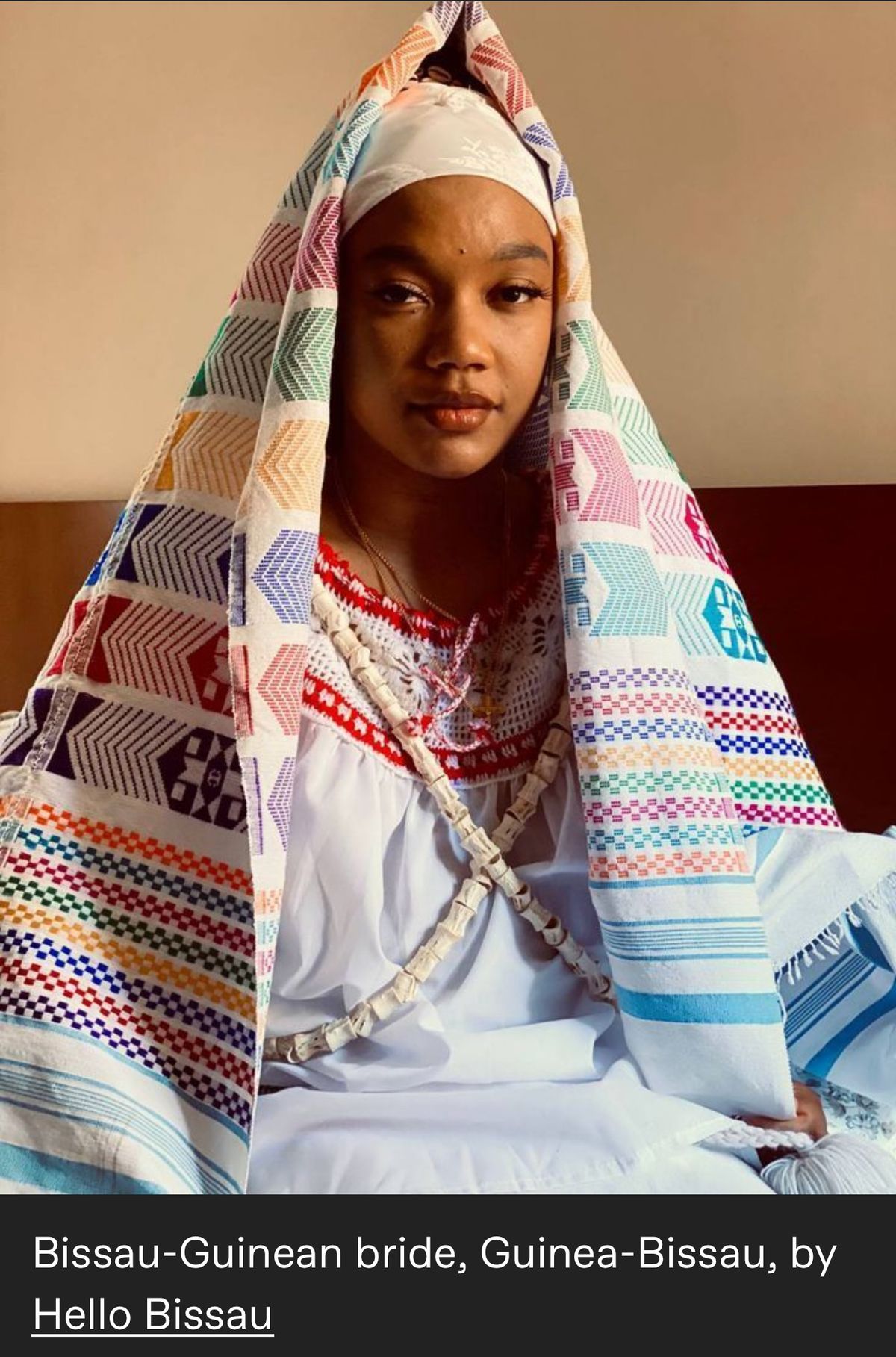
Guinea-Bissau’s position on Atlantic trade routes determined its textile history, bringing Portuguese cotton alongside indigenous rateio weaving and creating pano di pinti fusion.
What trade routes affected Guinea-Bissau?
Guinea-Bissau’s location, 350 miles off West Africa’s coast, placed it at the centre of the 15th–19th century Atlantic trade. Portuguese ships carried African textiles from Senegal, Guinea, and Sierra Leone to the islands, while European cotton and lace arrived from Lisbon. The territory became a melting pot where African weaving met Portuguese fabric, producing pano di pinti.
The Portuguese established trading posts on Bolama Island in the 1860s, importing European cotton while exporting African pano to Cape Verde and Brazil. This trade network connected Guinea-Bissau’s indigenous weaving to Atlantic commerce, embedding local textiles in the global market.
How did colonisation influence textile production?
Portuguese colonisers introduced European cotton thread, attempting to replace hand-spun indigenous thread. They also imported printed cotton fabrics in an attempt to replace handwoven pano. However, Balanta women maintained indigenous spinning because hand-spun thread produced stronger cloth than imported European thread.
The Portuguese name ‘pano’ (cloth) replaced the indigenous Mandinka term, but the weaving technique remained African. This linguistic colonisation without technical modification shows how Guinea-Bissau resisted total cultural absorption, maintaining indigenous rateio while accepting Portuguese terminology.
What textiles arrived from Portugal?
European cotton thread, lace trim, and silk ribbon for embroidery. These Portuguese textiles didn’t replace African pano; they layered over it, creating visual complexity. Women added lace trim to pano wraps, combining indigenous weave with European decoration.
What textiles arrived from Africa?
Indigo-dyed cloth from Senegal, bark fabric from Ghana, handwoven cotton from Guinea. These African textiles arrived alongside Portuguese imports, creating combinations that defined Guinea-Bissau’s textile style.
What threatens traditional weaving today?
Cheap Asian imports saturate Guinea-Bissau markets, pushing local artisans out of business. Synthetic fabrics cost 60–70% less than handwoven pano. Younger generations work in tourism and technology rather than weaving. Few apprentices learn rateio loom techniques.
Portuguese colonisation attempted to replace rateio with European vertical looms, but failed. Today, Asian imports threaten pano di pinti more effectively than Portuguese colonisation did, not through force, but through economic pressure, making weaving unsustainable.
How does tradition persist despite threats?
Bissau-Guinean artisans sell pano di pinti online to international buyers seeking authentic West African textiles. Fashion designers incorporate pano into contemporary dresses, bags, and scarves. This adaptation ensures weaving continues despite economic pressures. Similar continuity appears across West Africa. MaXhosa Africa, the South African brand founded by Lucien Ntsabo, references traditional Xhosa beadwork in modern knitted streetwear, showing how heritage influences design without sacrificing contemporary relevance.
The Omiren Argument
Thesis: Cultural fusion strengthens identity when it maintains core techniques while adapting applications.
Context: Critics assume Guinea-Bissau’s pano di pinti lost authenticity by mixing Portuguese terminology with African weaving. They view colonial influence as cultural dilution, assuming true identity requires pure indigenous technique without European modification.
Disruption: Guinea-Bissau proves fusion creates a new identity rather than destroying old one. Pano di pinti maintains indigenous rateio weaving while incorporating Portuguese names and European trim. The fusion doesn’t weaken identity; it creates a creole identity embracing both African and Portuguese origins.
Cultural Insight: Cultural identity endures through adaptability. Women still wear pano at weddings, and artisans still teach rateio techniques to daughters. The loom survives not by refusing change, but by maintaining core construction while accepting new materials. Fusion persists because it serves contemporary needs while maintaining historical meaning.
Conclusion: Rejecting fusion does not create authenticity. Guinea-Bissau’s textiles remain potent because people still wear them in 2026. The better question is not whether fusion weakens identity, but whether cultural traditions evolve without losing significance. Perhaps the true question is why we believe purity matters more than continuity.
The rateio loom isn’t ‘traditional’ in a museum sense; it’s an active technology used daily by living artisans. When Balanta women weave on rateio, they participate in a 500-year continuity of indigenous innovation.
Frequently Asked Questions (FAQs):
- What is Pano di Pinti fabric?
Pano di pinti is the handwoven cotton textile of Guinea-Bissau featuring painted zigzag patterns created by applying wax before indigo dyeing. The name combines Portuguese “pano” (cloth) with Mandinga “pinti” (painted), announcing Guinea-Bissau’s Creole identity. Balanta women weave pano on horizontal rateio looms, producing 2–3-metre strips stitched into 1.8 × 1.4-metre wraps worn at weddings, ceremonies, and festivals. The zigzag patterns represent water and rivers, diamond shapes signal fertility, and cross marks indicate protection.
- What is the history of Pano di Pinti in Guinea-Bissau?
Pano di Pinti dates to the 15th century, when Portuguese traders arrived on the coast of Guinea-Bissau, bringing European cotton, while indigenous Balanta women maintained rateio weaving. The Portuguese named the cloth “pano”, but didn’t modify the African loom technique. Over 500 years, pano evolved, incorporating Portuguese lace trim and European thread while maintaining indigenous zigzag patterns and rateio construction. This fusion created Guinea-Bissau’s distinctive textile identity, embracing both African and Portuguese origins.
- How is rateio weaving done in Guinea-Bissau?
Rateio weaving uses horizontal wooden looms measuring 3–4 metres in length. Women sit before the loom, passing shuttles through horizontally arranged warp threads. The process takes 3–5 days: spinning cotton thread (Day 1), arranging the warp on the loom (Day 2), weaving a plain structure (Day 3), painting wax zigzags (Day 4), and indigo dyeing (Day 5). This produces continuous 2–3-metre widths, unlike Nigerian strip-weaving’s narrow 10–15 cm bands. The horizontal structure reveals Guinea-Bissau’s independent textile development.
- What are traditional textiles in Guinea-Bissau?
Traditional textiles include pano di pinti, handwoven cotton with painted zigzag patterns; indigo-dyed cloth from Fula artisans, creating geometric stripes; and Mandinga weave, incorporating Portuguese floral motifs into indigenous rateio structures. These appear at weddings, coming-of-age ceremonies, and religious festivals across Guinea-Bissau’s 15 ethnic groups. Balanta women wear pano wraps with matching headwraps, encoding family lineage and social status through variations in pattern.
- What is the cultural significance of Pano di Pinti?
Pano di pinti signals femininity, cultural pride, and Balanta identity. Women communicate status through pattern variation: widows wear broken zigzags, married women wear continuous waves, and unmarried girls wear straight lines. The fabric’s quality indicates family economic status; finer weave, clearer patterns, and deeper dye cost more. Pano survives 500 years of Portuguese colonisation by maintaining indigenous rateio weaving while adopting Portuguese terminology, proving Guinea-Bissau’s textile autonomy through continued resistance.
Omiren Styles covers the business of African fashion with precision and without apology. Subscribe for weekly retail intelligence, brand strategy analysis, and the industry reporting the African fashion press is not doing. African fashion and culture are not emerging. They are foundational.