On September 9, 1739, on a Sunday morning, while enslavers attended church, a group of enslaved Africans gathered near the Stono River in South Carolina. They raided a warehouse, seized weapons, and began to march. They called out Liberty. They marched with colours displayed and two drums beating, the rhythms recruiting more people to join as they moved. By the time the patrollers arrived, their numbers had grown significantly. More than twenty whites and twenty Africans died before the insurrection was suppressed. In the weeks that followed, many of the survivors were captured and shot. The colonial authorities’ direct legislative response to what the drums had done was the South Carolina Negro Act of 1740: a code that banned drums, horns, and other loud instruments and became the model for slave codes across the American South until the end of the Civil War.
The colonial authorities understood what they were banning. They had been banning it for fifty years already. Barbados had outlawed drums and horns in 1688, requiring slaveholders to search enslaved quarters weekly and destroy any instruments found. Jamaica passed drum restrictions in 1717 and again in 1760. St. Kitts targeted distance signalling specifically in 1711 and 1722. The consistency and intensity of these laws tell the same story as Stono: these people knew they were dealing with something other than music. It was a communication technology, a governance system, a spiritual infrastructure, and a memory system that operated across the distances of the plantation world faster than any overseers could monitor. They banned the drum not because it disturbed them aesthetically. They banned it because they understood, imperfectly but with sufficient accuracy, that it was how a civilisation thought.
African drums were language, law, and prayer before they were music. They crossed the Atlantic under ban, and ban only made them stronger. Here is the full story.
African Drums and Their History: What the Instruments Actually Were
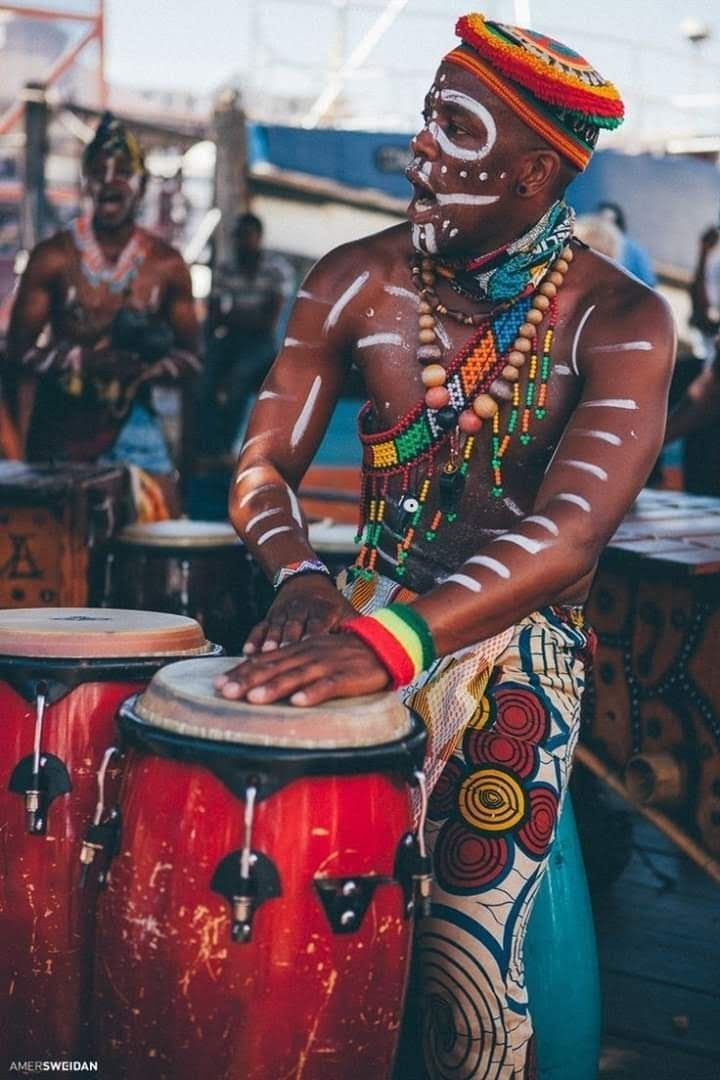
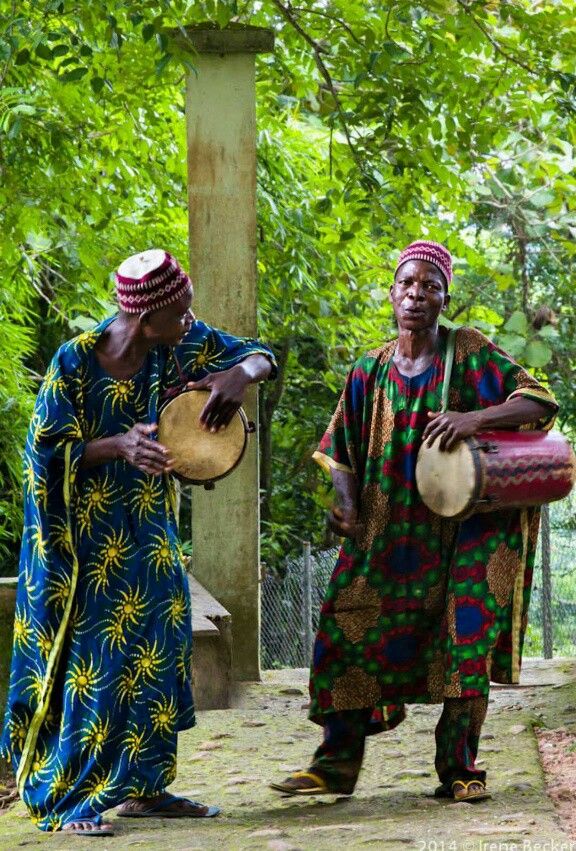
The Yoruba dundun is among the most studied examples of what African drums were in their original cultural context. Research published in the journal Frontiers in Communication, as reported by Smithsonian Magazine, confirmed through a comparative analysis of 30 verbal recordings that the dundun replicates spoken Yoruba with parallel patterns of intensity, pitch, and timing. The drummer does not merely suggest language. They produce it. The dundun’s hourglass shape and leather tension strings allow a skilled player to continuously bend pitch, mirroring the tonal patterns of Yoruba speech in real time. Messages transmitted across distances of 20 miles, relayed from village to village, could spread news, warnings, royal announcements, and ceremonial calls across entire regions before any written system existed to carry them.
The bata drum, its closest relative in the Yoruba system, operates according to a different, more restricted logic. While the dundun is designed for maximum intelligibility across the broadest possible audience, the bata uses coded drum strokes that translate into Yoruba for those initiated into its system. Scholar Amanda Villepastour, in her landmark study of the bata’s speech surrogacy, established that this restriction was deliberate and original: the bata was initially a war instrument, then a ritual instrument associated with Orisha devotion, intended to be understood only by drummers and cultural insiders. It is the secure communication channel of the Yoruba drum family. The dundun is the public broadcast. Together they constitute a complete communication architecture, one for general transmission and one for encrypted transmission, both operating through rhythm.
The Yoruba name for a drummer is Ayan, and family names with the prefix Ayan across southwestern Nigeria today mark the hereditary drummers whose knowledge has been transmitted across generations within specific lineages. Ayan is understood in the Yoruba religious tradition as the patron spirit of all drummers. The social organisation around drumming was not incidental. It was structured, specialised, and respected because what the drummer held was not a skill but a trust: the capacity to speak for the community to the living, the royal court, the spiritual world, and the ancestors.
The Akan atumpan drums of the Ashanti carried equivalent authority. As documented research on African drumming culture confirms, the atumpan could send messages up to 32 kilometres, with relay drummers extending range across entire territories. The Ewe drum ensemble of Ghana, comprising the Atsimevu lead drum, Kidi, Sogo, and Kroboto, was deployed in Agbekor ceremonies that encoded the history and spiritual practice of warrior communities into structured polyrhythmic performance. The Fon people of Dahomey, present-day Benin, used specific rhythms within Vodun ceremony to summon specific spirits, each lwa requiring its own pattern, its own drum configuration, and its own trained drummer who understood not just the rhythm but the cosmological entity being addressed.
Central African Drums: The Ngoma and the Kingdom of Kongo
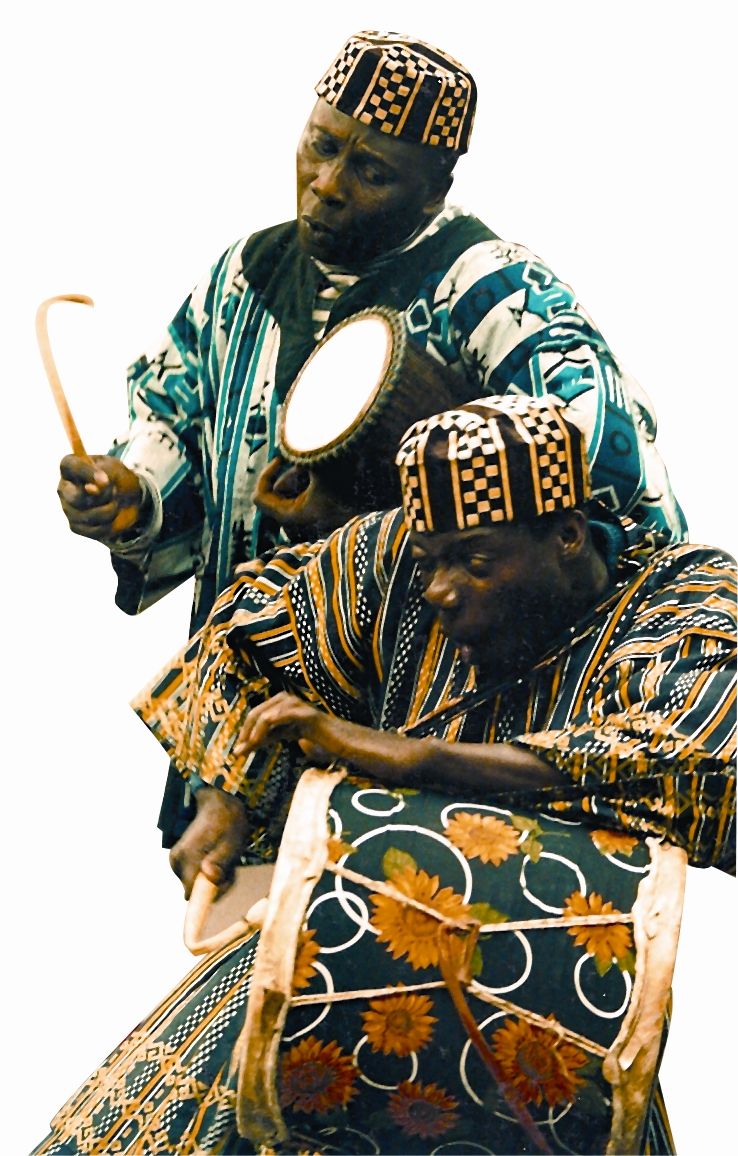
The conversation about African drums in the diaspora has focused primarily on West Africa, with the Yoruba, Akan, Fon, and Ewe traditions dominating the scholarly and popular record. Central Africa’s contribution is equally significant and less adequately documented. The Kingdom of Kongo, whose territories spanned present-day DRC, the Republic of Congo, and Angola, developed one of the most sophisticated drum cultures on the continent. The ngoma, the generic Bantu word for drum, originates in Kikongo, the language of the Kongo people, and from there entered the languages of Bantu-speaking populations across Central, East, and Southern Africa. As Grokipedia’s documented research on ngoma drums confirms, the ngoma traces its roots to the Kingdom of Kongo, predating the 15th century, where it served as vital infrastructure for communication, ritual, and royal authority.
In Kikongo, ngoma does not mean drum in the narrow sense. It means a drum, a song, a performance, and a healing cult simultaneously. The word is an entire system compressed into four letters. John Janzen’s landmark anthropological study, Ngoma: Discourses of Healing in Central and Southern Africa, published by the University of California Press, established through fieldwork in Kinshasa, Dar-es-Salaam, Mbabane, and Cape Town, that ngoma practices transcend national and social boundaries across the entire Central and Southern African region. The healing ceremonies that use ngoma drumming address psychological distress, social discord, and spiritual disharmony through rhythmic induction of trance states. The drum is not accompanying the healing. It is performing it.
The DRC alone contains an estimated 300 distinct types of drums, each with its own name, function, and cultural context across different Bantu communities. Royal drums were symbols of monarchical authority: the Banyankore hold the royal drum, Bagyendanwa, so sacred that a prince could not claim kingship without it. Among Kongo-speaking communities, ngoma drums generate essential rhythms for ceremonial music. The specific drum names record the specificity of each tradition: mu ngoma-ngoma in Kongo, ditumba among the Luba of Kasaï and Katanga, mukupela among the Tshokwe, and ndungu, the elongated conical Kongo drum. This is not a single instrument with regional variations. It is hundreds of distinct instruments, each embedded in its own cultural system, each carrying its own knowledge.
The Kongo cosmological system, Bukongo, is inseparable from understanding what ngoma ceremonies were doing. As documented in scholarship on Kongo religion, the Kalunga line divides the Bakongo cosmos between the physical and spiritual worlds. Simbi spirits transport people across this line at birth and death. The yowa or dikenga cross represents the four phases of life corresponding to the four phases of the sun. Ngoma drumming in a ceremonial context was not an aesthetic performance within this cosmology. It was navigation, sound that opened the crossing between worlds, summoned the simbi, addressed the ancestors, and maintained the community’s relationship to the cosmic order that governed life and death.
On September 9, 1739, a group of enslaved Africans marched through South Carolina, calling out “Liberty,” with colours displayed and two drums beating. The colonial response was to ban the drum. The rhythm survived anyway.
Why Drums Were Banned: The Legal History of Colonial Fear
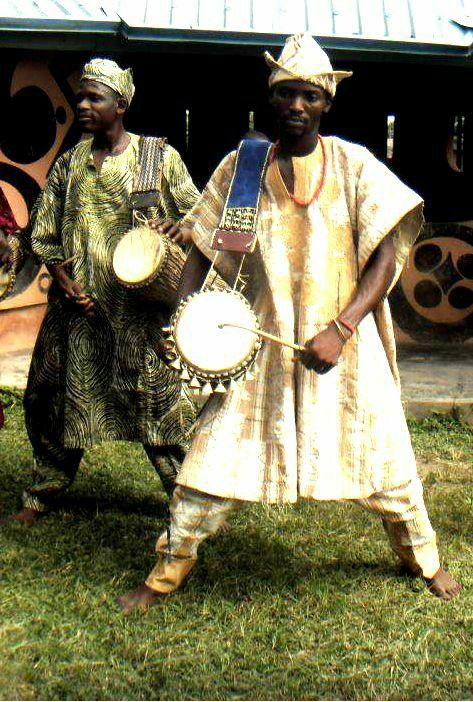
The colonial ban on African drumming was not a spontaneous response to aesthetic discomfort. It was a considered legal strategy applied with increasing specificity across different colonial territories over several decades. The earliest documented restriction, as confirmed by the historical research of Richard Cullen Rath published in the academic record, came in 1688 when Hans Sloane, physician to the governor of Jamaica, documented that enslaved people had formerly been allowed drums at festivals but that the instruments had been prohibited because of their use in African warfare. The colonial authorities had understood from the beginning of the slave trade that drums were tools of state in West African societies. The ban was not ignorance. It was a response to a technology they could not control.
Barbados 1699, Jamaica 1717 and 1760, St. Kitts 1711 and 1722, South Carolina 1740. The geographic spread of these laws tracks the zones of greatest concentration of the transatlantic slave trade. In each case, the legislative response was triggered by either a specific act of organised resistance or a credible threat of one. Tacky’s Revolt in Jamaica, April 1760: enslaved Africans across widely separated plantations coordinated action through the talking drum. The Jamaican Assembly immediately passed new restrictions. The Stono Rebellion of 1739 in South Carolina: Angolan-origin enslaved people marched with two drums beating, recruiting as they moved. The South Carolina Negro Act of 1740 banned drums, horns, and other loud instruments, and included provisions barring enslaved people from growing their own food, earning money, and learning to read. The drum was classified in the same legal category as literacy and economic self-sufficiency. The colonial authorities understood what it was.
The persistence of drum bans beyond emancipation is the most telling evidence of what colonial power was actually trying to protect itself against. St. Vincent’s Shaker Prohibition Ordinance of 1912 and Trinidad’s Shouter Prohibition Ordinance of 1917 came decades after the formal end of slavery. As documented research on Caribbean drum bans confirms, subsequent laws across the Caribbean continued to ensure that anything associated with Africa, especially practices that might encourage Black people to congregate away from white oversight, remained on the wrong side of the law. The post-emancipation drum bans were not about safety. They were about the continued suppression of African community formation, African cosmological practice, and the specific African social technologies that drums represented.
The scholarly work of UNC-Chapel Hill researcher Petal Samuel has documented a direct line between these colonial drum bans and contemporary noise abatement laws that disproportionately target minority communities. As the UNC analysis confirms, in 2008, a drum circle in Harlem that had been gathering every Saturday since 1969 began receiving regular noise complaints from affluent residents of a newly built luxury co-op and increasingly hostile police visits. The complaints encoded the same fear as the Barbados Act of 1688: a certain kind of sound, made by certain people, in certain spaces, is classified as threatening rather than as culture. The legal language changed. The structure of suppression did not.
How African Drums Survived: The Body as Archive
The survival of African rhythmic knowledge through the period of drum bans is one of the most significant demonstrations of how culture transmits itself when material objects are confiscated. When the South Carolina Negro Act of 1740 removed drums, the rhythms did not disappear. They migrated into the body. Pattin’ juba, the percussive tradition in which the torso, thighs, arms, and hands became the drum kit, preserves West African polyrhythmic structures in the body itself. Ring shout, the counter-clockwise shuffling worship form practised in Black Christian communities from the colonial period onward, encodes African ceremonial movement patterns into a form that could survive inside the architecture of the church. Hambone, stepping, tap: the International African American Museum in Charleston has documented how each of these American performance traditions is a direct consequence of the drum ban — rhythms encoded in human bodies because the drums that originally carried them were burned.
In the Caribbean and Brazil, where bans were inconsistently enforced and where African ceremonial traditions were maintained within religious frameworks that colonial authorities partially tolerated, the drum survived more continuously. As the Venice Beach Drum Circle’s historical analysis documents, enslaved people persisted through clandestine ceremonies where drums spoke back to the motherland. In Cuba, bata drums were maintained within the Santería religious framework, whose practice of identifying Yoruba Orisha with Catholic saints gave it a protective camouflage that purely African ceremony would not have received. In Haiti, Vodou ceremonies encoded African identity within a syncretic framework that the plantation system could not fully control. The Haitian Revolution itself provides the most dramatic documentation of what African drumming had preserved: on August 14, 1791, the ceremony at Bois Caïman, led by Dutty Boukman, used Vodou drumming to unite enslaved people across ethnic and linguistic lines into a coordinated uprising that created the first Black republic in the Americas in 1804.
Also Read:
- The Language of Adinkra: When Cloth Becomes Scripture
- Afro-Cuban Fashion: Abakuá Societies, Yoruba Heritage, and the Politics of Afrocentric Identity
- Colombian Traditional Fashion: What the Mola, the Pollera, and Cartagena’s Dress Culture Actually Are
Drums in the Caribbean Diaspora: Three Traditions in Detail
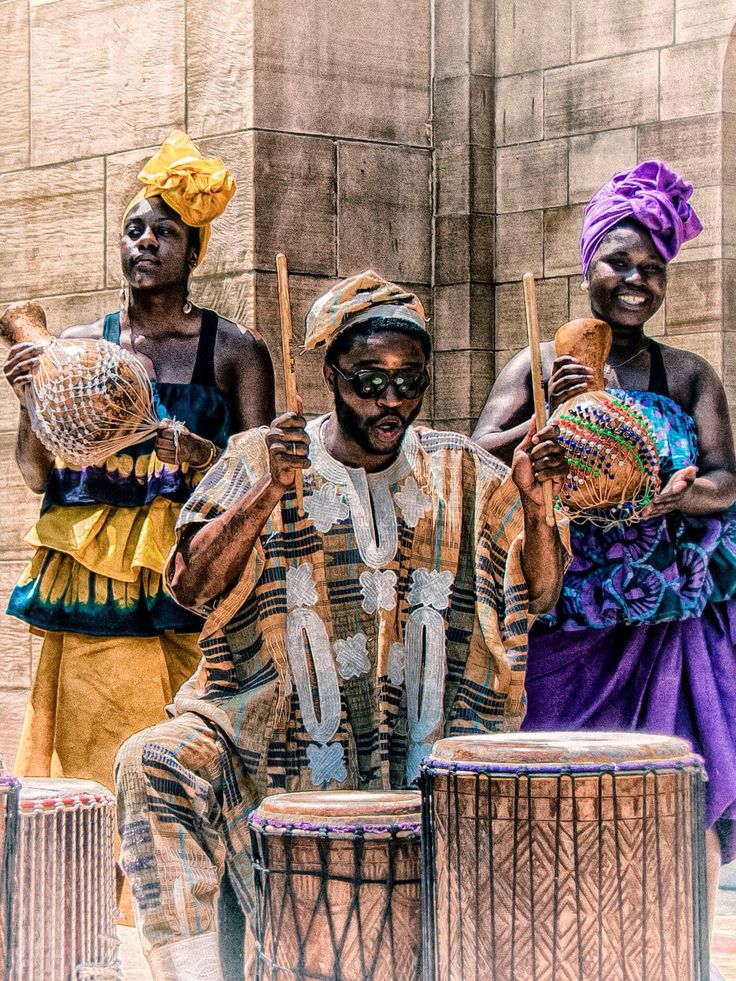
Cuba’s batá drum system is the most directly documented continuation of the Yoruba bata tradition in the diaspora. Three drums constitute the sacred ensemble: the Iyá, the mother and lead drum; the Itótele, the middle voice; and the Okónkolo, the smallest. As the documented history of Cuban batá confirms, in some respects the Cuban interpretation of Orisha music has preserved rhythmic forms more closely than contemporary Nigerian practice, owing to the specific conditions of Cuba’s historical isolation. The toques and the ritual drumming sequences played for each Orisha during a bembe represent a continuous transmission of Yoruba cosmological knowledge from West Africa to the Caribbean over four centuries of sustained practice under conditions of slavery, colonial suppression, and post-colonial marginalisation.
Haiti’s Vodou drumming system is the most structurally complex continuation of African drum culture in the diaspora, precisely because it preserved not a single African tradition but the multiplicity of African traditions that arrived in Saint-Domingue across two centuries of the slave trade. The Rada batterie, whose three drums, Maman, Segon, and Boula, derive from Fon traditions of Dahomey, carries the benevolent lwa of the older African cosmologies. The Petwo batterie carries the hotter, faster rhythms of the nanchon born in the New World from the specific trauma of Caribbean slavery. The division between Rada and Petwo is the division between an Africa remembered and an America experienced. Scholar Markus Schwartz, who has studied Haitian drumming for over fourteen years, has documented that no single person could know all the different drum rhythms played in Haiti — the tradition is that vast. In the Gonaives region, each Vodou community, or Lakou, maintains a distinct African national tradition: Lakou Souvenance preserves Dahomean Rada heritage, Lakou Badjo preserves Nago/Yoruba heritage, and Lakou Soukrie preserves Kongo heritage.
In Carriacou, a small island in the Grenadines that is part of Grenada, the Big Drum Nation Dance preserves a direct, unmediated memory of specific African origins, which is unusual in the diaspora. As the Richeskarayib documentation of the ceremony confirms, the Nation Dances are organised by specific African nations: Temne, Igbo, Manding, and Kongo. Each section has its own distinct rhythms, songs, and dances. The term nation here refers not to a modern political state but to an ancestral link to a specific cultural past in Africa that Carriacou communities have maintained continuously since the era of slavery. This is not symbolic memory. It is a structured form of cultural transmission through which specific African communities can still trace their origins to the drum traditions their ancestors maintained.
Brazil’s atabaque drums complete the picture. The three sacred drums of Candomblé, rum (lead), rumpi, and lé, use cord-and-peg tension systems whose distribution area in Africa was congruent with that of the iron double bell. This agogo spans the Guinea Coast from the Niger River west to Benin, Togo, and Ghana. These drums travelled with the Ewe, Fon, Akan, and Yoruba people during the Middle Passage. They were reconstituted in Bahia, where Candomblé ceremonies maintained the direct connection between specific drum rhythms and specific Orishas that the original West African systems had established. Capoeira, the Angolan-origin martial art that also uses drumming, adds Central African rhythmic inheritance to the Brazilian drum tradition. The berimbau, associated with Capoeira’s training context, and the atabaque, used in Candomblé’s sacred ceremonies, represent the two major streams of African drumming practice, West African and Central African, both surviving in Brazil and both traceable to specific communities of origin.
The Omiren Argument
The history of African drums is the history of African civilisational intelligence, a technology of language, governance, spirituality, and memory that the transatlantic slave trade tried to destroy with the specific tools of colonial law: the Barbados Act of 1688, the Jamaica Assembly Acts of 1717 and 1760, the South Carolina Negro Act of 1740, the St. Vincent and Trinidad Prohibition Ordinances that extended the suppression decades past emancipation. These laws were not culturally insensitive. They were a recognition, imperfect but accurate, that what was being suppressed was not music but a complete civilisational system encoded in rhythm. The African fashion market, now valued at 31 billion dollars, was built partly by communities whose creative, spiritual, and cultural intelligence survived in forms that colonial authorities spent centuries trying to ban. The drum is the oldest and most direct evidence of what that survival looks like in practice.
Omiren Styles documents this history because the drum’s journey from West and Central Africa to the Caribbean and the Americas is the story that all Afrocentric creative work sits inside. The Yoruba dundun’s speech surrogacy, confirmed by 2021 peer-reviewed research in Frontiers in Communication, was not a curiosity of African music. It was a technology whose sophistication colonial observers could not understand and therefore classified as a threat. The ngoma’s role as healer, communicator, and cosmological navigator across the Kingdom of Kongo was not a primitive ritual. It was a complex practice of community wellbeing that academic ethnomusicology only began to document adequately in John Janzen’s 1992 study. Haiti’s Rada and Petwo drum batteries, Cuba’s batá toques for each Orisha, Carriacou’s Nation Dances naming Temne, Igbo, Manding, and Kongo in 2026: these are not survivals. They are active transmissions of a knowledge that was never lost because it was encoded too deeply to be confiscated. Every rhythm carries the evidence of this.
Frequently Asked Questions
What were African talking drums, and how did they work?
African talking drums, particularly the Yoruba dundun, were communication instruments capable of replicating spoken tonal language with remarkable precision. The dundun’s hourglass shape and leather tension strings allow the player to bend pitch continuously by squeezing the drum under the arm, mirroring the rising and falling tones of Yoruba speech. Research published in the journal Frontiers in Communication confirmed parallel patterns of intensity and timing between spoken Yoruba and drummed performance. Messages could be transmitted up to 20 miles, with relay drummers extending range across entire territories, carrying warnings, royal announcements, praise poetry, and ceremonial calls across communities before any written communication system existed.
What is the spiritual significance of African drums?
In West and Central African traditions, drums were understood as instruments capable of bridging the physical and spiritual worlds. In Yoruba religion, the bata drum carries coded rhythms addressed to specific Orishas, the divine forces of the tradition. The dundun could summon Orisha during religious gatherings. Among the Fon people of Dahomey, each spirit, or lwa, required its own specific drum rhythm for invocation. In Central Africa, ngoma drumming, in Bantu meaning drum, song, performance, and healing cult simultaneously, was used in therapeutic ceremonies to address psychological distress and spiritual disharmony through trance states. Among the BaKongo people, ceremonial drumming navigated the Kalunga line between the physical and spiritual worlds, addressing ancestors and maintaining the community’s relationship to cosmological order.
Why were African drums banned during slavery?
Colonial authorities across the Caribbean and North America banned African drums because they understood drums to be a communication technology capable of coordinating resistance. The Barbados Act of 1688 required slaveholders to search the enslaved quarters weekly and burn any drums found. Jamaica passed restrictions in 1717 and 1760. South Carolina’s Negro Act of 1740, passed directly in response to the Stono Rebellion of 1739, banned drums alongside bans on literacy and economic self-sufficiency, classifying them as equally dangerous tools of coordination. Tacky’s Revolt in Jamaica in 1760 used talking drums to coordinate enslaved people across widely separated plantations. The drum bans continued after emancipation in St. Vincent (1912) and Trinidad (1917), demonstrating that the suppression targeted African community formation and cosmological practice, not simply the safety of slaveholders.
How did African drumming survive the Atlantic slave trade?
African drumming survived through multiple strategies. Where physical drums were banned or destroyed, rhythms migrated into the body: pattin’ juba, ring shout, hambone, and stepping in North America all preserve West African polyrhythmic structures in human movement. In the Caribbean and Brazil, where African ceremonial practice was partially protected by its incorporation into syncretic religious frameworks such as Santería, Vodou, and Candomblé, drums were maintained more continuously. The Haitian Revolution demonstrates the most dramatic evidence of this survival: the Bois Caïman ceremony of August 14, 1791, used Vodou drumming to unite enslaved people across ethnic lines, launching the uprising that created the first Black republic in the Americas.
What African drum traditions survived in the Caribbean and Latin America?
Cuba maintained the Yoruba batá drum system (Iyá, Itótele, Okónkolo) within Santería ceremonies. In some respects, Cuban batá practice preserved Yoruba rhythmic forms more closely than contemporary Nigerian practice. Haiti’s Vodou drumming preserved multiple African national traditions simultaneously: Rada drums from Fon/Dahomey, Nago rhythms from Yoruba, Kongo traditions from Central Africa, and Petwo rhythms born from the Caribbean experience of slavery. The Gonaives communities of Lakou Souvenance, Lakou Badjo, and Lakou Soukrie maintain each of these distinct African heritages as living practice. In Carriacou, Grenada, the Big Drum Nation Dances name and preserve specific African communities, including Temne, Igbo, Manding, and Kongo. Brazil’s Candomblé uses atabaque drums originating among the Ewe, Fon, Akan, and Yoruba peoples, while Capoeira preserves Angolan-origin drumming traditions.
Explore More
Read the full Culture > Heritage & Identity section for Omiren Styles’ documentation of the knowledge systems, spiritual traditions, and cultural technologies that African civilisations built and transmitted across the Atlantic despite sustained colonial suppression.