The Garifuna are a people whose existence is itself a political statement. They are the descendants of West Africans who escaped or survived the slave trade and Arawak and Carib indigenous peoples of the Caribbean island of St Vincent, who built an independent society on St Vincent from around 1635 before the British colonial government, having failed to conquer them militarily, exiled the entire population to the island of Roatan off the Honduran coast in 1797. From Roatan, the Garifuna spread along the Caribbean coasts of Honduras, Belize, Guatemala, and Nicaragua. They maintained their language, spiritual practices, music and dance, and dress. The UNESCO proclamation of Garifuna language, dance, and music as Intangible Cultural Heritage of Humanity in 2001, confirmed by Minority Rights Group, recognised what the Garifuna had been insisting on for two centuries: that what survived the Middle Passage, St Vincent, and the exile to Roatan was not a remnant but a complete and living culture.
Garifuna dress in Belize and Honduras carries West African ancestry, Arawak and Carib heritage, and the specific histories of a people exiled from St Vincent in 1797. This is what the costume communicates.
Who the Garifuna Are: The Identity Question
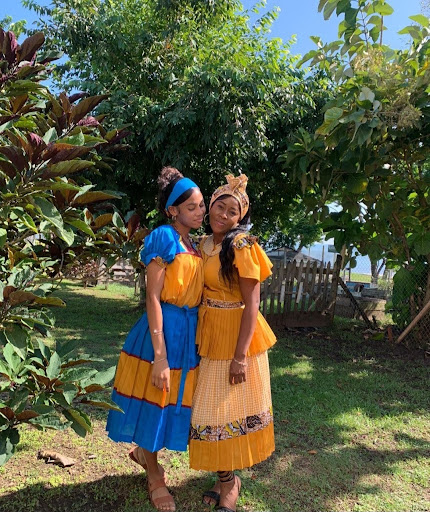
The Garifuna identity question is not academic. As the Minority Rights Group documents, many Garifuna activists actively avoid calling themselves Afro-descendant, because they feel it detracts from their unique culture and the specific synthesis their history produced. This is the foundational context for understanding Garifuna dress: it is not African dress, not Amerindian dress, and not a synthesis in the sense of a mixture that diluted both. It is a specific tradition that emerged from a specific historical encounter and has been maintained by a specific community across two and a half centuries of displacement, exile, and diaspora.
The Garifuna of Belize number in the tens of thousands, concentrated in Dangriga (the cultural capital), Hopkins, Seine Bight, Punta Gorda, and Georgetown. In Honduras, the Minority Rights Group records 43,111 Garifuna as the third largest minority or indigenous community, concentrated along the Atlantic coast in departments including Colón, Gracias a Dios, Atlántida, and Cortés. Their identity as an Afro-indigenous people, shaped by West African ancestry and Arawak and Carib cultural heritage, is the framework within which Garifuna dress must be understood: it carries both African and indigenous reference points without being reducible to either.
The Dress: What Is Documented
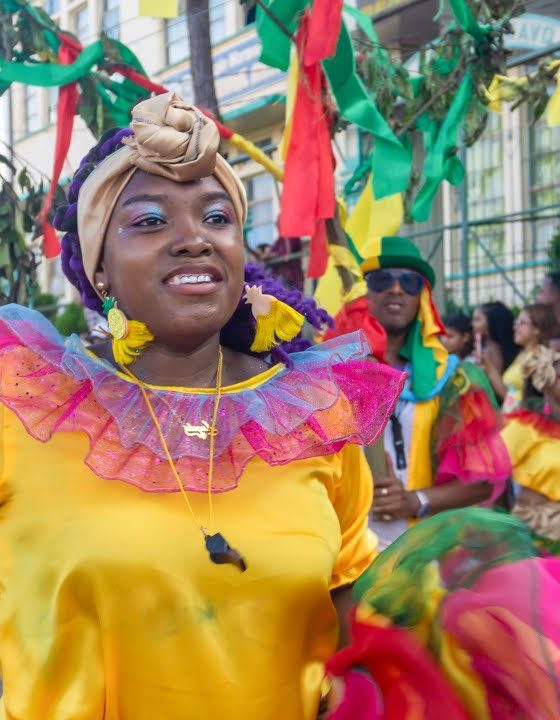
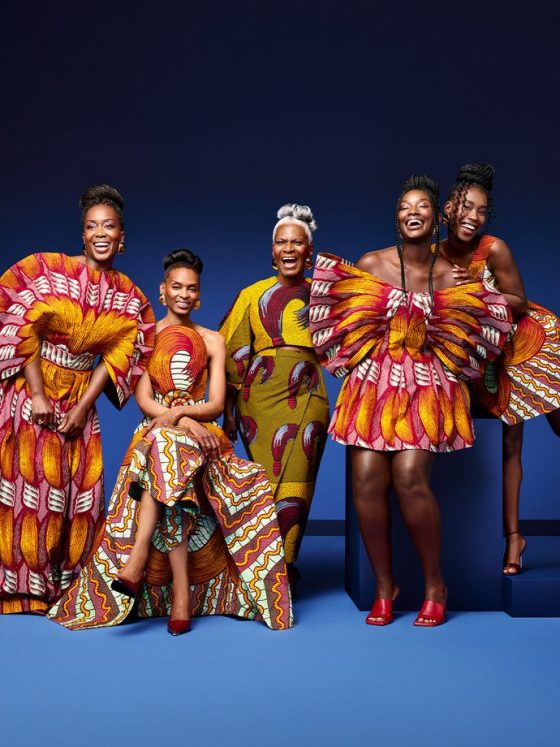
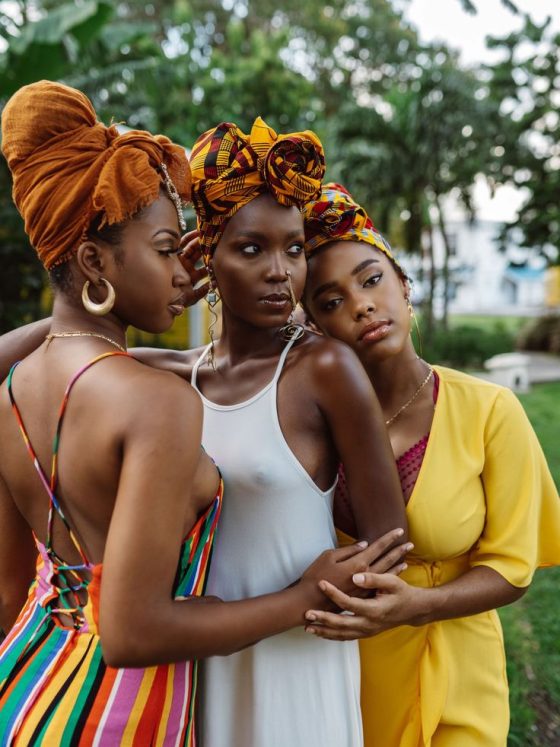
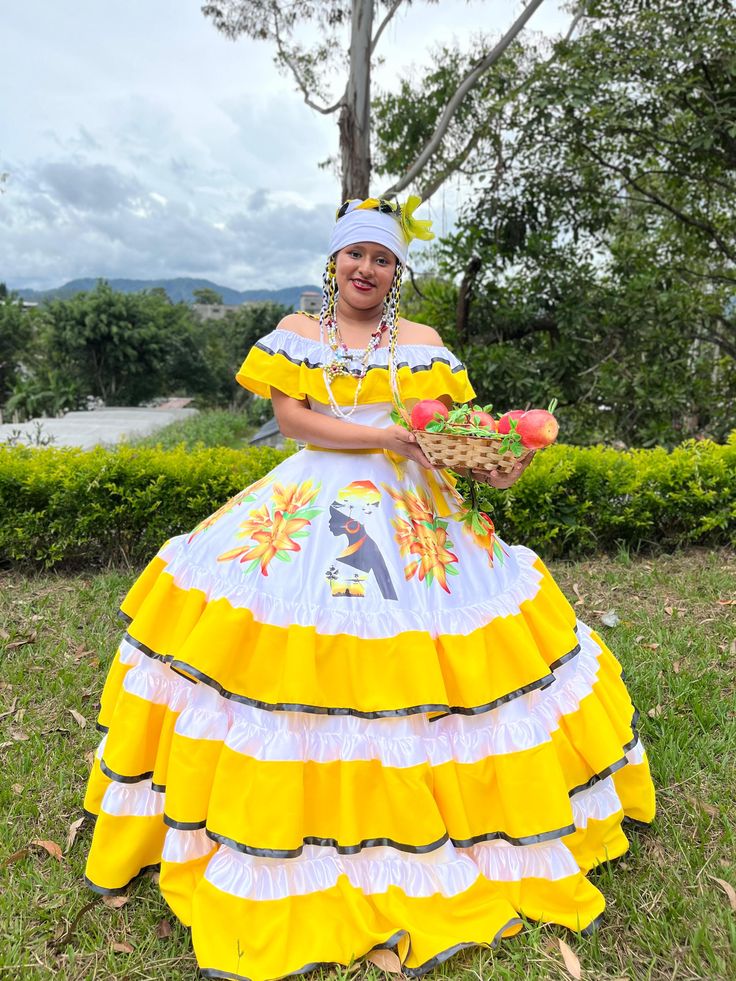
The most authoritative community-held documentation of Garifuna dress is maintained by the Garifuna Research Centre, which documents Garifuna dress as a living practice with specific ceremonial and everyday registers. Garifuna women’s festival and ceremonial dress is characterised by brightly coloured, flowing cotton skirts and blouses, typically in combinations of yellow, black, and white, which are the colours of the Garifuna flag and carry specific cultural identification. The headwrap, tied in styles that vary by occasion and by community, is a consistent element: it connects to the African head-tie traditions documented across the Caribbean diaspora while taking specifically Garifuna forms.
Beadwork is among the most documented elements of Garifuna material culture. Elaborate beaded jewellery and accessories, worn at ceremonies and festivals, carry Afro-Caribbean and Amerindian craft traditions simultaneously, as confirmed by the Belize cultural clothing documentation, which describes Garifuna attire as including colourful, flowing garments and elaborate beadwork reflecting their vibrant cultural celebrations. The specific beading patterns, their meanings, and the protocols governing their use at specific ceremonies are community-held knowledge that this article documents by confirming their existence and significance rather than claiming to describe their grammar fully.
In Honduras, World Cultural Threads’ documentation of Honduran traditional clothing confirms that Garifuna coastal communities celebrate their Afro-Caribbean heritage through brightly coloured dresses and skirts, often paired with headwraps, with yellow, green, and red as prominent colours symbolising cultural pride. The Honduran Garifuna dress tradition shares its essential vocabulary with the Belizean tradition while carrying local community variations that reflect the different coastal geographies and community histories of the Honduran Caribbean coast.
Garifuna Settlement Day and Dangriga
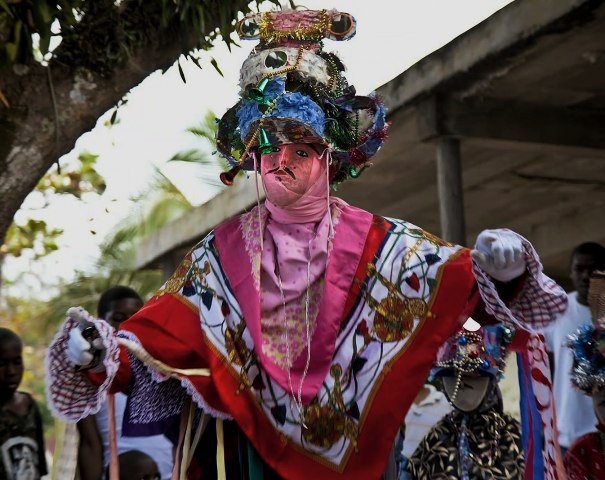
The most publicly visible expression of Garifuna dress culture in Belize is Garifuna Settlement Day, celebrated on November 19 each year in Dangriga and other Garifuna communities. The date commemorates the arrival of the Garifuna in Belize from Honduras in 1823, led by Thomas Vincent Ramos, who is credited with establishing the settlement at Dangriga. The celebration involves costumed re-enactments of the arrival, ceremonial processions, drumming, and the full deployment of Garifuna festival dress. As Omiren Styles documented in its profile of Garifuna model Deborah David, Settlement Day is the occasion on which Garifuna identity is most visibly and publicly asserted in the diaspora, including among communities in New York, Los Angeles, and London who celebrate the date as a declaration of belonging.
Dangriga is the Garifuna cultural capital of Belize and the community whose dress practices have received the most external documentation. Specific dress codes for the drummers, the dancers, and the ceremonial leaders accompany the drumming traditions of the Settlement Day procession. The full dress of the Settlement Day celebration, including the women’s coloured skirts and blouses, the headwraps, the beaded accessories, and the specific dress of the ceremonial boat re-enactment, is the closest thing to a publicly documented Garifuna dress canon in English-language sources. It is a festival snapshot, not an ethnographic account of the full dress vocabulary.
The Dugu and Ceremonial Dress
The Dugu is the Garifuna ancestral propitiation ceremony, the most spiritually significant ceremony in Garifuna religious life, in which the living communicate with the ancestors through drumming, chanting, and a multi-day ritual whose specific protocols are community-held and not fully documented in English-language academic literature available for this piece. The dress of the Dugu is distinct from the dress of the Settlement Day festival: it operates within a ceremonial register governed by the Buyei, the Garifuna spiritual leader, and its specific garments, colours, and protocols carry meanings that the community holds and that this article acknowledges without claiming to describe. The distinction between festival dress and ceremonial dress is critical: the Garifuna Research Centre’s documentation presents Garifuna dress as a living system with multiple registers, not a single costume worn across occasions.
The Dugu’s connection to West African ancestral ceremony traditions is documented at the level of its structure rather than its specific dress details. The call-and-response between living and ancestor, the role of the spiritual leader as intermediary, the use of music and dance in ceremony, and the centrality of ancestral propitiation as a practice: all carry documented West African ceremonial parallels of the kind Omiren Styles has documented across the African diaspora in its analysis of Bèlè dance and the Martinique ceremony tradition. The specific Garifuna form of this tradition is distinct and should be understood as Garifuna, not as a direct transplant of any single West African practice.
“The language, dance and music of Garifuna in Belize, Honduras, Guatemala and Nicaragua was initially proclaimed in 2001 and then inscribed in 2008 by UNESCO as part of the Intangible Cultural Heritage of Humanity.” — Minority Rights Group, Garifuna in Honduras documentation.
West African Ancestry in the Material Culture
The West African ancestry of the Garifuna is not a historical footnote. It is a living presence in the material culture. The headwrap traditions document African diasporic dress practice. The beadwork traditions carry parallels with West African ceremonial adornment systems. The call-and-response structure of Garifuna music and ceremony mirrors the same structural logic documented across the African diaspora from the Caribbean to West Africa itself. As Omiren Styles has documented in its analysis of the African roots of Caribbean and Latin American dance, the material and performative traditions that African ancestors carried to the Americas survived in specific communities not as static preservation but as living adaptation: taken into the specific historical and geographic conditions of each community and transformed into something that cannot be reduced to its African origins or to its American context but only understood as the specific thing it became.
The Garifuna are one of the clearest demonstrations of this process in the Americas. Their ancestors escaped or survived the slave trade. They built an independent society on St Vincent with Arawak and Carib peoples. They were exiled to Roatan. They spread across four countries. Through all of it, the core of the culture, including the dress, the music, the language, and the ceremony, remained recognisably Garifuna: a specific synthesis that is the product of a specific history and that belongs to the community that made it.
The Documentation Gap and the Community’s Authority
In line with the editorial standard applied across this series, the following is stated plainly: the Garifuna Research Centre at garifunaresearchcenter.org is the authoritative primary source for Garifuna dress documentation. The ceremonial dress protocols of the Dugu, the specific beading grammars, the protocols governing the Buyei’s dress, and the community-specific variations between Belizean and Honduran Garifuna dress traditions are documented at the community level in ways that this article, working from available secondary sources, cannot fully represent. Full documentation of Garifuna dress requires engagement with the community and with the Garifuna Research Centre. This article is a beginning, not a completion.
The specific differences between Belizean Garifuna dress and Honduran Garifuna dress, the community variations between Dangriga and Hopkins in Belize, and between the Colón coast and the Gracias a Dios communities in Honduras, are not documented at the level of specificity this series has applied to, for example, Kabyle Amazigh dress from Algeria or Eritrean Tigrinya men’s ceremonial dress. That gap reflects the documentation infrastructure available for this research pass, not the significance or depth of the tradition. As Omiren Styles has argued, the traditions that are most underdocumented in English-language fashion media are not the ones that lack depth. They are the ones the documentation infrastructure has not considered worth documenting. The Garifuna dress tradition belongs in the first category, not the second.
The Omiren Argument
The Garifuna survived the Middle Passage, two centuries on St Vincent, British military campaigns, exile to Roatan, dispersal across four countries, and sustained pressure from national governments that have refused to recognise them as a people in Honduras. They maintained a complete culture through all of it. The dress is part of that culture: the festival colours of yellow, black, and white that declare Garifuna identity at Settlement Day; the beadwork that carries Afro-Caribbean and Amerindian craft traditions simultaneously; the headwraps that connect to African diaspora dress practice across the Caribbean; the ceremonial register of the Dugu whose dress protocols the community holds and the outside world has not been given reason to understand. As Omiren Styles has documented in its analysis of Palo de Mayo in Bluefields, Nicaragua, the Garifuna are among Central America’s most overlooked segments of the African diaspora, and that oversight is not random. It is the product of the same structural inattention that has made their dress invisible in the fashion press while their music and dance have received more sustained international documentation.
The Garifuna dress tradition does not need the fashion industry’s recognition to be significant. It has been significant for two and a half centuries. What it needs is the documentation that would allow the economic value of that significance to return to the communities that created and maintained it. That documentation work begins with the community. This article is a step toward making the case for why it matters.
The Garifuna refused to be erased from St Vincent. They refused to be erased on Roatan. They refused to be erased in the dispersal across four countries. Their dress carries that refusal. It deserves documentation at the level its history demands.
ALSO READ
- Deborah David: The Garifuna Model Who Made Latin America Look
- Palo de Mayo Bluefields Nicaragua: Creole and Garifuna Costume, Festival History, and What’s Documented
- Bele Dance and the Dress That Carries What Martinique Could Not Say Out Loud
- The African Roots of Caribbean and Latin American Dance: When the Drum Speaks, the Motherland Answers
Frequently Asked Questions
Who are the Garifuna?
The Garifuna are an Afro-indigenous people whose ancestors were West Africans who escaped or survived the slave trade and the Arawak and Carib indigenous peoples of the Caribbean island of St Vincent. They built an independent society on St Vincent from around 1635 before the British colonial government exiled the entire population to the island of Roatan off the Honduran coast in 1797. From Roatan, the Garifuna spread along the Caribbean coasts of Honduras, Belize, Guatemala, and Nicaragua. The Minority Rights Group documents the Garifuna in Honduras as numbering 43,111 people. Their language, dance, and music were proclaimed Intangible Cultural Heritage of Humanity by UNESCO in 2001 and inscribed in 2008.
What is Garifuna Settlement Day and what do people wear?
Garifuna Settlement Day, celebrated on November 19 each year in Dangriga and other Garifuna communities in Belize, commemorates the arrival of the Garifuna in Belize from Honduras in 1823. The celebration involves costumed re-enactments of the arrival, ceremonial processions, and drumming. Festival dress centres on brightly coloured skirts and blouses for women, typically in yellow, black, and white, the colours of the Garifuna flag. Headwraps, beaded jewellery, and accessories are consistent elements. Settlement Day is the occasion on which the full public register of Garifuna festival dress is most visibly and completely deployed.
What are the colours of Garifuna dress and what do they mean?
Yellow, black, and white are the colours of the Garifuna flag and appear consistently across Garifuna festival dress as markers of cultural identity. Yellow, green, and red also appear in Honduran Garifuna dress documentation as colours symbolising cultural pride. The specific meanings assigned to individual colour combinations within ceremonial versus festival contexts are community-held knowledge documented by the Garifuna Research Centre rather than fully available in English-language academic literature.
What is the Dugu and how does dress feature in it?
The Dugu is the Garifuna ancestral propitiation ceremony, the most spiritually significant ceremony in Garifuna religious life, led by the Buyei (the Garifuna spiritual leader). It involves a multi-day ritual in which the living communicate with ancestors through drumming, chanting, and ceremony. The dress of the Dugu operates in a different register from festival dress, governed by ceremonial protocols that the community holds. The Garifuna Research Centre is the authoritative source for the Dugu’s specific dress protocols. This article confirms the existence and significance of the Dugu’s dress register without claiming to describe its full grammar.
How does Garifuna dress differ between Belize and Honduras?
Both the Belizean and Honduran Garifuna dress traditions share the essential vocabulary of bright festival colours, headwraps, flowing cotton skirts and blouses, and elaborate beadwork. Community-specific variations reflecting the different coastal geographies and community histories of each country’s Garifuna population exist but are not fully documented at the level of specificity this series applies to comparable traditions. This is a documentation gap, not an absence of distinction. The Garifuna Research Centre and direct community engagement with the Dangriga and Honduran coastal communities would be required to document the specific variations accurately.