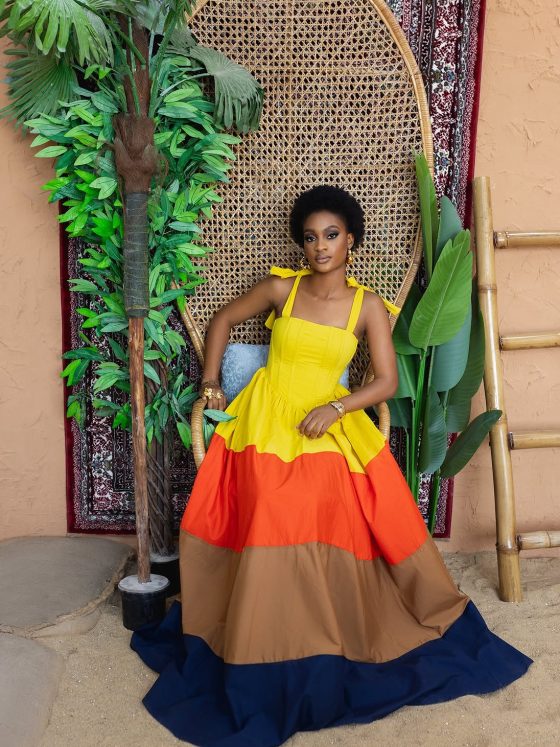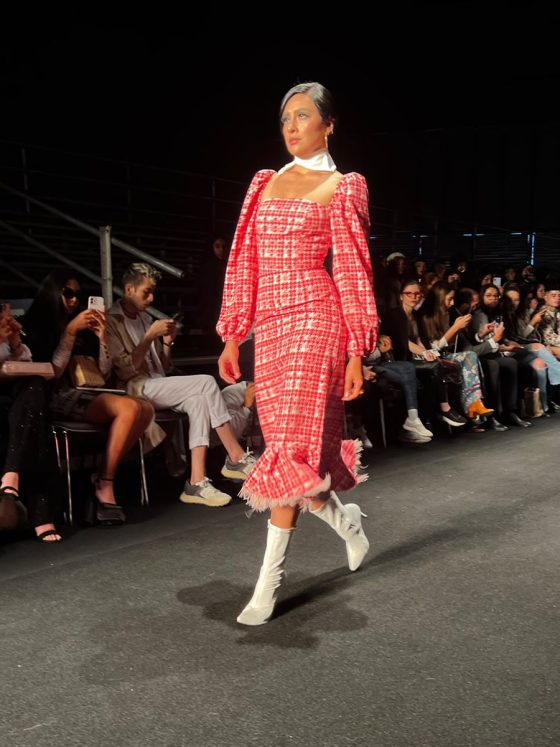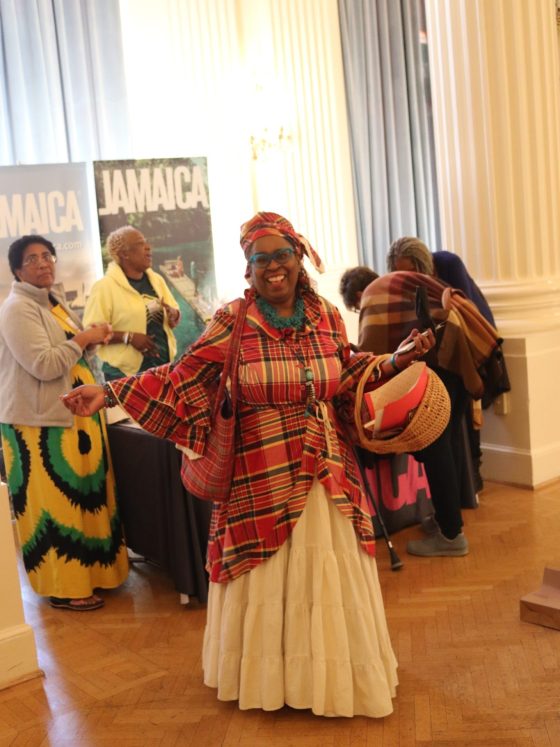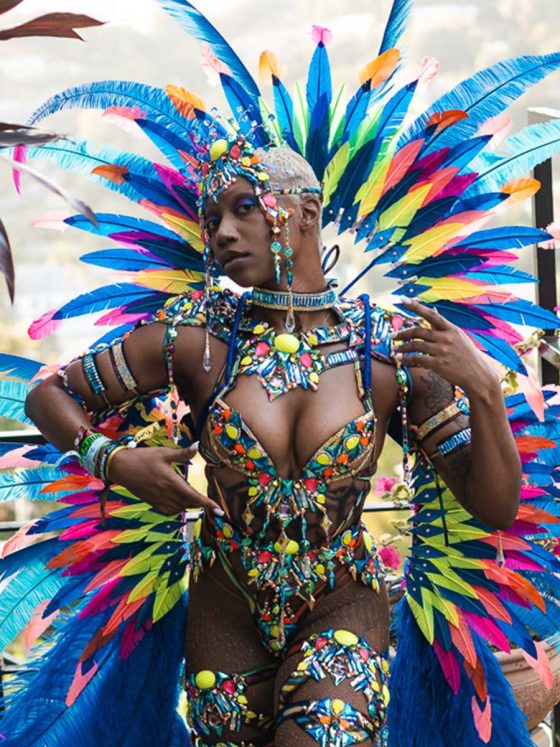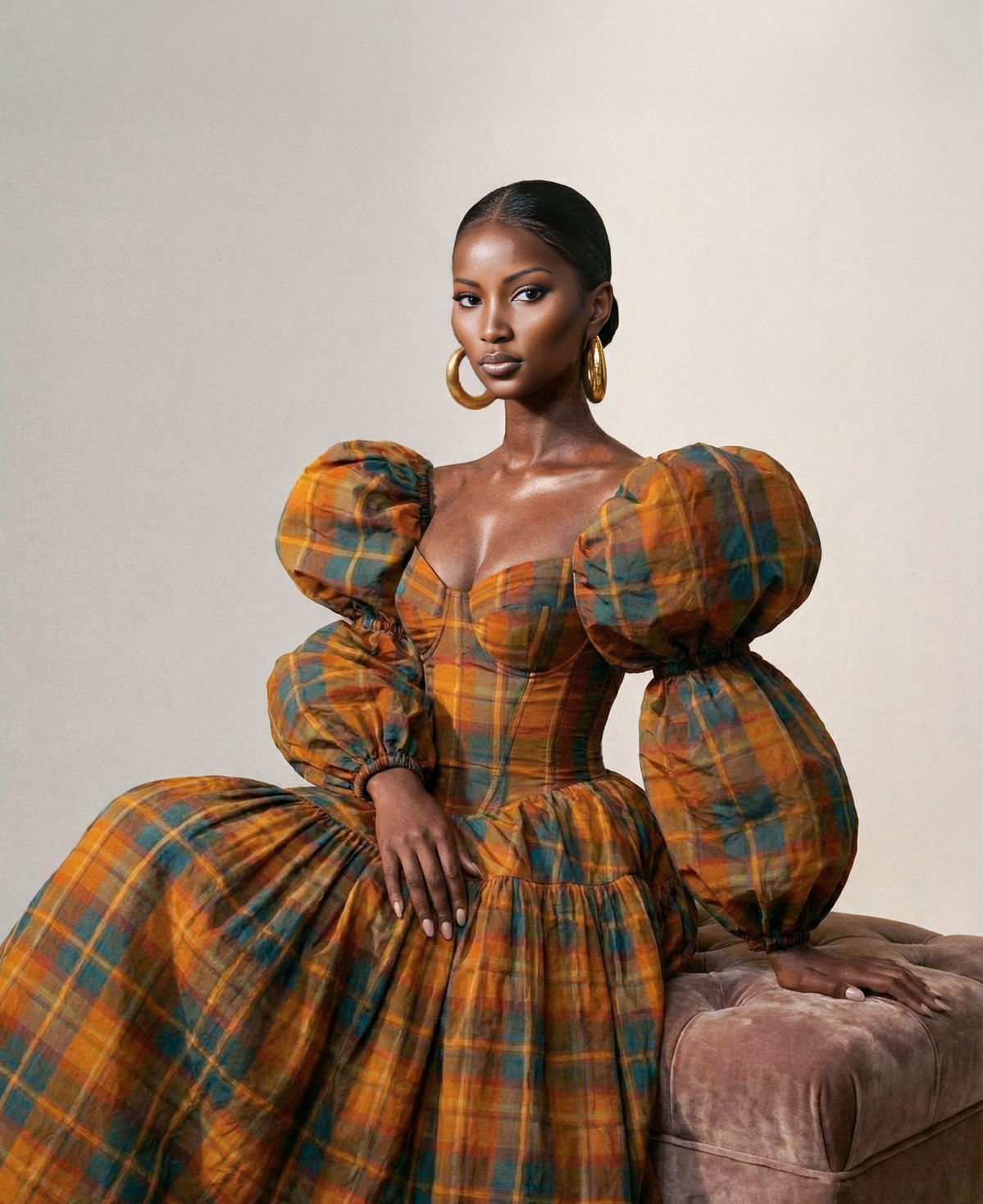
In Jamaica, clothing does not begin as a static design. It begins in motion, in sound, and in public space. From Jonkonnu processions to dancehall sessions, dress is shaped in environments where visibility must be claimed, held, and amplified. Costumes built for parade and outfits assembled for the dance floor may differ in form, but they share a core function: to command attention, signal identity, and structure how the body is seen. In this context, clothing is not something worn after the fact. It is part of the performance itself.
Jamaican dress culture is inseparable from the spaces that produce it. Many of the country’s most influential fashion languages emerge not from ateliers or formal design systems but from street processions, sound systems, and collective gatherings where movement, music, and spectacle define aesthetic value. Jonkonnu, masquerade traditions, and dancehall each generate distinct visual codes, yet all treat clothing as an active tool of presence. Dress is used to project status, construct character, and negotiate visibility within a shared public arena. What unites these traditions is not style, but function: clothing operates as a system for being seen.
Explore how Jamaican performance culture shapes fashion through the Jonkonnu masquerade, dancehall style, and music-driven visibility, in which dress defines status, identity, and public presence.
Dancehall and the Economics of Visibility
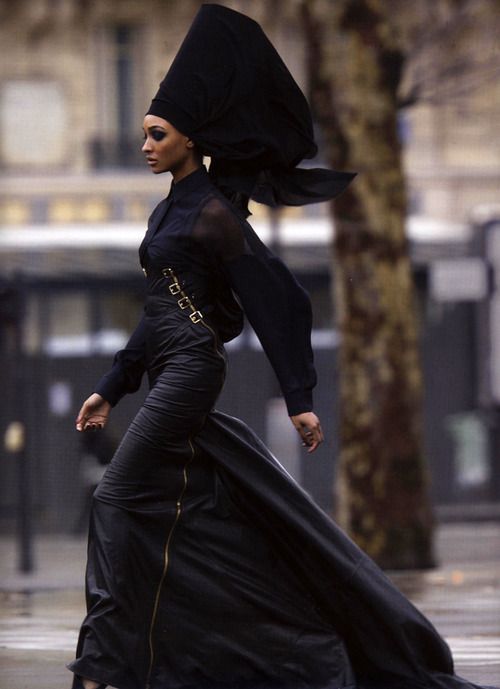
Dancehall reshaped Jamaican fashion culture by turning nightlife and music spaces into highly competitive environments of visibility. Clothing in dancehall functions through spectacle, but not in the same way as masquerade traditions. Here, style signals status, confidence, desirability, and awareness of current cultural codes.
During the peak years of dancehall fashion culture in the 1990s and early 2000s, elaborate hairstyles, fitted garments, branded fashion, mesh fabrics, bold colour combinations, and coordinated outfits became central to nightlife presentation. Designers, tailors, hairstylists, and dancers all contributed to the visual structure surrounding dancehall culture.
Fashion in dancehall also moves quickly because trends circulate directly through parties, music videos, street photography, and social interaction. A look gains importance because it is recognised publicly within the scene itself.
Even as dancehall aesthetics evolve, the core principle remains unchanged: clothing is used to control attention within crowded social space.
READ ALSO:
- Afro-Dominican Fashion: Visibility, Identity, and the Dress Culture of Dominican Communities
- Afro-Cuban Fashion: Abakuá Societies, Yoruba Heritage, and the Politics of Afrocentric Identity
Masquerade, Gender, and Public Performance
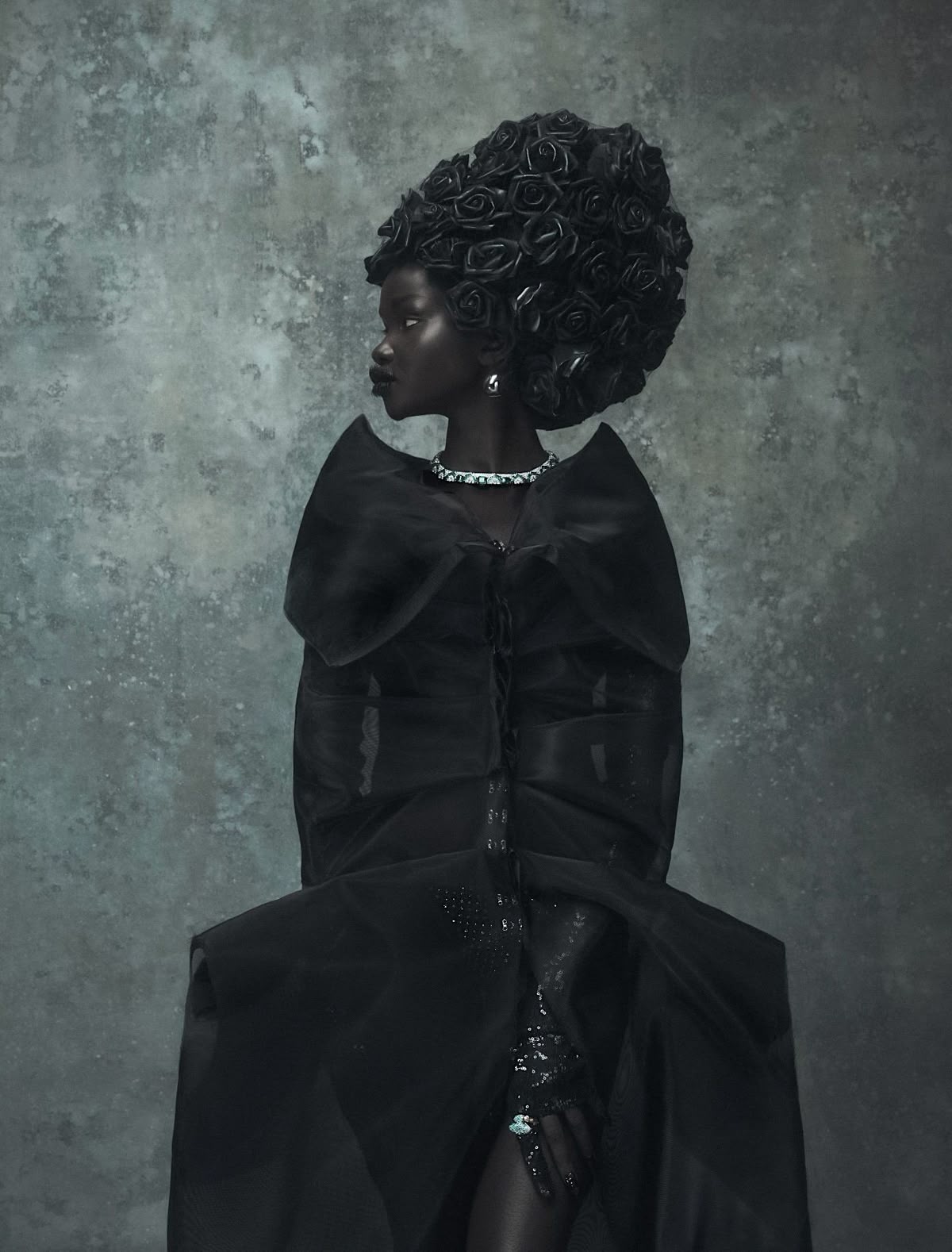
Both Jonkonnu and dancehall allow performers to manipulate identity publicly through dress. Masquerade traditions historically relied on transformation, exaggeration, and role-play, while dancehall culture often pushes styling, grooming, and body presentation into heightened forms of performance.
Women in dancehall particularly shaped Jamaican fashion through hairstyling innovation, nail culture, fitted silhouettes, mesh layering, and customised garments designed specifically for nightlife environments. These styles later influenced broader Caribbean and global urban fashion cultures.
Masquerade traditions similarly depend on visual transformation. Characters become socially recognisable through costume before speech or movement even begins. Clothing, therefore, creates identity within the performance itself.
Street Influence and Cultural Continuity
Although Jonkonnu and dancehall belong to different historical periods and social contexts, both continue to influence Jamaican street style. Elements of costume layering, exaggerated styling, dramatic accessories, and visibility-driven dressing remain present in contemporary fashion culture across Kingston and other urban spaces.
Dancehall in particular continues to shape grooming standards, streetwear combinations, jewellery culture, and public presentation among younger Jamaicans. The relationship between music and dress remains structurally strong.
What connects these traditions is not visual similarity but shared cultural logic. Clothing matters because public performance matters. Dress becomes meaningful through interaction, movement, and recognition within a collective space.
The Omiren Argument
Jamaican performance dress is often artificially divided between “traditional culture,” represented by Jonkonnu, and “popular culture,” represented by dancehall, as though they belong to unrelated fashion histories. This separation overlooks the shared performance logic connecting both traditions.
In reality, Jamaican dress culture across masquerade and dancehall operates through systems of visibility, transformation, movement, and public recognition. Whether through handcrafted Jonkonnu costumes or highly styled dancehall presentation, clothing functions as performance technology designed to control attention and shape identity within communal space. The continuity lies not in identical aesthetics, but in the enduring relationship between performance and dress within Jamaican cultural life.
FAQs
- What is Jonkonnu in Jamaica?
Jonkonnu is a Jamaican masquerade tradition involving costumed street performance, music, dance, and character-based dress.
- How does dancehall influence Jamaican fashion?
Dancehall shapes trends in grooming, nightlife dressing, jewellery, streetwear, and public presentation across Jamaica.
- What materials are used in Jonkonnu costumes?
Costumes often use fabric strips, masks, mirrors, feathers, horns, and layered handmade materials.
- Why is performance important in Jamaican dress culture?
Many Jamaican fashion traditions are built around music, dance, visibility, and public interaction rather than static display.
- Are Jonkonnu and dancehall connected culturally?
Yes. Both use clothing to shape identity, command attention, and publicly perform social presence.