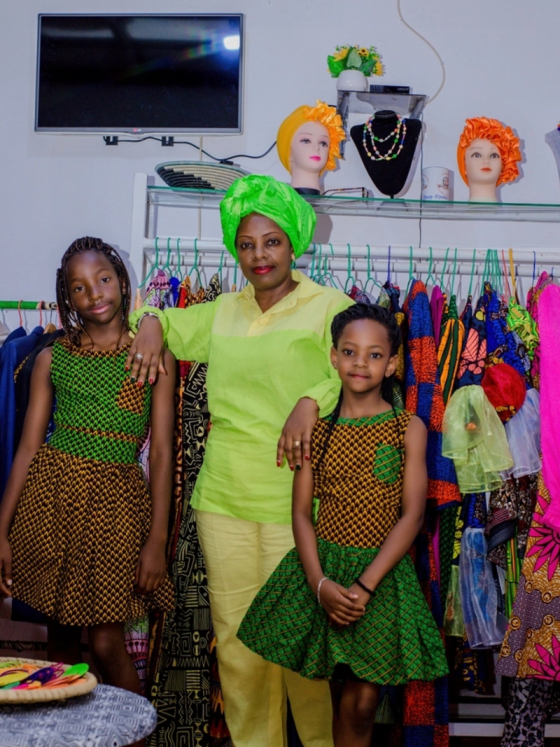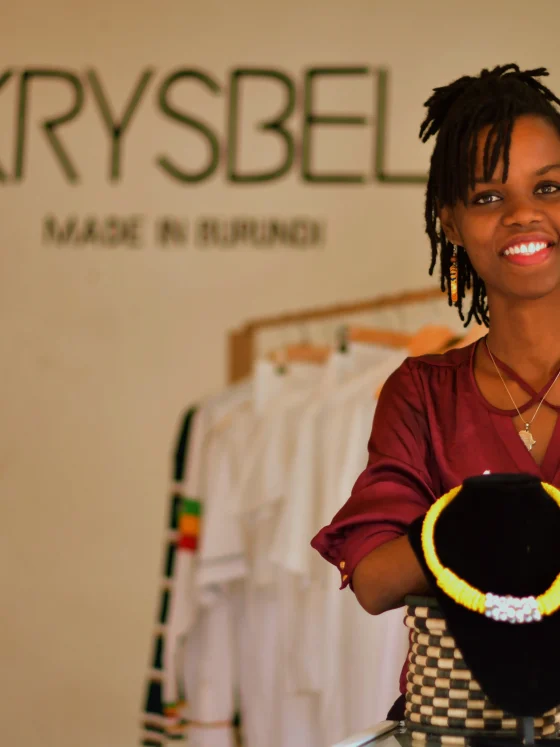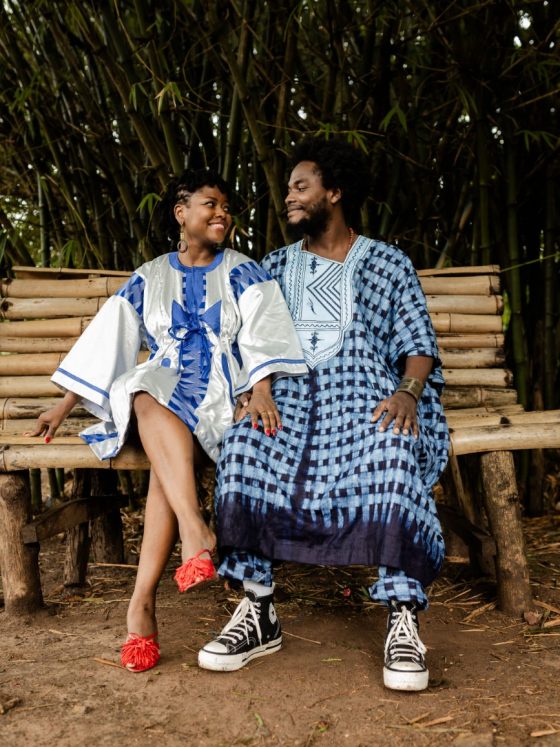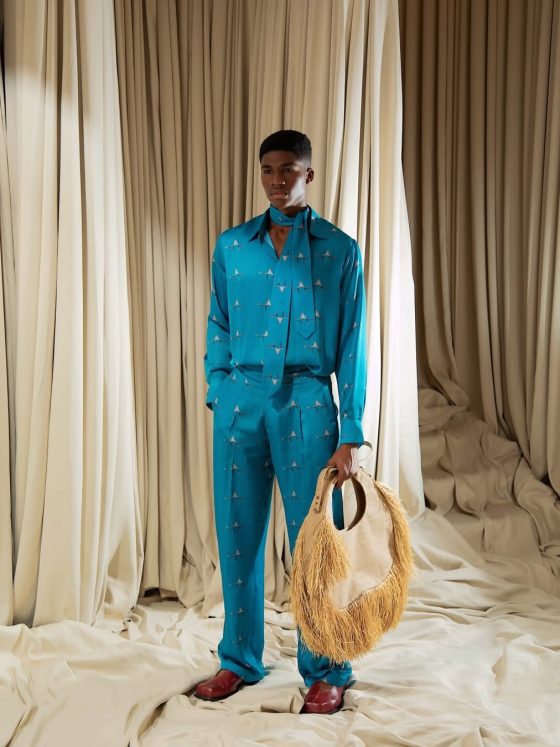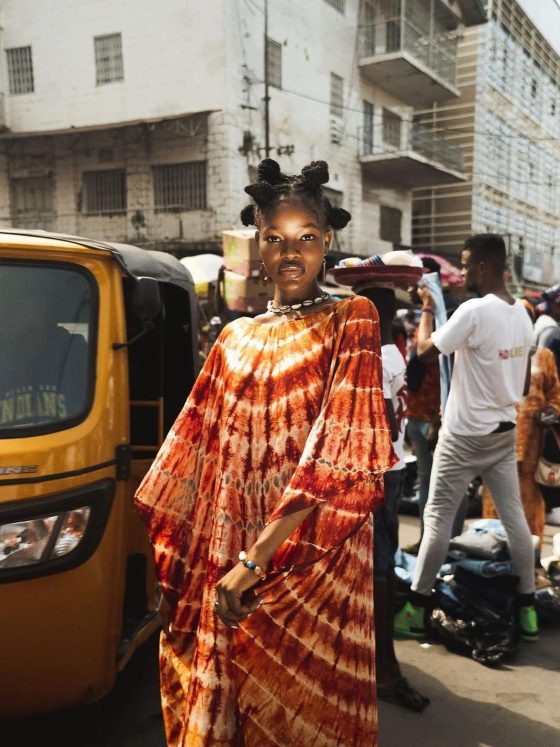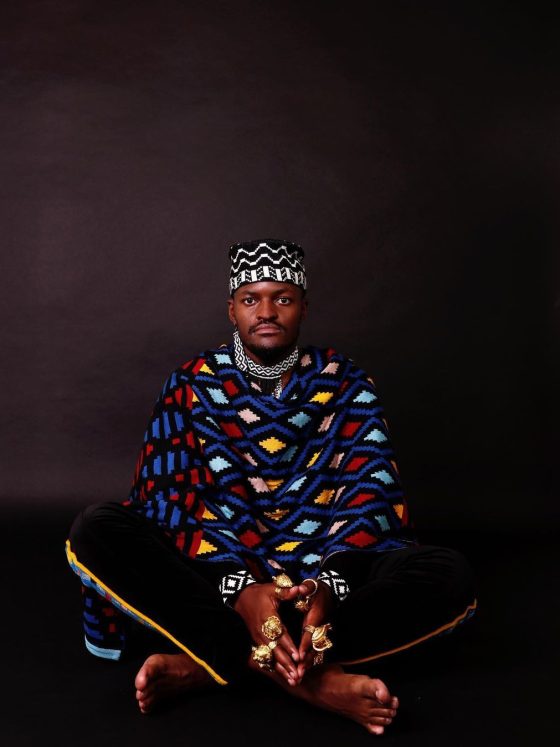
Through craftsmanship, tailoring, cultural storytelling, and urban creativity grounded in the realities of contemporary Togo, Togolese designers are increasingly influencing contemporary African fashion. In Togo, fashion has long encompassed more than just ceremonial attire. Throughout history, clothing has been used to convey a community’s identity, spirituality, social standing, sense of place, and cultural continuity. These customs are still being expanded into modern fashion systems by today’s designers, who move confidently between local relevance and global visibility.
Because Togo is often overlooked in broader discussions of African fashion industries, this evolution is important. While smaller creative ecosystems receive far less documentation despite producing equally significant cultural work, international attention frequently focuses on nations with greater commercial visibility. Togolese designers are always working within that imbalance. Instead of relying on institutional fashion support, many build powerful fashion companies through digital entrepreneurship, independent production systems, tailoring culture, and inadequate infrastructure.
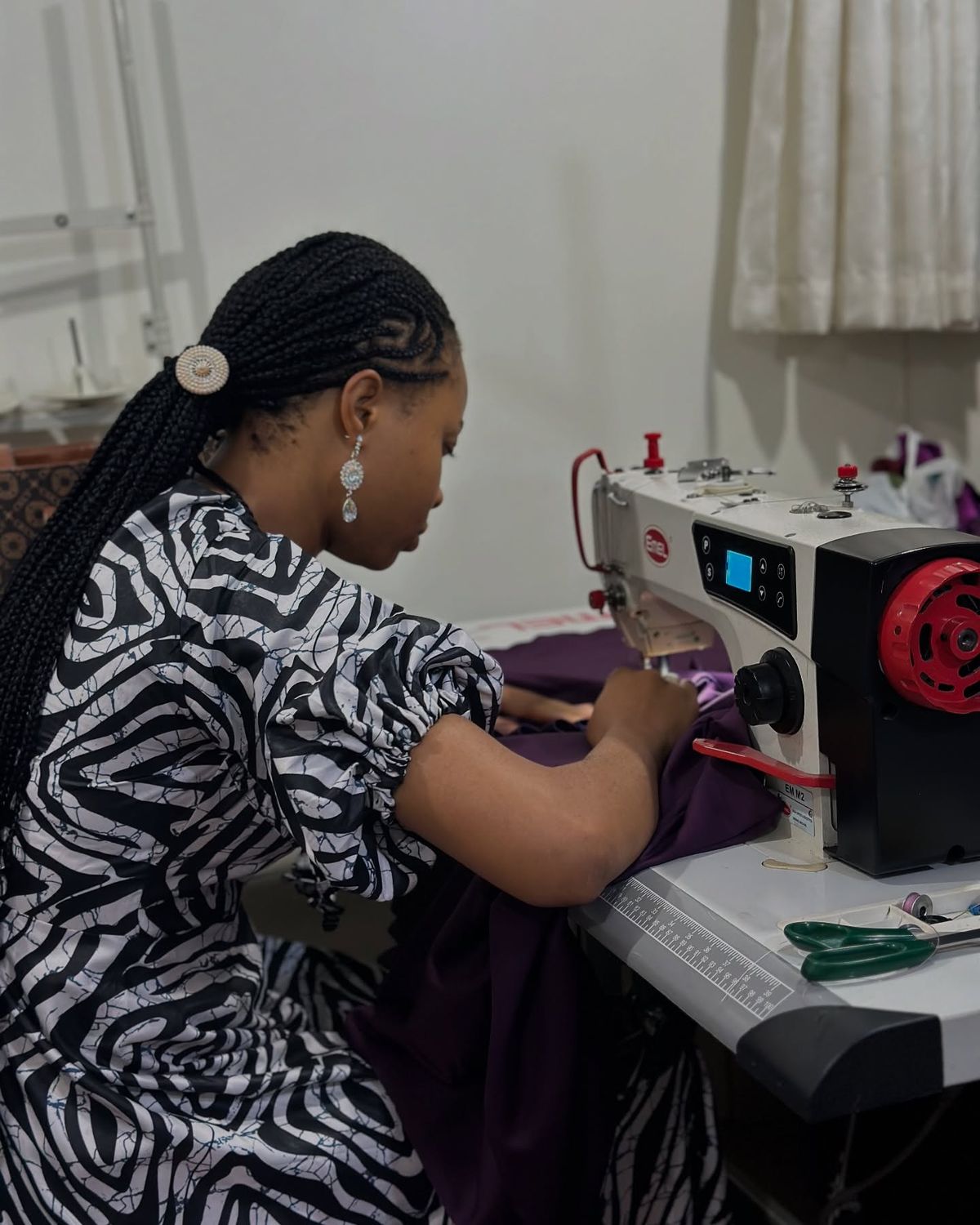
However, these constraints have also led to a notably flexible design culture. In Togo, designers often perform multiple creative roles concurrently. They work in sectors that are still undergoing structural development as tailors, entrepreneurs, stylists, creative directors, textile interpreters, and cultural storytellers. As a result, fashion becomes a means of both artistic expression and financial survival.
Particularly important to this creative metamorphosis is Lomé. The city’s music scenes, second-hand markets, nightlife culture, youth fashion communities, and tailoring workshops all influence the development of modern Togolese fashion. Togo’s urban fashion reflects the blending of contemporary global aesthetics and local customs without elevating one over the other.
Additionally, Togolese designers are becoming more involved in wider Afrocentric fashion discussions throughout West Africa and the diaspora. Togo’s designers can now participate in international conversations about African creativity while maintaining a strong sense of local identity, thanks to social media, digital campaigns, runway shows, and modern African fashion media.
However, Togolese fashion cannot be attributed solely to external influences or international aspirations. Regional textile traditions, ceremonial clothing systems, embroidery techniques, and tailoring heritage still shape designers’ internal understanding of contemporary style.
In the end, Togolese designers represent a generation demonstrating that African fashion authority is not limited to larger industries with greater global recognition. In smaller fashion ecosystems, where designers continue to redefine African style on their own terms, creativity also flourishes.
Togolese designers are reshaping African fashion through craftsmanship, tailoring, cultural identity, and contemporary design innovation.
Togolese Designers Build Contemporary Fashion Through Cultural Identity
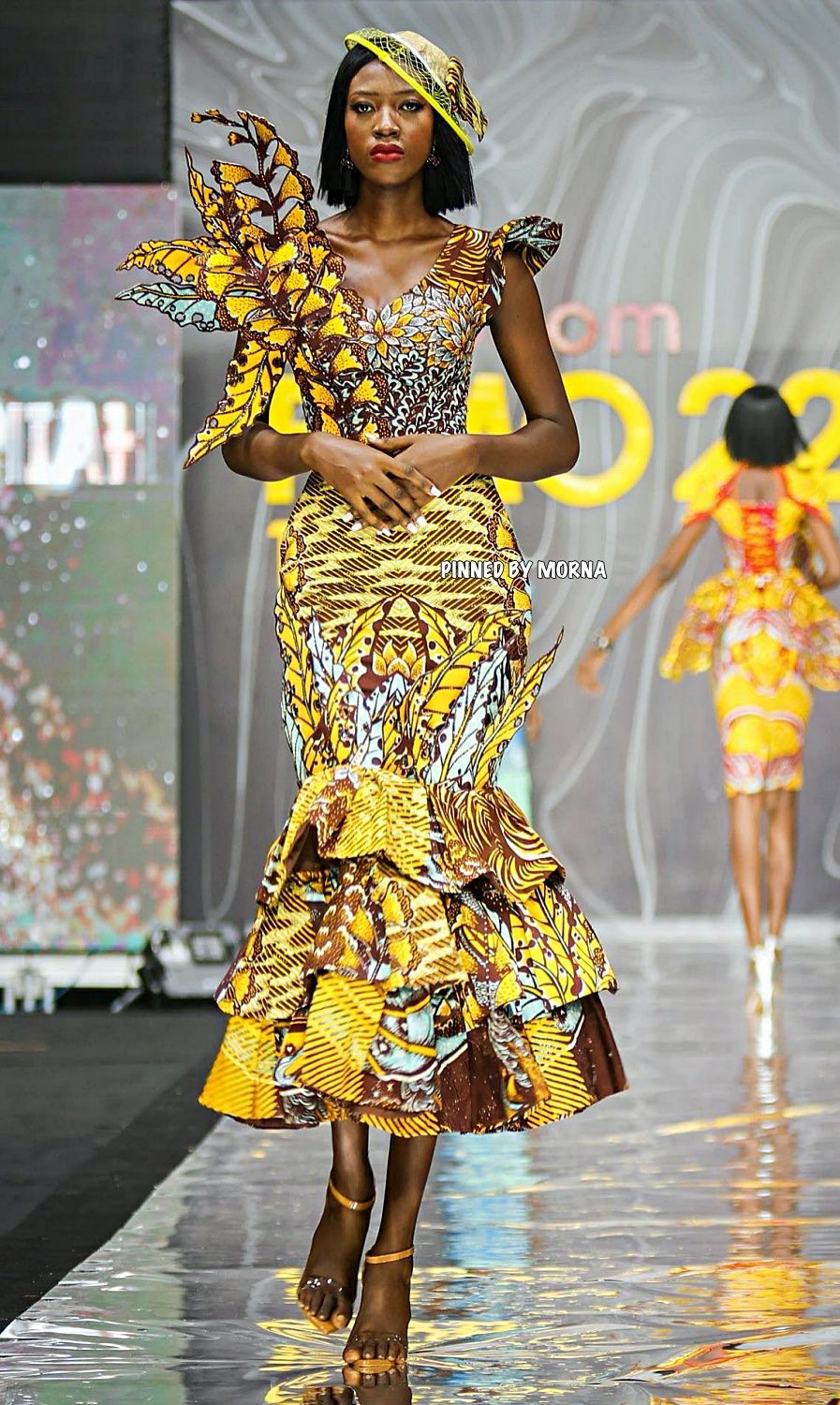
Instead of just making clothes, Togolese designers are increasingly using fashion as a means of cultural authorship. Their creations demonstrate how modern African designers continue to incorporate urban life, textile traditions, and local identity into the contemporary fashion language.
In Togo, clothing customs have historically had social and cultural significance for various communities. Through fabric choice, tailoring techniques, colour symbolism, and adornment customs, clothing conveyed age, status, spirituality, ceremonial purpose, and belonging. Many of those visual traditions are now reinterpreted by modern designers using contemporary styling and modern silhouettes.
Some Togolese designers use ceremonial inspiration, woven fabrics, embroidery, and handcrafted details in their luxury clothing and custom collections. Others concentrate on the aesthetics of modern streetwear that emerge from cities like Lomé and are influenced by music, culture, nightlife fashion, oversized silhouettes, and urban youth identity.
This adaptability highlights a significant aspect of African fashion that is still often misinterpreted by international industries. Cultural tradition and contemporary African style are inextricably linked. Togo’s fashion is constantly changing due to trade, migration, youth culture, craftsmanship, and urban change.
Our study of Togolese textile culture examined how artisanal production, weaving, dyeing, and embroidery continue to influence modern Togolese aesthetics.
Additionally, young Togolese designers are increasingly rejecting oversimplified international notions of African fashion. Many reject the pressure to create aesthetics that are predictable and primarily intended to gain approval from other countries. Rather, they experiment with luxury styling, a modern Afrocentric design language specifically rooted in the Togolese experience, minimalist tailoring, monochromatic colour schemes, and modern construction methods.
This change is significant because African fashion is still far too often viewed abroad as a cultural category rather than as a sophisticated design sector capable of experimentation, innovation, abstraction, and conceptual creativity.
In a similar vein, companies like Orange Culture and Kenneth Ize show how African designers are increasingly using African identity as a source of contemporary creative authority rather than as ornamental inspiration.
Thus, through interpretation, experimentation, and cultural confidence grounded in local perspectives, Togolese designers contribute to African fashion.
Fashion Entrepreneurship in Togo Depends on Tailoring and Adaptation
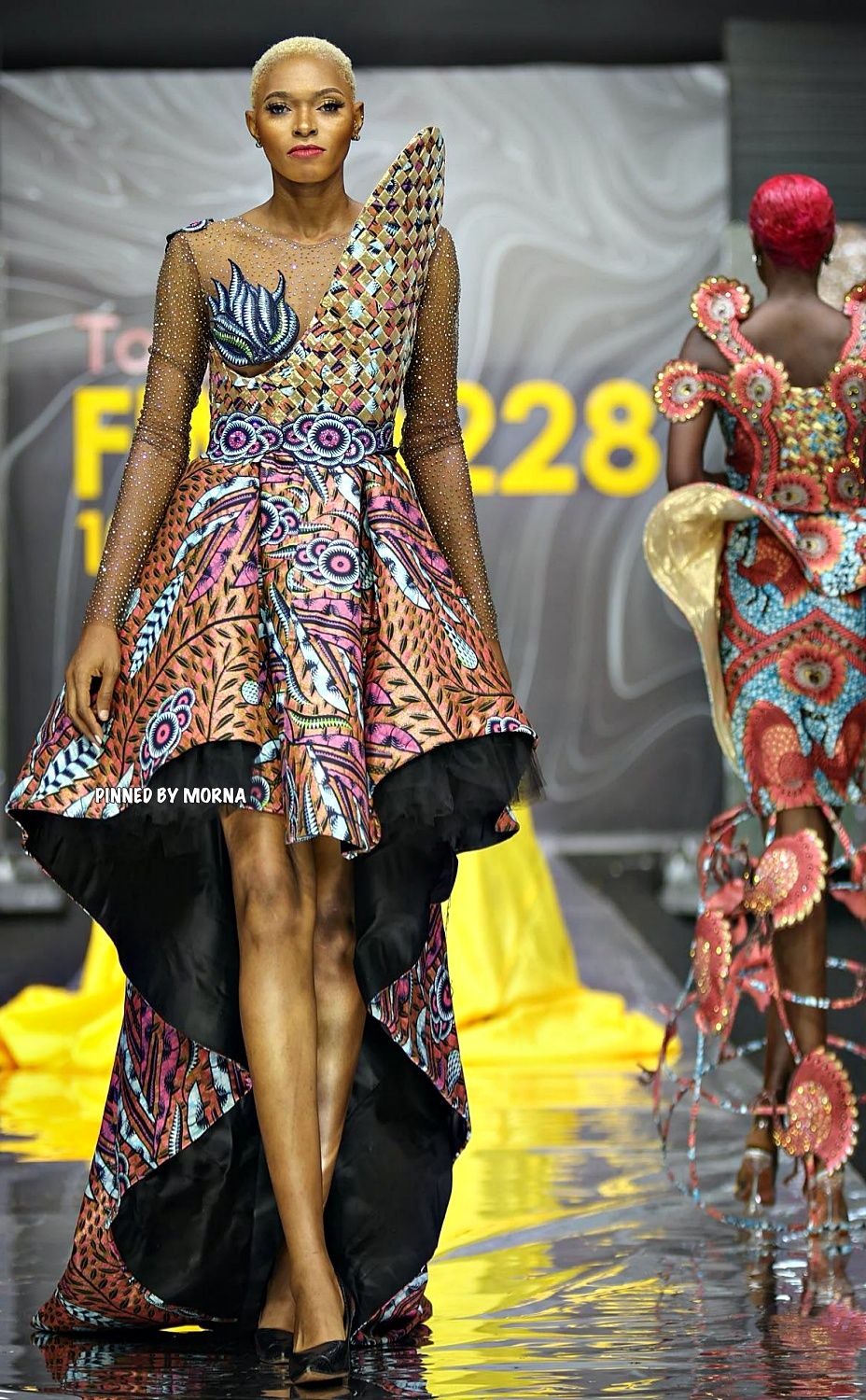
Because the nation’s creative industries still lack a large-scale fashion infrastructure, Togolese designers frequently pursue careers in fashion through entrepreneurship and tailoring culture. As a result, many designers grow their businesses on their own through creative partnerships, social media visibility, direct client relationships, and custom tailoring.
Togo’s modern fashion culture still heavily relies on tailoring. Because tailored clothing conveys professionalism, elegance, celebration, and individuality, it continues to carry significant social value throughout Lomé and other urban areas. Therefore, before branching out into fashion brands and creative labels, many modern designers come straight out of tailoring workshops.
The connection between tailoring and entrepreneurship shapes the way fashion companies operate in Togo. Runway collections, editorial styling, photography campaigns, and digital fashion marketing are often combined with made-to-measure services by designers. Because fashion entrepreneurs must manage production, branding, and commercial survival in addition to building visibility, fashion entrepreneurship becomes highly adaptive.
Over the past ten years, social media has drastically changed this process. Togolese designers can now reach audiences beyond their country without relying solely on traditional fashion gatekeepers, thanks to Instagram, TikTok, fashion blogs, and African digital fashion media. To position their brands within broader Afrocentric fashion conversations, young creatives are increasingly using photography, video campaigns, and visual storytelling.
This expansion is also greatly aided by the urban fashion scene in Lomé. Contemporary Togolese fashion is shaped by a variety of factors, including music culture, nightlife, tailoring districts, second-hand clothing markets, and youth fashion communities. Therefore, rather than relying solely on isolated luxury systems, fashion develops through social participation.
This connection between modern fashion and urban culture reflects trends examined in our study of youth fashion in Lomé, where urban creativity, music culture, and economic realities all influenced the role of clothing in social identity.
African fashion companies like Ashluxe and Daily Paper also demonstrate how contemporary African fashion increasingly blends digital visibility, tailoring, storytelling, and entrepreneurship.
Therefore, Togolese designers contribute to African fashion through resilient creative entrepreneurship, as well as aesthetics.
ALSO READ:
Togolese Designers Expand What African Fashion Can Represent
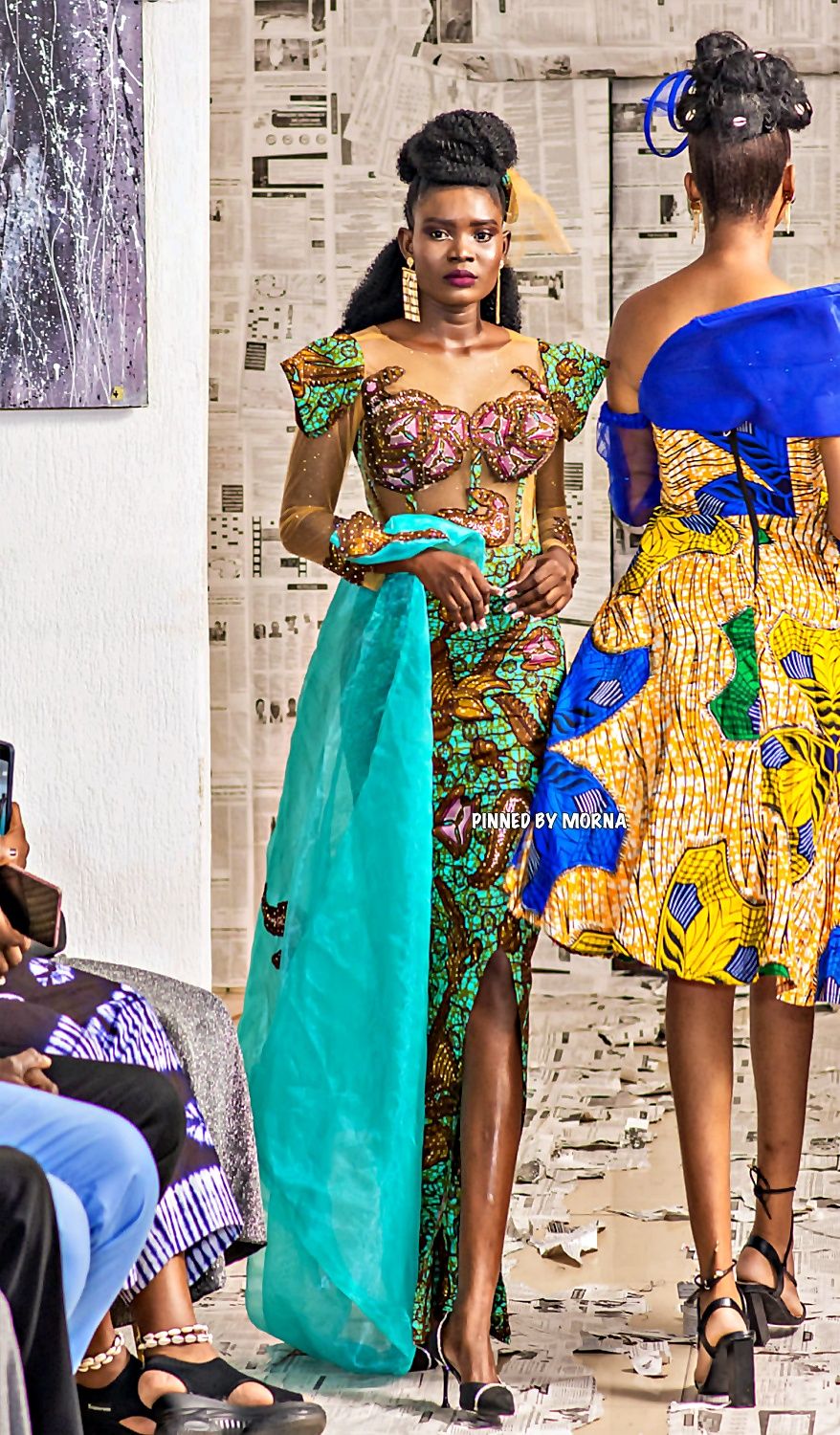
Because their work shows that African creativity encompasses far more than the stereotypes that international industries often expect, Togolese designers are increasingly challenging narrow global ideas about African fashion.
Global fashion systems often reduce African design to recognisable prints, heritage symbolism, or oversimplified ideas of tradition. By creating pieces that span luxury tailoring, streetwear, conceptual fashion, minimalist aesthetics, and modern urban design while maintaining a strong cultural foundation, Togolese designers defy these expectations.
Some artists clearly use ceremonial allusions and textile heritage in their creations. Others place greater emphasis on contemporary youth-culture-related digital aesthetics, neutral colour schemes, experimental construction, and modern silhouettes. Because African fashion has never been unique, both strategies are still equally African.
This distinction is important because, to be recognised internationally, smaller African fashion industries are frequently under pressure to demonstrate cultural familiarity. By portraying local creativity as intrinsically modern rather than culturally static, Togolese designers are increasingly defying this expectation.
Togo’s designers continue to demonstrate that fashion relevance is measured by more than just global recognition. Long before international fashion organisations take notice, clothing in Togo is still closely associated with weddings, nightlife, religious events, social visibility, entertainment culture, and everyday urban identity.
Our analysis of Togo’s ceremonial dress customs, in which clothing historically conveyed social authority and belonging within Togolese society, also highlights the connection between contemporary fashion and local identity.
Therefore, Togolese designers contribute to the growth of contemporary African fashion by showcasing how African creativity can incorporate complexity, experimentation, entrepreneurship, and modernity without needing approval from outside cultures.
African designers are increasingly defining contemporary fashion from African perspectives rather than through Western interpretation, as demonstrated by brands like Boyedoe and Tongoro.
In the end, Togolese designers are important because they create fashion systems grounded in Togolese realities and make significant contributions to the global transformation of African fashion.
The Omiren Argument
International fashion industries continue to prioritise visibility over cultural depth when determining which African fashion economies merit attention, which is why Togolese designers are still underappreciated, not because of a lack of creativity.
While smaller creative ecosystems like Togo produce influential tailoring culture, modern design innovation, and urban fashion creativity, African fashion coverage often concentrates on nations already linked to stronger commercial fashion systems.
Despite this disparity, Togolese designers continue to create sophisticated fashion identities. They incorporate digital storytelling, entrepreneurship, textile heritage, tailoring customs, and urban youth aesthetics into modern design work that is particularly grounded in Togolese social experience.
This distinction modifies the global understanding of African fashion authority. Creative influence is not limited to sectors with more extensive infrastructure or widespread media coverage. It also occurs in smaller-scale fashion economies, where designers draw on local communities and shifting urban identities to influence culture directly.
Thus, Togolese designers are more than just underappreciated talent. They show how local inventiveness, cultural self-assurance, and entrepreneurial adaptation enable contemporary African fashion to grow beyond the sectors that international fashion media have historically prioritised.
Frequently Asked Questions (FAQs):
- Who are Togolese designers?
Togolese designers are fashion creatives from Togo working across tailoring, contemporary Afrocentric fashion, streetwear, luxury garments, and cultural storytelling rooted in Togolese identity and urban life.
- What influences contemporary fashion in Togo?
Contemporary fashion in Togo is influenced by tailoring culture, textile craftsmanship, youth identity, music culture, social media, urban street style, and ceremonial clothing traditions.
- Why is tailoring important in Togolese fashion?
Tailoring remains important because custom-made clothing carries strong social and cultural value across Togo. Many designers begin within tailoring workshops before building independent fashion brands.
- How does Lomé influence Togolese designers?
Lomé shapes contemporary fashion through nightlife culture, second-hand markets, music scenes, youth creativity, fashion photography, and urban social identity, as reflected in clothing.
- Why are Togolese designers important to African fashion?
Togolese designers contribute to African fashion by combining craftsmanship, entrepreneurship, cultural storytelling, and contemporary design innovation within a growing West African creative industry.
EXPLORE MORE
Through editorials centred on identity, craftsmanship, urban life, and cultural transformation, Omiren Styles covers Afrocentric fashion, African creative industries, textile heritage, and contemporary design culture.
Visit Omiren Styles to learn more about Afrocentric creative industries, African designers, textile heritage, and urban fashion.