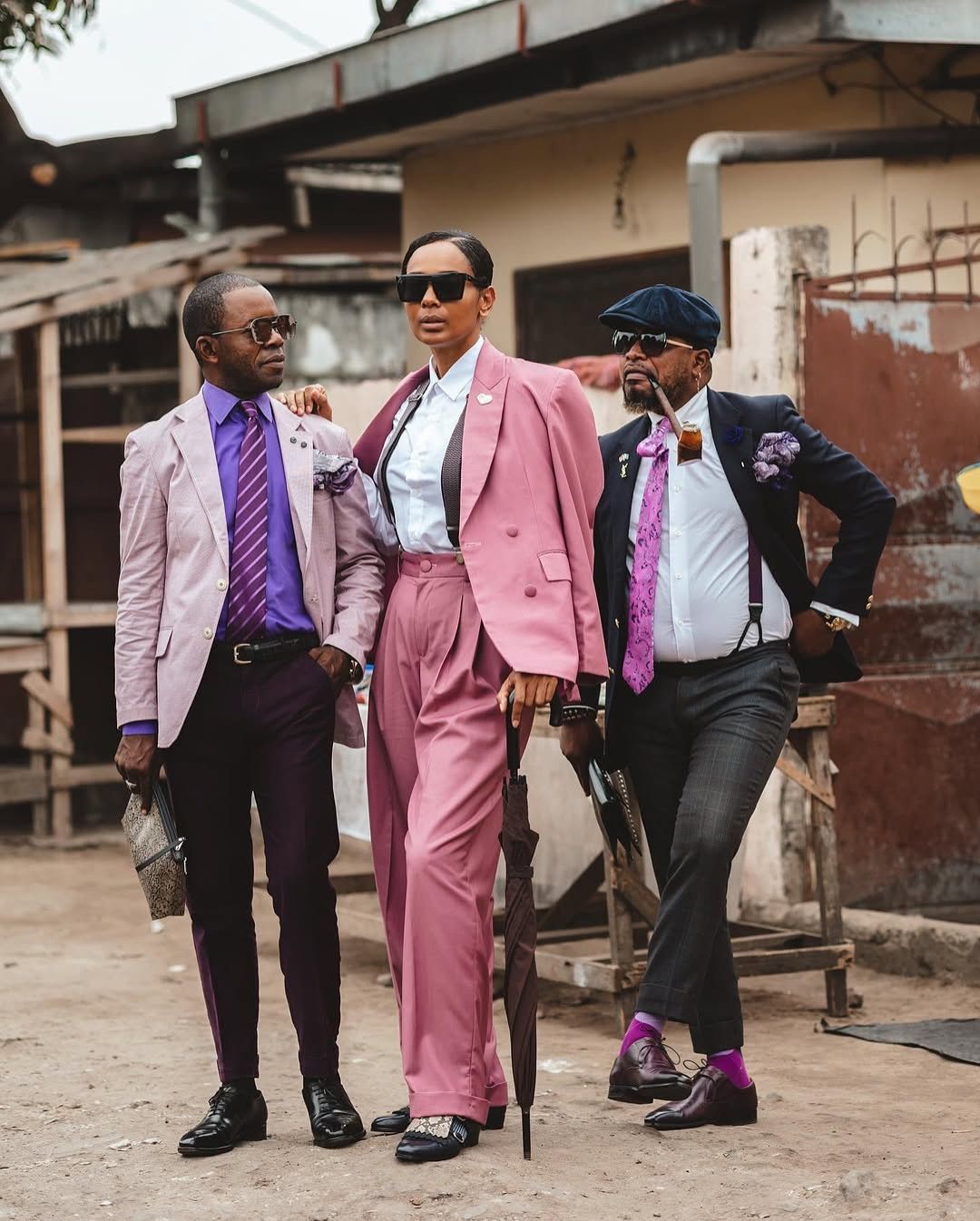
In the nightclubs and beer halls of 1950s Kinshasa and Brazzaville, something was being assembled that the fashion industry would spend decades failing to understand. Congolese Rumba was becoming the most popular music in Africa, spreading from the two Congolese capitals across the continent along trade routes, radio signals, and the movement of musicians who performed with a specific and deliberate authority. The authority was sonic: the guitars, the horns, the call-and-response structures that fused Cuban rhythms with Congolese sensibility into something wholly original and wholly commanding. And it was also sartorial. The musicians who performed Congolese Rumba in those clubs wore European tailoring with a precision and a confidence that the Europeans who had originally produced those garments never quite managed. They did not wear the suits because they wanted to be European. They wore the suits to demonstrate that elegance was a skill any Congolese man could master better than the people who had tried to make it exclusive. La Sape, the fashion subculture that would become one of the most distinctive cultural movements in African history, grew directly from this claim.
The account of La Sape positions it as a street movement that evolved independently of the music scene, with the two traditions existing in parallel within the same cities and communities. The documented history does not support this separation. Congolese Rumba and La Sape developed in the same physical spaces, among overlapping communities, with the same people occupying central roles in both. The nightclub was the proving ground for both the music and the dress. The musicians were the most visible sapeurs. And the most significant figure in La Sape’s international history was simultaneously its greatest musician. The music created the fashion economy. This is the argument Omiren Styles is making, because it is the one the evidence supports.
La Sape did not emerge from the street. It emerged from the stage. Congolese Rumba musicians wore European tailoring as a mark of cultural authority, and a fashion movement followed.
How Congolese Rumba and La Sape Fashion Grew Up Together
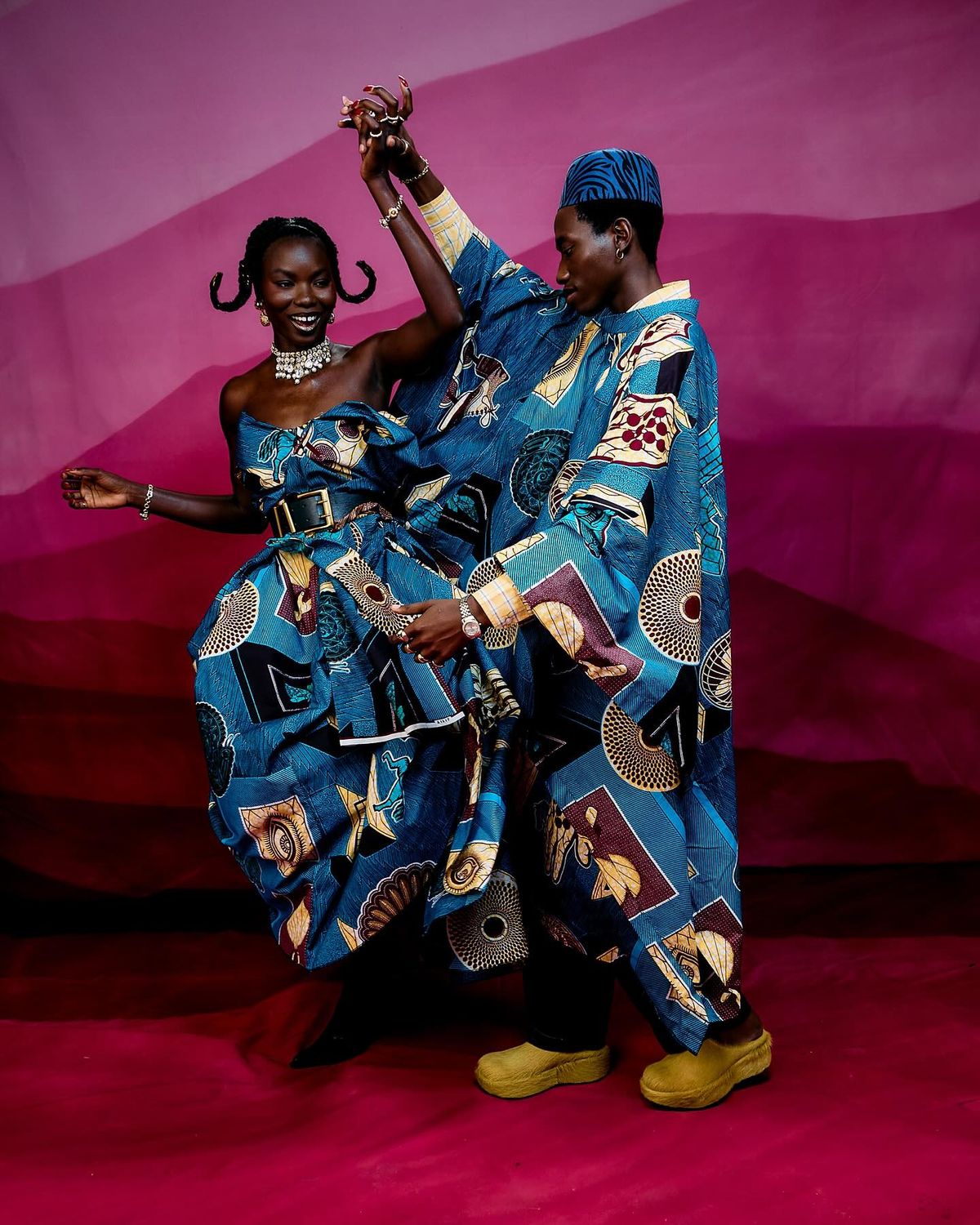
The historical timeline confirms the overlap precisely. La Sape’s origins trace to approximately 1919 to 1920 in Bacongo, the neighbourhood along the Congo River that separates Brazzaville and Kinshasa. By the 1930s, young men were importing clothing from France using wages earned in colonial employment. By the 1950s, the movement had become inseparable from the booming Congolese rumba scene. As the documentation of La Sape’s history confirms, the nightclubs and beer halls of Kinshasa and Brazzaville were the proving grounds for both the music and the dress. This was not a coincidence of geography. It was functional interdependence. You went to the nightclub to hear Congolese Rumba. The men in the finest suits were already there. The musicians performing onstage were dressed in the same deliberate elegance. The sapeur and the rumba musician were performing the same argument in different registers — one through sound, one through cloth — in the same room, for the same audience.
Franco Luambo Makiadi, born on 6 July 1938 and the dominant figure in 20th-century Congolese popular music, built his authority as bandleader of TPOK Jazz across thirty years of performance that positioned Congolese Rumba as the musical lingua franca of Central Africa. As Wikipedia’s documentation of Franco confirms, AllMusic described him as the big man in African music. Rolling Stone placed him at number 71 on its 2023 list of the 250 Greatest Guitarists of All Time. His performances at elite hotels, stadium concerts, and nightclub residencies across Kinshasa, Brazzaville, and eventually the African continent established a visual standard for what a Congolese musician in command of his cultural authority looked like: suited, composed, present. The suit on the TPOK Jazz stage was not an imitation of European propriety. It was a demonstration that a Congolese musician could command the highest platform with the highest visual standard and needed no European permission to do so.
Tabu Ley Rochereau, born 13 November 1940, worked the same circuit with his Orchestre Afrisa International, the other dominant force in Congolese Rumba from the 1960s through the 1980s. As his documented career confirms, he was described by the Los Angeles Times as the African Elvis and is credited with composing over 3,000 songs and selling millions of records. He and Franco performed together at the Zaire 74 music festival alongside James Brown, B.B. King, and Miriam Makeba — an international platform that placed Congolese musicians in direct visual and sonic comparison with the world’s most celebrated performers. The fashion intelligence at that stage was Congolese. The cultural authority was Congolese. The suits were chosen with the knowledge that the world was watching and would be assessed accordingly.
Papa Wemba: The Man Who Made La Sape and Congo Rumba the Same Thing
No figure makes the music-fashion argument more completely than Papa Wemba. Born Jules Shungu Wembadio Pene Kikumba on 14 June 1949, he became the most consequential musician in Congolese Rumba’s post-independence history and simultaneously the most significant single ambassador the Sape movement ever produced. These were not two careers that happened to coexist. They were one career, with music and fashion as inseparable channels of the same creative and political intelligence. He described the relationship himself with the precision of someone who had never experienced it as two separate things: La Sape is like a religion, la religion kitendi. He also said, with the directness that characterised everything he made publicly, that white people invented the clothes, but we turned them into an art. That claim, the claim that taking someone else’s material and making it better is not imitation but mastery, is also the claim that Congolese Rumba was making about Cuban music. The Congo took Cuban rhythms and made them into something so distinctly its own that the original influence became almost incidental. The same intellectual operation produced both the music and the fashion philosophy.
Papa Wemba founded Zaïko Langa Langa in 1969, one of the most important bands in Congolese music history. Then he formed Viva la Musica, which he took to Paris in the 1980s and with which he built an international audience for both Congolese Rumba and La Sape. He signed to Peter Gabriel’s Real World label, performing and recording globally while maintaining his position as Le Pape de la Sape, the Pope of the Sape, the unofficial leader of the fashion movement that his music tours were simultaneously spreading. When he performed in Europe, the young Congolese diaspora members in Paris, Brussels, and London encountered both the music and the dress code as a single cultural proposition. To follow Papa Wemba was to follow both. To be a sapeur was to inhabit the world he performed in.
White people invented the clothes, but we turned them into an art. Papa Wemba said it about La Sape. He could have said it about the music, too. In the Congo, the two were never separable.
The Mobutu Paradox: How a Clothing Ban Made La Sape Stronger
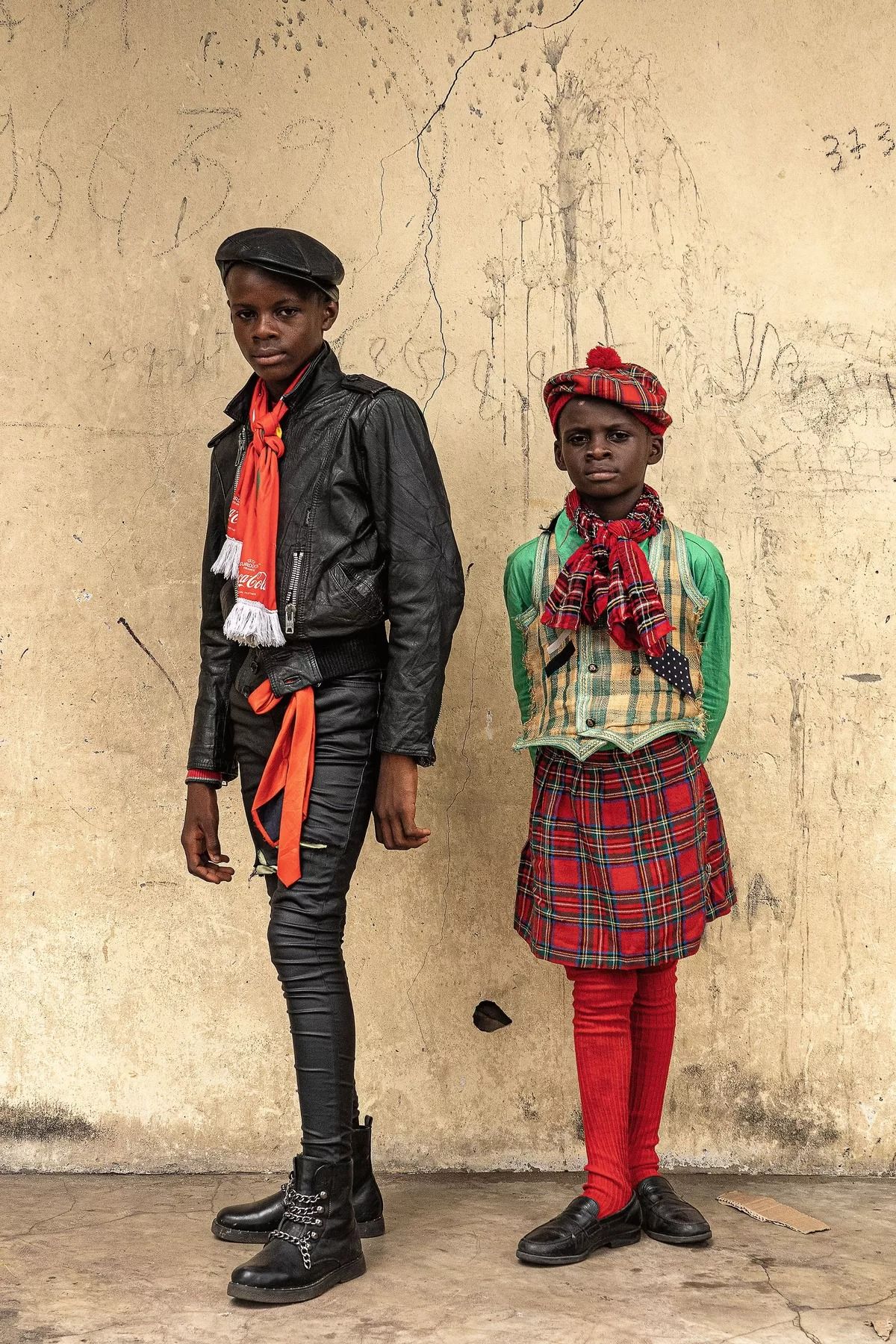
The political history of La Sape’s relationship with Congolese Rumba is most vividly illustrated by the Mobutu regime’s attempt to sever both. In 1971, President Mobutu Sese Seko launched his Authenticité programme — a cultural nationalism project that banned European clothing, replaced colonial place names, and required African names for newly baptised children. The clothing ban was meant to restore African cultural sovereignty by removing colonial dress from public life. As documented in the analysis of the Sape under Mobutu, the ban galvanised the Sape movement rather than suppressing it. In Kinshasa especially, wearing a European suit became an act of direct political resistance, the clothing argument of a community that rejected both the colonial hierarchy the suit had once represented and the regime’s authority to determine what constituted authentic African identity.
Franco Luambo’s response to Mobutu’s regime was complex and well documented: he was simultaneously the musician most publicly aligned with Mobutu’s patronage and the artist whose cultural authority in the nightclubs and performance spaces of Kinshasa the regime could not fully direct. The music scenes of Kinshasa and Brazzaville operated with a degree of cultural autonomy that political prohibition could not fully penetrate. Mobutu could, in principle, ban the suit. He could not ban the TPOK Jazz set at the Grand Hotel Kinshasa, where the musicians arrived dressed with the precision that the scene demanded. The performance space was the territory where Congolese cultural authority, in both music and dress, was negotiated on its own terms.
The Kinshasa Sape’s development in the 1970s, as specifically socio-political protest, distinct from the longer-established Brazzaville tradition, tracks directly with the Mobutu ban. Young men in Kinshasa who chose to maintain European tailoring under an administration that had explicitly prohibited it were making a statement that the music scene around them amplified: that the state does not determine cultural identity, that what you wear in your body is your own argument to make. That elegance is a form of resistance that no government has ever fully managed to ban.
Also Read:
- The Congo’s Sapeurs: What La Sape Tells the World About Elegance, Resistance, and African Identity
- Fela Kuti’s Stage as Political Manifesto: How the Father of Afrobeats Used Fashion as Revolutionary Argument
- Why Afrobeats Music Videos Are Now the Most Influential Fashion Editorials in Africa
- The Silence Around African Luxury: Why the Continent’s Most Expensive Fashion Is Almost Never Discussed
What the Music-Fashion System Built and Who Inherited It
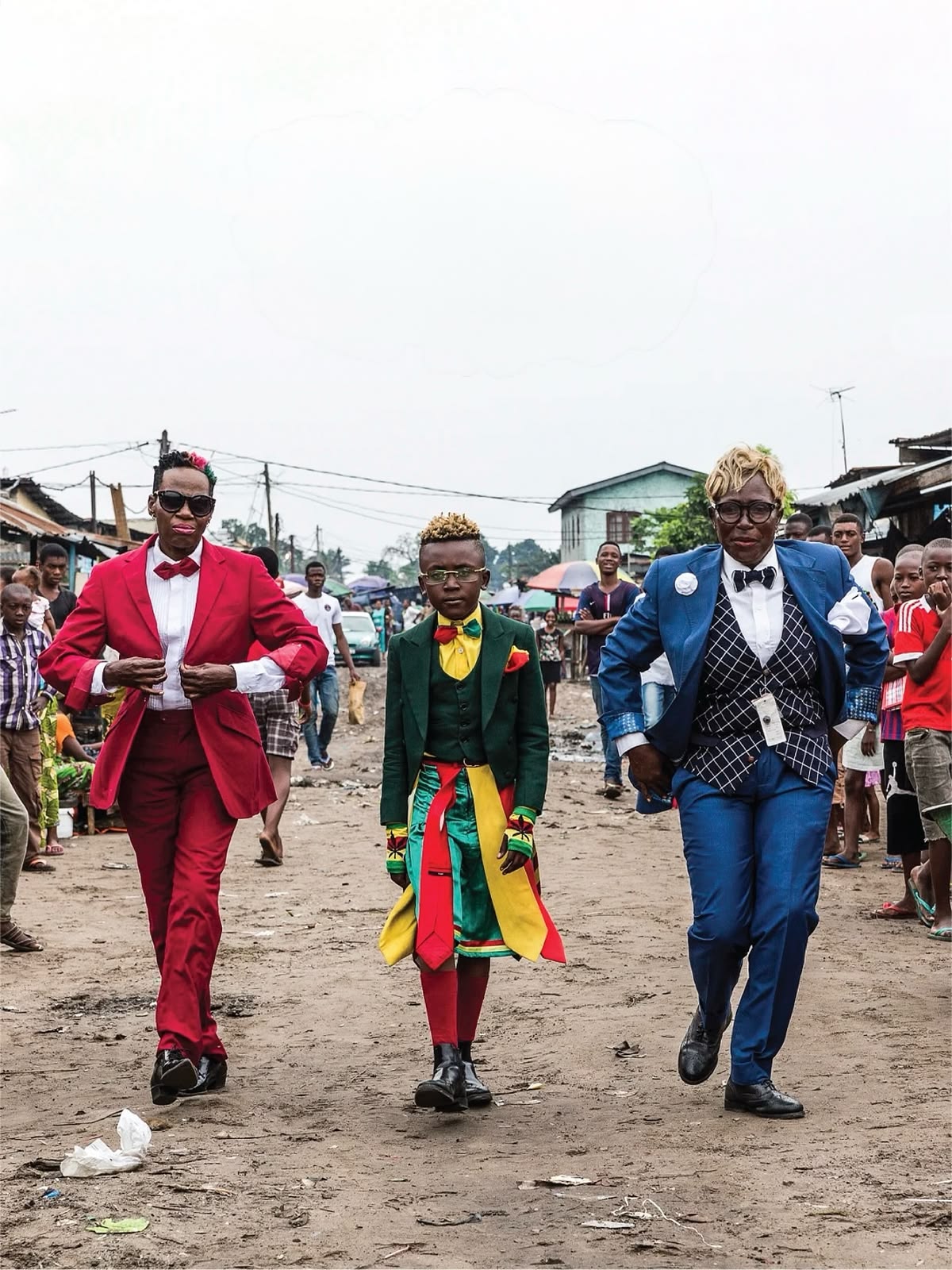
The legacy of Congolese Rumba’s role in creating La Sape is evident throughout the culture of Congolese popular music. Koffi Olomide, JB Mpiana, and Werrason, the dominant figures in soukous, Congolese Rumba’s faster, more electrified successor, all maintain iconic Sapeur identities alongside their musical careers. As documented in the cultural history of Congolese fashion, the principle that music and fashion are inseparable elements of cultural expression is not a philosophical position in these communities. It is a practical reality that every significant Congolese musician operates within. The stage dress is not separate from the music. It is part of the same argument.
The international fashion industry’s slow recognition of this system is visible in the specific moments when the two industries intersect. Christian Louboutin launched a men’s shoe collection in 2016, directly inspired by kitendi, the Lingala word for Sape clothing. Paul Smith launched a Sape-inspired collection in 2010. These acknowledgements from European fashion houses arrived long after the culture they were drawing from had established its authority independently. The music built the fashion economy. The fashion economy outlasted the original musical context that gave rise to it. And when the international fashion industry finally arrived to find the source, the source had been there for decades, doing what it always did: making the clothes better than anyone who had originally produced them.
Congo Rumba’s inscription on the UNESCO Representative List of the Intangible Cultural Heritage of Humanity in 2021, jointly recognised by the Republic of Congo and the Democratic Republic of Congo, is an institutional acknowledgement of a music tradition whose cultural authority extends far beyond sound. The inscription, as the UNESCO documentation confirms, recognises rumba as a living tradition transmitted across generations in both countries and in diaspora communities across Europe and the Americas. The fashion subculture that grew from the same nightclubs and performance spaces as that music is the living tradition’s most visible sartorial expression. They cannot be fully understood in isolation from each other because they were never in isolation.
The Omiren Argument
La Sape did not emerge from the street independently of Congolese Rumba. It emerged from the performance culture of a music scene in which the most celebrated musicians wore European tailoring as a statement of cultural authority, in which the nightclub was the proving ground for both sonic and sartorial excellence, and in which the same intellectual operation that took Cuban rhythms and made them definitively Congolese also took European garments and made them definitively Congolese. The suit on the TPOK Jazz stage is the same argument as the Sebene guitar line: we took your form, we mastered it, and we made something you have no framework for classifying because it came from us. That argument did not begin in the street. It began on stage, in front of an audience that understood exactly what was being claimed.
Omiren Styles documents this relationship because the fashion industry’s account of La Sape consistently positions the Sapeur as a colourful anomaly whose dress defies his economic circumstances, as though the elegance is more interesting than its origin. The origin is the entire argument. La Sape is the fashion expression of a music culture that asserted African cosmopolitan authority in the same decades when colonial power was being dismantled, through the same combination of technical mastery and cultural confidence that Franco Luambo brought to the guitar. Papa Wemba brought to the stage in Paris. The clothes and the music are the same statement, made by the same community, in the same rooms, across more than half a century. African fashion built both. The music came first.
Frequently Asked Questions
What is the connection between Congolese Rumba and La Sape?
Congolese Rumba and La Sape developed in the same physical spaces, the nightclubs and beer halls of 1950s Kinshasa and Brazzaville, among overlapping communities, with many of the same figures occupying central roles in both traditions. The musicians who built Congolese Rumba into Africa’s most dominant popular music of the 20th century performed in European tailoring as a deliberate assertion of cosmopolitan cultural authority. The fashion subculture grew directly from this performance culture. The music created the fashion economy, not as an incidental parallel but as the original vehicle through which La Sape’s visual argument was most publicly articulated.
Who were the key figures connecting Congolese Rumba to La Sape?
Papa Wemba (1949 to 2016) is the most complete embodiment of the music-fashion connection. He was simultaneously the King of Congolese Rumba Rock, the leader of Viva la Musica, a Real World recording artist, and Le Pape de la Sape, the Pope of the Sape movement. He said both that La Sape is a religion, la religion kitendi, and that white people invented the clothes, but we turned them into an art. Franco Luambo Makiadi (1938 to 1989), the Grand Maître of Congolese music and Rolling Stone’s 71st-greatest guitarist, performed with the visual authority the TPOK Jazz stage demanded. Tabu Ley Rochereau (1940 to 2013), leader of Orchestre Afrisa International, operated across the same circuit with the same visual intelligence.
How did Mobutu’s clothing ban affect La Sape?
In 1971, President Mobutu Sese Seko launched his Authenticité programme and banned European clothing as part of a cultural nationalism project. The ban had the opposite of its intended effect: in Kinshasa especially, wearing a European suit became an act of direct political resistance. The Kinshasa Sape movement, which had been less developed than Brazzaville’s, intensified precisely in response to the ban. Young men who chose to maintain European tailoring under a prohibition were making a statement that the music scene around them amplified: that cultural identity is not determined by the state, and that elegance is a form of resistance no government has ever fully suppressed.
What is the significance of Congo Rumba’s UNESCO inscription for La Sape?
Congo Rumba was inscribed on UNESCO’s Representative List of the Intangible Cultural Heritage of Humanity in 2021, jointly recognised by the Republic of Congo and the Democratic Republic of Congo. The inscription recognises rumba as a living tradition transmitted across generations in both countries and in diaspora communities across Europe and the Americas. Since La Sape and Congolese Rumba developed in the same nightclubs and performance spaces and are functionally inseparable, the UNESCO inscription of the music is also an implicit recognition of the cultural ecosystem that produced the fashion movement. The two cannot be fully understood in isolation because they were never in isolation.
How has Congolese fashion influenced international fashion houses?
International fashion houses have drawn directly on Congolese Sape culture in specific documented collaborations. Christian Louboutin launched a men’s shoe collection in 2016, directly inspired by kitendi, the Lingala word for Sape clothing. Paul Smith launched a Sape-inspired collection in 2010. These acknowledgements arrived long after the Congolese music and fashion culture they drew from had established its authority independently. The fashion economy created by Congolese Rumba’s performance culture proved its influence before the international fashion industry developed the vocabulary to acknowledge it properly.
Explore More
Read the full Culture > Art & Music section for Omiren Styles’ analysis of the musicians, performance cultures, and visual systems through which African artists built the continent’s most consequential fashion movements, on their own terms, in their own rooms, across their own century.