In 2022, Mai Atafo told Nairametrics something the international fashion press had not asked him directly often enough to hear. I want to be the best suit tailor in Africa, he said. I am not a sucker for going international because those who are international are trying to come to Africa, so let us be the champions of Africa before going out to the rest of the world. The statement is so direct that it reads almost as a provocation in the context of an African fashion industry that has spent much of the past decade measuring itself against Paris, London, and New York. It is not provocation. It is a business strategy that has produced one of the most consistent luxury menswear brands in Nigeria over more than a decade of operation.
Atafo is not the only brand operating from this position. Seyi Vodi, Ugo Monye, and Yomi Casual represent a layer of Nigerian menswear that the international fashion press rarely covers because it does not fit the narrative of African fashion seeking global validation. These are tailors who built their businesses through craft, client relationships, the social economy of Nigerian celebration culture, and, more recently, social media audiences that the traditional fashion press does not control. They are redefining what luxury menswear means in Nigeria, not by presenting on European runways but by dressing the people in the room who matter most in the country where they live. That is a different kind of global influence, and it is time it was documented at the level it deserves.
Mai Atafo. Seyi Vodi. Ugo Monye. Yomi Casual. These tailors built some of Nigeria’s most successful fashion businesses without a single invitation to a fashion week. Here is how.
Nigerian Luxury Menswear Tailors: The Business Model the Industry Ignores
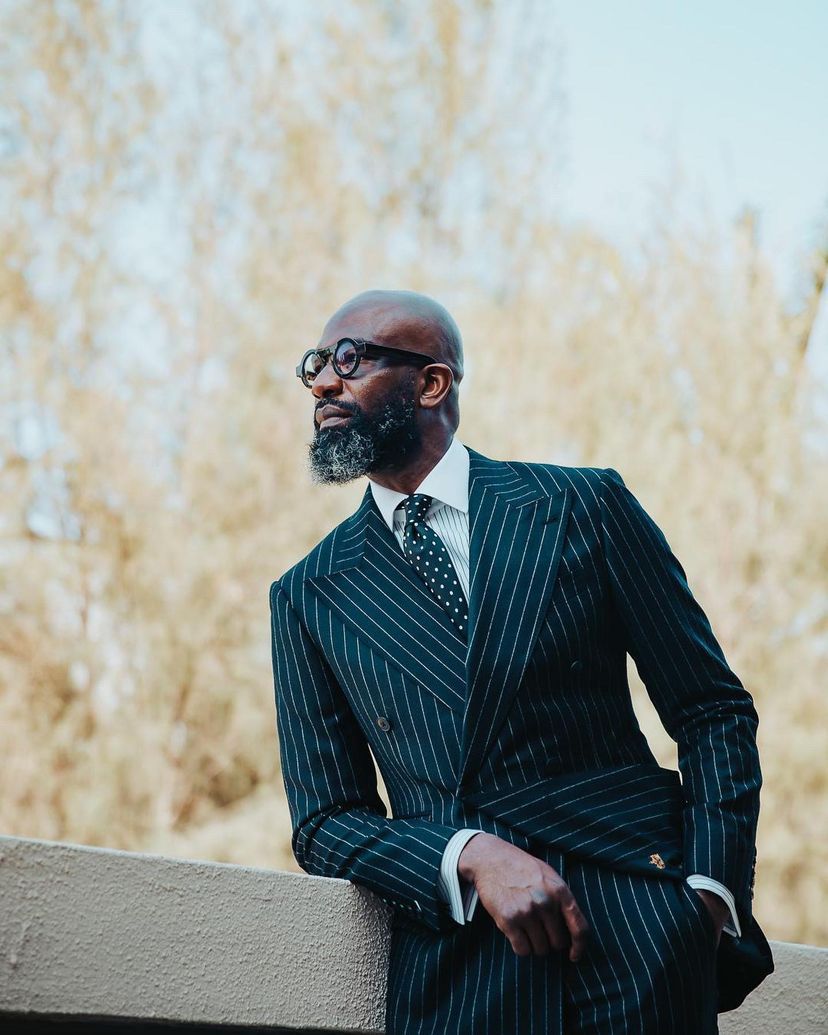
The Nigerian menswear market operates on a social logic that the Western fashion industry has no direct equivalent for. The owanbe, the Nigerian tradition of dressing with formal intentionality for celebrations, is not a special occasion category. It is a recurring economic event that shapes demand for bespoke tailoring throughout the year. Weddings, naming ceremonies, chieftaincy installations, political events, church services, and graduations: each of these occasions requires attire that communicates status, cultural affiliation, and social investment. The client who commissions a bespoke agbada for his son’s wedding is not buying fashion in the same way a European luxury consumer does. He is performing a social obligation with the quality of his clothes and the precision of his tailoring. That performance has a budget, and in Nigeria’s upper and upper-middle income brackets, that budget is substantial.
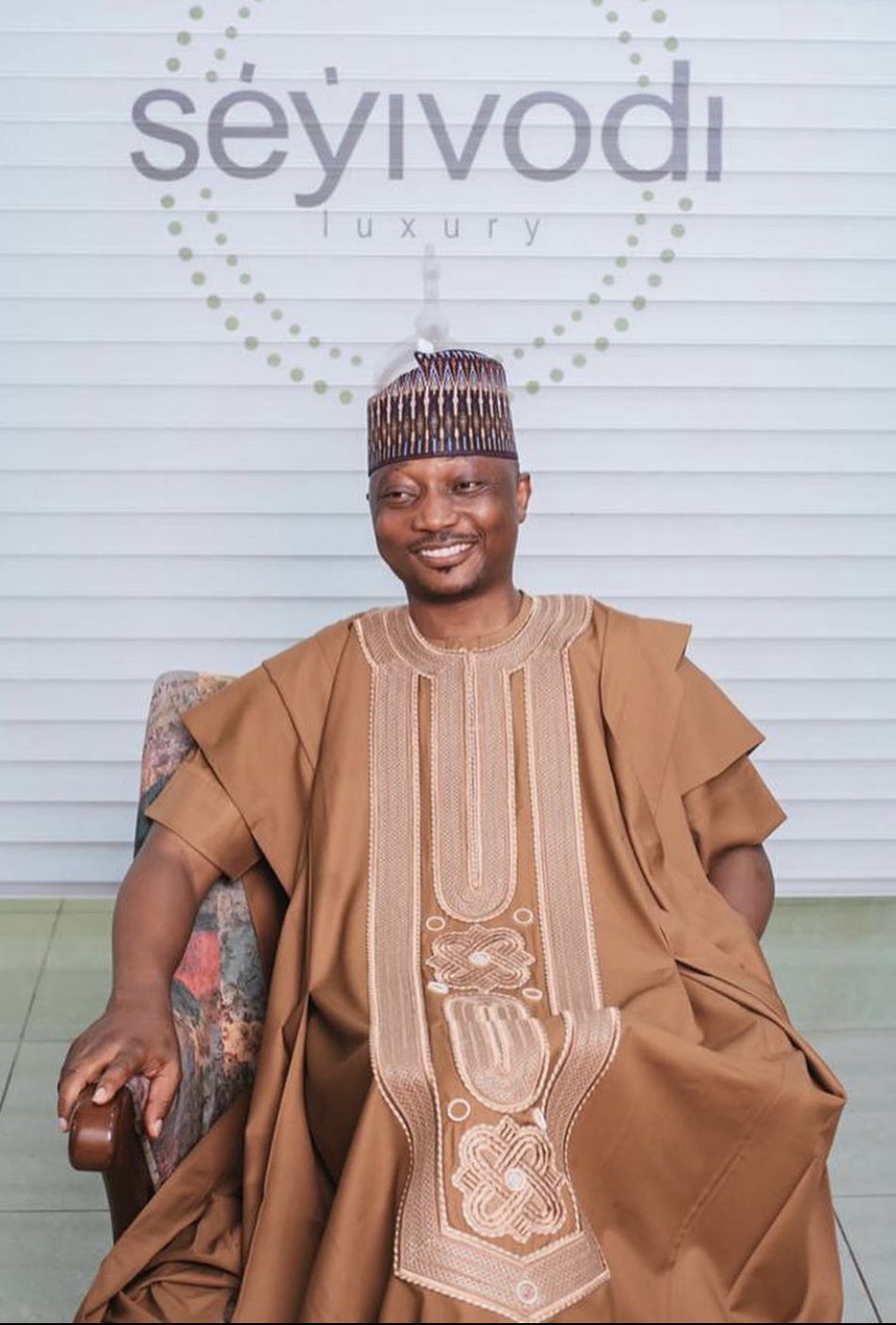
Seyi Vodi understood this before he understood fashion. He learned to sew during his National Youth Service in Akwa Ibom, starting with shirts and boxers for colleagues, his first clients. He registered his company in 2001 as Testimony, which later became Vodi Group. By the mid-2010s, Vodi Group was one of Nigeria’s largest fashion labels with multiple outlets and a robust supply chain. In 2023, President Muhammadu Buhari conferred on him the Officer of the Order of the Niger, the first such award given to a fashion entrepreneur in Nigeria. As his documented profile confirms, Seyi Vodi’s clients include politicians, entertainers, and business moguls. A 400kg shipment of finished apparel delivered to clients in Freetown, Sierra Leone, in May 2025 demonstrates the brand’s continental reach. This is not a brand that needed Paris Fashion Week to build international distribution. It built continental distribution through service, quality, and the networks that Nigerian professional and political life generates.
Mai Atafo, Ugo Monye, and the Architecture of Nigerian Menswear Excellence
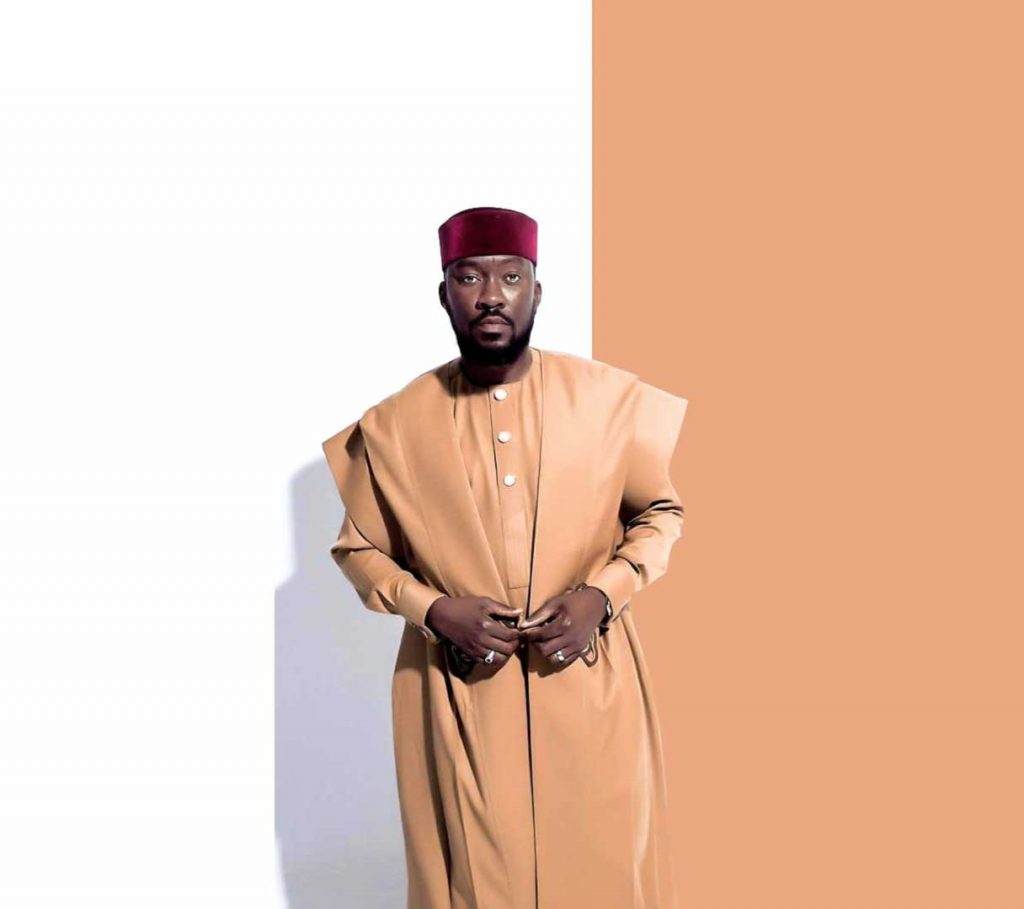
ATAFO, the brand formerly known as Mai Atafo and founded by Ohimai Atafo, has been one of Nigeria’s leading menswear labels for over fifteen years. The brand has shown at the J Spring Fashion Show in Paris, Glitz African Fashion Week in Ghana, Mercedes-Benz Fashion Week Africa, Arise Magazine Fashion Week, and Lagos Fashion and Design Week. These are runway appearances, but they are not what built the brand’s commercial authority. That authority was built through a decade of dressing Ebuka Obi-Uchendu, the Big Brother Nigeria host whose every on-screen appearance sparks national conversation about menswear, and through a consistent positioning around the fusion of classic British suiting and Nigerian formal dress. Atafo was named Menswear Fashion Brand of the Year by Fashion’s Finest Africa Awards in 2018. Its position in the Nigerian market, as OkayAfrica documented, is one that its iconic status makes non-negotiable regardless of how often it releases new collections. That is brand equity built through quality and association, not through fashion week calendar presence.
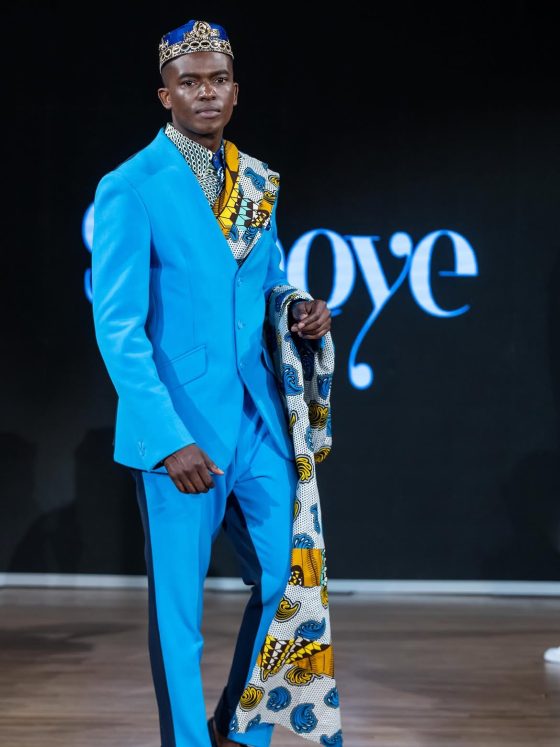
Ugo Monye’s entry into the national conversation arrived through a single garment. The agbada he designed for Ebuka Obi-Uchendu’s appearance at Banky W and Adesua Wellington’s wedding in 2017 went viral on social media in a way no Lagos Fashion Week runway moment had ever done. The photographs circulated because the garment was extraordinary: a complete reimagination of the agbada’s volume, embroidery, and silhouette, positioning traditional Nigerian formalwear as an object of desire rather than an obligation of ceremony. Ugo Monye did not need a fashion week for that moment. He needed a client who trusted him enough to wear something genuinely new at the most photographed Nigerian wedding of that year. The brand has since been confirmed as one of the pillars of the Nigerian fashion industry, presenting its Opulence collection at Lagos Fashion Week 2021, built on pearls, aso-oke, and velvet. Still, its commercial foundation predates that runway presence.
Yomi Casual, the brand of Omoniyi Makun, has built a client list that includes politicians, musicians, and business leaders across Nigeria. The brand specialises in traditional menswear with a contemporary touch, particularly kaftans and senator styles that synthesise Nigerian textile traditions with cuts suited to a modern professional whose dress code spans both boardrooms and ceremonies. Don Jazzy and AY are among the documented clients. The brand’s presence on Instagram serves as a daily advertisement to a Nigerian middle- and upper-middle-class audience that dresses well for the same reasons it always has: because the social occasions that structure Nigerian life demand it.
The fashion week is not where Nigeria’s most commercially successful menswear businesses were built. It is where those businesses send their press releases.
How Social Media Changed the Game Without Changing the Craft
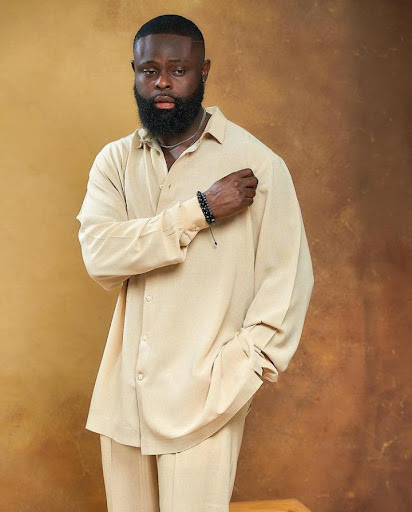
The generation of Nigerian tailors operating now, the younger makers in Yaba, Victoria Island, Lekki, and Abuja who are building client lists through Instagram and TikTok before they have ever been profiled in a fashion publication, represents the next layer of this ecosystem. Their business model is the same as Seyi Vodi’s in 2001: find the client, make the garment, make it well enough that the client returns and tells others. What has changed is the distribution of the demonstration. A kaftan delivered on a Friday morning, photographed and posted by a client attending a wedding on Saturday, can generate 20 enquiries by Sunday afternoon. The social media tailoring economy in Lagos operates at a speed and at a volume that the traditional fashion press has not kept up with.
The EFI, the Ethical Fashion Initiative, conducted a Nigerian designer mentoring programme in early 2026 that built functional links between designers and local textile artisan groups, including spinners, weavers, and dyers. As the Clearly Invincible programme documentation noted, the sessions centred on collection development, product assortment, material selection within regional supply chains, finishing techniques, and market positioning. The programme combined group workshops with tailored one-on-one mentoring, supporting designers transitioning from bespoke tailoring to ready-to-wear as they adapted their practices to local demand. This is infrastructure investment in the layer of Nigerian menswear that the fashion press rarely covers. The tailors making the transition from bespoke to ready-to-wear are building the next generation of the industry from the ground up, without runway validation and with a commercial logic entirely derived from the Nigerian market they serve.
The senator who Pulse Nigeria documented in 2025 as the top pick among Nigerian men in 2025, minimal, adaptable, and widely accepted, is the product of this ecosystem. Social media influencers, politicians, and entertainers wearing sleek senator styles with bold embroidery and neat tailoring are wearing garments that were not designed by anyone who has ever shown at Paris Fashion Week. They are wearing garments produced by the tailoring economy that has been the actual engine of Nigerian menswear since before Lagos Fashion Week existed.
Also Read:
- The Lagos Fashion Week Effect: What a Decade of Runway Has Actually Done for Nigerian Designer Revenue
- Kenneth Ize and the Aso-Oke Question: What It Means to Build a Luxury Brand on a Handwoven Cloth
- From Ibadan to Paris to Lagos: How Abiola Olusola Built a Global Brand by Staying Rooted
- Lagos vs Accra: Two Cities, Two Dress Philosophies, One Contested Crown
What This Layer of Nigerian Menswear Actually Tells the Industry
The Nigerian tailoring ecosystem, from established names like Atafo and Vodi Group down to the young makers building Instagram followings from studios in Yaba, makes a specific argument about how luxury menswear develops in a market where the client base is large, culturally specific, and entirely capable of setting its own standards without external validation. European luxury menswear is built on a heritage of technical education, institutional prestige, and a client base that associates luxury with scarcity and brand recognition. Nigerian luxury menswear is built on a heritage of celebration culture, social obligation, and a client base that associates luxury with fit, craft, and the knowledge that the maker understood what the occasion required. These are different definitions of luxury, and neither is less legitimate than the other.
As Omiren Styles argued in its analysis of the Lagos Fashion Week effect, the platform’s institutional contribution to Nigerian fashion has been real and measurable. But the industry that LFW serves is not the same industry that Seyi Vodi, Ugo Monye, and the tailors of Yaba are building. The runway is one channel to one set of clients. The owanbe circuit is a different channel to a different and far larger set of clients, and it has been producing commercial results that no runway metric captures. The young tailors entering this ecosystem in 2026 are not failing to access fashion week. They are building businesses that do not require it.
The Omiren Argument
Nigerian luxury menswear has two parallel industries that rarely speak to each other. One presents on runways, seeks international buyers, and measures success through media value and stockist lists. The other dresses Nigeria’s most prominent men for the occasions that define their social identity, measures success through repeat clients and referral networks, and is almost entirely invisible to the international fashion press. The second industry is larger, more commercially durable, and more deeply embedded in the cultural logic of Nigerian life than the first. It is also producing a generation of young tailors whose technical education happens entirely through practice, whose client relationships are built through social media, and whose design vocabulary comes from watching what the owanbe economy rewards. These tailors are not aspirants to the world of fashion week. They are building their own world, and it is one the international fashion press has not learned to read.
The Omiren Styles argument is that the most significant creative developments in Nigerian luxury menswear over the next decade will come from the second industry, not the first. The tailors who have spent ten years understanding exactly what an Abuja chief needs in his agbada for a state occasion, or what a Lagos tech executive wants in a senator suit for a Friday afternoon boardroom meeting, are accumulating design intelligence that no fashion school can teach and no fashion week can certify. When that intelligence encounters the digital distribution infrastructure social media provides, it produces brands that grow without press investment or institutional validation. Seyi Vodi built that model before Instagram existed. The next generation is building it faster.
Frequently Asked Questions
Who are the leading Nigerian menswear tailors outside the fashion week circuit?
The most established are Mai Atafo of ATAFO, known for bespoke suits and traditional formalwear and the stylist behind Ebuka Obi-Uchendu’s celebrated on-screen looks; Seyi Vodi of Vodi Group, who received the Officer of the Order of the Niger award in 2023 as the first fashion entrepreneur to receive it, and whose brand has extended continental distribution to Sierra Leone; Ugo Monye, whose 2017 agbada for Ebuka at Banky W’s wedding generated national conversation about the reimagination of traditional Nigerian formalwear; and Yomi Casual, whose kaftan and senator designs dress politicians, musicians, and business leaders across Nigeria.
How has the Nigerian owanbe tradition shaped the bespoke tailoring market?
The owanbe is the Nigerian tradition of dressing formally and intentionally for public celebrations: weddings, naming ceremonies, chieftaincy installations, political events, and social gatherings. It generates consistent recurring demand for bespoke tailoring from clients who associate garment quality with social standing and cultural respect. Unlike European occasion dressing, which is treated as a special circumstance, the owanbe operates as a regular social obligation across Nigerian professional and community life. This sustained demand is the commercial foundation on which Nigeria’s most successful bespoke menswear businesses have been built, independent of fashion week platforms.
How is social media reshaping the young Nigerian tailoring economy?
Young tailors operating from studios in Yaba, Lekki, Victoria Island, and Abuja are building client lists through Instagram and TikTok without press profiles or fashion week appearances. A garment photographed at a weekend event can generate multiple client enquiries within days. The social media tailoring economy operates at a speed and volume that the traditional fashion press has not documented systematically. The EFI mentoring programme in early 2026 worked specifically with designers transitioning from bespoke tailoring to ready-to-wear, building supply chain links and collection development capacity for this next layer of the Nigerian menswear industry.
What is senator wear and why does it dominate Nigerian men’s fashion in 2026?
Senator wear is a tailored two- or three-piece outfit that combines a long-sleeved embroidered top with matching trousers, typically made from plain or textured fabrics such as linen, wool, or synthetic blends. It is named for its original association with political formality but has become the default smart-casual register for Nigerian men across professional and social contexts. Pulse Nigeria documented it in 2025 as the top pick among Nigerian men: minimal, adaptable, and widely accepted. Its dominance reflects a broader preference for a dress that works across the full arc of a Nigerian professional’s day, from the boardroom to celebrations.
Why has the Nigerian bespoke menswear industry received limited international press coverage?
International fashion press covering Africa tends to focus on brands seeking international buyers, showing at European trade platforms, or pursuing the LVMH Prize and similar institutional validations. Nigeria’s most commercially successful bespoke menswear brands operate primarily for domestic and diaspora clients through channels such as client referrals, social media, and celebration economy networks, which the international press does not monitor systematically. The industry’s success is measured by repeat-client rates and referral networks rather than by press value and stockist lists that international fashion coverage tracks. This creates a documentation gap, leaving some of Nigeria’s most economically significant fashion businesses largely invisible to global audiences.
Explore More
Read the full Designers archive for profiles of designers and tailors who are building Nigerian and African fashion’s commercial authority from the inside through craft, community, and cultural intelligence.