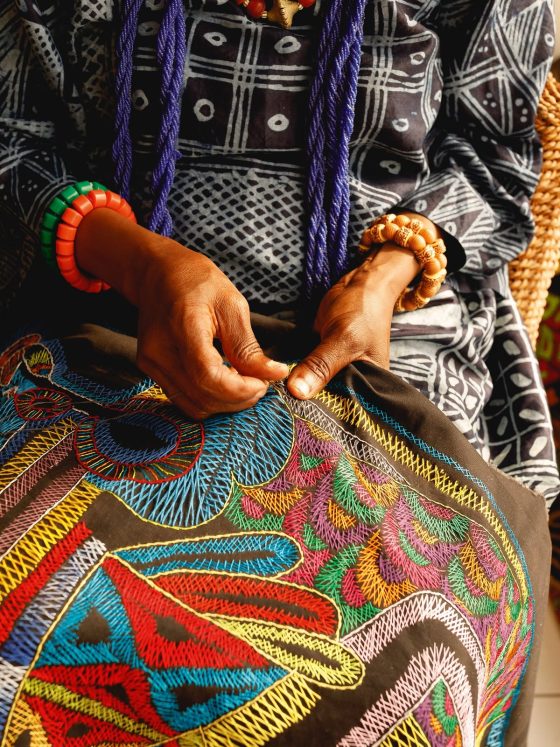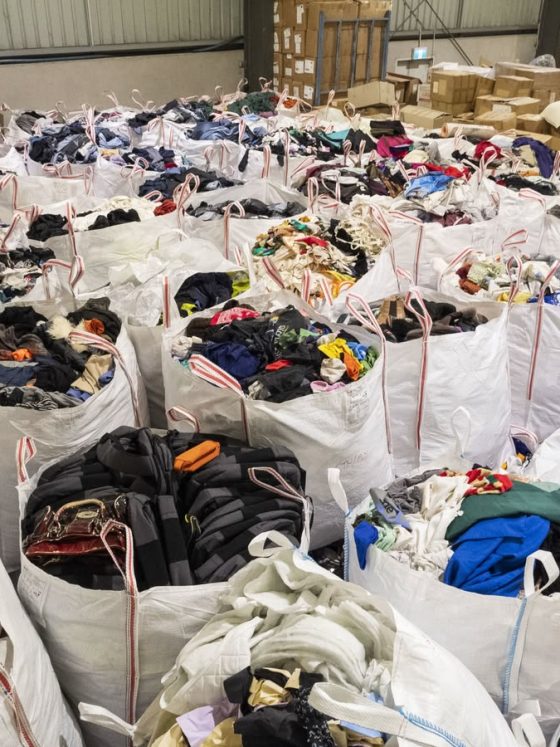
You have found a fashion brand whose product description says the fabric is ‘certified organic cotton, sustainably sourced, produced by artisans in a fair-trade workshop’. That sentence contains at least four claims, each of which can be verified to different degrees and through different methods. None of them is verified just because they appear on the product page. The verification starts when you look past the description.
The EU Green Claims Directive, which came into effect on 27 September 2026, restricts generic, unsupported sustainability claims on products sold in EU markets. Textile brands need evidence for consumer-facing messages. The regulation has not eliminated vague claims from fashion marketing – but it has created a legal framework in which the question of whether evidence exists behind a claim is no longer purely a matter of consumer trust. It is increasingly a matter of compliance. In this environment, knowing how to verify a claim helps with both purchasing decisions and reading the market.
Here is how to do it, claim by claim.
A fashion brand’s fabric claim is a statement, not evidence. This guide explains how to verify the evidence behind the claim – what certifications mean, how to check them, and what the gaps are.
Start With the Certification, Not the Badge
Four certifications dominate verified sustainable fabric claims in 2026: GOTS (Global Organic Textile Standard), OEKO-TEX Standard 100, GRS (Global Recycled Standard) and Cradle to Cradle. Most major retailers require at least one for sustainability marketing claims. But a badge on a brand’s website is not the same as a valid certification, and the first verification step for any certification claim is to check the public registry, not the brand’s website.
GOTS runs a public database. When a brand claims GOTS certification, you can look up the certificate number, the certified facility’s name and address, and the certificate’s validity dates directly in the GOTS database at global-standard.org. If the details match what the brand is claiming, the certification is current and real. If the certificate cannot be found, or if the validity dates have lapsed, the brand is either using a badge from a previous certification it no longer holds or making a claim it cannot substantiate. Both are problems. The registry lookup takes under two minutes.
OEKO-TEX Standard 100 works similarly. The OEKO-TEX label verification system lets you enter the label code from a product or the brand’s documentation and confirm whether it is current and covers the right product. The critical thing to understand about OEKO-TEX 100 is what it certifies: it tests a finished fabric for 350-plus harmful chemical substances and confirms the fabric is free of them. It says nothing about fibre origin, farming practices or labour conditions. A product carrying an OEKO-TEX label has passed a chemical safety test. It has not passed an ethical sourcing test. These are different things.
Certified Fabric Does Not Mean Certified Garment
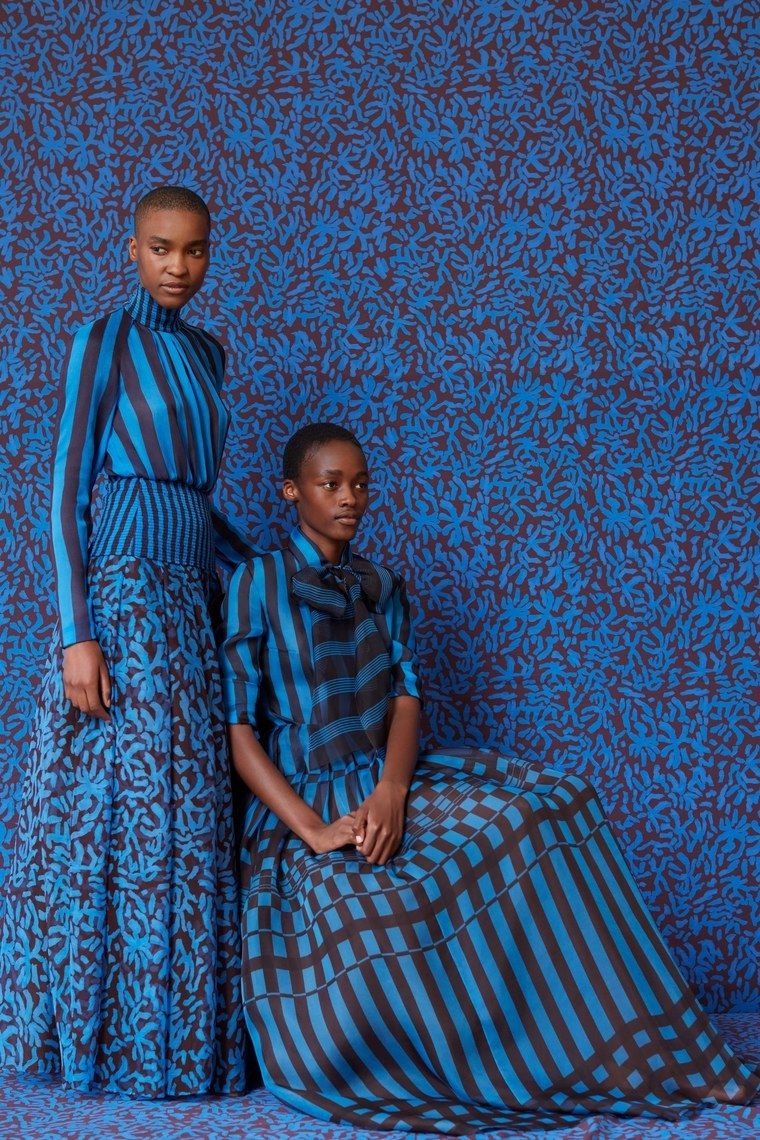
This is the single most common confusion in fashion sustainability claims. A GOTS-certified cotton mill is a certified cotton mill. If the brand does not hold a GOTS transaction certificate for the specific order, the garment is not GOTS certified even if the cotton was.
The transaction certificate (TC) links a certification to a specific shipment. It is the evidence that connects the mill’s certification to the fabric the brand actually ordered, and it covers a specific product description, weight, and shipping window. Without a TC, the certification covers the facility in general but not the order in front of you.
When a brand says its garment is ‘made with GOTS-certified cotton’, the accurate version of that claim requires a TC that traces the certified cotton through the spinning mill and the weaving mill to the cut-make-trim factory and into the finished garment. Each link in that chain needs to be certified for the GOTS claim to hold at the garment level. Asking a brand for the transaction certificate for a specific order is a legitimate and reasonable request. A brand that cannot supply it has a GOTS claim about its supplier, not about its product.
The four-check verification framework is: match the claim to the certificate scope and check validity; demand the transaction certificate for the specific shipment; check content test data; and confirm that every link in the chain is certified, not just the most visible one. These four checks catch most of the structural gaps in fabric sustainability claims.
What Each Certification Actually Proves
What GOTS Certifies
GOTS certifies chain of custody for organic textiles. It requires at least 70% organic fibre in the finished product and covers social and environmental criteria from farm to finished fabric. A GOTS certificate at the garment level is among the strongest forms of fabric claim verification available, because it covers multiple supply chain tiers. A GOTS badge at the brand level, without product-level transaction certificates, proves that the brand has a relationship with certified suppliers. It does not prove the product in front of you was made from certified material.
OEKO-TEX Standard 100
OEKO-TEX 100 certifies that a finished fabric has been tested for 350-plus harmful chemical substances and found compliant. It is a chemical safety certification, not an environmental or ethical sourcing one. A garment carrying an OEKO-TEX label was made from fabric that passed a chemical test. The cotton might have been conventionally grown with pesticides. The workers might have been paid below a living wage. OEKO-TEX says nothing about either. It is a useful certification in its specific context and should be understood as such, not as a general sustainability endorsement.
GRS (Global Recycled Standard)
GRS certifies recycled content and chain of custody for recycled materials. The retailer verification rate for GRS is approximately 74%, meaning most major retailers do check GRS claims against the standard rather than accepting them at face value. A GRS claim for recycled polyester can be verified through fibre-origin testing, which traces the recycled content through the supply chain. A brand claiming recycled polyester content without a GRS certificate or equivalent documentation is making an independently unverified claim.
The Claims That Cannot Be Verified From Outside
Some fabric claims are not certifiable through a public registry. They require direct access to the supply chain to assess. These include: specific geographic origin claims at the artisan or cooperative level (a claim that a named group wove a fabric in a named village cannot be verified from a certification database); claims about artisan wages and working conditions (these require audit access or first-hand documentation); claims about traditional technique authenticity (these require knowledge of the technique and comparison of the documented technique with what the brand is actually buying).
As Omiren Styles has established, the evidence hierarchy for textile provenance runs from brand statement at the bottom to independent physical testing at the top. A claim about artisan wages sits at the base of that hierarchy unless it is accompanied by independently audited wage records or a Fair Trade certification at the product level. A brand that says its fabric is ‘fairly produced’ without documenting what fair means in practice occupies the least verifiable position on the evidence scale.
For heritage textile claims specifically – the Adire from Abeokuta, the Kente from Ghana, the Gangan from the Togo-Bénin border – verification requires asking whether the brand has a direct supplier relationship documented in writing, whether it can supply provenance records at the batch level, and whether the price it paid for the fabric reflects the time and skill the technique requires. None of these is available from a certification registry. They require the brand to open its supply chain records.
Five Red Flags in a Brand’s Fabric Documentation
When a brand’s fabric claims are accompanied by documentation, these are the five signals that the documentation is weaker than it appears:
- Certification badges without certificate numbers. A GOTS or OEKO-TEX badge on a website without a certificate number is a brand asserting a relationship with a standard. Look up the brand in the relevant public database before treating the badge as verification.
- Certification at the brand level for a product-level claim. ‘We work with GOTS-certified suppliers’ and ‘this garment is GOTS certified’ are different claims. The first is about the brand’s sourcing relationships. The second requires transaction certificates for the specific order.
- Sustainability terms without a standard attached. ‘Sustainably sourced’, ‘eco-friendly’, ‘responsibly made’ without a named certification or a documented methodology are EU Green Claims Directive concerns post-September 2026 in EU markets. Ask which standard the term is benchmarked against.
- Supply chain documentation that covers Tier 1 only. Documentation that names the assembly factory but not the fabric mill or the fibre farm covers the most visible part of the supply chain and leaves the rest unverified. Ask how far back the documentation goes.
- Expiry dates not confirmed. Certifications expire. A GOTS certificate from 2023 may or may not have been renewed. The public registry check confirms current validity; a certificate screenshot on a brand’s website does not.
What to Ask the Brand Directly

The most direct way to verify any specific fabric claim is to ask the brand the questions the claim implies it can answer. A brand that cannot answer these questions has a claim it cannot substantiate:
For an organic cotton claim: which certification covers this cotton, what is the certificate number, and can you supply the transaction certificate for this specific order?
For a heritage technique claim: which artisan or cooperative produced this fabric, in which town, through which supplier relationship, and what is the name of the specific technique as the producing community uses it?
For a fair trade or ethical production claim: which certification or audit covers the labour conditions at the production facility, what is the validity date of the most recent audit, and can you share the audit summary?
For a recycled content claim: what percentage of the fabric is recycled, what is the source of the recycled material, and which standard certifies the recycled content through the chain of custody?
A brand that has invested in substantiating its claims will answer these questions quickly and with documentation. A brand whose claims are primarily marketing will either not respond or restate the claim in different words. The response is itself evidence about the claim.
The Regulatory Direction
The EU Digital Product Passport, whose delegated textile act is planned for Q3–Q4 2027, will create a mandatory structured data record for textile products sold in EU markets. When it arrives, the DPP will require the brand to hold and make available structured, machine-readable provenance and composition data at the product level. This will not resolve every verification challenge – the DPP does not cover wage data or artisan identity in its current planned scope – but it will create a standardised format for the geographic and compositional claims that currently live in unverifiable product descriptions. The DPP’s fabric composition and origin data will be checkable in a way a product-page paragraph is not.
As Omiren Styles has established in its material-claim evidence checklist, the decision framework for any material claim is to approve it at the level the evidence reaches, narrow it if the evidence supports only part of the full implication, hold it if the evidence has not been supplied, or remove it if it cannot be supported. This is the same framework a brand should apply before making the claim and the same framework a buyer, journalist or consumer can apply when reading it. The claim and its evidence need to match. When they do not, the claim is doing something the evidence cannot support, and that gap is the part worth naming.
ALSO READ
- What Textile Provenance Can – and Cannot – Prove
- Can Textile Provenance Protect the People Who Make the Cloth?
- A Fabric Provenance Claim, Field by Field: What a Buyer Should Ask to See
- The Global South Made Fashion. It Just Never Got Credit.
The Omiren Argument
Verifying a fashion brand’s fabric claims is not adversarial. It is a basic commercial and editorial habit to match the claim to its evidence. Brands that have invested in substantiating their claims welcome the verification because it confirms what they have built. Brands whose claims outrun their evidence experience the verification as an unwelcome question. The difference in response tells you most of what you need to know.
The African textile traditions that Omiren Styles documents – Adire, Kente, and Gangan, the heritage cloths produced by named communities in specific places using knowledge that took generations to develop – are among the fabric claims that require the most specific evidence and receive the least consistent documentation. A brand that uses these traditions in its collections and cannot answer the artisan-identity questions has not built the provenance record that the tradition deserves. The verification question is also the credit question: who made this, where, and what did the making of it cost them?
African fashion has never needed external validation to know its own value. The fabric claim verification framework does not impose a Western standard on African textile traditions. It asks that any tradition, anywhere, be documented at the level its commercial use requires. A heritage textile from Abeokuta deserves a provenance record as precise and as verified as a conventional cotton from Gujarat. The question of how to verify a fabric claim is the same question for both. The answer is: ask for the evidence. Then check whether it actually says what the claim implies.