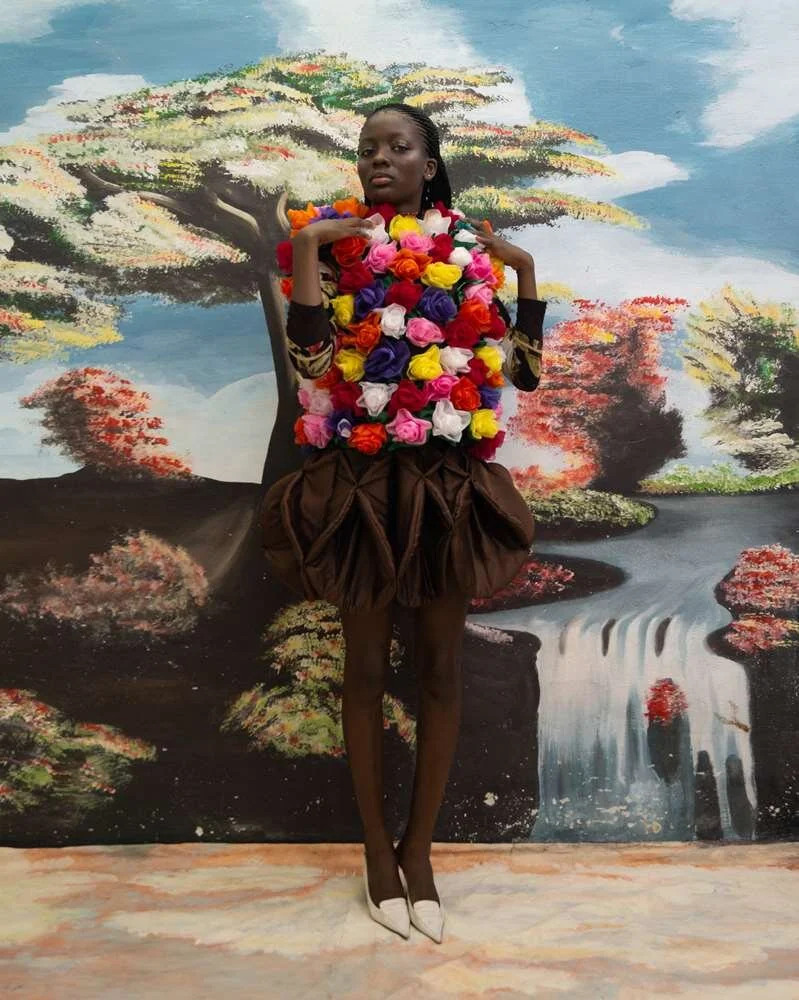
In January 2025, Vlisco, the Dutch fabric company that has been producing wax print textiles for West African markets since 1846, launched a campaign called Blossoming Beauty. The campaign was photographed entirely in Lomé by a Togolese creative duo. It ran on billboards across West Africa. It was, as Malaika Nabillah described it, “a moment of immense pride and recognition that truly speaks to the flourishing of our local talent.” The creative duo behind it was Togo Yeye. The campaign was their largest production to date. It came five years after they started.
Five years before that Vlisco campaign, Delali Ayivi was a photography student at London College of Fashion, part of the University of the Arts London, who had noticed that Togo was absent from the African fashion conversation. Not underrepresented. Not marginalised. Absent. The Togolese creative community was producing work, but the frameworks that decided which African creative communities were worth covering had not yet turned to face Lomé. Togo Yeye was the thing she and her friend Malaika Nabillah built to change that.
Togo Yeye is the Lomé-based creative platform by Delali Ayivi and Malaika Nabillah putting Togolese fashion, photography and identity on the global stage.
The Omiren Argument:
Togo Yeye did not set out to build a platform. It set out to solve an absence. The absence was not a content gap. It was a representation gap: the systematic exclusion of Togolese creative practice from every conversation about African fashion. What Togo Yeye built to fill that gap became, in five years, a Nataal feature, a Dazed 100 listing, a CNN profile, a Vlisco campaign seen on billboards across West Africa, and a solo exhibition at the Palais de Lomé. The platform was a consequence of the argument. The argument was always the point.
Where Togo Yeye Came From: A Grad Project and a Shared Frustration
Togo Yeye was founded in 2019 when Ayivi created it as a graduate project at the London College of Fashion. The name, in Ewe, means New Togo. Ewe is one of Togo’s most widely spoken languages, and its choice over French, Togo’s official language, is itself an argument: this is a project built from within Togolese cultural identity, not from the language of colonial administration. Ayivi and Nabillah described the project’s founding principle in a statement confirmed by Nataal: “Togo Yeye translates to a new Togo in Ewe and is dedicated to tomorrow’s generation of artists and thinkers, today. Its main objective is to document and celebrate those who push creative boundaries, especially in Lomé’s fashion industry.”
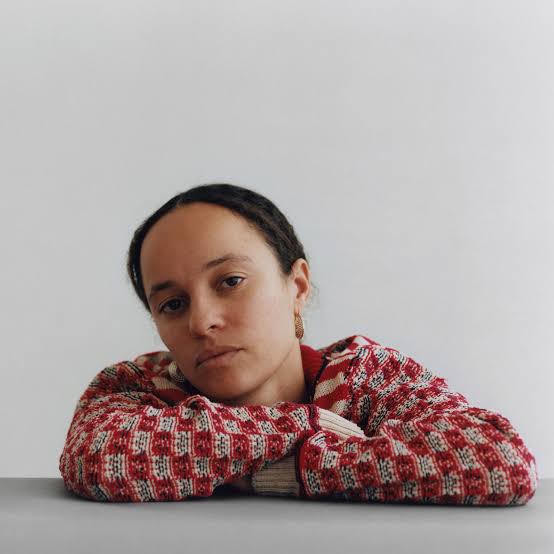
Ayivi was born in the United States and grew up in Germany before moving to Malawi at age fifteen and then to London for university. She is the great-great-granddaughter of Alex A. Acolatse, one of the first Togolese photographers, who documented life in Togo across nearly five decades of colonial occupation. That inheritance is not incidental to Togo Yeye’s identity. The project was built on the same instinct that produced Acolatse’s work: that Togolese life, and specifically the visual intelligence of Togolese creatives, was worth documenting with precision and pride. As Ayivi explained in the It’s Nice That profile from 2020: “His photographs are empowering in a way that humanised his people.”
Malaika Nabillah was born and grew up in Lomé. She was in medical school when she met Ayivi, and the collaboration with Togo Yeye gave her, in her own description, the wings to see a career in the creative industry as a real option. She has since founded Capzules, a sustainable textile company producing handcrafted materials, and Spicy TG, its ready-to-wear extension. The two founders are not a photographer and a subject. They are a creative duo who together bring the diaspora and Lomé-based perspectives into the same frame, which is precisely the gap Togo Yeye was built to fill.
The Work: What Togo Yeye Actually Produces
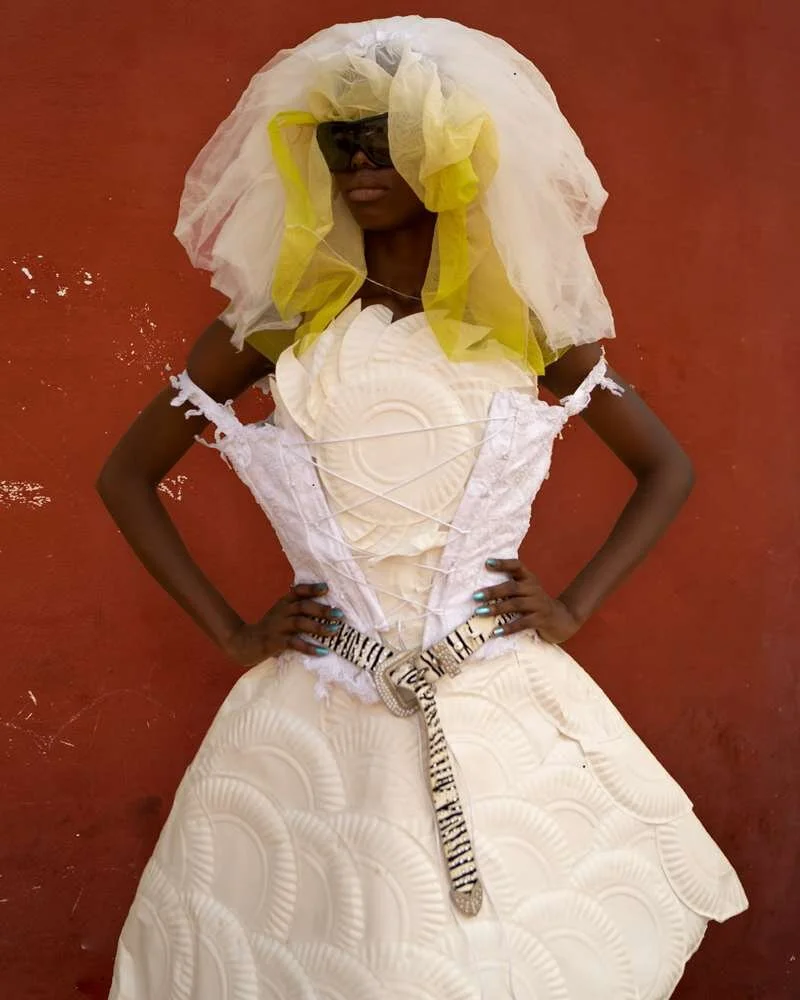
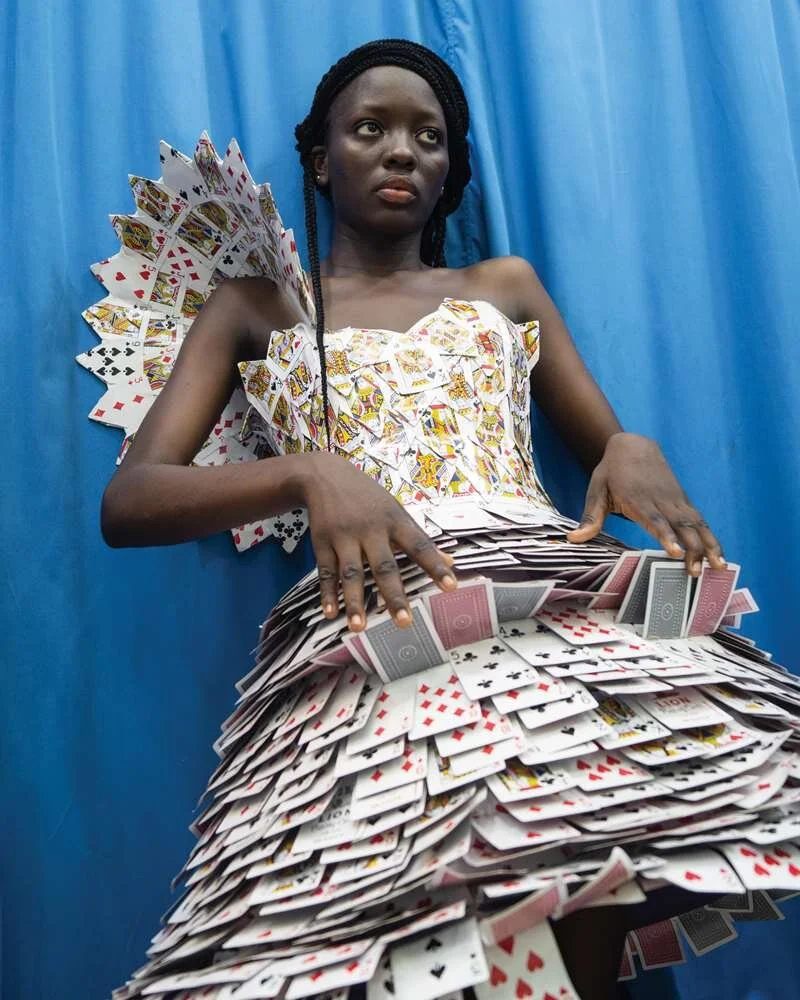
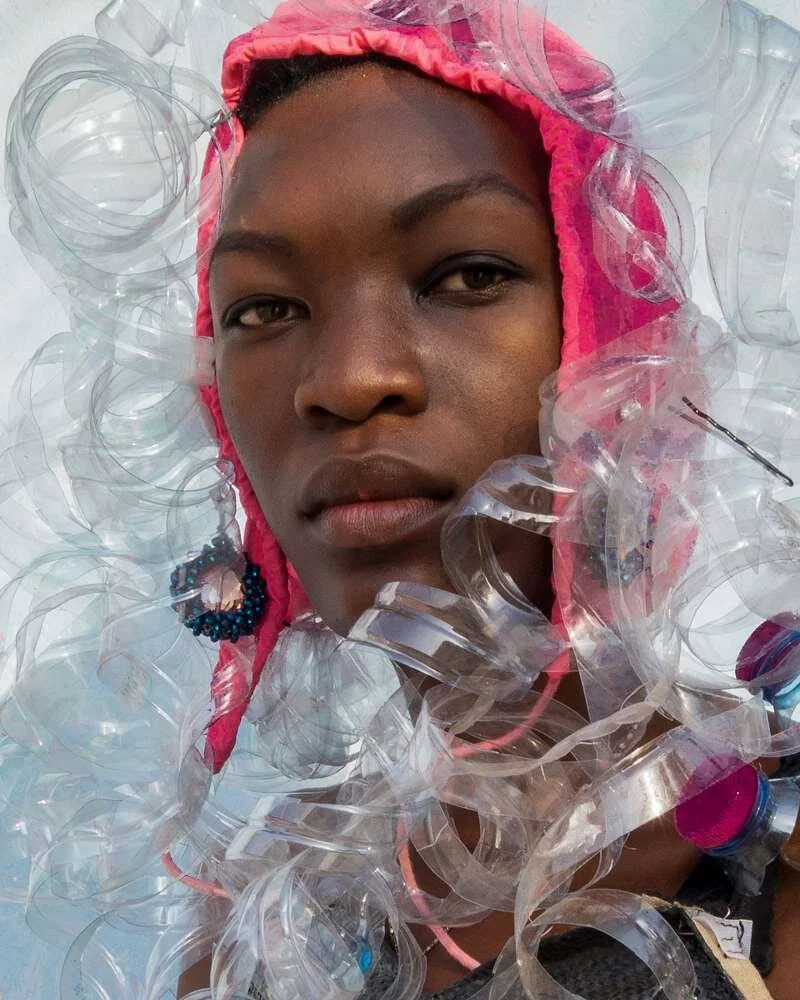
Togo Yeye’s first major project was the conceptual publication from which it takes its name: a book centred on Lomé’s fashion design students, street-style practitioners, stylists, writers, make-up artists, models, and artists. The Nataal documentation of this first project describes the duo spending several weeks in Lomé, collaborating with creatives from fashion academies, including Eamod Ayanick and FAALT, and exploring influences ranging from upcycling and American streetwear to Togo’s historical dress practices. The result was what Nataal called “an entirely original, brave and imaginative aesthetic manifesto.”
That first project established the methodology Togo Yeye has applied consistently since then: collaboration with people who are already doing the work in Lomé, documenting that work to the level of quality it deserves, and disseminating it through channels that extend its reach beyond the local context. The work operates simultaneously as community documentation, fine art photography, and cultural advocacy. None of these three functions is subordinate to the others.
The fashion designers featured in the first Togo Yeye project included Meli Bodombossou, whose subsequent career in accessories design has earned international recognition, including the Oscar de la Créativité Africaine, and Agnes K’do, among others. This is worth noting because it establishes Togo Yeye’s role in the ecosystem: it is not only a platform that documents Togolese creative practice. It is a platform that documents the practice of designers who subsequently became internationally recognised figures. The Nataal feature from the first project is now part of the documented origin story of several Togolese designers’ public profiles.
The Recognition: How International Institutions Found Togo Yeye
The trajectory of Togo Yeye’s international recognition is unusually compressed. The PhotoVogue Festival, which presents work by photographers from Vogue’s global network, featured Togo Yeye’s 2021 work. The pH Museum awarded them the New Generation Prize in 2022, a prize given to photographers under 35 who are making a significant contribution to the medium. The Dazed 100, which Dazed describes as a list of people shaping culture, named Ayivi. The British Fashion Council recognised Ayivi as one of its 2023 New Wave Creatives. CNN Style published a profile of Ayivi and her work in October 2023, noting her broader practice, including her photograph of Aminata Touré, Germany’s first Black minister, on the cover of Vogue Germany in 2022.
In February 2022, Togo Yeye opened a solo exhibition at the Palais de Lomé, the former governor’s palace. The exhibition, Racines de l’Imaginaire (Roots of the Imagination), was commissioned by the Palais and focused on the relationship between hairstyle and identity. It placed Togo Yeye’s work inside one of Togo’s most historically significant buildings, in front of the Lomé public that the project was built to serve. This is the institutional logic that distinguishes Togo Yeye from a diaspora project that happens to document Togo from the outside: it operates from both directions simultaneously, inside and outside, and it builds the kind of institutional credibility in both directions that neither direction alone could provide.
Ayivi has been direct about the tension in this position. In a January 2025 interview with OkayAfrica, she noted that because industrial support and dedicated platforms in Togo are limited, Togo Yeye’s work has often been exhibited outside the country or the continent, even when it is about Togo and for Togolese audiences. The Vlisco campaign changed that in a specific and visible way: Blossoming Beauty ran on billboards in Lomé itself, placing Togo Yeye’s imagery of Togolese people in the streets where those people live.
ALSO READ
- Meli Bodombossou: Togo’s Award-Winning Accessories Queen
- Fall Touré and the Origins of Lomé Fashion Week
- The Nana Benz of Lomé: How Togolese Women Traders Built West Africa’s Wax Print Empire
The Vlisco Campaign: What Blossoming Beauty Represents
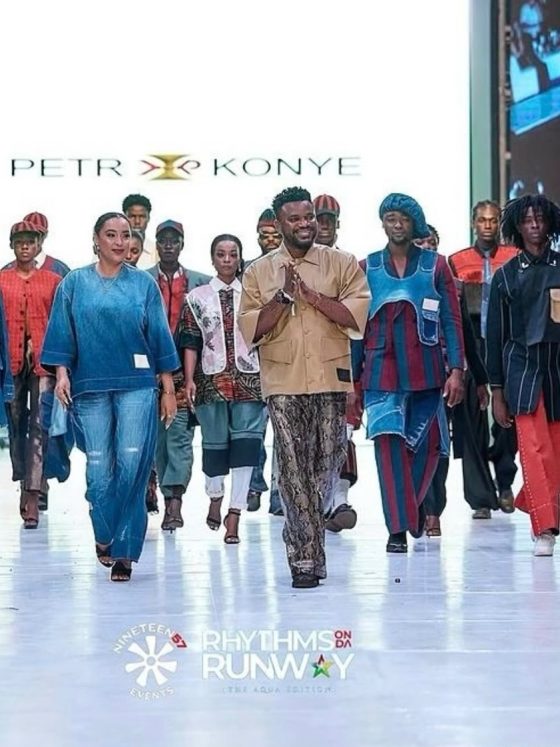
The Vlisco collaboration is the most commercially significant thing Togo Yeye has produced, and it is worth understanding what it represents within the platform’s history. Vlisco has worked with West African creative communities since the 19th century. Its relationship with Togo specifically runs through the entire history of the Nana Benz, the women traders who built their empire distributing Vlisco’s fabric across the region. For Togo Yeye to be selected as the creative team for Vlisco’s Blossoming Beauty campaign, launched on January 14, 2025, is a closing of a historical loop: the fabric company that helped make Togo a regional fashion capital is now hiring Togolese creatives to define its visual language.
The campaign was shot entirely in Lomé, using Togo’s streets, beaches, and natural landscape as its backdrop. Nabillah’s direct quote about seeing the work on Vlisco’s billboards across West Africa as a moment of recognition for local Togolese talent is not a promotional statement. It is a description of something that had not previously happened: Togolese visual artists producing the imagery that a major international textile brand would use to represent itself to the entire West African market.
For the Togolese creative community that Togo Yeye was built to serve, the campaign’s significance is both practical and symbolic. It demonstrates that the infrastructure for high-quality commercial creative production exists in Lomé, that Togolese creative directors and photographers can deliver work at international campaign standard, and that international brands are willing to invest in that capacity. These are arguments that the creative community has been making to each other and to potential partners for years. The Vlisco campaign made them visible to a much wider audience.
What Togo Yeye Means for Togolese Fashion
The fashion documentary function of Togo Yeye is its most directly relevant contribution to the ecosystem this series is building a record of. When Togo Yeye featured Meli Bodombossou’s early accessory work in its first publication, it placed her within a framework that treated her practice as worthy of documentation at that standard. When it worked with students from FAALT, Fall Touré’s Fashion Art Academy of Lomé, Togo, it connected the institutional design education infrastructure to the platform that was building Lomé’s external creative credibility. When it photographed the street style and styling culture of Lomé, it produced the visual record that previously did not exist.
Nabillah’s description of Togo Yeye’s ambition from the NDAANE interview is the most precise articulation of this function: “We also hope that through collaboration we can strengthen our community and bridge the gap between the Togolese diaspora and people at home. For that reason, our work often addresses the cultural dynamics between the many facets of Togolese identity.” The fashion series this article is part of is one consequence of what Togo Yeye built: a demand from the broader world to understand what Togolese fashion is, who is making it, and why it matters. Togo Yeye made that demand legible by making the Togolese creative identity visible at the level of quality that international platforms could recognise and publish.
There is a version of this story that is only about two talented individuals who built something extraordinary. That version is accurate but insufficient. The more precise version is that two people identified a structural gap in how the world understood African fashion, built a platform with their own resources and skills to address it. The platform’s success is evidence that the gap was real and that filling it created value that institutions and brands were willing to pay for. The grad project became the billboard campaign because its argument was correct from the beginning.
“Togo Yeye did not set out to build a platform. It set out to solve an absence. The platform was a consequence of the argument. The argument was always the point.”
Frequently Asked Questions
What is Togo Yeye?
Togo Yeye is a creative platform and conceptual publication co-founded in 2019 by photographer Delali Ayivi and creative director Malaika Nabillah. The name means New Togo in Ewe, one of Togo’s most widely spoken languages. Based in Lomé, the platform documents and celebrates Togolese creative practice, with a particular focus on fashion, photography, and identity. It was created to address the near-total absence of Togolese creative work from international conversations about African fashion. Since 2019, Togo Yeye’s work has been featured by Nataal, recognised with the pH Museum New Generation Prize, exhibited at the Palais de Lomé, and used to produce Vlisco’s Blossoming Beauty campaign in January 2025.
Who founded Togo Yeye?
Delali Ayivi and Malaika Nabillah co-founded Togo Yeye. Ayivi is a Togolese-German photographer born in the United States and raised in Germany, Malawi, and London, where she studied at London College of Fashion, part of University of the Arts London. She is the great-great-granddaughter of Alex A. Acolatse, one of the first Togolese photographers. Nabillah was born and grew up in Lomé. She left medical school to pursue creative work and has also founded Capzules, a sustainable textile company, and Spicy TG, its ready-to-wear extension. The two met at a restaurant in Togo and founded the platform from a shared desire to build something for their country.
What does Togo Yeye mean?
Togo Yeye means New Togo in Ewe, one of the most widely spoken local languages in Togo. The name was chosen deliberately over French, Togo’s official language, as a statement that the platform is built from within Togolese cultural identity rather than from the language of colonial administration. The platform’s stated dedication, confirmed in its founding statement, is to tomorrow’s generation of artists and thinkers.
What is the Togo Yeye and Vlisco collaboration?
Vlisco’s Blossoming Beauty campaign, launched on January 14, 2025, was photographed entirely in Lomé by Togo Yeye. The campaign ran on Vlisco’s billboards across West Africa and was described by Togo Yeye as its largest production to date. It was significant as the first time Togo Yeye’s imagery of Togolese people was displayed on the streets of Lomé itself, at billboard scale. For the broader Togolese creative community, the campaign demonstrated that Lomé has the infrastructure to produce work to international commercial standards.
What awards and recognition has Togo Yeye received?
Togo Yeye’s work has been featured at the PhotoVogue Festival since 2021. In 2022, the platform won the pH Museum New Generation Prize. The same year, Togo Yeye opened a commissioned solo exhibition at the Palais de Lomé, Togo’s former governor’s palace, titled Racines de l’Imaginaire (Roots of the Imagination). Co-founder Delali Ayivi was named to the Dazed 100 and recognised by the British Fashion Council as one of its 2023 New Wave Creatives. CNN Style published a profile of Ayivi in October 2023.
How does Togo Yeye connect to Togolese fashion designers?
Togo Yeye’s first publication featured work with designers who have since become internationally recognised figures, such as accessories designer Meli Bodombossou. The platform has worked consistently with students from Lomé’s fashion academies, including FAALT (Fashion Art Academy of Lomé, Togo), co-founded by Fall Touré. By documenting the work of emerging Togolese designers at a high standard, Togo Yeye has served as the first English-language visual record for practitioners whose work had no comparable platform before 2019.
Explore more in our Industry section, where Africa’s creative platforms are documented as fashion infrastructure rather than cultural footnotes.