Across the African continent, hair styling is one of the most diverse and striking expressions of visual culture. From intricate threading to expansive sculptural forms, African communities have long used hair as a canvas for storytelling and personal adornment. Among these grand traditions, few are as architecturally precise or socially meaningful as the traditional braids of the Amhara people from the Ethiopian highlands, universally known as Shuruba.
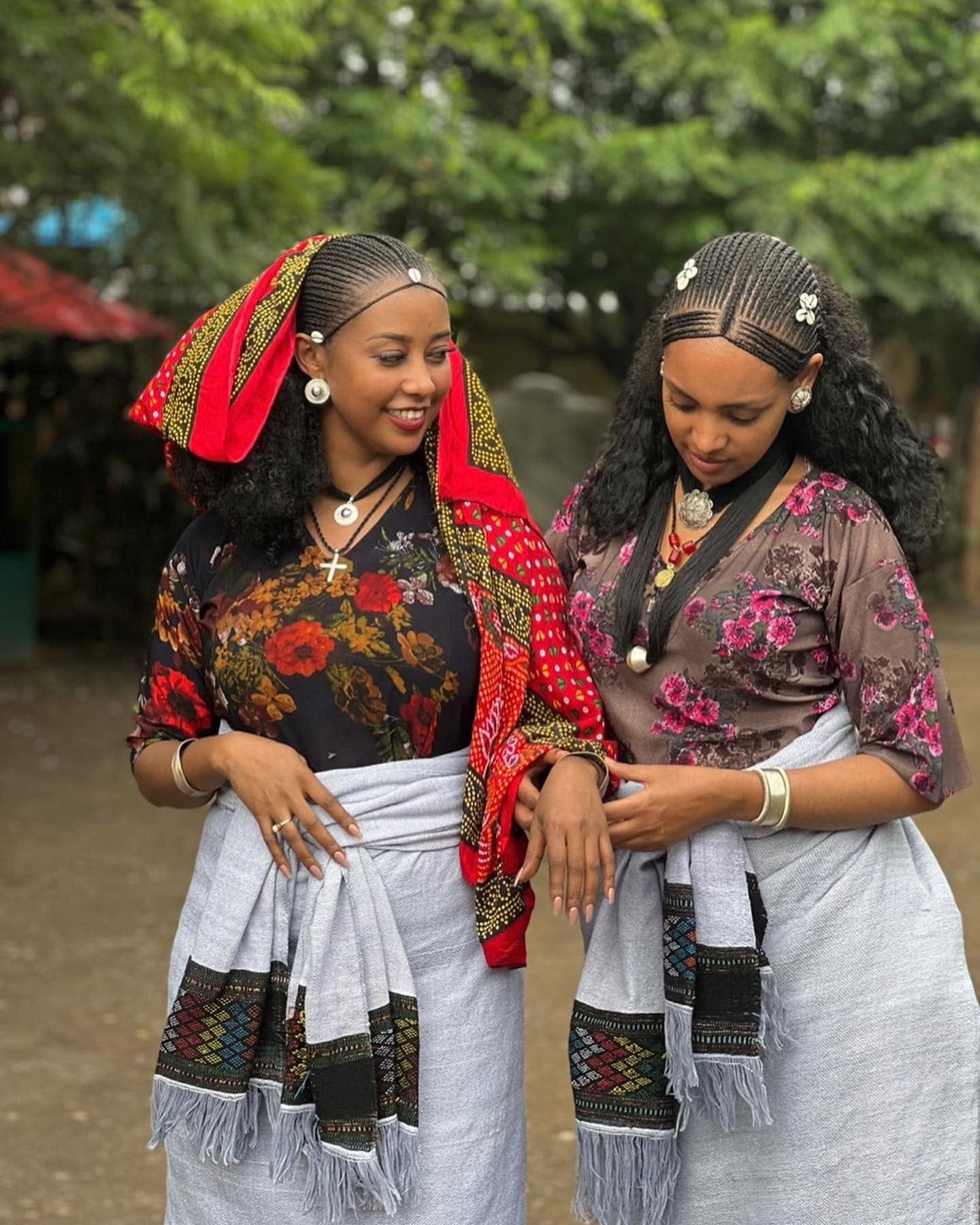
In the Amhara tradition, a shuruba layout is instantly recognisable. It features intricate cornrows braided tightly across the front and crown of the head, which then release beautifully into an unbraided, voluminous let-down or natural afro puff at the back. Far from being a mere aesthetic choice, this structural contrast serves as an elegant social code. By simply looking at how a girl or woman wears her shuruba, her entire community immediately reads her stage of life, knowing at a glance whether she is a young child, a woman ready for marriage, a newlywed, or a respected mother. Some prominent braids are discussed below.
Discover how traditional Amhara Shuruba braids and jewellery from the Ethiopian highlands signal childhood, marriage and motherhood in Amhara communities.
The Visual Language of Childhood
For young, unmarried girls, the defining feature of their shuruba is a shaved central path. Keeping a bare scalp down the middle of the head is an unambiguous community signal that a girl is still a child and not yet ready for marriage.
Dengel/Afesaso (አፈሳሶ): The word ‘Dengel’ translates to ‘pure’ or ‘virgin’. For this style, the hair is smoothly and tightly swept upwards from the sides toward the top of the head. Because the centre is kept short or shaved, it gives a clean, youthful look that signals to the community that she is still too young for betrothal.
Gamena Kuncho (ጋሜና ቁንጮ): This is the quintessential look for young children. The hair on the sides is braided down into tight, neat rows (Gamme), but the entire middle strip of the head is kept completely shaved bald, leaving just a small tuft of hair at the very top or back (Kuncho).
Signalling Readiness for Marriage
When a young woman grows up and is ready to start a family, she stops shaving the centre path. The middle hair is allowed to grow full and is completely braided.
Asa Seret (አሳ ስሬት): Meaning “Fish Spine”, this style gets its name because the braider creates a thick, raised, layered braid (dirib) right down the exact middle of the head that mimics a fish skeleton, flanked by skinny parallel braids running down the sides. Because the centre is full and richly braided, it announces to everyone that she is mature and ready to marry.
And Gra (አንድ ግራ): This literally translates to “One Left.” This elegant, asymmetrical look signals that a girl is ready to marry or has recently married.
Game (ጋሜ): While the childhood version features a shaved path, the standalone designation of Game refers specifically to a young married girl. It keeps the cascading side braids of youth but integrates a fully grown-out, braided central crown to showcase her new status as a wife.
Matriarchal Honour and Motherhood
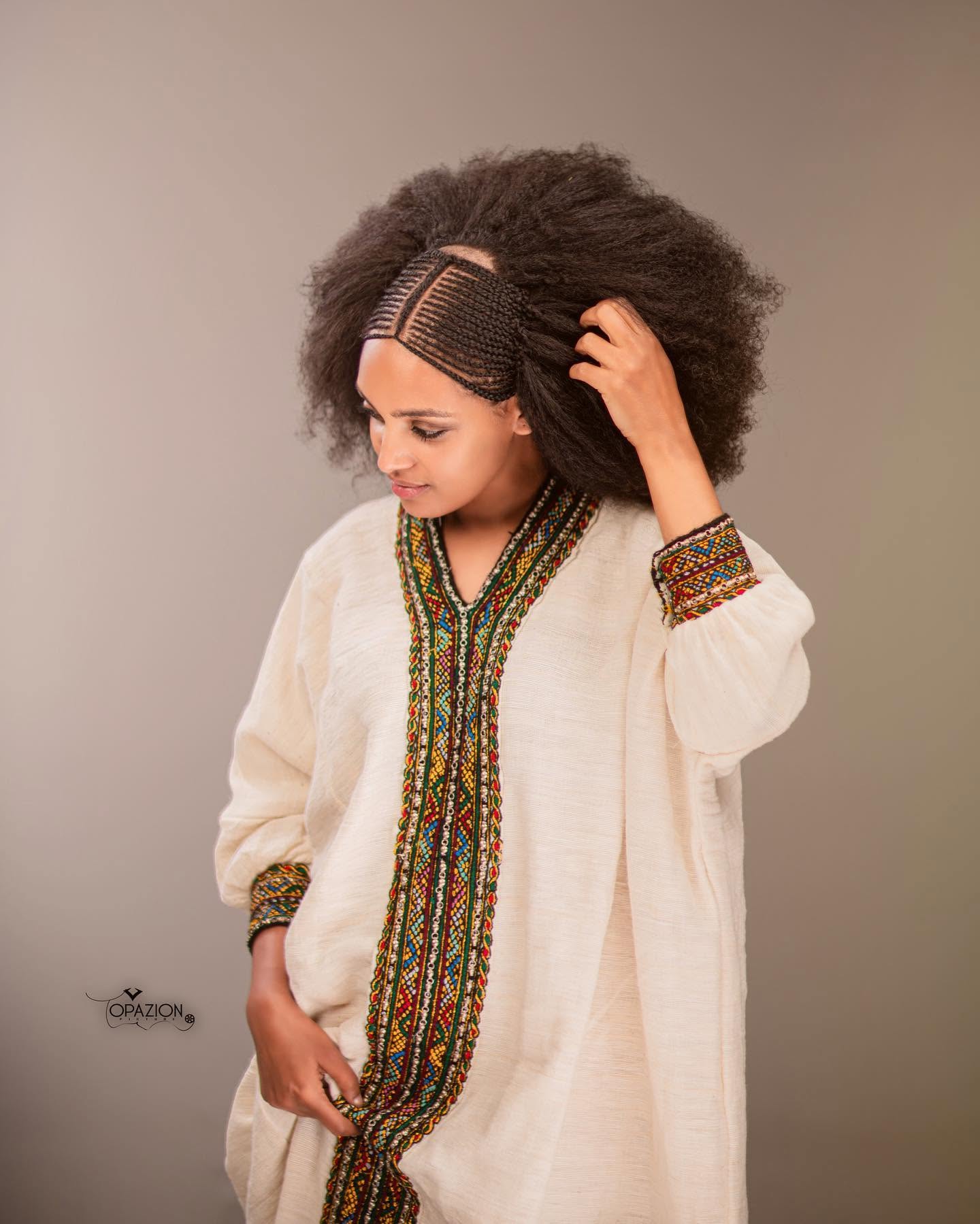
As women grow older and have children, their shuruba patterns become much more detailed, advanced, and geometric to match their respected status as mothers.
Gobez and Konjo (ጎበዝና ቆንጆ): Meaning “The Brave and the Beautiful,” this style is strictly for married ladies, usually those with children. Young girls never wear it. The braider weaves a highly complex pattern that alternates between thick braids (representing strength and bravery) and thin braids (representing beauty), showing she is a respected matriarch.
Sadula (ሳዱላ): This style is incredibly popular. The front of the head is braided into pristine, tight rows. Still, the braids stop beautifully at the back, letting the hair burst out into an exceptionally large, grand puff of unbraided natural afro volume—a proud, regal look for established wives and mothers.
Celebrated Variations and Fluid Designs
Lemech ena Tedula (ልምጭና ተዱላ): A style that beautifully mixes two meanings. It starts with very tight, smooth braids at the front (Lemech, meaning flexibility) and transitions into thick, heavy braids at the base (Tedula, meaning prosperity or bliss), symbolising a blessed life.
Zalewa (ዛሌዋ): A creative and rhythmic style where the braids do not follow straight lines. Instead, the cornrows curve sideways around the natural contours of the head, parted in the middle. Women often choose this fluid style for big celebrations and traditional festive dances.
The names and structural layouts of a shuruba naturally shift depending on the geography of the highlands across Amhara.
Adorning the Crown: Gold, Silver, and Shells
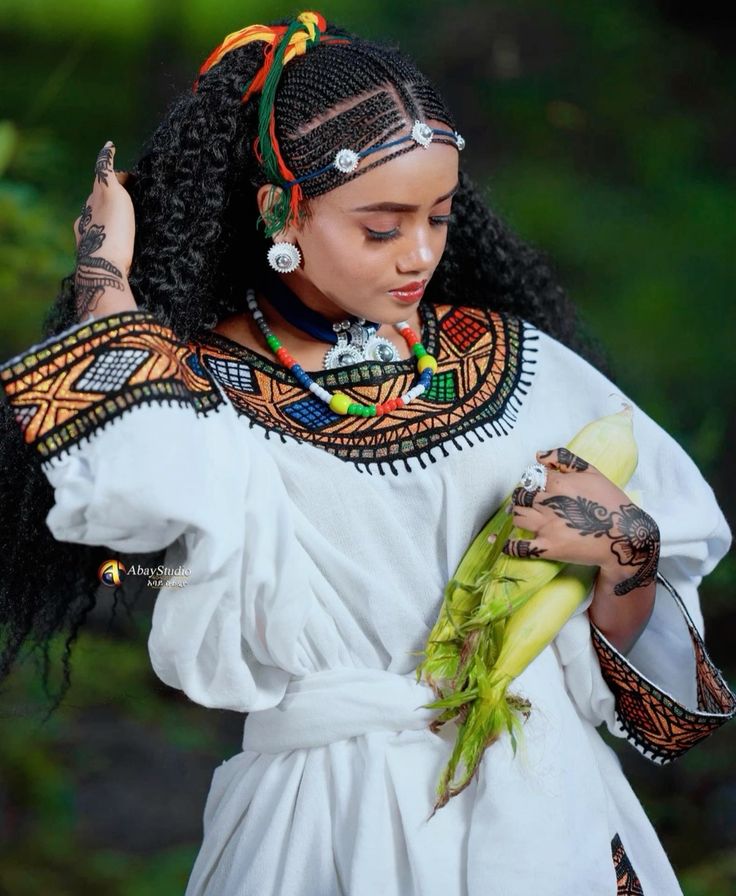
To dress up their shuruba for weddings and high-fashion community celebrations, Amhara women weave precious ornaments directly into their braided tracks, elevating the hair into a literal crown of jewellery:
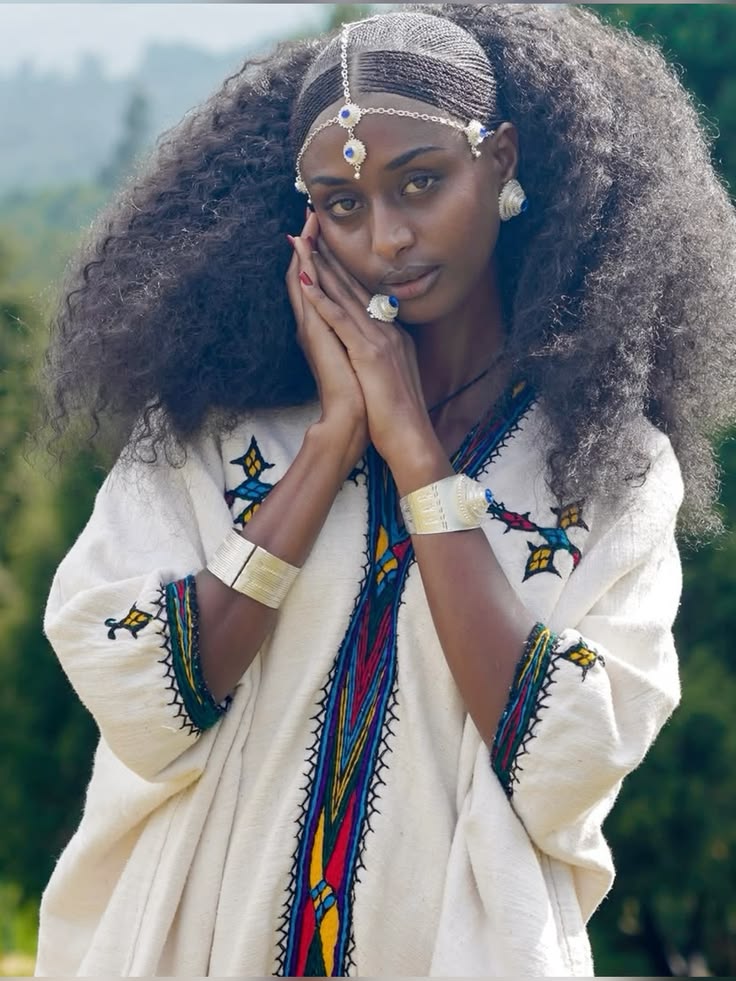
- Gold and Silver Forehead Chains (Albo): Fine metallic chains drape across the hairline, featuring small hanging chains or delicate pendants that rest on the forehead where the braids begin.
- Silver Hairpins: Handcrafted silver pins topped with decorative cross filigree or geometric shapes are pushed into the thick centre braids, like the raised spine of the Asa Seret, to anchor the style.
- Telsum Beads: Especially in Wollo, traditional silver Telsum beads (small, embossed triangular or oval pendants) are strung together and braided directly into the hair along the temples.
- Zagol (ዛጎል): Polished white cowrie shells are stitched directly into the rows or left hanging in small clusters from the ends of the braids, popping beautifully against dark hair.
- Sindid (ስንድድ): This highly traditional hair ornament is made of tiny, patterned grain beads that are carefully strung together, placed around the forehead, and tied at the back.
- Pure Organic Butter (Ghee): Before adding any jewellery, the hair and scalp are deeply conditioned with organic clarified butter. This softens coarse highland hair for tight braiding and gives the finished shuruba a mirror-like shine that makes the gold, silver, and cowrie shells stand out brilliantly.
Through these traditional styles, the Amhara shuruba remains one of the world’s most sophisticated hair traditions, a flawless marriage of sculptural beauty, organic haircare, and living cultural history.
The Omiren Argument
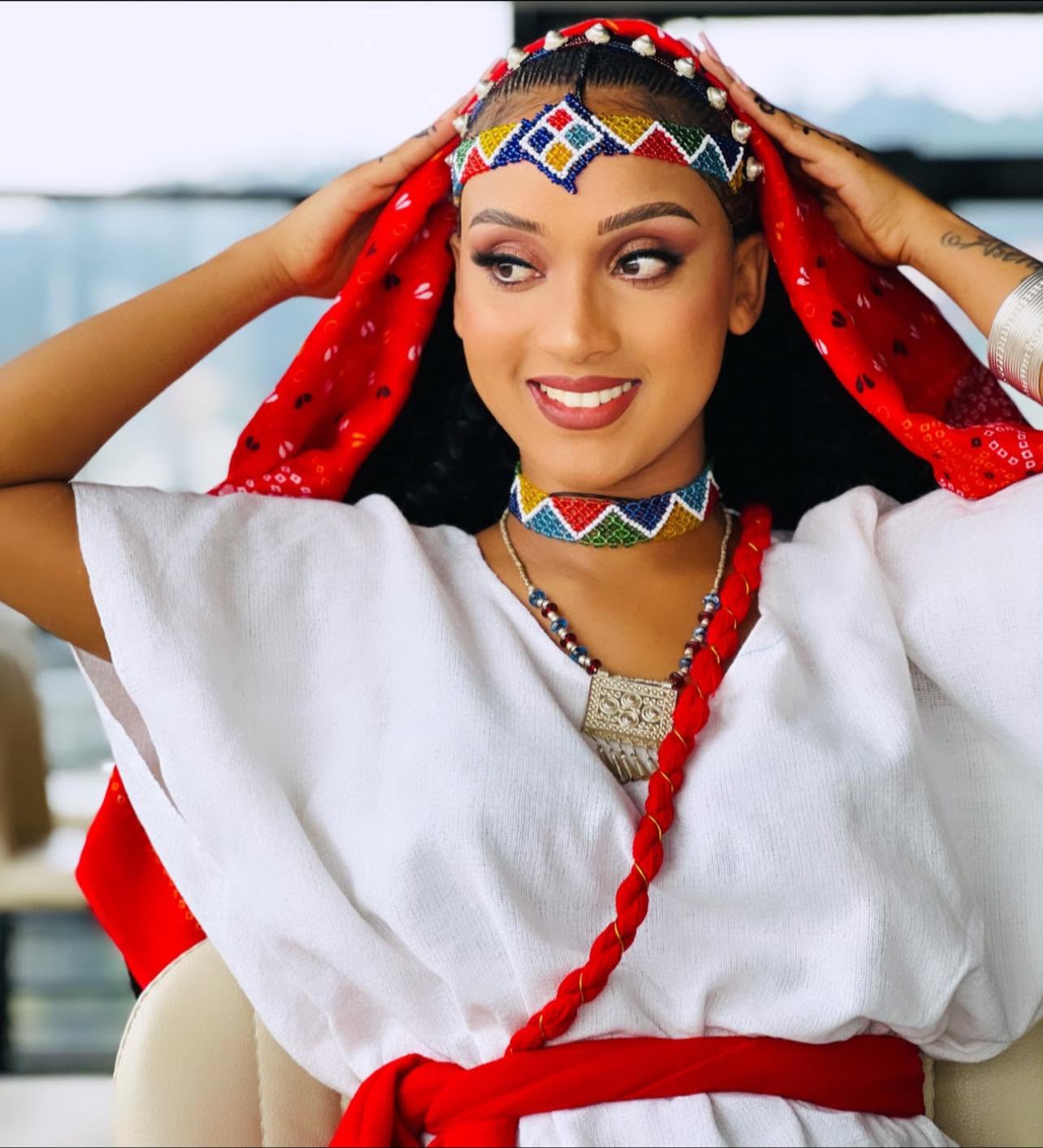
The central idea here is legibility. A shuruba is not a decoration added to a person; it is a record the community reads at a glance. A shaved central path marks a child, a fully braided centre marks readiness for marriage or a young married woman, and complex patterns that alternate thick and thin braids mark a respected mother.
That detail shows how much meaning sits in construction. The same tightly braided front and crown, and the same unbraided volume at the back, become different statements through the width of a parting, the thickness of a braid or the placement of an ornament. Gold, silver, cowrie shells and beads then add a second layer for weddings and celebrations, while butter conditioning prepares the hair for the work.
For Omiren, that makes the shuruba a form of design and documentation, not a costume. The write-up also notes that names and structural layouts shift with the highlands’ geography. That is a reason to record each style carefully and in the community’s own terms, and to treat no single list as final.
Also Read:
- Habesha Hairstyling Traditions and What They Signal in Ethiopian and Eritrean Communities
- How Cotton Farms Cultivate Gondar Amhara Fashion
- The Habesha Kemis, Reimagined: How Ethiopian Heritage is Transforming Global Fashion
- Cornrows Were a Map: The African Intelligence Behind Diaspora Braiding
Frequently Asked Questions
What is shuruba?
Shuruba is the name given to the traditional braids of the Amhara people of the Ethiopian highlands. Intricate cornrows are braided tightly across the front and crown of the head and release into an unbraided, voluminous back. Communities read the style as a social code that shows whether a girl or woman is a child, ready for marriage, newly married or a respected mother.
How does shuruba show a woman’s stage of life?
A shaved central path marks a young, unmarried girl, as in Dengel and Gamena Kuncho. When a young woman is ready to marry, the centre grows out and is fully braided, as in Asa Seret and And Gra. Married women with children wear more detailed, geometric patterns such as Gobez and Konjo, which young girls never wear.
What jewellery is worn with shuruba?
Amhara women weave gold and silver forehead chains (Albo), silver hairpins, Telsum beads, white cowrie shells (Zagol) and grain-bead ornaments (Sindid) into their braids for weddings and community celebrations. Telsum beads are especially associated with Wollo. The ornaments turn the finished hair into a crown of jewellery.
Why is butter used before braiding?
Before adding any jewellery, the hair and scalp are deeply conditioned with organic clarified butter (ghee). It softens coarse highland hair for tight braiding and gives the finished shuruba a mirror-like shine that makes the gold, silver and cowrie shells stand out. The names and layouts of the styles also shift across the Amhara highlands.