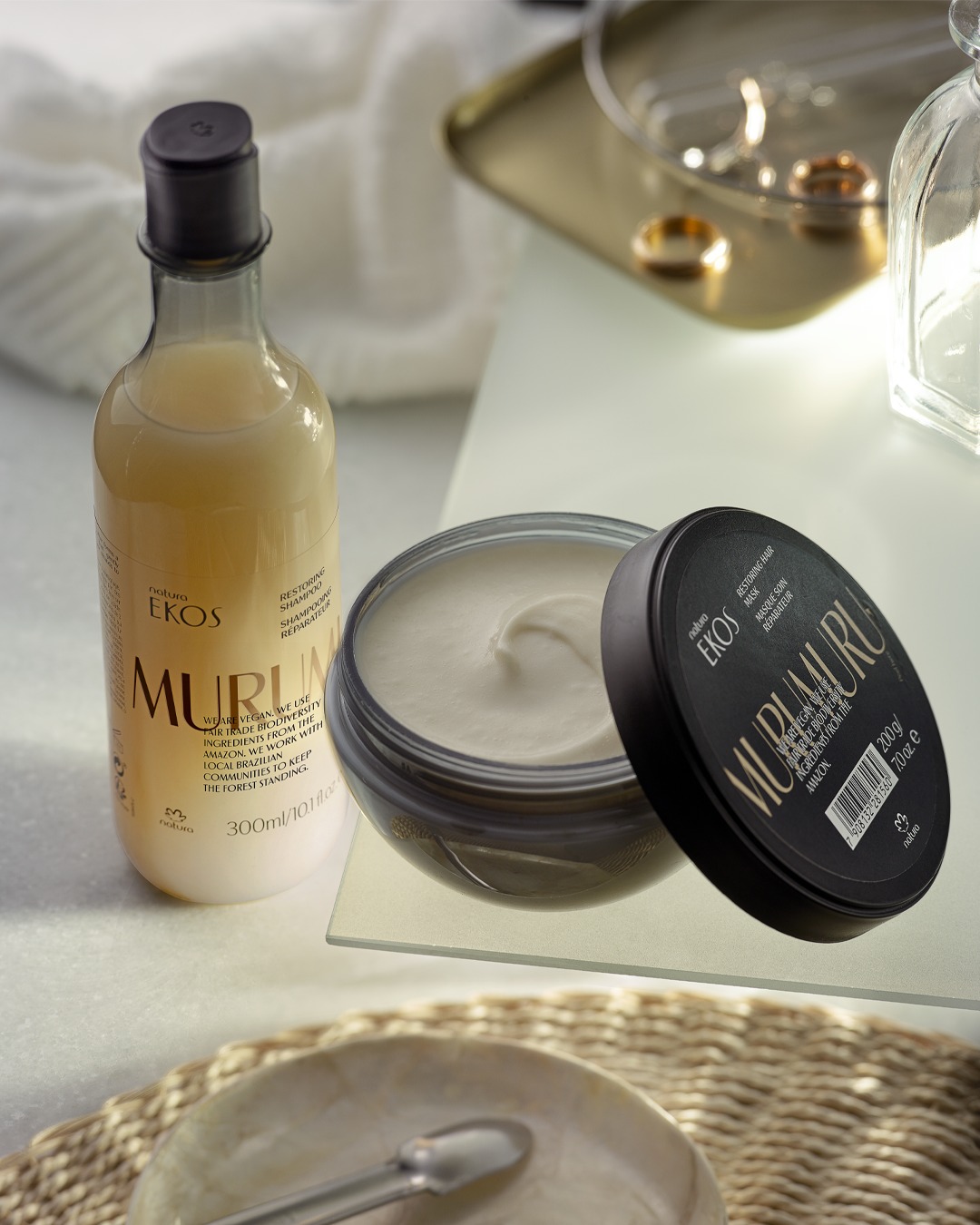
Murumuru gives Natura’s Ekos shampoo its name. Three cleansing ingredients near the beginning of the disclosed list explain another part of the product: this is a formulated wash, not simply a botanical butter presented as haircare. Sodium Cocoyl Isethionate, Decyl Glucoside and Cocamidopropyl Betaine sit alongside ingredients associated with conditioning, fragrance, product texture and stability. The featured butter belongs within that system.
Natura’s own description establishes the intended role. It introduces the Brazilian refill as providing “limpeza suave que prepara seus cabelos para o tratamento antidanos” (gentle cleansing that prepares hair for anti-damage treatment). Elsewhere on the page, it says the shampoo cleanses without drying, leaves hair nourished and healthy-looking, and prepares it for a wider haircare ritual. These are the brand’s claims; the distinction between the shampoo and the routine deserves attention.
Reading beyond the hero ingredient does not mean dismissing murumuru. It means asking three connected questions: what job does Natura assign to this product, how does the disclosed formula help explain that job, and which advertised outcomes require evidence beyond an ingredient list?
Read Natura’s Ekos Murumuru shampoo refill through its cleansing system, disclosed ingredients and reconstruction claims, not its botanical name alone.
Start With the Exact Product and Its Stated Role
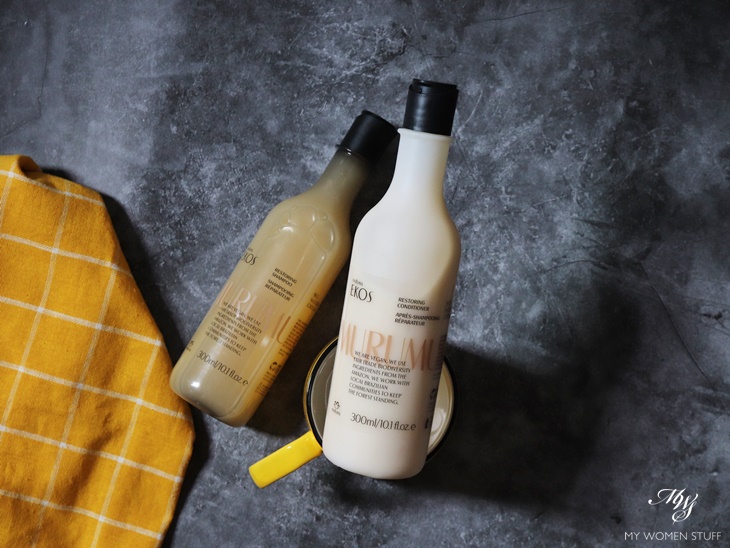
The product examined here is the Brazilian-market 300 ml shampoo refill, identified by code NATBRA-112760. The page labels it a shampoo for all hair types and places its treatment category under “reconstrução,” or reconstruction. It also identifies the packaging as a refill.
That specificity prevents several different products from being folded into one discussion. A shampoo, conditioner and treatment may share a botanical name while performing different roles. Likewise, a description of the complete routine should not automatically become a claim about the shampoo alone.
The introductory language is particularly useful because it presents cleansing as preparation. Natura is not describing an isolated tub of murumuru butter applied directly to hair. It is describing a wash intended to sit within an anti-damage sequence. The page also makes broader nourishment and healthy-appearance claims, so the role is not limited to removing dirt. Nevertheless, the cleansing step remains the clearest starting point for understanding the formula.
The product code and market also keep the analysis bounded. This article does not establish that a similarly named bottle sold elsewhere has the same composition. Readers comparing regional websites or older packaging should identify the actual formula supplied rather than rely on the range name alone.
The Cleansing System Does the Shampoo’s Primary Work
Natura lists Sodium Cocoyl Isethionate, Decyl Glucoside and Cocamidopropyl Betaine immediately after water. External ingredient references identify these substances as surfactants with cleansing functions. Their presence directly explains that the product is designed to operate as a shampoo.
Surfactants help loosen and remove oily material and dirt so they can be rinsed away. In Hair Cosmetics: An Overview, dermatologist Maria Fernanda Reis Gavazzoni Dias explains that cleansing depends on the types and amounts of surfactants used. The review also describes shampoos as systems containing cleansing agents, conditioning ingredients and components that support the product’s stability and use.
That is why identifying one surfactant doesn’t provide a complete performance score. The formula brings ingredients together, and their interaction matters. The public list does not disclose the proportions needed to reconstruct that system.
What the List Explains
The ingredient identities establish a plausible cleansing role. They do not independently verify the finished product’s promise to clean without drying or to avoid aggravating the scalp.
That is the central evidence boundary for the article. Ingredient references explain recognised cosmetic functions; finished-product claims require assessment of the complete formula under relevant conditions. Once that distinction is established, the rest of the list becomes easier to read without expecting every ingredient name to prove or disprove the marketing.
The technical components are not intrusions into an otherwise botanical product. They are part of the product Natura has disclosed.
Murumuru Within the Wider Formula
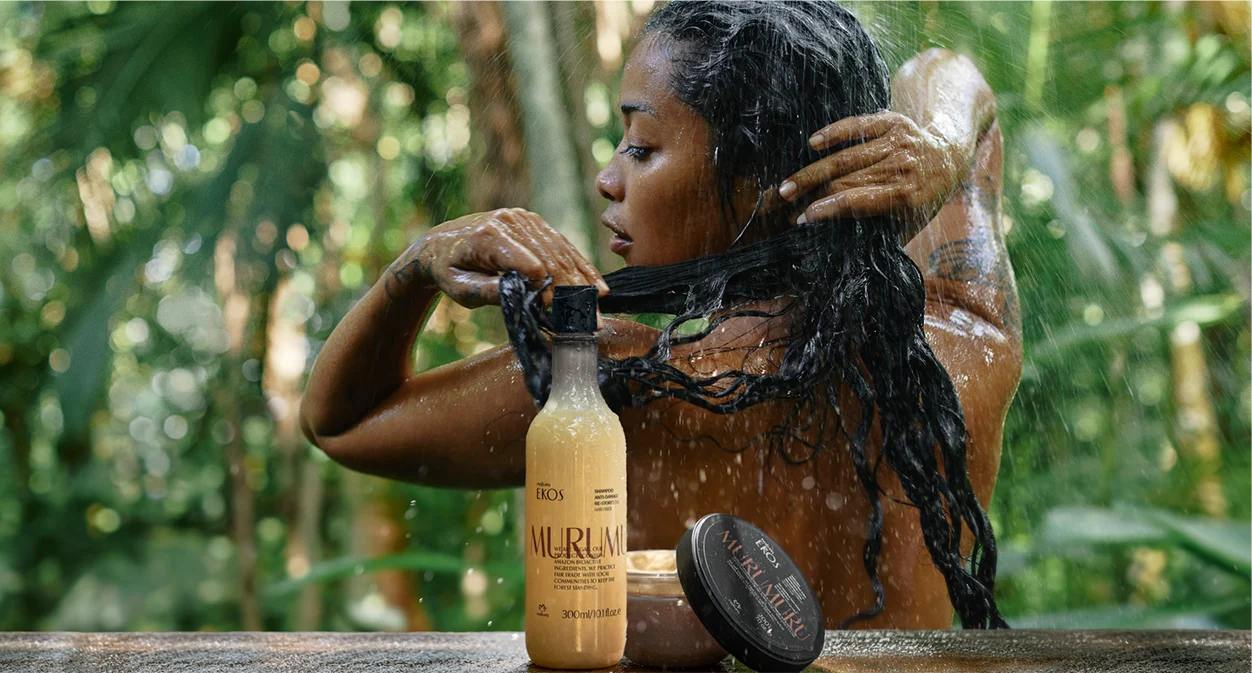
The list includes Astrocaryum Murumuru Seed Butter, confirming the presence of the featured botanical. COSMILE Europe identifies it as a vegetable fat prepared from the murumuru palm’s seeds and lists skin-conditioning and emollient functions. Those entries describe recognised cosmetic uses; they do not constitute evidence that this shampoo reconstructs hair fibre.
That scope matters. A skin-conditioning reference should not be quietly converted into a verified hair-repair mechanism. At the same time, its limited scope does not prove that murumuru has no useful role in haircare. The appropriate reading is narrower: the ingredient is present, while the public information does not quantify its contribution to this finished shampoo.
Natura does not publish a percentage for the butter on the page reviewed. Its position in the list should therefore not be turned into an invented concentration or a claim that the amount is necessarily effective or insignificant. The formula is disclosed as a list, not as a complete formulation specification.
Conditioning Is Not Attributed to the Butter Alone
Glycerin and Polyquaternium-10 provide further context. Glycerin is listed in the formula, and its external ingredient reference identifies humectant and hair-conditioning functions. Polyquaternium-10 is also present; its reference lists antistatic and film-forming functions.
These descriptions help explain why such ingredients appear in cosmetics. They do not establish how much each contributes here, but they show why every desirable after-wash effect should not automatically be assigned to murumuru.
Independent research supports this wider perspective. Dias’s review stresses the importance of interactions within shampoo and conditioner systems rather than treating a newly highlighted ingredient as a singular source of transformation. A later review of hair-care physicochemistry also discusses cationic polymers, including Polyquaternium-10, within conditioning formulations.
The more accurate account is consequently not “murumuru versus the rest.” It is murumuru within a formula whose other ingredients also have recognised jobs.
Read “Reconstruction” at the Level of the Actual Claim.
“Reconstruction” is the page’s treatment classification, while “anti-damage” appears in its introductory description and product highlights. Natura also says the shampoo leaves hair nourished and healthy-looking. These statements are related, but they do not all describe the same kind of outcome.
A healthy appearance is not the same as a measured change in fibre strength. Preparing hair for a treatment sequence is not the same as showing that the shampoo alone produces every result associated with that sequence. The wording must remain tied to its scope.
Hair-cosmetics research offers useful background without settling the product claim. Dias describes conditioning mechanisms that can reduce friction, improve combability and manage static charge. Such changes can affect how hair looks, feels, and behaves during grooming. That does not establish that Natura’s particular formulation achieves a specified result or that murumuru causes it.
The retrieved product page publishes its description and ingredient list, but not a detailed test method, comparator or dataset for each advertised outcome. This is a finding about public substantiation on the page reviewed, not evidence that Natura has conducted no testing.
A more complete performance assessment would need to know what was measured, whether the shampoo was tested alone or within a routine, and under which conditions. Without that information, “reconstruction” should remain an attributed category rather than a finding reproduced in the editorial voice.
Fragrance and Refill Format Are Separate Decisions
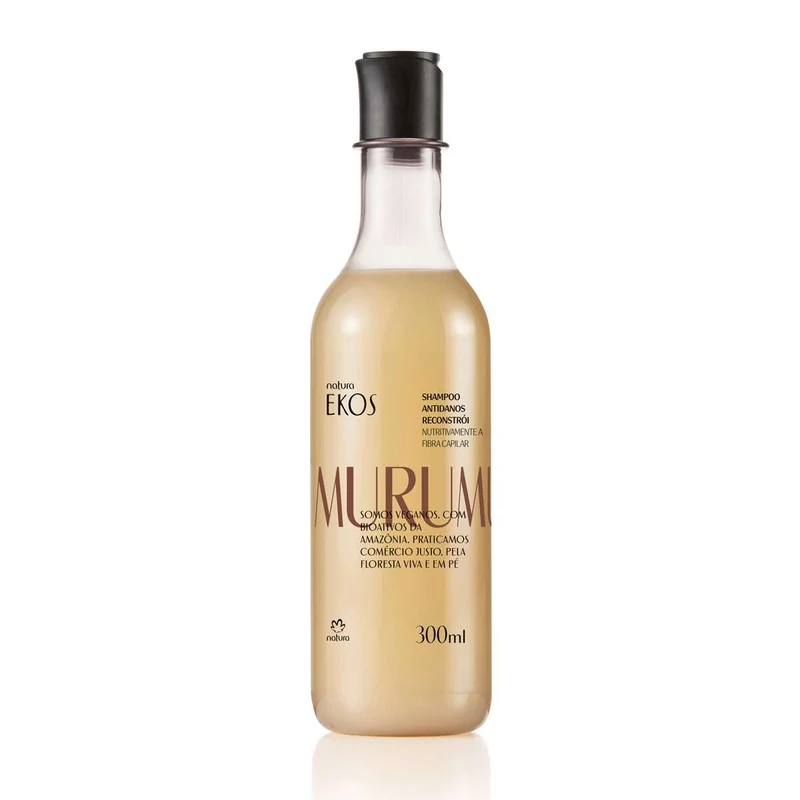
The disclosed formula includes Parfum and fragrance-related ingredients, as well as the colourants CI 19140 and CI 15510. It is therefore not presented as fragrance-free or colourant-free. For someone seeking those characteristics, the botanical name is not enough information; the complete disclosure is the relevant reference.
That observation does not require an additional safety verdict. It helps a reader distinguish the product being offered from a simpler impression its name might create. Known personal ingredient concerns belong in the purchasing decision, but the article does not predict an individual response.
The refill format is equally specific. Natura identifies the packaging as a refill; that establishes its format, not an independently assessed environmental advantage. This article does not compare packaging materials, transport, disposal or repeated use. Keeping those questions separate prevents a packaging description from becoming an unsupported environmental conclusion.
What the Page Allows a Reader to Decide
The public information is useful when read for the decisions it can support. It identifies the product, confirms the featured butter, discloses a cleansing system and shows that the formula contains conditioning-related components and fragrance. It also tells the reader that Natura positions the shampoo as a cleansing step within anti-damage care.
The page’s “all hair types” label is a broad brand designation. It is not an individual assessment or a guarantee that every user will prefer the result. Similarly, listing several recognised ingredient functions does not provide a wash-test experience in advance.
The practical starting point is the desired product role. Someone seeking a shampoo should assess its stated use and complete formula, not expect the botanical name to answer every question. Someone seeking a treatment should avoid transferring that expectation to this refill simply because “reconstruction” appears in the classification.
That is a more informed choice than either accepting the hero-ingredient story in full or rejecting the product because the list contains technical names.
The Omiren Argument
The useful organising principle is formulation.
The botanical explains the product’s identity. The full formula and the scope of its claims let the reader assess its intended role. In this case, the list reveals a shampoo built around cleansing agents, conditioning-related ingredients and the named butter, not a single botanical doing every job.
Reading it that way gives murumuru a precise place without asking it to carry the entire product. It also clarifies the evidence hierarchy: Natura states the benefits, ingredient references explain recognised functions, and independent research supplies broader formulation context.
The strongest beauty writing keeps those levels connected without collapsing them. A memorable ingredient can begin the conversation. It should not be allowed to end it.
Also Read:
- Ritual Before Routine: The African Hair Traditions Shaping Modern Beauty traces plant-based hair care back to African communities.
- Black Soap, Stripped: The Science Behind West Africa’s Most Ancient Cleansing Ritual reads a traditional cleanser as a formulated system.
- Shea Butter Reimagined: How African Beauty Brands Are Competing With European Luxury Houses looks at a botanical butter as a luxury ingredient.
- Vibrant Flux: Mapping the Sustainable Science of Global Beauty considers plant-based beauty and sustainability claims.
Frequently Asked Questions
Does the refill contain murumuru butter?
Yes. Natura’s Brazilian ingredient list includes Astrocaryum Murumuru Seed Butter, which confirms the presence of the featured botanical. The page reviewed does not disclose the percentage, so its position in the list should not be turned into an invented concentration or a claim that the amount is effective or insignificant.
What establishes its cleansing role?
The formula lists Sodium Cocoyl Isethionate, Decyl Glucoside and Cocamidopropyl Betaine immediately after water. External ingredient references identify them as surfactants with cleansing functions. Their presence explains the product category, but it does not independently verify every claim about the finished shampoo’s performance, such as cleansing without drying.
Does “reconstruction” mean the shampoo’s effects have been independently established here?
No. “Reconstruction” is Natura’s treatment classification, and “anti-damage” appears in its introductory description. The public page reviewed does not provide a detailed test method, comparator or dataset for each advertised outcome, so this article cannot verify them. That is a finding about public substantiation, not evidence that Natura has done no testing.
Is the formula fragrance-free?
No. The disclosed formula includes Parfum and fragrance-related ingredients, as well as the colourants CI 19140 and CI 15510, so it is not presented as fragrance-free or colourant-free. Known personal ingredient concerns belong in the purchasing decision, but this article does not predict an individual response to the product.