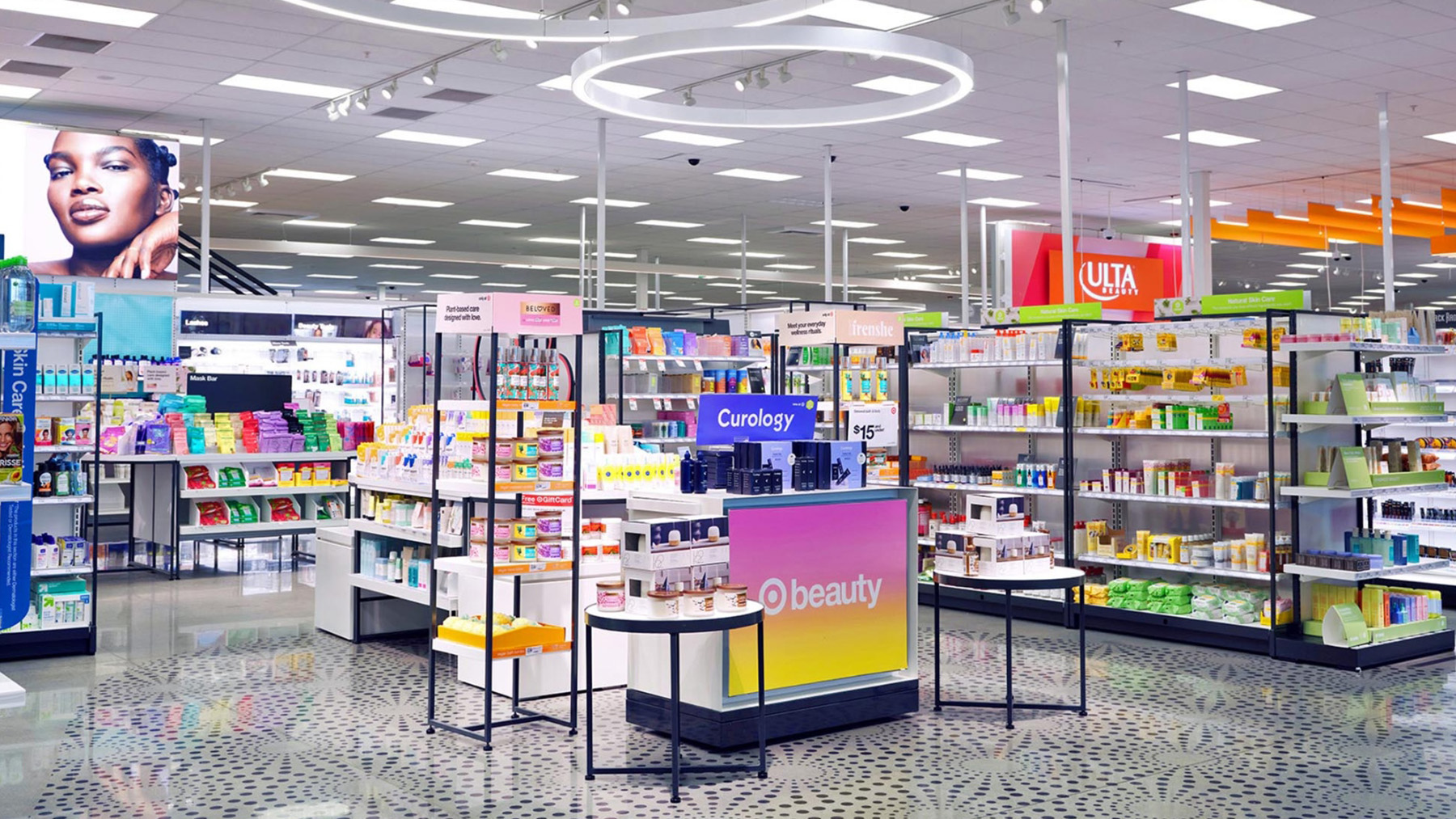
An independent beauty brand may have a safe, well-formulated product and still find that a buyer declines to list it. The reason is rarely the product itself. It is the documentation. Retail buyers, particularly in chains, pharmacy groups, and specialist beauty retailers, conduct compliance reviews before granting listing approvals. The outcome of that review depends on whether the brand can produce specific documents on request. A brand that can produce them is ready to list. A brand that cannot is asked to come back when it is.
The compliance gap between ‘product is legal to sell’ and ‘product is ready for retail buyer review’ is the central operational challenge for independent beauty brands seeking shelf space. It is especially pronounced for brands entering a new market – a Caribbean or Latin American brand approaching a US retailer, or a US brand approaching a UK pharmacy group – where the documentation requirements overlap but are not identical and where the brand may have built its file for one market without anticipating the specifics of another.
As analysis of retail buyer compliance documentation confirms, retailers are not evaluating only individual products when they conduct compliance reviews. They are evaluating the brand’s overall compliance maturity, because a brand that cannot produce documentation promptly on request represents ongoing risk for the retailer. Brands that establish compliance readiness before approaching retailers typically experience faster listing approval, earlier identification of packaging issues and stronger commercial credibility with buyers. The documentation is not a hurdle. It is the file that demonstrates the brand’s operating standard.
Regulatory compliance gets a beauty product to the shelf legally. Buyer compliance gets it onto the shelf at all. This reference tool maps both sets of requirements across seven filing areas so independent brands can prepare before the buyer conversation begins.
The Seven File Areas
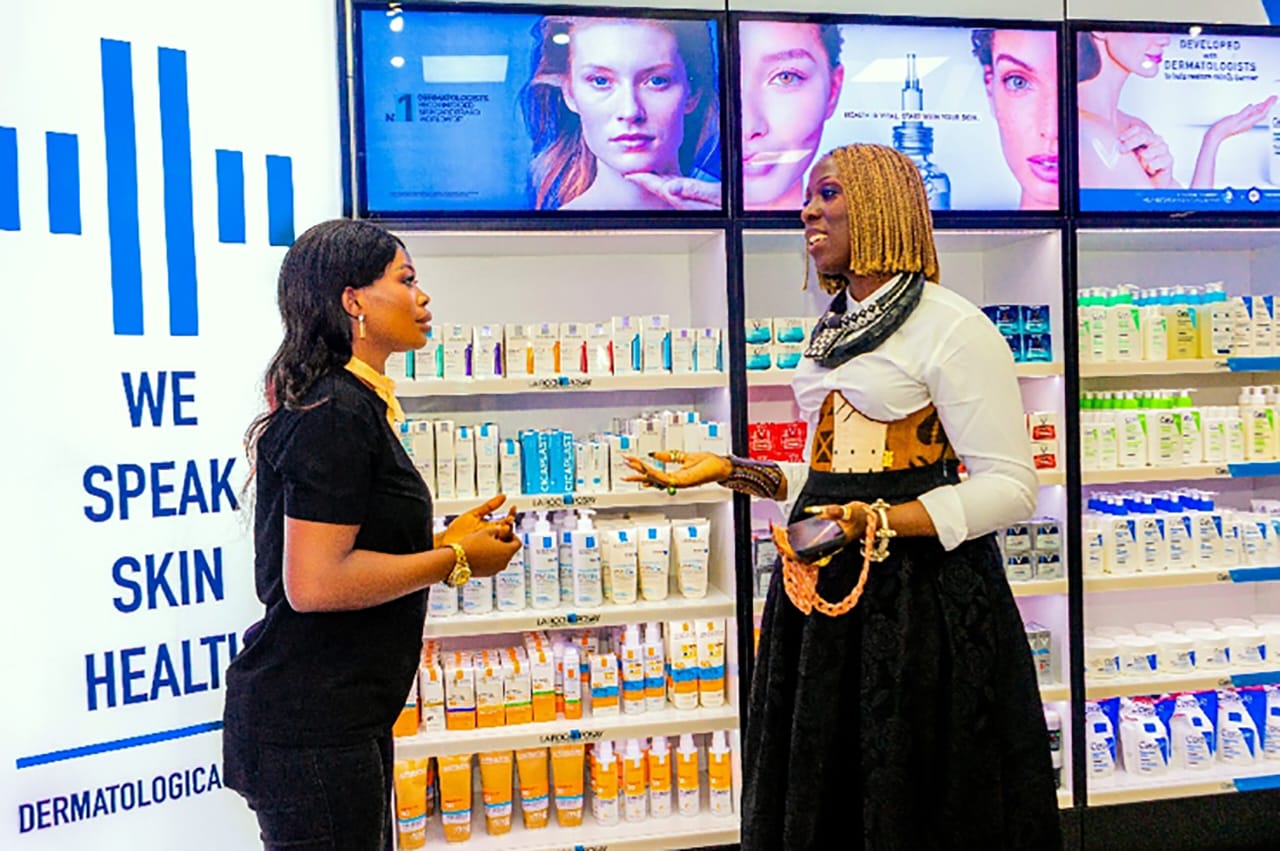
The following seven areas cover the documentation that regulatory frameworks require and that retail buyers typically expect to see before approving a listing. For each area, the legal minimum is stated first; the buyer expectation follows. The gap between them is where preparation is needed.
Note: ‘Buyer’ here refers to the product buyer at a retailer or distributor, not the consumer. Requirements vary by retailer and by market; treat this as a preparation guide, not an exhaustive compliance checklist.
- Product Safety
Law requires: US (MoCRA): Safety substantiation is required; brands must maintain adequate safety evidence and produce it during FDA inspections. No specific document format was mandated. The GMP final rule is not yet published as of September 2026. Small business exemption applies for brands with under $1M average gross annual US cosmetic sales over the prior three years. The EU Cosmetic Product Safety Report (CPSR), conducted by a qualified safety assessor, is mandatory before placing a product on the EU market. UK: Equivalent CPSR required under the UK framework. Both the EU and UK CPSR must be updated if the formulation changes.
Buyer requires: Most retail buyers request a CPSR or equivalent safety assessment document regardless of market, because it is the clearest available signal that a third-party safety professional has reviewed the product. A US brand without a CPSR may meet the MoCRA legal minimum but may still be asked for one by a buyer with a global supplier base where CPSR is the standard request.
- Product Information File (PIF)
Law requires: EU and UK: A Product Information File (PIF) is legally required for every cosmetic product placed on the EU/UK market and must be held at the address of the EU/UK Responsible Person for ten years after the last batch was placed on the market. The PIF contains the CPSR, the formulation, the manufacturing method, evidence of the claimed effects, and human safety data. US (MoCRA): No equivalent PIF requirement exists under current US law, though the safety substantiation obligation requires similar underlying documentation.
Buyer requires: Many retail buyers, including those operating in markets where the PIF is not legally required, request access to the PIF or an equivalent technical file because it consolidates, in one place, the documentation buyer compliance reviews typically need to assess: safety data, formulation evidence, claims substantiation, and manufacturing information. A brand without a PIF is a brand whose documentation is spread across multiple files, with no single point of access for the buyer’s review.
- Responsible Person and Facility Registration
Law requires: EU: A Responsible Person (RP) – a legal entity established in the EU – must be designated for every cosmetic product placed on the EU market. The RP is legally responsible for compliance. UK: A UK RP is required post-Brexit. US (MoCRA): Facility registration (Form FDA 5066, biennial renewal) is required for all facilities manufacturing or processing cosmetics for the US market, unless the small business exemption applies. Products must be listed with the FDA within 120 days of being placed on the market. The responsible person’s contact information must appear on the label (effective December 29, 2024).
Buyer requirements: Retail buyers routinely request the responsible person’s name and confirmation of facility registration as part of supplier onboarding. A brand that cannot name its EU or UK RP or has not registered its manufacturing facility with the FDA for US retail creates a compliance question the buyer cannot close without that information. For international brands entering a new market, confirming the RP and facility registration status is the first filing step before any buyer conversation.
- Labelling Compliance
Law requires: US: INCI ingredient list in descending order of predominance under 21 CFR Part 701; net weight; name and address of responsible person (effective December 2024); intended use and warnings where applicable. EU and UK: INCI ingredient list in descending order; product function; nominal content; best-before date or period-after-opening (PAO) symbol; precautions; batch number; country of origin (for imports); name of RP. The EU expanded the allergen list (26 to 80+ compounds), effective July 2026.
Buyer requirements: Buyers check labels before listing approval in most retail chains. Common issues include missing batch numbers, incorrect PAO symbols, INCI names that don’t match the technical file, allergen declarations not updated to the current list, and claims on the label that aren’t supported by the safety or clinical documentation in the file. For EU retail from July 2026: allergen declarations must be updated to reflect the expanded list of more than 80 compounds. A product whose label allergen declaration predates this expansion is out of compliance for the EU shelf as of that date.
- Claims Substantiation
Law requires: US: The FTC requires that objective claims in advertising be substantiated before they are made. MoCRA strengthens oversight of cosmetic claims. EU: Claims must comply with EU Cosmetic Claims Regulation (EC 655/2013), which requires that claims be truthful, evidenced, honest, fair and not misleading. UK: CMA green claims guidance and ASA advertising standards require substantiation. EU ECGT (enforceable from 27 September 2026): bans unsubstantiated generic claims including ‘natural’, ‘eco-friendly’ and ‘sustainable’.
Buyer requires: Retail buyers increasingly request claims substantiation files alongside the CPSR and PIF. This is especially true for functional claims (anti-ageing, brightening, hydrating, 24-hour moisture), environmental claims (natural, organic, sustainable) and origin claims (from [place], community-sourced, women-led cooperative). A claim that appeared on the product page without documentation behind it becomes a buyer review question. Brands that cannot produce claims substantiation for each marketing claim on the label or website may be asked to remove or narrow the claim before listing approval is granted.
- IFRA and Fragrance Documentation
Law requires: US: No IFRA compliance requirement in US federal law, though the FDA under MoCRA requires safety substantiation which would cover fragrance ingredients. EU: EU regulators reference the IFRA standard as scientific justification for safety assessments; an IFRA-compliant formulation is effectively required for fragrance products on the EU market. Fragrance allergen disclosure is mandatory under EU cosmetics regulation, with the expanded allergen list (26 to 80+ compounds) in effect from July 2026. UK: equivalent allergen disclosure requirements.
Buyer requires: Retail buyers stocking fragranced beauty products routinely request an IFRA compliance statement from the fragrance supplier, confirming that the fragrance is within the applicable maximum concentration limits for the product category. Post-October 2025, this statement should reference the 51st Amendment as the minimum applicable standard. For buyers sourcing for EU retail, the allergen declaration must reflect the expanded list from July 2026. Buyers also increasingly ask for fragrance ingredient transparency beyond the ‘Parfum’ line, particularly for retailers with clean beauty policies or ingredient restriction lists.
- Insurance and Product Liability
Law requires: No specific insurance requirement in EU, UK or US cosmetics regulations at the product level. Individual markets may require product liability insurance for importers or distributors under their own commercial frameworks.
Buyer requires: Most major retailers and distributors require a certificate of product liability insurance as a condition of supplier approval before the first purchase order is placed. The required coverage amount varies by retailer. This is a commercial requirement, not a regulatory one, but its absence will halt a listing approval in most major chain retail and pharmacy group contexts regardless of the quality of the rest of the brand’s documentation.
The Gap in Practice
The gap between the legal minimum and the buyer requirement is widest in two areas: safety documentation and claims substantiation.
On safety documentation: MoCRA’s US legal minimum requires safety substantiation to exist and be retrievable on inspection, but does not specify the format or the involvement of a third-party safety assessor. The EU/UK legal minimum requires a CPSR by a qualified assessor. Most retail buyers request the CPSR or equivalent regardless of market because it is the document that confirms a safety professional has reviewed the product. A US brand that has internal safety records but no third-party CPSR meets the legal minimum and does not meet the typical buyer expectation. The solution is to commission the CPSR before approaching buyers rather than after the first listing conversation identifies its absence.
On claims substantiation: A product label or website that carries functional, environmental or origin claims has made buyer review mandatory. Each claim on the label is a document request waiting to happen. A brand that can say ‘we have a clinical study for the hydration claim, COSMOS Organic certification for the natural claim and a cooperative sourcing agreement for the community-sourced claim’ is a brand that closes a buyer review quickly. A brand that says ‘we will get those documents’ is a brand that extends the listing timeline by the time it takes to produce them.
As Omiren Styles has established, in its guide to what a botanical sourcing story must demonstrate, each claim embedded in a beauty product’s sourcing narrative requires its own type of evidence held at its own point in the supply chain. The compliance file that a buyer reviews is the collection of those evidence types organised into a structure the buyer can assess. Building that file is not a compliance task that happens after the brand gets its first buyer interest. It is the operational preparation that makes a buyer conversation productive from the first meeting.
What Independent and Caribbean-Market Brands Should Build First
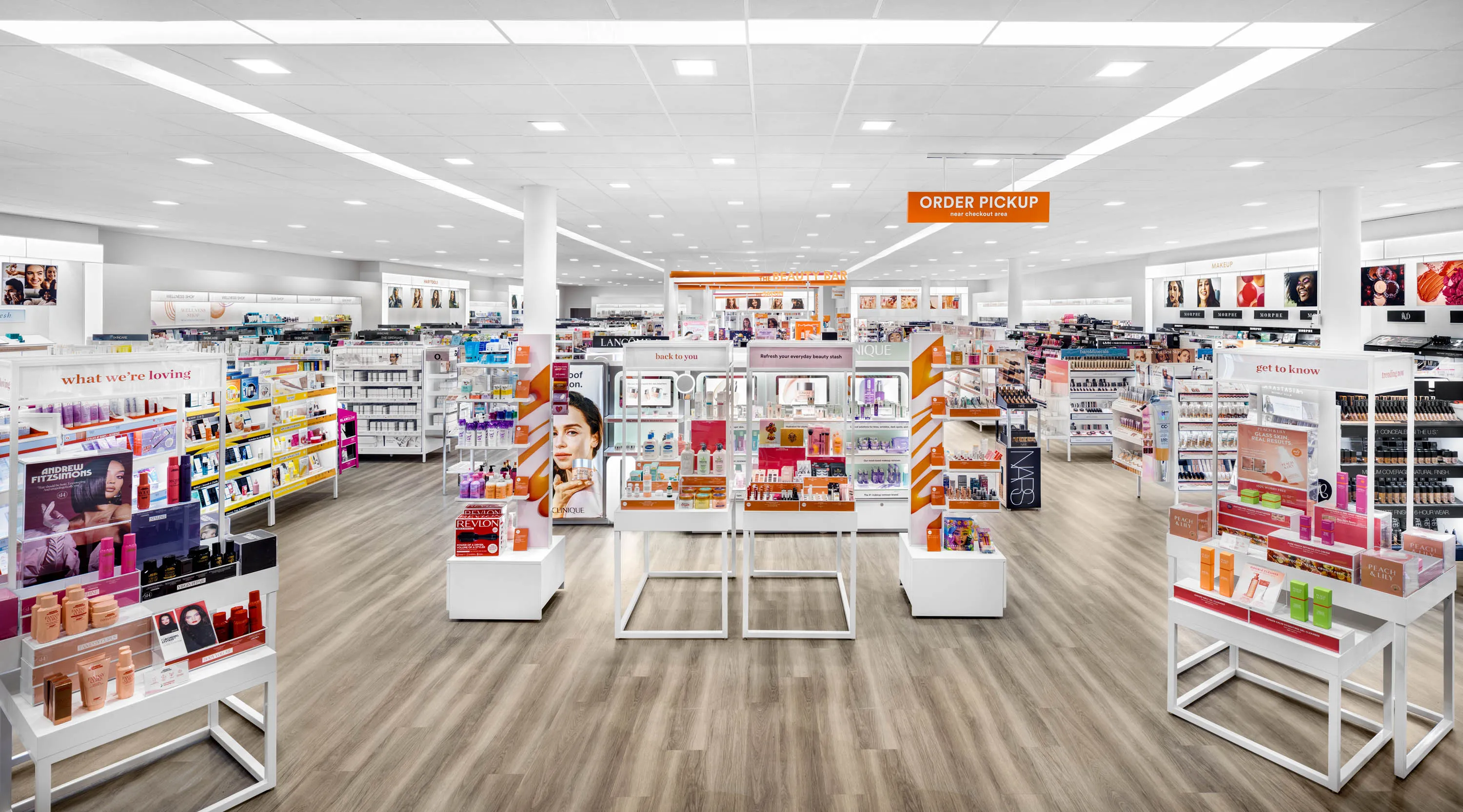
For an independent beauty brand preparing for retail buyer conversations, particularly one entering a new geographic market, the following sequence produces the most commercially effective preparation:
Step 1: Commission the safety assessment
CPSR for EU/UK retail; equivalent safety documentation for US retail. This is the foundational document that confirms the product is safe, that a qualified professional has reviewed it, and that the brand can defend the product’s safety to a buyer, a regulator or a retailer’s legal team on request.
Step 2: Build the Product Information File
Consolidate the safety assessment, formulation, manufacturing method, claims evidence and human safety data into a single accessible file. For EU/UK retail this is a legal requirement; for US retail, it is the buyer expectation. Having it built before the buyer conversation means any requested document can be retrieved and sent without delay.
Step 3: Confirm the Responsible Person and facility registration
For EU/UK retail: confirm the EU/UK RP and ensure they hold the PIF. For US retail: confirm facility registration with the FDA (Form FDA 5066) and product listing status. These are among the first questions a buyer’s compliance team will ask.
Step 4: Audit every label claim and produce substantiation for each
List every functional, environmental and origin claim on the label and website. For each claim, identify the evidence type it requires and confirm that evidence exists. Remove or narrow any claim that cannot be substantiated with the evidence the market requires. In EU markets from 27 September 2026, unsubstantiated generic environmental claims are prohibited under the ECGT.
Step 5: Obtain IFRA compliance statements for fragranced products
For any fragranced product, request an IFRA compliance statement from the fragrance supplier referencing the 51st Amendment minimum. Confirm the allergen declaration against the expanded EU list (80+ compounds) if the product is intended for EU retail. This documentation is a standard request from any buyer operating a fragrance-inclusive category.
Step 6: Obtain product liability insurance
Before approaching major retail or pharmacy groups: obtain product liability insurance at the coverage level the target retailer typically requires and hold the certificate of insurance ready for supplier onboarding documentation.
The Omiren Argument
The compliance file is not a bureaucratic exercise. It is the evidence record that connects the product on the shelf to the decisions made at every stage of its development, formulation and supply chain. A brand whose file is complete before the buyer conversation begins has converted its product development work into a format the commercial system can read and verify. A brand whose file is incomplete has made its first buyer conversation a negotiation about documents rather than a conversation about fit.
As Omiren Styles has established, in its analysis of the distribution gap facing independent Caribbean and Latin American beauty brands, the structural obstacles between an island-based founder’s first product and a national retail shelf include not only freight economics and buyer relationship access but also the compliance infrastructure that most founder-stage brands underestimate until the first buyer request arrives. The compliance file is part of that infrastructure. Building it is not the most creative part of building a beauty brand. It is the part that makes the creative work commercially accessible.
As Omiren Styles has argued throughout its coverage of beauty, ingredients and ownership, the Global South made fashion and never got credit. The same argument applies to beauty. An independent brand from Puerto Rico, from Jamaica, from Brazil or from Nigeria whose product is safe, well-formulated and correctly labelled but whose documentation file is incomplete is a brand that the retail system cannot place on the shelf even when it wants to. The compliance file is not the reason the brand exists. It is the key that opens the door the brand has been building toward.
ALSO READ
- From Botanical Name to Beauty Claim: The Checks a Sourcing Story Must Pass
- What Does ‘Smells Like the Caribbean’ Actually Tell a Fragrance Buyer?
- Where Independent Puerto Rican Beauty Brands Sell and What Gets in the Way
- The Global South Made Fashion. It Just Never Got Credit.
Frequently Asked Questions
What is the difference between regulatory compliance and buyer compliance for a beauty brand?
Regulatory compliance means the product meets the legal requirements to be placed on the market in the relevant jurisdiction: in the US, this means meeting MoCRA’s facility registration, product listing and safety substantiation requirements; in the EU and UK, it means having a CPSR, a PIF and a designated Responsible Person, among other requirements. Buyer compliance means the brand can produce, on request, the documentation a retail buyer’s compliance team needs before granting a listing approval. These requirements overlap substantially but are not identical. A brand that meets the regulatory minimum may still be unable to satisfy a buyer’s documentation request if it has not built the PIF, commissioned a CPSR, produced claims substantiation evidence or obtained product liability insurance.
What is a CPSR and does a US brand need one?
A Cosmetic Product Safety Report (CPSR) is a safety assessment conducted by a qualified person confirming that a cosmetic product is safe for its intended use under reasonably foreseeable conditions. It is legally required for every product placed on the EU and UK market before it is placed there. It is not a legal requirement under current US law, which requires safety substantiation to exist and be retrievable on inspection under MoCRA but does not mandate the CPSR format or the involvement of a third-party assessor. However, most retail buyers operating across multiple markets request a CPSR or equivalent third-party safety assessment as part of their compliance review regardless of the product’s home market. A US brand approaching EU/UK retail must have one; a US brand approaching major US retail chains is increasingly likely to be asked for one as retailers align their supplier documentation standards.
What is MoCRA and what does it require in 2026?
The Modernisation of Cosmetics Regulation Act (MoCRA), signed into law in December 2022, is the most significant update to US cosmetics regulation since 1938. Its requirements as of 2026 include: facility registration for all manufacturers (Form FDA 5066, biennial renewal), with an exemption for brands with under $1 million average gross annual US cosmetic sales over three years; product listing with the FDA within 120 days of placing a product on the US market; safety substantiation that must be retrievable during an FDA inspection; and responsible person contact information on the label (required from December 29, 2024). A final rule for cosmetic GMP had not been published as of September 2026, though the underlying duty to market safe, non-adulterated and properly labelled products remains.
What does a retail beauty buyer typically ask for before approving a listing?
Retail buyers’ compliance reviews typically request safety assessments or CPSR, a Product Information File or equivalent technical file, testing records relevant to the product’s category and claims substantiation evidence for every functional or environmental claim on the label or website, ingredient declarations, Responsible Person information, IFRA compliance statements for fragranced products, and a certificate of product liability insurance. Many buyers also request the brand’s manufacturing facility compliance credentials, including FDA registration for US-facility products or equivalent quality certification. The review evaluates both individual products and the brand’s overall compliance maturity, since a brand that cannot produce documentation promptly represents ongoing commercial risk for the retailer.
What claims documentation does a beauty brand need before approaching a buyer?
Every objective claim on the label or website needs substantiation: functional claims (24-hour hydration, anti-ageing, brightening) need clinical or consumer test data; organic or natural claims need named certifications (COSMOS Organic, USDA Organic, ECOCERT) with current scope and transaction certificates; environmental claims need substantiation that complies with the EU ECGT (enforceable from 27 September 2026) if the product is sold in EU markets, the UK CMA green claims guidance if sold in the UK, and the US FTC Green Guides for US markets; origin and community sourcing claims need supplier documentation confirming the named entity, the geographic origin and, for fair-price claims, the price paid relative to the commodity market rate. A brand that cannot produce these documents will be asked to narrow or remove the claims before listing approval is granted.
EXPLORE MORE
Read the full Beauty and Industry coverage at Omiren Styles for ongoing analysis of beauty retail documentation, compliance readiness and the commercial infrastructure independent brands need to access retail distribution. Discover travel and heritage intelligence across the Caribbean, Africa and Latin America at Rex Clarke Adventures.