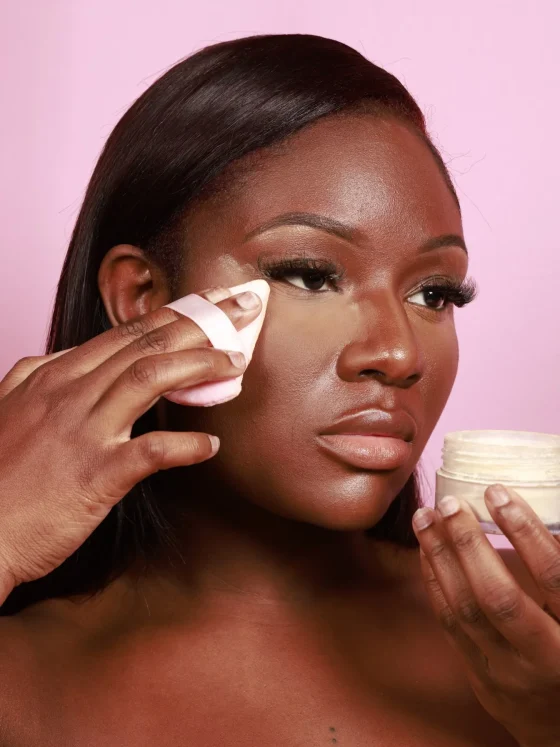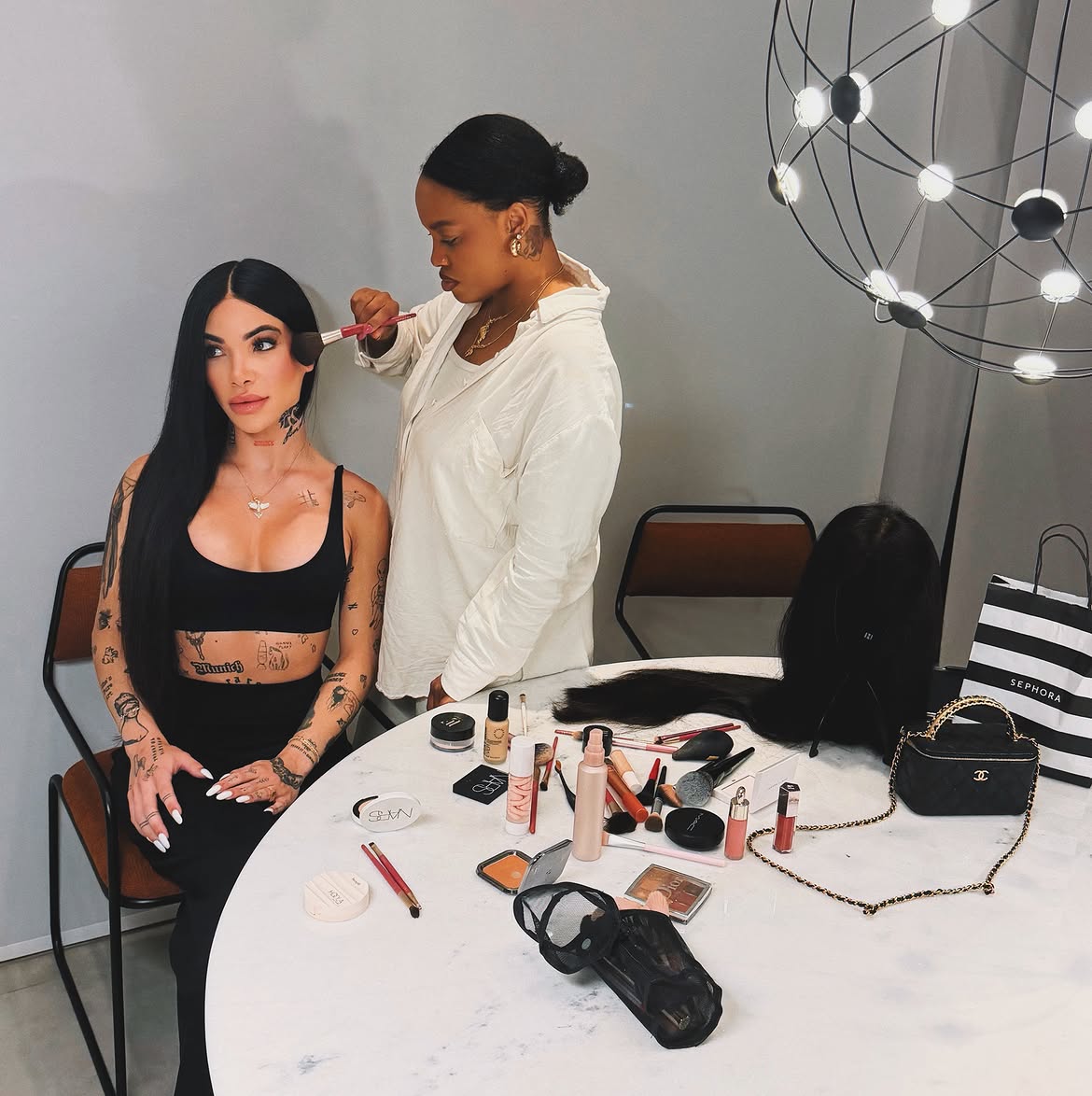
For Carol Romero, a product isn’t automatically worth keeping just because it’s in a makeup artist’s collection. In a reflective piece published by ELLE Brasil during the pandemic, she describes going through her materials, checking what was nearing expiry, and asking herself whether each item was still necessary. That is not the usual way a product profile begins — and it is exactly what makes her perspective worth reading carefully.
“Hoje, reflito muito sobre a utilidade das coisas antes de comprá-las.” — Carol Romero, ELLE Brasil
Translated, that reads: She now reflects on the usefulness of things before buying them. It is a small statement, but it sets the tone for everything else documented across her published interviews and brand partnerships. The available reporting covers her personal routines, historical product evaluations, educational work and professional collaborations — but it does not supply a complete, up-to-date personal kit. This feature follows the available evidence and keeps each strand clearly in its own lane.
Explore Carol Romero’s documented beauty choices, personal routine, product reviews and teaching, with clear distinctions between preferences and professional partnerships.
A Career Built Around an Educational Gap
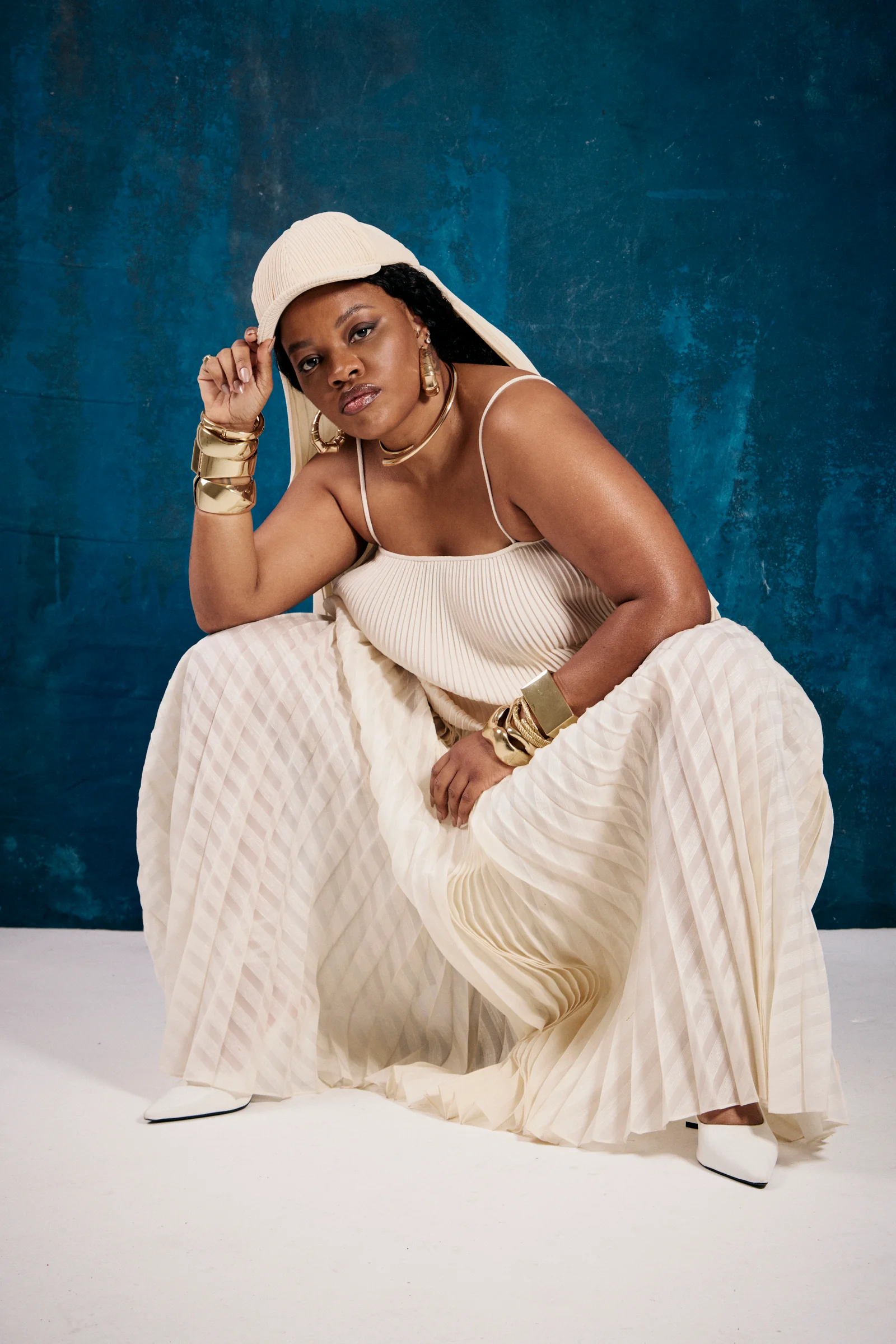
Romero entered professional makeup in 2009, according to Emerge Mag’s October 2019 profile. She trained in stage makeup and Black skin techniques at SENAC, and the same profile notes that she teaches and runs workshops alongside her client-facing work. From the start, the educational side of her work has been as much a part of her practice as the services she provides to artists and performers.
That educational strand has a specific origin. In a February 2023 interview with Gshow, Romero explains that she could not find sufficiently developed Brazilian educational material during her own training. She responded by creating what was missing. In 2019, she published Dicas de maquiagem para pele negra through Soul Editora — a book documented in both the Emerge Mag profile and the Gshow interview. The launch year and publisher are confirmed; this feature does not repeat unverified claims about the book’s place in Brazilian publishing history.
Her explanation of her motivation is direct and worth quoting in full: “Entendi que iria me dedicar para facilitar a vida de quem pudesse, seja maquiando ou levando conhecimento.” She understood she would dedicate herself to making life easier for whoever she could — through application or through knowledge. Both matter to how her practice operates.
Usefulness Before Another Purchase
The ELLE Brasil reflection is not a shopping guide. It is a more considered account of what happens when an interruption forces reassessment. Romero links reconsidering purchases to reviewing what she already owns, letting go of things, and asking whether an item has earned its place. For a professional whose work involves substantial product exposure, that kind of editorial selection—applied to her own collection—reveals her relationship with beauty products more broadly.
She draws a practical distinction between possession and purpose. Owning something and knowing what it contributes are separate questions. That framing is more useful than a list of brands because it offers a way of thinking rather than a shopping conclusion. It also makes clear that her reflection is a historical account of changed priorities during a specific period — not a real-time inventory of what she owns in October 2026.
A Personal Routine She Could Actually Maintain
When Romero describes her own skincare routine in the ELLE Brasil piece, she is refreshingly straightforward about it: “Minha rotina sempre foi o básico. Lavar, higienizar, tonificar e hidratar.” Her routine has always been the basics — cleansing, toning, moisturising. She explains that this was what she could realistically manage alongside everyday professional demands.
She also mentions occasional hyaluronic acid and infrequent facial masks and identifies hair as her primary personal care focus. The word “occasional” matters. A serum or mask mentioned in a reflective interview should not automatically become a recommended daily step. Nor should her listed actions become a universal prescription. What she is describing is how she cared for herself during a particular period and workload — not a formula for everyone.
For readers interested in the relationship between expertise and self-care, this may be reassuring. A professional who works with cosmetics at a high level can still have a genuinely minimal personal routine. That is not a contradiction. It is a choice, and she explains it as one.
Named Products, but Not a Current Shopping List

The clearest documented product evaluations come from Marie Claire Brasil’s December 2019 Beauty Tudo roundup. Romero contributed her assessments of two hair products, and the detail she brings to both is worth examining as an example of how she evaluates — not as evidence that those products still form part of her current routine.
On Pantene’s Geleia Capilar Unidas pelos Cachos, she discusses definition, texture, scent and how her hair looked over the days following use. On Truss Curly Fix, she identifies her hair as type 4C. She describes greater definition with less volume — while noting that she needed substantial product and advising against it for anyone seeking volume. That conditional approval is the most useful element of both reviews. She likes an effect that another person might not want. She says so.
These are 2019 evaluations. Formulations change, availability changes, and preferences change. They should not be treated as contemporary endorsements. Instead, they offer a window into how she applies usefulness-thinking to actual products: she weighs a result against her own preferences and flags where those preferences might diverge from someone else’s.
Why Complexion Knowledge Matters to Her Work
Romero’s Gshow interview addresses something she encounters regularly in her professional work: the assumption that guidance developed without considering different complexions can simply be applied universally. Her specific example concerns the idea that gold eyeshadow automatically suits all Black complexions because every Black complexion is warm. She objects to that kind of shorthand.
This connects directly to the educational purpose documented in her training, her book and her workshops. If generalised advice flattens the real range of complexions, preferences, and desired outcomes, then useful education must do the opposite. It has to pay attention to the difference. That is not a complicated position, but it is one she has articulated consistently across multiple published accounts over several years.
For Omiren’s readers following how Black beauty professionals approach education and practice, this is one of the more substantive threads in the available reporting. It connects her personal conviction—formed partly through her own experience of finding insufficient resources—with the professional work she has built to address that gap. See also Omiren’s feature on African makeup artists reshaping global beauty conversations for a wider professional context.
Professional Advice Has Its Own Context
A February 2024 Negrê article records Romero’s Carnival preparation advice, including how to approach coloured makeup and the different finishes associated with powder versus cream blush. She discusses drawing geometric shapes with a white pencil before filling them in colour—a practical technique for occasions that demand durability and visibility.
These are event-specific professional suggestions. They belong to their context: Carnival, a particular performance or celebratory setting, and products chosen for what that occasion requires. They are not a transcript of her daily self-care routine, and the article does not present them as one. Mixing techniques and finish preferences mentioned for a specific event should stay attached to that event, rather than being imported into a general personal kit narrative.
A Brand Partnership That Deserves to Be Named
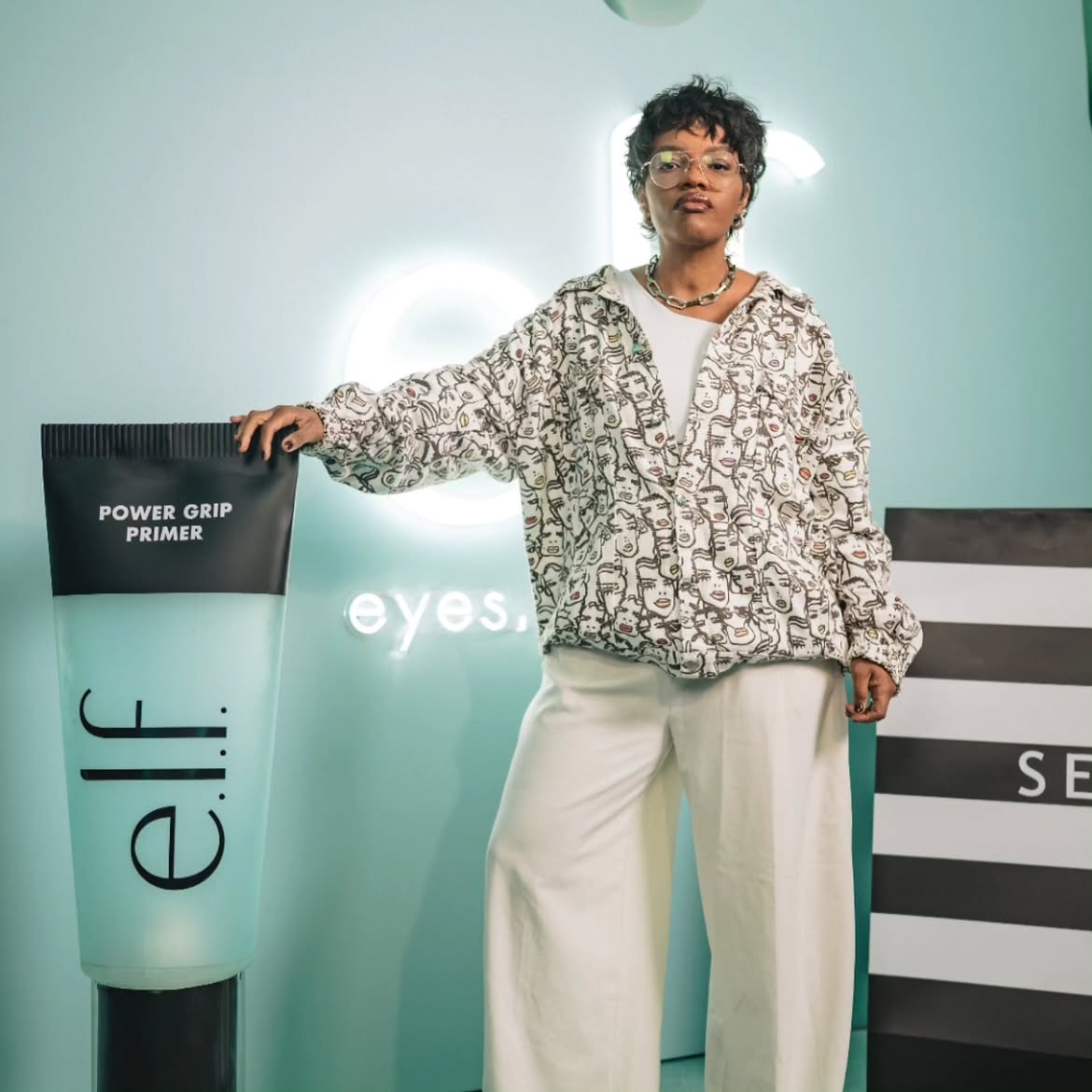
In September 2025, Mundo Negro reported on Romero’s participation in Fenty Beauty’s Coffee Party event in São Paulo and an earlier backstage collaboration with the brand. The report also identifies Fanie Castro as Fenty’s Brazilian trainer and records Romero describing freedom to offer suggestions and training within the partnership.
Her statement about what the relationship means to her is personal and worth preserving accurately: “Para mim, trabalhar com a Fenty, prestar serviços para a Fenty, é uma realização como mulher negra, em primeiro lugar.” Working with and providing services to Fenty is, first of all, a personal achievement as a Black woman. That context matters alongside any product discussion.
The source does not provide an itemised personal Fenty kit. Professional familiarity, training involvement, and genuine enthusiasm are real things—and they differ from an independent shopping recommendation. Her positive views of Fenty Beauty products are documented and attributed to their context. They are not presented here as unaffiliated product guidance.
What the Evidence Actually Offers
Across all available sources, the consistent thread is purposeful selection. Romero reviews materials for usefulness. She maintains a routine she can actually sustain. She evaluates products by weighing results against specific preferences and flags when her preferences might not match someone else’s. She challenges generalised guidance and has built an educational practice around attending to difference.
That is a more useful picture than a product inventory, because it explains the thinking behind her choices rather than simply listing the outputs. Readers who apply her framework — usefulness before purchase, honest evaluation of effects, scepticism of blanket guidance — will get more from that than from a 2019 product name.
The result is a record of how she has discussed beauty choices over time: through ELLE Brasil, Gshow, Marie Claire, Negrê, Emerge Mag and Mundo Negro. That narrower scope still answers a useful question: what considerations actually drive her approach, beyond the presence or absence of products in a bag?
Also Read:
- African Makeup Artists Rewriting the Global Beauty Conversation
- Five Black British Designers Who Are Building the Future of London Fashion
- Caribbean Diaspora Designers on the Runway
Frequently Asked Questions
Are These Products Her Current Personal Kit?
No. The named hair products come from 2019 reviews published by Marie Claire Brasil. No source establishes a complete, current list of Romero’s personal makeup products or shade preferences. The feature distinguishes historical evaluations from ongoing use. Readers should not assume a reviewed product remains part of her current routine or that its formulation is unchanged.
Did Omiren Interview Carol Romero?
No. This feature draws on published interviews and reports from ELLE Brasil, Gshow, Emerge Mag, Marie Claire Brasil, Negrê and Mundo Negro. All testimony is identified by source. Romero’s professional relationship with Fenty Beauty is disclosed where it is relevant to the product discussion. Personal preferences and professional advice are not presented as independent clinical evidence or universal guidance.