A hairstyle begins before the first cut, braid or colour application. It begins with the judgement that turns a client’s preferences into an agreed plan. That makes consultation part of the creative work: the point at which a practitioner must explain not only what they can make, but what the proposed result will involve. Most of us think of the chair as where the work happens, yet much of the real decision-making is done before the first section of hair is lifted.
The client brings knowledge that no technical assessment can replace: what they like, what previous appointments have taught them, how they normally handle their hair and what they are willing to maintain. The practitioner brings a different expertise: assessing the starting point, interpreting the desired effect and explaining the services available. A useful consultation brings those perspectives together without allowing either a reference photograph or professional confidence to stand in for agreement.
“A thorough consultation should set realistic expectations from the beginning,” Lauren Bailey-Chaidez, stylist and owner of Feverfew Salon in Los Angeles, told Refinery29. She explains what is possible and checks in throughout the appointment so clients can raise concerns. That approach frames consultation as an ongoing exchange, rather than a brief permission-gathering exercise before the practitioner takes control.
Explore how a hair consultation turns preferences, hair history and maintenance expectations into an agreed plan, and why that judgement is creative work.
A reference photograph is the beginning of a brief.
A photograph can communicate a shape or colour more quickly than an unfamiliar technical term. It can also contain several different ideas. A client may like the length but not the fringe, the placement of highlights but not their tone, or the overall silhouette without wanting the same finish. The picture is a starting point for a conversation, and the most helpful thing a client can do is say which part of it they actually want.
In Refinery29’s consultation guide, Dale Herne, a stylist and educator at Hershesons in London, recommends bringing two or three clear examples, ideally featuring a similar hair texture. Bianca Hillier, a master colourist at Andy LeCompte Salon in West Hollywood, explains why images matter: colour descriptions such as golden, cool or red can mean different things to the client and colourist.
“A photograph shows the destination. The consultation decides whether the route is realistic.” Omiren Styles Editorial Intelligence
The practitioner’s task is therefore interpretation, not automatic reproduction. The useful question is which feature the client wants to carry into their own result. Establishing that distinction creates room to discuss alternatives without abandoning the original intention.
Agree on what should stay.
A consultation should identify the boundaries of the change as carefully as the change itself. Someone may want a different outline while keeping the same length, or a more noticeable colour effect without committing to frequent return visits. Those priorities need to be spoken, not inferred, because most salon disappointments begin with unspoken assumptions.
Redken’s published consultation framework asks practitioners to establish the client’s vision, openness to change and short- and long-term expectations. Read critically, its value lies in separating a general desire for something different from the specific decisions needed to achieve it.
For Omiren Styles, that distinction is fundamental. A practitioner hasn’t understood a brief just because they recognise a trend name. Understanding means knowing which elements matter to this client and which suggested changes they haven’t agreed to.
Hair history changes the available choices.
The hair’s current appearance does not tell the full service history. Previous colour or chemical treatments may remain relevant even when their visible effect has changed. Bailey-Chaidez emphasises this in her published commentary, explaining that home colour can affect what a professional colour service can achieve even after it appears to have faded.
That makes disclosure practical information, not a confession. The consultation should let a client describe previous services without feeling embarrassed about using home colour, visiting another practitioner, or forgetting a product name. Where information is incomplete, the gap itself needs assessment.
Professional education places that history alongside examination and testing. Skills England’s published Hair, Beauty and Aesthetics outline identifies hair characteristics, lifestyle, and test results as factors that inform a colour-service plan. It also connects consultation with planning and agreeing on the service. These are educational expectations within a particular training context, not a claim that every salon follows an identical procedure
For chemical services, the conversation may also need to happen before the main appointment. The UK’s National Hair & Beauty Federation advises consultation and relevant industry tests, with procedures governed by the applicable manufacturer’s instructions and protocols. Its allergy alert testing factsheet also cautions that a client may develop a reaction while using a product, even if the allergy-alert test result was acceptable. Testing is a precaution, not a promise of risk-free treatment.
The creative consequence is straightforward: you can’t consider the desired result separately from the starting point. Assessment may confirm the original request, change the proposed method or establish that the service should not proceed.
From assessment to an agreed decision
Listing preferences and recording history are not enough. The consultation becomes useful when the practitioner explains how that information changes the proposal. Hillier describes reference images as a way to establish whether a colour result is realistic within one appointment or requires a longer-term plan. That is a specific example of professional judgement: an image identifies the destination, but assessment helps determine whether the proposed route is appropriate.
Four decisions the conversation should make clear.
A useful editorial framework is to ask whether the consultation has resolved four things:
- The feature the client wants to achieve or retain.
- The relevant limitations identified through assessment.
- The available options and their maintenance implications.
- The trade-offs the client is prepared to accept.
This is a synthesis for evaluating the conversation, not a universal professional protocol. Its purpose is to make reasoning visible. An alternative recommendation should explain the relationship between the request and the revised proposal. What part of the desired effect remains? What changes? Is the difference about the service itself, its timing or the work expected afterwards?
Professional confidence matters, but it should not require unquestioning acceptance. A client can understand the reasoning behind an option and still decide it doesn’t suit them. Agreement is not the same as persuasion.
The hairstyle has to work beyond the appointment.
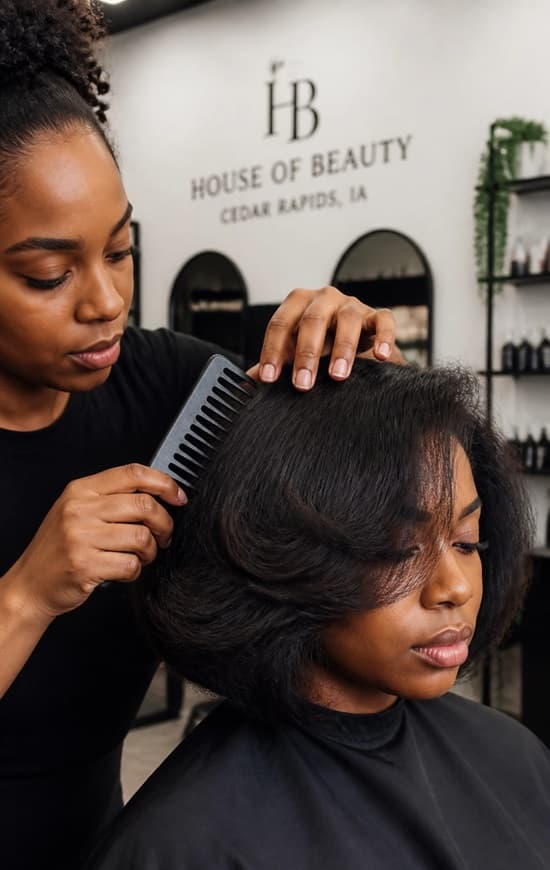
The finished appearance is only one part of the service. The client also needs to understand what it will take to maintain it. Redken’s consultation model asks about the client’s current home routine, available tools, styling time, budget, and willingness to return to the salon. It then connects those answers with a proposed hair plan. The framework is manufacturer education and explicitly links consultation with sales and rebooking, so it should not be treated as an independent account of the profession. Its practical questions remain useful when the client’s needs, not additional purchases, determine the recommendation.
“Low maintenance” needs an explanation.
Low maintenance can mean several different things: less daily styling, fewer salon appointments, a shorter routine, or less reliance on particular tools. Those are not necessarily the same request. In Refinery29’s guide, hairstylist Dimitris Giannetos advises clients to explain how much time they are willing to spend styling at home, including whether they prefer air-drying or blow-drying. He argues that the routine helps determine whether the proposed cut and colour are practically suitable.
The consultation should establish what the client will actually do, rather than describe an ideal routine they feel obliged to accept. Maintenance advice is useful only when it is understandable and compatible with the person receiving it. Redken’s framework includes a practical teaching element: explaining styling step by step and allowing the client to practise a section with guidance. The transferable principle is instruction, not the assumption that every result requires a more elaborate product collection.
Occasion and budget belong in the same plan.
A look intended for one occasion and a style expected to work repeatedly may raise different questions. Redken’s framework explicitly asks about upcoming events, time available for salon visits and the client’s budget. These details help establish the proposed commitment before the service is agreed.
Treat budget as a design constraint, not a judgement about how much someone values their appearance. The relevant distinction is between what the appointment costs now and what the recommended plan may require later. If a longer-term approach is proposed, the client needs to understand its purpose before accepting it. The consultation should leave room to revise the plan when its maintenance, timing or cost does not fit, because a technically possible result is not automatically the right service for that client.
The plan must remain open to new information.
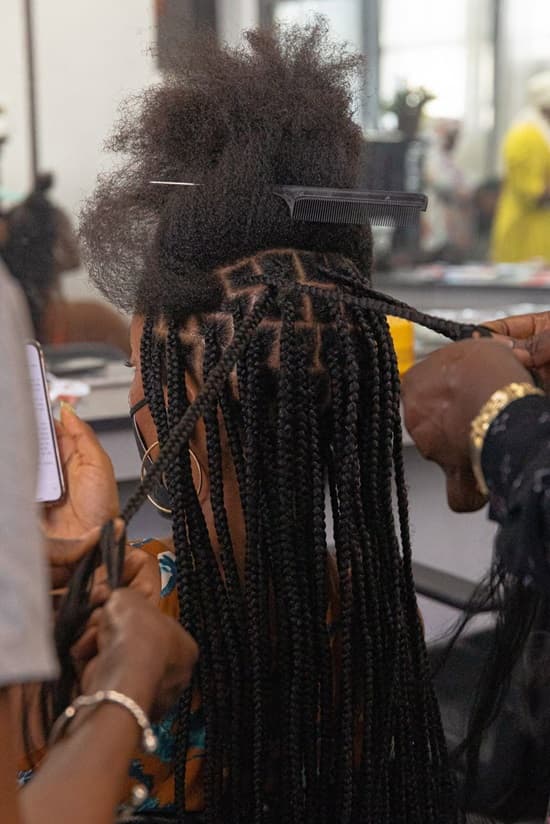
Consultation should not end when the service begins. Bailey-Chaidez describes checking in throughout the appointment, while Herne encourages clients to raise concerns during the process rather than waiting until the final reveal. Their published advice supports an ongoing conversation that clarifies the initial agreement.
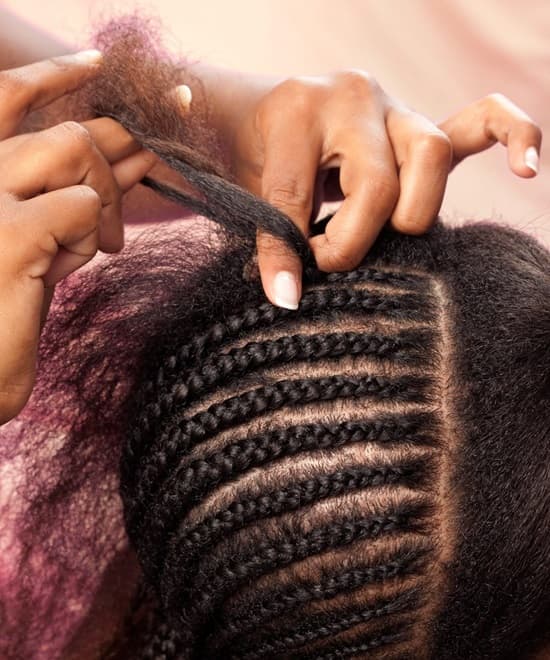
Comfort is one reason that matters. The American Academy of Dermatology advises that a painful hairstyle is too tight and identifies repeated pulling as a cause of traction alopecia. It recommends changing styles that cause pain or other warning signs and seeking dermatological assessment for hair loss. This is not a reason to classify every braid, loc or updo as harmful; the relevant concern is excessive tension and repeated stress.
The consultation’s value lies partly in creating room for that information to be heard. An initial yes should not make a client reluctant to report discomfort, uncertainty or a mismatch with what was discussed. For the cultural weight that hair carries beyond the salon, see our history of the African barbershop.
The Omiren Argument
Consultation makes a practitioner’s judgement available to the client. It turns expertise into something that can be explained, questioned and agreed, not simply demonstrated in a finished result.
That changes how Omiren Styles evaluates beauty practice. An attractive hairstyle does not, by itself, establish that the request was understood, the maintenance explained or the boundaries respected. Those questions concern the process that produced it, and they deserve attention alongside the final image.
The practitioner’s authority lies neither in obeying every request nor in overruling it. It lies in interpreting the brief, assessing the options and explaining the recommendation without erasing the client’s preferences. Changing the plan can demonstrate expertise, and so can confirming that the original request is appropriate. The distinction is whether the reasoning is clear.
The consultation is where a hairstyle becomes an accountable creative proposal. Before technique gives it form, the conversation establishes what is being made, for whom and on what terms. More of our beauty coverage is at Omiren Styles.
Also Read:
- Afro-Hair Renaissance: The Rise of Afro Hair Culture and the Natural Hair Movement
- The Caribbean Hair Shop Is Not Just Retail. It Is Diaspora Infrastructure
- The Global Rise of Black-Owned Beauty: Heritage, Craft, and the New Luxury
- Brixton’s Caribbean Dress Legacy: Tailoring, Fabric, Beauty and Cultural Memory
Frequently Asked Questions
What should I bring to a hair consultation?
Bring a small number of clear reference images and be ready to explain what you like about them. Relevant hair-service history, your current routine and realistic maintenance expectations also help the practitioner assess the request.
Can a stylist recommend something different from the photograph?
Yes. An assessment may indicate that the desired effect requires a different approach, a longer-term plan, or revised expectations. The useful part is the explanation: how the alternative relates to the original request and what commitment it involves.
Should a consultation include upkeep costs?
Budget and return frequency belong in the planning conversation. Redken’s framework includes both, along with at-home maintenance. These discussions help the client evaluate the proposed commitment before proceeding.
Does every chemical service require the same tests?
Testing requirements depend on the service, product instructions and applicable protocols. Ask the salon what is needed before the appointment rather than assuming that one test or timetable covers every treatment.