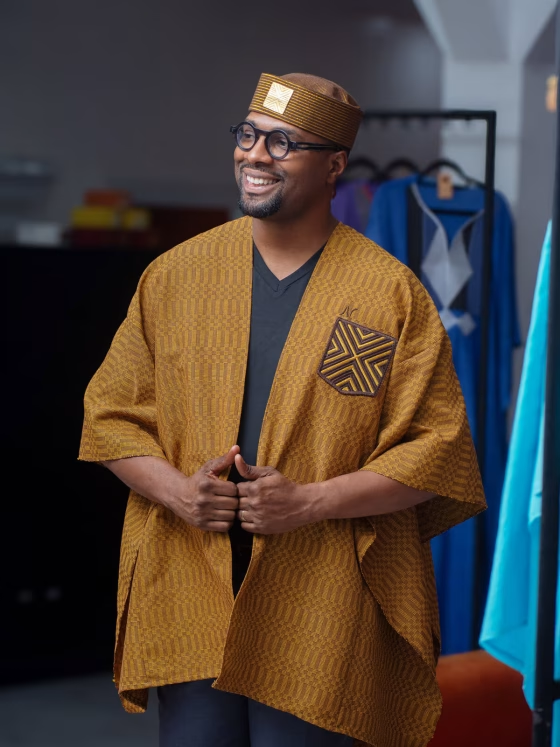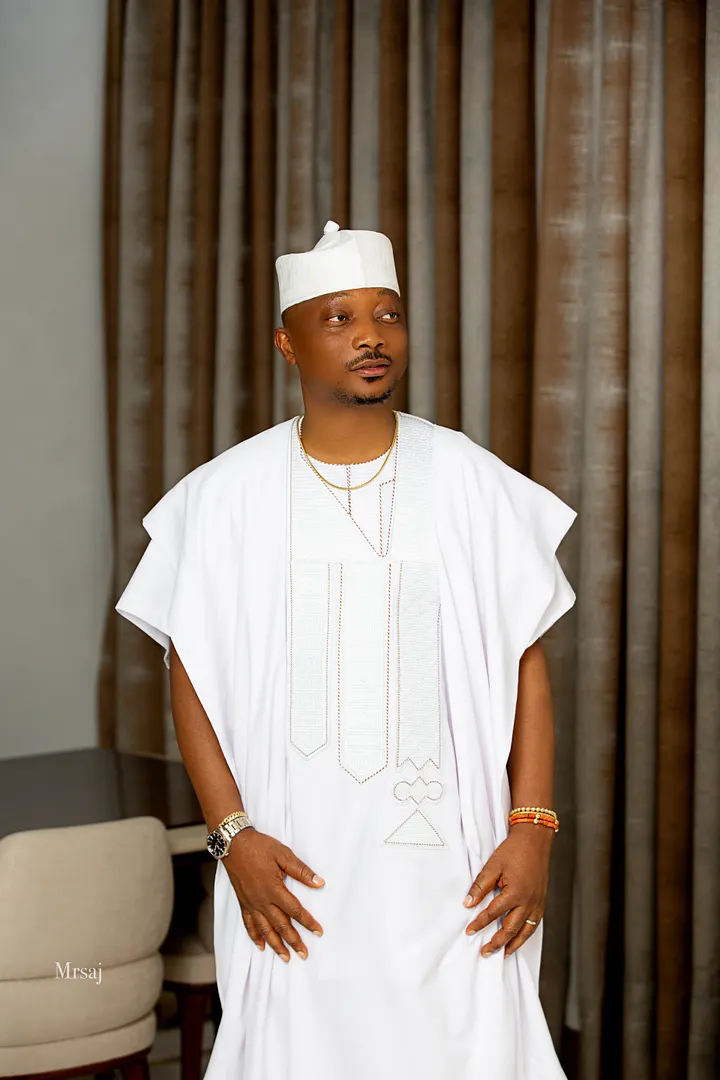
In 2001, when Seyi Vodi registered his first fashion business, Testimony Fabrics, he had no shop, showroom, or office. What he had was a go-bag, a sewing machine, fabric samples, and a list of bank employees in Abuja who were willing to pay for a well-made shirt. He sourced the fabric, took the measurements, sewed from home, and personally delivered the finished garments. That was the business model. As The Top10 Magazine’s documentation of Vodi’s early career confirms, he has since established himself not just as a successful entrepreneur, but as one of the most recognised names in Nigerian fashion. In 2023, he was conferred with the national honour of Officer of the Order of the Niger (OON), the first Nigerian fashion entrepreneur to receive that recognition. In 2025, on his 50th birthday, he commissioned the Vodi House, a state-of-the-art, multi-billion-naira headquarters on Kado Road in Abuja.
The African fashion market is worth 31 billion dollars. The distance between a go-bag of fabric samples and a headquarters valued in billions of naira is the story of how Seyi Vodi built a luxury tailoring brand before he had a shop to build it in.
Seyi Vodi had no shop, no office, and no showroom. He had a tape measure, a sewing machine, and a method. Here is how that became one of Nigeria’s biggest fashion businesses.
Seyi Vodi Luxury Tailoring: The Foundation
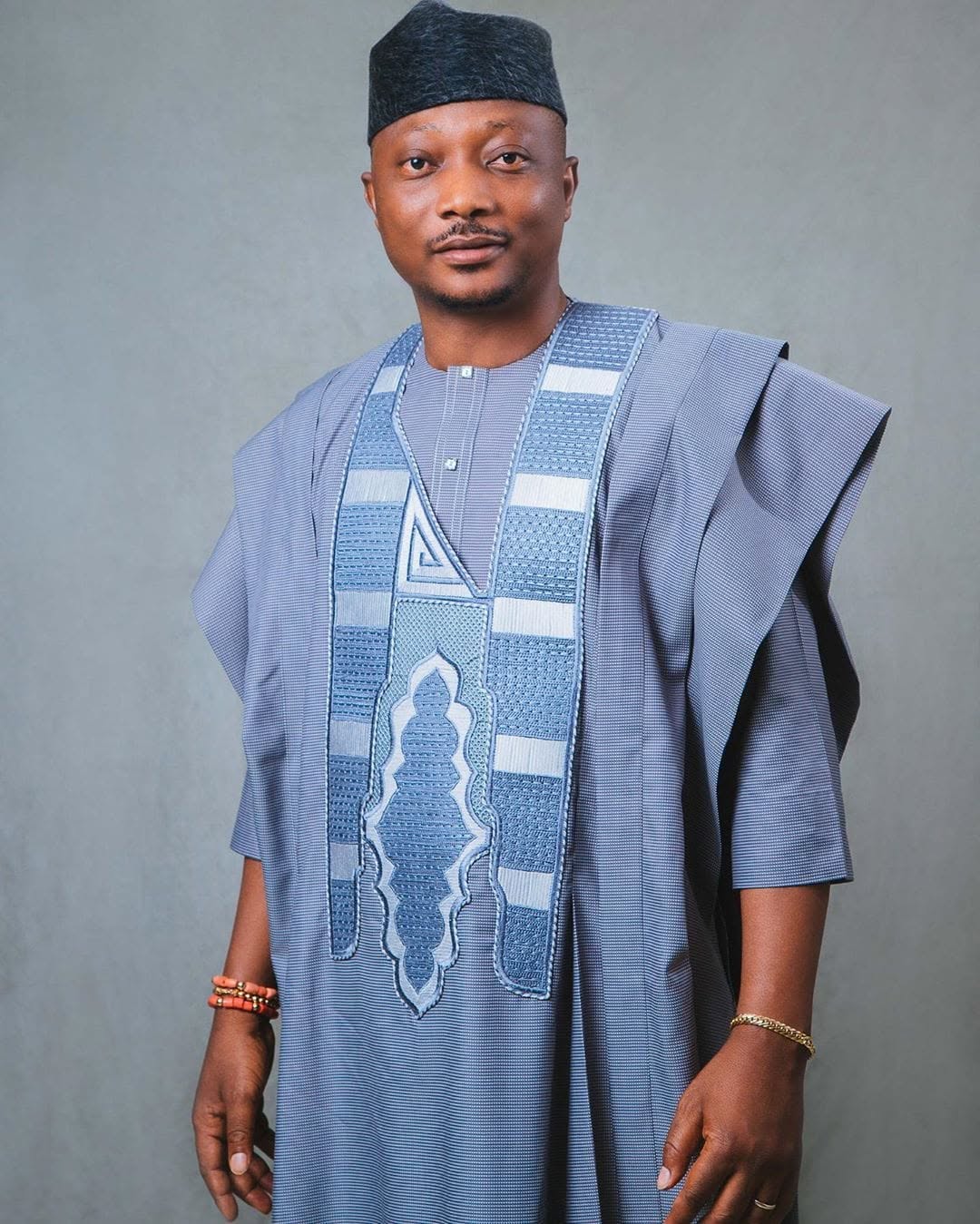
Oluwaseyi Adekunle was born on 19 July 1975 in Lagos, Osun State, an indigene, and studied geology at the University of Maiduguri, graduating with a BSc in 1999. His NYSC posting took him to Akwa Ibom State, where he began learning to sew alongside local tailors. As Contents101’s documentation of his early career confirms, during his NYSC, he began dabbling in tailoring, sewing shirts and boxers for fellow corps members as a side hustle. Those early garments were not luxury menswear. They were practical products made for people he knew, at a scale that let him learn the fundamentals of fit, construction, and client expectation without the risk of a formal business.
After NYSC, he pursued banking. A failed aptitude test in 2002 was part of the turning point, but not the whole story. He later secured banking work in 2003, then resigned to pursue tailoring full-time. That decision is the more important one. Failing a test is an event. Resigning a job to make clothes, in a country where tailoring was then considered low-status employment, is a conviction. The career pivot was not passive. It was chosen.
For a bespoke tailor, the customer relationship is the first showroom. The consultation demonstrates taste. The measurement proves technical knowledge. The fitting builds trust. The finished garment becomes the advertisement. Seyi Vodi built a multi-business fashion enterprise on that sequence before he had a building to house it.
Building the Brand Without a Building
Testimony Fabrics, registered in 2001, became Vodi in 2003. The renaming was deliberate. Vodi chose a shorter name, drawn from a Fulani word meaning ‘beauty’, aiming for an identity with a stronger African resonance that could anchor a recognisable brand rather than a descriptive business name. The move from Testimony Fabrics to Vodi was not only cosmetic. It was the signal that he was building something beyond a tailoring service.
His first documented high-value client base was Abuja’s banking and professional sector. As Grokipedia’s documentation of Vodi’s early growth confirms, Vodi’s early growth emphasised building a dedicated clientele within Nigeria, starting with professionals such as bank employees and expanding to include prominent figures in business and politics, like Tony Elumelu, through consistent delivery of precise, durable tailoring. Tony Elumelu, founder of Heirs Holdings and one of Nigeria’s most influential business figures, became both a documented client and a vocal endorser. That association did not happen through advertising. It happened through the quality of the work and the reliability of the service.
The mechanics of how Vodi built his reputation without a storefront follow a specific logic. In bespoke tailoring, the client cannot browse a rack. There is nothing to touch before they commit. Trust must be established through the tailor’s reputation, the quality of their consultation, and the precision of their previous work. Without a permanent retail address, that trust is built entirely through personal contact and delivered garments. Every well-fitting agbada or senator wear that left Vodi’s hands became a walking advertisement. Every Abuja professional who wore one to a meeting, a government function, or a state dinner created the referral network that the business depended on.
What Bespoke Tailoring Requires
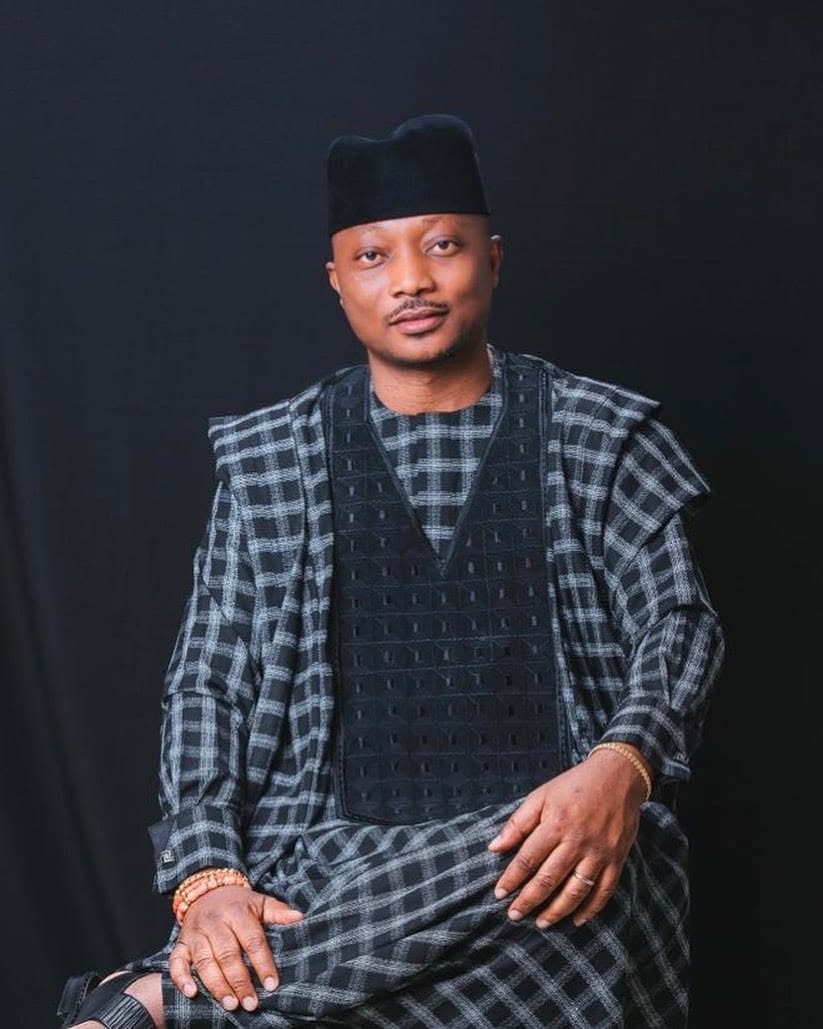
Vodi specialises in agbada, kaftans, senator wear, bespoke suits, and formal shirts. Each of these garments carries specific technical demands and specific cultural weight in Nigerian public life. As Omiren Styles’ documentation of the agbada and its power symbolism confirms, the agbada simultaneously communicates authority, occasion, and cultural intelligence. A poorly fitted agbada does not simply look wrong. It reads as a failure of cultural fluency. For a tailor serving politicians, business leaders, and religious figures in Abuja, the margin for error in every garment is essentially zero.
That zero-margin standard is what differentiates luxury bespoke tailoring from commercial fashion production. Seyi Vodi’s clients were not buying garments. They were commissioning specific social presentations for specific occasions. A senator wearing a bespoke kaftan to a National Assembly session, a billionaire wearing a custom agbada to a wedding of national significance, a governor wearing a tailored suit to an international diplomatic meeting: in each case, the garment is part of the argument the wearer is making about their status, their taste, and their cultural positioning. The tailor who makes those garments holds a position of significant trust.
Building that level of trust without the credibility signal of a formal showroom required Vodi to make the quality of the work itself the primary marketing instrument. Delivered results, not promised results. Every garment that fit precisely and arrived on schedule was the case for the next commission. Every client who recommended him to a peer extended the network into a new professional or political circle.
From Tailoring Service to Fashion Group
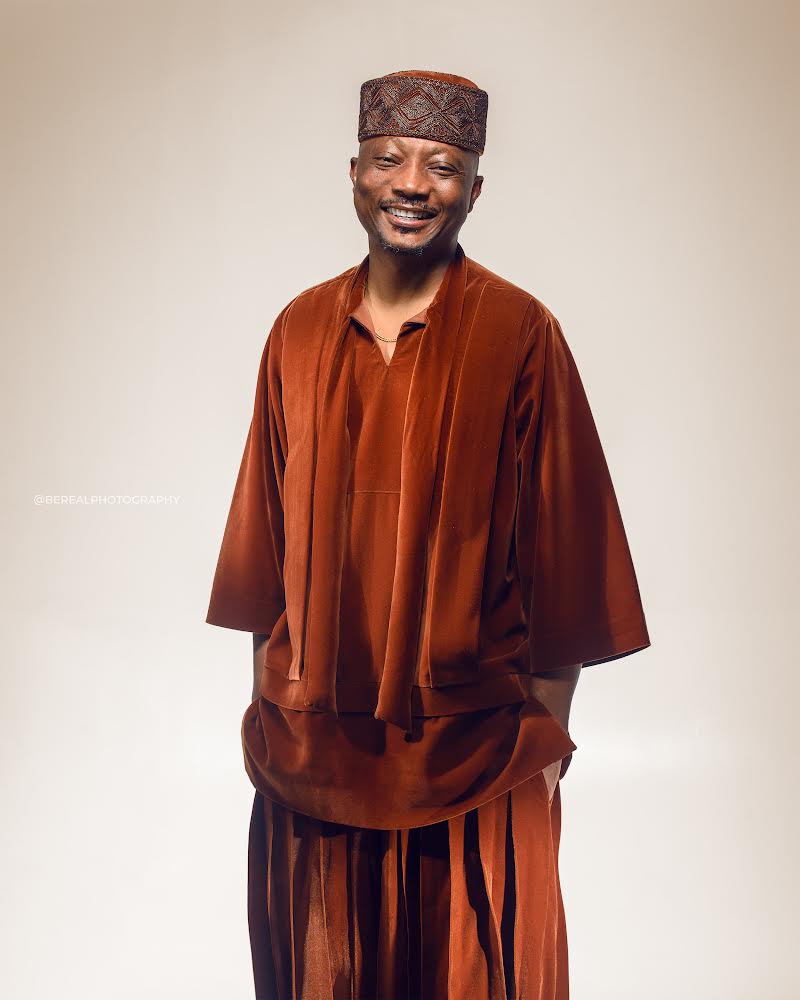
The expansion from a one-person tailoring practice to the Vodi Group followed the logic of the original service model: each new business addressed a need that clients already had and that the core tailoring business had made Vodi uniquely positioned to serve. The Vodi Group now includes Vodi Tailors as its bespoke flagship; VodiKlean, a laundry and dry-cleaning operation serving the same high-maintenance wardrobe needs of the same client base; VodiDebbo, which sources fabric; Vodi Shoes; and Vodi Training Institute, which trains the next generation of tailors. The group employs between 300 and 500 people across its businesses.
The Training Institute is the most strategically significant expansion, and the most often overlooked. It converts the knowledge that built Vodi’s reputation into a reproducible system. A tailor working alone builds a practice. A tailor who trains other tailors builds an institution. The Training Institute is the mechanism by which the personal skill that created Vodi Group’s reputation becomes the institutional capacity to sustain the group beyond its founder.
The 2023 OON national honour recognised not just Seyi Vodi, the designer, but Seyi Vodi, the industry builder. The citation covered his contributions to fashion and national development: job creation, youth empowerment, and the construction of a professional framework for Nigerian bespoke tailoring that raised the sector’s standards rather than simply succeeding within it.
Nigerian Bespoke Menswear as Luxury Infrastructure
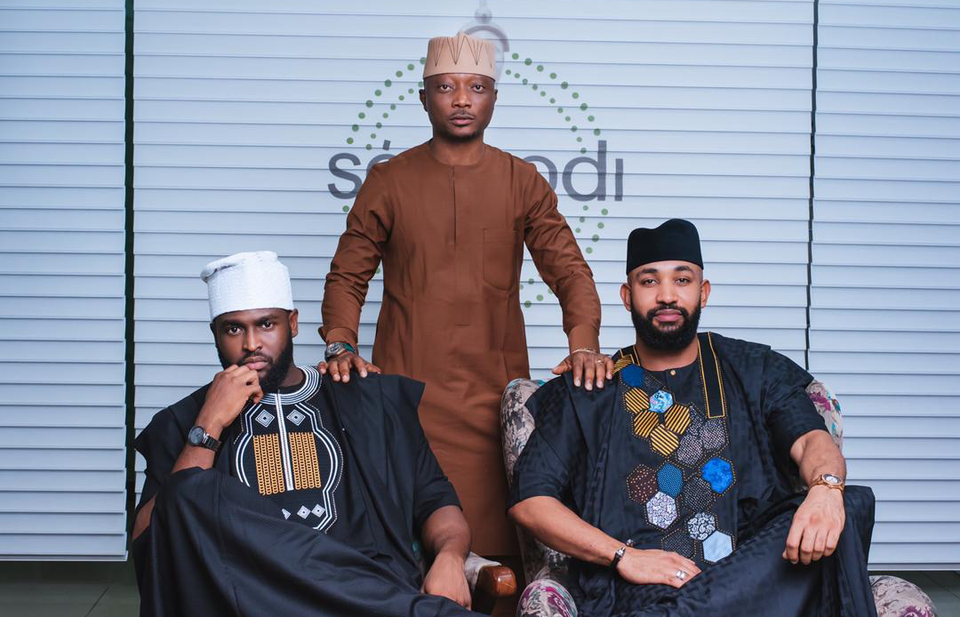
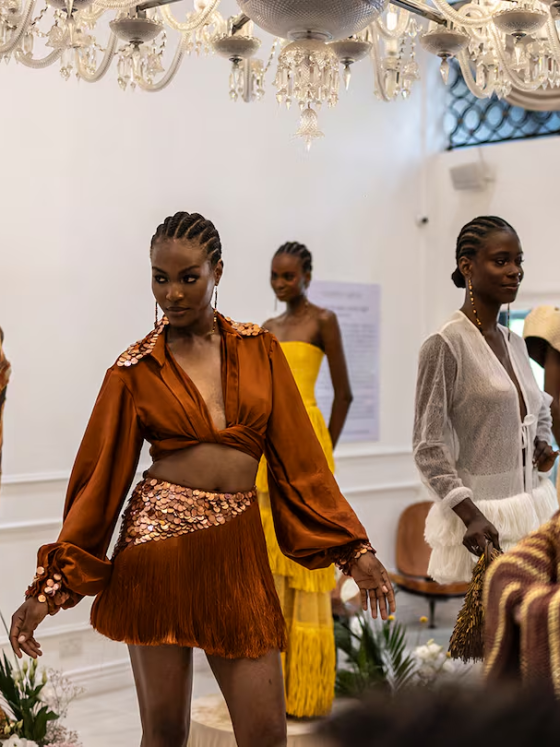
Vodi’s story is inseparable from the specific economic and social structure of luxury menswear in Nigeria. Bespoke tailoring in Nigeria is not niche. It is the dominant form of formal dress across politics, business, religion, and social life. As Omiren Styles’ Lagos Fashion Market Report confirms, the Nigerian fashion market is driven by event culture, ceremony, and the specific social requirements of formal occasions for which off-the-rack international fashion rarely serves the garment traditions involved. A Nigerian politician does not need a European suit for every occasion. A traditional ruler needs a precisely made agbada. A groom needs a bespoke kaftan that fits his body and matches the colour palette of his ceremony. These needs do not diminish with Nigeria’s economic cycles. They may shift in fabric choice or level of detail, but they persist because the social occasions that require them do.
For a luxury tailor operating in this market, the client base is not aspirational. It is structural. The agbada, the kaftan, the senator wear: these garments are not fashion choices. They are the required dress for functions that define public life in Nigeria. A tailor who produces them to the standard that Vodi has established is not serving a trend. He is serving a permanent requirement of Nigerian social culture.
The Omiren Argument
Seyi Vodi built a luxury tailoring brand before he had a shop because, properly executed, bespoke tailoring does not require a shop to begin. The African fashion market is worth 31 billion dollars. Nigeria’s share of that figure is built, in significant part, on the bespoke tailoring culture that produces agbadas, kaftans, senator wear, and formal menswear for the political, business, religious, and social functions that structure Nigerian public life. Seyi Vodi understood that market before he had a building to operate from. He understood that in bespoke fashion, the showroom is the client consultation, the retail display is the delivered garment, and the advertising is the person wearing the finished work to an event where everyone else is also wearing bespoke. He built his reputation through that logic: tailor by client, by referral, until the logic compounded into a group of businesses that includes tailoring, fabric sourcing, dry cleaning, footwear, and training. The 2023 OON national honour and the 2025 Vodi House headquarters on Kado Road in Abuja are the institutional markers of a business that began with a go-bag, a sewing machine, and the conviction that a well-made garment delivered on time to the right client was the only infrastructure that mattered at the start. Omiren Styles documents Seyi Vodi here as what he is: the proof that a Nigerian fashion business can be built from the quality of its work outward, without requiring a flagship store as the legitimacy that precedes it.
Also Read:
- Woven Identities: How Northern Nigerian Fashion Blends Native and Modernity
- How Naira Devaluation Is Reshaping Nigeria’s Fabric Markets
- Nigeria’s Fabric Middlemen Are Not Just Markups. They Are Financing Fashion’s Supply Chain.
- Nigeria’s Streetwear Revolution: Culture, Craft and Afrofuturism
Frequently Asked Questions
Who is Seyi Vodi?
Seyi Vodi, born Oluwaseyi Adekunle on 19 July 1975, is a Nigerian bespoke tailor, fashion entrepreneur, and founder of the Vodi Group. Born in Lagos and originally from Osun State, he studied geology at the University of Maiduguri before pivoting to tailoring after his NYSC posting in Akwa Ibom State. He is known for luxury agbada, kaftan, senator wear, bespoke suits, and formal menswear for Nigeria’s most prominent politicians, business leaders, and entertainers. In 2023, he was honoured with the Officer of the Order of the Niger (OON) by the Nigerian government, the first Nigerian fashion entrepreneur to receive that national recognition.
How did Seyi Vodi start tailoring?
Seyi Vodi began learning to sew during his National Youth Service Corps posting in Akwa Ibom State, where he connected with local tailors and made shirts and boxers for fellow corps members as a side hustle. After NYSC, a failed bank aptitude test in 2002 pushed him to reconsider his career direction. He secured banking employment in 2003 but resigned to pursue tailoring full-time, registering Testimony Fabrics in 2001, which he rebranded as Vodi in 2003 after the Fulani word for beauty.
How did Seyi Vodi build his brand without a shop?
Seyi Vodi’s early business operated through direct client relationships rather than a retail space. He sourced fabric, met clients in person, took measurements, sewed at home, and delivered finished garments himself. His first documented high-value client base was Abuja’s professional sector, particularly bank employees, which gave him access to clients for whom precisely tailored clothing communicated professional status. He built his reputation through referrals: each well-fitted garment delivered reliably became the advertisement for the next commission, and each satisfied client extended his network into new professional and political circles.
What businesses does Seyi Vodi own?
Seyi Vodi is the founder and chairman of the Vodi Group, which includes: Vodi Tailors, the bespoke fashion flagship specialising in agbada, kaftan, senator wear, bespoke suits, and formal shirts; VodiKlean, a laundry and dry-cleaning business serving the same high-end wardrobe maintenance needs; VodiDebbo, which sources fabric for the tailoring operation; Vodi Shoes; and Vodi Training Institute, which trains the next generation of tailors and fashion designers. The group employs between 300 and 500 people. The group’s state-of-the-art Vodi House headquarters on Kado Road in Abuja was commissioned in July 2025.
What is Seyi Vodi known for in Nigerian fashion?
Seyi Vodi is known primarily for luxury bespoke menswear for Nigeria’s political, business, religious, and entertainment elite. His clients have included Tony Elumelu, Vice President Kashim Shettima, musician Davido, and hundreds of other prominent Nigerians across every sector of public life. His speciality is garments where cultural precision matters: the agbada, the kaftan, and the senator wear that serve as required dress for the ceremonies, functions, and occasions that structure Nigerian public and ceremonial life. His 2023 OON national honour recognised both his design work and his broader contribution to the Nigerian fashion industry through employment, training, and sector professionalisation.
Explore More
Read the full Fashion > Designer Profiles section for Omiren Styles’ documentation of Nigerian fashion entrepreneurs, bespoke tailoring culture, and the designers building luxury fashion from the continent outward.