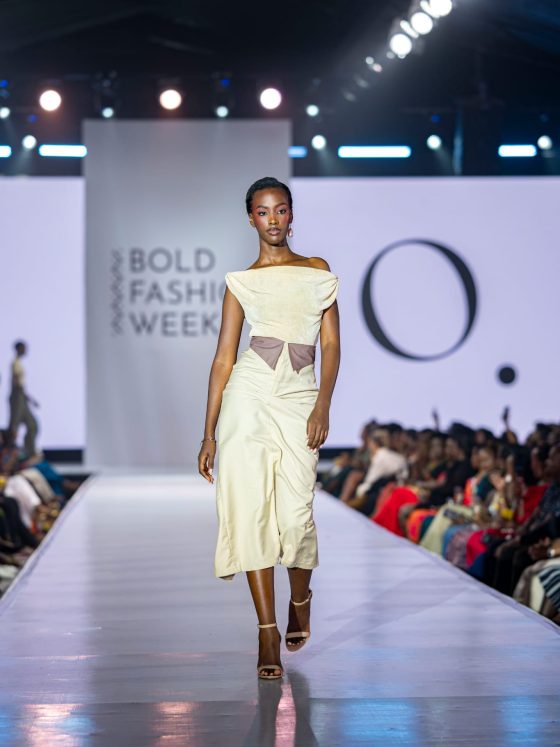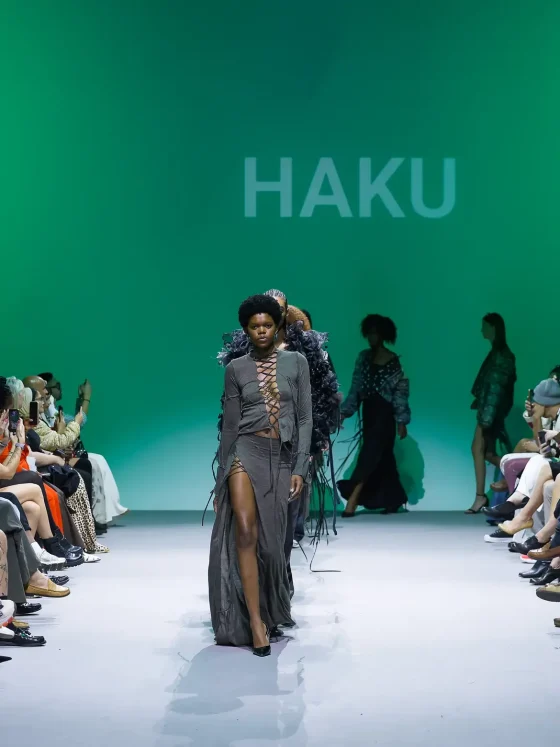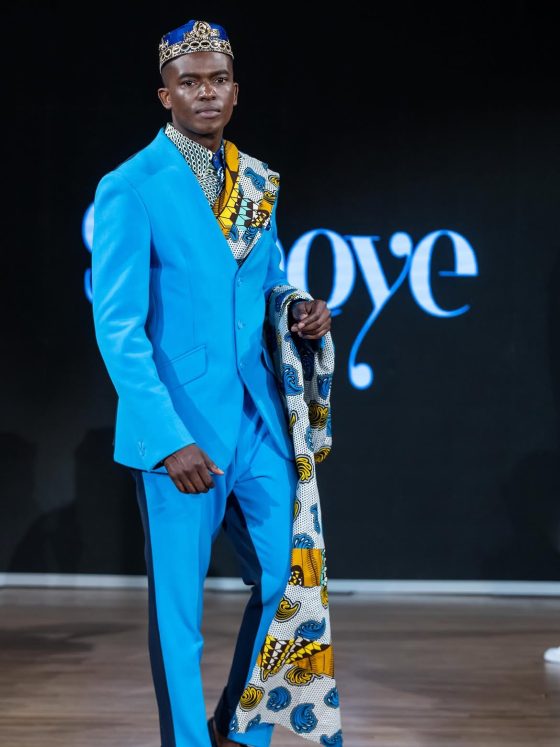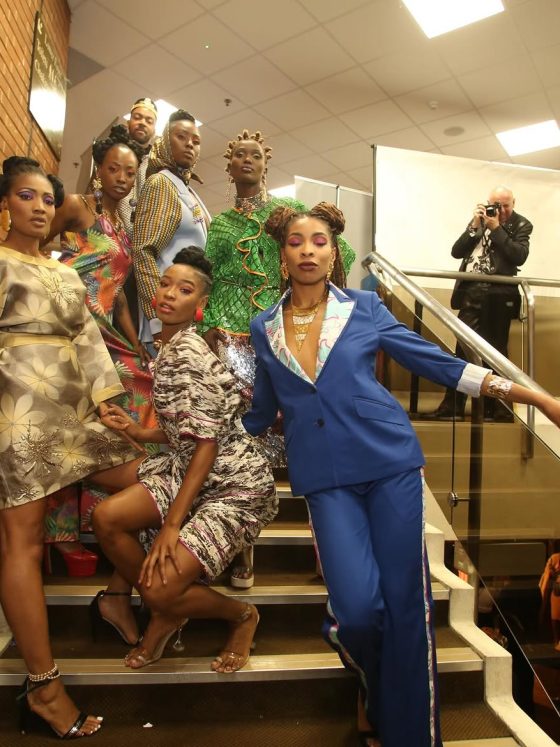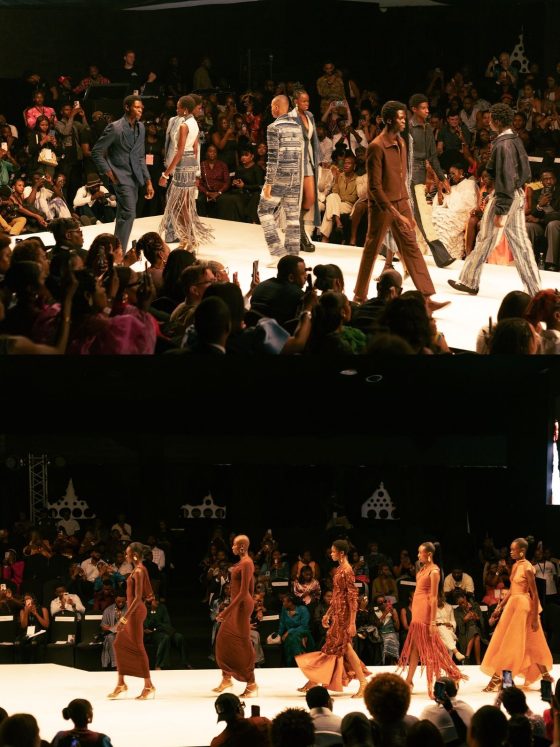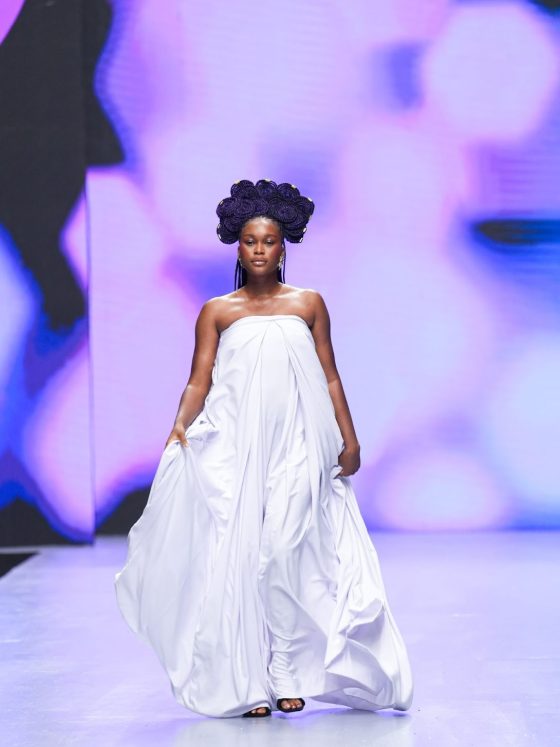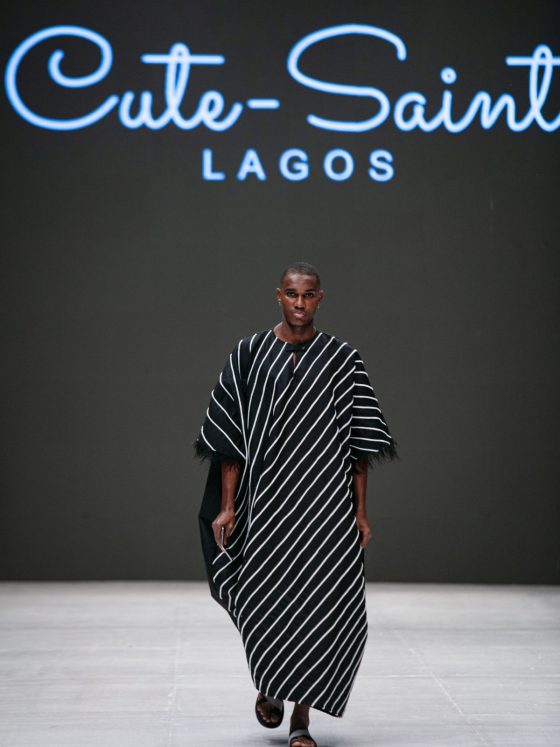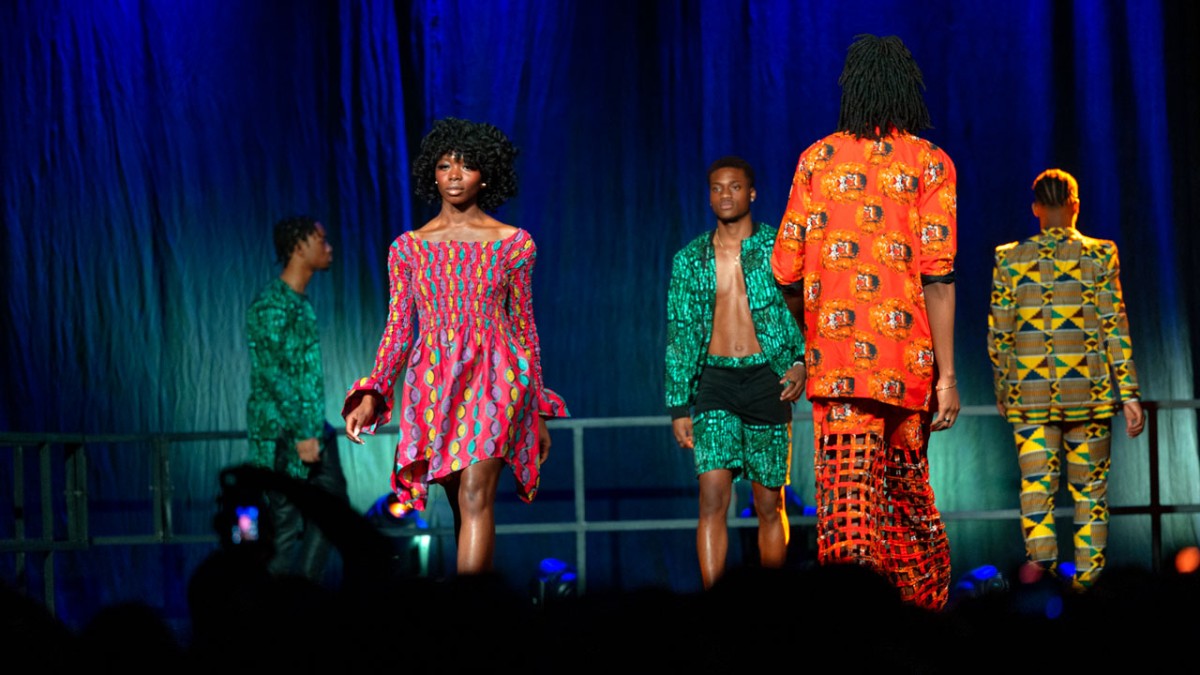
In February 2009, Adiat Disu sat in the front row of the ARISE Magazine runway show during New York Fashion Week and watched African designers given a small slot in an infrastructure that was not built for them. She was twenty-one years old and had recently left a corporate position at IBM. Within months, she had founded Adiree Communications and begun planning Africa Fashion Week New York. This platform would eventually run six annual editions, attract over 1,500 industry attendees, and earn an official proclamation from New York City Mayor Michael Bloomberg designating the event week in the city’s official calendar. The story of what Disu built is not a story about a niche event filling a gap in the market. It is a story about what happens when a primary institution fails a community, and that community stops waiting for the institution to correct itself.
African Diaspora Fashion Week in New York matters not because it represents diversity within NYFW. It matters because its existence proves NYFW failed. This is the full analysis.
The Failure That Made the Week Necessary
New York Fashion Week, which has been running since 1943 when Eleanor Lambert organised the Press Week that would eventually become its foundation, is the commercial and media infrastructure through which the American fashion industry presents itself to buyers, press, and the global market. The infrastructure includes the official CFDA calendar, the showroom ecosystem, the editorial coverage by attending publications, and the commercial relationships among designers, retailers, and wholesale buyers that form during the week. Access to this infrastructure is the practical mechanism through which a fashion label builds its press profile, buyer relationships, and commercial revenue that sustain it.
That infrastructure was not built to include African diaspora designers, and its record of inclusion has been documented as consistently inadequate. Black designers have fought for space in an industry that systematically excluded them from the financial, educational, and network resources that access requires. The entry barriers are not simply competitive. The absence of investment compounds them, the scarcity of press coverage from mainstream fashion media, and the structural reality that the industry’s gatekeeping positions, the editors, the buyers, and the investors have been disproportionately white.
A Business of Fashion analysis of New York Fashion Week found that even in a season when nearly thirty Black designers appeared on the CFDA’s official calendar, comprising roughly 25% of the official schedule, most received minimal press coverage from mainstream fashion media. As one designer told the publication, “I’ll be glad when we get to a place when it’s not that I’m one of the most exciting designers of colour but that I’m just one of the most exciting designers.” The distinction captures the gap precisely. Presence on the calendar is not the same as equitable participation in the infrastructure. A parallel institution exists because the primary institution produced a parallel need.
What Africa Fashion Week New York Actually Built
Africa Fashion Week New York, founded by Adiat Disu through Adiree Communications and first held in July 2010 at the Broad Street Ballroom in Manhattan’s Financial District, was not conceived as a protest against NYFW. It was conceived as infrastructure. Disu’s stated goal was to create a platform for trade, marketing, and the development of Africa’s fashion industry through ethical practice and to provide international retailers and designers with a structured mechanism for engagement that NYFW’s existing architecture did not offer.
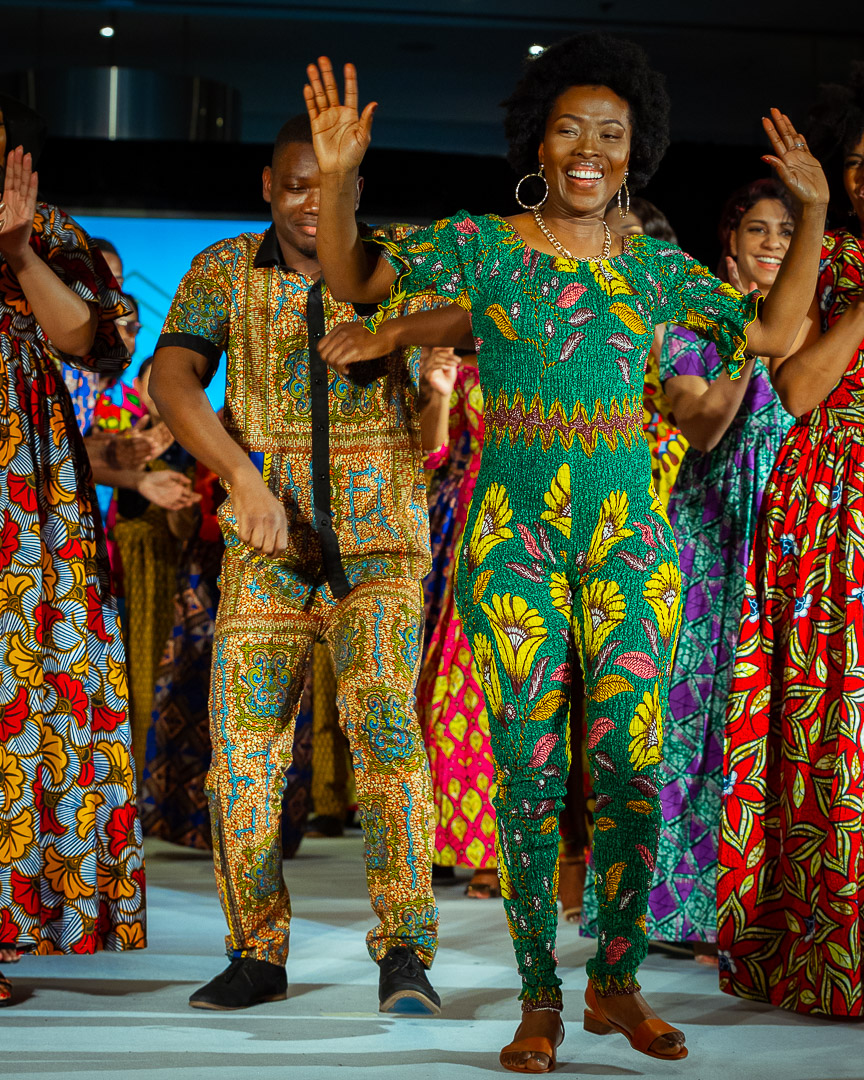
The event ran across multiple days and combined runway presentations with industry panels, networking events, and a vendor market. Approximately 70% of participating designers came directly from Africa, as documented in Mayor Bloomberg’s official proclamation, which was intended to promote tourism to New York and foster the US-Africa economic relationship. The procurement of a mayoral proclamation was not a symbolic gesture. It was institutional recognition of the event’s commercial function within the city’s economy, a designation that the CFDA’s official calendar did not provide and was not positioned to provide.
Disu expanded the model internationally, establishing Africa Fashion Week editions in London, Paris, Milan, Berlin, and Tokyo after the New York edition demonstrated the concept’s viability. The expansion was not driven by fashion week tourism. It was driven by the recognition that African designers needed structured access to multiple fashion capitals simultaneously, as the existing fashion-week infrastructure in each city was failing them in similar ways. By the sixth annual Africa Fashion Week New York, the event had become a documented entry point for African designers into the American market, with designers from across the continent using the platform to build relationships with US buyers and press that the official NYFW infrastructure was not providing.
The Museum at FIT and the Brooklyn Museum: When Institutions Finally Noticed
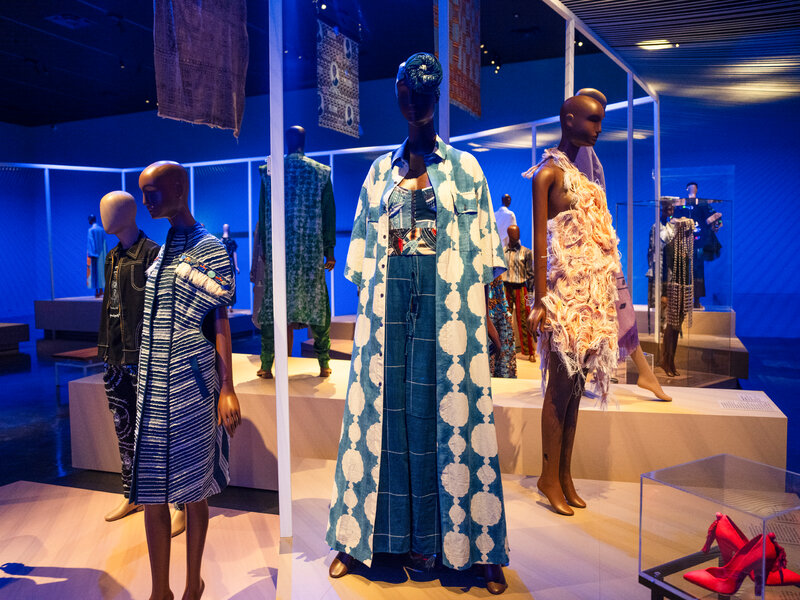
The institutional fashion world’s engagement with African diaspora fashion in New York reached a new level with two major museum exhibitions separated by two years. The Brooklyn Museum’s Africa Fashion exhibition, which made its North American debut in Brooklyn in 2023 after its first showing at the Victoria and Albert Museum in London in 2022, was the largest exhibition of African fashion ever mounted: over 180 works, spanning garments from the 1950s to the present, presented across a thematic and multisensory installation that the museum described as exploring the ingenuity and global impact of African fashions. Brooklyn, home to one of the most significant African diaspora communities in the United States, was the deliberate choice of venue. The exhibition drew audiences that included large numbers of Black visitors who recognised their own family dress traditions and cultural history in the gallery.
In 2024, the Museum at FIT mounted Africa’s Fashion Diaspora, which ran from September to December 2024 and was described as the first major exhibition to examine fashion as a mode of cross-diasporic cultural production. Featuring over sixty ensembles by Black designers from Africa, Europe, North and South America, and the Caribbean, the exhibition placed designers in conversation across the diaspora, showing the shared cultural networks that connect them regardless of geography. The FIT exhibition followed the framework established by scholars, including W.E.B. Du Bois, Frantz Fanon, Kwame Nkrumah, and Paul Gilroy, in theorising the shared cultural production of Black peoples across the diaspora. Both exhibitions placed New York at the centre of a global conversation about African fashion that the fashion industry itself had been having informally for decades.
The timing of both exhibitions matters. The Brooklyn Museum and FIT mounted these exhibitions at the same historical moment that Africa Fashion Week New York had been building the event infrastructure for African fashion in the city since 2010. The institutions were not creating the conversation. They were arriving at it, in the same pattern that characterises institutional engagement with African fashion globally: the community builds the culture, the institution arrives to document it, and the documentation is received as the moment of the culture’s arrival.
“African Diaspora Fashion Week in New York matters not because it represents diversity within New York fashion. It matters because its existence proves New York fashion failed. The parallel institution is the evidence.”
The Black in Fashion Council and the Infrastructure Gap
The Black in Fashion Council, founded in 2020 by Lindsay Peoples Wagner and Sandrine Charles, addressed a different dimension of the same structural failure that produced Africa Fashion Week New York. Where Disu’s platform focused specifically on providing African designers with market access and event infrastructure, the BIFC focused on the broader question of Black participation in the New York fashion industry at every level: design, editorial, buying, and investment. Its Discovery Showroom, which has run every season since September 2020 in partnership with IMG, provides Black designers with the showroom access that NYFW’s commercial infrastructure withholds: direct contact with editors and buyers in a format that allows the designer to demonstrate the garment, discuss the collection, and build the personal relationships that wholesale and press coverage require.
The showroom model addresses a specific, documented failure in the runway show format for emerging Black designers. A runway show at NYFW costs between several hundred thousand and several million dollars to produce at a level that attracts significant press attention. The commercial return on that investment for an emerging designer without established wholesale relationships is rarely commensurate with the cost. The showroom provides press access, buyer contact, and commercial relationship-building without requiring the capital expenditure the runway demands. It is a rational structural response to a commercial environment that was not designed to make the mathematics work for undercapitalised designers.
The BIFC’s model and Adiree’s model address the same structural failure from different angles. Adiree built a parallel event week that gave African designers a primary platform in New York during the fashion calendar. The BIFC built an access mechanism that gave Black designers entry into the existing NYFW commercial infrastructure on financially viable terms. Both are responses to a system that produced the need for both, and both represent African and Black creative communities building what the primary system refused to provide.
ALSO READ
→ Lagos Is the New Fashion Capital Nobody in the West Will Officially Admit
→ How Lagos Street Style Is Influencing What the Diaspora Wears in New York
→ Paris Through an African Lens: The Designers and Creatives Changing French Fashion
The Scale of What Is Being Ignored
The structural failure of New York’s fashion infrastructure to equitably include African diaspora designers is directly related to the commercial scale it fails to engage with. UNESCO’s 2023 report on the African fashion sector, launched at Lagos Fashion Week in October 2023, established that Africa exports textiles, clothing, and footwear to the value of $15.5 billion per year, that 32 fashion weeks are held across the continent annually, and that a 42% increase in demand for African haute couture is projected within the next decade. The continent produces raw materials, including cotton from 37 of its 54 nations, that supply global fashion production. The fashion industry that excludes African diaspora designers from its New York infrastructure is simultaneously dependent on the raw material production of the continent those designers come from.
The disconnect between the commercial scale of African fashion and the structural access African diaspora designers receive in New York is not a market inefficiency. It is a power arrangement. The designers who are being excluded from equitable access to press coverage, wholesale relationships, and investment have the cultural authority and the commercial product. What they lack is institutional standing in a system built to confer it on people who look and come from a particular place. The parallel institutions built to address that exclusion are not supplements to the primary system. They are indictments of it, operating in the same city and during the same calendar period for the same commercial purpose.
What the Week Represents Beyond the Runway
The significance of Africa Fashion Week New York and the broader ecosystem of African diaspora fashion events in the city extends beyond its role as a trade platform. It represents a claim about who has the right to present African fashion to the world and on what terms. NYFW, when it has engaged with African fashion at all, has done so primarily as a stage on which African designers gain credibility by demonstrating their work to a Western audience whose validation is implicitly required. The existence of a separate, community-built platform asserts that African fashion does not require Western institutional validation to be internationally significant.
This is a claim that the commercial data supports. The African fashion market has been growing independently of Western institutional recognition for decades. Lagos Fashion Week, founded by Omoyemi Akerele and now past its fifteenth year, operates as an internationally credible platform without requiring NYFW’s calendar or CFDA’s endorsement. Accra Fashion Week, Johannesburg Fashion Week, and Dakar Fashion Week, initiated by Adama Paris and now in their twenty-first year, each functions as a legitimate commercial and editorial event that generates press coverage, buyer relationships, and designer careers without referencing NYFW as the standard against which they should be measured. Africa’s fashion capitals, as the UNESCO 2023 report confirmed, are producing original design work at a scale and quality that the designation system of Western fashion capitals is not equipped to process. The parallel institution that Disu built in New York in 2010 is the diaspora expression of the same claim that Lagos, Accra, and Dakar have been making on the continent: African fashion does not need Western architecture to be real. It needs African architecture to be commercially sustainable.
THE OMIREN ARGUMENT
African Diaspora Fashion Week in New York matters not because it represents diversity within New York fashion. It matters because its existence proves New York fashion failed. Every parallel institution created by a marginalised community is, at its core, proof that the existing institution could not or would not perform its function for that community. If NYFW provided equitable access, commercial infrastructure, press investment, and buyer relationships for African diaspora designers, there would be no need for a separate event. Africa Fashion Week New York exists because NYFW did not. The Black in Fashion Council Discovery Showroom exists because NYFW’s commercial architecture made it economically irrational for emerging Black designers to participate on its terms. The museum exhibitions at Brooklyn and FIT documenting African diaspora fashion history exist because the fashion industry’s official history has excluded it. Each of these parallel constructions is evidence. The evidence accumulates into a verdict.
The argument this article must make, and that the mainstream coverage of African diaspora fashion events consistently avoids, is that the significance of these events is not representational. It is architectural. Adiat Disu was not building a showcase of African fashion for New York to see. She was building the commercial infrastructure that New York’s primary system refused to provide. The designers who show at these events are not asking to be included in NYFW. They are building a parallel system that serves their commercial needs without requiring NYFW’s permission. That distinction matters for how we understand what success looks like. Success is not the moment when enough African diaspora designers appear on the CFDA calendar for the parallel institution to become unnecessary. Success is the moment when the parallel institution has built sufficient commercial infrastructure of its own that the CFDA calendar becomes irrelevant. That is not a story about diversity. It is a story about power. And the parallel institution is the evidence that the community already understands the difference.
Frequently Asked Questions
What is Africa Fashion Week New York, and who founded it?
Africa Fashion Week New York was founded by Adiat Disu through her company Adiree Communications, conceived in 2009 after Disu attended the ARISE Magazine runway show at New York Fashion Week and observed the limited infrastructure available to African designers. The first edition was held in July 2010 at the Broad Street Ballroom in Manhattan’s Financial District. It attracted over 1,500 industry attendees and received an official proclamation from New York City Mayor Michael Bloomberg recognising the event’s contribution to the city’s economy and its role in fostering US-Africa commercial relationships. Disu subsequently expanded the Africa Fashion Week model to London, Paris, Milan, Berlin, and Tokyo.
Why do African diaspora designers need a separate fashion week in New York?
The existence of a separate fashion week is a direct consequence of structural failures in the primary New York Fashion Week infrastructure. Access to NYFW’s commercial architecture, which includes press coverage, wholesale buyer relationships, and investor attention, requires capital, networks, and institutional standing that African diaspora designers have been systematically excluded from building. Even when Black designers have appeared on the CFDA’s official calendar in significant numbers, the press coverage and commercial outcomes have not been proportionate to their presence. A parallel platform provides the trade and commercial infrastructure that the primary system lacks.
What is the Black in Fashion Council, and how does it support African diaspora designers at NYFW?
The Black in Fashion Council was founded in 2020 by Lindsay Peoples Wagner and Sandrine Charles to address systemic exclusion of Black professionals from the fashion industry at all levels. Its Discovery Showroom, running every season since September 2020 in partnership with IMG, provides Black designers with direct access to editors and wholesale buyers in a showroom format that does not require the prohibitive capital expenditure of a runway show. Designers, including Theophilio and Diotima, have credited the showroom with helping build their brands. The model addresses the same structural failure as Africa Fashion Week New York but focuses on integrating Black designers into the existing NYFW commercial infrastructure rather than building a parallel one.
What is the commercial significance of African fashion globally?
According to UNESCO’s 2023 report on the African fashion sector, Africa exports textiles, clothing, and footwear valued at $15.5 billion per year. Thirty-two fashion weeks are held across the continent annually. A 42% increase in demand for African haute couture is projected within the next decade. Africa produces cotton in 37 of its 54 nations, supplying raw materials for global fashion production. The structural exclusion of African diaspora designers from equitable access to New York’s fashion infrastructure is directly related to this commercial scale: the industry that excludes African designers from its infrastructure is simultaneously dependent on the raw material production of the continent those designers come from.
Omiren Styles covers African fashion, identity, and culture from inside the continent and its diaspora. Read more at omirenstyles.com.