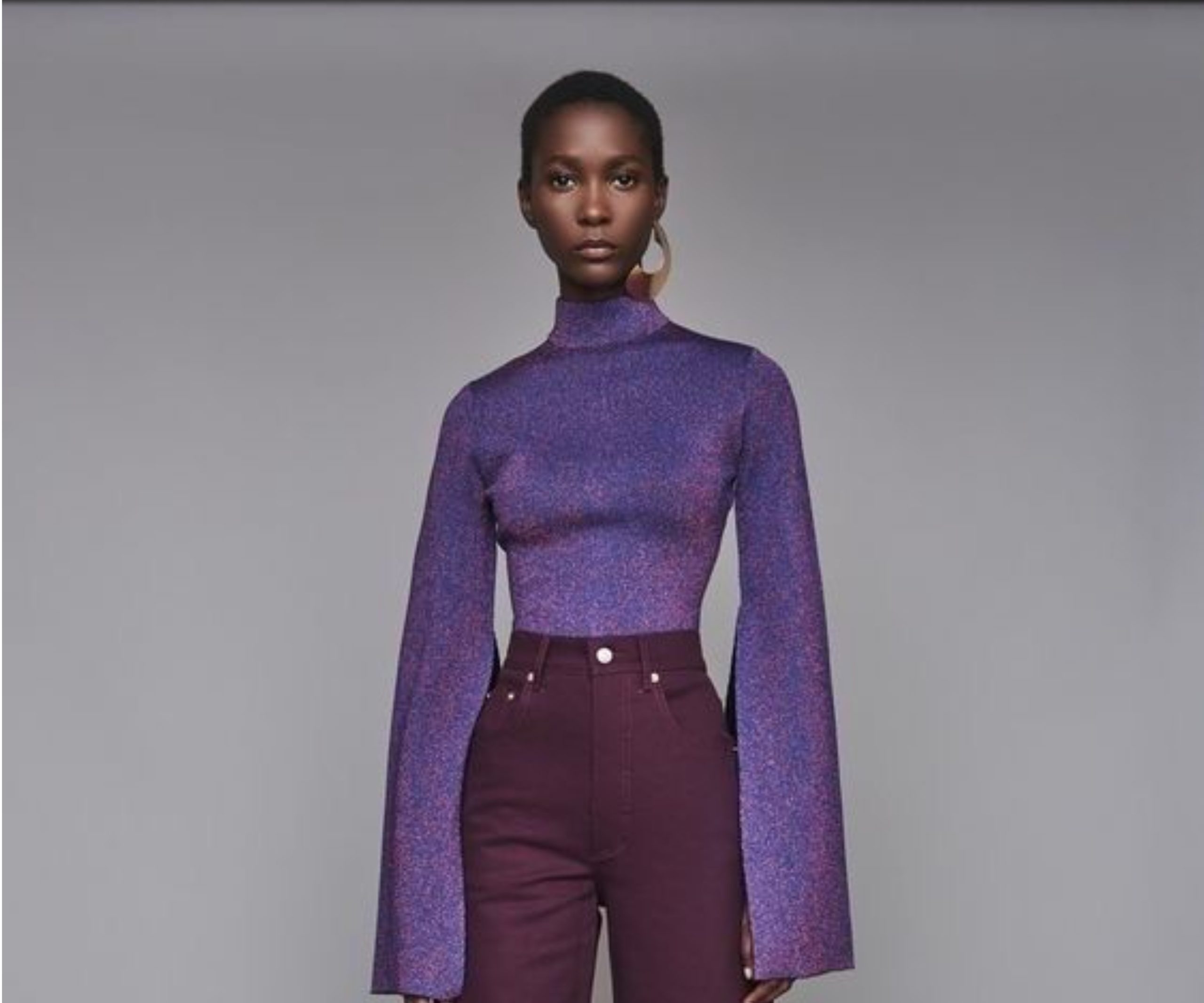
In 1856, an eighteen-year-old chemistry student stained a piece of silk and unknowingly stained history. The shade was soft purple, almost romantic. But mauve was not simply a pretty colour. It marked the beginning of the modern chemical industry, rewrote the economics of fashion, and quietly shifted how society understood innovation.
Before mauve, colour was status. Purple was reserved for emperors and bishops because it was rare and costly to produce. After mauve, colour became industrial, reproducible, and democratic. What looked delicate on a dress rack today once signalled a new era of science, capitalism, and self-expression. To understand mauve is to understand how culture, industry and identity collide.
From laboratory accidents to fashion revolutions, mauve reshaped industry, identity and modern chemistry forever worldwide.
The Accident That Built an Industry
The story begins with William Henry Perkin, a young student attempting to synthesise quinine, a treatment for malaria. Instead of medicine, he produced a dark residue. When dissolved in alcohol, it yielded a brilliant purple dye later called mauveine.
This episode was not merely a failed experiment that turned into a fortunate outcome. It arrived at the height of the Industrial Revolution, when Britain was primed to turn discovery into production. Perkin patented the dye and built a factory along the Grand Union Canal. In doing so, he effectively launched the first synthetic dye industry.
Mauve marked the moment chemistry left the laboratory bench and entered large-scale manufacturing. The synthetic dye industry would eventually give rise to pharmaceuticals, photographic chemicals, and advanced materials. Modern chemical giants trace part of their lineage to this turning point.
Colour Before Mauve: Power and Privilege
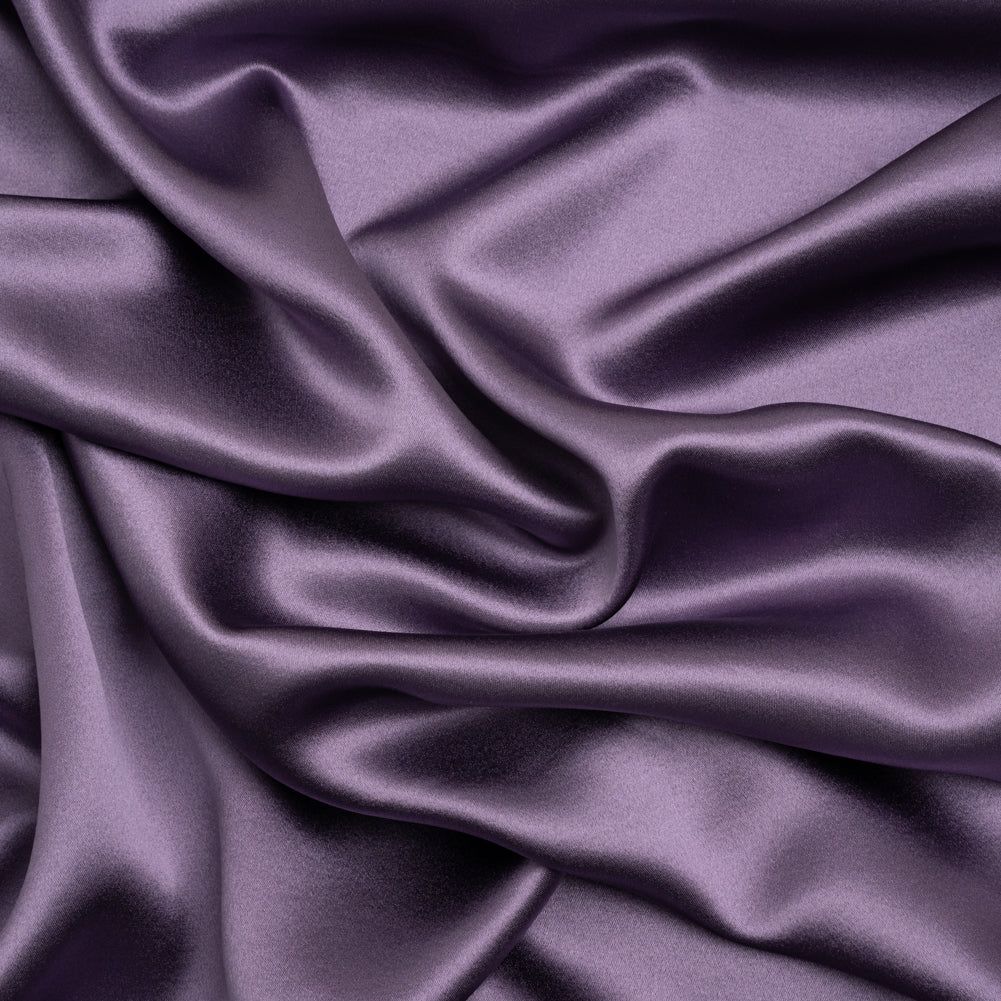
For centuries, purple dyes were derived from sea snails in a laborious process known as Tyrian purple. The cost made it exclusive to royalty. Clothing colours function as a social code. It symbolises wealth, hierarchy, and access.
Mauve disrupted that code. For the first time, a vibrant purple could be produced quickly and relatively cheaply. Silk gowns in London and Paris appeared in the new shade almost overnight. Even Queen Victoria wore mauve to public events, legitimising it across classes.
Why it matters: When colour is available, identity is negotiable. Mauve allowed middle-class consumers to participate in visual languages once reserved for elites. Fashion shifted from inherited status to purchased expression.
Mauve Mania and the Birth of Fast Fashion
By the early 1860s, newspapers described a craze known as mauve mania. Dresses, ribbons and gloves flood the market. The decade that followed is sometimes referred to as the Mauve Decade.
But beneath the surface, glamour was a structural change. Synthetic dyes allowed manufacturers to experiment rapidly with new hues. These developments accelerated fashion cycles. Colour trends could now move at industrial speeds rather than agricultural paces.
Mauve is an early ancestor of today’s fast fashion system. The ability to engineer colours at scale laid the groundwork for seasonal palettes and the diffusion of global trends. It tied chemistry to consumer desire.
Read Also:
Science as Cultural Force
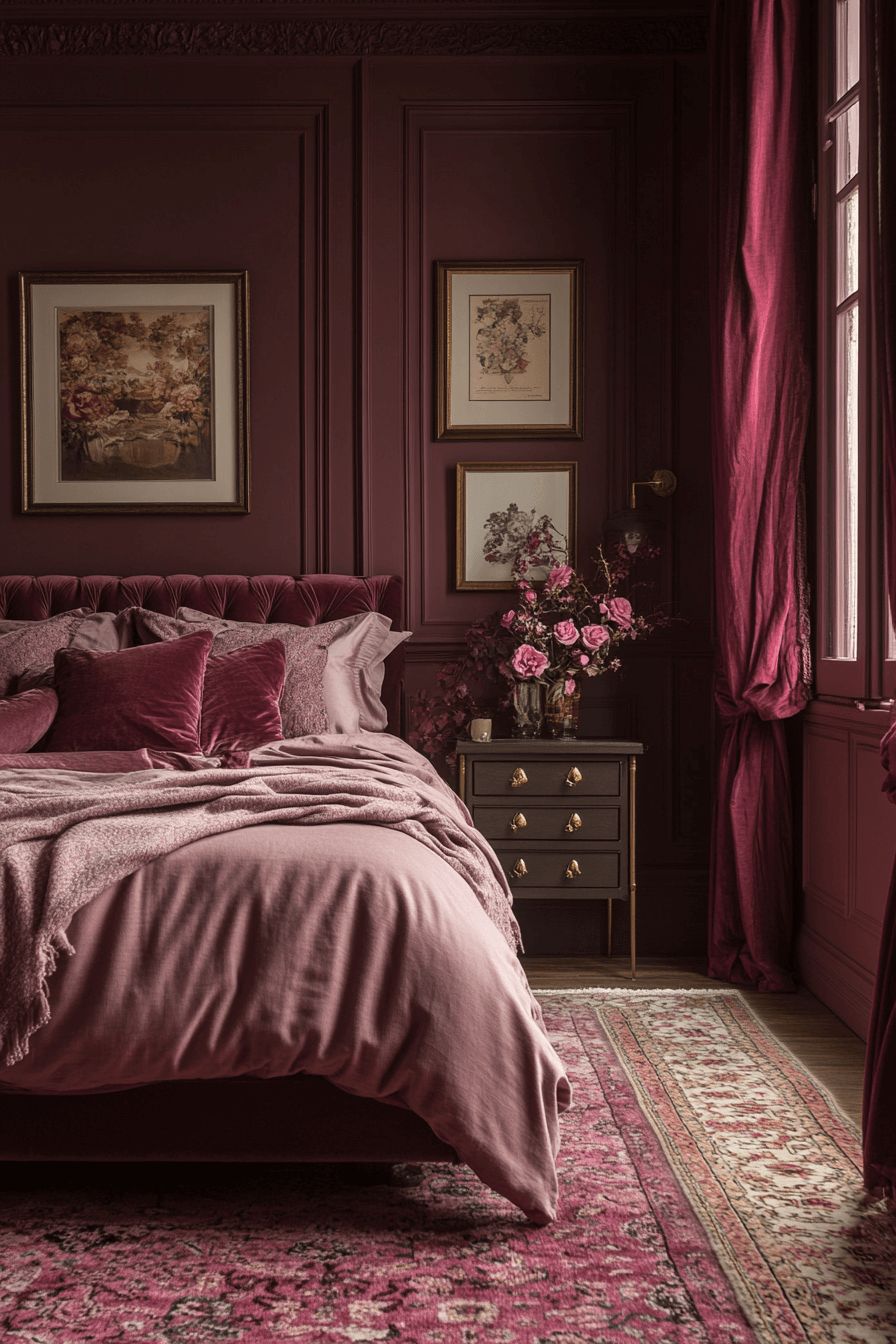
Mauve’s significance extends beyond wardrobes. The success of synthetic dye research encouraged deeper exploration of coal tar derivatives. German laboratories soon surpassed Britain in dye production, building companies that would later pioneer aspirin and other pharmaceuticals.
In laboratories, synthetic dyes became essential for staining cells under microscopes, enabling advances in bacteriology and medical diagnostics. What began as a colour for silk indirectly shapes public health.
Innovation rarely remains stagnant. Mauve illustrates how aesthetic desire can finance scientific progress. A fashion craze funded research infrastructure that transformed medicine.
Global Circulation and Modern Identity
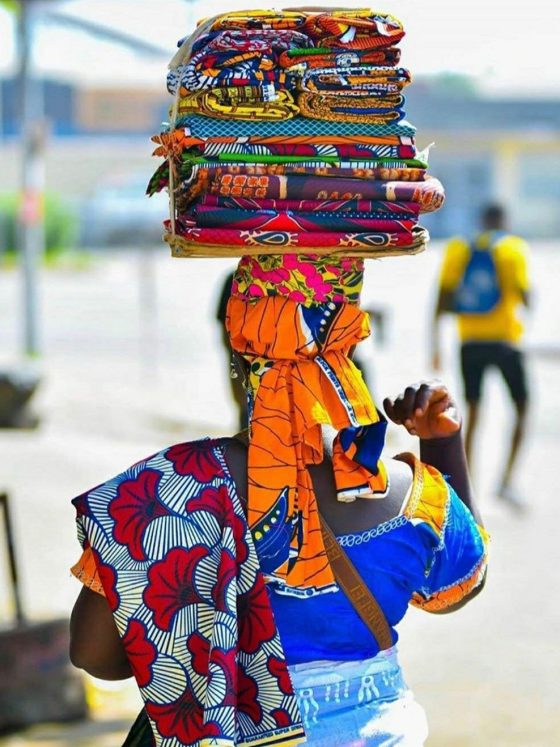
As European empires expanded their trade networks, synthetic dyes travelled with textiles across Africa, Asia, and the Americas. Colour became part of a cross-cultural exchange. In West Africa, imported dyed fabrics blended with local design traditions, producing hybrid aesthetics that still define contemporary style.
Seen through a global lens, mauve is not just a British invention story. It is a chapter on how industrial Europe reshaped material culture worldwide. Colour moved through colonial routes, factories and markets, embedding itself in diverse identities.
Sustainability and the Hidden Cost
Early synthetic dye production polluted waterways and exposed workers to hazardous chemicals. Environmental regulation did not yet exist. The same industrial efficiency that democratised colour also introduced new ecological risks.
Today, the textile industry remains one of the largest polluters globally. The story of mauve, therefore, speaks directly to modern debates about sustainable fashion.
Conclusion
Mauve changed the world not because it was beautiful but because it connected beauty to industry. It blurred the boundary between science and style, laboratory and runway, and privilege and participation.
The shade that began as an accident became a blueprint for modern consumer culture. It accelerated fashion cycles, strengthened industrial chemistry, and reshaped how people signal identity through clothing. When we see mauve today in workwear collections, wellness branding or minimalist interiors, we are seeing more than just a trend. We are witnessing a colour that carries memories of industrial ambition and social transformation.
Mauve matters because it shows how something as soft as a colour can harden into economic power and cultural change.
5 FAQs
- Who discovered mauve dye?
Mauveine was discovered in 1856 by William Henry Perkin while attempting to synthesise quinine.
- Why is mauve considered revolutionary?
It was the first commercially successful synthetic dye, launching the modern chemical industry.
- How did mauve influence fashion?
It made vibrant purple affordable, accelerating trend cycles and expanding access to expressive clothing.
- Did mauve impact science beyond textiles?
Yes. Synthetic dye research contributed to pharmaceutical development and laboratory staining techniques.
- What does mauve symbolise today?
Beyond its softness and elegance, it symbolises the intersection of innovation, industry, and identity.