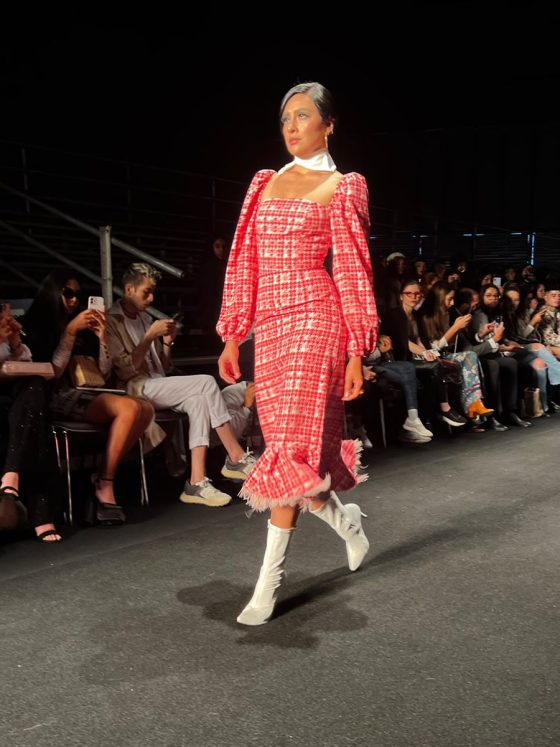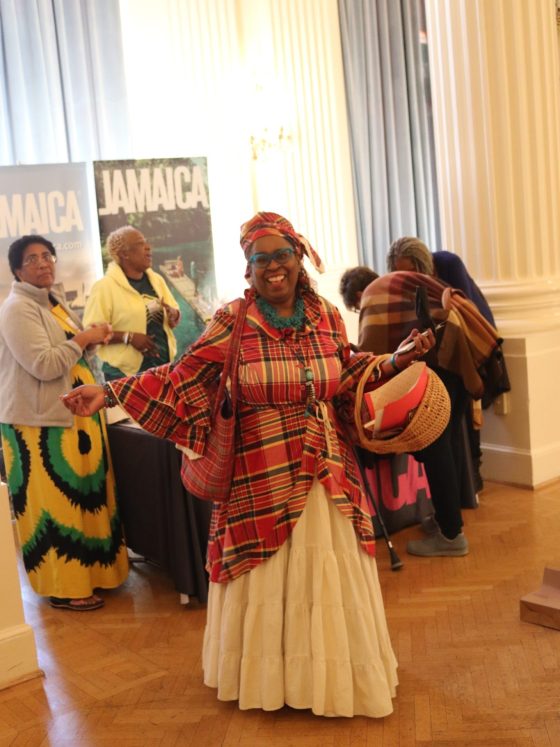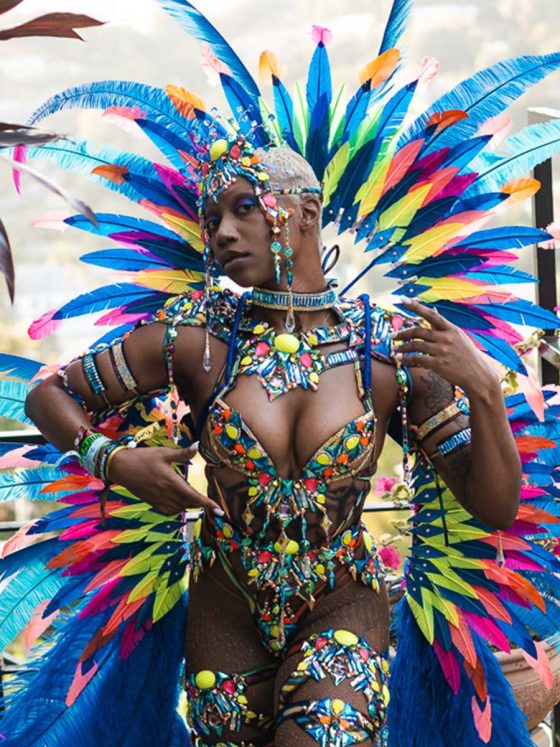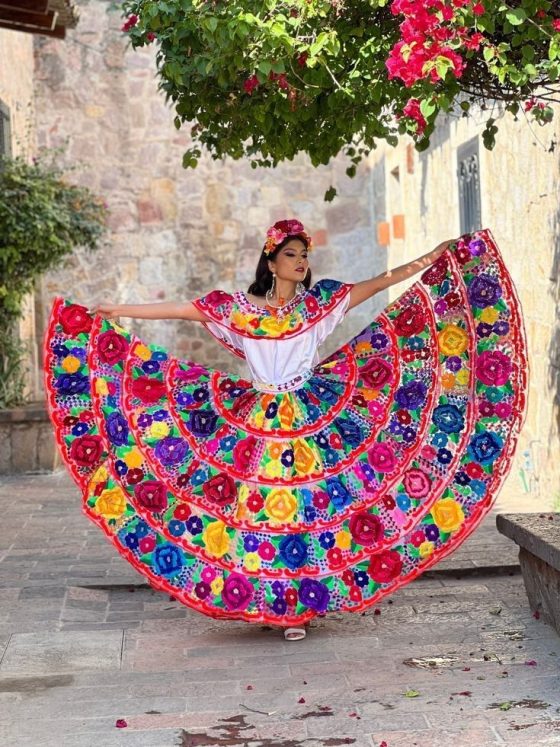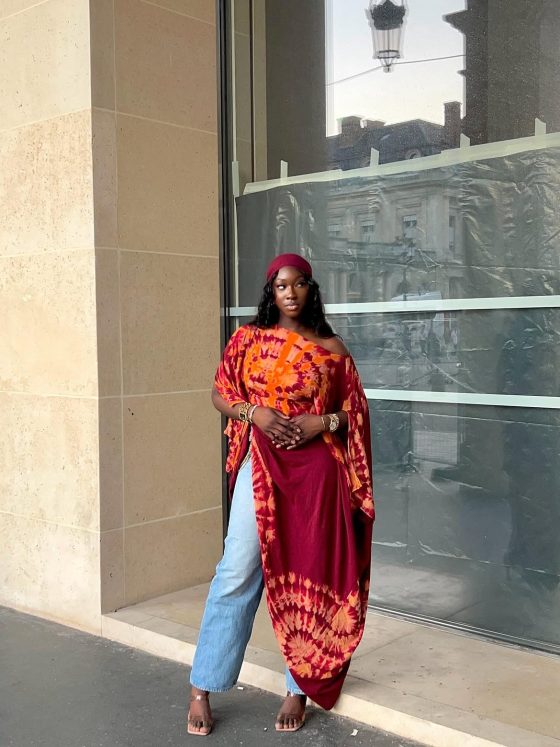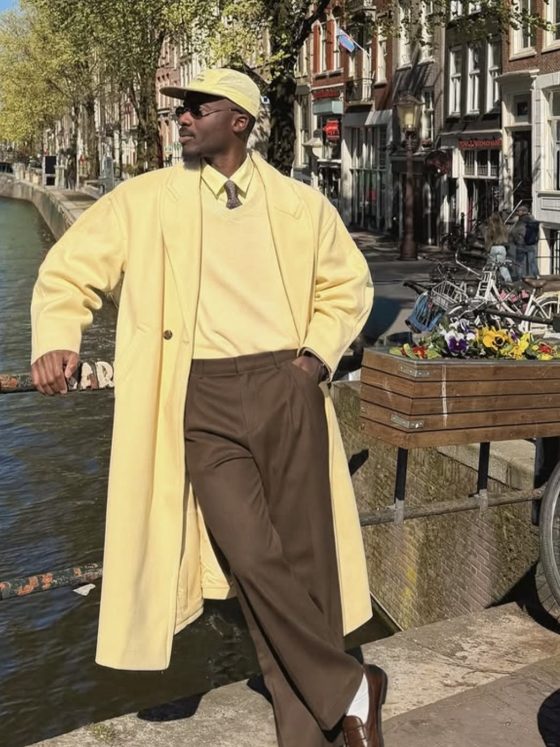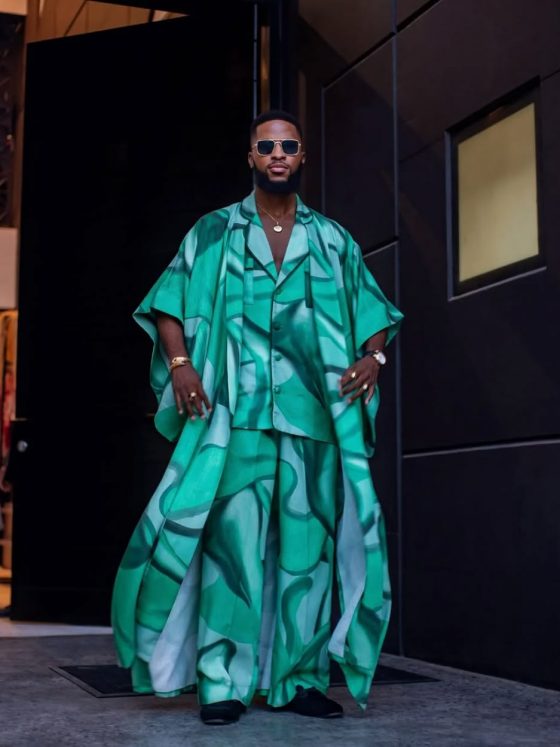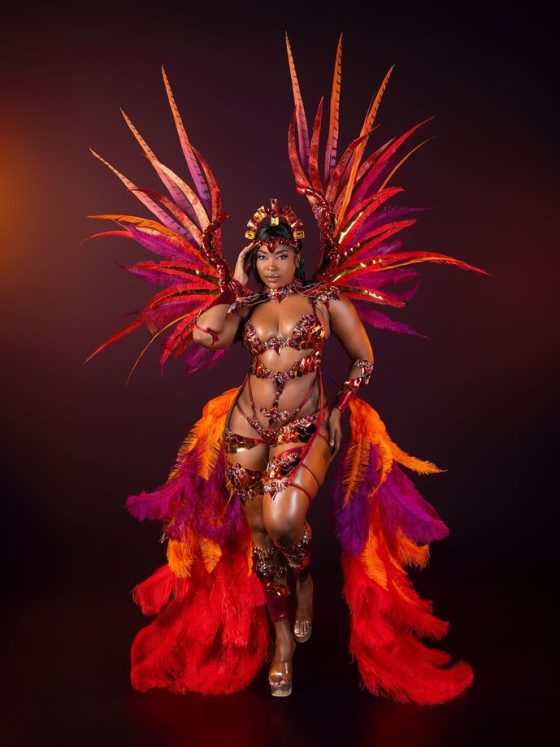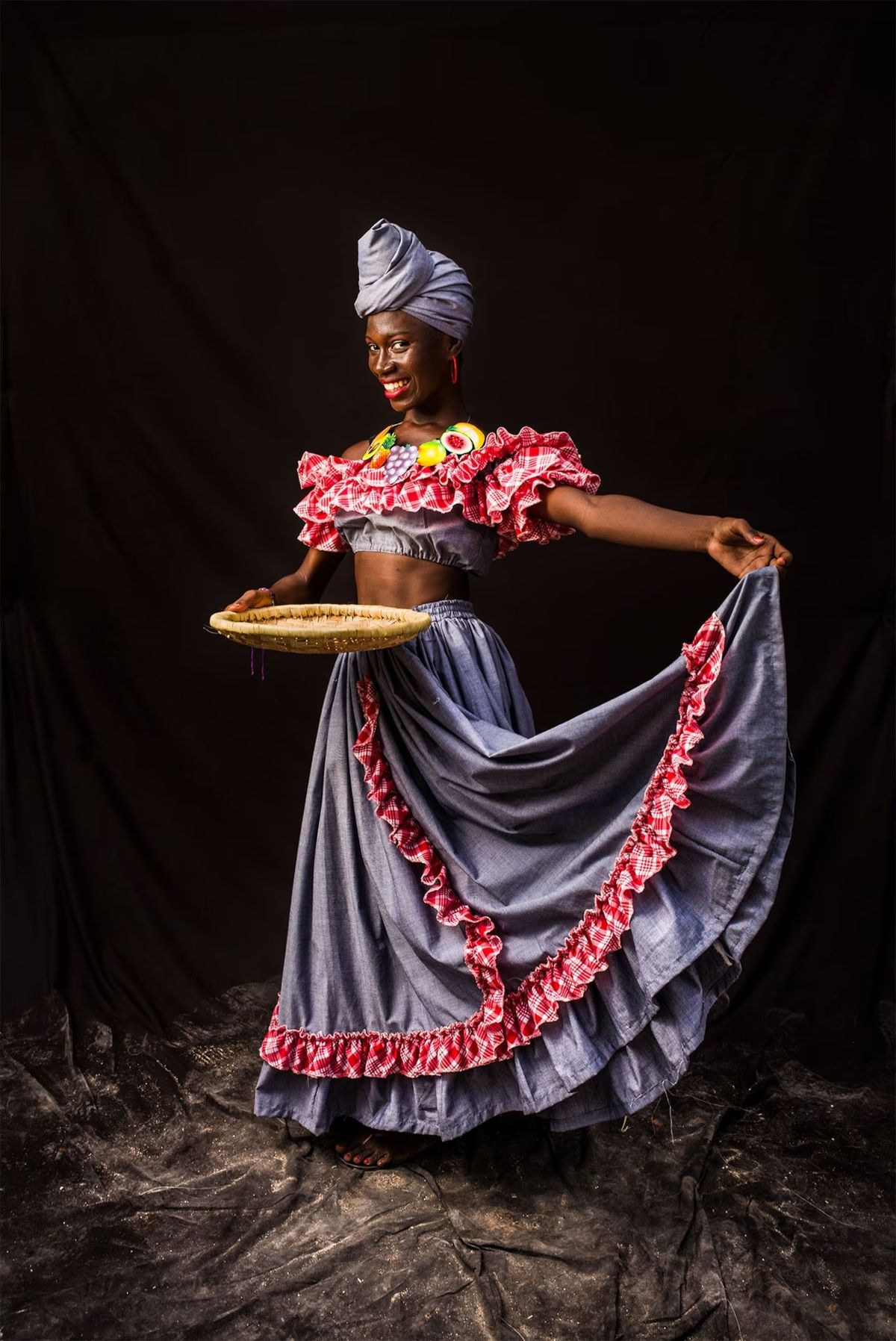
A woman entering a church service in Port-au-Prince wearing a carefully structured headwrap, pressed white clothing, and polished shoes is making social decisions before she speaks a word. In another part of the city, a rare procession moves through the street with performers dressed for rhythm, ceremony, and movement. In Jacmel, Carnival costumes built from papier-mâché, fabric scraps, paint, and handiwork transform public space into performance. Haitian dress does not operate through a single visual code. It shifts across religion, class, ceremony, labour, and artistic practice, carrying different meanings depending on where it appears and who is wearing it.
Afro-Caribbean fashion in Haiti cannot be separated from the country’s political and cultural history, but neither can it be reduced to a struggle alone. Haitian dress culture is structured through continuity. Clothing functions as social language, spiritual preparation, creative practice, and economic reality all at once. The politics of dress in Haiti come from these overlapping systems rather than from symbolism alone.
Afro-Caribbean fashion in Haiti is shaped by Vodou, tailoring, Carnival arts, and public identity beyond crisis narratives.
Dress and Social Presentation in Haitian Public Life
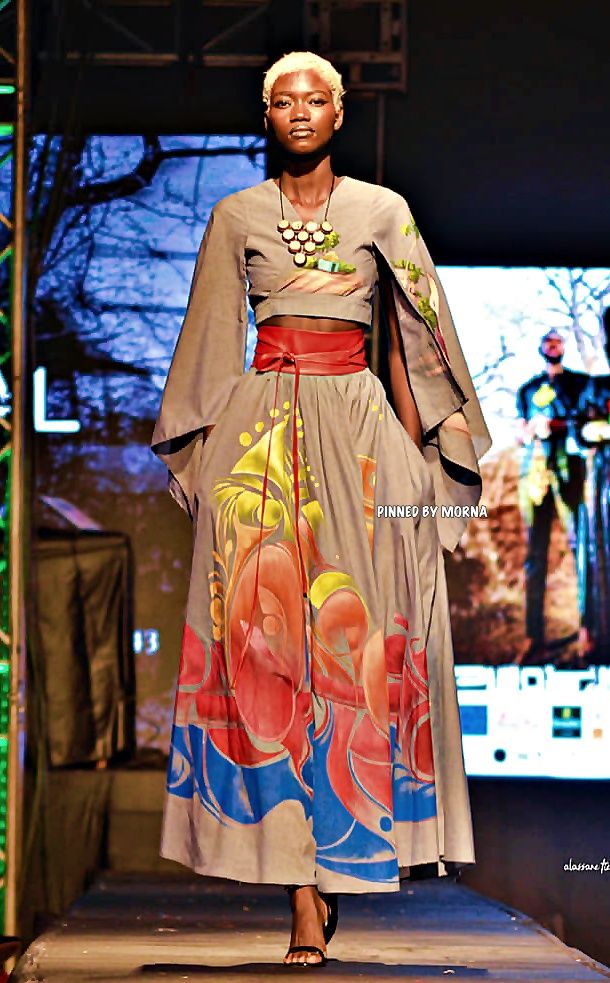
In Haiti, clothing has long carried strong social meanings tied to dignity, discipline, and public presentation. The idea of being properly dressed for church, school, ceremonies, or formal gatherings remains deeply embedded across generations. This does not necessarily depend on wealth. Even under severe economic pressure, presentation often remains a social expectation.
Tailoring plays an important role within this structure. Locally made garments, altered clothing, and carefully maintained pieces are common parts of Haitian dress culture. Clothing is expected to fit correctly and appear intentional. Public appearance reflects not only individual taste but also social respectability and family representation.
This emphasis on presentation developed across both urban and rural life. In cities such as Port-au-Prince and Cap-Haïtien, fashion moves through churches, workplaces, schools, and nightlife spaces. In rural areas, dress traditions are shaped more directly by ceremony, labour, and local community practices. These systems overlap but do not function identically.
Vodou Dress and Spiritual Identity
Vodou dress in Haiti operates within a highly structured spiritual framework. The clothing worn during ceremonies is tied to lwa, ritual purpose, and ceremonial hierarchy rather than visual performance. White garments are commonly used in purification rituals and initiatory practices, while specific colours and fabrics may correspond to particular spiritual lineages or ceremonial functions.
Headwraps, scarves, beads, embroidered garments, and ceremonial white dresses all appear within Vodou spaces, but their meanings depend on context. Clothing may indicate a spiritual role, a ritual stage, or a relationship to a specific lwa. The garments are active parts of the ceremony, not decorative references to spirituality.
Vodou dress has frequently been distorted in foreign representations of Haiti, particularly through film and tourism narratives that frame the religion through fear or spectacle. Within Haitian communities, however, these garments belong to a living spiritual system with clear internal meaning. Their importance comes from practice and continuity rather than outside interpretation.
Carnival, Rara, and Performance-Based Dress
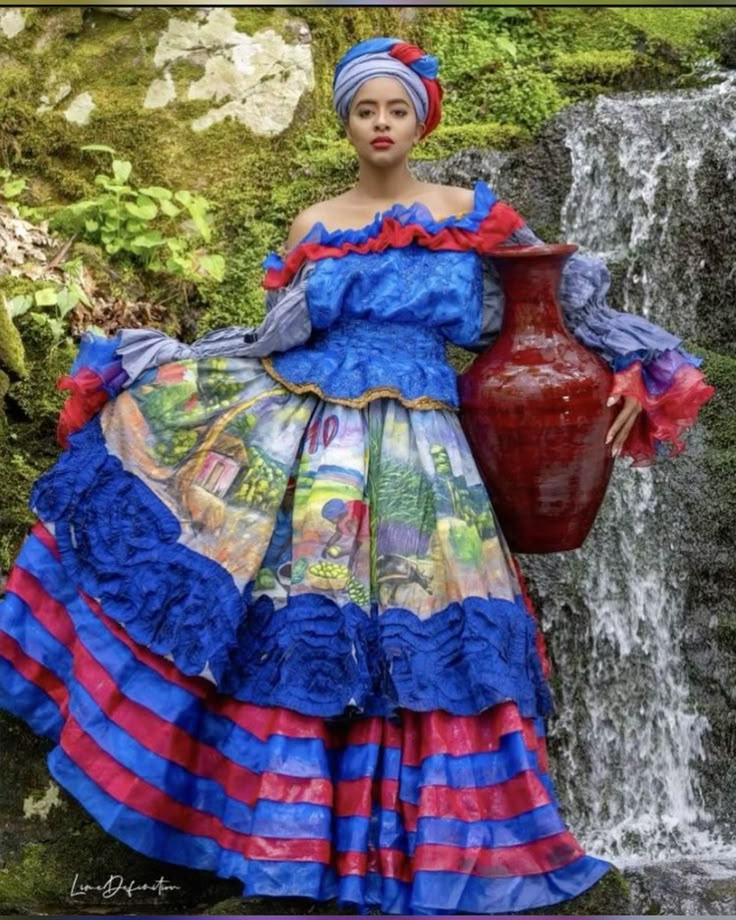
Performance traditions remain central to Haitian dress culture. Carnival in cities such as Jacmel is known for large-scale handcrafted costumes built through local artistic labour. Papier-mâché masks, layered fabrics, painted surfaces, and sculptural construction techniques transform costume-making into community art production.
Rara processions create another important system of dress. Musicians and performers dress for mobility, sound, and group identity as they move through public spaces during the Easter season. Clothing within Rara is less formalised than Carnival costume but still shaped by colour coordination, symbolism, and community recognition.
What connects these traditions is the relationship between dress and collective participation. The clothing is produced for movement, ritual, satire, and performance rather than static display. Makers, performers, and musicians all contribute to the final visual language.
READ ALSO:
- Jamaican Textiles and Cloth Culture: Bandana Fabric, Maroon Weaving, and the Kingston Garment Economy
- Dress and Identity in Jamaica: Rastafarian, Maroon, and Kumina Dress as Distinct Cultural Systems
Imported Fashion, Local Tailoring, and Economic Reality
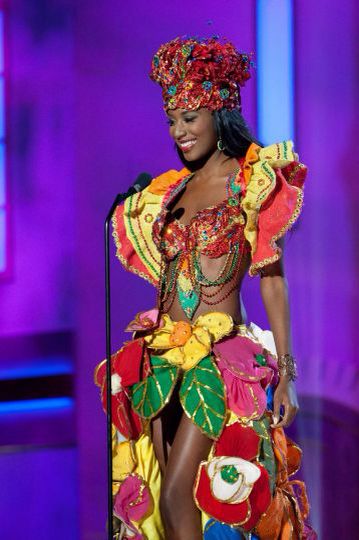
Haitian fashion culture is also shaped by the large-scale circulation of imported second-hand clothing, known locally through market systems that distribute garments across urban and rural areas. These imports affect how people dress daily, but they do not erase local identity.
Tailors and sewists remain essential because imported garments are often altered, combined, or reconstructed to fit local taste and practical need. Clothing moves through adaptation rather than direct consumption. The result is a dress culture shaped by improvisation, maintenance, and creative reuse.
Economic instability has also influenced fashion production in Haiti. Access to fabric, manufacturing infrastructure, and large-scale retail systems remains uneven. Yet local fashion practices continue through informal economies, independent artisans, and small production networks that sustain clothing culture beyond formal industry structures.
The Omiren Argument
Haitian fashion is often framed through political instability or spiritual spectacle, reducing dress culture to crisis imagery or exoticised representations of Vodou. This interpretation treats Haitian clothing as symbolic evidence of hardship or mystery rather than as part of an organised cultural system shaped by social practice, spirituality, and artistic production.
In reality, Afro-Caribbean fashion in Haiti operates through interconnected structures of public presentation, ritual dress, performance culture, tailoring, and informal economic networks. The politics of dress in Haiti come not from spectacle alone but from the constant negotiation between visibility, dignity, spirituality, and survival. Haitian clothing culture persists because these systems remain active, adaptive, and socially necessary within everyday life.
FAQs
- What influences Afro-Caribbean fashion in Haiti?
Haitian dress culture is shaped by spirituality, tailoring traditions, Carnival arts, rara performance culture, imported clothing markets, and local community practices.
- Is Vodou clothing symbolic or ceremonial?
Vodou dress is ceremonial and functions within active spiritual practice. Garments often reflect ritual roles, spiritual lineage, and ceremonial preparation.
- Why is tailoring important in Haiti?
Tailoring remains important because locally altered and custom-fitted garments are central to Haitian presentation culture, even within difficult economic conditions.
- What is rara in Haitian culture?
Rara is a musical and performance tradition involving street processions, drumming, movement, and coordinated forms of dress during Easter season celebrations.
- How does imported clothing affect Haitian fashion?
Imported second-hand clothing shapes daily dress, but garments are often altered, restyled, and integrated into local fashion systems through tailoring and reuse.