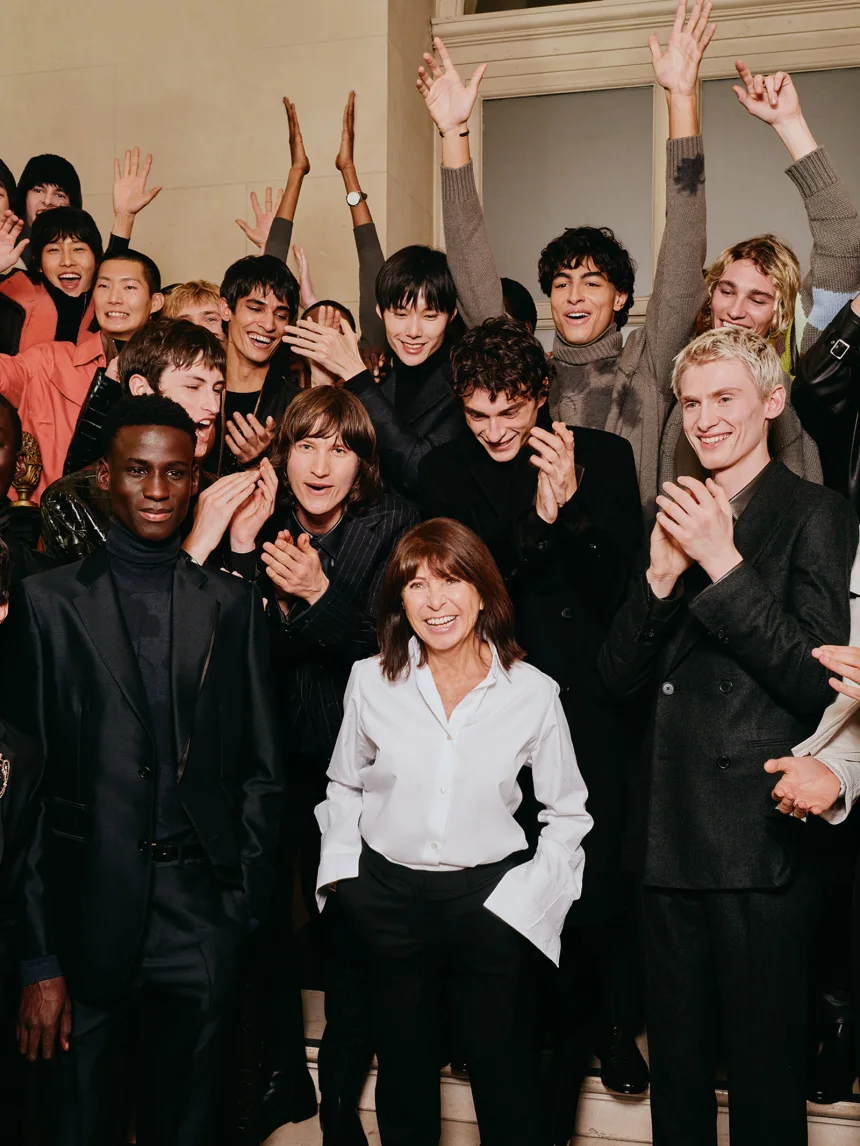
On 25 January 2026, at the Palais Brongniart in Paris, Véronique Nichanian presented 59 silhouettes. The show opened with archival footage of her bows across nearly four decades at Hermès. Cashmere sweaters striped with thin lambskin strips. Shearling as season’s protagonist. Suits slimmed but not cloyingly youthful. Flat boots of sublime leather beneath slightly cropped trousers. The collection notes read: everything fits together, but everything is mobile, alive, enduring, seamlessly, continuously, through a season made for a lifetime. When the final look cleared the floor at the Palais Brongniart, Sir Paul Smith was in the room. So was the knowledge that this was the last time. As AnOther Magazine’s backstage account of Nichanian’s final show confirms, her own word for the collection was sensuality. Not legacy. Not farewell. Sensuality.
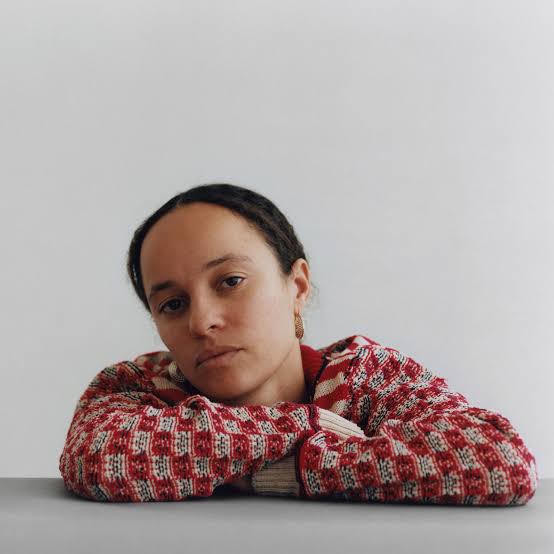
The African fashion market is worth 31 billion dollars. Hermès menswear is not an African fashion story. But the succession that Nichanian’s departure initiates is one of the most significant events in contemporary luxury fashion for what it means to African and diaspora design practice: Grace Wales Bonner, who will present her first Hermès collection in January 2027, is a British designer whose research practice has been built consistently around Black cultural history, Afro-Atlantic aesthetics, and the intellectual life of the African diaspora. Understanding what she inherits requires understanding what Nichanian built. This article documents that specifically.
Véronique Nichanian closed 38 years at Hermès on 25 January 2026. Here is what she built, what Wales Bonner inherits, and what January 2027 must answer.
Nichanian’s 38-Year Tenure: What She Actually Built
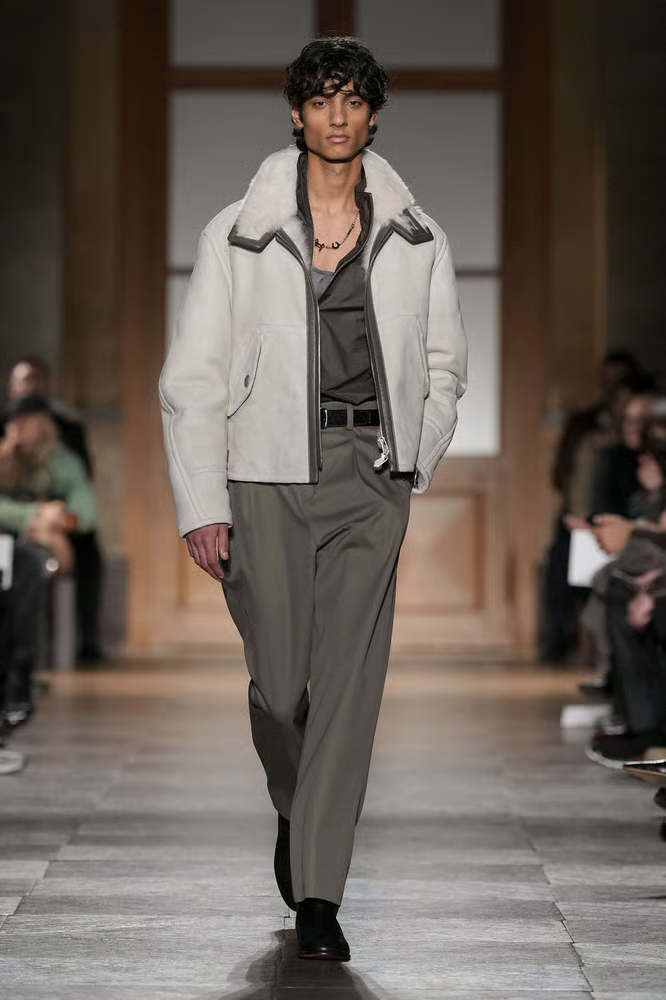
Véronique Nichanian joined Hermès in 1988. She leaves, nearly 38 years later, holding the documented title of the longest-serving creative director in fashion, equalled only by house founders. As CNN Style’s account of Nichanian’s final show confirms, she created a pragmatic lavishness that countless contemporaries have copied in vain. The description is precise and hard-won: pragmatic lavishness is not a marketing phrase. It is a design philosophy that refuses the division between function and luxury, between wearability and quality, between daily use and extraordinary material.
She has described her process: it begins with colour. From colour, she develops a relationship to material. From material, she builds towards silhouette and construction. This sequence does not begin with the market, the trend forecast, or the brand narrative. It begins with how a specific shade of colour interacts with a specific weight of cashmere, and what that interaction demands of the garment’s cut and construction. The result is clothing that earns its value through the experience of wearing it rather than through its legibility as a status object.
The concept she developed over decades was informal chic: clothing that combines technical construction with the appearance of ease. A jacket that looks unconstructed but is built with the precision of tailored outerwear. A blouson whose leather has been worked to the point where it moves with the body rather than around it. A sweater that presents simplicity but contains chromatic decisions refined across a season of development. Her stated pleasure was the second time: the moment when a garment reveals a concealed pocket, an unexpected lining, a construction decision that did not announce itself on first wear. The second time is when the wearer discovers they are wearing something that was made for them rather than for an image.
Nichanian’s word for her final collection was sensuality. Not restraint, not heritage, not legacy. Sensuality. A word that puts the body at the centre of the garment’s purpose and refuses to let the history of the house substitute for the experience of wearing its clothes. That is the standard Wales Bonner inherits. Not a style, but an ethical position about what luxury menswear is for.
The Final Collection: AW26 as Summation
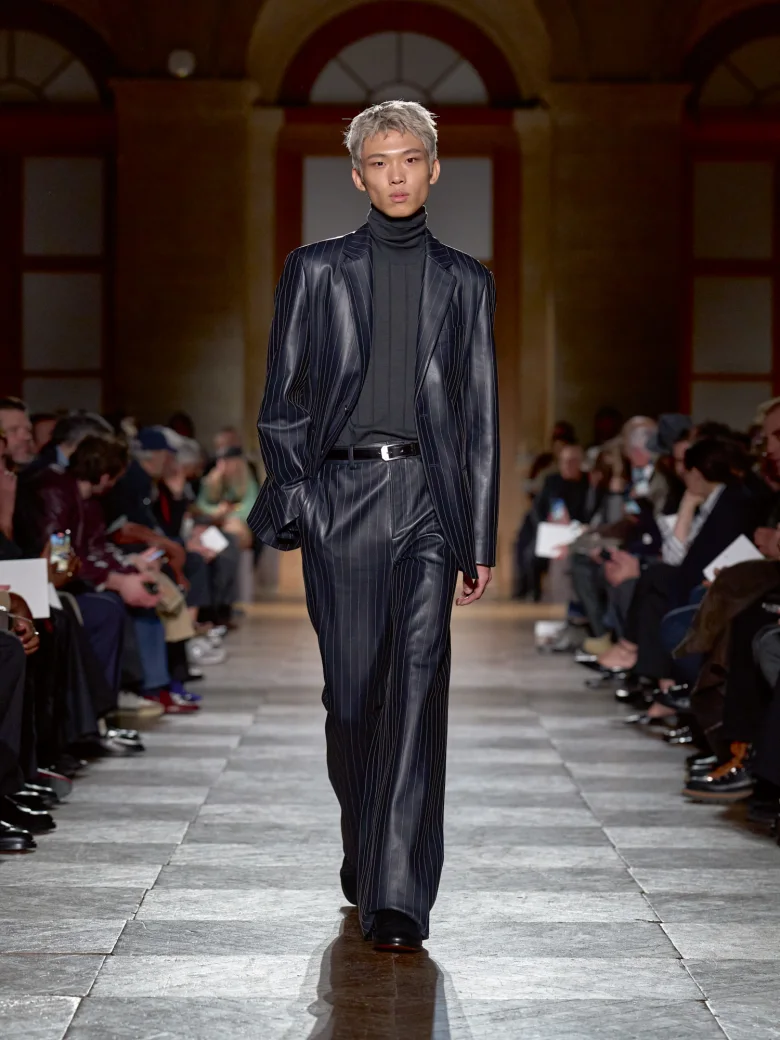
The AW26 collection was not a greatest-hits parade. As DSCENE’s documentation of Nichanian’s farewell at the Palais Brongniart confirms, 59 silhouettes unfolded across the runway, each one a testament to Nichanian’s philosophy that the line does not exclude comfort but invites it to forge its own way. The opening look established the tone immediately: this was a collection focused on its mandate rather than on its departure. Shearling was the season’s primary material protagonist. Alongside it: Hermès’s signature calfskin, high-shine crocodile, technical satin, and featherweight wool-and-silk faille used for tuxedo-style evening wear. Nichanian did not suppress her experimentation for her final show: cashmere sweaters knitted with thin strips of lambskin represented a construction decision that had not appeared in that form before.
Details from Hermès scarves were woven into wools and knitted into sweaters, pulling the house’s textile heritage into menswear construction without presenting it as self-referential decoration. The result, as multiple critics noted, was quietly sensational and eminently real: clothing that demonstrated why Nichanian’s specific sensibility cannot be replicated by observing the surface of her collections. The knowledge that produces the construction is not visible in the final garment. It is inside it.
She will not leave Hermès entirely. Axel Dumas, Hermès CEO, and Pierre-Alexis Dumas, the house’s Artistic Director, confirmed they did not want her to stop. She will remain as Artistic Director of Men’s Leathers and Silks, maintaining her specific expertise in the material categories where Hermès’s craft heritage is most technically demanding. This structural continuity matters for understanding what Wales Bonner inherits: not a blank menswear canvas, but a living institutional culture in which the person who shaped the leather knowledge for 38 years remains present.
What Wales Bonner Inherits: The Institutional System
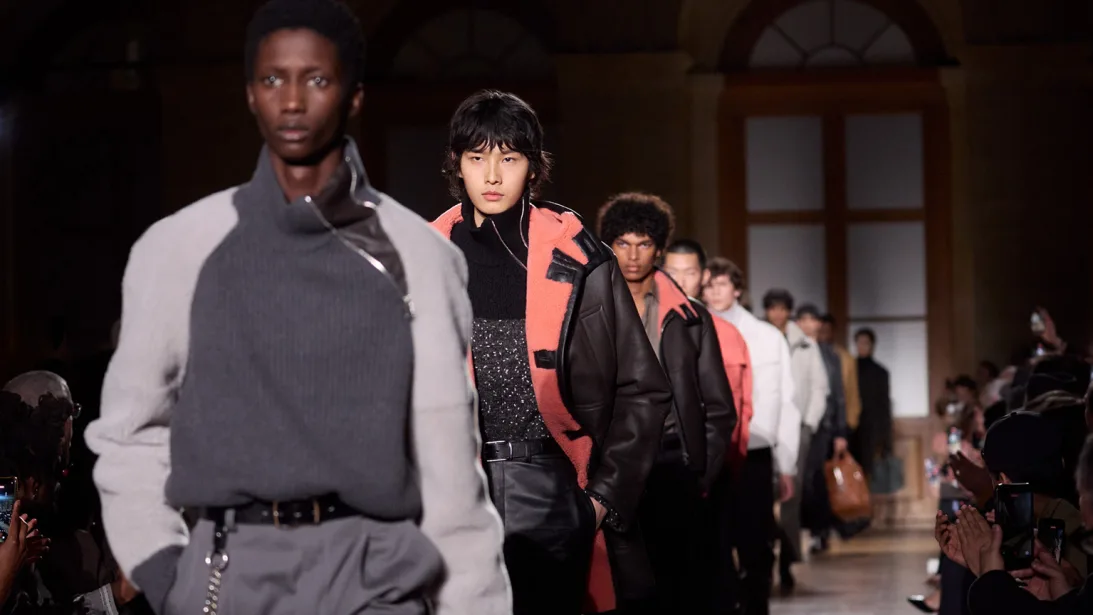
Wales Bonner’s first Hermès collection is confirmed for January 2027. As Omiren Styles’ analysis of Wales Bonner’s appointment and its significance confirms, Hermès cited her work across fashion, craft and culture as the basis for the appointment. She inherits a menswear system rather than a menswear image. The system includes: textile development relationships built over decades with specific suppliers; leather expertise refined across 38 years of Nichanian’s direction, which Nichanian herself will continue to oversee; a production infrastructure designed to execute garments at the material standard that Hermès menswear has maintained; a retail relationship with clients who have been buying Hermès menswear for decades and whose expectations are shaped by its continuity; and the house’s operational relationship between runway presentation and store-ready product.
This system cannot be redesigned in a first collection. It is the institutional weight of what Nichanian built. Wales Bonner will work with it rather than simply replacing it. The most useful critical framework for the January 2027 collection is therefore not whether Wales Bonner departs from Nichanian’s aesthetic or preserves it, but how her established research methodology, documented over a decade of independent practice, engages with the material intelligence that Hermès menswear has accumulated under Nichanian.
Two Records, One Succession
The succession should not be written as a confrontation between European luxury and Afro-Atlantic design thought. That binary simplifies both practices. Nichanian’s work is not reducible to French restraint. It is a specific 38-year practice within one house, developed through her own relationship to colour, material, and construction. Wales Bonner’s practice is not simply diaspora reference added to a luxury system. It is an independent, research-led methodology with its own intellectual structure, documented across collections, publications, exhibitions, and collaborative practice. As Omiren Styles’ documentation of Wales Bonner’s research practice from Central Saint Martins to Hermès confirms, her collections do not use research as hidden preparation. They make the research visible through titles, published matter, sound, collaboration, and exhibition contexts. That methodology is what arrives at the Hermès ateliers in 2026.
There are meaningful parallels between the two records that deserve to be named without turning them into equivalence. Both practices take clothing seriously as an object rather than an image. Both resist the idea that fashion must primarily create immediate spectacle. Both value detail and context. Both produce clothing whose significance develops through wearing rather than through display. And both, in their distinct ways, position the dressed body as a site of intelligence, choice, and cultural meaning rather than as a vehicle for brand communication. The encounter between these two practices is what January 2027 will begin to reveal.
What Cannot Be Claimed Before January 2027?
No Wales Bonner collection for Hermès has been shown. The appropriate critical position before that collection appears is documented scepticism rather than either predetermined celebration or predetermined suspicion. What cannot responsibly be claimed: that Wales Bonner will make Hermès more culturally inclusive in any measurable sense; that specific African textiles, motifs, or craft practices will appear in Hermès menswear; that the house’s sourcing, attribution, or collaboration systems will change; or that Nichanian’s specific menswear codes will be preserved or abandoned.
One question that should have been present from the beginning of Wales Bonner’s tenure is how cultural references will be named, credited, and valued when they enter a large luxury institution. As Omiren Styles’ argument about who should define cultural authority in fashion confirms, the relevant questions are: Is the source named accurately? Were makers or community representatives involved? Do contributors receive payment or long-term opportunity? These questions should be applied consistently as specific materials, names, and practices appear in Wales Bonner’s Hermès work. They are not accusations in advance. They are the critical standard that serious fashion writing should apply to any designer working at the intersection of research, luxury, and cultural reference.
The Omiren Argument
Véronique Nichanian closed out 38 years at Hermès on 25 January 2026 with a collection whose protagonist material was shearling and whose designer’s word for it was “sensuality”. The African fashion market is worth 31 billion dollars. She leaves behind the longest creative directorship in fashion history outside house founders, and she leaves not to departure but to a continuing institutional role as Artistic Director of Men’s Leathers and Silks. Grace Wales Bonner inherits a menswear system built around material intelligence, informal chic, the second-time discovery, and 38 years of specific craft knowledge accumulated by Nichanian and the ateliers she developed. That system is not a blank canvas. It is an institutional culture with its own standards, its own material relationships, and its own expectations from a client base formed over nearly four decades. What Wales Bonner brings to that system is a decade of independent practice built around research, Black cultural history, Afro-Atlantic aesthetics, and the proposition that clothing is part of a wider world of cultural inquiry rather than a self-contained commercial product. The encounter between those two bodies of work is the most consequential event in luxury menswear in the current period. Its outcomes cannot be known before January 2027. They can only be assessed across multiple seasons as a new creative vision meets the institutional weight of one of fashion’s longest-running creative partnerships. Omiren Styles will be watching the clothes.
Also Read:
- Wales Bonner x Adidas: The Design and Commercial Reach Behind a Long-Running Collaboration
- Diaspora Style Is Not Fashion’s Trend Reservoir
- The Omiren Index 2026: 10 African Ready-to-Wear Labels Building International Fashion Infrastructure
- Black Luxury Entrepreneurs: Six Fashion Brands Worth Watching
Frequently Asked Questions
When was Véronique Nichanian’s final Hermès show?
Véronique Nichanian presented her final Hermès menswear collection on 25 January 2026 at the Palais Brongniart in Paris, during Paris Men’s Fashion Week. The Autumn/Winter 2026 collection comprised 59 silhouettes and received a standing ovation. The show opened with archival footage of Nichanian’s bows across nearly four decades at the house. Nichanian will remain at Hermès as Artistic Director of Men’s Leathers and Silks following her departure from the menswear creative director role.
What did Nichanian say about her last Hermès collection?
Backstage before her final show, Véronique Nichanian described leaving with the phrase j’ai quitté (I left), noting that she had not entirely left the house, as she would remain as Artistic Director of Men’s Leathers and Silks. Her word for the AW26 collection itself was sensuality. She described making clothes where the line does not exclude comfort but invites it to forge its own way. The collection notes identified it as one where everything fits together, yet everything is mobile, alive, enduring, seamlessly and continuously, through a season made for a lifetime. She has also said: it is a collection I am proud of.
What does Wales Bonner inherit from Nichanian?
Wales Bonner inherits a menswear system rather than a menswear image. This includes: textile development relationships built over nearly four decades with specific suppliers; leather expertise that Nichanian herself will continue to oversee in her role as Artistic Director of Men’s Leathers and Silks; a production infrastructure capable of executing garments at Hermès’s material standard; a retail relationship with a client base whose expectations have been shaped by the continuity of Nichanian’s tenure; and the house’s established relationship between runway presentation and store-ready product. Nichanian’s specific informal-chic design philosophy, built around colour as a starting point and second-time discovery as the standard of quality, is the design culture that Wales Bonner will encounter in the Hermès ateliers.
Will Nichanian stay at Hermès?
Yes. Véronique Nichanian will remain at Hermès as Artistic Director of Men’s Leathers and Silks following Grace Wales Bonner’s appointment as Creative Director of Men’s Ready-to-Wear. Hermès CEO Axel Dumas and Artistic Director Pierre-Alexis Dumas both confirmed they did not want Nichanian to stop entirely. This structural continuity means that the material expertise Nichanian developed over 38 years in the house’s leather and silk categories remains institutionally present within Hermès during Wales Bonner’s creative directorship.
What is Nichanian’s design philosophy?
Véronique Nichanian’s design philosophy is most precisely described through her own terminology: informal chic and pragmatic lavishness. It begins with colour, from which she develops a relationship to material, and from material to silhouette and construction. She has described the pleasure of a garment’s second time: the moment when a wearer discovers a concealed pocket, an unexpected lining, or a construction decision that did not need to announce itself immediately. Her clothes are designed for daily use, repeated wearing, and gradual discovery rather than for immediate visual impact. She has described her clients as men who seek the best in life, not the flashiest or most fashionable, but the most exquisitely made, the most precise.
Explore More
Read the full Fashion > Designer Profiles section for Omiren Styles’ documented analysis of the Wales Bonner trilogy at Hermès, Nichanian’s 38-year legacy, and the critical standards that should govern how the January 2027 collection is assessed when it arrives.
Discover travel and heritage intelligence across Africa at Rex Clarke Adventures.