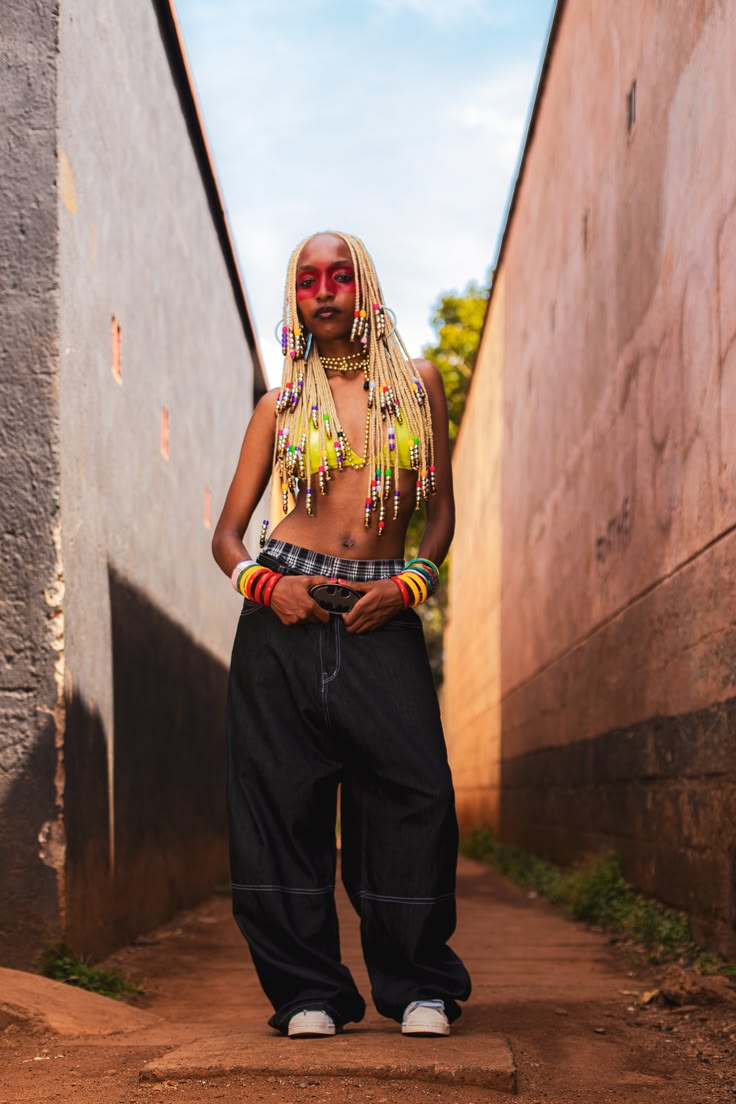
Lab Fantasma is a Brazilian fashion brand that began as a music label, grew into a cultural collective, and arrived on the São Paulo Fashion Week runway in 2016 with a collection called Yasuke and a cast that was 90 per cent Black, in a fashion week whose history had been almost entirely the opposite. The brand was founded in 2009 by rapper Emicida, born Leandro Roque de Oliveira in the favelas of São Paulo, and his brother Evandro Fióti. Its full name is Laboratório Fantasma, meaning Ghost Laboratory. The name is precise: the brand operates on the cultural work that Brazilian society has attempted to make invisible, making it visible.
Lab Fantasma Brazil fashion sits at the intersection of hip-hop, Afro-Brazilian history, social criticism, and contemporary streetwear construction, with no direct equivalent in the global fashion industry. It references quilombos, the communities of escaped enslaved people who built autonomous settlements across Brazil from the sixteenth century. It references capoeira, the martial art developed by enslaved Africans in Brazil that disguised combat training as dance. It references contemporary Black Brazilian art and music, as well as the specific experience of growing up Black and poor in São Paulo. These are not decorative references. They are the brand’s structural logic, from which every collection argument is derived. Fashion media outside Brazil has almost entirely failed to document this.
Lab Fantasma is Emicida’s streetwear brand rooted in quilombos, capoeira, and Black Brazilian resistance. One of the most politically coherent fashion brands in the Americas. Here is the full record.
From a Favela and a Price Tag of R$14
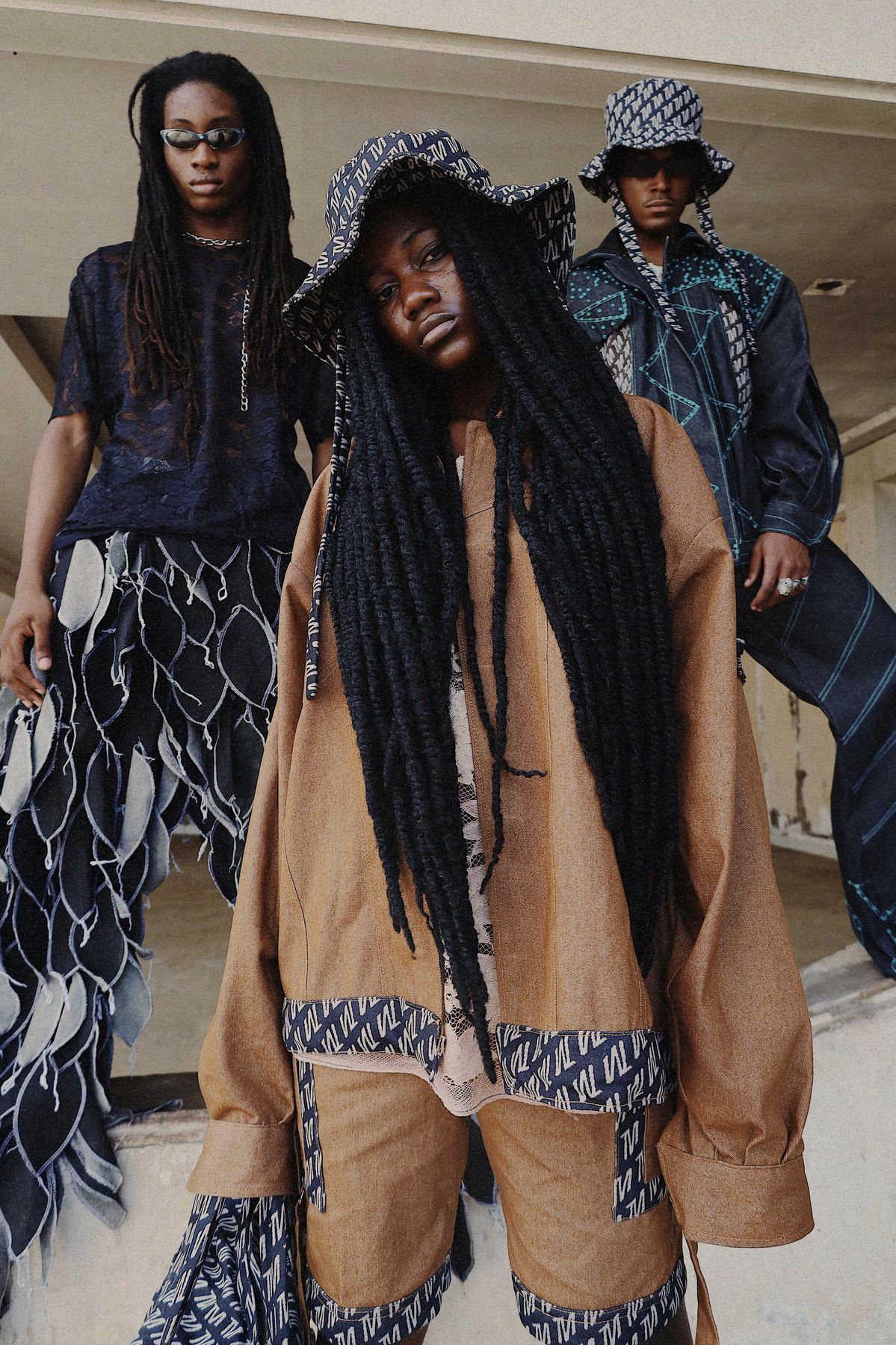
Emicida’s biography is not incidental to Lab Fantasma’s cultural argument. He grew up in the Capão Redondo neighbourhood of São Paulo, one of the city’s most economically marginalised areas. He built his music career through freestyle rap battles before founding Laboratório Fantasma in 2009 as a platform for hip-hop and urban Black culture. The brand’s first clothing collections were priced at a single retail price of R$14, the equivalent of approximately three US dollars at the time. That price point was not a marketing strategy. It was a statement about who the brand was for: the communities from which it came, not the fashion market into which it would eventually be invited.
The decision to sell the first collection at R$14 placed Lab Fantasma in direct opposition to the dominant logic of Brazilian fashion, where São Paulo Fashion Week had, since its founding in 199,6 functioned as a platform for an industry that was, in the words of AFROPUNK contributor Robin Batista, not made for Black people. The brand’s early commercial model refused to replicate the industry’s own exclusions from within it. When Lab Fantasma eventually entered SPFW, it did so not as a brand that had conformed to the industry’s terms, but as one that brought its own terms to an industry that had never accommodated them.
“The first collection was priced at R$14. Not as a marketing strategy. As a statement about who the brand was for. That position has never changed.”
Yasuke at SPFW: The Show That Made History
On 24 October 2016, Lab Fantasma closed the second day of São Paulo Fashion Week with its debut runway show. The collection was called Yasuke, named after the historical African man who was captured from his homeland, enslaved in Europe, and eventually became an important samurai in sixteenth-century Japan. The choice of Yasuke as a collection theme was characteristic of Emicida’s broader cultural practice: finding in the historical record the Black figures whose contributions had been erased and returning them to visibility. Yasuke’s story, of a man whose humanity persisted and whose capabilities were recognised across the most improbable cultural distance, carried a precise argument about what Black lives contain that no political speech could have made more efficiently.
The collection was presented in black, white, and red.
The creative direction was by João Pimenta, a renowned São Paulo designer who had shown at SPFW for years and brought formal fashion-construction rigour to the collaboration. The casting was 90 per cent Black, with models of all sizes and body types, in a fashion week whose casting had historically been dominated by standards that Black Women of Brazil contributor Wendy Candido described as those of Scandinavian whites. Singers Seu Jorge and Ellen Oléria walked in the show. At the show’s close, Emicida performed, singing about what it meant to stand beside Black models from poor neighbourhoods in one of Brazil’s most elitist spaces. The show was covered by Vogue Brasil, Elle, and AFROPUNK. International fashion media did not cover it.
Quilombos, Capoeira, and the Cultural Architecture of the Collections
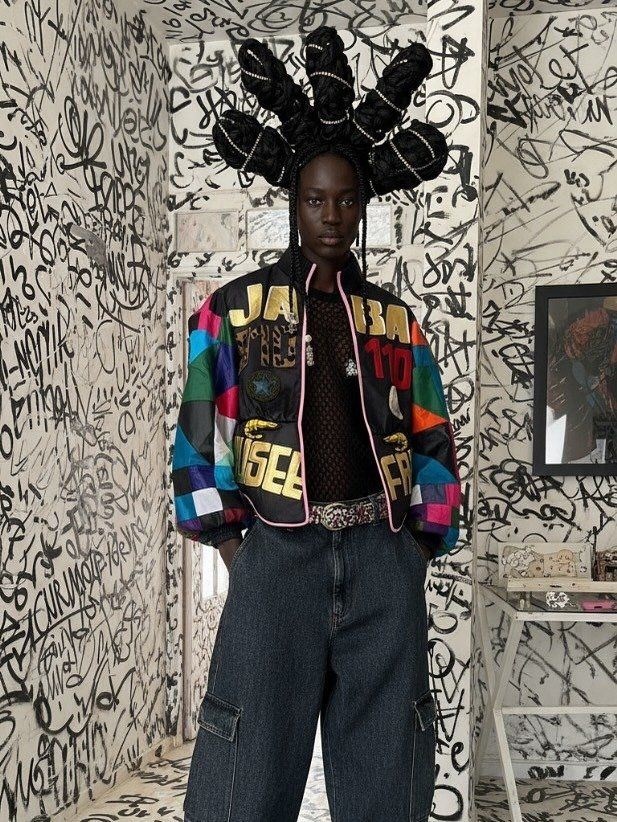
Every Lab Fantasma collection is built on a cultural argument, and those arguments consistently draw on the same source archive: the history and living culture of Afro-Brazilian communities. The quilombo references that run through the brand’s visual language are not historical nostalgia. Quilombos were, and in their contemporary form still are, acts of organised resistance: communities that refused the terms imposed on them and built alternatives within Brazil’s hostile social geography. Quilombo dos Palmares, the most famous, sustained itself for nearly a century against repeated military assault before being defeated in 1694. Its leader, Zumbi dos Palmares, remains one of Brazil’s most significant figures of resistance. When Lab Fantasma references the quilombo, it references a tradition of organised, sustained refusal that is four centuries old and still ongoing.
The capoeira reference is equally specific. Capoeira was developed by enslaved Africans in Brazil as a form of combat training disguised as dance, making it simultaneously a martial art, a cultural practice, and a means of survival under conditions in which direct resistance would have been punished immediately. The Brazilian state banned capoeira until 1937. It was practised and transmitted covertly for centuries before that ban was lifted. A brand that references capoeira is referencing a practice built specifically to survive suppression, which carried its knowledge in the body rather than in text, and which was practised by communities who had no access to the institutions that usually preserve cultural knowledge. That is a precise cultural argument to make in a fashion collection. Lab Fantasma makes it deliberately, collection after collection.
“Capoeira was banned by the Brazilian state until 1937. It survived because its knowledge was held in the body and transmitted person to person. That is what Lab Fantasma is doing in fashion. Holding knowledge that the industry would rather not acknowledge.”
AmarElo and the São Paulo Municipal Theatre
In 2019, Emicida performed at the São Paulo Municipal Theatre, one of the most historically elite and racially exclusive cultural institutions in Brazil. The show, called AmarElo, fused music, archive footage, and cultural history into a performance that was simultaneously a concert and a document of Brazilian Black history, recovering figures whose contributions had been erased because of their race. The performance was filmed and released as a Netflix documentary, AmarElo: É Tudo Pra Ontem, in December 2020, reaching a global audience that Laboratório Fantasma’s fashion collections had not previously reached. In the Sounds and Colours interview that followed, Emicida stated directly: ” We have a sad tradition in Brazil, which is not to revere people who came before. AmarElo was the antidote to that tradition.
The Municipal Theatre performance matters to the Lab Fantasma fashion story because it demonstrates the brand’s actual practice. Lab Fantasma is not a streetwear brand that happens to have a politically engaged founder. It is a cultural practice that uses fashion as one of its instruments alongside music, documentary film, archive research, and live performance. The collections, the concerts, and the documentary all make the same argument by different means: that Black Brazilian history is full, sophisticated, and worth returning to the record from which it has been deliberately removed. The fashion element of that practice has been the least covered internationally, which is the problem this article addresses.
Cartel 011, Piet, and the Broader São Paulo Movement
Lab Fantasma does not operate in isolation. It is the most politically explicit brand within a broader São Paulo streetwear movement that has been building its own infrastructure, aesthetic vocabulary, and cultural argument since the 1990s. Cartel 011, named after São Paulo’s telephone area code, operates simultaneously as a brand, a creative platform, an exhibition space, and a music venue, building the kind of community infrastructure around streetwear that Lab Fantasma also embodies. Piet, founded by Pedro Andrade, brings architectural rigour and a formal construction sensibility to Brazilian streetwear, with clean silhouettes and subtle references to local subcultures. These brands are in conversation with each other and with the city that produced them.
In 2023, Cartel 011 was among six Brazilian streetwear brands that held a showroom at Paris Fashion Week, alongside Mad Enlatados, PACE, Sufgang, Carnan, and Quadro Creations, with Brazilian rap performances as part of the event. The presence of São Paulo streetwear at Paris Fashion Week was covered as a novelty. It was not covered as the logical endpoint of a movement that had been developing domestically for decades. The fashion press that encountered these brands in Paris had not been paying attention when they were building their practices in São Paulo. That is the structural problem that underpins why Lab Fantasma, the most culturally significant brand in the movement, has also been the least covered.
ALSO READ:
- African Deconstructed Denim Movement: What Lagos, Accra, and Johannesburg Built From a Western Fabric
- Edvin Thompson of Theophilio: How Jamaican Dancehall Built a New York Fashion Week Collection
Why Fashion Media Has Not Covered This
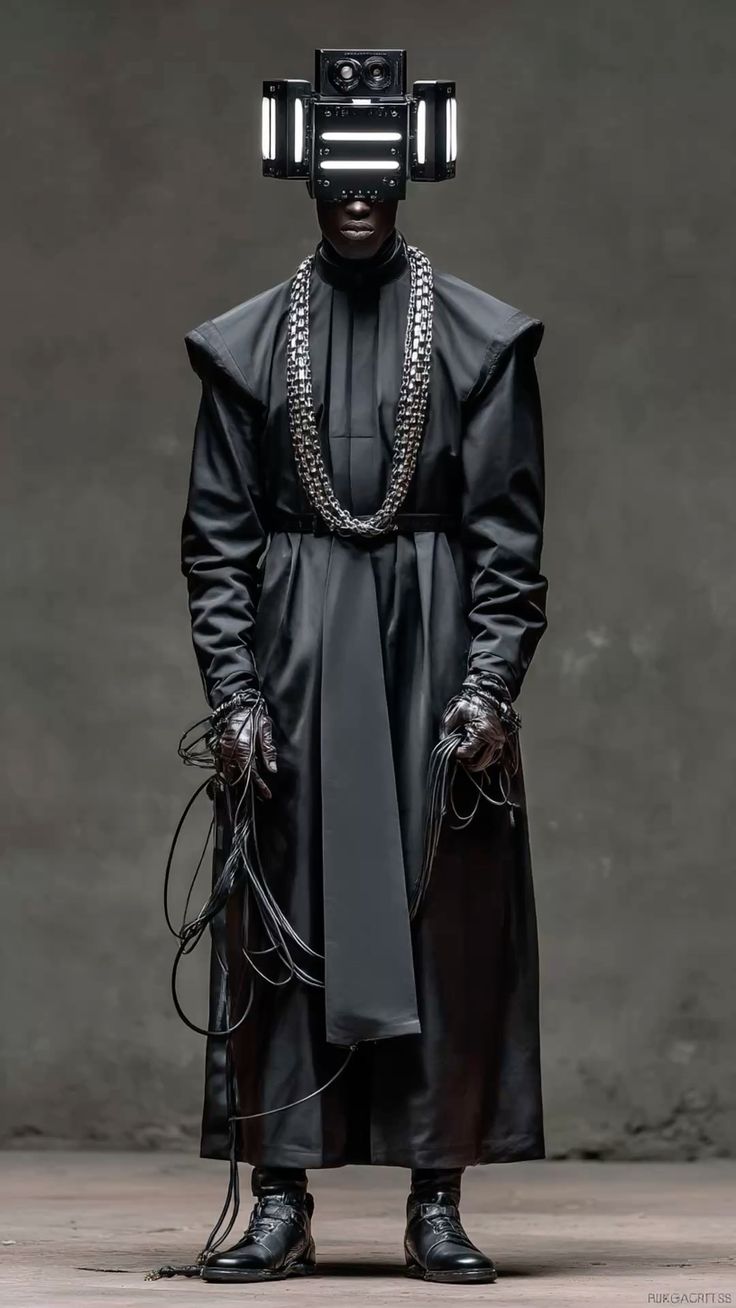
A lack of significance does not explain the absence of Lab Fantasma from international fashion media. Vogue Brasil covered the Yasuke SPFW show. The AmarElo documentary is on Netflix. Emicida has an international profile through his music. The brand’s cultural argument is coherent, documented, and accessible to anyone who looks. What it lacks is the specific kind of institutional infrastructure that generates international fashion press: a Paris or New York Fashion Week slot, an international distribution deal, a luxury conglomerate relationship, or a celebrity endorsement from the kind of celebrity that the global fashion press follows. Lab Fantasma has none of these and has never sought them on the industry’s terms.
The global fashion press covers Afro-Brazilian culture when it appears in contexts that the press already monitors: when it shows up on a European runway as inspiration, when a designer with Brazilian heritage shows in Paris, or when a Netflix documentary reaches enough viewers to generate trend coverage. It does not cover Afro-Brazilian culture at the point of production, in São Paulo, in the brands and collective practices that are doing the primary creative work. Lab Fantasma is doing that primary creative work with a political coherence and a cultural depth that most internationally covered brands do not approach. The coverage has simply not been there. This article is one correction.
OMIREN ARGUMENT
The fashion industry has a working definition of what counts as a politically engaged brand. It involves a sustainability commitment, a charitable initiative, an inclusivity statement, or a collaboration with a marginalised community framed as an act of empowerment. Lab Fantasma does not fit this definition because it was never built within it. The brand does not reference quilombos as a gesture of social responsibility. It references quilombos because Emicida grew up in a city shaped by the same structures of racial exclusion that the quilombos were built in direct opposition to, and because that history is not background for him but a foundation.
The difference between a brand that references Afro-Brazilian history as content and one built from within Afro-Brazilian history as practice is the difference between the fashion industry’s standard political engagement model and what Lab Fantasma actually is. International fashion media have not covered Lab Fantasma because they have not known how to read it. The brand does not speak the language that international fashion media uses to evaluate political engagement in fashion. It speaks a language built in São Paulo, in the favelas, in the quilombo tradition, in capoeira circles, and in the specific cultural archive of Black Brazil. Learning to read that language is not optional for a fashion press that claims to cover fashion globally. It is the minimum standard of cultural literacy the coverage requires.
Frequently Asked Questions
- What is Lab Fantasma?
Lab Fantasma, whose full name is Laboratório Fantasma, is a Brazilian cultural collective and streetwear brand founded in 2009 by rapper Emicida (Leandro Roque de Oliveira) and his brother, Evandro Fióti. It began as a music label and record company and expanded into fashion, with collections that reference quilombos, capoeira, and contemporary Black Brazilian art as their structural foundation. The brand debuted at São Paulo Fashion Week in October 2016 with the Yasuke collection, presented with a 90 per cent Black cast, the most diverse in SPFW history at that time. It is one of the most politically coherent fashion brands operating in the Americas.
- Who is Emicida, and what is his connection to fashion?
Emicida, born Leandro Roque de Oliveira, is a Brazilian rapper and cultural figure who grew up in the Capão Redondo neighbourhood of São Paulo, one of the city’s most economically marginalised areas. He founded Laboratório Fantasma in 2009 with his brother Evandro Fióti as a platform for hip-hop and urban Black culture. The brand expanded into streetwear, with Emicida using fashion as one instrument within a broader cultural practice that also includes music, documentary film, and live performance. His 2019 show at the São Paulo Municipal Theatre, filmed as the Netflix documentary AmarElo: É Tudo Pra Ontem (2020), demonstrated the scale of that cultural practice.
- What was the Yasuke collection, and why was it significant?
The Yasuke collection was Lab Fantasma’s debut at São Paulo Fashion Week on 24 October 2016. It was named after Yasuke, a historical African man who was enslaved in Europe and became a prominent samurai in sixteenth-century Japan. The collection was presented in black, white, and red, with creative direction by designer João Pimenta. Its cast was 90 per cent Black and included models of all sizes and body types, making it the most diverse cast in SPFW history at that time. Singers Seu Jorge and Ellen Oléria walked in the show. The collection was covered by Vogue Brasil, Elle, and AFROPUNK, but received virtually no international fashion press coverage outside Brazil.
- What references does Lab Fantasma use in its collections?
Lab Fantasma collections reference quilombos, the autonomous communities built by escaped enslaved Africans in Brazil from the sixteenth century onward, as a model of organised cultural and political resistance. They reference capoeira, the martial art developed by enslaved Africans in Brazil that disguised combat training as dance and was banned by the Brazilian state until 1937. They reference contemporary Black Brazilian art, music, and urban culture rooted in the peripheral communities of São Paulo. These are not aesthetic references used decoratively. They are the structural logic from which each collection’s argument is derived.
- What other brands are part of the Afro-Brazilian streetwear movement?
The broader São Paulo streetwear movement that Lab Fantasma represents includes Cartel 011, named after São Paulo’s area code, which operates as a brand, creative platform, exhibition space, and music venue simultaneously. Piet, founded by Pedro Andrade, brings architectural construction rigour to Brazilian streetwear with clean silhouettes and cultural references to local subcultures. Other notable brands include Mad Enlatados, PACE, Sufgang, and Carnal. In 2023, six of these brands held a showroom at Paris Fashion Week, with Brazilian rap performances as part of the event. The movement has been building its infrastructure and aesthetic vocabulary in São Paulo since the 1990s.