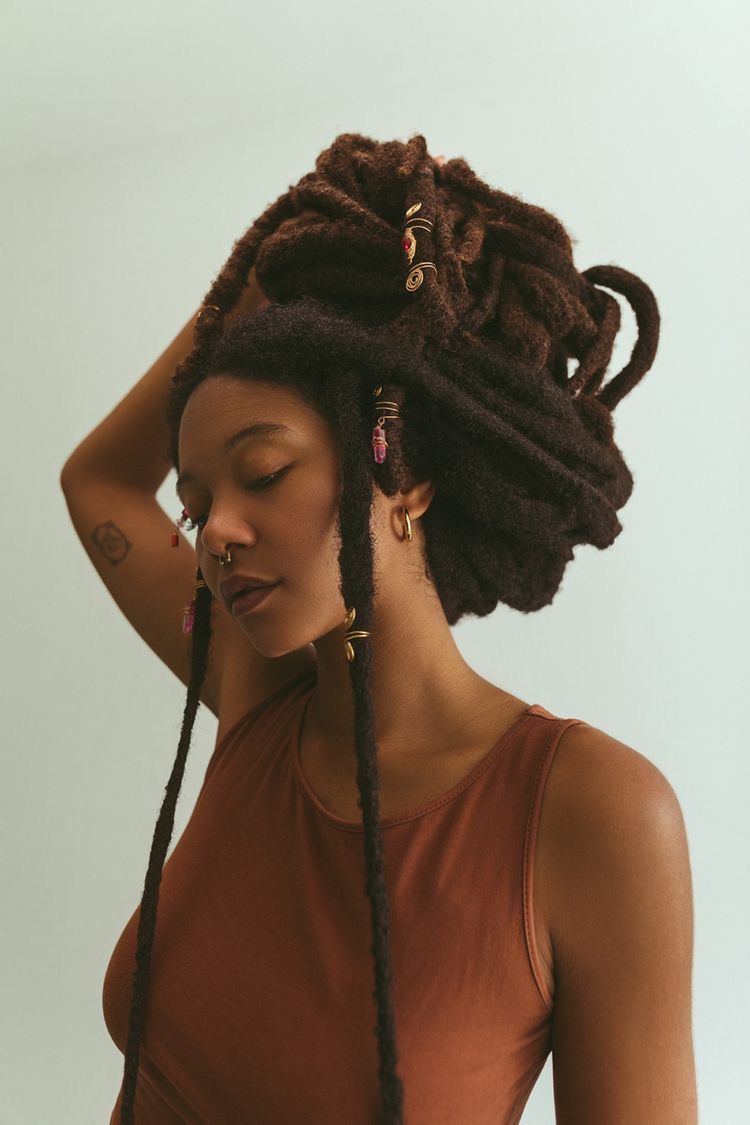
In many cultures, hair is a matter of style. In African and Black communities, it has always been something more. It is identity, history, and in many cases, resistance. From intricate braiding traditions to the modern natural hair movement, African hair has carried meanings far beyond aesthetics. Yet, much of this history remains overlooked or simplified.
Today, as searches for natural hair, locs, braids, and Black hair politics continue to rise globally, there is a growing need to understand the deeper story behind them. African hair is not just about beauty. It is about power, visibility, and the right to exist without alteration.
Explore the history of African hair, from colonial suppression to natural hair movements, and how Black hair became a symbol of identity, resistance, and beauty.
Hair as Identity Before Colonialism
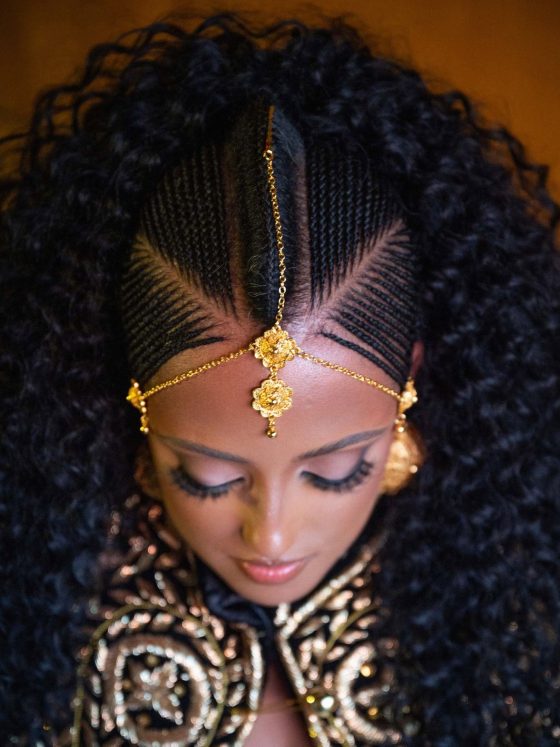
Long before colonial influence, African hair was a structured system of communication. Across different societies, hairstyles signalled age, marital status, religion, social rank, and even regional identity.
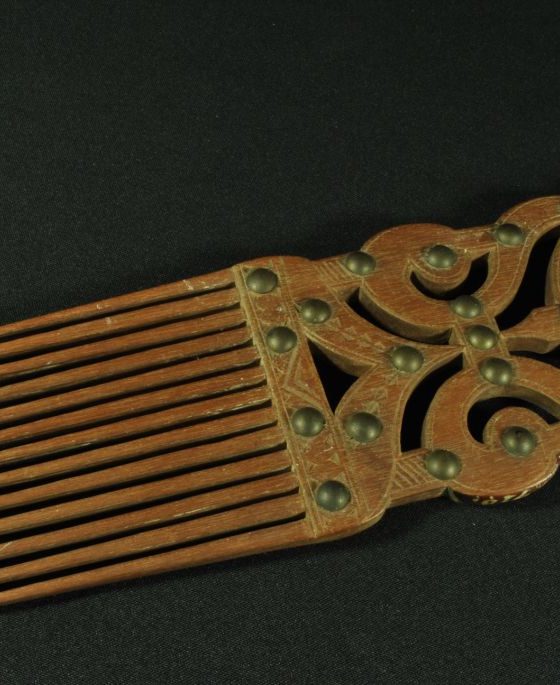
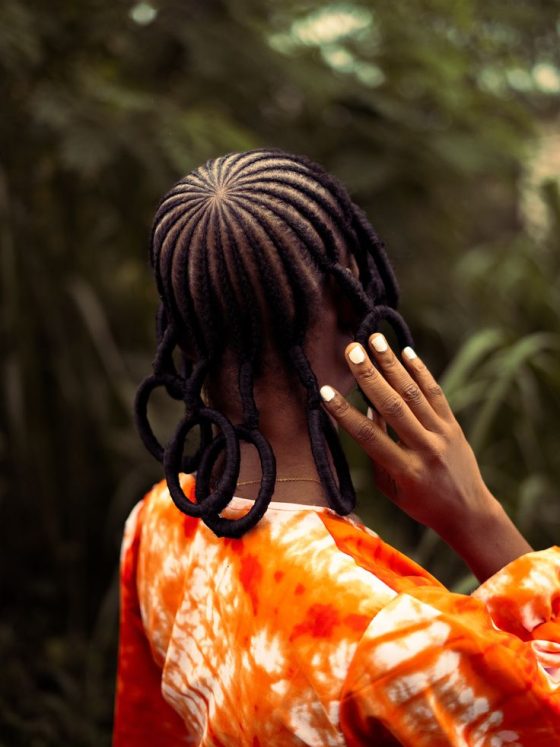
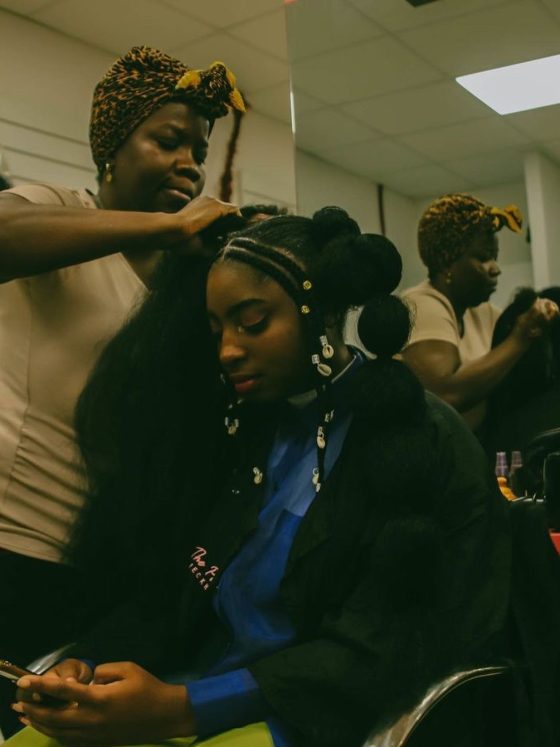
Braiding, twisting, and styling were not random acts. They were intentional, often taking hours or even days to complete. The process itself was communal, creating spaces for bonding, storytelling, and cultural continuity.
Hair, in this context, was not separate from identity. It was an extension of it. To wear one’s hair in a particular way was to position oneself within a cultural framework that was widely understood.
Colonial Disruption and Hair Suppression
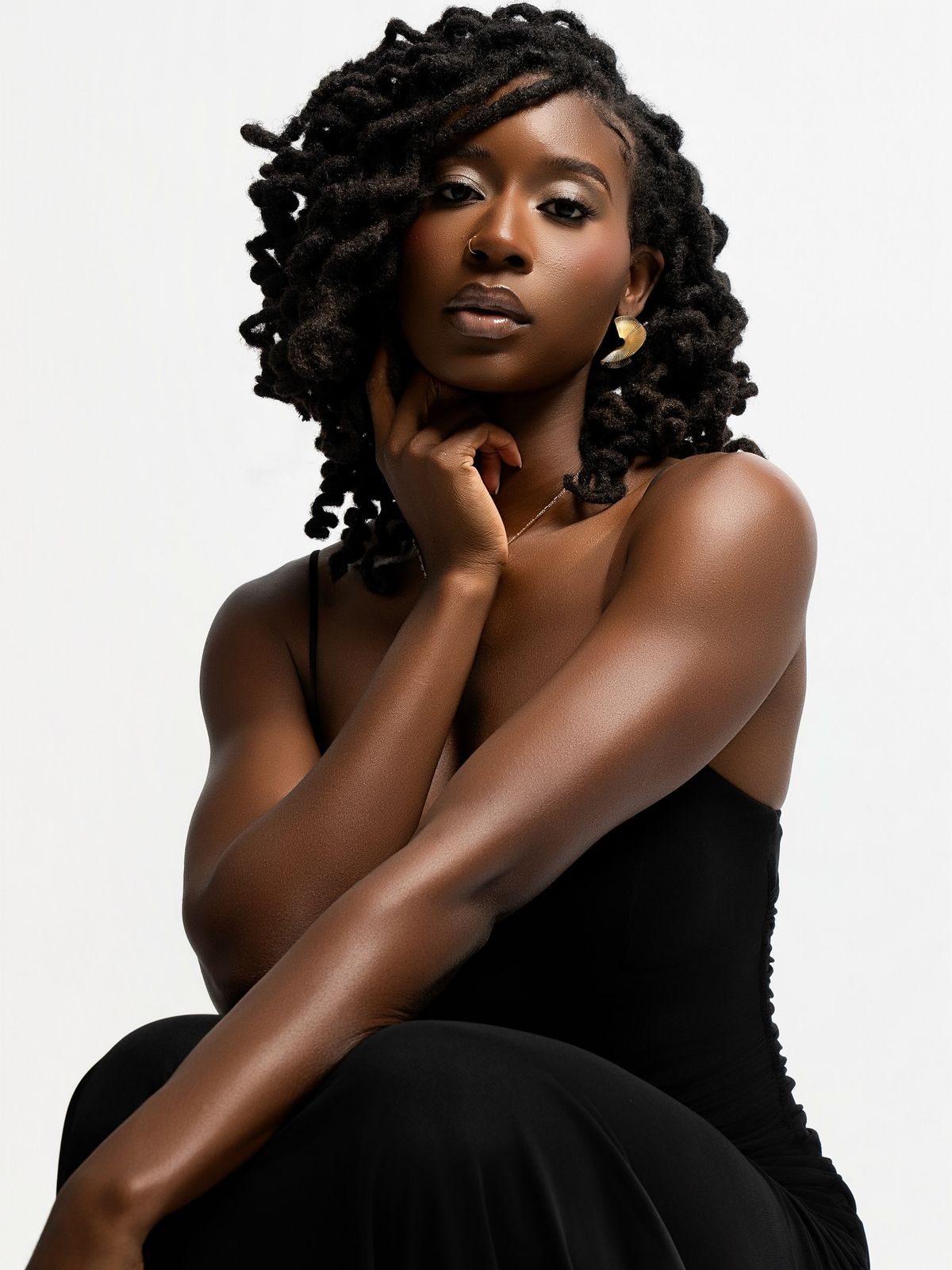
The arrival of colonial systems disrupted this relationship between hair and identity. European standards of beauty, which prioritised straight hair and Eurocentric features, were imposed across colonised regions.
African hair, in its natural state, was often labelled as unkempt, unprofessional, or inferior. These narratives were not accidental. They were tools of control, designed to reshape identity and enforce conformity.
In many cases, individuals were pressured or required to alter their hair to fit these imposed standards. This marked a shift where natural hair became something to be hidden or corrected rather than celebrated.
The effects of this period are still felt today. Many of the biases surrounding African hair can be traced back to these colonial ideologies.
Braids as Resistance and Preservation
Despite these pressures, African hair practices did not disappear. They adapted.
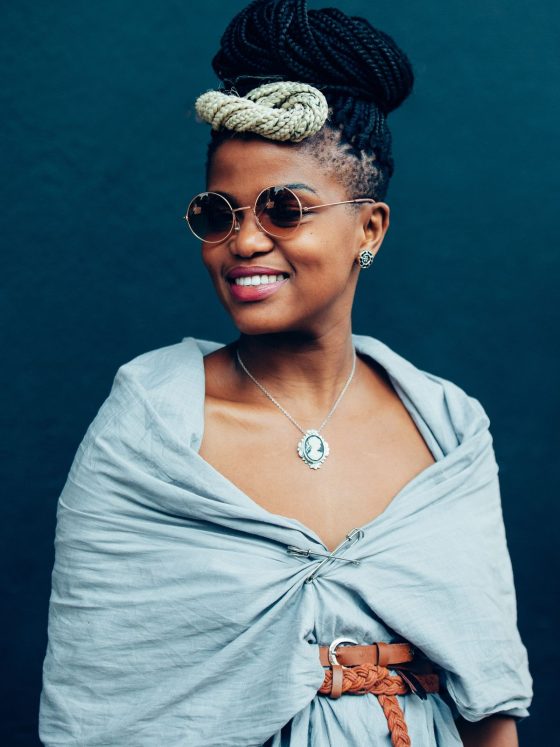
Braiding, in particular, became a form of resistance. It preserved cultural techniques and knowledge, even in environments where expression was limited. In some historical contexts, braids were even used as maps or coded systems, carrying information in ways that could not be easily detected.
Beyond their functional roles, braids remained a connection to heritage. They allowed individuals to maintain a sense of identity in the face of cultural erasure.
Today, braids continue to hold this dual meaning. They are both a style and a symbol, reflecting resilience and continuity.
The Politics of Straightening
The pressure to conform to Eurocentric beauty standards led to the widespread adoption of hair-straightening practices. Relaxers, hot combs, and chemical treatments became common, particularly in the 20th century.
For many, straightening was not simply a choice. It was a necessity shaped by social and professional expectations. Natural hair was often seen as limiting opportunities, reinforcing the idea that acceptance required transformation.
This period reflects a complex relationship with identity. While straightening allowed for navigation within restrictive systems, it also highlighted the tension between self-expression and societal acceptance.
The Natural Hair Movement
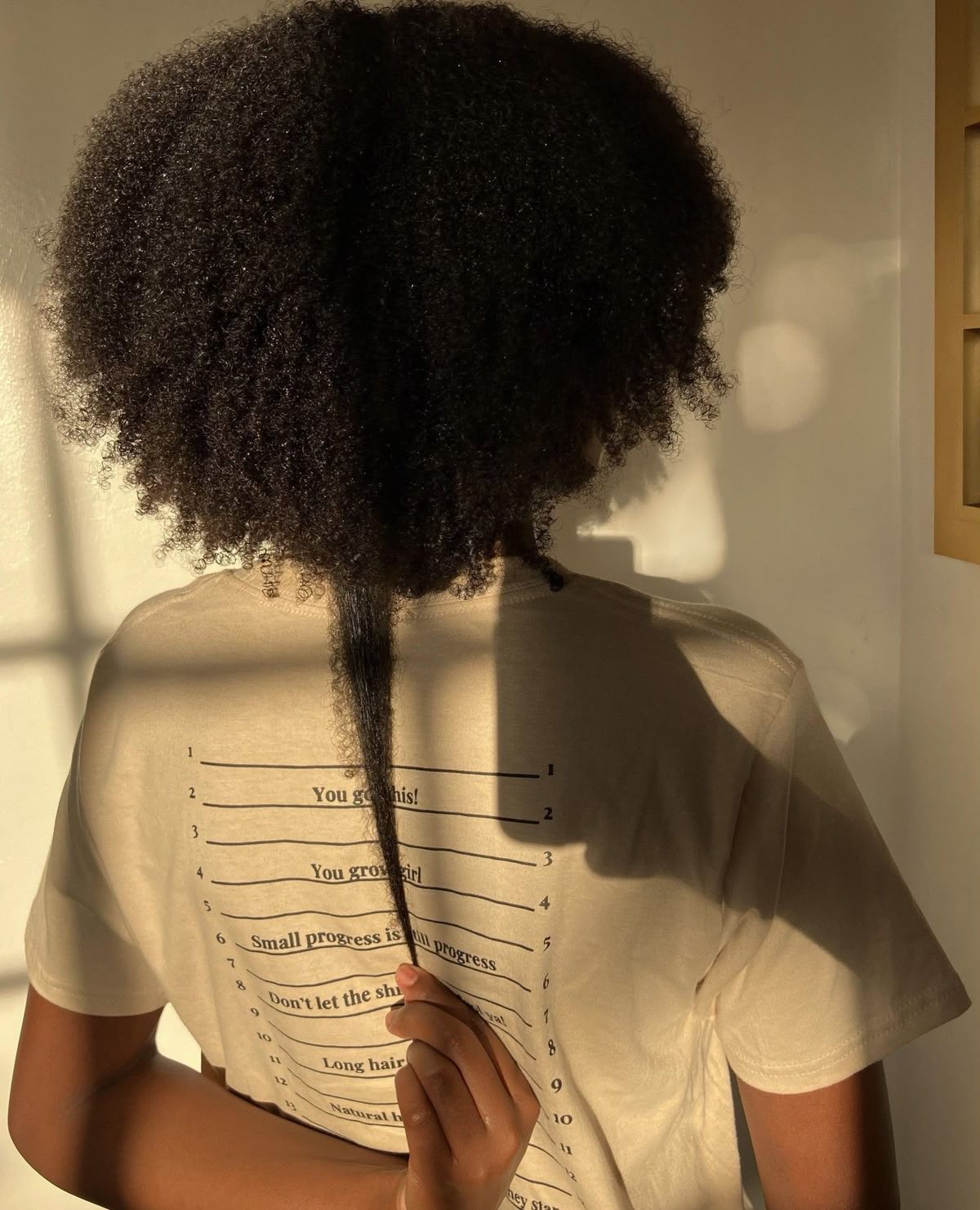
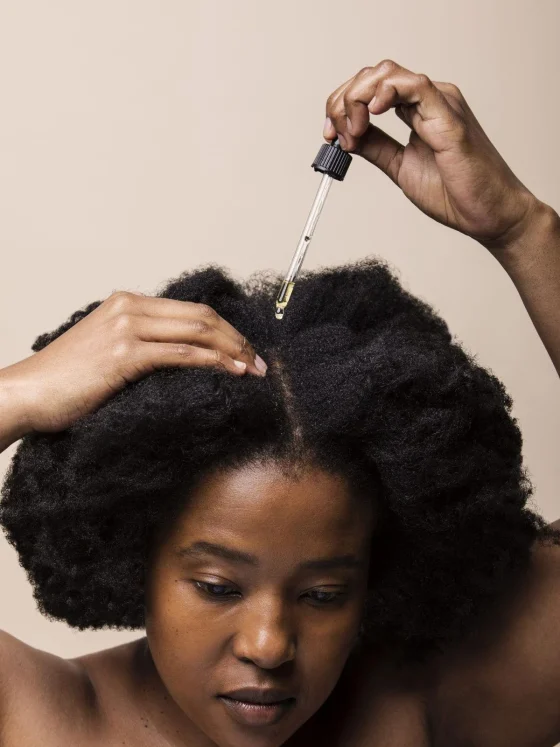
The late 20th and early 21st centuries marked a significant shift with the rise of the natural hair movement. This movement encouraged individuals to embrace their natural textures, from tight coils to loose curls.
It was more than a beauty trend. It was a reclamation of identity.
Wearing natural hair became an act of self-definition. It challenged long-standing biases and created space for new standards of beauty. Social media played a key role in amplifying this movement, making information and representation more accessible.
Locs, Twists, and Cultural Misunderstanding
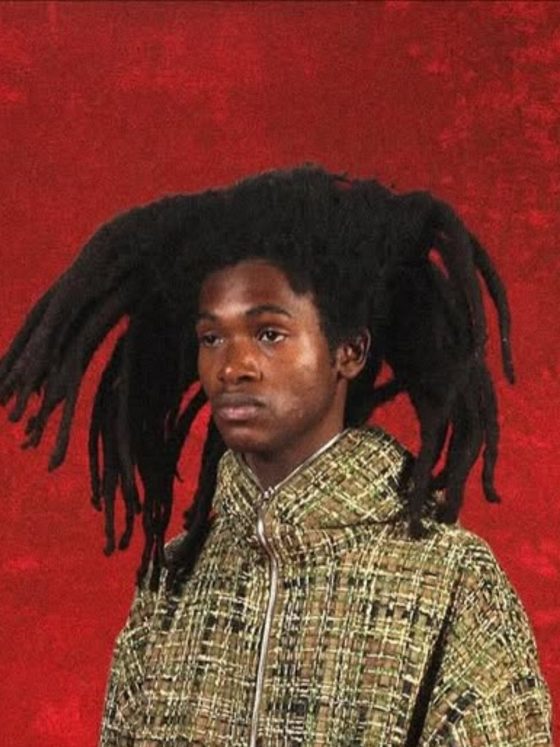
Styles such as locs, twists, and braids continue to carry deep cultural significance. However, they are often misunderstood or misrepresented.
Locs, for example, are frequently associated with specific stereotypes, despite their historical and cultural roots. Twists and braids are sometimes adopted without acknowledgement of their origins.
This raises ongoing conversations about cultural appropriation and respect. Understanding these styles requires more than visual appreciation. It requires awareness of their history and meaning.
Hair and Professional Spaces
One of the most visible areas where hair politics continues to play out is in professional environments.
Natural hairstyles are still, in some contexts, viewed as less formal or less acceptable. This has led to policies and debates around what is considered “appropriate” appearance.
In response, movements advocating for hair equality have emerged, challenging discriminatory practices and pushing for broader acceptance. These efforts highlight the ongoing relevance of hair as a political issue.
African Hair in Global Fashion and Beauty
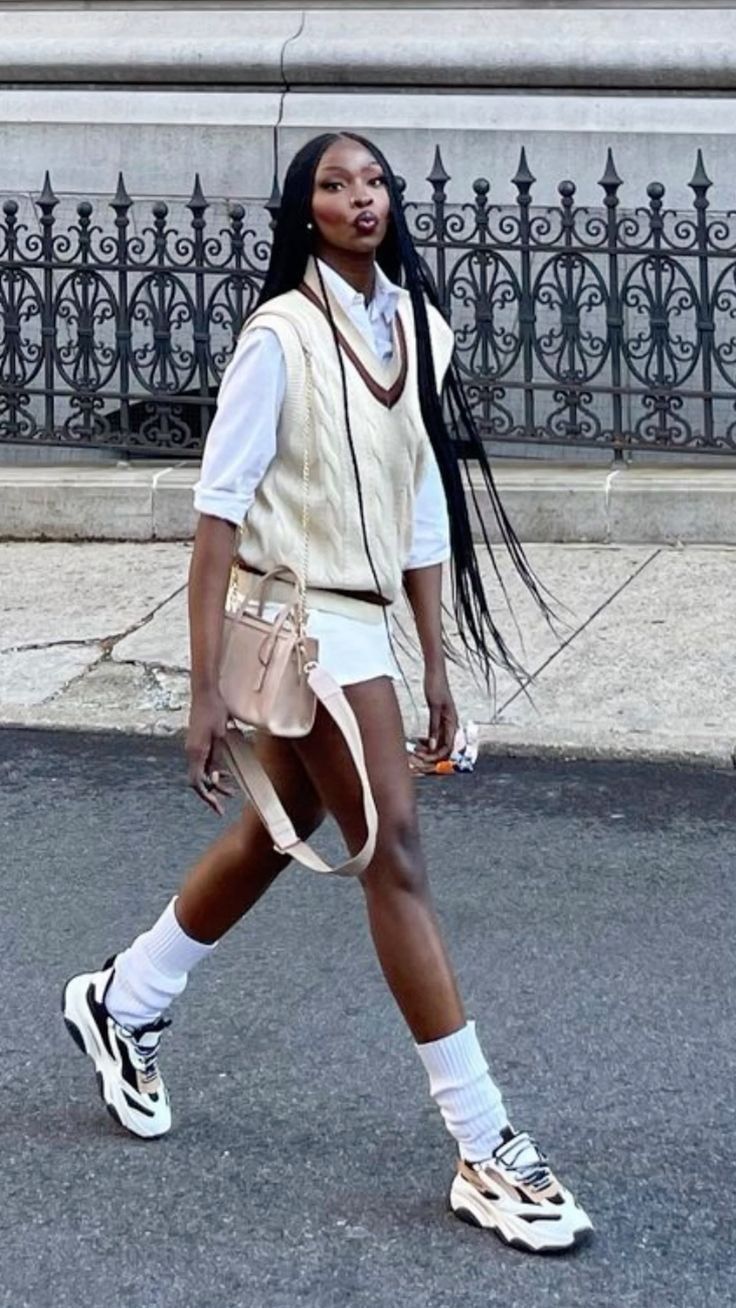
Today, African hair is influencing the global beauty and fashion industries. Runways, editorial campaigns, and brands are increasingly embracing natural textures and traditional styles.
This visibility represents progress, but it also comes with responsibility. Representation must be accompanied by understanding. Without context, there is a risk of repeating past patterns of appropriation.
The goal is not just visibility but authenticity. To ensure that African hair is represented in ways that honour its history and significance.
Beyond Style: Hair as Self-Definition
At its core, African hair is about self-definition. It allows individuals to express who they are on their own terms.
Whether through braids, locs, twists, or natural textures, hair becomes a medium of communication. It reflects personal choices while connecting to a broader cultural narrative.
This is why it remains political. It exists at the intersection of identity, culture, and power.
Read also:
- Afro-Hair Renaissance: The Rise of Afro Hair Culture and the Natural Hair Movement
- Crown and Resistance: Why Protective Hairstyles Have Always Been a Political Statement
Conclusion
African hair has never been just about appearance. It has always carried meaning, from pre-colonial systems of identity to modern movements of self-expression.
To understand its history is to recognise the layers of resistance, adaptation, and resilience that have shaped it. It is to see hair not as a superficial element but as a powerful form of cultural expression.
In a world that continues to define beauty in narrow terms, African hair stands as a reminder that identity cannot be simplified. It must be understood.
The Omiren Argument
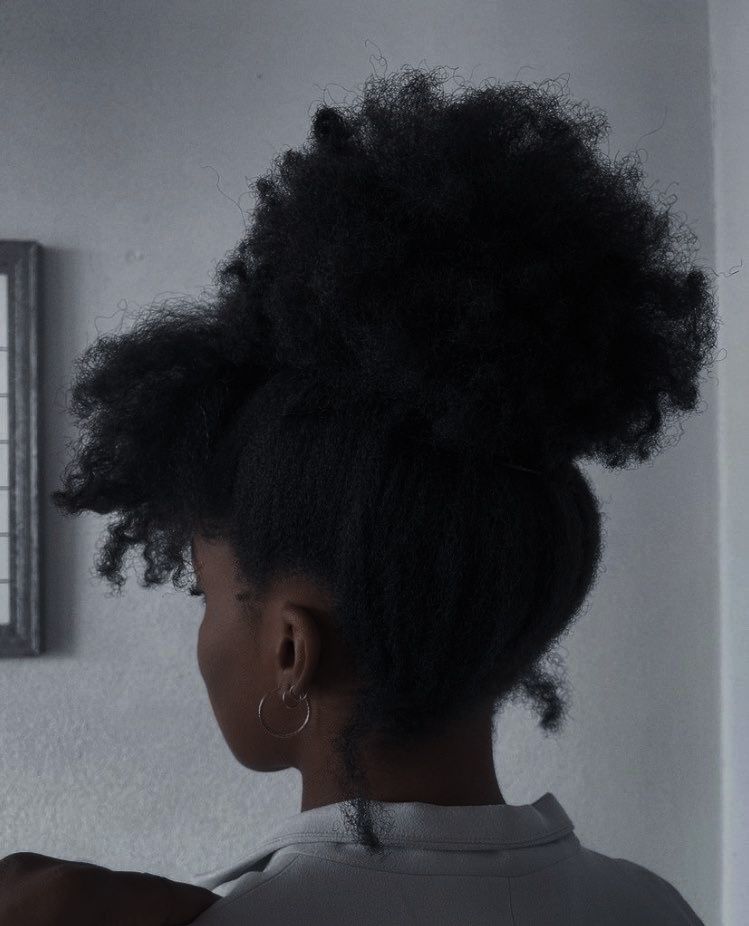
Before colonialism imposed the idea that African hair needed correction, it was already doing something far more sophisticated than looking good. It was functioning as a living archive. Hairstyles mapped social position, marked rites of passage, encoded religious affiliation, and communicated belonging to specific communities. This was not decoration. It was documentation.
When colonial systems arrived and labelled natural African hair as unkempt, unprofessional, and inferior, they were not making an aesthetic observation. They were executing a strategic dismantling. To attack the hair was to attack the archive. To demand straightening was to demand that people overwrite their own records.
What followed was not simply a beauty crisis. It was a centuries-long contest over who holds the authority to define a people. The pressure to relax, straighten, and conform was the pressure to accept someone else’s version of yourself as the legitimate one.
The natural hair movement, then, is not a trend. It is a restoration project. Every coil worn without apology, every loc grown in defiance of a dress code policy, and every braid passed from grandmother to granddaughter is an act of archival recovery—a refusal to let the erasure stand.
African hair remains political precisely because the forces that tried to erase it have never fully conceded. Discrimination in professional spaces, cultural appropriation without attribution, and the continued framing of natural textures as alternative rather than original are not remnants of the past. They are the present tense of a very old argument.
Omiren’s position is this: African hair does not need the world’s permission to be legitimate. It was legitimate long before the world had an opinion about it.
Frequently Asked Questions (FAQs)
- Why is African hair considered political?
African hair is considered political because it has been shaped by historical forces, including colonialism and discrimination, and continues to be tied to identity and social acceptance.
- What is the natural hair movement?
The natural hair movement encourages individuals to embrace their natural hair textures rather than altering them to fit Eurocentric standards.
- What do braids and locs symbolise?
Braids and locs symbolise cultural identity, history, and, in many cases, resistance against imposed beauty standards.
- Is African hair still discriminated against today?
Yes, in some contexts, natural hairstyles are still viewed as unprofessional, leading to ongoing discussions about equality and representation.
- Why is understanding African hair history important?
Understanding this history helps challenge misconceptions and promotes respect for cultural practices and identity.