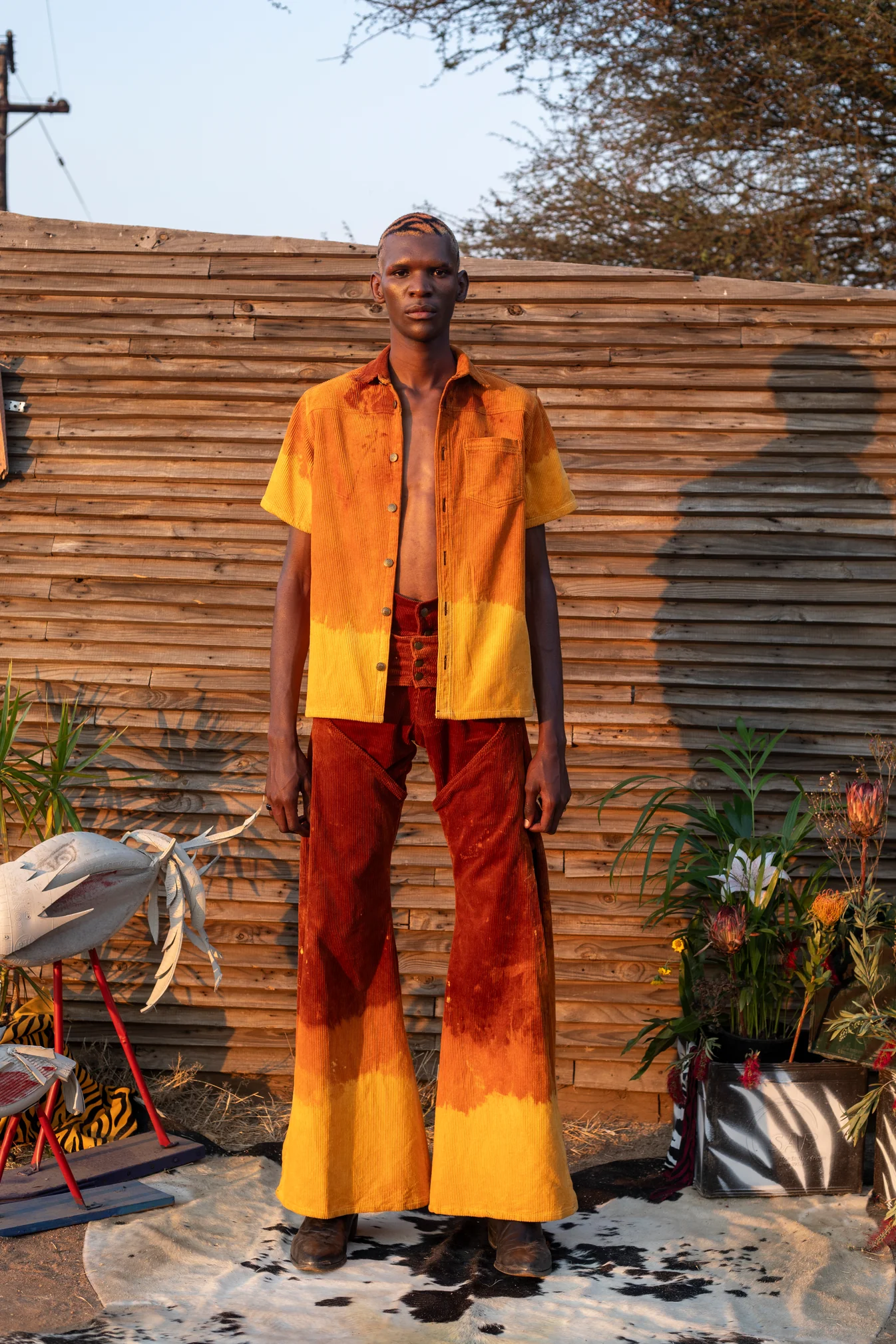
In a December 2024 interview with Kaffein, Mboko Basiami said Glotto’s Saddle Pants “pay homage to Botswana’s herdboy culture.” The wording matters. Basiami names a cultural reference, but she does not identify a historical garment she copied or point to a feature of the trousers that carries the reference. Her explanation gives the design a context; it is not a claim that the trousers reproduce what herdboys wore. That specificity is worth keeping. In her 2023 interview with Botswana’s The Voice, Basiami spoke more broadly about drawing from wildlife and landscapes and using fashion to represent Africa and bring people together. The interviews work at different scales: The Voice explains an ambition for Glotto, while Kaffein records what Basiami says inspired one named design. The broader ambition does not make the trousers’ point of reference any less specific.
Mboko Basiami explains what Glotto’s Saddle Pants honour, why they matter in the label’s classic ready-to-wear, and what the record leaves open.
Why Basiami presented them as a classic
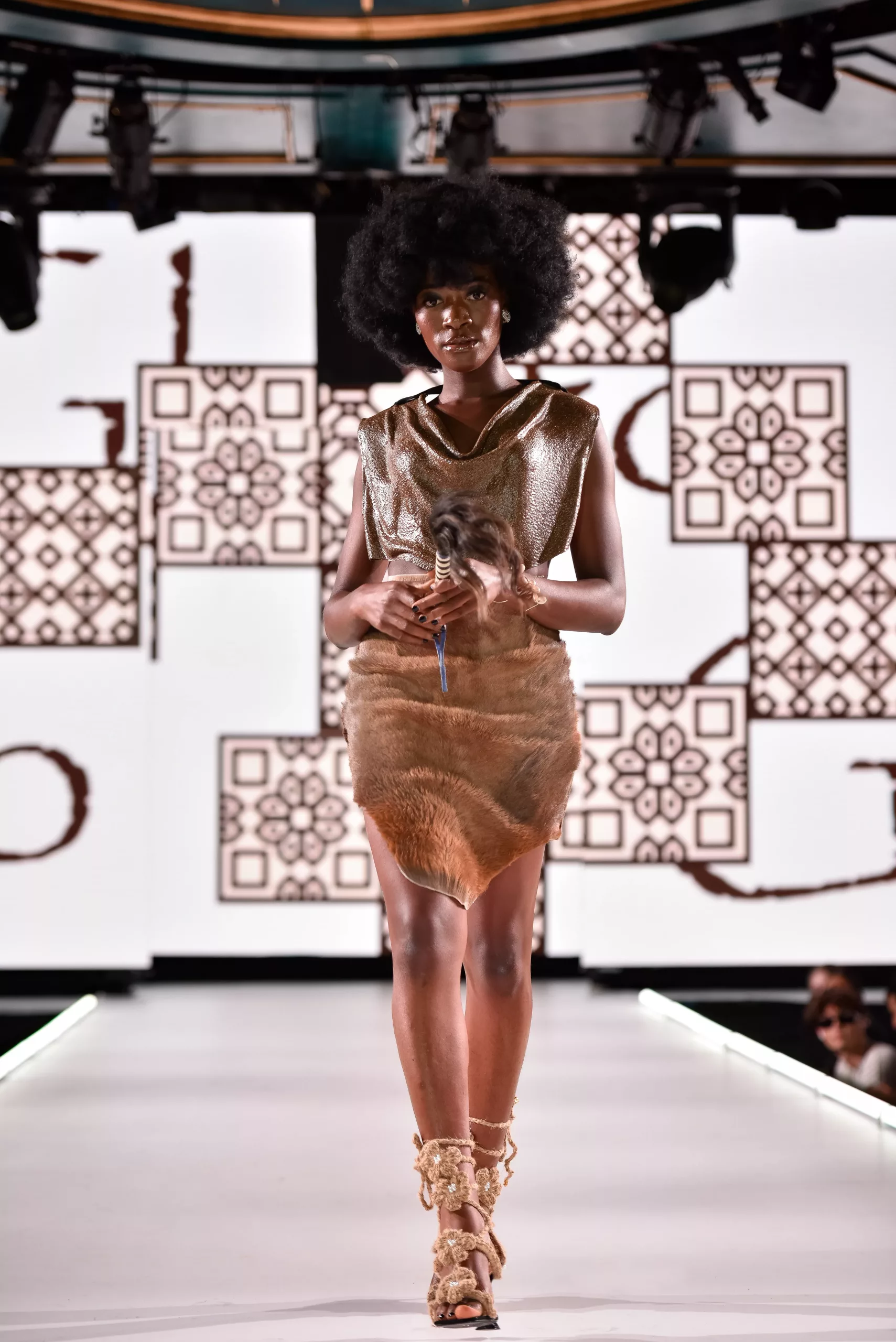
In Kaffein’s coverage of Capitec Handmade Africa, Basiami placed the Saddle Pants among Glotto’s classic ready-to-wear pieces. “Classic” tells us how she positioned the trousers at that event. It does not tell us when they first appeared, how often Glotto has made them, or whether the design stayed the same across collections. What matters is the company the trousers were asked to keep. Basiami did not present the homage as a separate heritage exhibit; she included it in the label’s ready-to-wear offering. That is a choice about how to present a design with a cultural reference. The reference can be explicit in the designer’s account without having to serve as the theme for everything around the garment.
What the published record leaves open
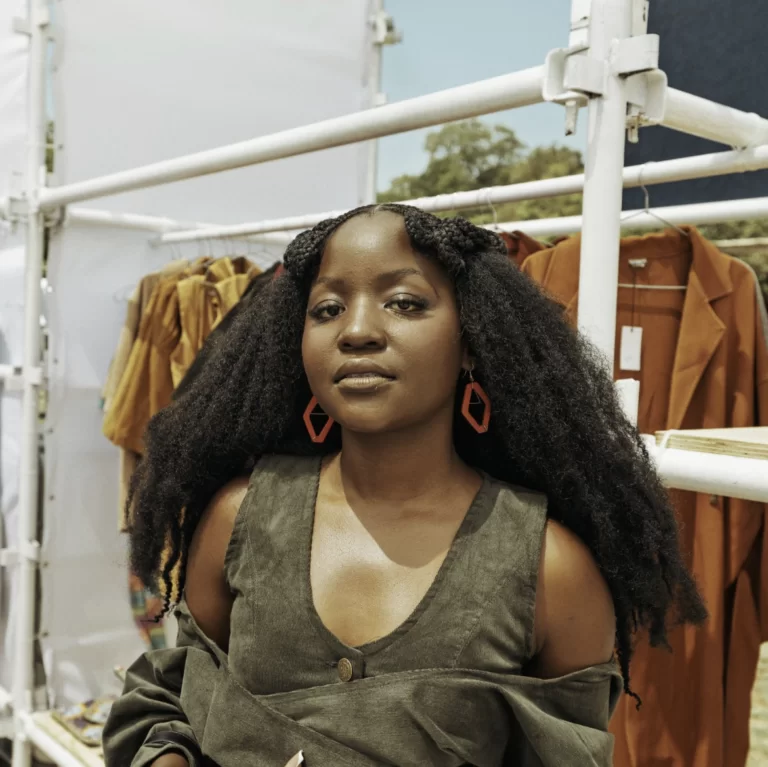
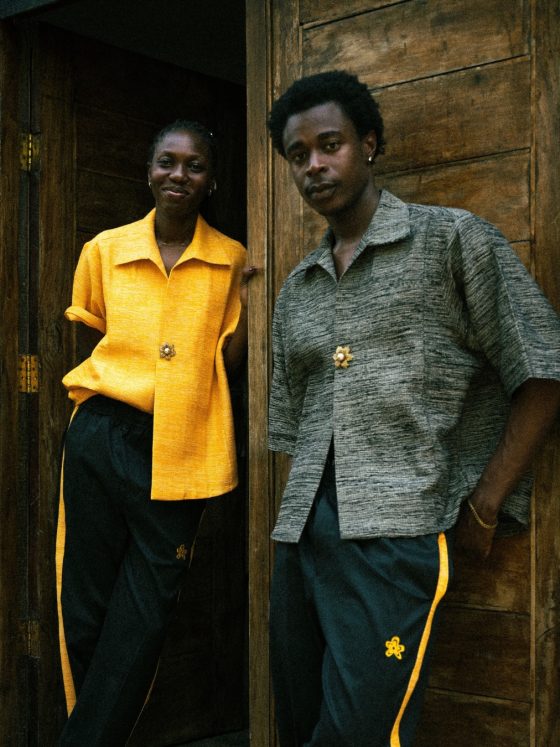
Glotto’s shop separately lists the Corduroy Saddle Pants and the SS/26 Saddle Set. These listings document other uses of the Saddle name, but neither identifies the exact pair discussed in 2024. A photograph attached to the SS/26 set can illustrate that set; it cannot establish the fabric, cut or proportions of the trousers shown at Capitec Handmade Africa. Although Basiami discussed a corduroy collection in the same interview, that does not establish that the showcased pair was made of corduroy. The distinction gives a closer garment critique a clear question: where, if anywhere, did Basiami place the herdboy reference: in the cut, in a construction detail, in the styling or in the name? An identified photograph would let us describe the visible design. Basiami’s account would help establish which of those details, if any, she intended as part of the homage. One should not be asked to do the other’s work.
The Omiren Argument
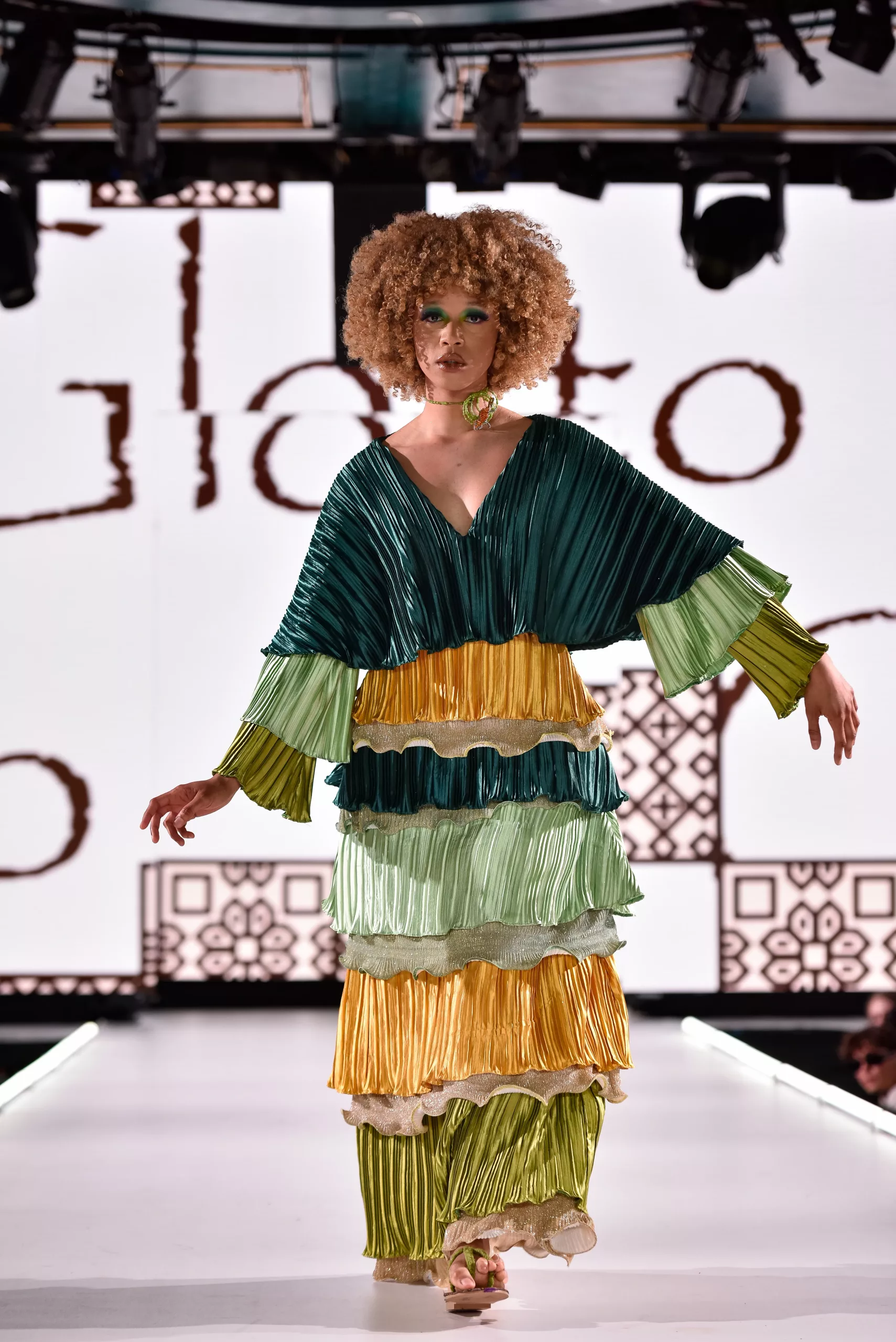
The clearest judgment we can make is about Basiami’s design strategy, not the cut of the trousers. At Capitec Handmade Africa, she named what the Saddle Pants honour and presented them as part of Glotto’s classic ready-to-wear. That placement is the point: a specifically named Botswana reference belonged within the wardrobe the label presented, rather than in a separate display set apart as heritage.
MORE PHOTOS: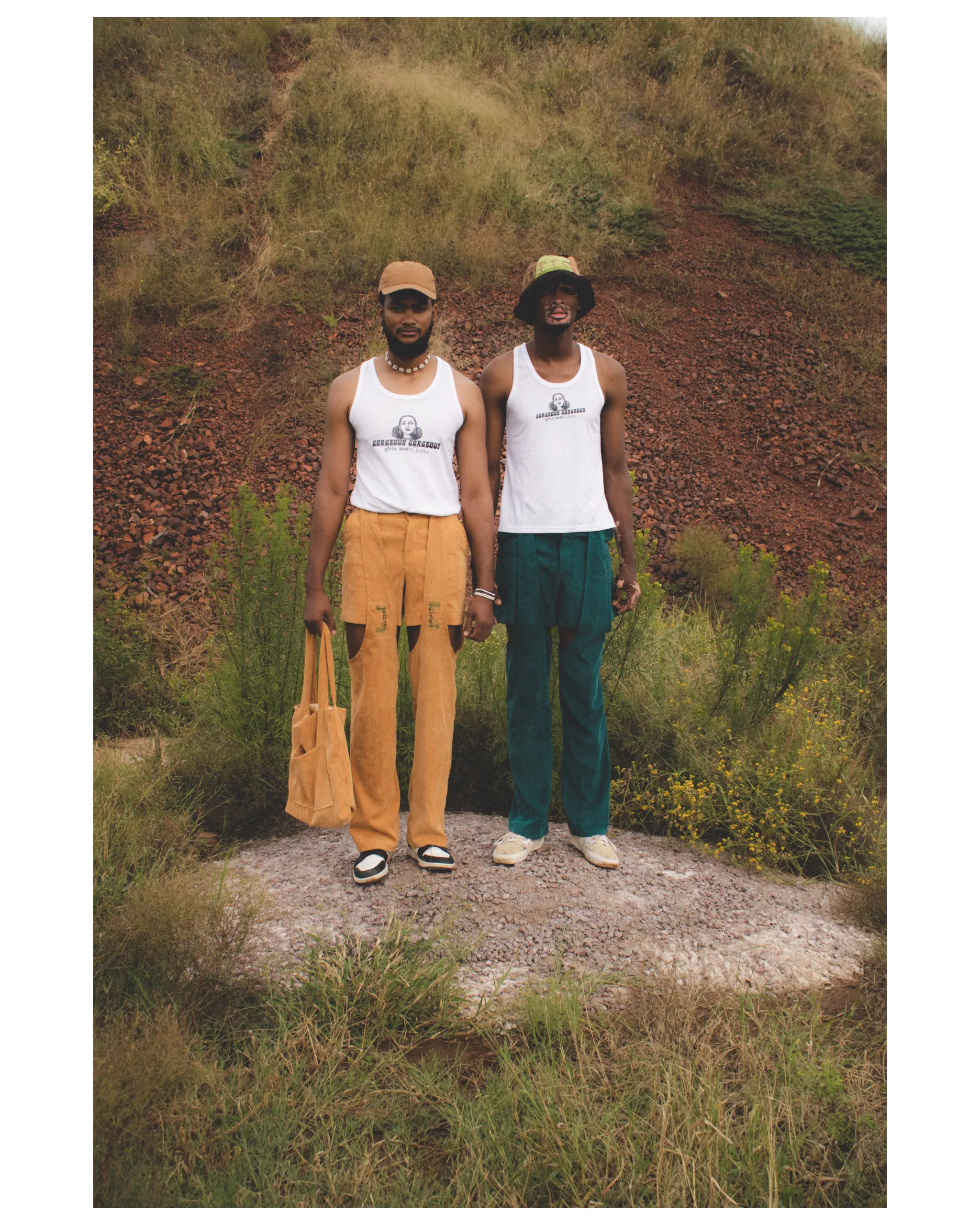
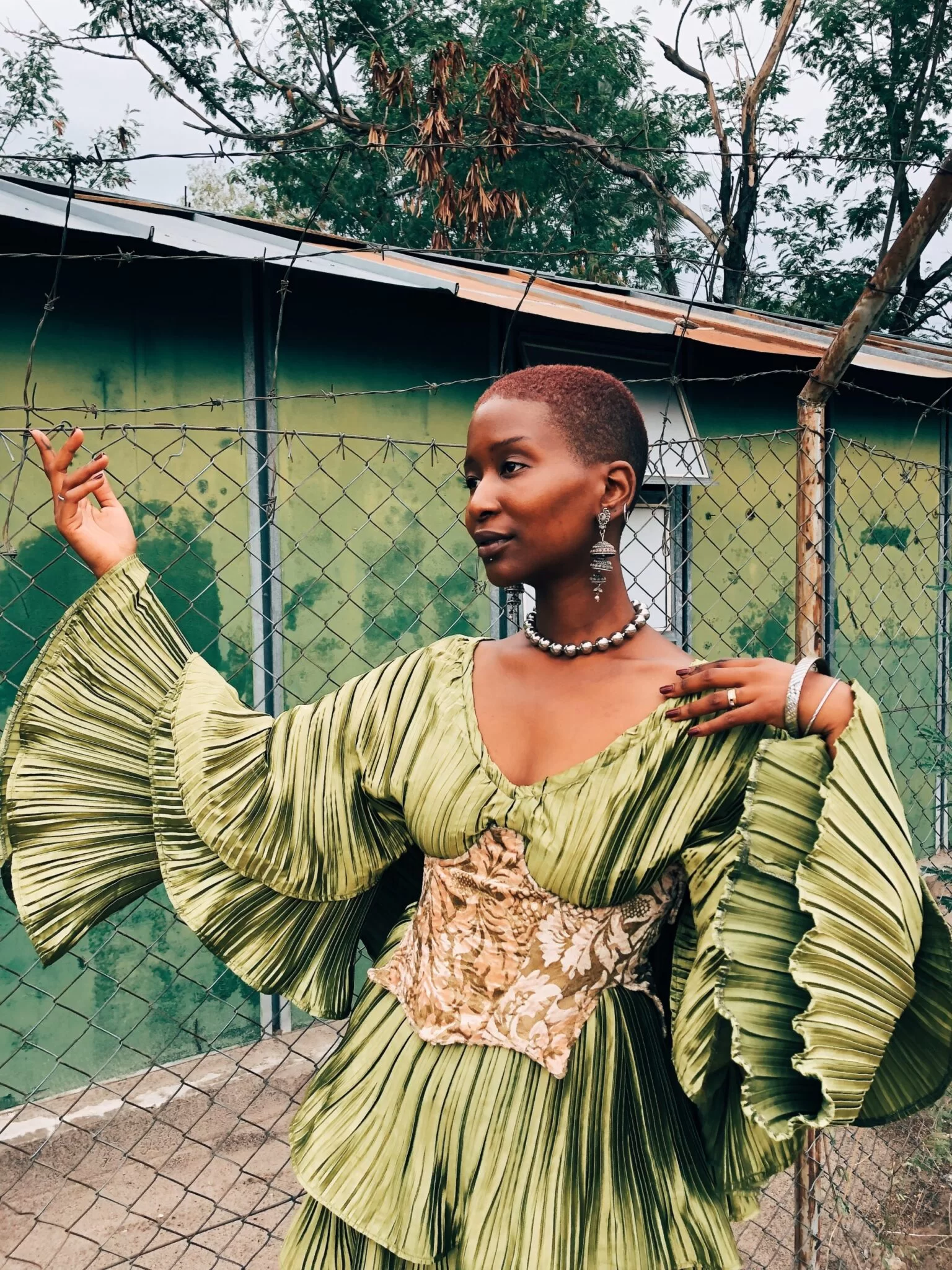
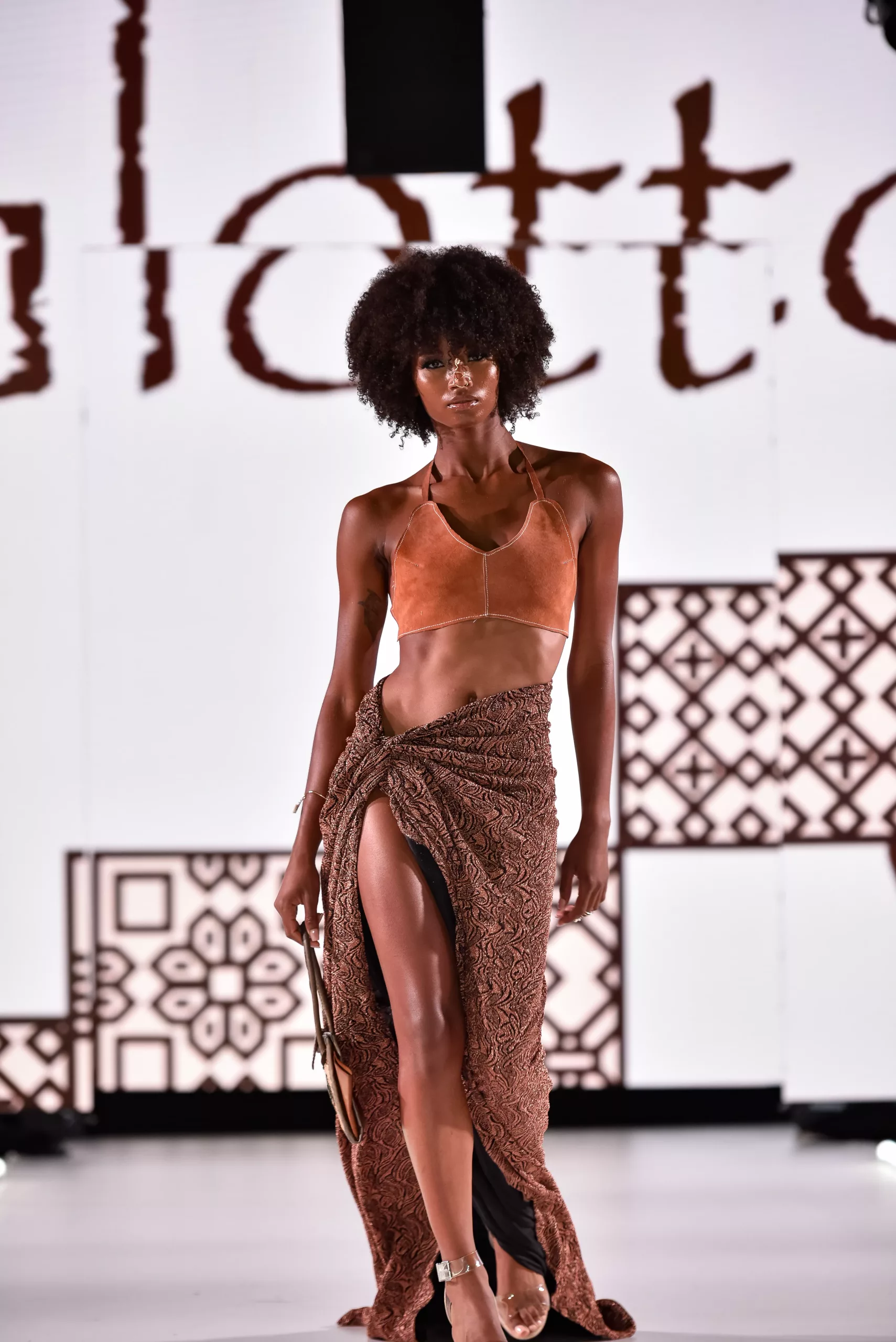
Also Read:
- Kinshasa Rising: How Congolese Women Are Claiming Fashion Authorship
- Malian Fashion Designers Preserving Heritage While Innovating Style
- Why Global Fashion Keeps Returning to the Same African Craft Traditions
- African Luxury Market: Why Luxury Fashion Growth Is Moving Beyond Lagos and Nairobi
Frequently Asked Questions
What do Glotto’s Saddle Pants honour?
In a December 2024 interview with Kaffein, Mboko Basiami said the Saddle Pants pay homage to Botswana’s herdboy culture. She names a cultural reference but does not identify a historical garment she copied or a feature of the trousers that carries it. The account gives the design a context; it does not claim the trousers reproduce what herdboys wore.
Why does the word “classic” matter?
At Capitec Handmade Africa, Basiami placed the saddle pants among Glotto’s classic ready-to-wear pieces. The word shows how she positioned the trousers at that event. It does not establish when they first appeared, how often Glotto has made them, or whether the design stayed the same across collections.
Do Glotto’s shop listings show the pair discussed in 2024?
No. Glotto’s shop separately lists the Corduroy Saddle Pants and the SS/26 Saddle Set, which document other uses of the Saddle name. Neither identifies the exact pair discussed in 2024, and a photograph of the set cannot establish the fabric, cut or proportions of the trousers shown at Capitec Handmade Africa.
How is the ‘herdboy’ reference expressed in the garment?
The published record leaves that open. It does not say whether the reference sits in the cut, a construction detail, the styling or the name. An identified photograph would let writers describe the visible design, while Basiami’s account would help establish which details, if any, she intended as part of the homage.