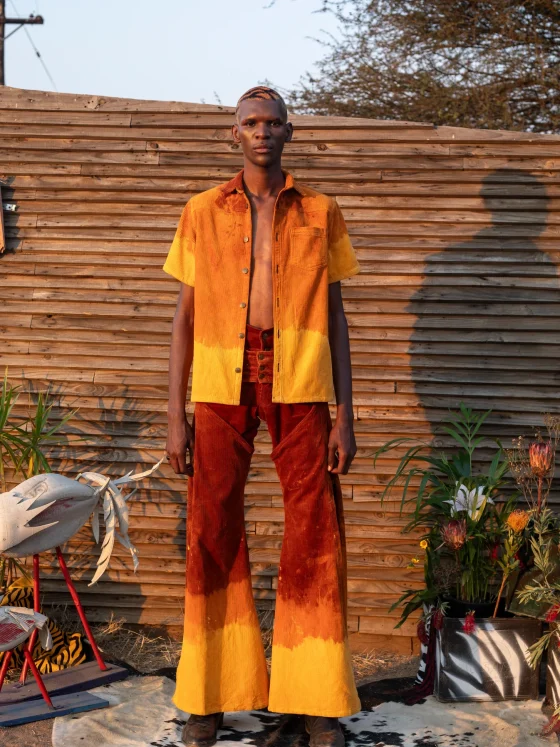
A short-sleeved shirt gives Rio de Janeiro’s Pyramid a surface for psychedelic prints. At Trendt, the more interesting thing might be how much a fabric lets you see. And at League Goods, a plain tee can be the whole proposition. Put those three together, and it becomes harder to talk about Brazilian streetwear as though it has one look. The labels don’t even agree on where to put the emphasis. These 12 profiles follow those differences through footwear, graphics, tailoring and clothes made for everyday use. Some describe a label’s beginnings; others start with the earliest collection or project we can date. Where a founder or founding year remains unverified, we’ve left it open rather than treating the date of coverage as the date the label began.
Explore 12 Brazilian streetwear labels through their founders, early work and design choices, from ÖUS skate shoes to Piet’s stadium runway.
1. ÖUS: Start with the skate shoe
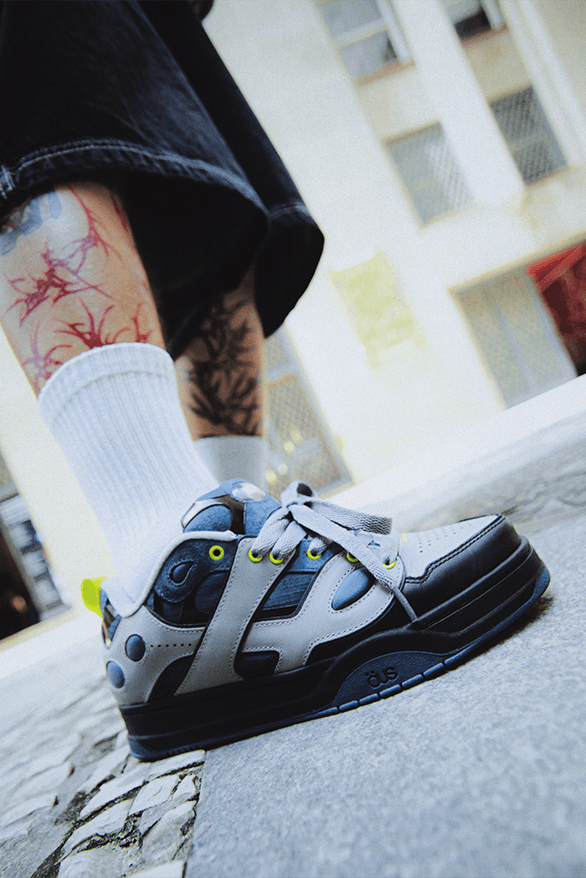
Founded in 2008 in Curitiba by brothers Rafael and Bruno Narciso.
The Narciso brothers came from skateboarding, and footwear gave them a way to build a brand around the culture they knew. The label’s early work brought together designers, visual artists and rappers with ties to skating. A collaboration with Del the Funky Homosapien shows how far the shoe could travel as an idea without skateboarding becoming incidental to it. That makes ÖUS a useful first stop. Rather than asking why a fashion label reached for a skate reference, we can ask what a skate footwear label brought to the way people dressed off the board.
2. PACE: What footwear taught a clothing label
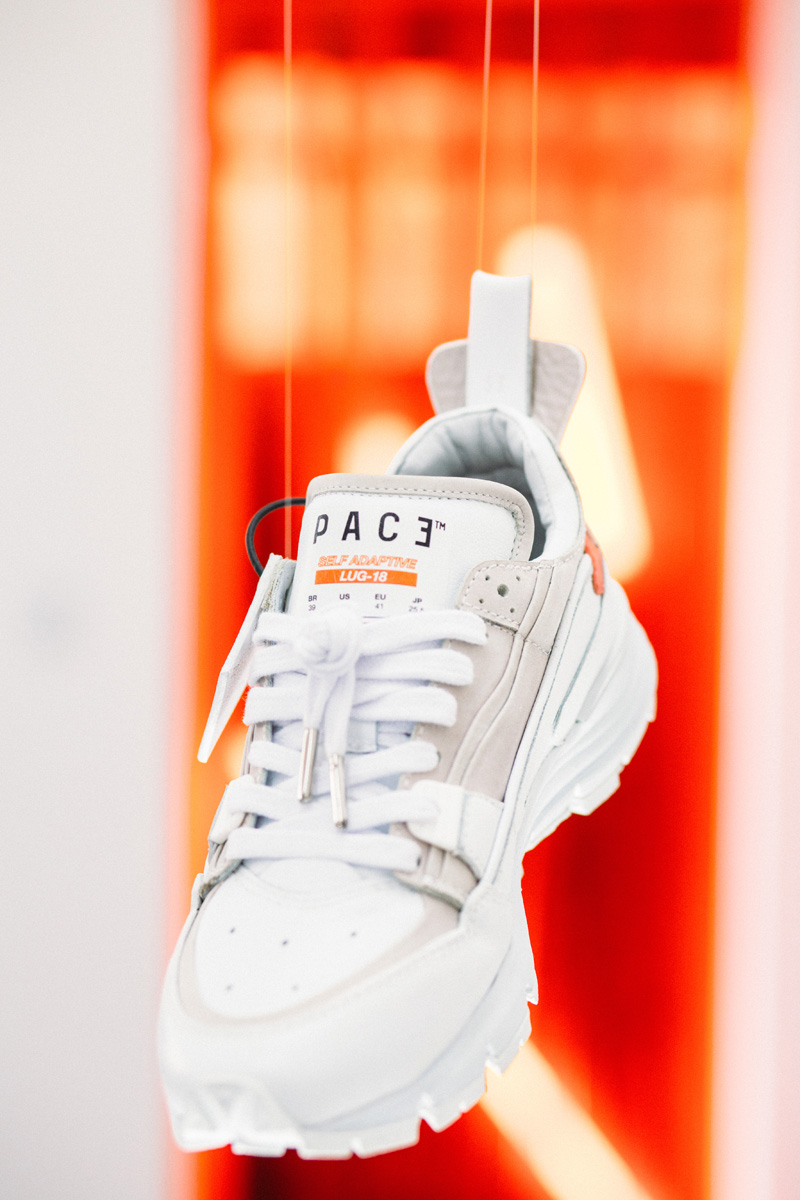
Founded in 2017 in São Paulo by Felipe Matayoshi.
PACE began with footwear before expanding into clothing. Matayoshi draws on Brazil and his family’s Okinawan heritage. His 2023 ASICS Sportstyle collaboration made that reference tangible: he described a texture recalling sand in Okinawa alongside a grid pattern drawn from ASICS footwear. The two references meet on the surface of a shoe rather than being left to the campaign copy. As the wardrobe expanded, PACE brought streetwear into contact with tailoring, a development explored in GQ Brasil’s profile. The label opened its first São Paulo flagship in 2024. What connects the shoes to the wider range is the attention paid to what a material can do: give a surface texture, hold a shape or make a familiar piece feel different.
3. CEMFREIO: Familiar fabric, different categories
Created by Ame Apolinário. Its first collection was documented in 2016; the founding year is unverified.
CEMFREIO’s first collection used cotton throughout. Instead of relying on an unfamiliar textile to make a point, Apolinário worked with flowing forms and presented the clothes without conventional gender divisions. The collection also addressed race, a concern that can’t be read from the silhouette alone. The project didn’t stop at clothing. A profile of Apolinário and SouPreto credits CEMFREIO, described there as a cultural collective, with conceiving SouPretoFW. Making a collection and creating a platform for Afro-diasporic fashion are different kinds of work. CEMFREIO’s history includes both.
4. High Company: Where skatewear meets football kit
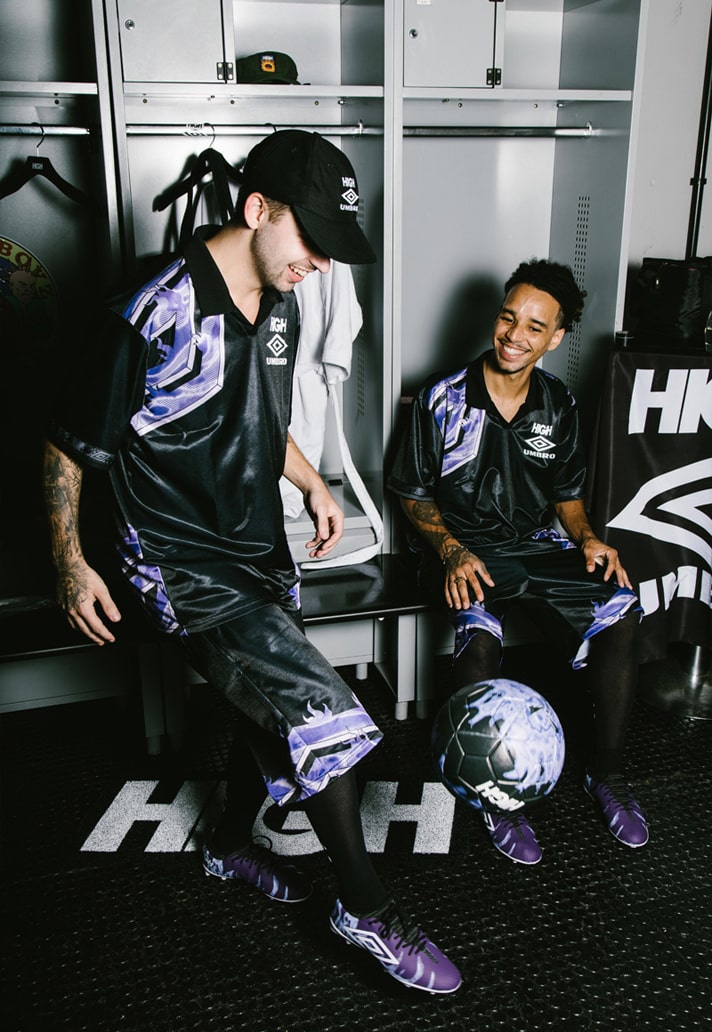
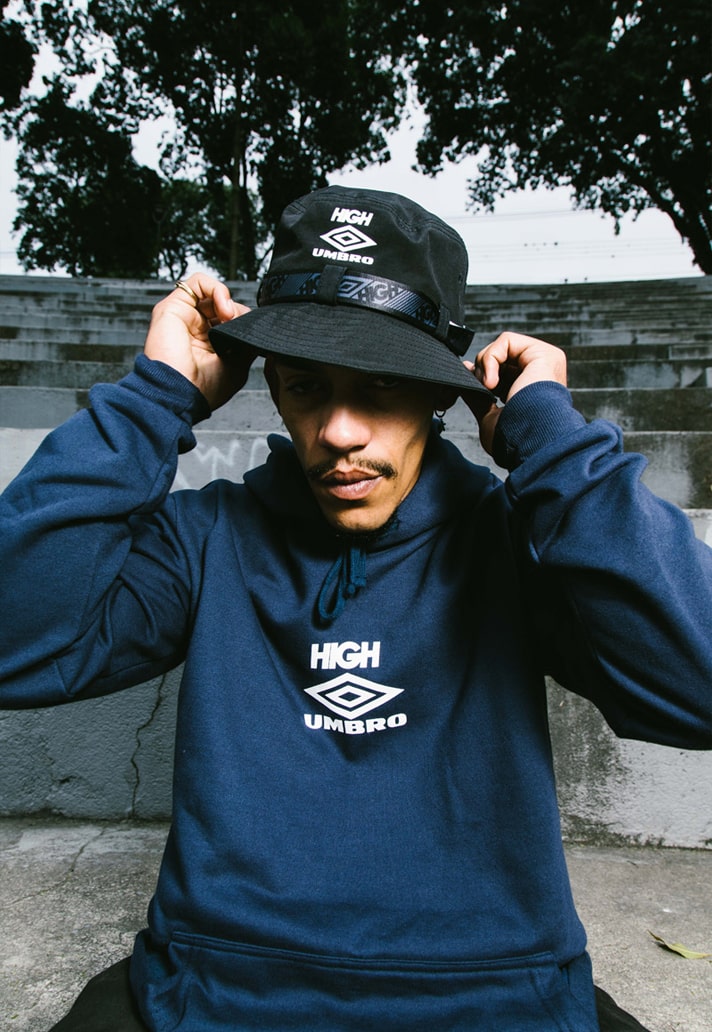
Founded in 2012 in Curitiba, according to skate retailer Sunset, it is credited to Diogo Roccon and a group of friends.
An early High Company collection kept things quiet: familiar shapes, pastels and little visual noise. Beside ÖUS, it offers another view of the Curitiba skate style. You don’t need to start with a shoe or put a board in the picture to see how a skate label might approach everyday clothes. The 2022 Umbro collaboration gives that wardrobe another point of reference. Track jackets, drill tops, shorts and tees were the common ground. The collaboration worked through garment types the two labels could share, not by claiming skating and football were the same culture.
5. Pyramid: The print does the work.
Documented in Rio de Janeiro by 2016. Founder and founding year unverified.
Pyramid’s short-sleeved button-up is a familiar shape. The print is what unsettles it. The label’s early work brought beach references into contact with psychedelia, rock ’n’ roll and occult imagery. It didn’t need to redesign the shirt to change what you noticed. That makes Pyramid a useful comparison with Osklen. Both drew on beach culture, but Pyramid concentrated much of the effect in the graphics on a single recognisable garment. Osklen worked across shoes, sportswear and a broader urban wardrobe. A shared reference can do very different work depending on where a designer puts it.
6. Piet: From a graphic tee to a stadium runway
Founded in 2012 by São Paulo designer Pedro Andrade.
Piet began as a graphic T-shirt project. Its early collections already gave readers reasons to look past the image on a garment: Andrade experimented with weaving, fabric and tailoring. Where Pyramid’s shirt invites you to look at the print first, Piet asks you to notice how the cloth and cut build the shape. The jump in scale is visible in The Business of Fashion’s reporting on Piet’s São Paulo Fashion Week show at Pacaembu Stadium. More than 6,000 people watched from the stands. For a label working between sportswear and runway fashion, the stadium made that relationship physical: people went to see the collection, not just a reference printed on the clothes.
7. Storvo: São Paulo as graphic material
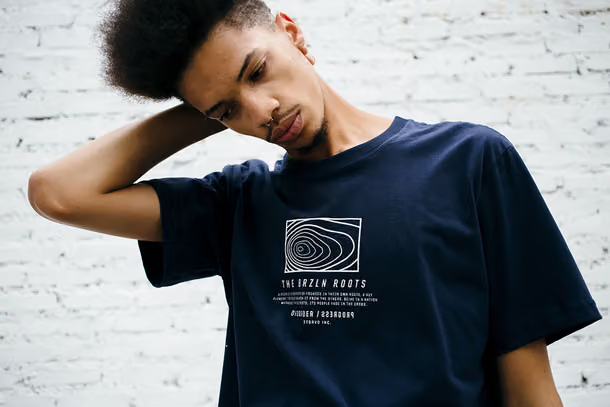
By 2016, the brand had been active for almost a decade, according to contemporary coverage. The exact founding year and founder are unverified.
Storvo built collections around themes and used graphics to work through them. Under the slogan “Keep Disturbing,” the brand reworked recognisable São Paulo imagery and took the Rio Olympics as a collection subject. The images had something to push against because people already knew where they usually belonged. Pyramid made a beach shirt stranger through print. Storvo’s graphics worked at another scale: a city symbol or a public event could become material for a collection. In both cases, it’s worth asking not simply whether a graphic catches your eye, but what you’re meant to recognise before it looks different.
8. Astro Runners: The clothes came later
Started in 2010 as a digital project. Individual founders unverified.
Astro Runners released GIFs, illustrations, and mixtapes anonymously before launching a clothing line. By 2016, that line had a name: Lunar Mansion. The date matters because 2010 marks the project’s beginning, not necessarily the first garment. That sequence changes how you read the clothes. A shirt didn’t have to introduce Astro Runners from scratch; it joined a project people could already encounter through images and sound. Omiren’s analysis of YAKU SS27 follows a different fashion practice through a related question: what can clothing carry when some of the story is already being told in another medium?
9. Cotton Project: From surf and skate references to fashion week
Founded in 2006 in São Paulo by Rafael Varandas, according to OPUMO.
Varandas’s interest in 1990s surf and skate fashion gives Cotton Project one entry point, but it isn’t the whole picture. The label’s early work also drew on music, photography and motorcycling. Those references sat alongside plain tees, shorts and looser shapes rather than requiring every piece to carry an obvious subcultural signal. Cotton Project debuted at São Paulo Fashion Week in 2016. That was a change of setting, not the beginning of the label. The runway gave clothes already rooted in how people dressed outside it a different audience and a different way to be seen.
10. Trendt: Fabric changes what you see
Founded in 2011 by Renan Serrano, who gave the date in an interview with R7.
Trendt’s wide shapes and transparent materials shift attention to the space between cloth and body. Where CEMFREIO used flowing cotton, Trendt could make a garment’s effect depend on what it revealed or concealed. Serrano also explained that the young brand couldn’t afford to produce separate ranges at the volumes the industry required. The way clothes are made and financed can shape the categories a label works with, just as much as a designer’s intentions can. There’s more to Trendt than transparency. Texbrasil’s account of the eighth collection documents Serrano developing a textile for a collection that reconsidered eveningwear. In that instance, he didn’t choose the material after settling the design. Developing it was part of working out what the clothes could be.
11. League Goods: When the tee doesn’t need a graphic
Documented by 2016. Founder and founding year unverified.
League Goods kept graphics to a minimum on plain tees, sweat shorts and caps. After the prints at Pyramid and the graphics at Storvo, the plain T-shirt is worth a second look. Rather than carrying a theme or an image, it can make the rest of the outfit work. The record here is narrower than it is for Piet or PACE. It documents the basics in the range, not how the business began or what it sells today. But these are still useful pieces to include. A guide made up only of statement clothes would miss what people wear between them.
12. Osklen: Where the category gets less useful
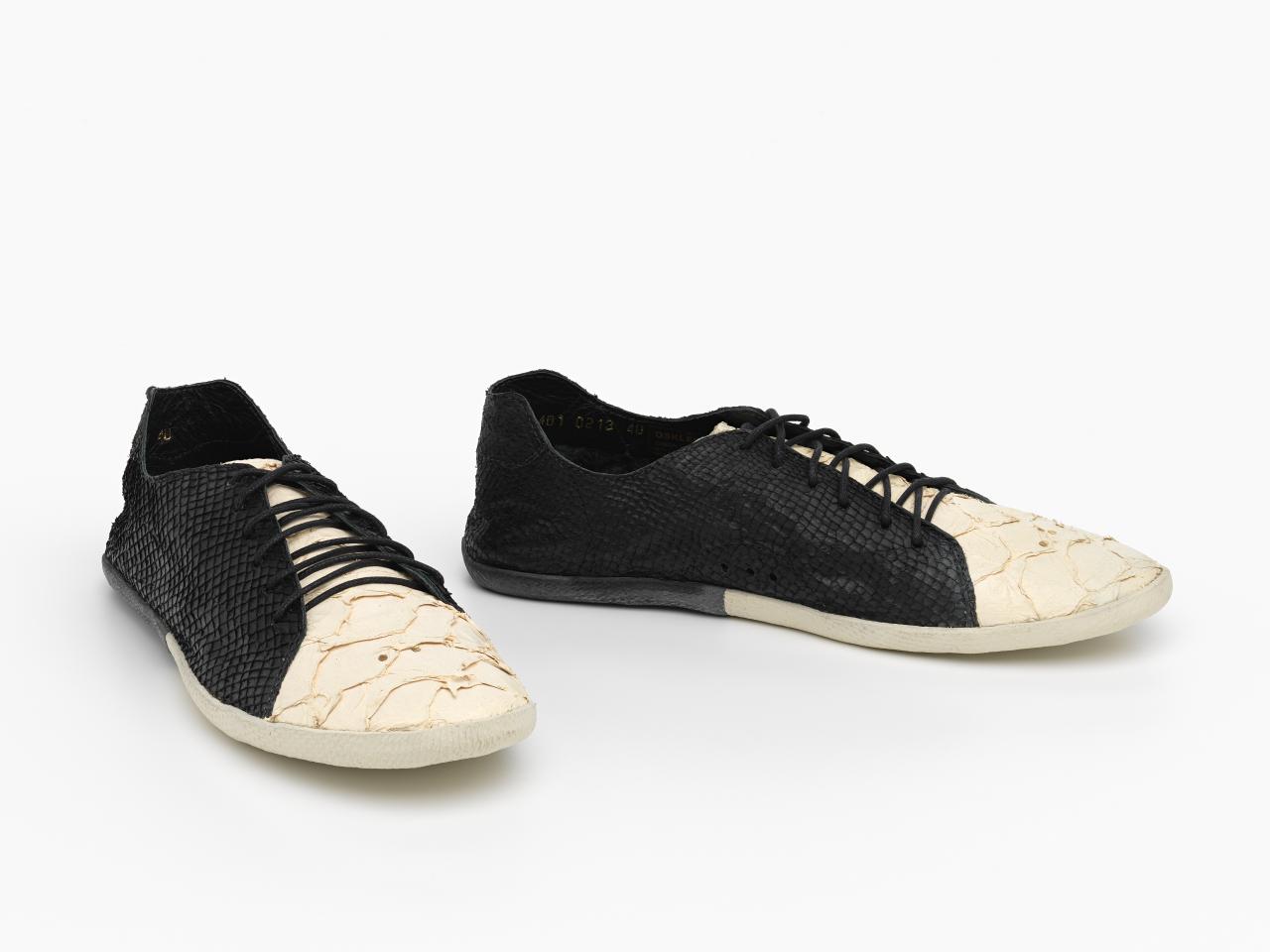
Founded in 1989 by Oskar Metsavaht.
Osklen began in sportswear and moved into contemporary luxury fashion. Brazilian fashion association ABEST dates its São Paulo Fashion Week participation to 2003. Surf, skate and snowboarding references found their way into its urban clothes and footwear, but those influences don’t make Osklen the same kind of label as ÖUS. That’s why it belongs at the end rather than at the centre of the list. If the question is whether Osklen is strictly streetwear, there’s room to disagree. If the question is what it did with the materials and references it shared with streetwear, its footwear range gives readers something specific to look at.
The Omiren Argument
Knowing where a label began is useful when it changes what you notice. Start with skating, and the ÖUS shoe is more than a sneaker silhouette. Start with fabric, and you can distinguish what CEMFREIO did with cotton from what Trendt did with transparency. Start with Astro Runners’ mixtapes and illustrations, and the clothes become part of a project that was already speaking in other forms.
None of those readings needs to stand for Brazilian streetwear as a whole. The better question is smaller and more rewarding: when two labels reach for the same shoe, shirt or reference, what does each make of it?
Also Read:
- Farm Rio and the Limits of Tropical: When Brazilian Fashion Becomes a Mood Board
- J Balvin x Vélez: Colombian Leather Craft at Colombiamoda 2026
- Afrocentric Streetwear as Cultural Argument: Why Dakar, Kampala, and Monrovia Are Setting Global Youth Style
- What Accra Street Style Is Actually Arguing in 2026
Frequently Asked Questions
What do these 12 profiles cover?
They cover 12 Brazilian streetwear labels through footwear, graphics, tailoring and clothes made for everyday use. Some profiles describe a label’s beginnings; others start with the earliest dated collection or project. Where a founder or founding year remains unverified, the article leaves it open rather than treating the coverage date as the label’s start date.
How did ÖUS and Piet begin?
ÖUS was founded in 2008 in Curitiba by brothers Rafael and Bruno Narciso, and began with skate footwear. Piet was founded in 2012 by São Paulo designer Pedro Andrade and began as a graphic T-shirt project. Its São Paulo Fashion Week show at Pacaembu Stadium drew more than 6,000 people to the stands.
Why does the Astro Runners start date need care?
Astro Runners started in 2010 as a digital project, releasing GIFs, illustrations, and mixtapes anonymously before launching a clothing line. By 2016, that line had a name: Lunar Mansion. The article notes that 2010 marks the beginning of the project, not necessarily the first garment, and that individual founders are unverified.
Is Osklen strictly streetwear?
The article says there is room to disagree. Founded in 1989 by Oskar Metsavaht, Osklen began in sportswear and moved into contemporary luxury fashion. Surf, skate and snowboarding references found their way into its urban clothes and footwear, but those influences don’t make it the same kind of label as ÖUS, which is why it closes the list.