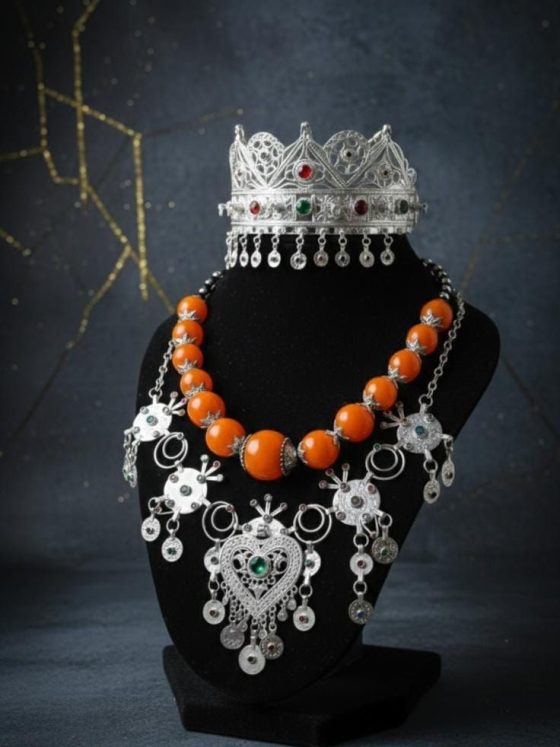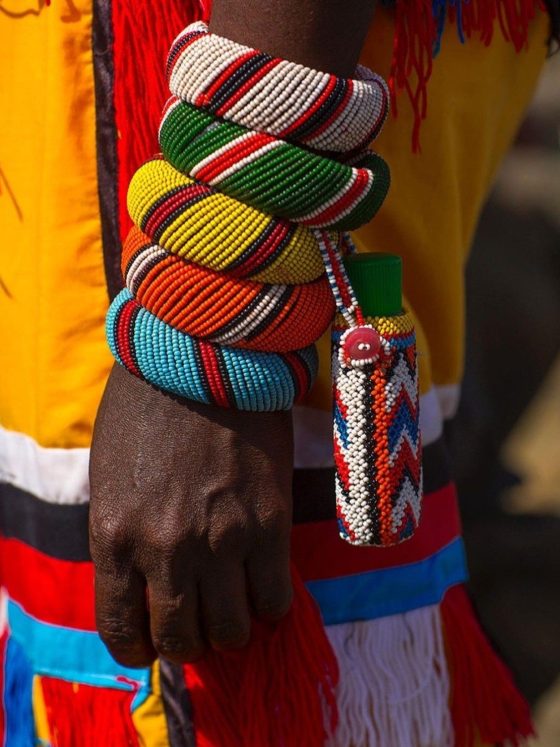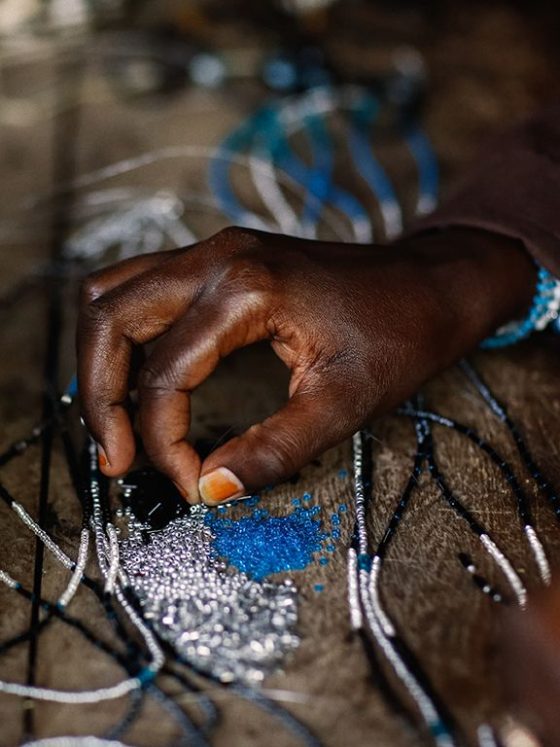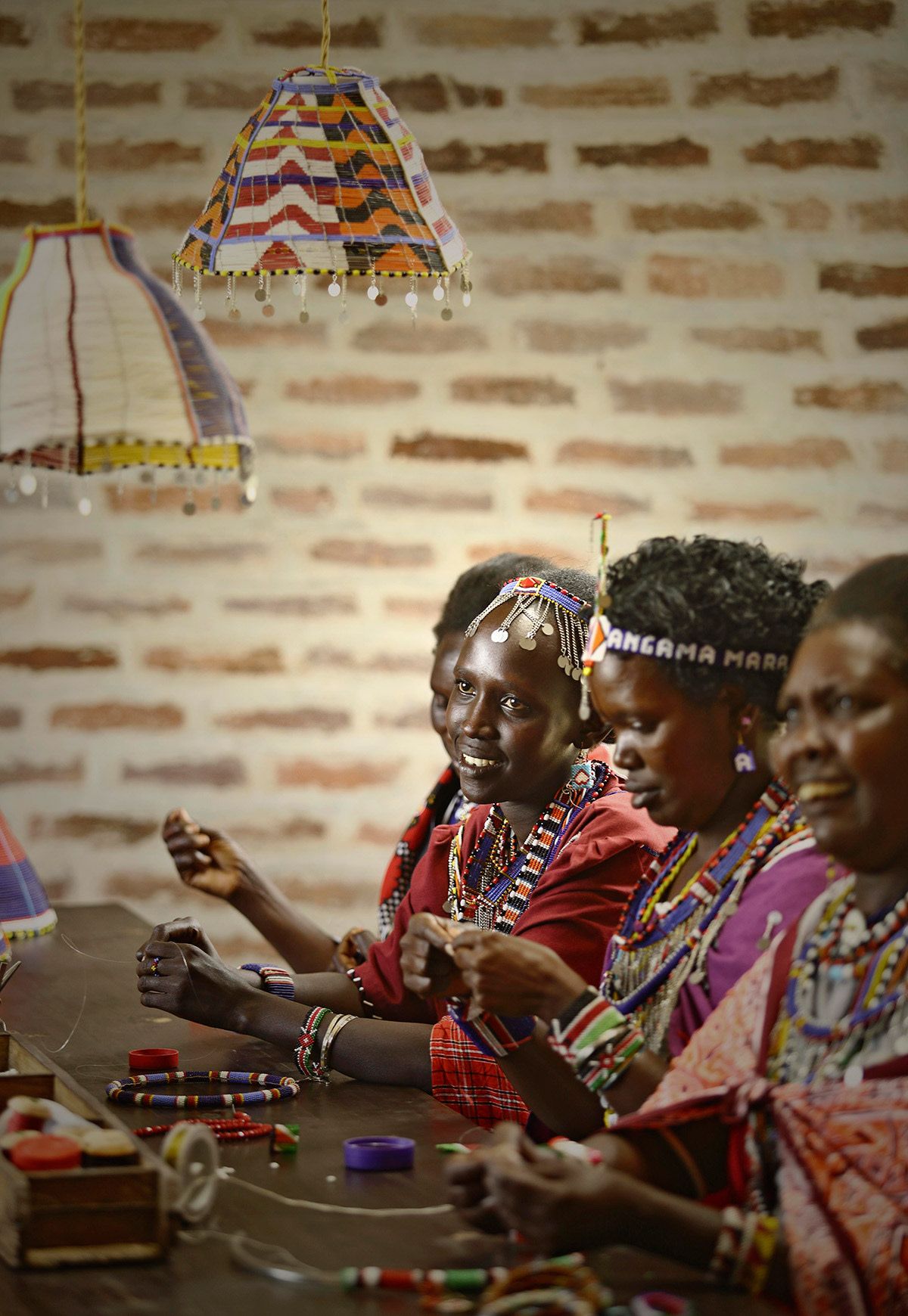
Botswana’s beadwork cooperatives are attempting to move a deeply rooted craft from local markets into international trade. For Tswana artisans, that shift is about more than selling necklaces or bracelets abroad; it is about transforming inherited knowledge into income, visibility, and long-term cultural value.
The opportunity is real. Botswana already has an established craft economy, recognised handmade traditions, and access to tourism markets. But exporting beadwork at scale requires more than beautiful objects. It requires organisation, consistent production, reliable marketing, fair pricing, and a clear distinction between cultural craft and mass-produced imitation.
Explore how Botswana’s Tswana beadwork cooperatives are turning inherited craft skills into export-ready jewellery, cultural products, and sustainable livelihoods.
Beadwork as Living Heritage
Beadwork has a long history in Botswana. Archaeological and cultural records document the use of ostrich eggshell, glass, metal, and other beads in adornment and dress, with some ostrich-eggshell bead traditions extending back thousands of years.
For Batswana communities, beadwork has served several purposes. It has been used for personal adornment, ceremonial dress, gifts, social signalling, and the decoration of clothing and accessories.
That history gives contemporary cooperatives an important foundation. They are not inventing a marketable identity from nothing; they are adapting an existing material culture for new customers.
What Cooperatives Change
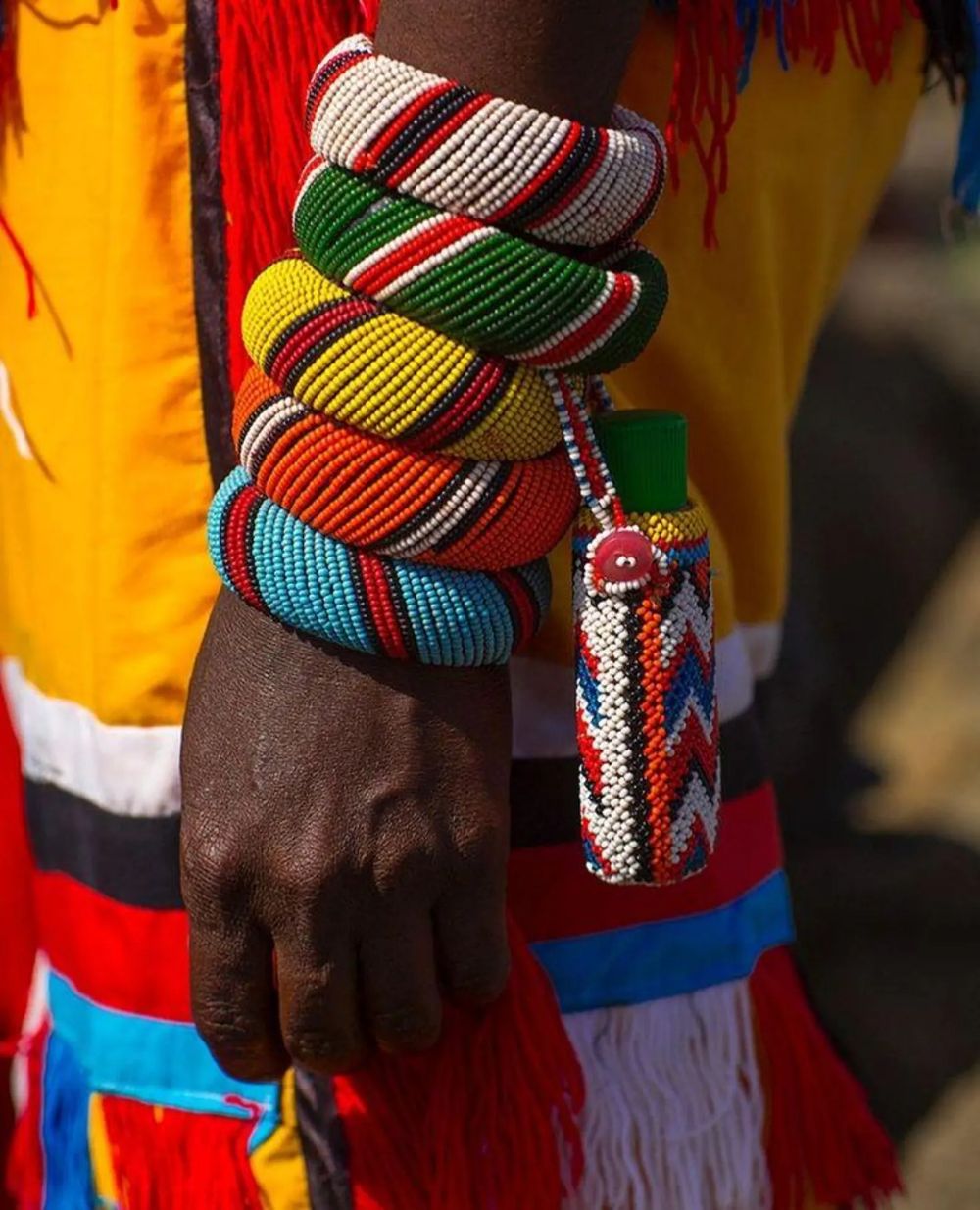
A cooperative changes the economic structure around craft. Instead of asking individual artisans to manage production, pricing, marketing, and export logistics alone, members can pool skills and resources.
This can make it easier to:
– Purchase materials in larger quantities.
– Standardise selected products without eliminating handmade variation.
– Share equipment, training, and workspace.
– Negotiate with retailers and wholesalers.
– Meet larger or repeat orders.
– Distribute income across a wider group of makers
The need for this structure is clear in Botswana’s wider handicraft sector. Earlier research described export marketing as fragmented and underdeveloped, with producers often dependent on intermediaries and limited national promotion.
Cooperatives offer one possible answer. They can turn scattered production into a more visible and reliable supply network.
From Village Craft to Export Product
Exporting beadwork requires a change in how the product is presented. A necklace made for a local market may need stronger packaging, product photography, measurements, care instructions, and a documented maker story before it can be sold internationally.
That does not mean the craft must become anonymous or heavily industrialised. It means the cooperative must make its value legible to buyers who may be unfamiliar with Botswana’s traditions.
Botswana’s craft sector already has evidence of export potential. Craft businesses have historically sold products to the United States, Europe, Australia, New Zealand, and countries across southern Africa. Botswana Tourism also notes that locally made crafts, including beaded jewellery and ostrich-eggshell beadwork, are sold through shops, markets, safari camps, and other retail channels.
The challenge is to extend that history beyond tourism and into sustained international trade.
Why the Diaspora and Design Markets Matter
International buyers are not all looking for the same thing. Tourists may want a small, affordable souvenir, while diaspora customers may be seeking an object that represents home, ancestry, or cultural pride.
Design-led retailers may value something else: unusual materials, strong geometry, handmade irregularity, or a clear connection to place. Botswana beadwork can speak to all three markets, but each requires different pricing and presentation.
This is where a cooperative can become more than a production unit. It can develop separate collections for tourism, everyday jewellery, gifting, and premium design markets without confusing the identity of the craft.
The Importance of Ostrich-Eggshell Beadwork
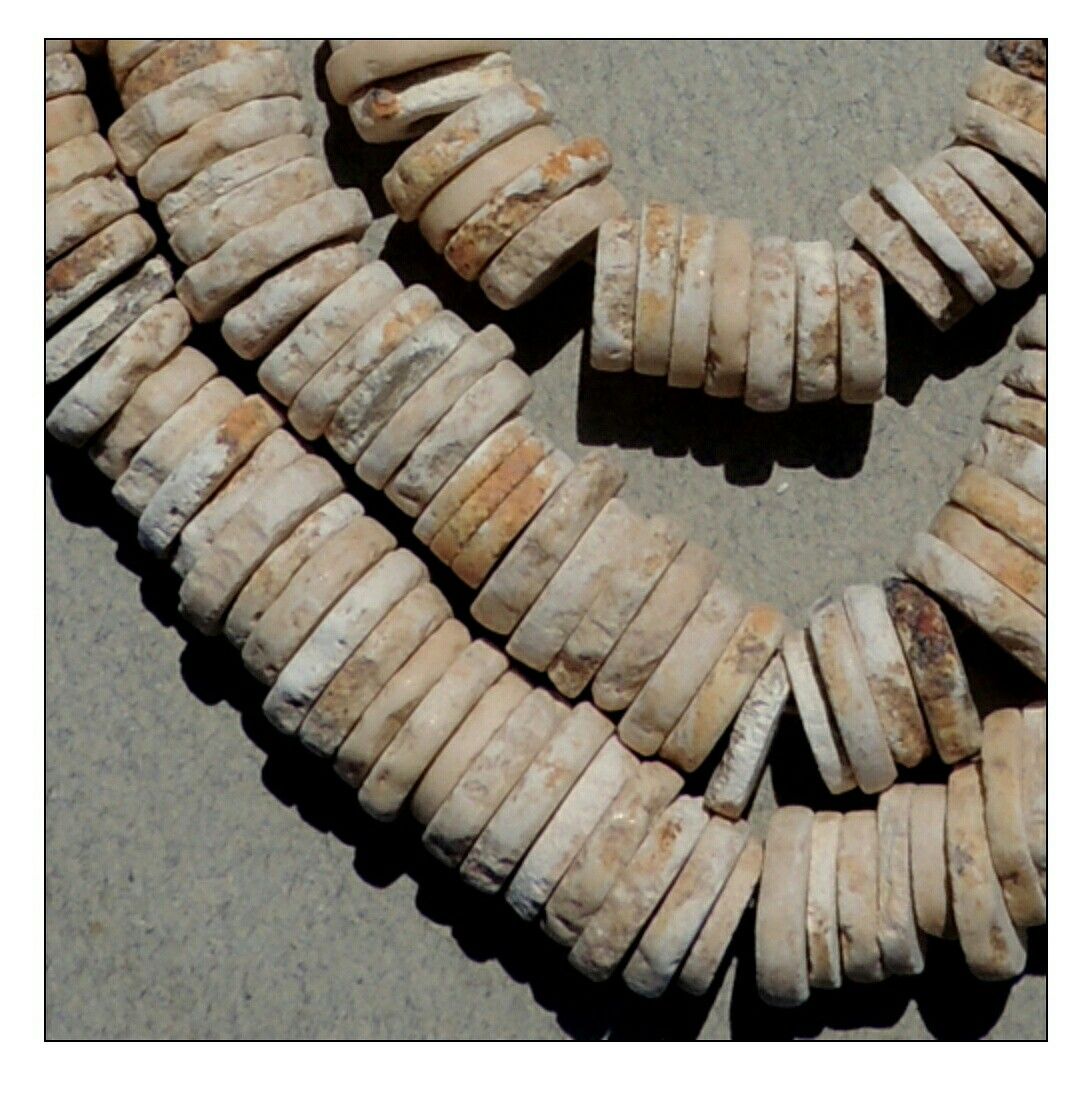
Ostrich-eggshell beads are among Botswana’s most distinctive craft materials. The process involves breaking shells into fragments, shaping them, drilling them, and smoothing them before stringing them into jewellery or attaching them to leather and textile objects.
The material carries both visual and historical value. Its creamy white surface contrasts with dark leather or thread, creating a restrained aesthetic that can appeal to contemporary jewellery buyers.
But the labour involved also creates a pricing problem. Handmade eggshell beads cannot compete directly with factory-made plastic beads on cost. Their value has to be communicated through craftsmanship, provenance, durability, and cultural meaning.
What Export Growth Could Bring
Successful export orders could provide more predictable income for artisans, particularly when cooperatives secure repeat relationships with retailers or ethical craft platforms.
They could also support skills transmission. When beadwork generates reliable earnings, younger people have more reason to learn the techniques from older makers rather than leaving craft production for other work.
The social impact can extend further. Craft-development programmes in Botswana have used cooperative structures to support business, marketing, and governance among rural producers. That suggests the strongest model is not simply “make more products,” but build the organisational skills needed to control the value chain.
The Risks of Scaling
Export growth can create new pressures. Buyers may demand identical products, fast turnaround times, and lower prices, all of which can conflict with the pace and variation of handmade production.
There is also a risk of cultural simplification. If a cooperative produces only what foreign buyers expect “African” jewellery to look like, the craft may become disconnected from local use and meaning.
The answer is not to reject international markets. It is to set terms. Cooperatives need control over design decisions, fair payment, intellectual ownership, and the way their cultural identity is represented.
The Marketing Problem
Botswana’s craft sector has a recognised history, but previous research has also identified weak national-level promotion and uncoordinated export marketing. That gap remains important.
A cooperative may produce excellent work and still struggle if buyers cannot find it. Export readiness therefore includes:
– A clear brand identity.
– Reliable online ordering.
– Professional product images.
– Transparent shipping and payment systems.
– Wholesale information for retailers.
– Documentation of materials and techniques.
– Consistent communication with buyers.
Botswana’s trade infrastructure is increasingly connected to digital and institutional support. Government trade platforms now present services for craft businesses and artisan cooperatives alongside larger industries.
That kind of support can help move beadwork from informal visibility to structured market access.
What the Future Could Look Like
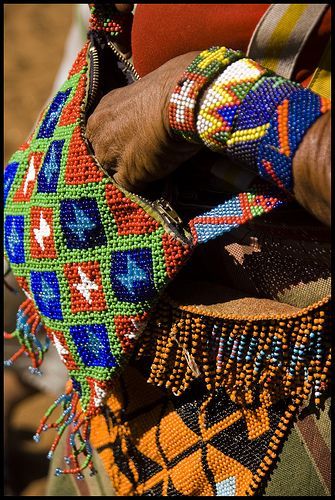
The future of Botswana’s Tswana beadwork cooperatives will depend on whether they can occupy more than one market at once. Local cultural buyers, tourists, diaspora communities, ethical retailers, and international design stores all offer different opportunities.
The most resilient cooperatives will probably avoid depending on a single customer type. They may sell accessible pieces locally while developing limited-edition collections for export.
They will also need to protect the human story behind the work. International customers increasingly want to know who made an object, where the materials came from, and whether the maker was paid fairly. For Botswana’s beadwork cooperatives, transparency can become a competitive advantage rather than an administrative burden.
Why This Matters Now
Botswana’s beadwork cooperatives matter because they show how cultural heritage can become economic infrastructure. Beadwork is not merely preserved by putting it in a museum; it remains alive when people continue to make it, wear it, teach it, and earn from it.
The push into export markets creates both possibility and danger. It can expand income and recognition, but only if artisans retain control over the value and meaning of their work.
For Tswana beadwork, the goal should not be to become indistinguishable from global fashion jewellery. The opportunity lies in becoming more visible precisely because it is specific to Botswana.
OMIREN Argument
Botswana’s Tswana beadwork cooperatives are not simply looking for overseas customers. They are negotiating how cultural knowledge becomes economic power. OMIREN’s position is that export success should be measured not only by sales, but by whether the artisans who carry the tradition receive fair value, control its representation, and can pass the skill to the next generation.
READ ALSO:
- Botswana Men’s Beadwork Accessories and What They Signal
- Southern African Beadwork Deserves Runway Recognition: An Opinion on Fashion’s Editorial Blind Spot
Frequently Asked Questions
- What are Botswana beadwork cooperatives?
They are organised groups of artisans who work collectively to produce, market, and sell handmade beadwork and related craft products.
- What makes Botswana beadwork distinctive?
Botswana’s beadwork includes glass, shell, metal, and ostrich-eggshell traditions, with techniques used for jewellery, clothing, belts, aprons, headbands, and decorative objects.
- Can Tswana beadwork be exported successfully?
Yes. Botswana already has a history of exporting handicrafts to North America, Europe, Australia, New Zealand, and southern African markets.
- Why are cooperatives useful?
They can help artisans share resources, meet larger orders, improve marketing, and negotiate more effectively with buyers.
- What is the biggest challenge?
The biggest challenge is turning handmade production into a reliable export system without sacrificing fair pay, cultural control, or the individuality of the craft.