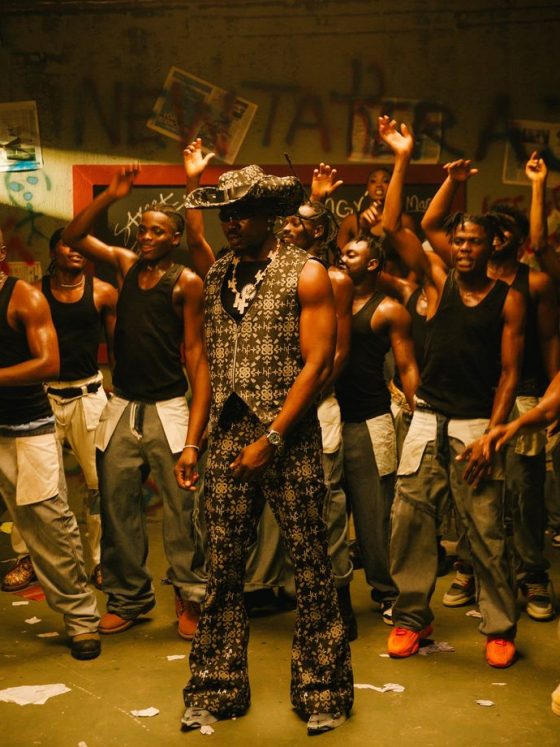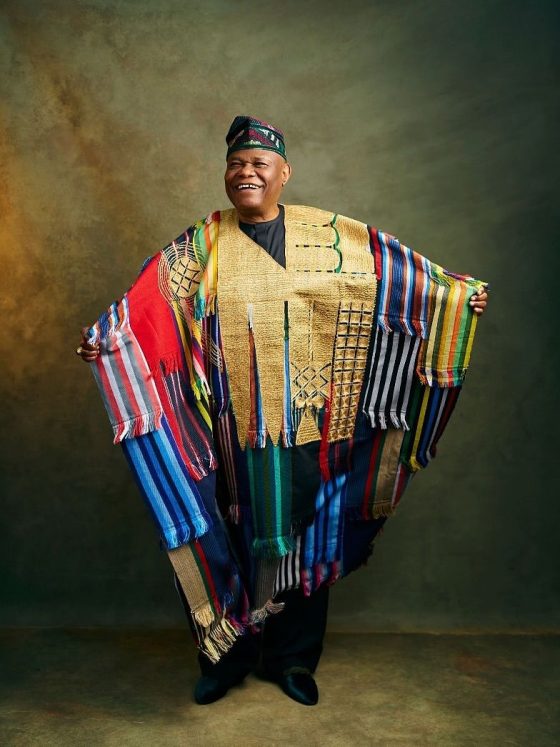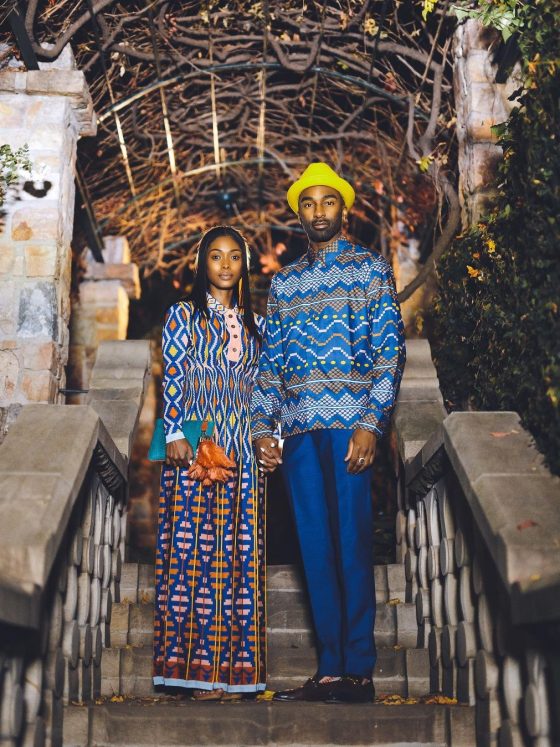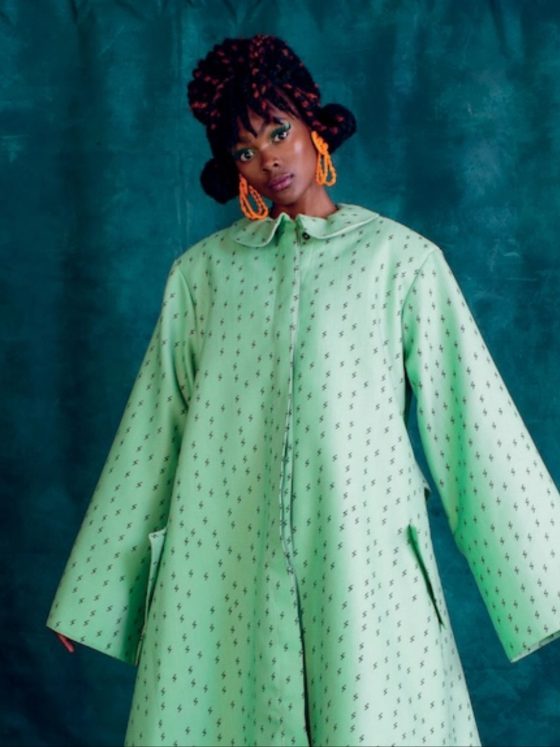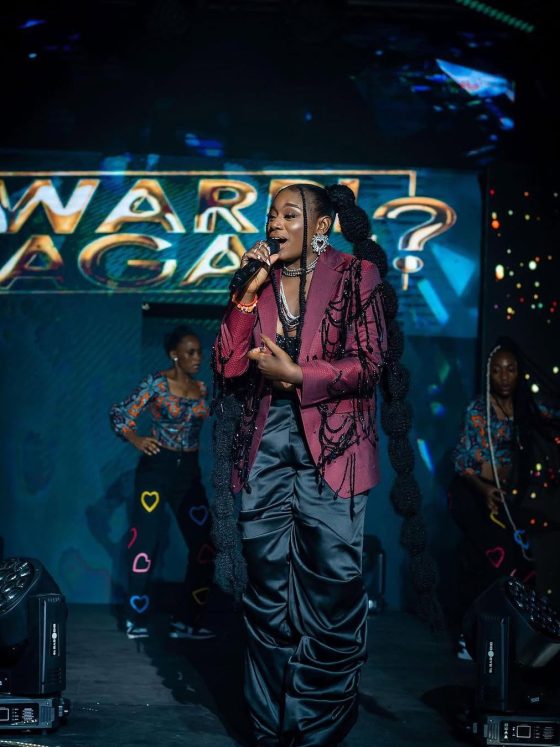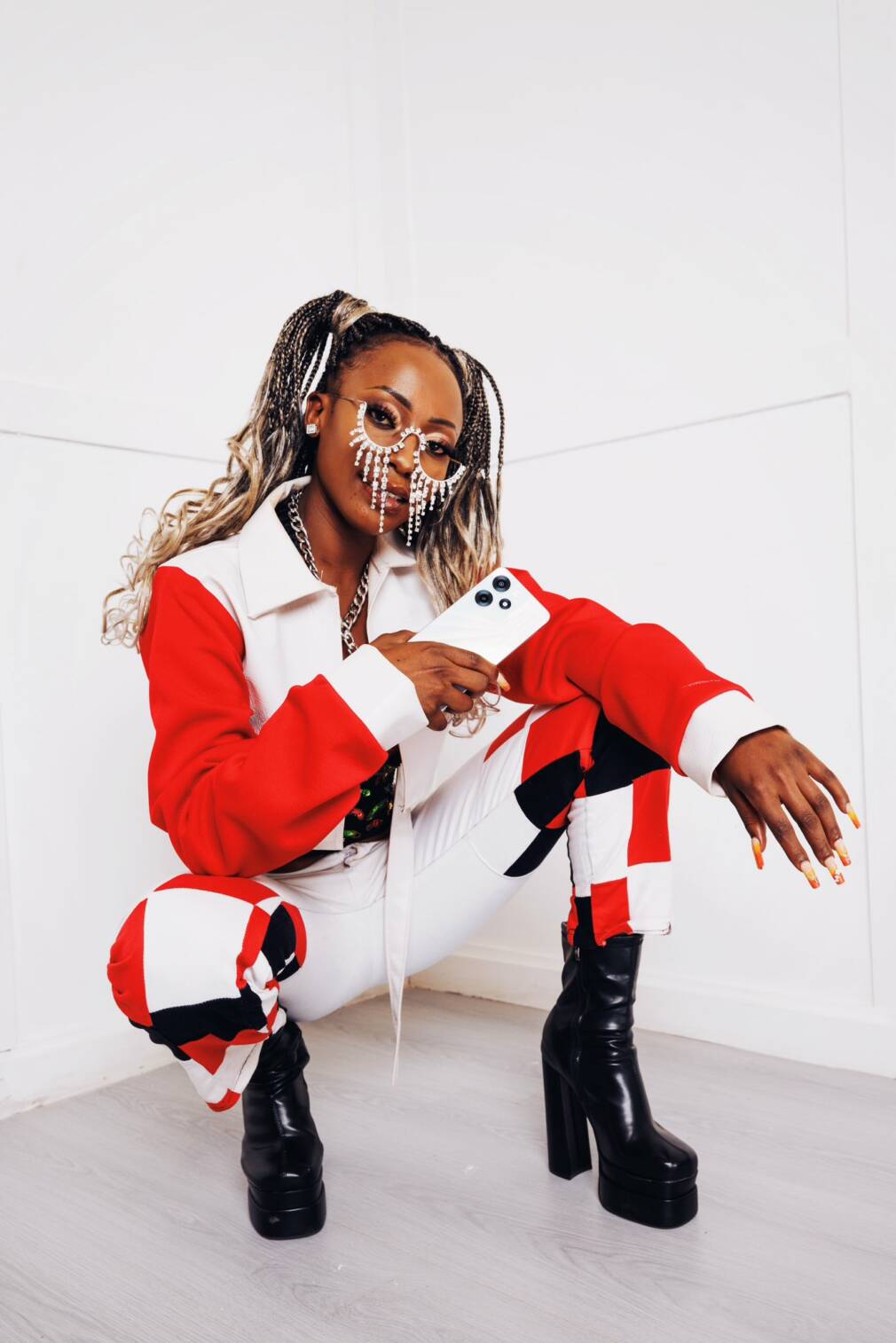
Gengetone emerged from Nairobi’s informal settlements in the late 2010s and took the Kenyan music scene by storm from 2019 to 2022. Its infectious beats, Sheng lyrics, and raw portrayal of urban life made it the dominant sound of Kenyan youth culture for three years. The genre was pioneered by groups including Ethic Entertainment, Sailors, Boondocks Gang, and Ochungulo Family, each producing music that was simultaneously a sound recording and a style document. The way Gengetone artists dressed, the accessories they wore, and the visual language of their music videos became a direct fashion reference for their audience.
Gengetone did not influence Kenyan street fashion from the outside. It produced it. The genre, its visual culture, and the street fashion of Nairobi’s youth were a single system. That system has since evolved: gengetone peaked and declined, and Arbantone has taken its place as Nairobi’s dominant urban sound. But the structural relationship between Nairobi’s music and Nairobi’s street fashion remains intact. The genre changes; the system does not.
The Omiren Argument: Gengetone and its successor arbantone are not music genres that happen to have a fashion dimension. They are cultural production systems in which music, language, and dress are co-produced. You cannot separate the sound from the look without losing both.
Gengetone did not influence Kenyan street fashion. It produced it, alongside a specific language (Sheng), a specific visual culture (matatu), and a specific community of practitioners who made all three inseparable.
What Gengetone Actually Was
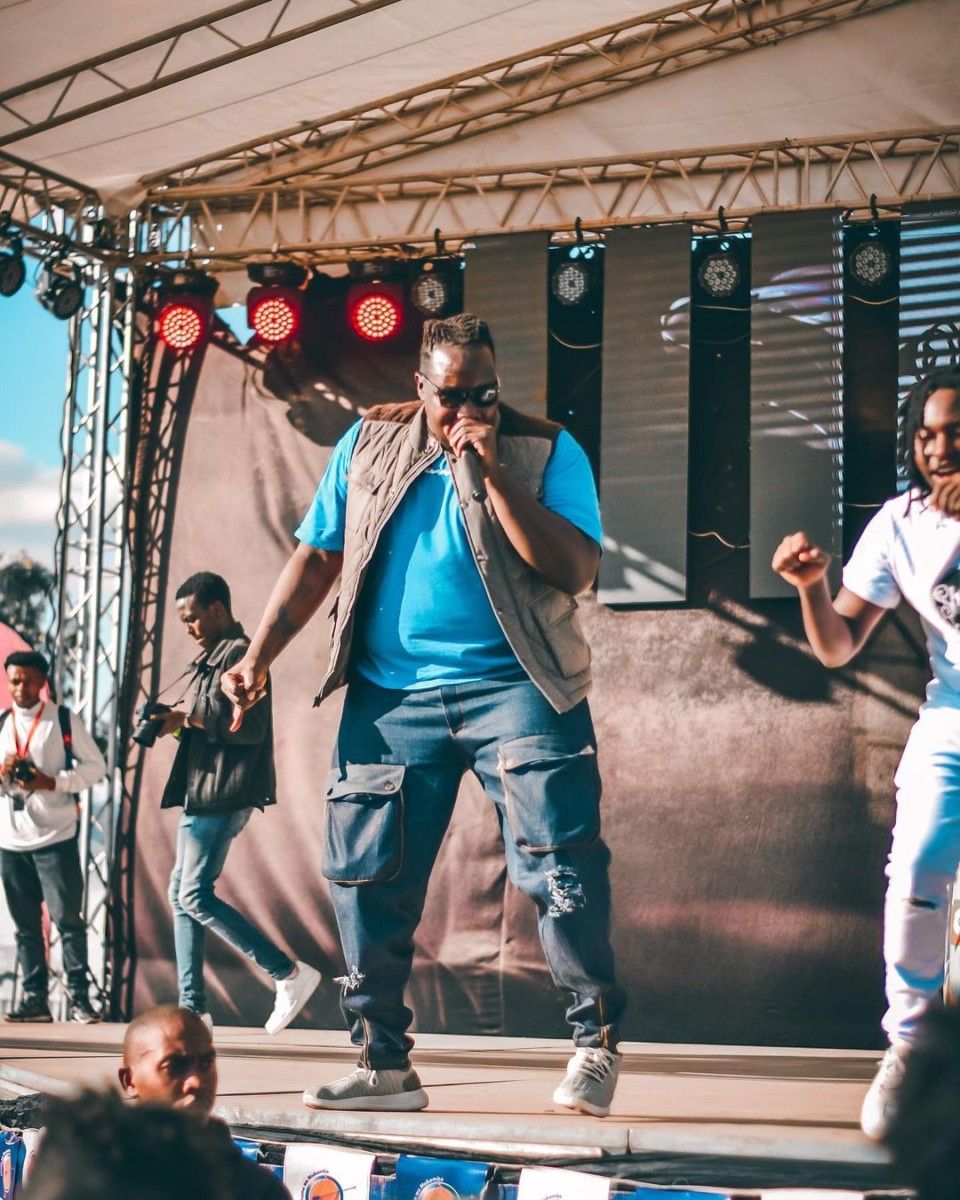
Gengetone evolved from genge, a Kenyan hip-hop style popular in the early 2000s, popularised by artists including Jua Cali and Nonini. It blended rap with reggaeton and dancehall influences into a high-energy, dance-ready sound driven by Sheng lyrics and explicit commentary on urban life, street culture, and social struggle. The name genge itself is Sheng for a mass group of people: music by the people, for the people, in the language of the people.
The fashion influence was direct and documented. Gengetone popularised vibrant streetwear, bold accessories, and specific hairstyle choices that its youth audience adopted as identity markers. The genre’s artists were the style references for their fans. This is not metaphorical. The videos were shot in Nairobi’s streets and markets. The clothes in those videos were the same ones the audience wore to school, markets, and events.
Genge’s founding figure, Jua Cali, has described the genre’s arc as a 24-year journey from an underground Nairobi sound to a music category with documented international reach. The genre’s footprint across the diaspora has been confirmed by streaming data and by the international coverage of Arbantone, its successor.
The Transition to Arbantone
Gengetone’s energy began to decline around 2022, displaced first by Nairobi drill and then by a new genre called arbantone. In late 2023, producer Soundkraft assembled Tipsy Gee, Gody Tennor, and Kappy for TikToker, a track that reached 10 million views and launched a new phase of Nairobi’s urban sound. Arbantone blends gengetone’s raw energy with Jamaican riddims, producing a sound that is danceable, culturally rooted, and digitally distributed at speed across TikTok, Instagram, and club events.
The fashion system around arbantone operates on the same structural logic as gengetone: the artists’ visual choices are the style references for their audience, and those choices are distributed at platform speed. The difference is infrastructure. While Gengetone built its audience through matatu speakers and local radio, Arbantone builds its audience through social media algorithms. The visual language is faster, more responsive, and more directly interactive with its audience.
In 2024, during the period of civil unrest that produced Kenya’s most significant protests against government policy, the song Anguka Nayo (drop with it) by Wadagliz became both an unofficial protest anthem and a style reference. The connection between the music, the political moment, and the visual identity of the protest generation was not accidental. It was the same system operating under pressure.
The arbantone-era fashion vocabulary is also faster-moving than gengetone’s. While Gengetone built its visual language over months through music videos and club events, Arbantone distributes its visual references on TikTok and Instagram within hours. A specific outfit worn in an arbantone performance on a Friday night can be adopted, adapted, and reproduced by Nairobi’s street-style practitioners by the following weekend. This is not trend cycle compression in the Western fashion sense. It is a community sharing a visual identity at the speed that its platforms allow.
The Matatu as the Shared Visual Infrastructure
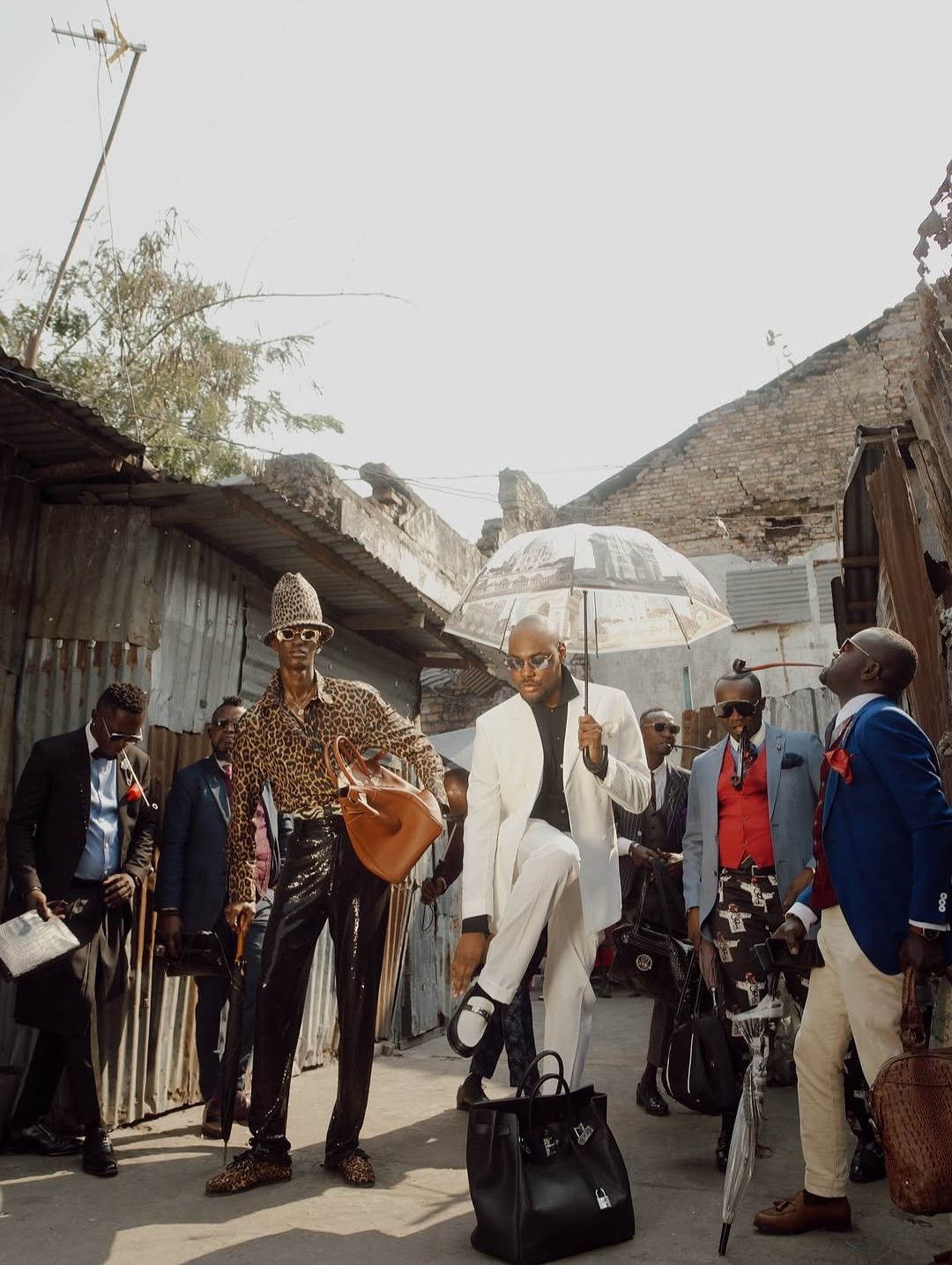
The matatu is the physical infrastructure that connects Nairobi’s music culture to its fashion culture. Matatus are decorated with the same graphic language that appears in gengetone and arbantone videos: celebrity portraits, pop culture references, bold Sheng typography, and visual statements about urban identity. The buses are the venues where the music is first heard at volume, the spaces where the outfits are displayed to the street, and the visual context in which both music and fashion reach a citywide audience simultaneously.
This is why Nairobi street style, Nairobi music, and Nairobi fashion design are not separate narratives. They are one narrative, told through sound, fabric, and graphic art simultaneously. The designers who reference matatu culture in their collections, the musicians who dress their videos in Nairobi streetwear, and the artisans who paint the buses are all working from the same source: the visual and sonic identity of a specific city.
ALSO READ
- Street Style in Bamako: Where Tradition Meets Modern Expression
- African Drums: History, Talking Drums, Colonial Bans, and Survival Across the Diaspora
- Capoeira, Samba, and Carnival Dress: How Afro-Brazilian Cultural Arts Carry Living Memory
Fashion Designers and the Music System
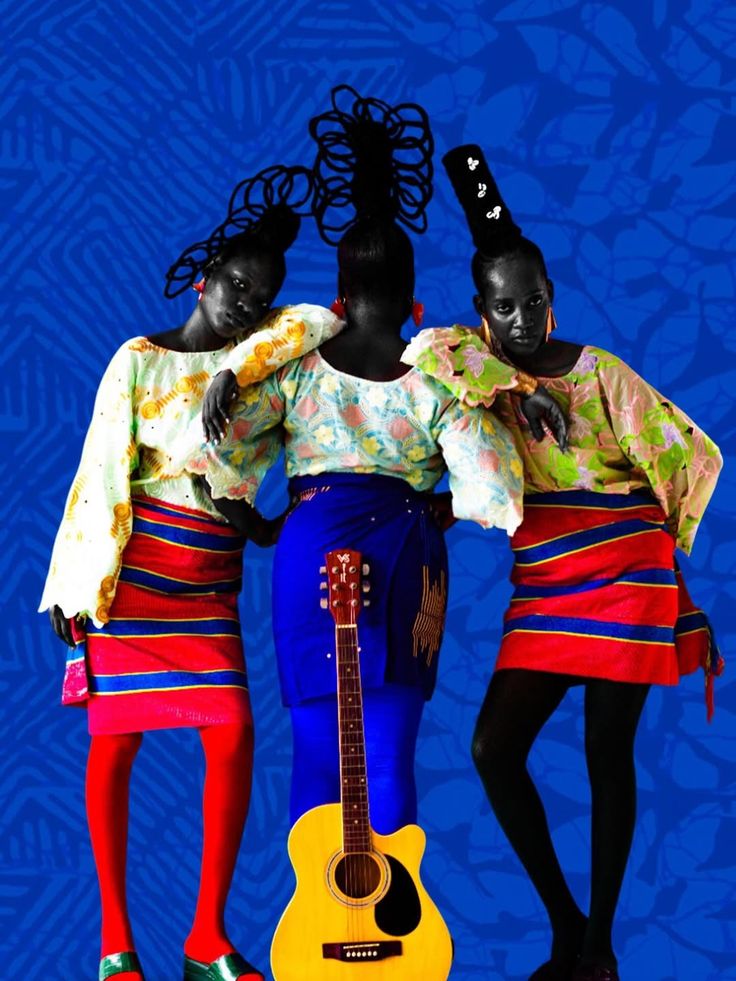
The relationship between Kenyan music and Kenyan fashion design extends beyond street style. Formal designers have consistently dressed musicians for performances, videos, and public appearances. This is not a sponsorship model in the international sense. It is a community practice in which designers and musicians are often peers, working within the same creative networks and continuously sharing visual references.
Joy Wanja’s work exists in a cultural ecosystem that includes gengetone and arbantone as reference points. John Kaveke built his profile partly by dressing performers for public occasions. Anyango Mpinga’s commercial work has intersected with Kenyan entertainment culture throughout her career. The formal runway and the music scene are not separate industries in Nairobi. They draw from the same community of practitioners, the same material sources, and the same Kenyan visual identity.
The music-fashion system that Gengetone and Arbantone have extended is not a youth subculture operating on the margins of Kenyan fashion. It is one of the primary mechanisms through which Kenyan fashion communicates with its largest audience. Runway shows and fashion weeks speak to a specific sector of the market. Music videos and social media content speak to everyone. The practitioners who understand both registers are the ones building the most complete picture of what Kenyan fashion actually is.
“Gengetone and arbantone are not music genres that happen to have a fashion dimension. They are cultural production systems in which music, language, and dress are co-produced. You cannot separate the sound from the look without losing both.”
Frequently Asked Questions
What is Gengetone?
Gengetone is a Nairobi urban music genre that emerged from the city’s informal settlements in the late 2010s. It evolved from the earlier genge style and blended rap with reggaeton and dancehall influences, driven by Sheng lyrics and commentary on urban life. Key groups included Ethic Entertainment, Sailors, Boondocks Gang, and Ochungulo Family. It peaked between 2019 and 2022 and has been succeeded by arbantone. In 2024, the Recording Academy confirmed that Genge would be recognised in a Grammy category.
What is the connection between Gengetone and fashion?
Gengetone had a direct and documented influence on Kenyan street fashion, popularising vibrant streetwear, bold accessories, and specific hairstyle choices. The genre’s artists were the primary style references for their youth audience. The fashion choices visible in gengetone music videos and at live events were adopted by the genre’s fans as identity markers. Music, visual culture, and dress were co-produced, not separately developed.
What is Arbantone?
Arbantone is the successor genre to gengetone, emerging in Nairobi in late 2023. It blends gengetone’s energy with Jamaican riddims, producing a danceable, culturally rooted urban sound. It was catalysed by the track “TikToker”, produced by Soundkraft and featuring Tipsy Gee, Gody Tennor, and Kappy, which reached 10 million views. Arbantone distributes at speed through social media and has established its own fashion influence system operating across TikTok and Instagram.
What is Sheng, and what role does it play in Kenyan fashion culture?
Sheng is a Nairobi-specific urban language blending Swahili, English, and elements of several Kenyan languages. It is the linguistic medium for both gengetone/arbantone and the broader street-style culture of the city. The identity that street fashion expresses is the same identity that Sheng articulates: specifically, Nairobian and generationally coded. Fashion practitioners and music artists who work in Sheng operate within the same cultural register.
How did Gengetone connect to the 2024 protests in Kenya?
During the 2024 civil unrest and protests against government policy in Kenya, the song Anguka Nayo (drop with it) by Wadagliz became an unofficial protest anthem. The connection among the urban music scene, the visual identity of the protest generation, and the street-style vocabulary of Nairobi’s youth was not accidental. It demonstrated that the music-fashion-identity system in Nairobi operates under pressure as well as in ordinary cultural time.
Explore more in our Culture section, where Africa’s music and fashion connections are documented as unified systems rather than separate stories.