“Fully lined” sounds reassuring on a product page. Yet it answers only part of the question a reader should ask about a garment’s interior.
A lining is generally a separate inner layer, assembled and then attached to the garment at points such as the neckline, waistband or facing. It can cover internal construction and provide a smoother surface between the outer fabric and the wearer or their other clothes. Those are different responsibilities from the support supplied by other internal layers (see Core Fabrics’ explanation).
“Fully lined” should begin an enquiry, not end it. Omiren Styles Editorial Intelligence
The useful question, therefore, is not simply whether a garment has a lining. It is what that lining contributes, where it is placed and how it relates to the rest of the construction.
This guide explains those distinctions. It does not rank particular brands or claim to have physically examined garments. Think of it as a set of questions you can carry into a shop or put to a maker the next time a description promises a lining and says nothing more. A little vocabulary goes a long way here, because the same few words are used loosely across product pages, sewing books and tailoring guides.
Learn what garment linings do, how they differ from structural layers, and why “fully lined” is not enough to judge a jacket, dress or coat.
What a Lining Does
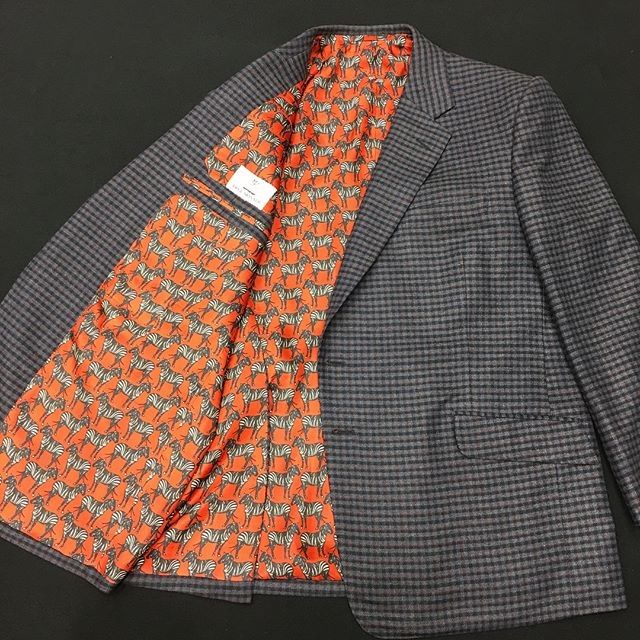
A lining can conceal seam allowances and other internal details, producing a separate interior surface. Where the outer fabric feels rough, it can also provide a barrier between that fabric and the wearer. Mood Fabrics identifies both concealment and comfort among its functions.
The material matters. Core Fabrics explains that smooth linings, including silk and cupro sold under the Bemberg name, can help jackets and coats slide over other clothing. The purpose isn’t merely to make the inside look finished: the lining changes how layers contact each other.
These functions should not be collapsed into a general promise of quality. A lining may perform one task effectively without establishing the garment’s fit, durability, or overall standard.
Its presence is information about construction, not a complete assessment. It is one clue among several, and a good reader treats it that way. Imagine two jackets, both described as lined. One has a smooth sleeve lining that helps it slide over a sweater; the other has a lining chosen mainly to hide the seams. The label says the same thing, but the experience of wearing them may not be.
Lining Is Not the Same as Structural Support
Several layers can exist beneath a garment’s outer fabric. Calling all of them “lining” obscures their different jobs.
Lining: a separate interior
A lining is generally constructed separately from the outer garment before joining the two. Its principal roles include covering construction and creating a suitable interior surface. Core Fabrics distinguishes this from adding structure to the garment.
Underlining: a layer treated with the outer fabric
Underlining involves cutting an additional layer to match the garment pieces and joining it to the outer fabric before construction. The paired layers are then handled as one. Depending on the materials selected, this can add body, weight or opacity.
Interlining: an additional layer for warmth
In the sewing references used here, interlining supplies insulation primarily. Materials can include flannel, fleece or batting, and the layer may be incorporated into the garment or made removable.
Interfacing: support in selected areas
Interfacing provides stability or stiffness where needed, for example in collars, cuffs, and waistbands. It serves a different purpose from the lining, which covers the interior.
These distinctions explain why a smooth inner surface tells the reader little about all the construction beneath it. The lining may cover supporting layers without being the layer responsible for that support.
Full, Partial and Unlined: Read Beyond the Label
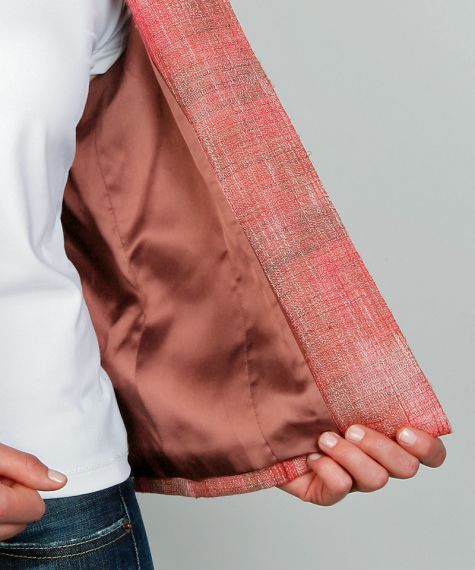
Lining descriptions indicate coverage, but you need to understand it garment by garment.
In tailoring guides, a fully lined jacket generally has lining across the body and sleeves. Partial or half-lined constructions leave some areas uncovered. Descriptions of which panels remain lined vary between guides and makers, so the label alone isn’t a reliable map of the interior.
“Unlined” also deserves closer reading. A maker may use the term for a jacket whose main body is unlined while retaining lining in the sleeves or other selected areas. Westwood & Hart, for example, describes that combination in its explanation of unlined jackets.
The practical response is to ask for specifics:
- Which parts of the body are lined?
- Are the sleeves lined?
- What are the outer and lining materials?
- How are exposed seam allowances finished?
- Are other internal layers identified?
These questions produce a clearer picture than treating full, partial and unlined as a straightforward ranking. A half-lined jacket isn’t a lesser jacket, and a fully lined one isn’t automatically better. They are different constructions that suit different purposes. A summer jacket and a winter coat, for instance, ask very different things of their interiors.
What Specifications Can, and Cannot, Establish
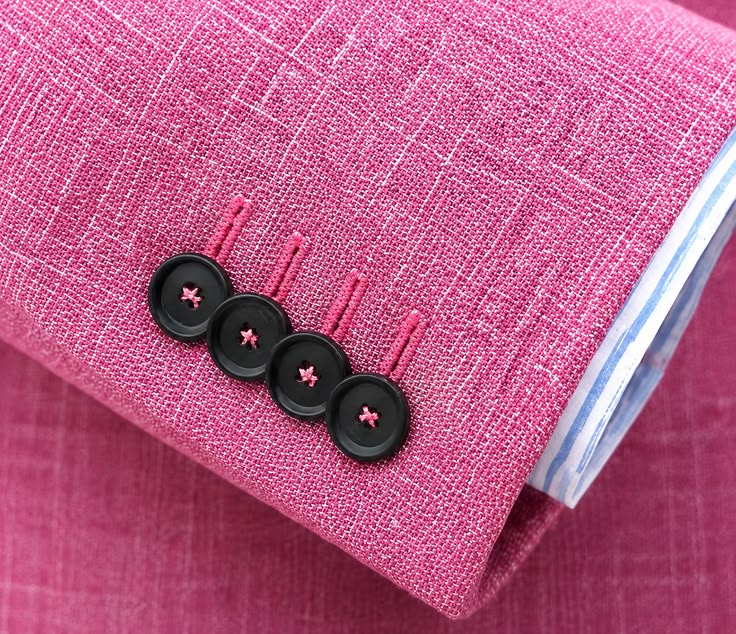
A product description can identify material composition and lining coverage. Interior photographs can show where lining is present and reveal some finishing details.
Neither necessarily establishes how the garment feels during prolonged wear.
For example, knowing that a jacket has a smooth sleeve lining helps explain its intended relationship with clothing underneath. Core Fabrics identifies easier sliding over other garments as a function of smooth lining materials. However, that does not mean every jacket using such a material will fit well or feel comfortable in every situation.
Likewise, removing a garment’s lining does not remove every possible supporting layer. Threads explicitly discusses underlining an otherwise unlined garment, showing why you should consider lining coverage and internal support separately.
A useful specification therefore describes the garment. A stronger assessment explains how its parts work together. These are related but distinct levels of knowledge. Knowing which level a source is speaking from helps you decide how much weight to give it. If a brand makes claims about its fabrics, our guide to verifying a fashion brand’s fabric claims shows how to check them.
The Omiren Argument
We argue that interior construction deserves description before judgement. “Fully lined” should begin an enquiry, not end it. The separate functions of lining, underlining and interlining show why one reassuring phrase cannot explain everything beneath the outer fabric. Readers gain more from knowing what each layer does than from being told that more layers automatically mean better clothing.
The second principle is to assess a choice in relation to its purpose. A smooth lining may help a coat pass over another garment; underlining may alter the body or opacity of the outer textile; interlining may supply warmth. These are different requirements. A meaningful assessment asks whether the chosen construction addresses the garment’s specific needs rather than relying on a universal checklist of desirable features.
Finally, criticism and service journalism should keep a documented feature separate from an experienced result. Specifications can establish that sleeves are lined. An explanation can identify the intended benefit. Direct examination or wear experience is needed to assess how that particular garment performs. Keeping those stages separate lets you give practical advice without pretending a product description is a test. It also helps you become a better-informed buyer, knowing what has been promised, what has been shown, and what remains to be discovered in wear.
A Better Way to Read the Inside
The next time a description says “fully lined”, look for the information that follows: coverage, material, exposed finishing and any identified supporting layers.
The interior is not simply a hidden surface that confirms quality. It is a set of construction choices. Understanding those choices makes it easier to ask precise questions and harder for an impressive label to substitute for an explanation. Once you start looking, you will notice how much a good interior quietly tells you.
Also Read:
- Textile Provenance: How to Protect the Cloth Makers Behind the Fabric
- The Maker-Credit Test: What a Heritage Fashion Product Page Should Clarify.
- What Happens After a Fashion Showcase? The Measures That Prove Market Access
- The Beauty Retail File: What Is Required by Law, and What Is Required by a Buyer?
FAQs
What is the main purpose of a garment lining?
A lining creates a separate interior surface. It can cover construction details, separate the wearer from rough outer fabric and, when a suitable smooth material is used, help clothing slide over other layers.
Is lining the same as underlining?
No. A lining is generally assembled separately, while underlining is joined to the individual outer-fabric pieces and treated with them during construction. Underlining can alter qualities such as body, weight and opacity.
Can an unlined garment still contain supporting layers?
Yes. Threads discusses using underlining in an unlined garment. “Unlined” therefore does not, by itself, establish that the outer fabric has no additional support.
Does “unlined jacket” always mean there is no lining anywhere?
No. Some makers use the term for jackets with unlined body panels but lined sleeves or selected areas. Check the maker’s detailed description or ask which sections are lined.