High in the hills and sweeping, acacia-flecked savannahs of Arsi and the Bale Mountains in southern Ethiopia, the Oromo have built a style shaped entirely by their environment. Here, clothing is not simply functional. It is a living record of community, cattle and culture.
In this rugged terrain, everyday life revolves around a traditional pastoralist lifestyle, and fashion goes far beyond utility. Clothing acts as a stylish, functional link between the community and the cattle herds that sustain their way of life. In a world of jagged mountain passes and thorny lowlands, the fragility of woven thread gives way to the resilience of what the community calls the Golden Hide. For the Arsi, who must strike camp as the rains shift, the herd becomes a mobile wardrobe, providing material ready to travel at a moment’s notice.
“Every Jomoree and Sardoo is a reminder that in the pastoralist worldview, the animal that provides milk and meat also provides the architecture of identity.” Arsi Oromo tradition
Discover the rich heritage of the Bale and Arsi Oromo traditional leather dress.
The Material Foundation
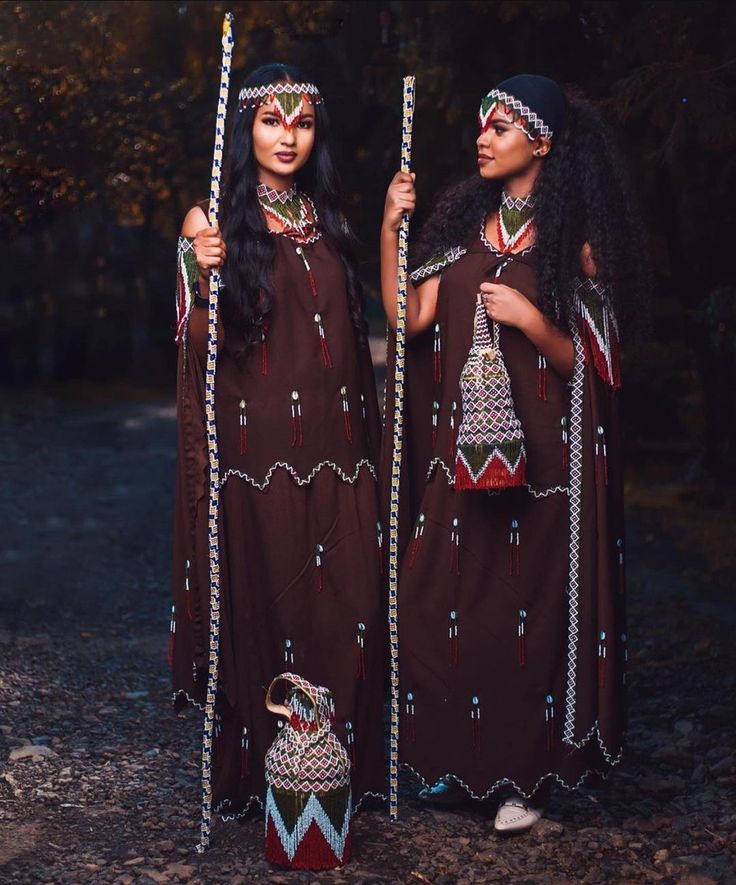
To traverse the Bale Mountains is to witness a civilisation that has mastered transforming raw cowhide (gogaa) into a medium as supple as silk and as durable as iron. This leather culture is more than tradition. It is a masterstroke of pastoralist engineering. In the high-altitude moorlands, where morning mist can instantly turn to bone-chilling sleet, a treated hide’s density acts as a natural windbreak and thermal insulator. In the lower Arsi plains, where acacia thorns can shred delicate fabrics, leather provides an impervious armour.
Preparing these garments is a multi-generational art form. Arsi artisans subject raw hides to a meticulous tanning process, using an ancient combination of water, milk and butter. Through weeks of stretching, scraping, and manual massage, the skin’s stiff proteins break down until the material reaches a velvet-like consistency. This labour-intensive process ensures that the resulting garments, from the heavy overcoats of elders to the elegant gowns of mothers, are both functional for a life of movement and polished to a mirror-like sheen.
The tanning process is particularly significant for its social dimension. Families pass down knowledge of how to treat a hide properly, typically from senior women to younger ones in the household. The resulting garment is therefore not simply the work of an individual. It carries the knowledge of a lineage. When a Gorfoo is worn at an Irreechaa celebration or a Gadaa ceremony, it arrives with the accumulated skill of the women who shaped the material before it became clothing. That transmission is part of the garment’s meaning, even when it is not visible on the surface.
The Visual Manifesto
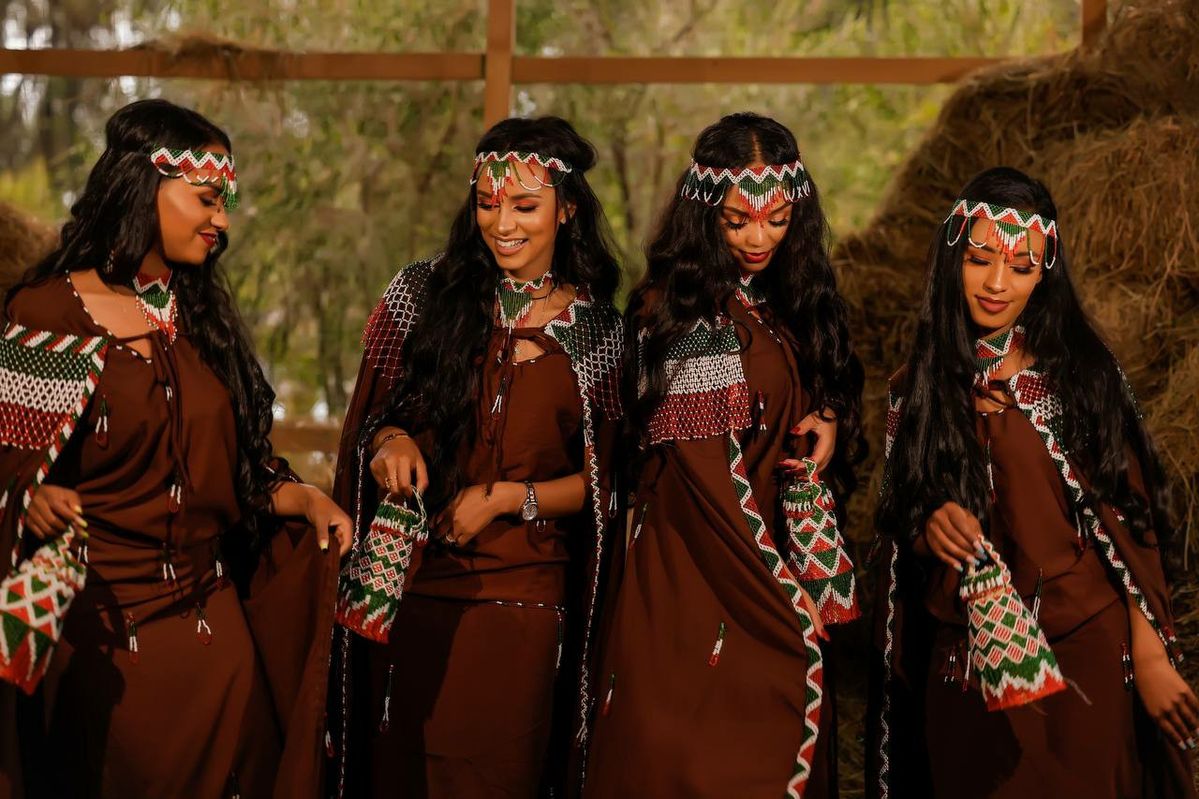
The attire serves as a material declaration of life stage, clan affiliation, and standing within the Gadaa system: the complex, indigenous governance structure of the Oromo, registered under UNESCO’s Intangible Cultural Heritage of Humanity. Every garment carries meaning. Nothing is worn without context.
The Gorfo
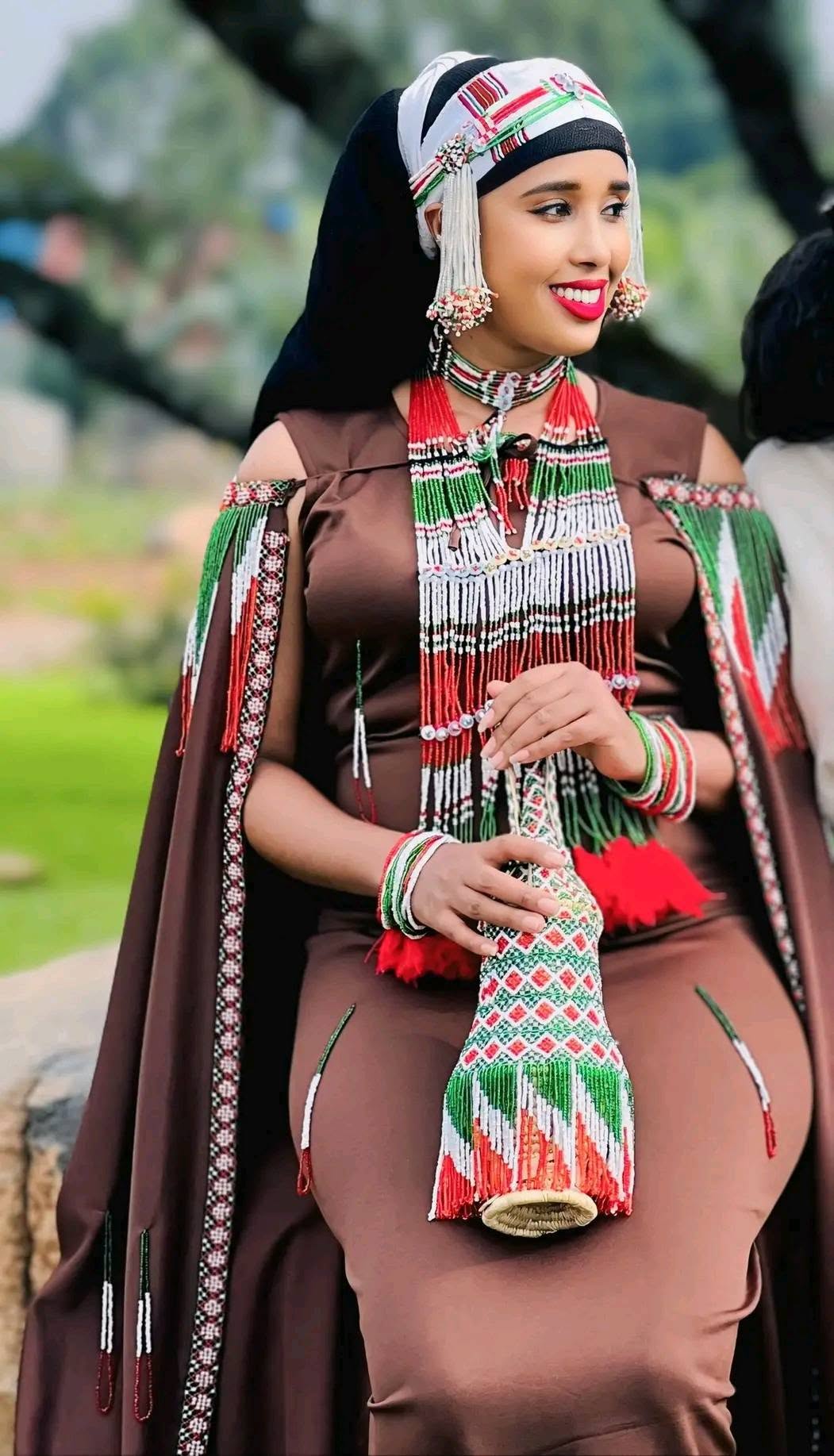
The centrepiece of Arsi cultural prestige is the Gorfoo, a long leather gown traditionally worn by women who have attained significant social standing, such as mothers of children in the Dabballe (the first Gadaa grade). While other Oromo sub-groups may use cowrie shells for decoration, the Arsi Gorfoo is defined by its intricate beadwork.
Thousands of tiny glass beads called ‘calle’ are stitched directly into the polished leather. These patterns are never random. They are rhythmic, geometric signatures that catch the highland sun, turning the wearer into a shimmering beacon of heritage. Glass beads create a beautiful colour palette, primarily red, black, and white, which corresponds to the fundamental pillars of the Oromo worldview.
The Wandabo and the Sabbata
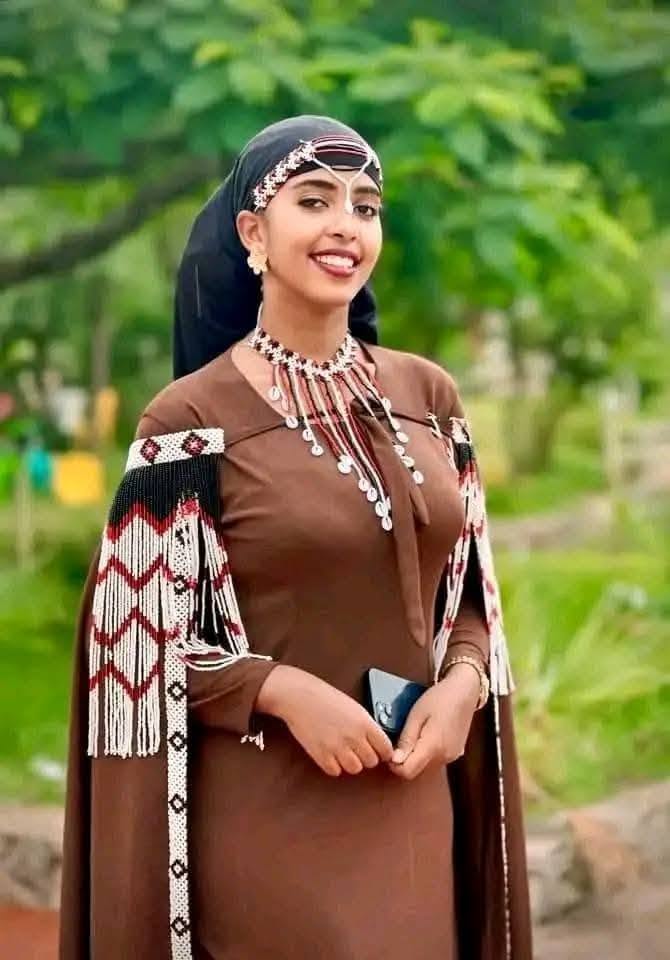
For the rigours of daily pastoral life, the Wandabo serves as the foundational garment. This two-piece wrap-around skirt is designed for effortless movement across rugged terrain. The Sabbata, a wide, beaded leather belt, holds it in place. The Sabbata is a structural marvel: it provides the back support a woman may need when walking miles a day to tend the herd or gather water. At the same time, its heavy beadwork serves as a protective and symbolic anchor for her ensemble.
The Headdress
The traditional headdress of Arsi and Bale Oromo women is a layered ensemble centred on a lightweight, tightly wrapped black headscarf that provides modesty and protects hair. To complete the formal look, a secondary piece called Darbata is wrapped over the black headscarf, providing volume and structural support for beaded headband ornaments
Qanafaa and Hanfalaa
The transition to motherhood is marked by specific visual cues that command communal respect. A woman who has recently given birth wears the Qanafaa, a circular ritual ornament of wood and leather placed upon her forehead. This shield of peace warns the community that she is in a state of sanctity (deessuu), granting her specific legal protections and exemptions from heavy labour. Complementing this is the Hanfalaa, a specialised leather belt worn during the maternity period to provide physical comfort and support, ensuring the health of both mother and child.
The Siinqee
Perhaps the most potent symbol of an Arsi woman’s legal standing is the Siinqee. It is not a garment but a sacred, slender stick that married women carry. Under Oromo law, the Siinqee is a legal instrument of peacekeeping and female empowerment. If a woman feels her rights or the community’s peace are being violated, she may raise her Siinqee. This gesture demands immediate mediation and respect from all members of society.
Taken together, the Siinqee and the Qanafaa represent something distinctive about how Arsi Oromo dress operates. These are not ceremonial accessories in the conventional sense, worn occasionally for visual effect. They are active instruments within a living legal and social system. The clothing does not simply reflect social structure; it participates in it. A garment or object can hold legal weight and trigger recognised obligations across the community. That is a different relationship between dress and governance than most fashion contexts describe.
The Men: Dignity and Leadership
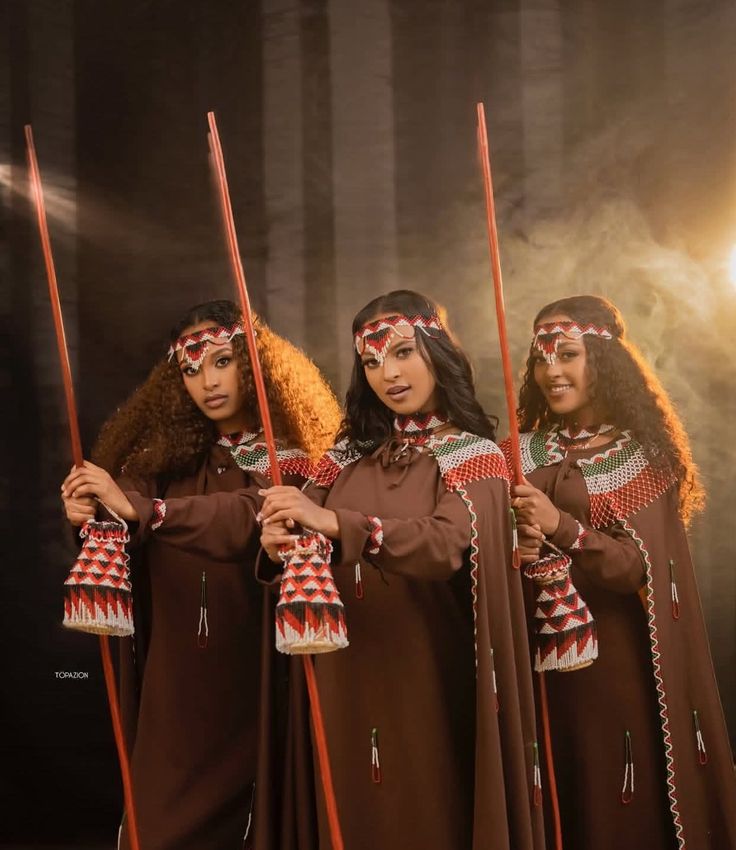
While women’s attire celebrates colour and beads, men’s traditional dress emphasises the stark dignity of the elder and the protector. Three garments define that identity.
The Kallo. A heavy, majestic cape made of sheep or goat skin, often featuring the natural fur as a collar. In the high-altitude councils of the Bale elders, the Kalloo is the judge’s uniform. It signifies a man who has passed through the Gadaa grades and attained the wisdom of the Luba.
The Bonkoo. A versatile, all-weather overcoat. For a pastoralist navigating the Sanetti Plateau, the Bonkoo is a mobile shelter, providing warmth during the night and a dignified silhouette during legal debates.
The Miciirraa. Traditional metal or leather bracelets that mark age-grade status or specific achievements within the community.
A Material Harmony
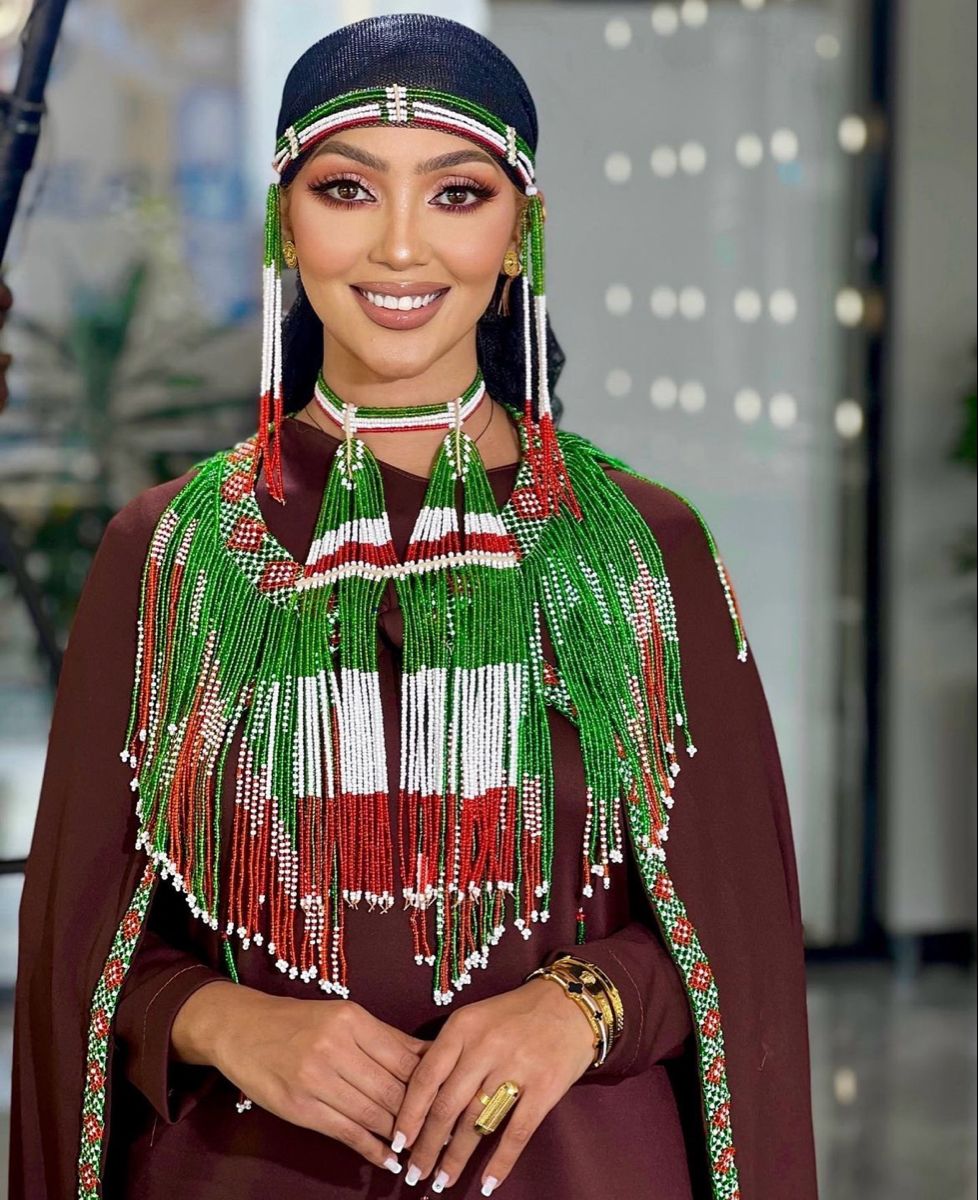
The Arsi and Bale peoples’ reliance on leather is a profound expression of harmony with the environment. In a landscape that demands resilience, the Arsi Oromo have chosen a material that reflects the very animals that sustain their lives. Every Jomoree (forehead ornament) and Sardoo (decorative fringe) reminds us that, in the pastoralist worldview, the animal that provides milk and meat also shapes identity.
As the sun sets over the Bale Mountains, the Arsi people’s silhouettes appear as if carved from the earth itself. Clothed in the burnished amber of cowhide and the radiant light of glass beads, they remain a living testament to a culture that finds its most beautiful expression in the hide’s enduring legacy. This tactile heritage, passed from mother to daughter and father to son, ensures that even as the modern world encroaches, the amber echoes of the pastoralist soul remain loud and clear.
Also Read:
- The Amhara Meqenet: Ethiopia’s Ceremonial Dress and What It Communicates
- Urhobo Traditional Attire for Women: Clothing, Beads and Ceremony Style
- How Adire Cloth Holds Memory, Labour and Place
- Colombian Traditional Clothing: Regional Dress, Fabrics and Fashion
Frequently Asked Questions
What is the Gadaa system?
The Gadaa system is the indigenous social, political and cultural organisation of the Oromo people. It structures society into age grades and governs civic life, law and ceremony. UNESCO has registered it under the Intangible Cultural Heritage of Humanity.
What is the Gorfoo?
The Gorfoo is a long leather gown worn by Arsi Oromo women of significant social standing, particularly mothers of children in the Dabballe Gadaa grade. It is distinguished by its intricate callee glass beadwork in red, black and white patterns stitched directly into the polished leather.
What is the Siinqee?
The Siinqee is a sacred slender stick carried by married Arsi Oromo women. Under Oromo customary law, it functions as a legal instrument. When a woman raises her Siinqee, it demands immediate mediation and respect, making it a recognised symbol of female empowerment and peacekeeping.
What is the Qanafaa?
The Qanafaa is a circular ritual ornament made of wood and leather, worn on the forehead by a woman who has recently given birth. It signals that she is in a state of sanctity called deessuu, granting her specific legal protections and exemptions from heavy labour within the community.
What materials are used in Arsi Oromo clothing?
The primary material is cowhide (gogaa), tanned using water, milk and butter over several weeks of stretching and scraping until it reaches a velvet-like consistency. Glass beads (callee), wood, leather belts and headscarf fabric are also used across different garments.
What do the colours in the Gorfoo beadwork represent?
The primary colours in Arsi Gorfoo beadwork are red, black and white. These correspond to the fundamental pillars of the Oromo worldview and are arranged in rhythmic, geometric patterns rather than decorative randomness.