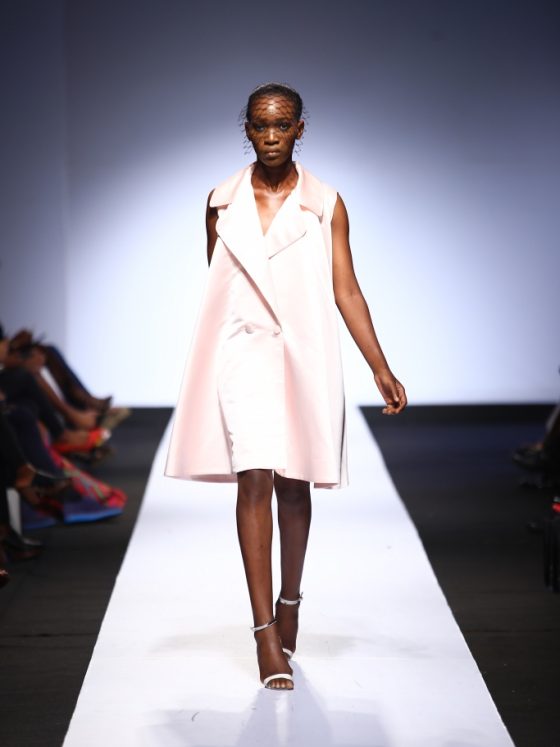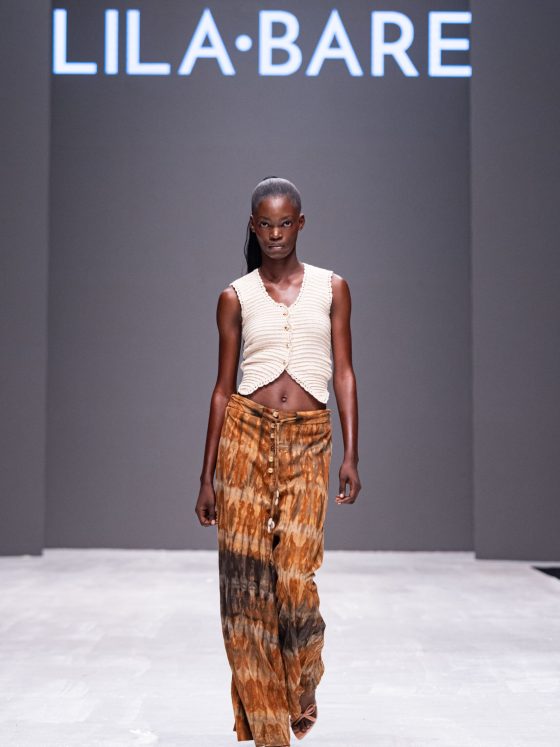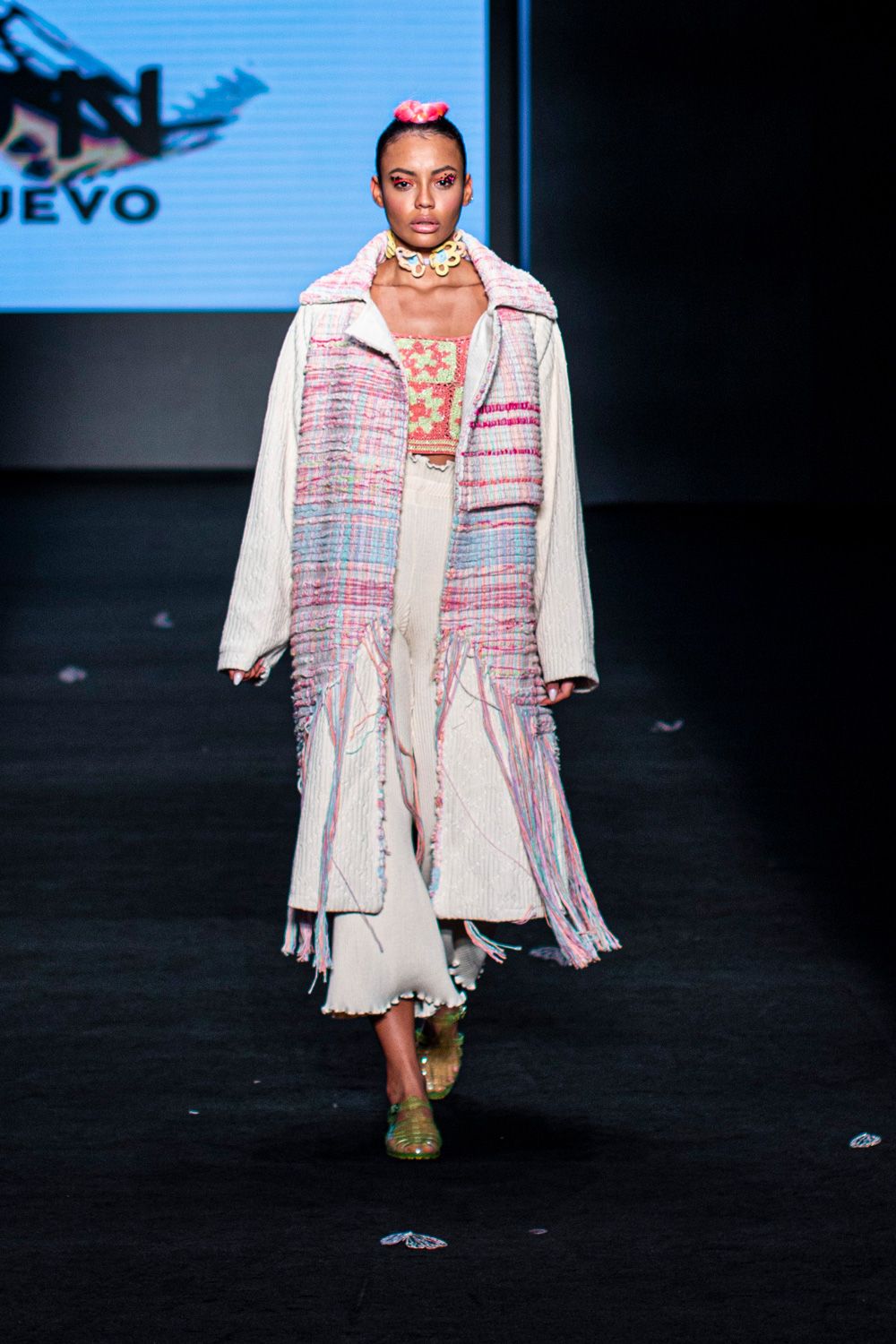
Textile legacy helped frame Lima’s October fashion programme. The published coverage introduces the designers and describes the runway’s visual range but provides a less complete account of the contributions behind individual garments.
Reporting note: This is a provisional analysis of published coverage, not the completed runway criticism and attribution audit. Identifiable looks, official garment credits and direct accounts from designers and makers remain outstanding. No finding of uncredited work, appropriation or extraction is made.
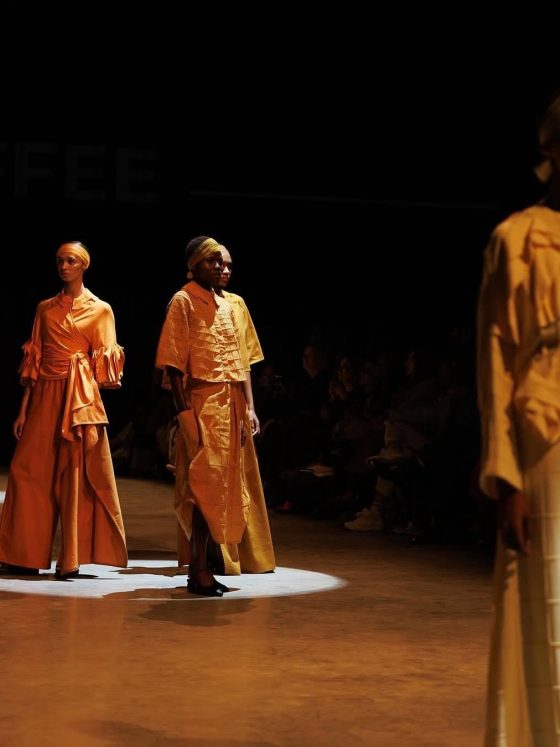
Textile heritage was part of the public proposition of the seventh IT PROJECT – Lima Ethical Fashion Show, held from October 8 to 10, 2026. Reports describe an opening forum on textile legacy followed by presentations in Lima’s historic centre, including at the Teatro Municipal. Coverage names designers such as Ani Álvarez Calderón, Noe Bernacelli, Yirko Sivirich and Sitka Semsch, alongside other Peruvian labels and participants from Colombia and Chile (see Marie Claire México and Noir).
“Heritage can set the scene for a collection. Credit tells the audience who built the scene.” Omiren Styles Editorial Intelligence
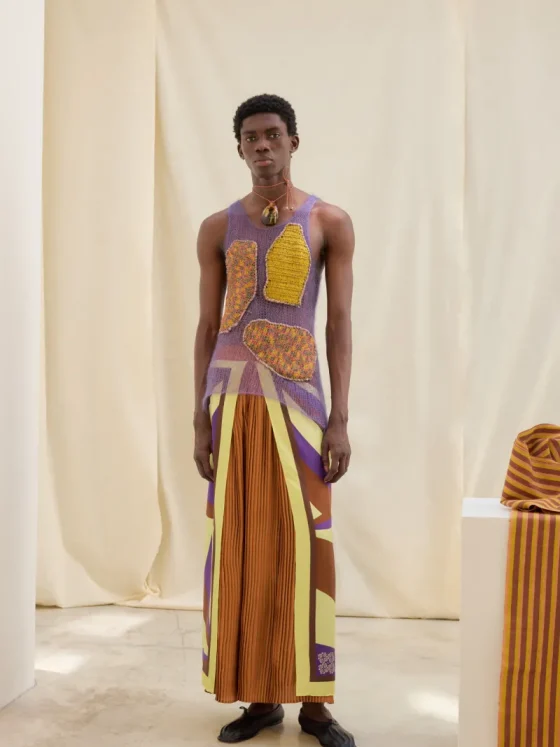
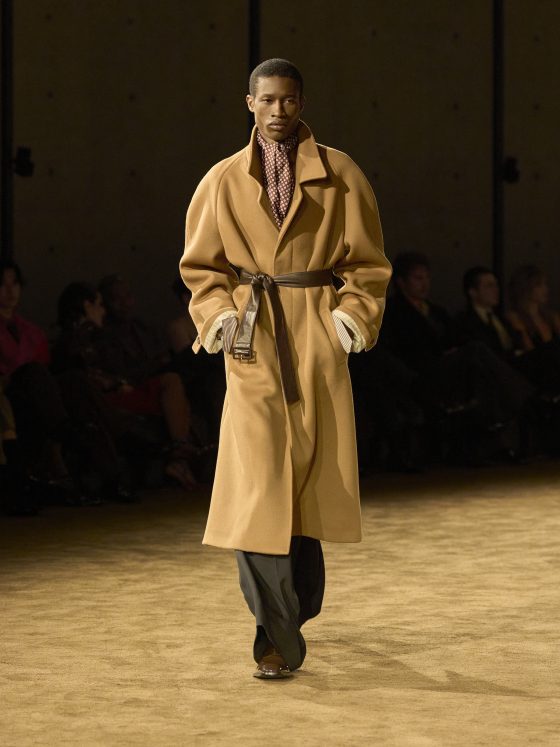
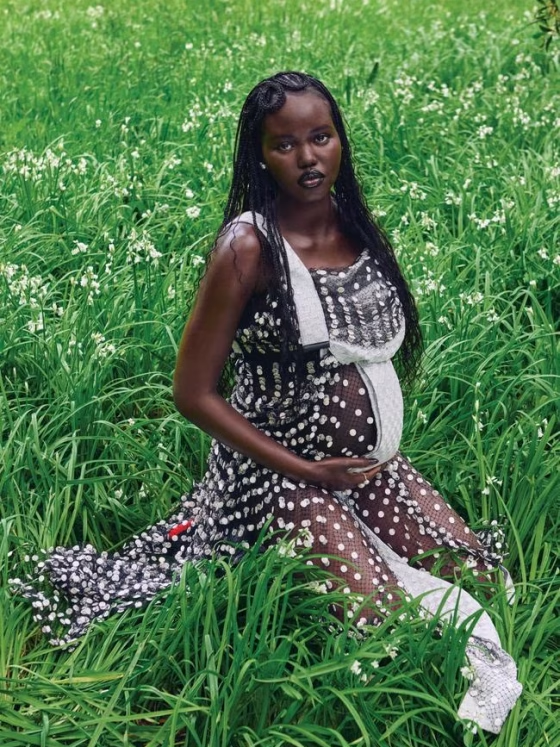
The clothes receive a different kind of attention. Noir’s October 14 account describes floral prints, vivid colours, restrained black-and-white combinations, embroidery, braided dresses, ruffles and transparency. Those details establish visual variety. They do not consistently connect a feature to an identifiable look, explain its construction or name the person responsible for its textile work.
The result is an uneven public record: the participating labels are easier to identify than the contributions behind particular garments. That is a finding about the reviewed articles, not proof that fuller credits were absent from programmes, lookbooks or other channels. It nevertheless raises a useful editorial question. When heritage helps explain why a collection matters, how much does coverage tell readers about the people and processes that carry it into the clothes?
Lima’s October 2026 fashion coverage foregrounds textile heritage. This analysis examines how it describes clothes, designers and the people behind the work.
The Clothes Need More Than a Vocabulary of Heritage
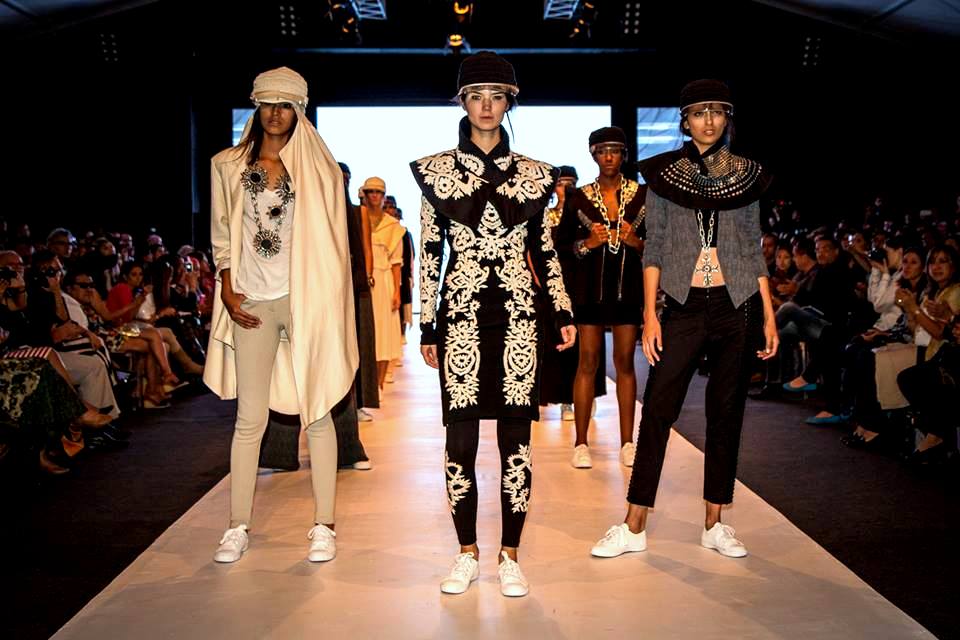
The published descriptions suggest a runway programme with different approaches to colour, surface and volume. Ruffles and braided elements may shape a garment differently from a floral print or an embroidered panel, while transparent fabrics introduce another relationship between clothing and the body. But a list of features cannot establish how those elements worked together in a particular design. The reviewed coverage does not provide enough look-level identification to support that closer judgement.
That limit matters because criticism should explain what the clothes do, not merely repeat what they are said to represent. A textile reference might determine a silhouette, influence volume distribution, or appear as a decorative detail. Those are different design decisions. Understanding them requires a reliable image or video record and clear identification of the garment.
Provenance requires a separate evidential step. A critic may describe visible proportions or ornament placement without knowing who produced it. Identifying a specific technique, community or historical reference requires documentation or testimony. Neither a bright palette nor a geometric pattern is sufficient evidence of Indigenous authorship.
The appropriate response, therefore, is not to remove heritage from the discussion but to make it more precise. If textile legacy matters to a collection’s presentation, the analysis should identify which textile, whose knowledge, and what relationship to the finished garment. Without those connections, “heritage” risks functioning as atmosphere rather than explanation.
It is worth saying what this does not mean. A runway that leads with textile legacy is not doing anything wrong by telling that story, and a report that stays with the designers and the look of the show is doing the job a short event report usually does. The point is simply that the heritage claim and the credit record are two different things, and readers deserve to see how they connect.
A Designer Credit Does Not Describe Every Contribution
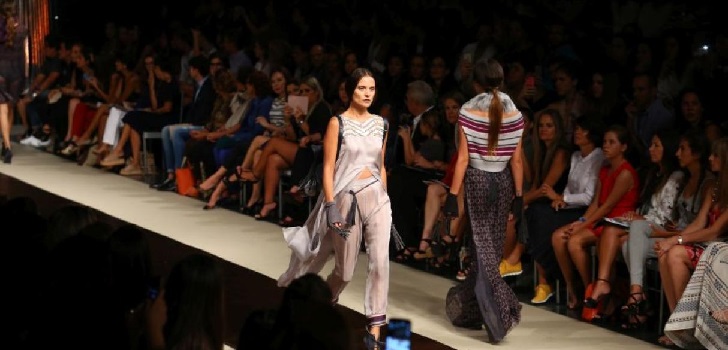
Naming the designer is necessary, but it may not explain how a garment is fully made. Creative direction, textile design, embroidery, weaving, knitting, garment construction and material supply can involve different people. They can also overlap. The relationship needs to be established for the piece rather than assumed from the label attached to it.
“Contribution” is a useful starting term because it does not decide authorship in advance. A maker may execute a fully specified design, develop a motif, propose a technical solution or contribute an existing textile. A supplier may sell a finished material without participating in the garment’s design. These relationships deserve accurate descriptions, but they are not interchangeable.
The two October reports reviewed here do not provide that division of work for selected looks. Nor do they establish whether individual makers wanted public naming or how they agreed to any acknowledgement. Their omissions leave questions open; they do not answer them in the designers’ favour.
A completed audit must therefore examine the wider public record before concluding. Show notes, collection captions, lookbooks and product descriptions may contain information absent from a short event report. The relevant comparison is between those credits and the accounts of the people involved, not between one magazine paragraph and an assumed ideal.
What More Precise Reporting Can Reveal
Earlier reporting on Peruvian fashion shows how a discussion can move beyond broad cultural language. In BBC Culture’s account of the London exhibition Weavers of the Clouds (see the Fashion and Textile Museum’s exhibition page), Chiara Macchiavello described ESCVDO garments through hand-knitting, embroidery and materials including Pima cotton and superfine alpaca. The article also connected some Mozh Mozh beadwork with makers from the Shipibo community. Those details concern a different presentation, not Lima’s October 2026 programme. Their value here is as examples of greater specificity.
Even that level of description is not a complete credit record. A fibre identifies a material; a technique identifies a category of work; a community reference identifies a relationship that still needs explanation. The distinctions prevent an evocative phrase such as “ancestral craftsmanship” from carrying more meaning than the evidence supports.
Maker testimony can also complicate a designer-centred account. In a November 2024 ReVista essay drawing on fieldwork in Peru between 2010 and 2012, anthropologist Patricia Alvarez Astacio described a 2010 Cusco fashion event in which textiles associated with Ocongate were transformed into contemporary garments. She examined changes to scale, colour and iconography and reported that some artisans said the finished outfits did not resemble what they made.
That historical account establishes nothing about the participants in Lima’s 2026 programme. It does show why a maker’s voice should not be included only as endorsement. The person doing the work may understand the transformation differently, and that difference can be central to both the criticism and the attribution.
From a Public Narrative to a Garment-Level Record
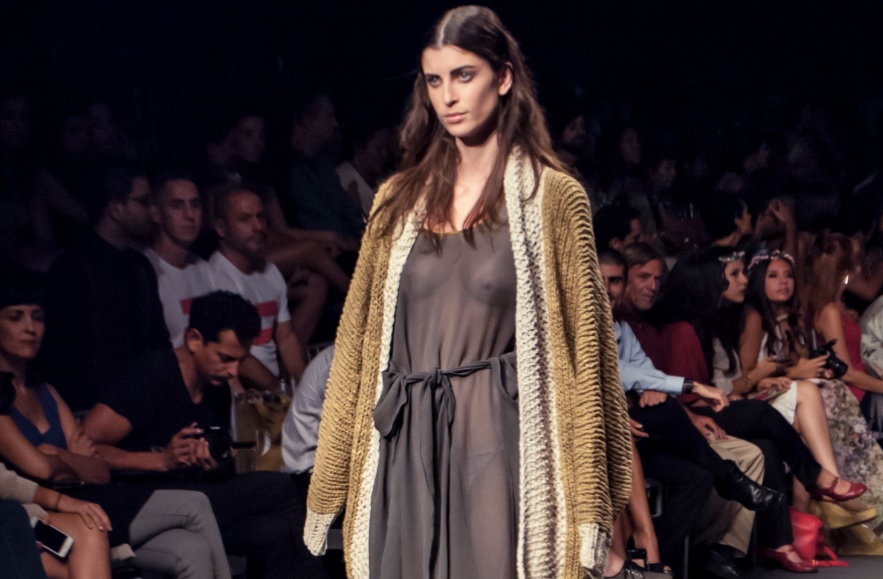
The next stage of the Lima investigation should focus on a narrower set of garments than the event’s full roster. Two or three identifiable looks would leave enough room to examine form, verify textile references, and establish the working relationships behind them. A broad survey with uncertain credits would be less useful than a small number of thoroughly documented pieces.
For each, the analysis needs to connect what is visible with what is claimed. The designer’s account may explain the intended reference; the maker’s account may establish how the textile was developed or executed; the supplier’s record may clarify where a material came from. These accounts should then be compared with the credits available to the audience.
Where they differ, clarification should come before accusation. A missing name in one caption is not automatically evidence of concealed labour. Equally, a general acknowledgement of “artisans” may not adequately describe a particular creative contribution. The finding must remain proportionate to the documents and testimony.
That work has not yet been completed for the selected Lima programme. The present article can assess the language and limits of its published coverage, but it cannot responsibly convert those limits into a verdict about the garments’ production relationships.
There is a practical benefit to this approach as well. A small number of well-documented looks gives designers and makers a fair chance to respond in their own words, and it gives readers something they can check for themselves. That serves everyone involved better than a broad claim about heritage that no one can test.
The Omiren Argument
Lima’s October fashion coverage makes the textile legacy part of the event’s significance while offering a less detailed account of garment-level contributions. That imbalance is worth addressing, but it is not, on its own, evidence of extraction or missing credit.
Stronger criticism will start with the clothes: an identifiable look, a documented reference, and the people responsible for turning it into a finished piece. It will then ask whether the public account describes that work accurately.
Heritage becomes more informative when it is specific. The task is not to automatically celebrate collaboration or presume wrongdoing but to replace an expansive cultural claim with an account its contributors can recognise.
Also Read:
- The Maker-Credit Test: What a Heritage Fashion Product Page Should Clarify
- Can Textile Provenance Protect the People Who Make the Cloth?
- How Adire Cloth Holds Memory, Labour and Place
- The Material File: “Threads of Heritage” Connects Nigerian Textile Practice to Atlanta
FAQs
Which Lima fashion event does this analysis discuss?
It examines published coverage of IT PROJECT – Lima Ethical Fashion Show, held from October 8 to 10, 2026, including its textile-legacy forum and runway programme.
What do the reviewed articles establish?
They identify participating designers, venues and aspects of the runway’s visual range. They do not provide a complete look-by-look record of textile makers, suppliers and other contributors.
Why include testimony from makers?
It can establish contributions and interpretations the designer’s account does not capture. Alvarez Astacio’s historical research illustrates how makers and fashion presentations can describe a transformation differently; it does not establish such a disagreement at the 2026 Lima event.