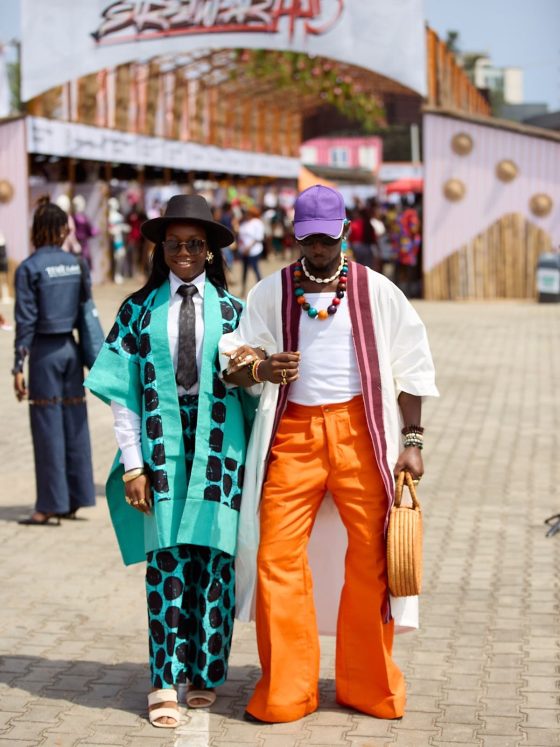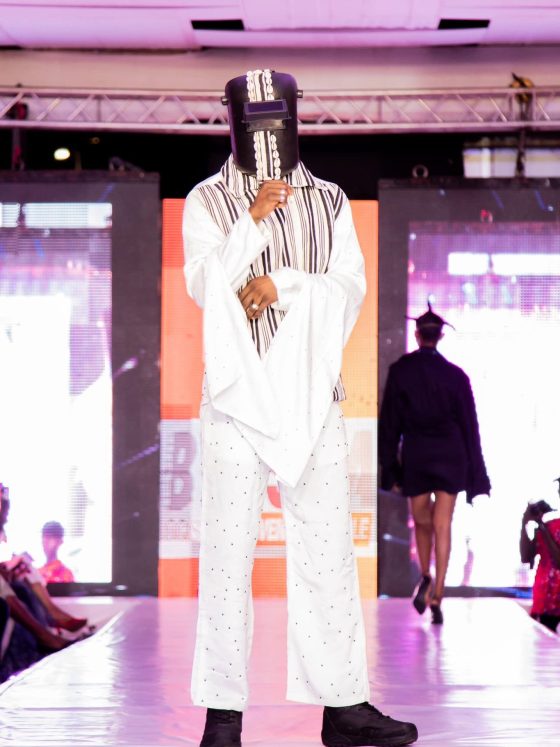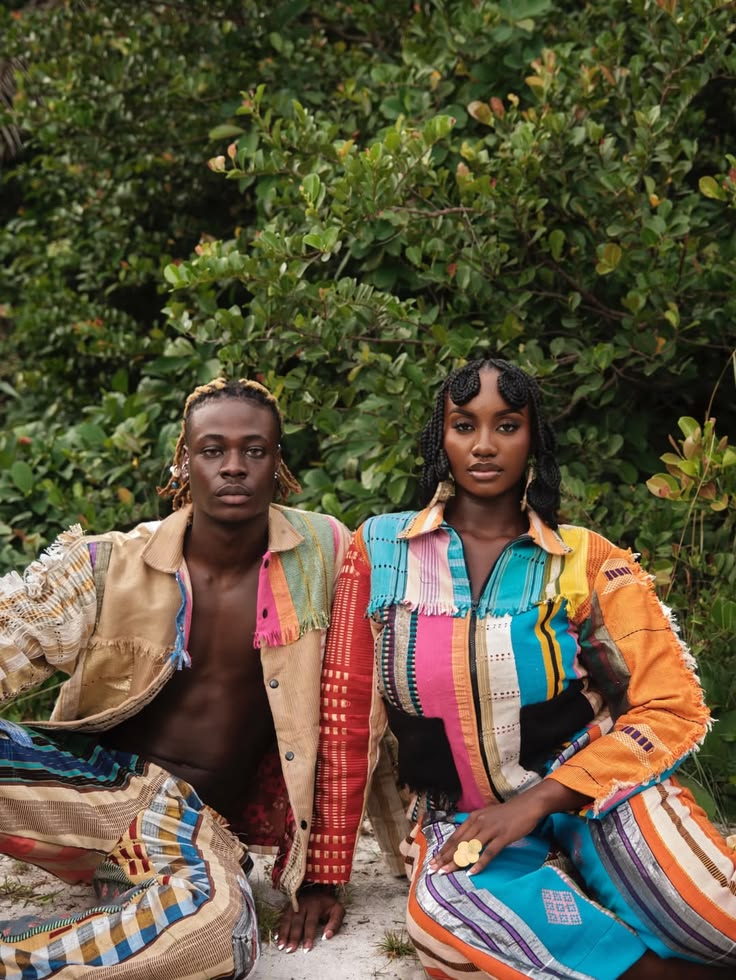
On 2 May 2025, beneath the Monument to the African Renaissance in Dakar, ten designers from Senegal and Ghana sent collections down a runway at the Best African Runway, a cultural event staged alongside the Basketball Africa League. One brand, Ketthem, sent out oversized blazers transformed into dresses, hoodies meeting skirts, gold cuffs, and cowboy hats. Not a collection, the coverage said, but a lifestyle. Another, Al Gueye, presented monochrome and earth tones, linen and cotton draped in silhouettes described as the Sahel reimagined and regal. The Monument to the African Renaissance, a 49-metre bronze figure of a man, woman, and child pointing toward the horizon, was the deliberate backdrop. The message was on the invitation: Africa does not follow the runway. It paves it.
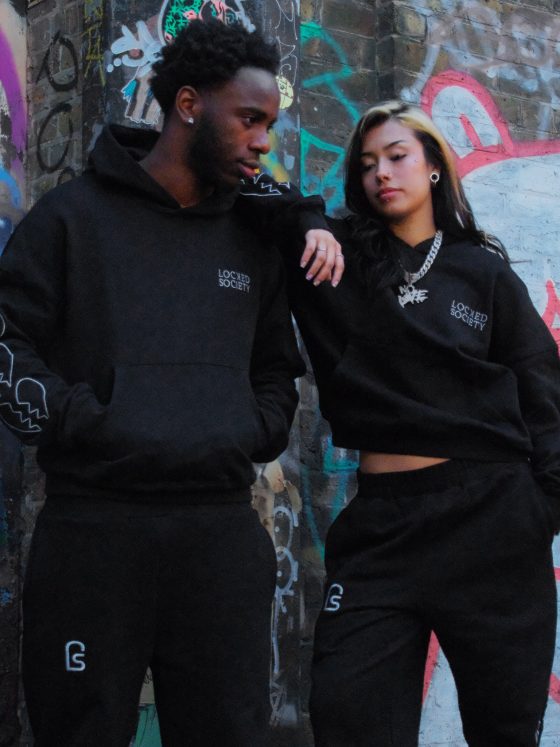
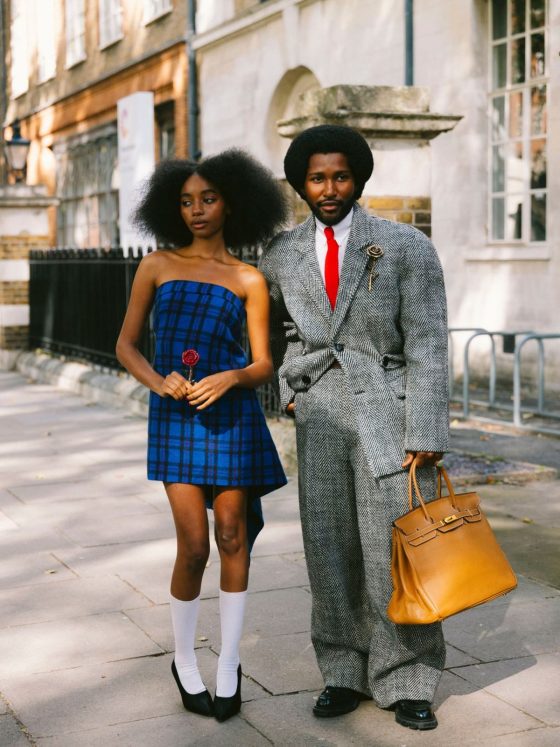
This is the claim Afrocentric streetwear is making from three cities that the global fashion conversation has consistently undervalued: Dakar in Senegal, Kampala in Uganda, and Monrovia in Liberia. The claim is not that African youth have discovered a new format. It is that the format they are producing is not the same thing as Western streetwear decorated with African prints. It is something structurally different. It carries an argument. It makes demands. It does not follow cultural signals from New York or London. It originates them, and it does so from a specific understanding of what clothes are for.
Afrocentric streetwear is not African youth adapting a Western format. It is clothing that carries cosmological argument, political identity, and ancestral memory. Here is how three cities are setting the cultural terms.
What Makes Afrocentric Streetwear Different
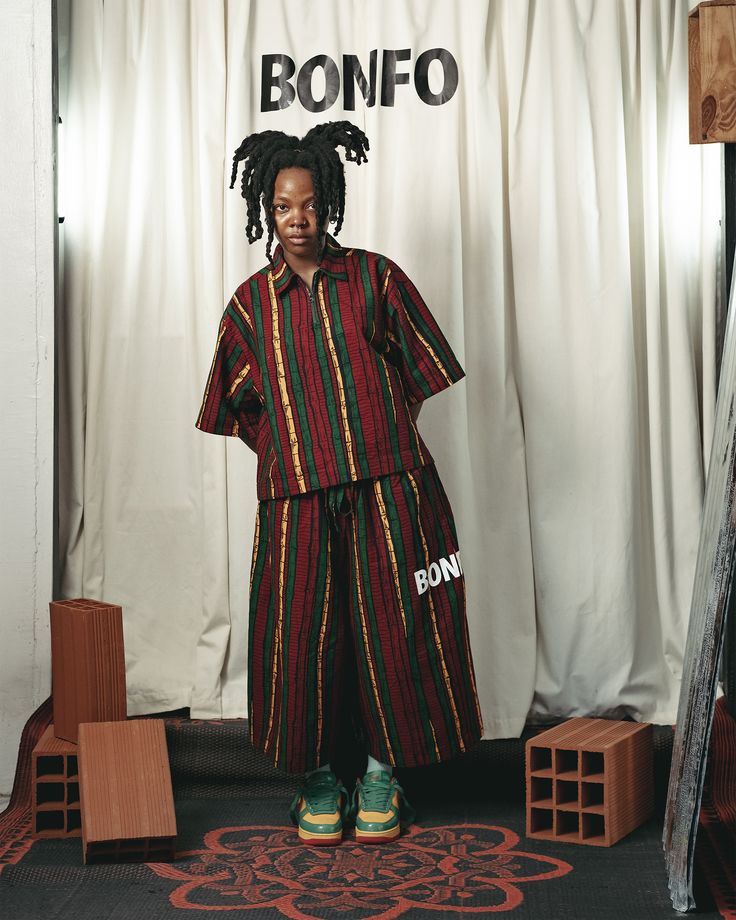
Western streetwear was built from hip-hop and skateboarding culture in American cities from the 1980s onward. Its grammar is urban, its values centre on individual self-expression, exclusivity (limited drops, hype cycles), and the aspiration to brand identity. The V&A’s analysis of African streetwear notes that the global streetwear market is projected to reach $551 billion by 2025, and that some of the most innovative new brands are emerging across Africa. What the V&A also notes is how different the African variant is in its cultural logic: it does not centre on exclusivity or hype but on community and storytelling, where every piece carries a history, a language, a pride.
This is not a stylistic difference. It is a philosophical one. When a Lagos brand prints a Yoruba proverb on a hoodie, it is not decorating a garment with a cultural reference. It is making a theological and political argument in the only medium that will be worn publicly, photographed, shared, and carried into rooms the maker cannot enter personally. The garment travels. The argument travels with it. This is what Afrocentric streetwear does that Western streetwear, by definition, cannot: it insists on a cosmology. It wears a position.
Africa is also the single largest youth market in the world. Seventy per cent of Africa’s population is under 30. The demographic that drives global streetwear adoption, the one that sets what is worn, photographed, and copied, is concentrated in African cities in numbers that dwarf any Western equivalent. When young people in Dakar, Kampala, and Monrovia decide what they wear and why, they are making choices that will ripple through global youth culture, whether or not the international fashion press is paying attention.
“It’s a real community, and everyone is moving together as one. Exhibitors from bigger brands will wear and post about newer ones, and everyone is rooting for each other.” Ireti Zaccheaus, founder of Street Souk, Lagos
Dakar: Where Tradition Becomes Grunge Fairytale
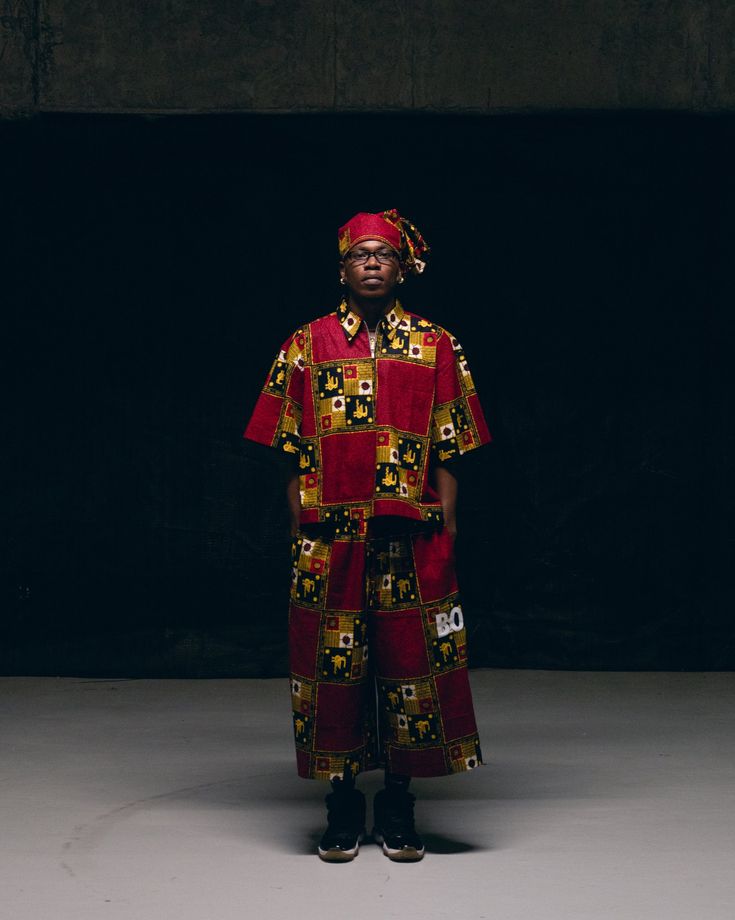
Dakar’s streetwear scene is built on a specific paradox: the boubou, one of West Africa’s most formally coded garments, made of embroidered bazin or wax cotton and worn for ceremonies, weddings, and acts of respect, is now remixed with sneakers, hoodies, and graffiti-influenced graphics. This is not disrespect. It is the city’s youngest designers arguing that heritage does not belong solely to ceremony. Dakar Fashion Week, founded in 2002 by Adama Paris, has, over two decades, built an ecosystem specifically designed to keep the narrative of Senegalese fashion under Senegalese control. By 2025, it had added manufacturing infrastructure plans, designer grants, and a model for circular fashion that uses discarded plastic as a luxury material. The ambition is not to enter the Paris system. It is to make Dakar itself a system.
Selly Raby Kane
Selly Raby Kane is among the most internationally recognised Dakar designers working in the Afrocentric streetwear-adjacent space. Her trademark is the kimono, now cropped, elongated, sleeveless, or reimagined, in collections she describes as a grunge fairytale dipped in Senegalese folklore. Her garments are rich in texture; they use local culture and folklore as structural vocabulary rather than decoration, and they travel on social media precisely because they are visually unignorable. The clothes do the talking. Loud, irreverent, and specific to a place.
Bull Doff
Bull Doff is the streetwear brand that most directly maps Dakar’s urban culture onto garments. It was born from Dakar’s graffiti, hip-hop, and skateboarding scene: the same ingredients as American streetwear, but filtered through Wolof culture, Baye Fall spirituality, and the specific social dynamics of a city where 70 per cent of the population is under 30, and the streets are a primary space of social negotiation. Bull Doff’s designs carry graffiti influence and bold graphics, but the cultural references are specific to Dakar. They are not translations of something else.
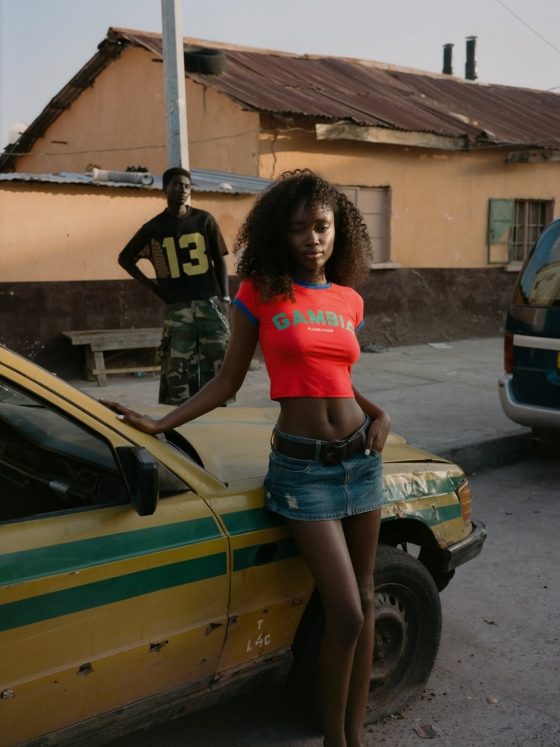
A 2025 Dazed editorial shot on the streets of Dakar by photographer William Rice and styled by Koura-Rosy Kane documented this precisely. The styling brief was explicitly local: all brands featured were Dakar-based, all fabrics locally sourced, all garments selected to prove that “we don’t need to look elsewhere to create beauty. Everything we need is right here in Dakar, just as legitimate and valuable as any international brand.” The editorial ran in Dazed. The argument made was Senegalese.
Kampala: Streetwear as Community Architecture
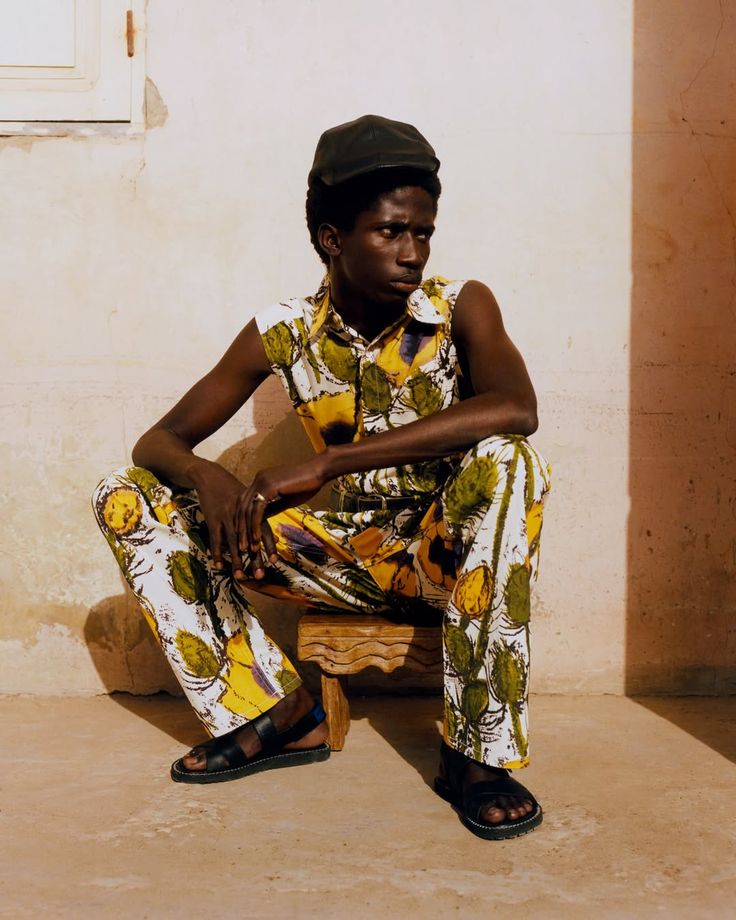
Kampala’s streetwear scene carries a different weight from Dakar’s. While Dakar designers are working with a strong existing cultural platform, Kampala’s scene emerged more recently, from a city still processing decades of political instability and building its creative infrastructure from the ground up. The result is streetwear that is explicitly and openly a community project. The garments are secondary to the infrastructure they build.
Pitch Black
Pitch Black was founded in Katwe Kinyoro, a slum in the heart of Kampala. ADJOAA’s brand documentation is explicit about its mission: to use fashion and art as tools to inspire and uplift others and to be a beacon of hope for youth from marginalised areas. The brand’s founders are from the communities it serves. The brand does not speak about community. It is constituted by it. Pitch Black’s designs emphasise community-driven aesthetics and upcycled fabrics, and it produces clothing that directly addresses the social context from which it emerged.
IGC Fashion and Eguana Kampala
IGC Fashion, the Kampala streetwear label co-founded by Katende Godfrey (Blak) and AK Ibrahim, explicitly combines African heritage collections with free education for street youth, monthly Fashion Cypher events teaching recycling and mending to young people in need, and donated clothing tailored by IGC itself. Fashion and social work are not separate activities. They are the same activity, structured differently.
Eguana Kampala, founded in 2007 and described by its creator Emmanuel Eguana as “Afrocentric streetwear and ready-to-wear,” was among the first Ugandan brands to incorporate traditional African prints into everyday clothing. Eguana’s vision is inclusive across age and nationality: school kids to grandparents, Ugandans to visitors. The brand shoots campaigns referencing Black Panther and the Afrocentric futurism it represents, using fashion as a way of shaping how the city sees itself.
Uganda International Fashion Week returned in 2025 after a six-year hiatus, with a specific new emphasis not just on runway presentations but on training young designers as entrepreneurs: pricing, quality control, and scalability. The argument being made by Kampala’s fashion ecosystem is that creative expression and economic infrastructure are not separate concerns. A brand that cannot sustain itself cannot continue to make its argument.
Monrovia: Streetwear as National Identity
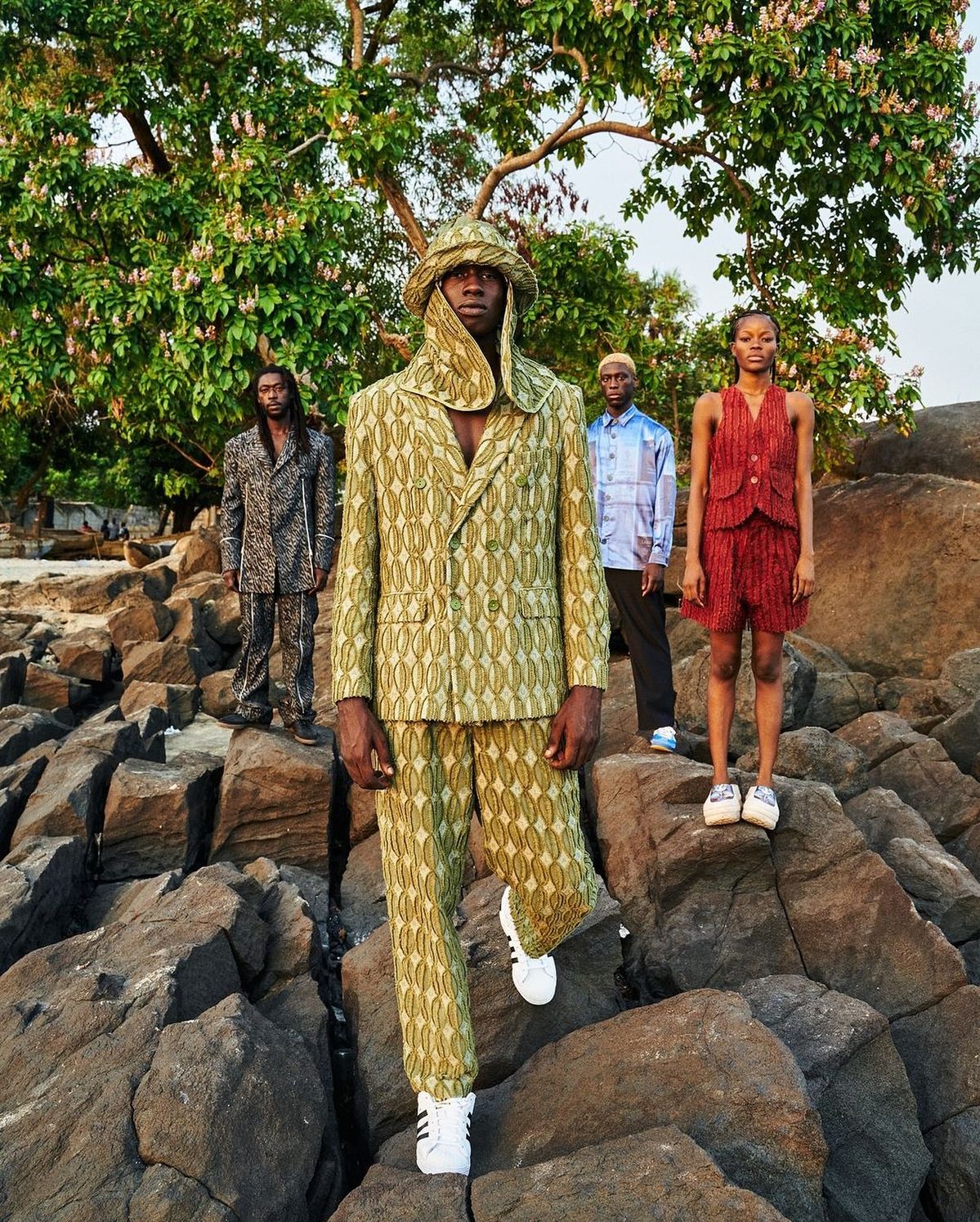
Monrovia’s streetwear scene arrived quickly and with unusual completeness. Too Easy was launched in September 2023 by Abubakar Jalloh, known as JacTheRealest. Within two years, it had become, as OkayAfrica documented in July 2025, Liberia’s pre-eminent streetwear brand. Its signature shirts were worn by sitting President Joseph Boakai and former President George Weah. The brand has hosted seminars for young people and women-led businesses. It distributed over 25,000 Liberian dollars to women street vendors on International Women’s Day 2025, alongside shirts and caps. On Independence Day the same year, its new collection, the Liberian Jue crop tops, became the dominant visual language of the national holiday.
“Too Easy has become the lifeline of Liberia’s Independence,” Jalloh said on 26 July 2025, as photos of Liberians wearing the brand circulated from Monrovia’s main streets to backyard barbecues in Minnesota. The hashtag #LiberianJue became a symbol of modern Liberian patriotism on Facebook, TikTok, and Instagram.
What Too Easy is doing is not primarily about fashion. It is about nation-building in the specific vacuum left by decades of civil war, displacement, and institutional collapse. Liberia lost its infrastructure of cultural identity. Too Easy is one of the instruments rebuilding it, using commercial garment-making as the medium. When a president wears a brand founded two years ago by a young social media entrepreneur, that is not a marketing moment. That is a political event wearing a logo.
Too Easy’s success catalysed a broader scene. Brands including KayBlay, Big Drip Kicks, and ZIG Customised followed, each contributing to what Jalloh describes as a rallying point for Liberian youth: “We have been industry leaders. Now, people have found purpose in wearing a Liberia-owned brand.”
The Argument Being Made
What these three cities share is a refusal to position streetwear as an aesthetic choice. In Dakar, a hoodie printed with Wolof script and worn with traditional fabric elements is a claim about whose language belongs on a body in a city where French colonialism spent 300 years trying to erase it. In Kampala, a brand founded in a slum and distributing its creative work as community education is arguing that the city’s marginalised youth are the city’s cultural future, not its failure. In Monrovia, a brand worn by two presidents on Independence Day is making a claim about what Liberia is, expressed on a body, photographed, and carried across the diaspora.
None of this is metaphorical. Western streetwear brands build meaning through brand narrative, celebrity endorsement, and hype-driven scarcity. Afrocentric streetwear builds meaning through the actual content of what the garment carries. The Adinkra symbol on a Ghanaian hoodie is a cosmological text that predates the existence of the hoodie as a garment form. The Wolof greeting “Nangadef” on a Dakar runway shirt is a living language that has been spoken on that coast for centuries. The Kente-inspired tracksuit is not referencing an aesthetic tradition. It is wearing one.
The question the global fashion system has not yet adequately answered is what happens when a genre with this depth of cultural content reaches global scale through the same digital distribution channels that globalised Afrobeats. The parallel is precise: Afrobeats was a Lagos scene producing music for local audiences that was algorithmically discovered by global platforms and became the most-streamed African genre in history before most Western music executives had heard of Burna Boy. The V&A’s assessment of the African streetwear scene describes the Lagos variant in terms that apply equally to Dakar and Kampala and Monrovia: “Youthful, expressive and authentic.” The market is already global. The recognition will follow.
Also Read:
- Where to Buy Kente Cloth Without Funding a Counterfeit Industry
- The Online Marketplace Problem: Why African Fashion Disappears in the Algorithm
- How African Heritage Designers in Paris Are Challenging the Maison System
- How to Shop African Fashion: The Complete Guide for the Culturally Literate Consumer
Why the Global Fashion Conversation Is Behind
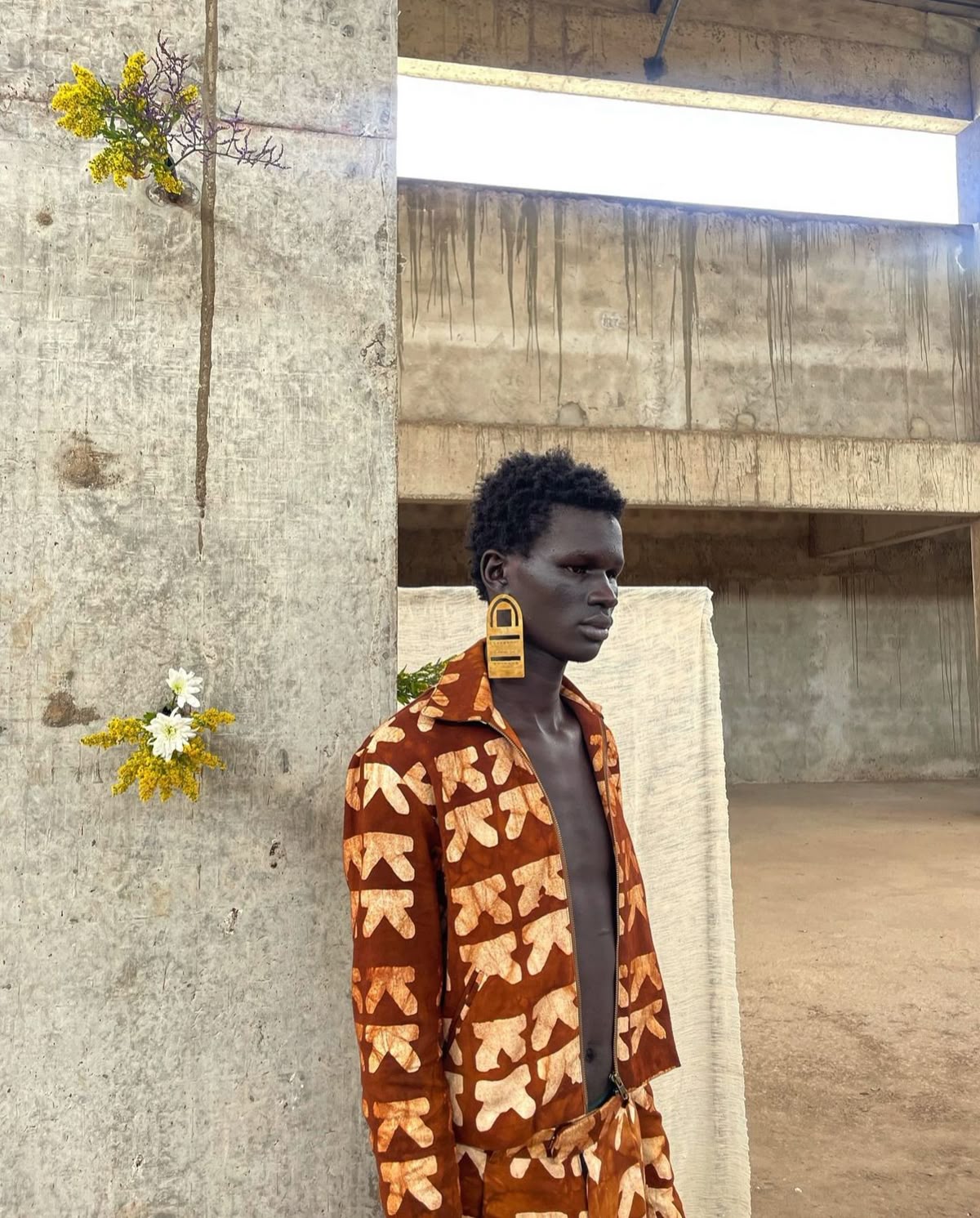
The global fashion press has been slow to recognise Afrocentric streetwear on its own terms for the same structural reason it is slow to recognise everything coming from African cities: it is operating from a framework that positions Paris, London, New York, and Milan as originators, and everywhere else as adopters or influences. Within that framework, a brand like Too Easy in Monrovia is, at best, a heartwarming story about entrepreneurship in a post-conflict country. It is not treated as a cultural argument that reframes what a nation means.
But the young people wearing these brands in Dakar, Kampala and Monrovia are not waiting for validation. They are producing for their own communities first, and their communities are enormous. The 70 per cent of Africa under 30 is a consumer base and a creative community without equivalent anywhere on earth. When they decide that Kente fabric belongs in a tracksuit, or that a Wolof greeting belongs on a runway shirt, or that their president should wear a brand founded by a social media entrepreneur last year, they are not asking for permission. They are documenting a position.
The Best African Runway in Dakar in May 2025 was held under the Monument to the African Renaissance for a reason. The monument itself was a political statement: Africa is not arriving. It is returning. Afrocentric streetwear makes exactly the same argument, on a smaller scale, with higher frequency, worn on millions of bodies, updated every season, carried into every room those bodies enter.
THE OMIREN ARGUMENT
Afrocentric streetwear is not African youth adopting a Western format. It is a genre that carries cosmological argument, political identity, and ancestral memory inside a commercial garment, and the cities producing it are not following global style. They are generating the cultural logic that global style will eventually have to reckon with. Dakar’s Bull Doff is not Dakar’s version of Supreme. It is Dakar’s argument about who Dakar is, structured as a brand. Pitch Black is not Kampala’s version of a community brand. It is Kampala’s answer to the structural abandonment of its slum youth, delivered through fabric. Too Easy is not Liberia’s version of American streetwear. It is what Liberia looks like when it decides its own post-war visual identity, and it happens to look like a brand.
The context is a global fashion system that still processes cultural content from Africa as influence, inspiration, and trend, rather than as origination. This is the same classification error that was made about Afrobeats for a decade before the streaming data made it impossible to sustain. African youth fashion is currently at the same stage: the cultural output is already global, the institutional recognition is delayed, and the brands themselves are operating with complete indifference to whether the recognition arrives. Too Easy went from a social media conversation to the dominant visual language of Liberian Independence Day in under two years. It did not wait for coverage in Paris or London.
The disruption is the scale of what is coming. Africa is the youngest continent in the world, and its youth are the most digitally connected generation in their respective countries’ histories. When Afrocentric streetwear moves from city scenes to global algorithmic discovery, as it will, it will not arrive as a trend that borrows from African aesthetics. It will arrive as a genre with its own complete cultural logic, already decades old, already politically serious, already carrying arguments that the receiving cultures will have to decide whether to understand. The fashion press can start now or catch up later. Dakar and Kampala and Monrovia are not slowing down.
Frequently Asked Questions
1. What is Afrocentric streetwear?
Afrocentric streetwear is fashion produced by African designers that uses commercial streetwear formats, including hoodies, graphic tees, oversized silhouettes, and branded garments, to carry African cultural content: cosmological symbols, traditional textile patterns, indigenous languages, and political or ancestral arguments. It is distinct from Western streetwear, which builds meaning primarily through brand narrative and exclusivity. Afrocentric streetwear builds meaning through the actual content of what each garment carries. A Kente-inspired jacket does not reference an aesthetic tradition. It is wearing one.
2. Why are Dakar, Kampala, and Monrovia significant for global youth style?
All three cities have young populations that make them among the most culturally generative places in the world. Senegal, Uganda, and Liberia, like most sub-Saharan African countries, have over 60 per cent of their populations under 30. The demographic that drives streetwear adoption globally is concentrated in African cities in numbers that have no Western equivalent. Additionally, all three cities have produced streetwear scenes in the last five years that are self-originating: they are not adapting Western trends. They are making cultural arguments specific to their own contexts that are now travelling internationally.
3. Who are the key designers and brands in Dakar’s streetwear scene?
Dakar Fashion Week, founded in 2002 by Adama Paris, is the institutional backbone of Senegalese fashion. Key streetwear-aligned designers include Selly Raby Kane, who produces Afro-urban collections described as blending fantasy, tradition, and the streets of Dakar. Bull Doff is the most explicitly streetwear-focused brand, carrying graffiti aesthetics and Wolof cultural references into graphic-led garments. Tongoro, founded by Sarah Diouf, has gained international celebrity attention and is stocked globally. Dakar Fashion Week 2025 featured shows on Ngor Island, with models moving in the water surrounded by pirogues, and closed with a white party at an ocean-front venue. The event explicitly uses Senegalese geography and heritage as its design backdrop.
3. What is Pitch Black, and why does it matter to Kampala fashion?
Pitch Black is a Kampala-based streetwear brand founded in Katwe Kinyoro, a slum area in the heart of the city. Its founders describe its mission as using fashion and art to inspire and uplift others, particularly youth from marginalised areas. ADJOAA’s documentation of Pitch Black places it alongside other sustainable Ugandan fashion brands building community alongside garments. Pitch Black matters to Kampala fashion because it demonstrates the structural difference between Afrocentric streetwear and its Western counterpart: a brand that is not primarily a lifestyle label but a community architecture project that happens to produce clothing.
4. What is Too Easy, and what does it represent in Liberian fashion?
Too Easy is a streetwear brand founded in Monrovia, Liberia, in September 2023 by Abubakar Jalloh. OkayAfrica documented in July 2025 that within two years of its founding, Too Easy had become Liberia’s pre-eminent streetwear brand, with its shirts worn by sitting President Joseph Boakai and former President George Weah. Its Liberian Jue crop top collection became the dominant visual language of Liberia’s 2025 Independence Day celebrations, with Liberians across the diaspora sharing looks under #LiberianJue on social media. Too Easy represents Afrocentric streetwear’s capacity to function as a national identity instrument: it is not just a brand but a vehicle for post-conflict cultural self-determination.
5. How does Afrocentric streetwear relate to Afrobeats as a global cultural movement?
The parallel is structural and precise. Afrobeats was a Lagos-originated genre producing music for local African audiences that was algorithmically discovered by global streaming platforms and became the most-streamed African genre in history before most Western music executives had formulated a position on it. Afrocentric streetwear is at an equivalent moment: the cultural output is already globally significant, the brands are already producing at scale for massive youth audiences, and the institutional recognition from the global fashion press is delayed by the same structural assumption that positioned Africa as a recipient of cultural trends rather than a generator of them. The question is not whether Afrocentric streetwear will have a global impact. It already does. The question is whether the fashion industry will recognise it on its own terms or wait until the data is impossible to ignore.
The Argument Is Already Wearing Itself
Omiren Styles documents African fashion as a cultural argument, commercial force, and political identity. The Industry section covers the scene as it actually is. Subscribe for editorial intelligence that documents Africa’s creative output on its own terms.