The 1990s marked a transformative era in fashion. Models like Naomi Campbell, Tyra Banks, Alek Wek, and Veronica Webb redefined what it meant to be a supermodel.
They challenged the industry’s narrow beauty standards and proved that elegance, charisma, and individuality could shine on runways and magazine covers around the world. Their presence set the stage for a more diverse and dynamic fashion landscape.
Today, a new generation of models, Adut Akech, Imaan Hammam, Anok Yai, and Maria Borges, carries that legacy forward. They operate in a global industry where talent, identity, and personal stories are as important as the runway walk.
Looking at the pioneers of the 90s alongside today’s faces shows how fashion has evolved, how standards have broadened, and how representation continues to shape the stories we see and celebrate.
Discover how 1990s supermodels shaped fashion and how today’s global icons continue their legacy, redefining beauty and influence worldwide.
The Pioneers: Supermodels Who Shaped the 1990s
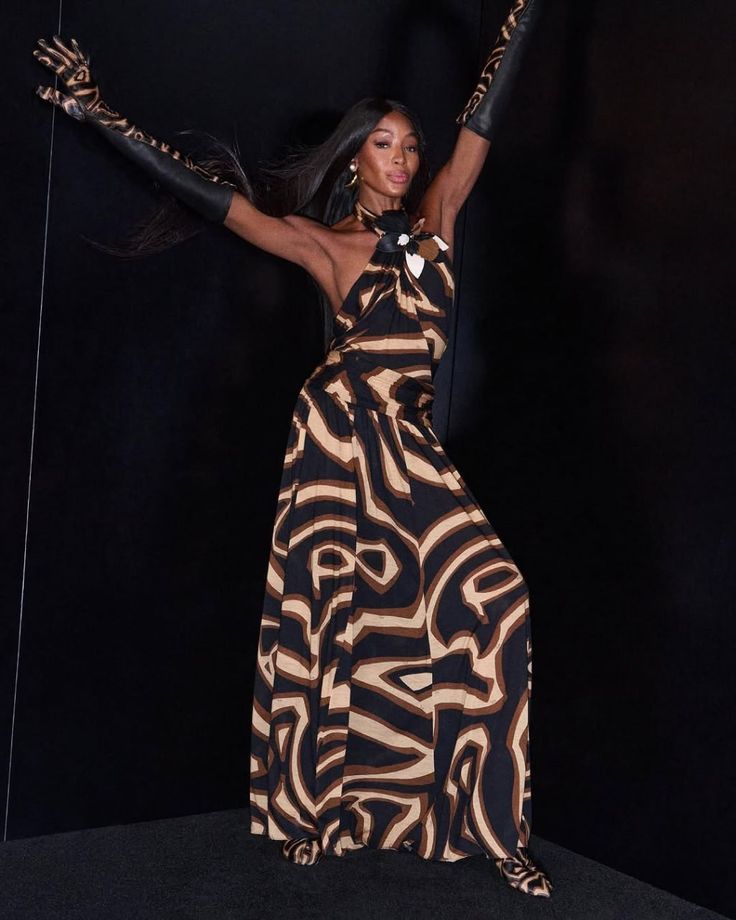
The 1990s introduced models who were impossible to ignore. They graced runways and magazine covers and transformed the industry’s approach to beauty and influence.
Naomi Campbell was a formidable presence on the runway. With her commanding presence and elegance, she became one of the first models to consistently appear on international magazine covers and secure major brand campaigns. Her work proved that a model’s impact extends beyond aesthetics, demonstrating that personality, confidence, and professionalism are equally essential.
Tyra Banks brought a sense of charisma that went beyond fashion. Her success in campaigns and media appearances demonstrated that models could expand their influence outside traditional runway roles. Tyra’s career paved the way for models to transform from mere faces into public figures with a voice.
Alek Wek strikingly challenged beauty conventions. Her unique features and presence unmistakably demonstrated that fashion does not adhere to a single standard. Wek’s journey underscored the value of individuality and authenticity, and she became an example for a more global and inclusive modelling industry.
Veronica Webb was a pioneer in demonstrating the commercial and cultural power of representation. Securing major contracts and editorial features, she showed that models could bring influence that extended beyond the runway. Her achievements highlighted that inclusivity is not only ethical but also essential to industry growth.
These models faced significant barriers, yet their impact is undeniable. Their careers proved that talent, persistence, and presence could reshape fashion in meaningful ways. They laid the foundation for future generations while leaving a legacy that continues to influence global standards.
The New Era: Global Faces and Expanding Influence
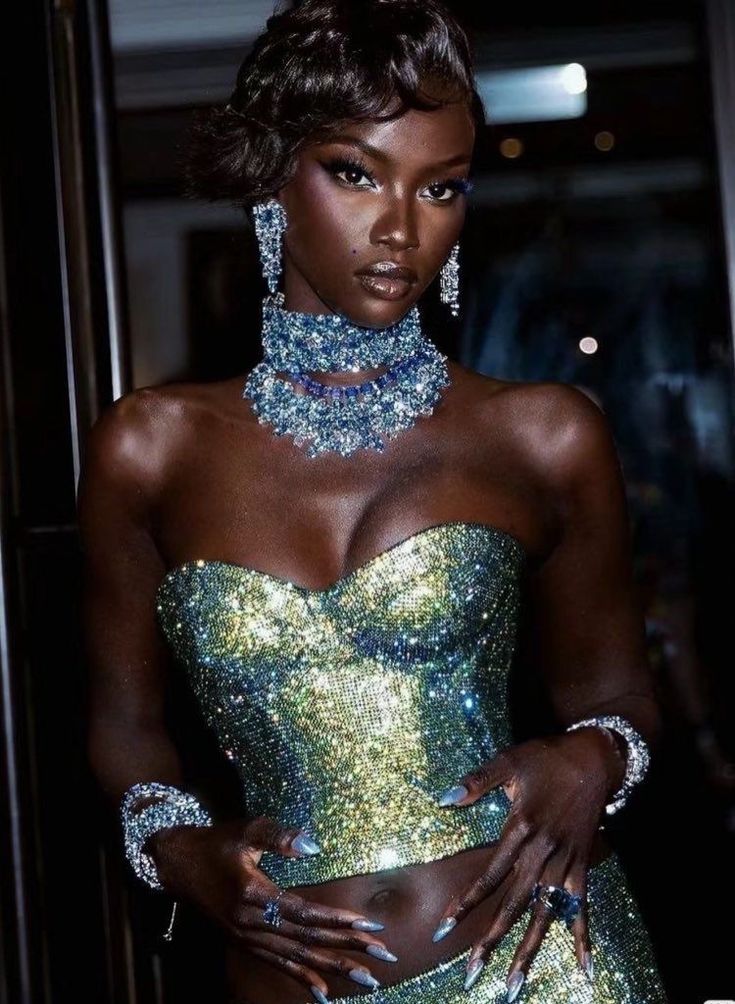
Fashion today is more interconnected than ever, and the new generation of models reflects a world that values individuality, culture, and story alongside style.
Adut Akech, a former refugee from South Sudan, has risen to international prominence. Her runway work, editorial features, and campaigns highlight not only her talent but also the importance of personal story in fashion. Adut’s career demonstrates how authenticity and resilience have become central to the industry.
Imaan Hammam, born in the Netherlands to Moroccan and Egyptian parents, embodies a modern, global perspective. Her work spans luxury editorials, runway shows, and social advocacy, showing that models today are cultural contributors as well as style icons.
Anok Yai represents a significant step forward in inclusion. Her breakthrough in opening major runway shows illustrates that fashion increasingly values uniqueness and versatility. Anok’s presence highlights how the industry continues to evolve by recognising talent from all backgrounds.
Maria Borges has made an impact by embracing natural hair and challenging traditional beauty norms on the global stage. Her work celebrates authenticity and encourages broader acceptance of diverse aesthetics, showing that representation is both cultural and influential.
These modern models continue the work started by the 90s pioneers. While the earlier generation broke barriers, today’s models live in an industry that increasingly expects diversity, authenticity, and global resonance.
READ ALSO:
- African Fashion Visionaries Redefine the Hollywood Red Carpet
- The African Fashion Icons Transforming the Modern Runway
Lessons Across Generations
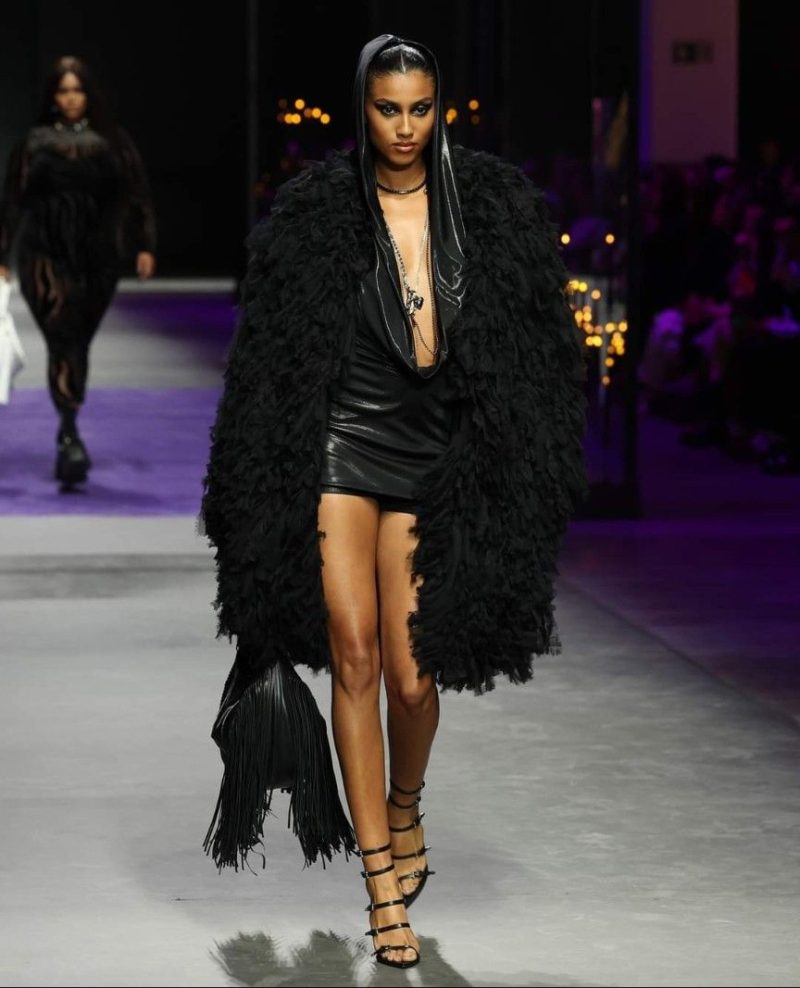
The careers of past and present supermodels share key lessons:
- Presence matters. Naomi Campbell and Alek Wek demonstrated that confidence and individuality command attention.
- Resilience shapes success. Early models navigated bias and limited opportunities, showing that perseverance is essential.
- Identity is strength. Both generations illustrate that personal story and authenticity enhance influence and visibility.
- Influence extends beyond fashion. Models have the power to shape culture, contribute to social conversations, and redefine standards for future generations.
These lessons show that fashion is more than clothing or aesthetics; it is a platform for expression, culture, and empowerment.
Why This Matters Globally
Fashion reflects culture and society, and models are central to that narrative. The industry has seen the power of representation. It affects how audiences perceive themselves and others, and it challenges outdated ideas about beauty, style, and influence.
For readers of OMIREN, these stories demonstrate that fashion is a conversation about identity and culture. The evolution from one era to the following shows that change is possible when talent, vision, and persistence meet opportunity. Fashion is not only about aesthetics; it is about visibility, storytelling, and inclusivity on a global scale.
Looking Ahead: The Future of Fashion
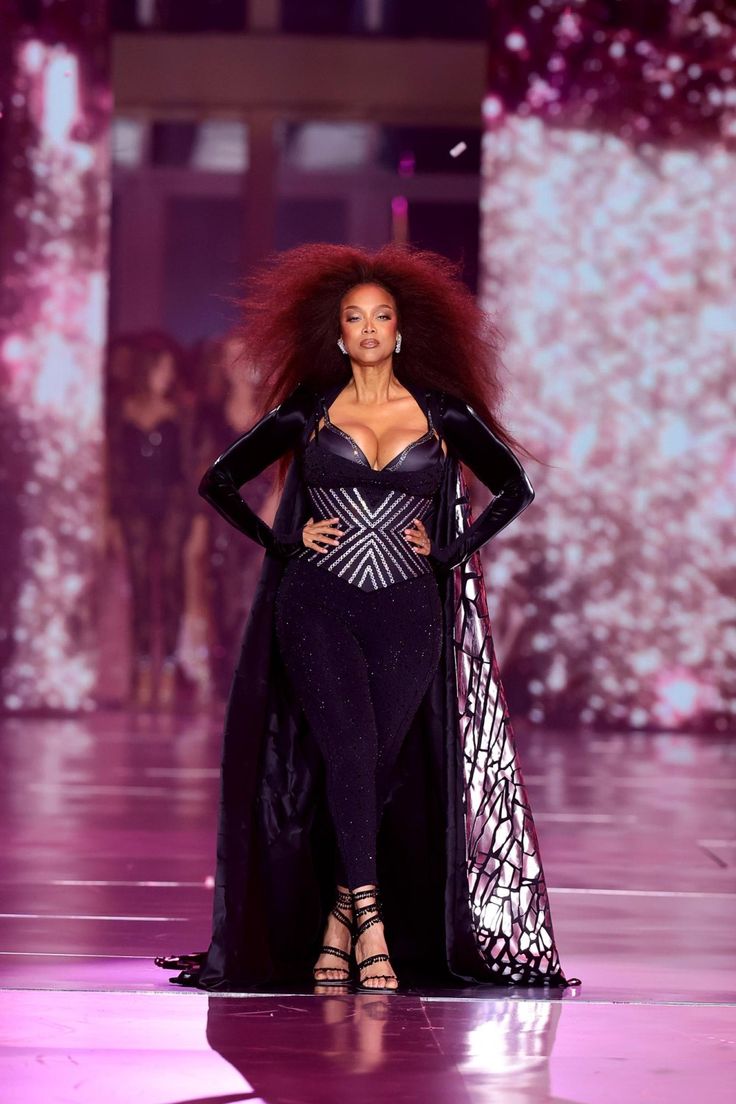
Fashion is no longer limited to a few capitals or select faces. Models from across the world contribute to trends, cultural narratives, and industry standards. Today, talent and individuality are as important as the runway look. The pioneers of the 1990s set the foundation, and today’s generation continues to expand boundaries, demonstrating that fashion can reflect the richness of global experiences.
For OMIREN readers, this evolution is about recognising stories, influences, and identities. Fashion today celebrates difference, heritage, and authenticity, creating space for a more inclusive and meaningful industry.
FAQs
- Who were the influential supermodels of the 1990s?
Naomi Campbell, Tyra Banks, Alek Wek, and Veronica Webb redefined beauty standards and laid the groundwork for future generations in fashion.
- How did 1990s supermodels impact the industry?
They questioned narrow beauty standards, provided opportunities for diverse talent, and demonstrated the power of representation in shaping both culture and commerce.
- Who are the leading models today shaping global fashion?
Adut Akech, Imaan Hammam, Anok Yai, and Maria Borges are defining today’s industry, combining runway presence, editorial work, and cultural influence.
- How has the modelling industry changed since the 1990s?
It has become more global, diverse, and inclusive. Models are now storytellers, influencers, and cultural contributors, reflecting broader societal values.
- Why is representation in fashion important?
Representation shapes perception, celebrates diversity, and ensures that fashion mirrors the world’s range of stories and identities.