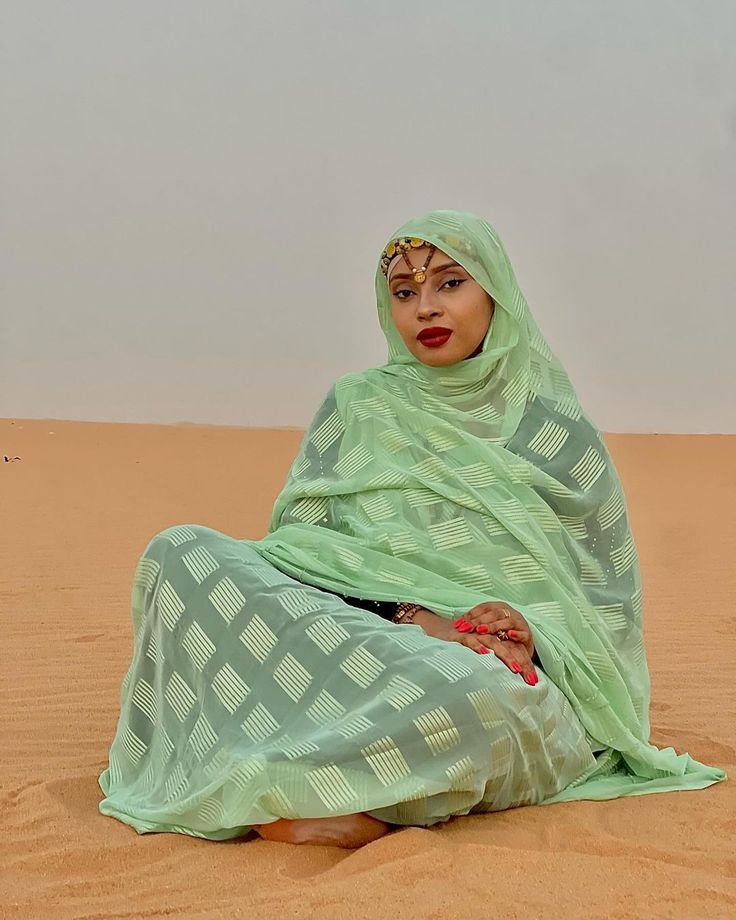
In the early morning heat of Stone Town, I once watched a woman cross the street just after Fajr prayer. Her garment was loose, almost floating, with layers of soft fabric moving with intention, not haste. Nothing about her dress asked for permission, attention, or explanation. And yet, it commanded all three.
That moment stayed with me and prompted me to ask why.
Across the Arabian Peninsula and the African coastlines shaped by Arab contact, loose clothing for women has never been merely about modesty in the narrow, modern sense. It has been about authority, mobility, climate intelligence, faith, dignity, and self-definition. Long before global fashion houses debated the concept of “modest fashion,” Afro-Arab women were already using clothing as a form of quiet power.
In this article, you will learn why loose clothing became culturally powerful for Afro-Arab women, how it evolved through Arabian and African traditions, lifestyle, history, and knowledge, and why these garments still matter today, not as relics, but as living expressions of identity.
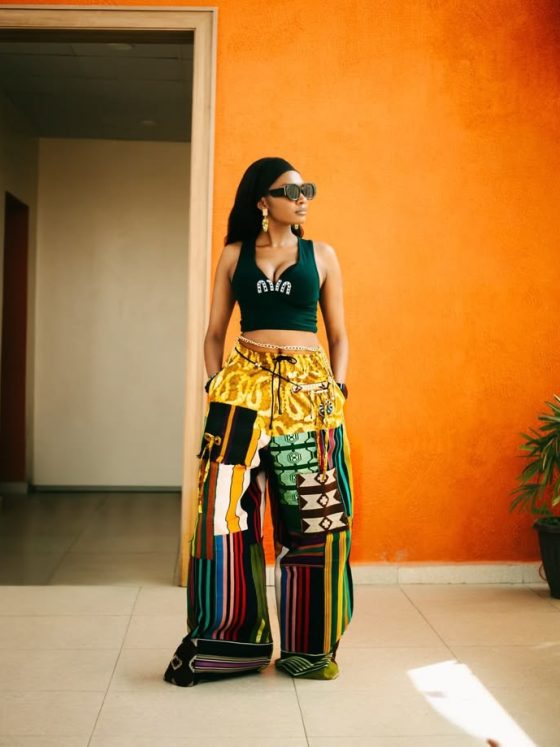
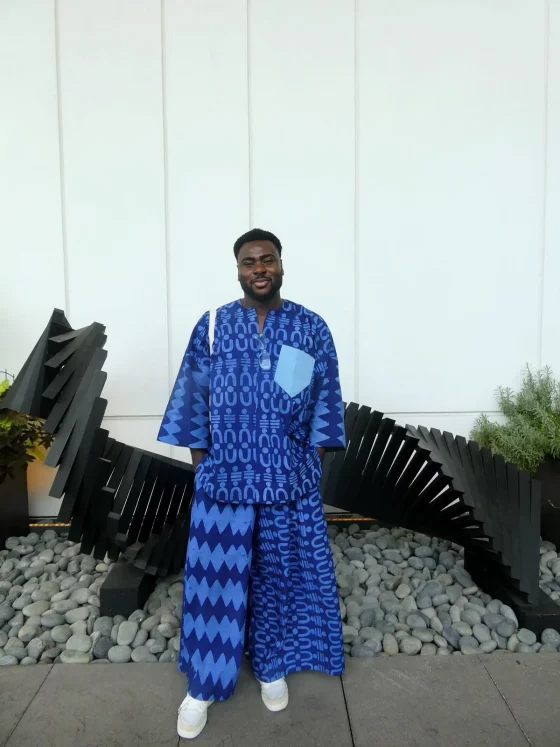
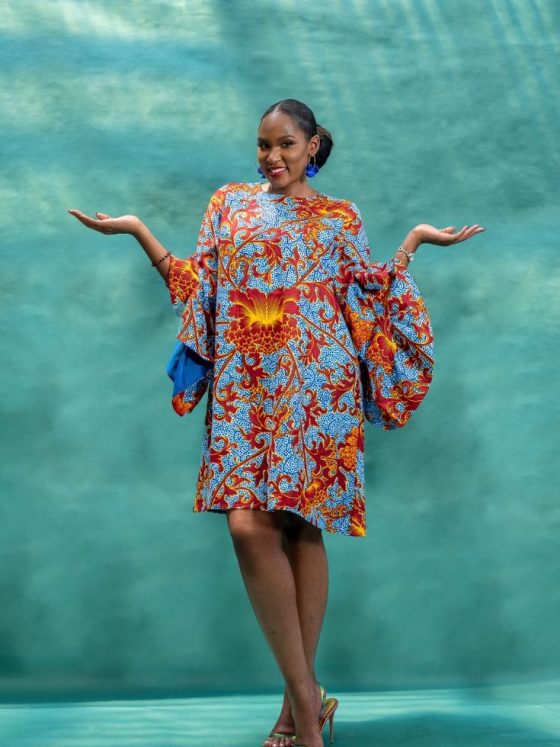
Across Africa and the Arab world, loose garments worn by women were never about hiding; it was about dignity, climate wisdom, faith, and social authority. From flowing abayas to expansive bubus, modest fashion became a language of power, identity, and cultural continuity long before modern debates redefined it.
Modesty Before Modernity: A Shared Afro-Arab Foundation
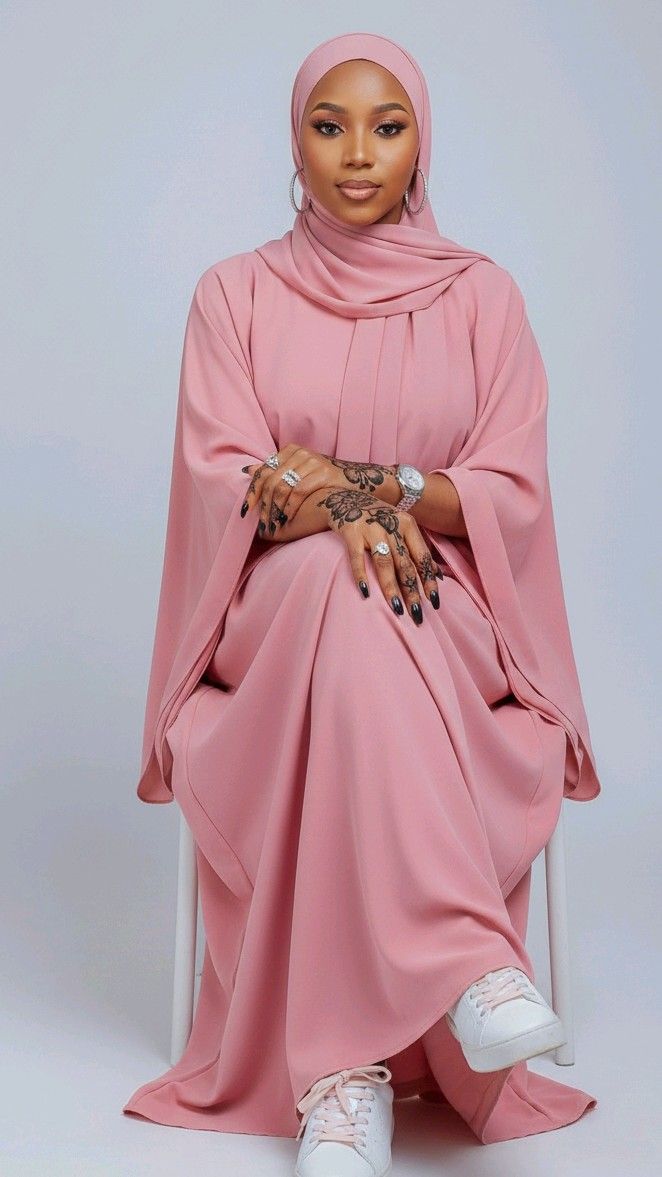
In Afro-Arab societies, modesty historically functioned as social intelligence rather than suppression. Loose clothing allowed women to move through public and private spaces with autonomy, safety, and respect.
In Arabian societies, garments such as the abaya, jilbab, and thawb-inspired silhouettes were shaped by desert climates and designed to protect skin from sun, sand, and wind. The same logic worked in African societies, especially along the Swahili Coast and in the Sahel: airflow, heat control, and layered protection.
Rather than shrinking women’s presence, loose clothing expanded it, allowing women to participate in markets, religious life, family leadership, and trade without constantly negotiating their bodies.
This shared value system formed a cultural bridge between Arabian and African fashion traditions, especially where trade and faith overlapped.
Climate, Geography, and the Intelligence of Loose Garments
To Afro-Arab people, loose clothing is not accidental; it is environmental knowledge made visible.
Across North Africa, the Horn of Africa, the Swahili Coast, and the Arabian Peninsula, women’s garments were intentionally designed to:
- Circulate air
- Reduce heat absorption
- Allow layering for changing conditions
- Protect skin without restricting movement
In regions like Zanzibar, Mombasa, Kano, and Muscat, loose silhouettes became markers of adaptation and survival, not conservatism.
This is one reason Afro-Arab fashion has historically resisted tight tailoring. Tight clothing restricts airflow and movement, a luxury that societies living close to the land and labour could not afford.
The Topics of Faith, Visibility, and the Power of Choice are Interconnected
Islamic Influence Without Uniformity
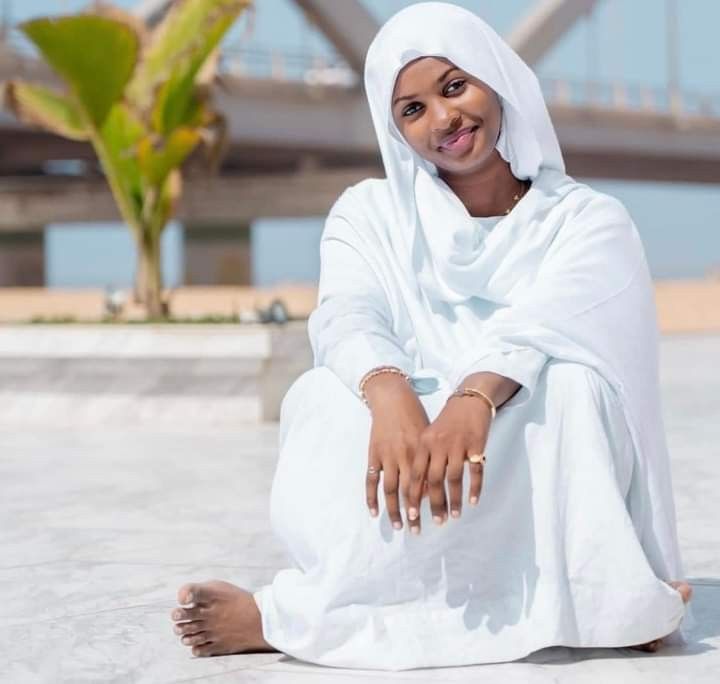
Islam played a role in reinforcing modest dress across Afro-Arab societies, but it did not erase local expression. Instead, it provided a framework within which African aesthetics, colour, pattern, and jewellery continued to thrive.
Loose clothing allowed women to:
- Maintain religious values
- Express regional identity
- Signal marital, social, or spiritual status
In many Afro-Arab societies, women controlled how modesty was expressed. Some favoured darker tones, others bold prints beneath outer layers. The power lay not in concealment, but in intentional visibility.
Modesty became agency, not anonymity.
ALSO READ:
- Dressing for Heat: How Arab Design Principles Shaped Climate-Smart African Fashion
- Top 10 African Traditional Clothes with Clear Arabian Fashion Influence
- Majlis Culture and African Courtyards: Shared Lifestyle Traditions Between Arabs and Africans
Trade Routes and the Feminine Language of Fabric
Trade routes did more than move spices and textiles; they moved ideas of dignity and dress.
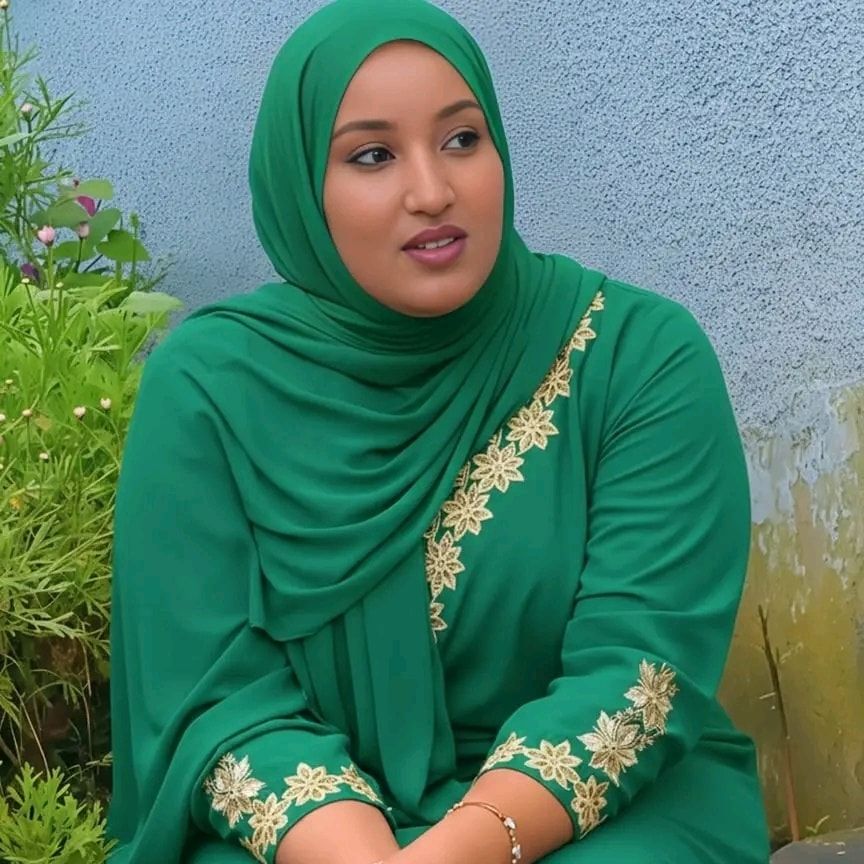
Arab traders introduced lightweight cottons, silks, and embroidery techniques. African women reinterpreted them through:
- Local dyeing traditions
- Symbolic patterns
- Layered styling is unique to each community
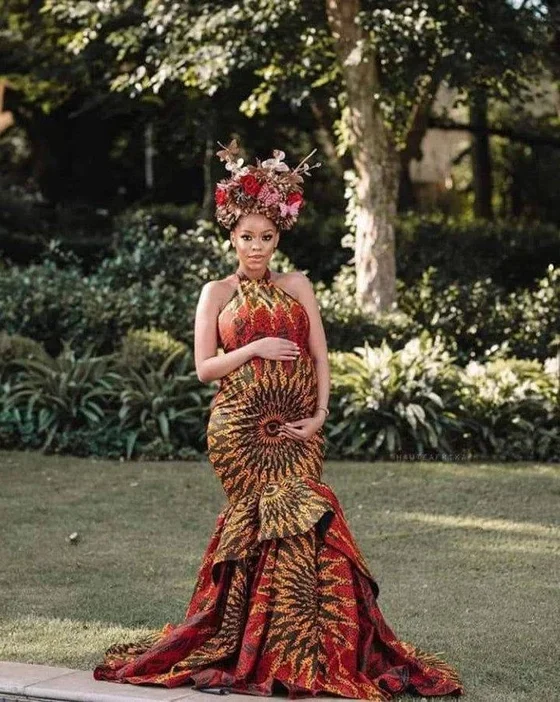
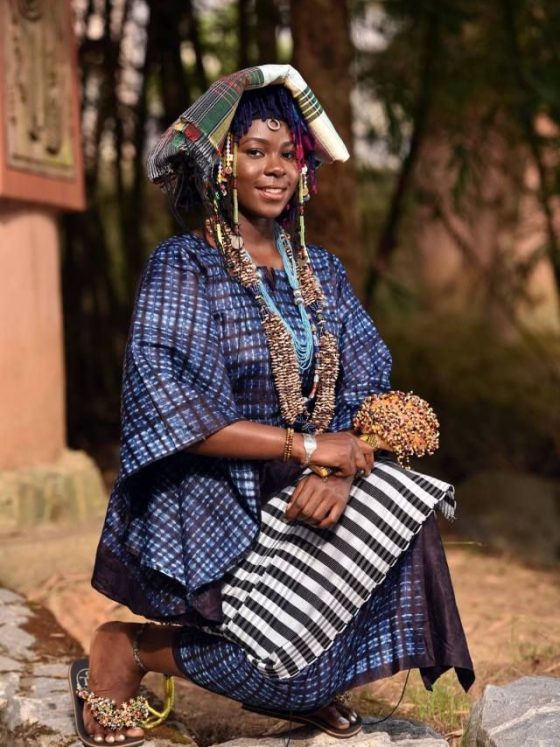
In Swahili societies, for example, women combined Arab-inspired outer garments with African kangas and head wraps, creating a fashion language that balanced modesty with storytelling.
Loose clothing became a canvas, one that carried lineage, faith, and cultural memory.
Modesty as Authority: Women, Space, and Respect
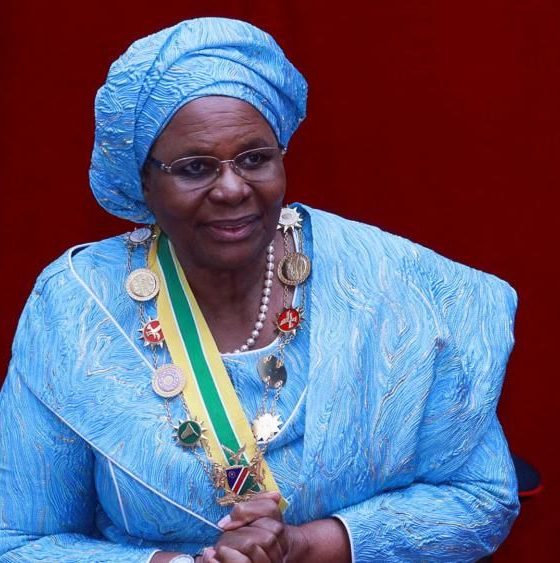
In many Afro-Arab societies, a woman’s loose clothing signalled status and seriousness—elders, businesswomen, and matriarchs dressed with volume and restraint, distinguishing authority from youth or ceremony.
Loose garments created distance, physical and symbolic. They demanded respect without confrontation.
This is why, historically, powerful women dressed modestly, not invisibly. Their clothing allowed them to speak, negotiate, lead, and discipline without distraction.
Modern Times: Modesty Reclaimed, Not Reinvented
Today’s global “modest fashion” movement often presents itself as new. In reality, Afro-Arab women have practised it for centuries.
What has changed is visibility, not philosophy.
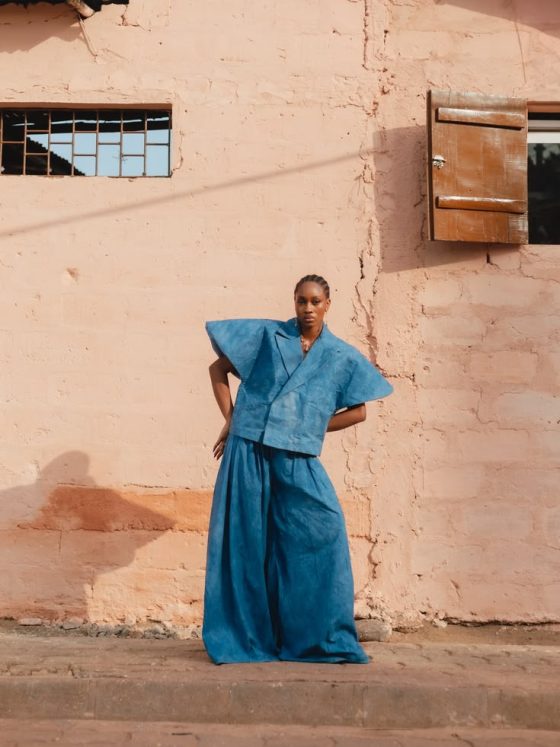
Designers across Africa and the Middle East now reinterpret traditional loose silhouettes for contemporary life, proof that modesty was never anti-modern. It was simply ahead of its time.
Loose clothing for Afro-Arab women was never about hiding. It was about breathing physically, spiritually, and socially.
It allowed women to move through heat, faith, family, and public life with dignity intact. It transformed modesty into power, fabric into language, and clothing into cultural knowledge.
Fashion is not just worn; it is remembered.
Have you ever visited any of the Northern African nations?
How do you witness the cordial relationship between Africa and the Arabian nations?
Share your thoughts on omiren styles
Explore more stories at omirenstyles. We believe fashion is not vague; it tells stories
Because true style does not shout.
It endures.
FAQs
1. Is loose clothing only about religion?
No. While faith plays a role, climate, culture, trade, and social structure are equally important.
2. Did Afro-Arab women choose modest dress freely?
Historically, they did choose modest dress freely, but within specific cultural frameworks. Modesty often increased women’s mobility and authority rather than limiting it.
3. Why is loose clothing still common today?
This is due to its ability to function physically, culturally, and symbolically.
4. How is African influence visible in Arab-influenced fashion?
African communities manifest their influence through the unique use of colour, textile patterns, head wraps, and layering techniques.
5. Is modern modest fashion disconnected from tradition?
Occasionally. When it ignores history, it risks becoming aesthetic without meaning.