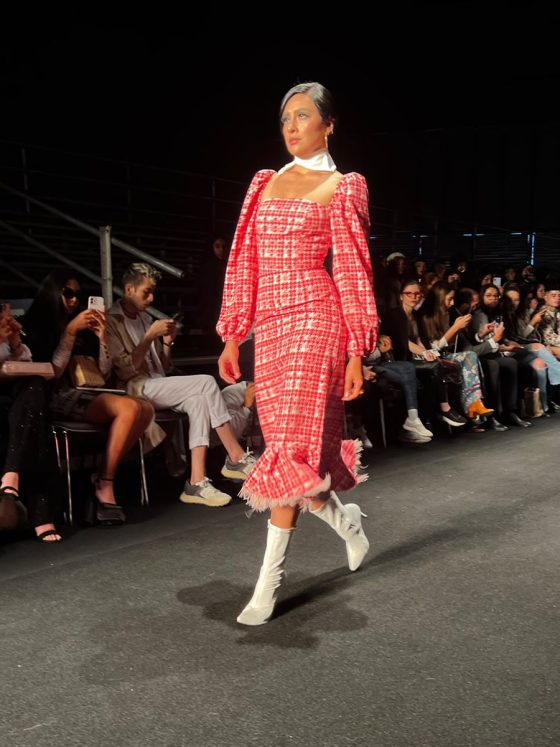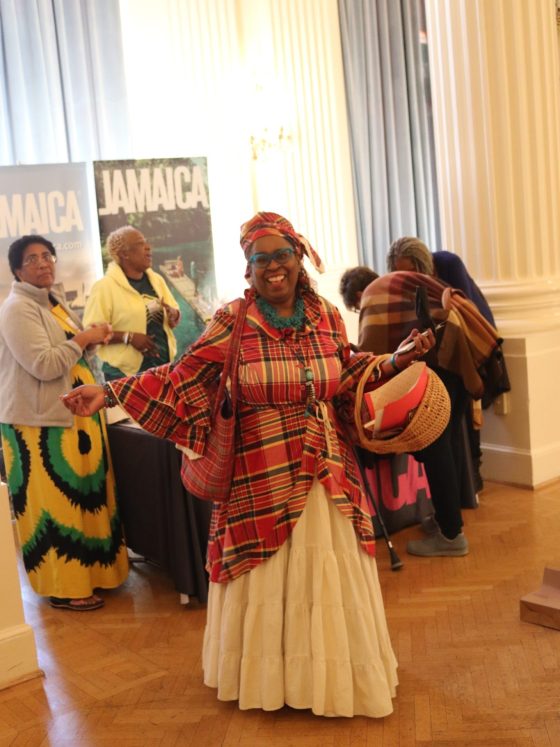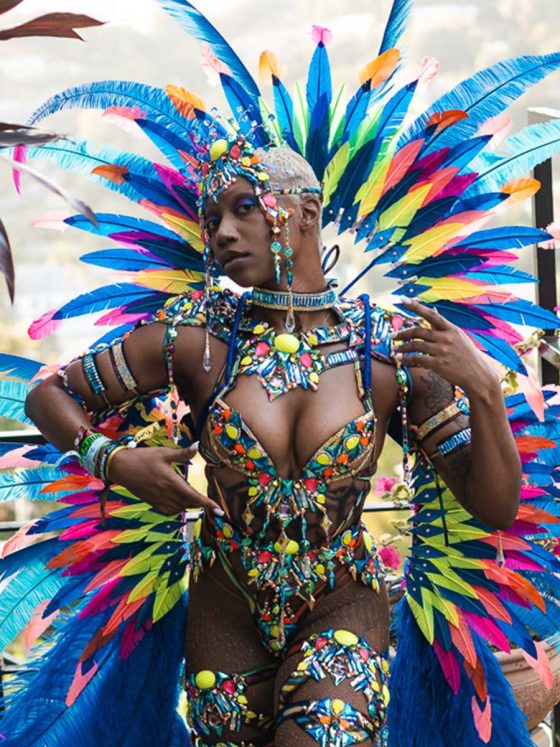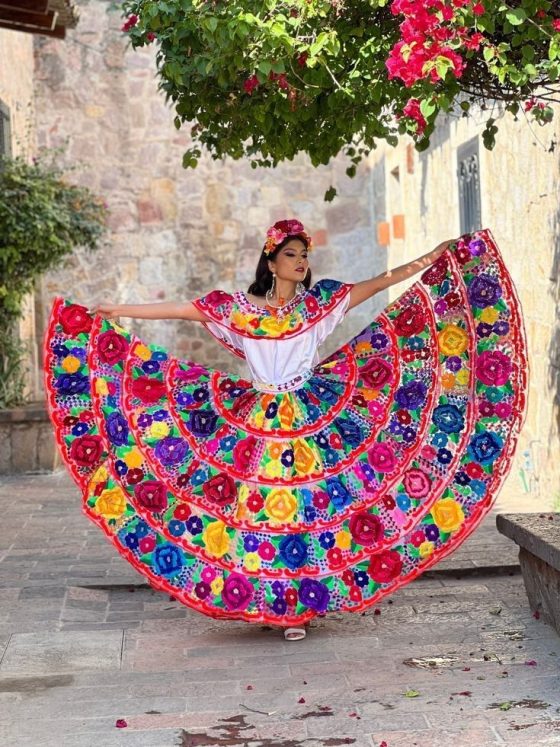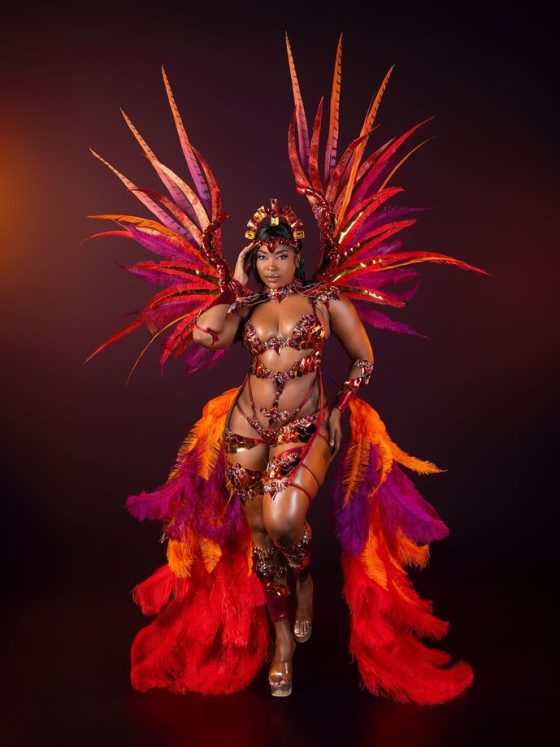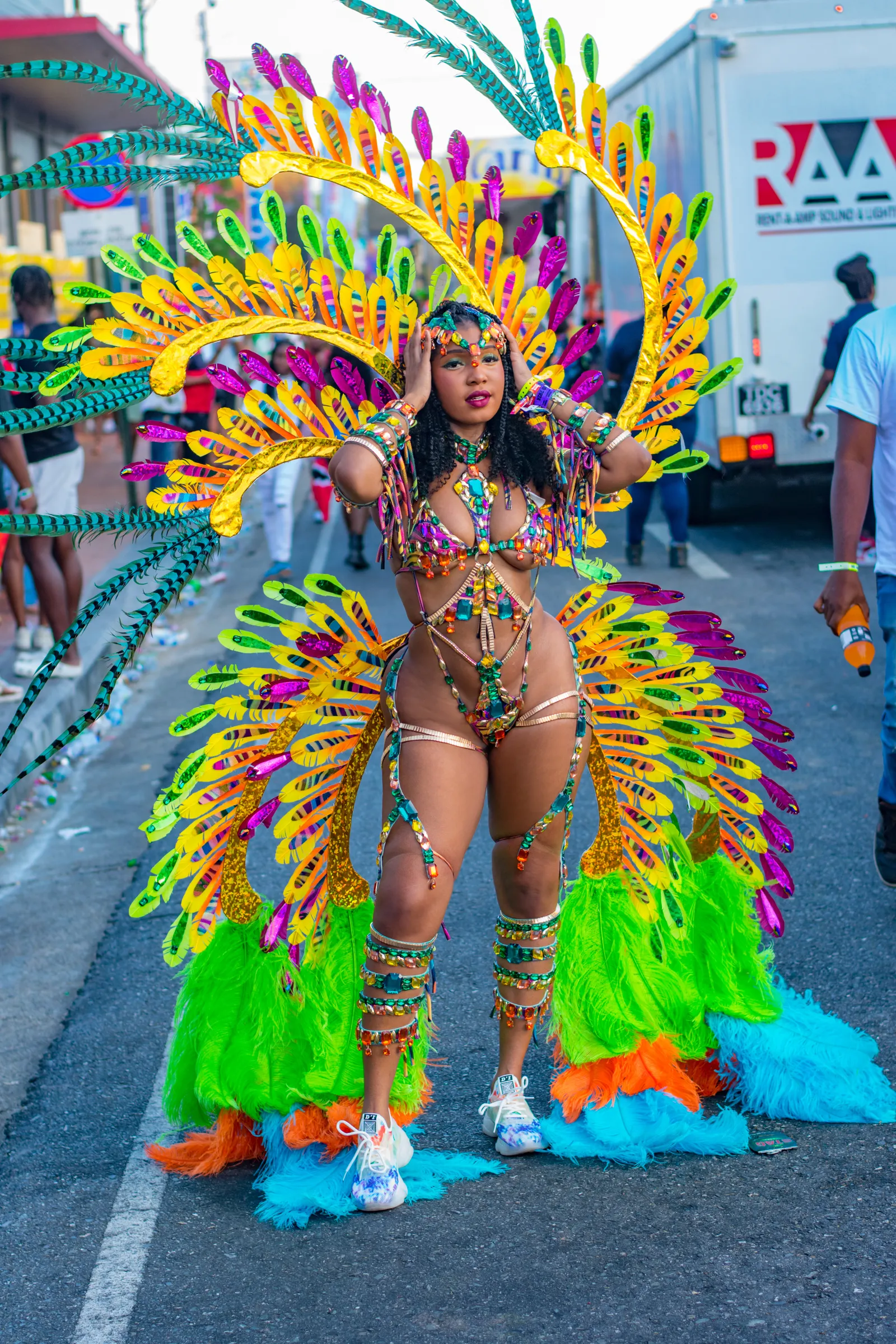
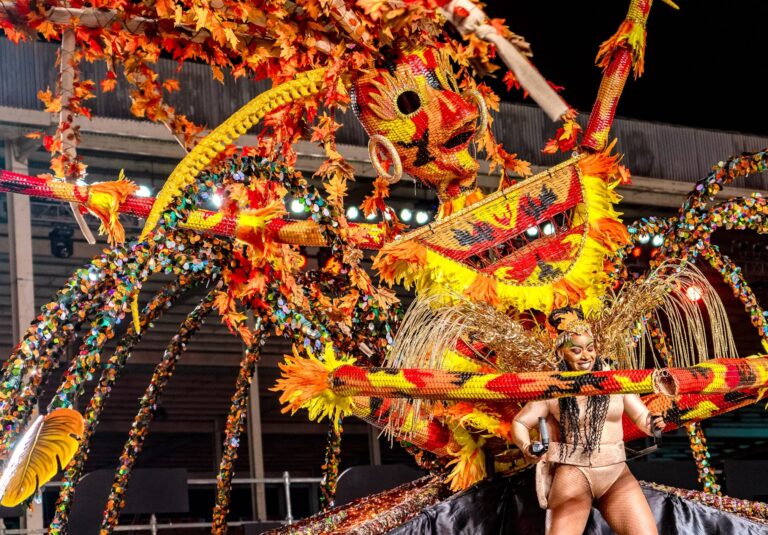
Every year, the streets of Trinidad and Tobago transform into a living, breathing archive of design. Not a spectacle in the casual sense, not a fleeting moment of celebration, but a fully realised visual system that the global fashion industry has yet to name properly. Feathers do not simply decorate; they construct scale and silhouette. Beads are not scattered; they are placed with precision, catching light in calculated rhythms. Wire frames extend the body beyond its natural limits, creating forms that exist somewhere between garment and architecture.
This is a Trinidadian Carnival masquerade, or mas. And to call it a costume is to misunderstand it entirely.
Months before a single body steps onto the road, there is design. Concepts are drafted, colour stories are debated, materials are sourced, and prototypes are tested. What emerges is not randomness, but intention. Entire collections are built around themes that explore mythology, history, fantasy, and identity. Each masquerader becomes part of a larger visual narrative, moving within a coordinated system that rivals the structure of any global fashion week.
To understand the Trinidadian Carnival masquerade is to expand the very definition of fashion. To move beyond the runway, beyond the atelier, and into a space where clothing is lived in, danced in, and transformed in real time. It is to recognise that what has long been dismissed as spectacle is, in fact, a system. That which has been treated as seasonal is, in truth, foundational.
And more importantly, it is to ask a question the industry has avoided for too long:
If this is not fashion, then what is?
Explore Trinidad Carnival fashion, the artistry behind masquerade costumes, and why Caribbean Carnival deserves recognition as a global fashion system.
What “Mas” Really Means
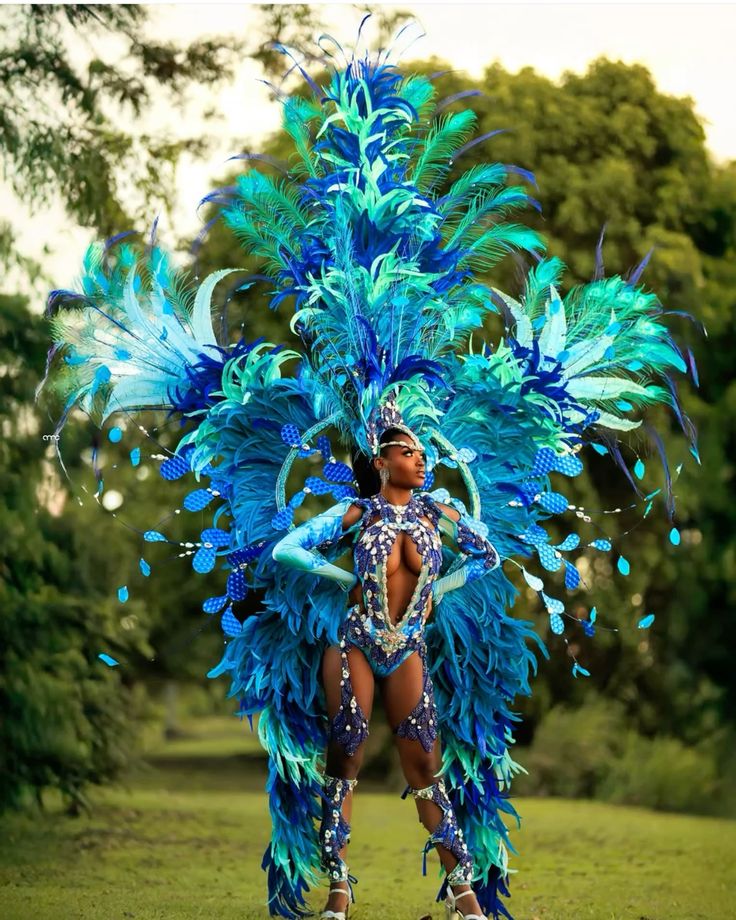
Mas, short for masquerade, is the central expression of Trinidad Carnival. But unlike costume traditions elsewhere, mas is not about disguise. It is about transformation.
Each masquerader becomes part of a larger visual narrative, wearing garments that are designed with intention. Themes are developed months in advance. Colours, silhouettes, and materials are selected to communicate specific ideas.
Search interest in terms like “Trinidad Carnival costumes” and “Carnival fashion” continues to rise globally, yet the language used to describe it often falls short. These are not costumes in the casual sense. They are structured, conceptual pieces of wearable art.
The Design Intelligence Behind Carnival Costumes
To understand Carnival as fashion, you have to look at its process.
Mas costumes are not improvised. They are designed, prototyped, and produced using systems that mirror those of high fashion. Designers sketch concepts, experiment with materials, and refine silhouettes. There is attention to proportion, movement, and visual impact.
Large Carnival bands function almost like fashion houses. They release collections each year, complete with themes, colour stories, and coordinated looks.
The difference is scale. Instead of a runway show with a limited audience, Carnival takes place in the streets, with thousands of participants wearing the designs in motion.
Beadwork, Feathers, and the Labour of Beauty
At the heart of Carnival fashion is craftsmanship.
Beadwork is often done by hand, requiring hours of detailed labour. Feathers are selected, dyed, and arranged to create volume and structure. Wire frameworks are built to support elaborate designs, allowing costumes to extend beyond the body.
These elements are not decorative in the casual sense. They are structural. They determine how the costume moves, how it catches light, and how it interacts with the environment.
Behind every finished piece is a network of artisans whose work is rarely recognised within global fashion conversations.
From Resistance to Expression
Carnival in Trinidad has roots in resistance. It evolved from the histories of emancipation, where formerly enslaved people created spaces for expression and celebration.
Masquerade became a way to reclaim identity, using dress as a tool of visibility and power.
This history is important because it shapes how Carnival fashion operates. It is not just about aesthetics. It is about presence. It is about being seen on one’s own terms.
Why Carnival Is Misclassified
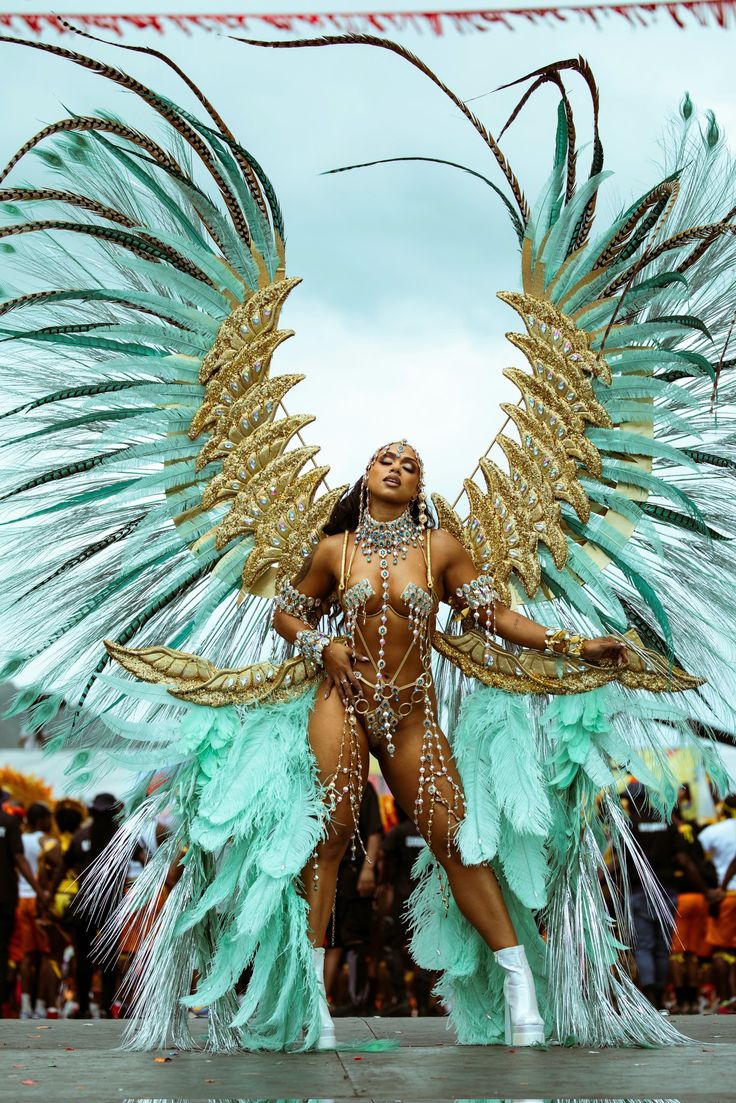
Despite its complexity, Carnival is often dismissed as entertainment rather than design.
Part of this comes from how fashion itself is defined. Traditional fashion systems are tied to institutions, runways, and established brands. Carnival exists outside these structures, which makes it harder to categorise.
There is also a bias toward static garments. Carnival costumes are designed for movement, for performance, and for the street. This dynamism is often misunderstood as a lack of structure, when in reality it requires even more planning.
A Fashion System Without a Runway
If fashion is defined by design, production, presentation, and cultural impact, then Carnival meets every criterion.
Designers conceptualise collections. Artisans produce garments. Models, in this case masqueraders, present themselves in a public space. Audiences engage with them in real time.
The only difference is the setting.
Instead of Paris or Milan, the runway is the street. Instead of seated spectators, the audience is immersed in the experience.
This does not make Carnival less than fashion. If anything, it makes it more expensive.
Global Influence of Caribbean Carnival Fashion
Carnival aesthetics have already influenced global fashion.
Elements like feathered headpieces, embellished bodysuits, and bold colour combinations appear regularly in runway shows and editorial shoots. Yet, these influences are often detached from their origins.
Recognising Carnival as a fashion system means acknowledging its role not just as inspiration, but as origin.
The Economics of Mas
Beyond artistry, Carnival is also an economic system.
Designers, artisans, band leaders, and vendors all contribute to an industry that operates on a significant scale. Costumes are produced, marketed, and sold in ways that mirror fashion business models.
This economic dimension further supports the argument that Carnival is not informal or incidental. It is structured, organised, and impactful.
Movement as Design
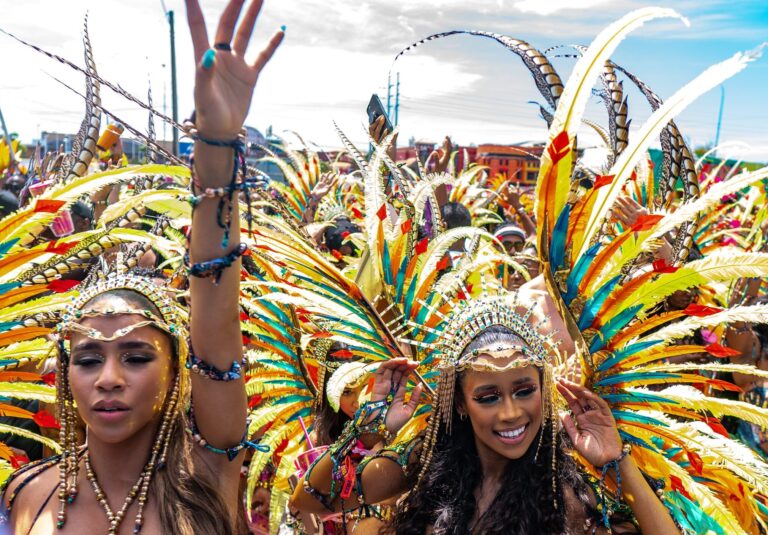
One of the most distinctive aspects of Carnival fashion is movement.
Costumes are designed to be worn while dancing, walking, and interacting. This requires a different approach to design, one that considers flexibility, weight, and balance.
Movement is not an afterthought. It is central to the design process.
This challenges conventional fashion norms, which often prioritise how garments look in still images rather than how they function in motion.
Reclaiming the Narrative
There is a growing need to reframe how Carnival is understood within global fashion conversations.
Calling it a costume tradition limits its scope. Recognising it as a fashion system expands it.
This shift is not just about language. It is about value. It is about giving credit to the designers, artisans, and communities that have built this system over generations.
Read also:
- The Caribbean–African Fashion Corridor: How Lagos, Trinidad, and Jamaica Built A Shared Visual Culture
- Basslines of Resistance: Reggaetón, Caribbean Identity, and Global Pop Power
- The Caribbean Is Not a Mood Board: How Diaspora Designers Are Reclaiming the Runway
Conclusion
The Trinidadian Carnival masquerade is not an extension of fashion. It is fashion.
It has its own design processes, its own production systems, and its own cultural significance. It operates on a scale and with a level of creativity that challenges traditional definitions of what fashion can be.
To continue treating it as a spectacle is to overlook its depth. To recognise it as a fashion system is to place it where it has always belonged.
At the centre of global style.
Frequently Asked Questions (FAQs)
- What is the Trinidad Carnival masquerade?
It is a central element of Carnival, in which participants wear elaborate, themed costumes designed as part of larger artistic concepts.
- Are Carnival costumes considered fashion?
Yes, they involve design, craftsmanship, and presentation, making them a form of fashion.
- Who designs Carnival costumes?
Designers and Carnival bands create collections, often with support from teams of artisans.
- Why is Carnival important culturally?
It has roots in resistance and identity, making it a significant cultural expression.
- Is Carnival fashion influencing global trends?
Yes, elements of Carnival design regularly appear around the world.