In the most compelling corners of global fashion, culture is no longer referenced. It is embodied. What was once considered inspiration has become authorship, and within this shift, African heritage stands at the forefront of a new couture narrative. Here, fashion is not simply created for visual appeal. It is constructed as a living expression of identity, craftsmanship, and intention.
Each garment carries memory, technique, and cultural depth, elevated through modern luxury. This is where culture becomes couture. It is not about borrowing from tradition but about evolving it with clarity and purpose within the global fashion landscape.
Discover how African heritage, craftsmanship, and modern luxury transform culture into couture, shaping global fashion identity.
Redefining Couture Through Cultural Identity
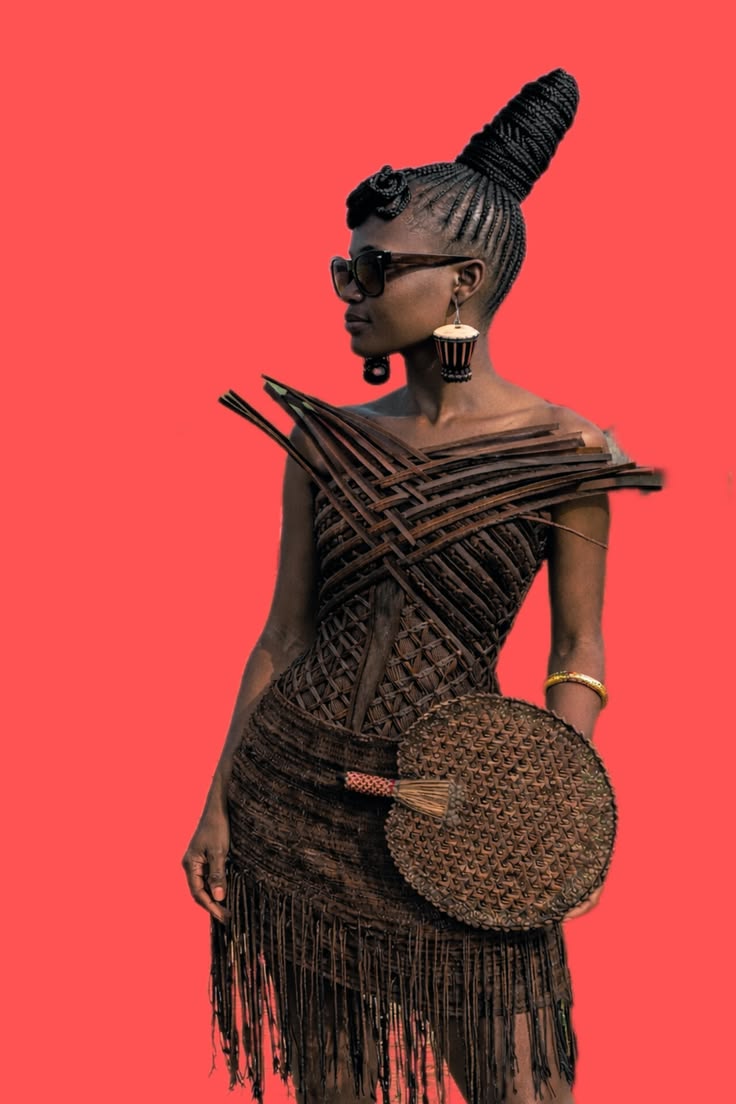
Couture has long been associated with exclusivity, precision, and handcraftsmanship. While these elements remain essential, the definition is expanding. Couture is no longer confined to a single cultural framework. It is being reimagined through diverse identities, with African fashion playing a defining role in this transformation.
To understand where culture becomes couture is to recognise that identity itself has become a design language. Patterns, textures, and silhouettes are chosen with intention. They reflect history, belonging, and cultural continuity. This shift places authenticity at the centre of luxury, redefining what it means to create and wear couture today.
The Craftsmanship Behind the Narrative
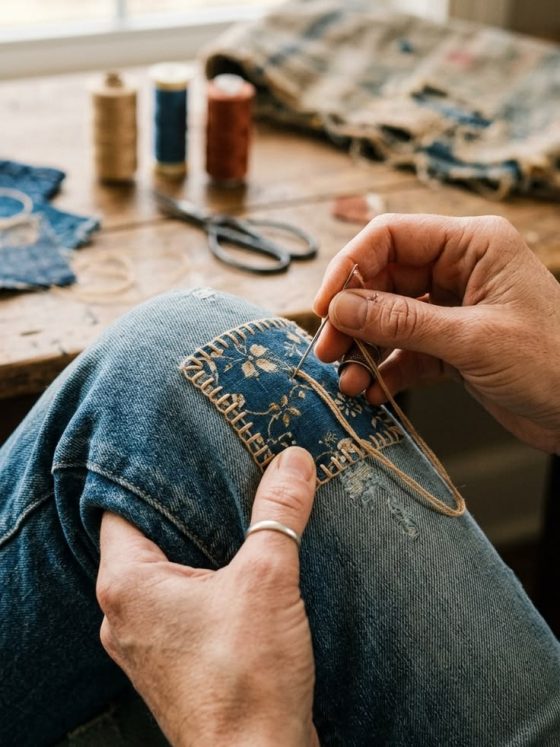
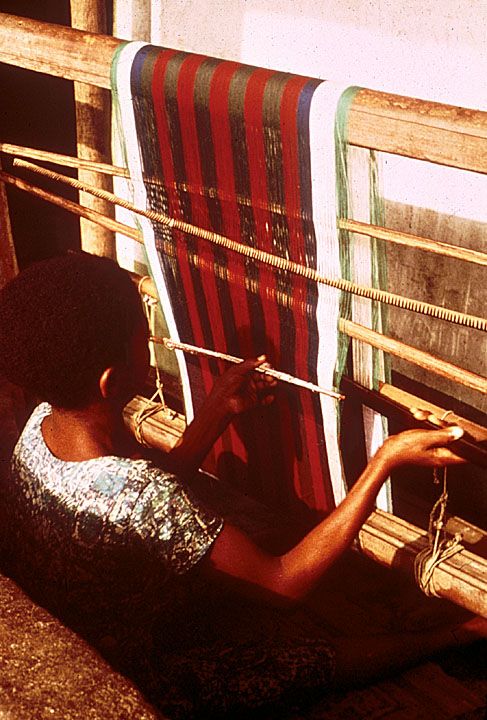
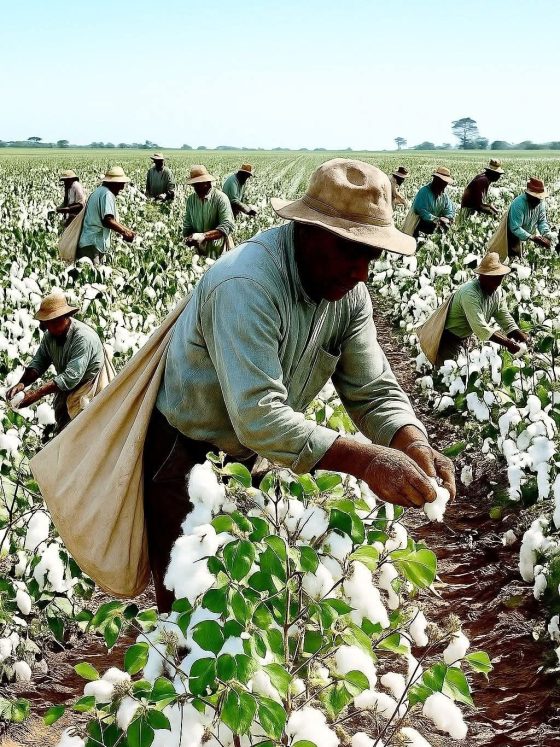
At the core of this evolution is craftsmanship. Across African communities, artisanal techniques such as handweaving, dyeing, embroidery, and beadwork have been preserved for generations. These methods are not simply production processes. They are forms of cultural preservation.
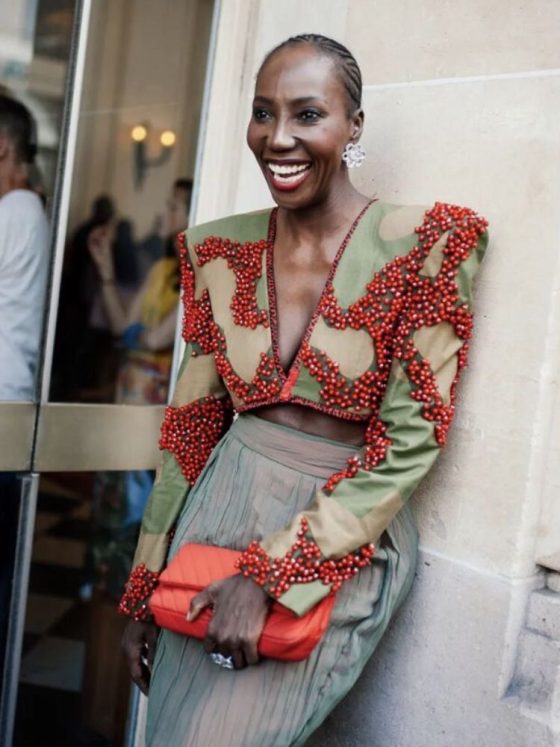
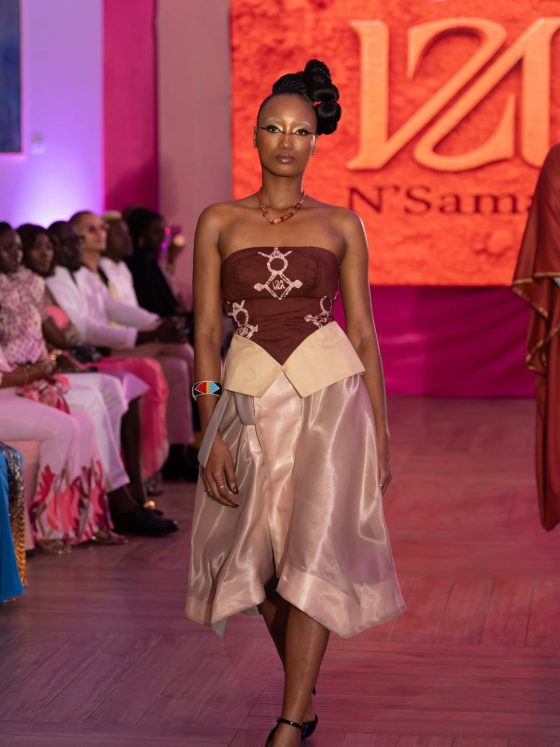
In contemporary couture, these techniques are elevated within refined design frameworks. Designers integrate them into structured, modern silhouettes, allowing tradition to coexist within contemporary fashion spaces. The result is a seamless blend of heritage and innovation, where craftsmanship becomes both visual and symbolic.
This approach emphasises the value of time, skill, and human touch. Couture, in this context, becomes a celebration of process as much as the final garment.
Textiles as Cultural Language
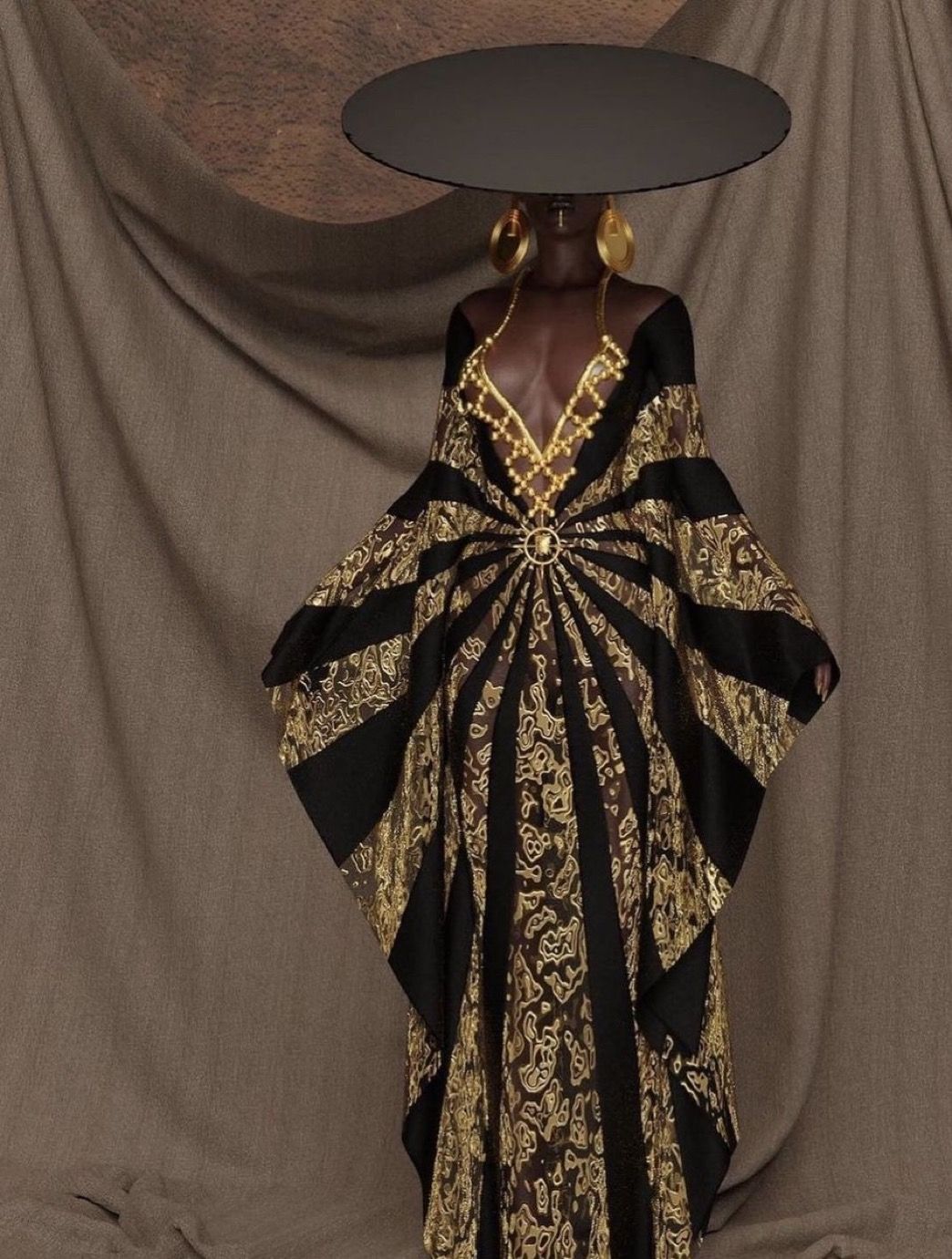
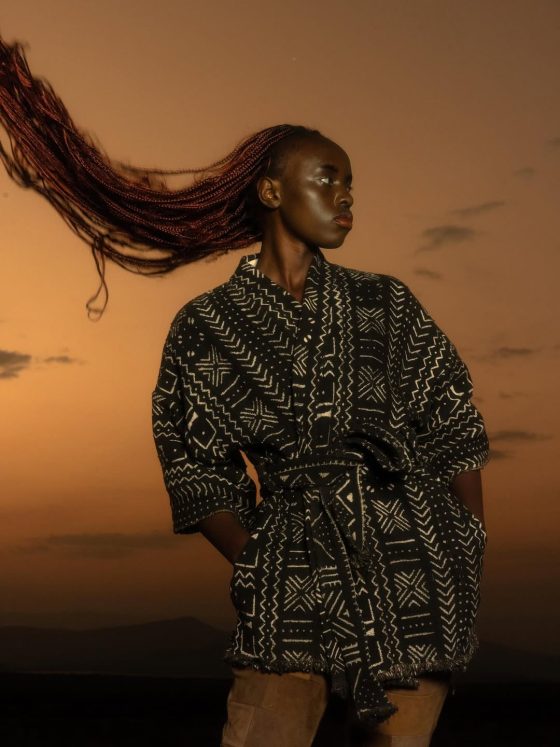
Fabric plays a central role in transforming culture into couture. African textiles have long functioned as storytelling tools, carrying meanings tied to community, identity, and history.
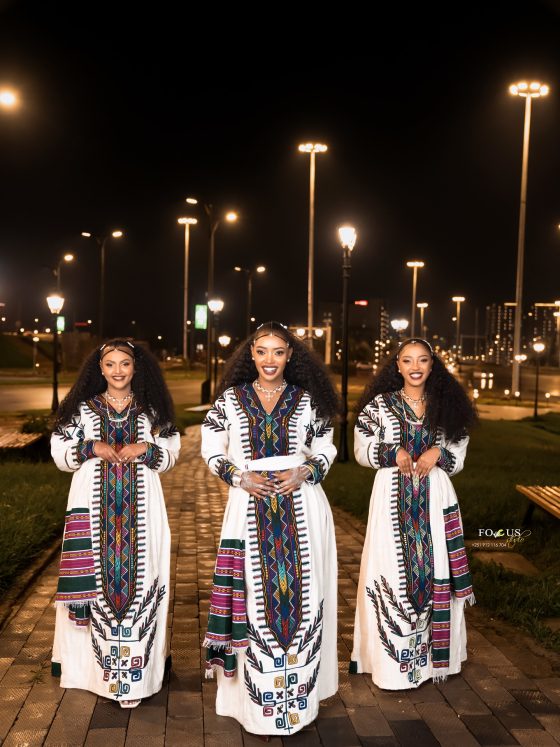
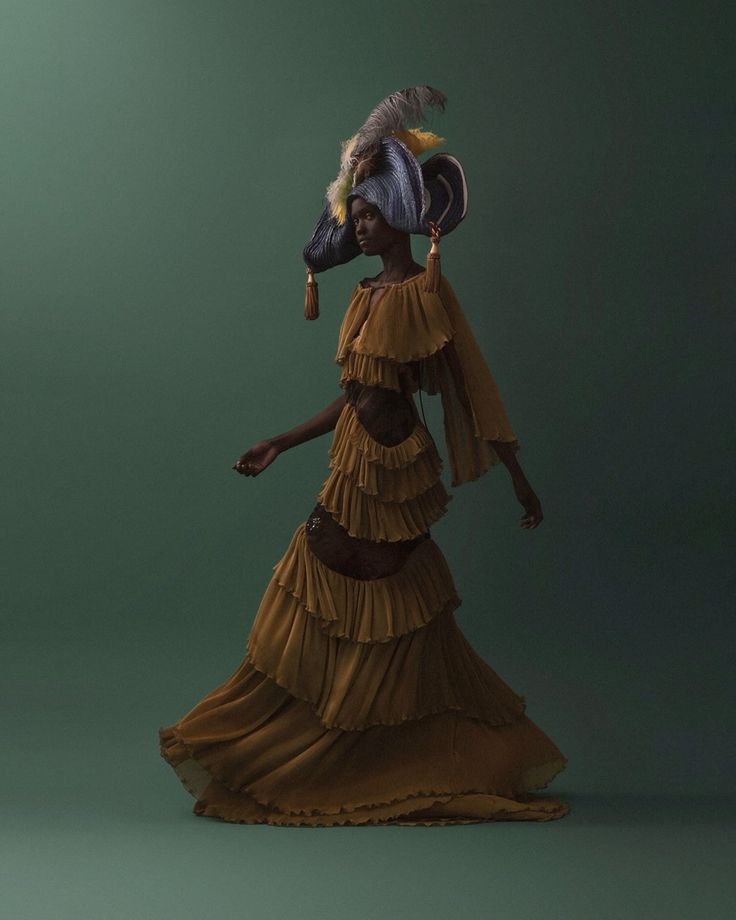
Today, these textiles are being reinterpreted within contemporary fashion. Structured tailoring, fluid draping, and sculptural forms allow traditional materials to exist in new contexts. This evolution does not dilute their significance. Instead, it expands their relevance.
Culture, in this sense, is not fixed. It adapts and evolves while maintaining its essence, allowing fashion to remain both rooted and progressive.
From Inspiration to Ownership
For many years, elements of African culture appeared globally without proper context or recognition. The current shift represents a move toward ownership and narrative control.
Designers are reclaiming their stories, presenting cultural elements with clarity and authenticity. This change is significant. It moves African fashion from being referenced to being authoritative.
Where culture becomes couture, the narrative is no longer shaped externally. It is defined by those who live and understand it.
The Role of Modern Design
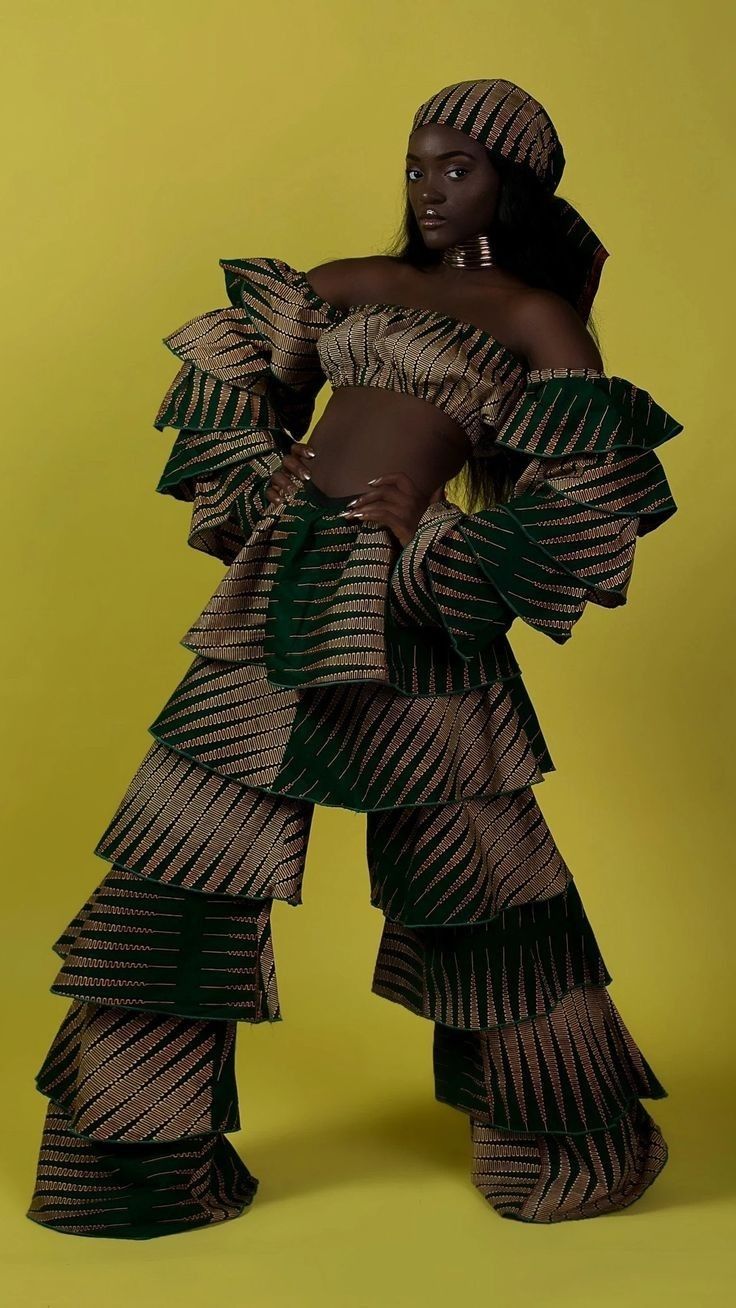
Heritage provides the foundation, but modern design ensures relevance. Contemporary tailoring, refined silhouettes, and innovative construction allow culturally rooted garments to exist within global fashion systems.
This balance is essential. Without innovation, tradition risks becoming static. Without heritage, modern design risks lacking depth. Couture exists at the intersection of both, creating pieces that feel timeless yet current.
Designers who achieve this balance produce work that transcends trends. Their garments are defined by meaning rather than seasonality.
A New Language of Luxury
Luxury is being redefined within this cultural framework. It is no longer solely about exclusivity or cost. It is about depth, intention, and story.
A garment becomes luxurious because of the meaning it carries. It reflects identity, craftsmanship, and cultural significance. This aligns with a broader shift in global consumer values, in which authenticity and purpose are increasingly prized.
Where culture becomes couture, luxury becomes experiential. It is something to be understood, not just seen.
Read also:
- African Fashion & Sustainable Design: Climate-Conscious Style
- The Future of Fashion Is Rooted in Africa
- The Ankara Economy: How a Fabric Became a Continent’s Most Exported Fashion Statement
The Influence of the Global Stage
Culturally driven couture is part of a larger global movement toward representation and inclusivity. African fashion has gained visibility across international runways, editorial platforms, and luxury markets.
Its influence goes beyond presence. It is shaping conversations and redefining standards of elegance. This marks a power shift in which diverse cultural perspectives are not only acknowledged but also respected as foundational.
Beyond Fashion: A Cultural Movement
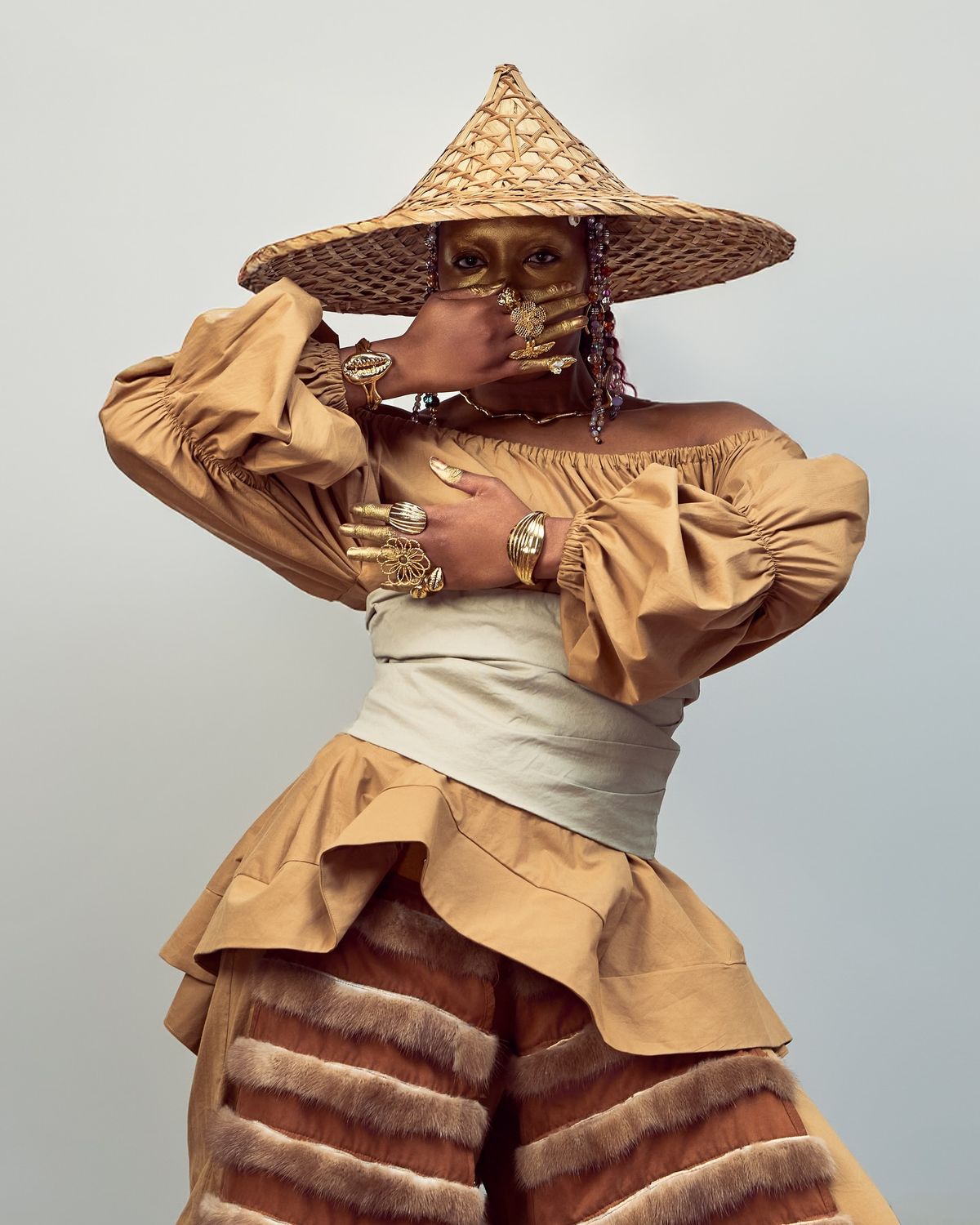
The transformation of culture into couture extends beyond clothing. It reflects a broader lifestyle rooted in heritage and intentional living.
In beauty, traditional ingredients and rituals are being integrated into modern skincare practices. In lifestyle, there is a renewed focus on slow living and meaningful consumption. These intersections highlight that culture is not confined to fashion. It is a way of life.
Sustainability Through Tradition
Traditional African practices naturally align with sustainable values. Handcrafted production, local sourcing, and community-based craftsmanship contribute to ethical fashion systems.
As sustainability becomes increasingly important globally, these practices offer a model for responsible luxury. They demonstrate that innovation can exist within tradition.
Couture rooted in culture supports both aesthetic excellence and ethical impact.
Conclusion
Where culture becomes couture, fashion evolves into something deeper than design. It becomes a medium for storytelling, identity, and cultural expression. African heritage plays a central role in this transformation, redefining couture through craftsmanship, authenticity, and modern relevance.
This shift is not temporary. It represents a lasting change in how fashion is created and understood. To engage with this form of couture is to appreciate not only its beauty, but also its meaning, its history, and its cultural significance.
Frequently Asked Questions (FAQs)
- What does “culture becomes couture” mean in fashion?
It refers to the transformation of cultural heritage, traditions, and craftsmanship into high fashion. Instead of being used as inspiration, culture becomes the foundation of design.
- How is African fashion influencing modern couture?
African fashion brings heritage-driven craftsmanship, symbolic textiles, and cultural storytelling into contemporary design, reshaping global definitions of luxury and elegance.
- Why is craftsmanship important in couture?
Craftsmanship reflects skill, tradition, and authenticity. In couture, it adds depth and meaning, making each piece unique and culturally significant.
- Is African couture considered sustainable fashion?
Yes, many African fashion practices are inherently sustainable due to handmade processes, local sourcing, and community-based production systems.
- How can I incorporate cultural couture into everyday style?
You can start by integrating pieces that feature traditional textiles or craftsmanship into modern outfits, such as tailored pieces made with African fabrics or accessories with cultural significance.