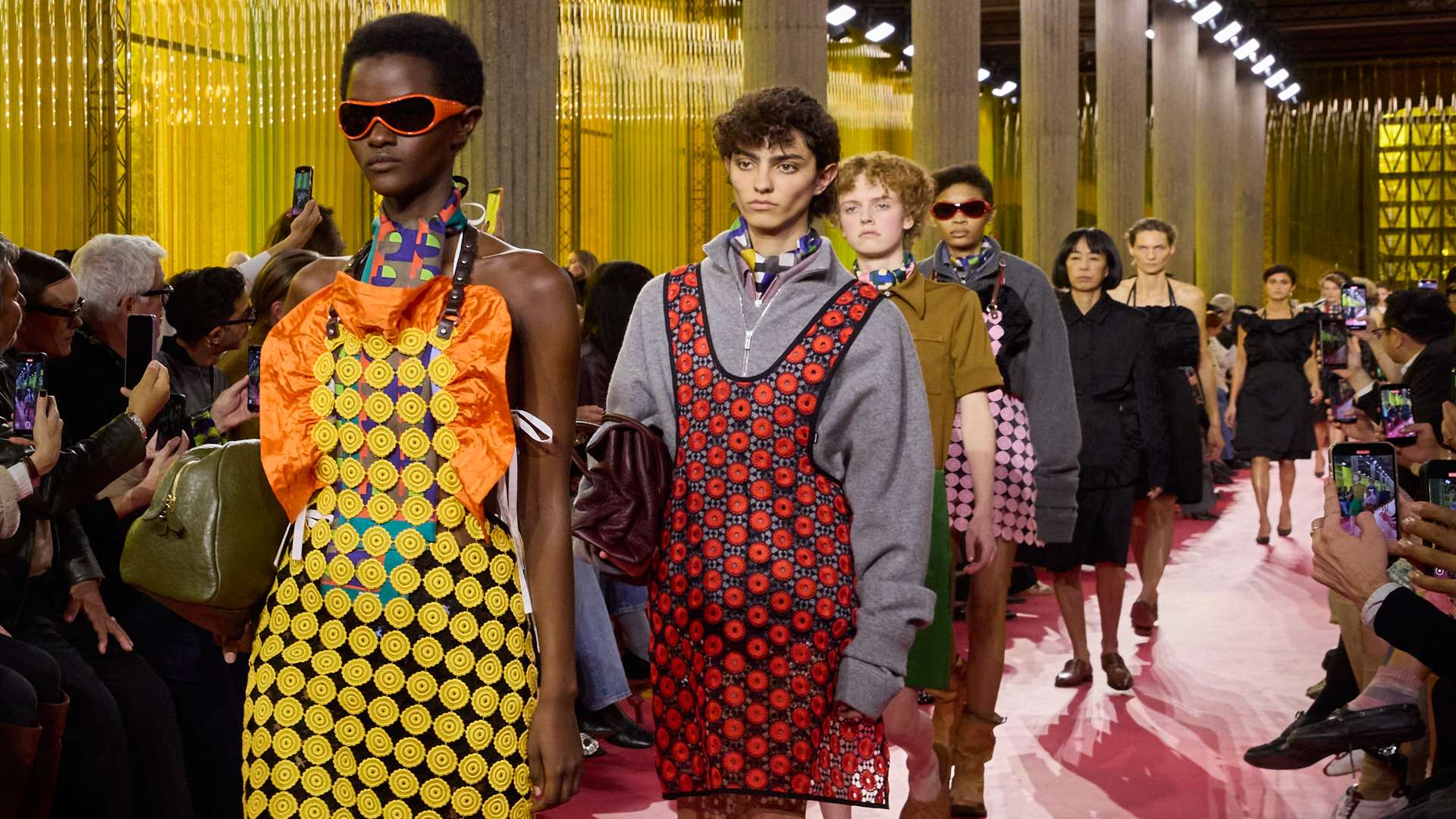
The Men’s Fall/Winter 2026–27 season of Paris Fashion Week confirmed a structural shift in contemporary menswear. This was not a season driven by visual spectacle or performative runway theatrics. It was a season defined by discipline, construction, and ideological clarity.
Across the collections, designers moved away from expressive excess and leaned into architecture, restraint, and authority. Silhouettes became controlled. Fabrics became heavier. Proportions became deliberate. Styling became functional. The presentation became composed.
What emerged was a coherent design language built around three core ideas:
- Structure over softness
- Protection from overexposure
- Authority over flamboyance
This season reframed menswear not as emotional expression, but as social positioning, clothing as a system of order, identity, and stability.
Paris Fashion Week 2026 revealed a shift toward structured menswear, controlled tailoring, functional luxury, and disciplined design systems redefining power and identity.
The Reassertion of Tailoring as Power Language
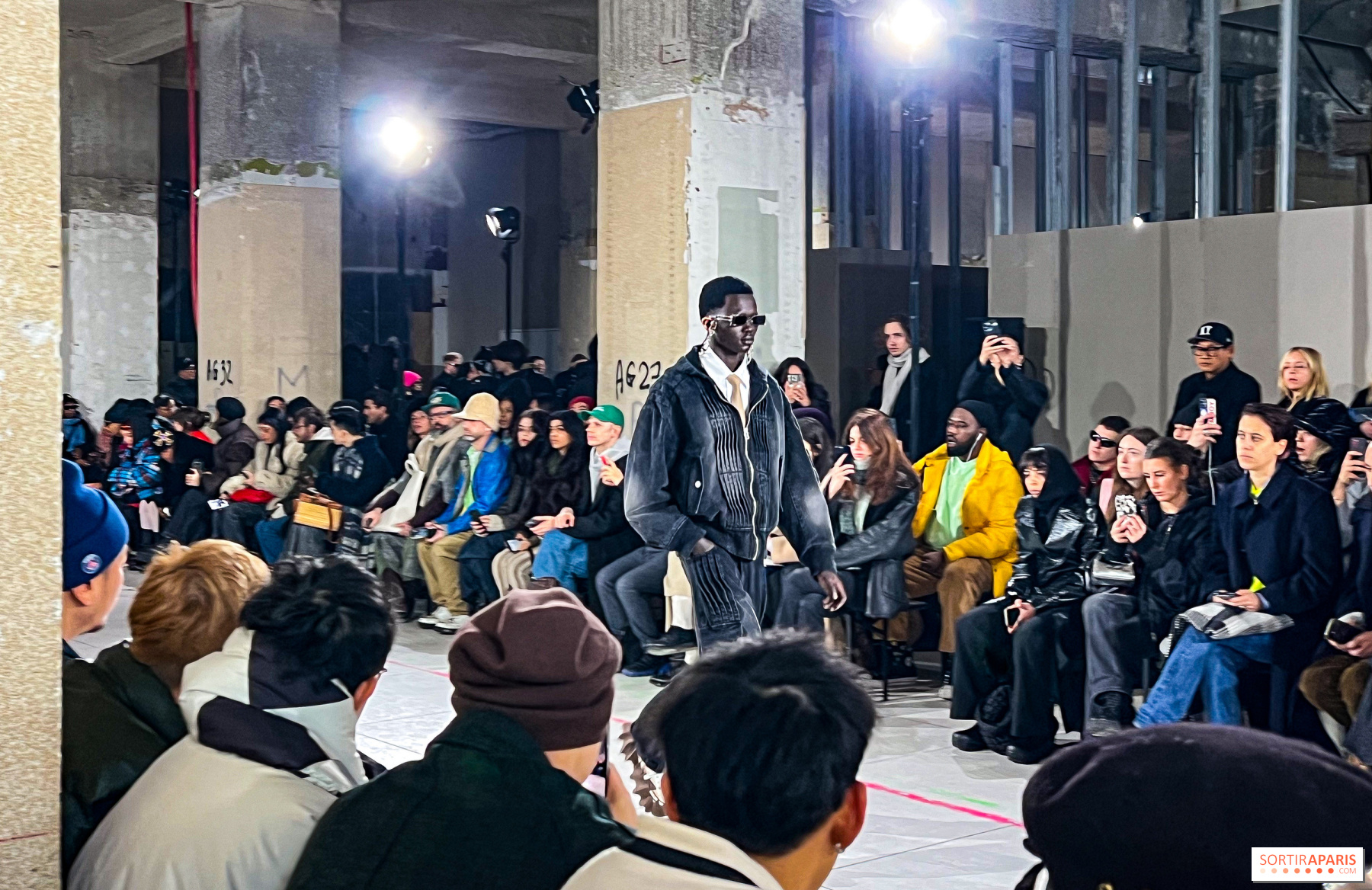
Tailoring dominated the week, but not in its traditional elegance-focused form. The tailoring language of this season was strategic, defensive, and spatial.
Designers presented:
- Broad shoulders
- Heavy structured coats
- Longline silhouettes
- Layered tailoring systems
- Reinforced outerwear
These were not aesthetic gestures. They were symbolic forms. Clothing became a visual architecture of control, projecting stability and hierarchy.
At Louis Vuitton, Pharrell Williams presented a collection grounded in structured elegance and functional luxury. The silhouettes balanced relaxed tailoring with utilitarian layering, reinforcing the idea that modern luxury now requires utility credibility, not just craftsmanship. The garments were wearable, disciplined, and socially legible, designed for relevance rather than runway fantasy.
At Dior, under Jonathan Anderson, tailoring took on a more intellectual form, with restrained silhouettes, architectural proportions, and a focus on materials rather than decoration. The collection treated clothing as form and structure, not expression or trend.
AMI Paris reinforced everyday authority with accessible tailoring, disciplined silhouettes, and urban realism. The garments communicated status without spectacle, aligning with the season’s wider design logic.
Functional Luxury and the Rise of Protective Design
Another dominant theme was protection-based design. Outerwear became heavier, longer, and more armoured, with structural elements. Materials were dense. Layers were deliberate. Garments felt engineered rather than styled.
This was especially visible in the collections of:
- Rick Owens, whose work translates protection into avant-garde architecture
- Yohji Yamamoto, where volume, layering, and shadowed silhouettes expressed psychological distance and emotional restraint
Across brands, fashion moved away from visual openness and toward containment and enclosure of long coats, high collars, layered torsos, and enveloping silhouettes.
This reflects a broader cultural shift:
Menswear is responding to uncertainty, instability, and global pressure by designing garments that symbolically and physically shield the body.
Luxury is no longer about exposure.
It is about control, security, and insulation.
Material Intelligence Over Decoration
Decoration was largely absent this season. Instead, focus shifted to:
- Fabric quality
- Weight
- Texture
- Construction
- Structure
- Form
The collections were material-driven rather than pattern-driven. Designers allowed fabric engineering to convey visual meaning rather than relying on prints, embellishment, or surface design.
The development marks a clear move toward a quiet, authoritative fashion that signals status through build quality rather than ornamentation.
Luxury branding this season became more coded than visible.
READ ALSO:
- Paris Fashion Week 2026: Dates Revealed and Collections to Watch
- Quiet Luxury: What Subtle Dressing Really Says About Status
Presentation Culture: Performance to Positioning
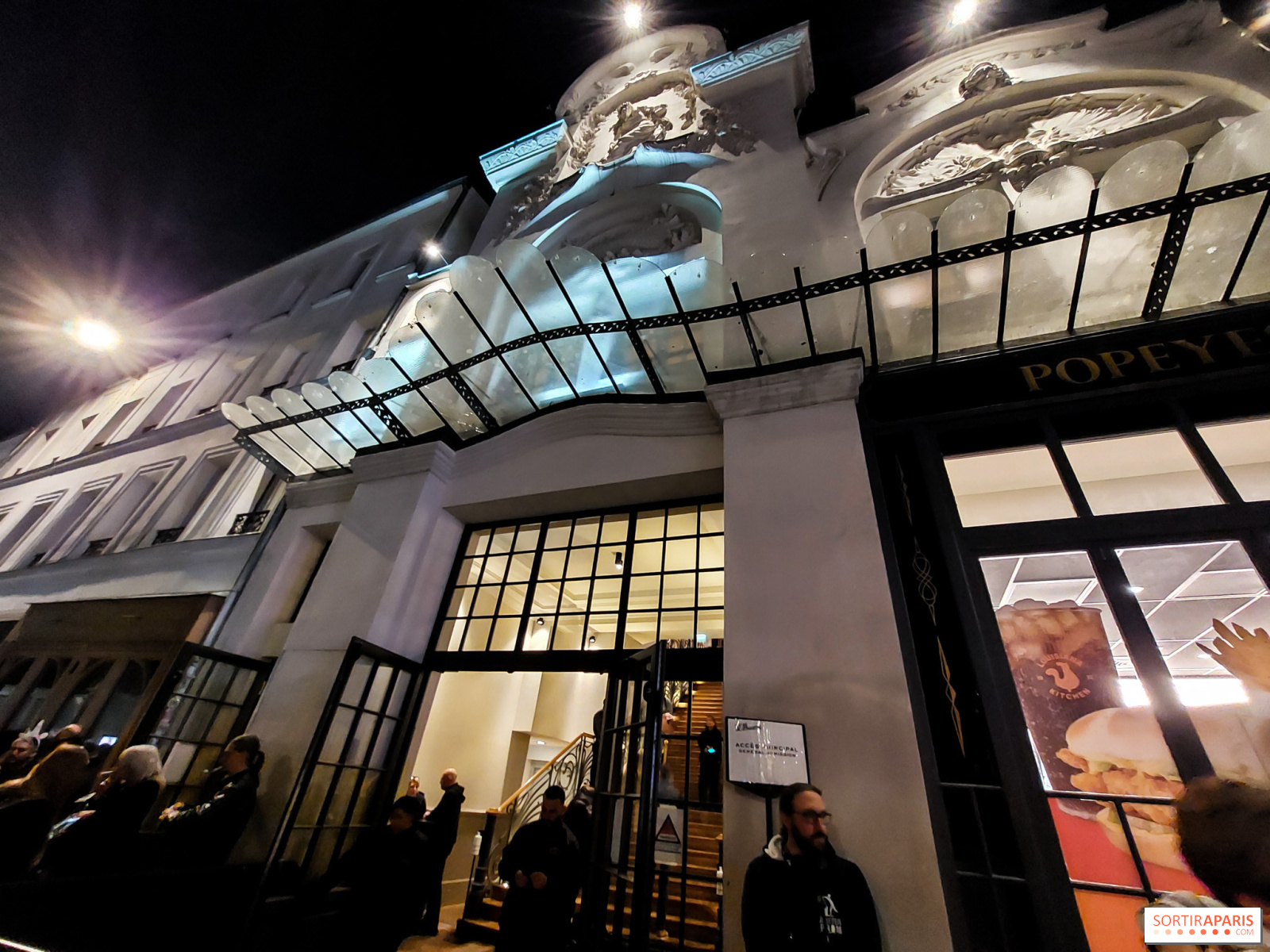
Paris Fashion Week 2026 also marked a shift in show culture.
Runways became:
- Controlled
- Minimal
- Disciplined
- Spatially structured
- Intellectually framed
Shows were no longer entertainment platforms. They were strategic, institutional, and ideological brand statements.
Fashion houses are no longer using the runway to shock audiences.
They are using it to define identity systems.
This reflects a market reality: luxury brands are repositioning themselves as cultural institutions rather than just creative labels.
Cultural Meaning of the Season
This season reveals a more profound transformation globally:
Menswear is becoming:
- More institutional
- More architectural
- More controlled
- More symbolic
- More system-oriented
Clothing is no longer framed as individuality.
It is framed as a social structure.
Paris Fashion Week 2026 presented fashion as:
- Identity system
- Power language
- Social architecture
- Cultural positioning tool
Not style.
Not a trend.
Not a spectacle.
Why This Season Matters
Paris Fashion Week 2026 will be remembered not for viral moments but for directional clarity.
It signals that global menswear is entering a phase of:
- Structural seriousness
- Cultural responsibility
- Brand discipline
- Design intentionality
Fashion is no longer asking how to look captivating; it is asking how to be fascinating.
It is asking how to remain relevant, authoritative, and stable in a changing world.
This season, Paris positioned itself not as a stage for fantasy but as a centre for ideological fashion leadership.
See fashion’s biggest moments — explore Fashion Week Coverage on OmirenStyles.
FAQs
- What were the main menswear trends at Paris Fashion Week 2026?
The main trends at Paris Fashion Week 2026 included structured tailoring, heavy outerwear, functional luxury, protective silhouettes, disciplined layering, and material-driven design over decoration.
- How did Paris Fashion Week 2026 redefine modern menswear?
Paris Fashion Week 2026 redefined modern menswear by shifting focus from expressive fashion to structured design, authority-based silhouettes, functional garments, and socially positioned clothing systems.
- Which designers shaped the direction of menswear at Paris Fashion Week 2026?
Designers such as Louis Vuitton, Dior, AMI Paris, Rick Owens, and Yohji Yamamoto shaped the direction of menswear through controlled tailoring, architectural forms, and protection-based design concepts.
- What does ‘functional luxury’ mean in the Paris Fashion Week 2026 collections?
“Functional Luxury” at Paris Fashion Week 2026 refers to high-end fashion that prioritises utility, durability, structure, and real-world functionality while maintaining luxury craftsmanship and status symbolism.
- Why is Paris Fashion Week 2026 considered a turning point in menswear?
Paris Fashion Week 2026 is considered a turning point because it marks a move away from spectacle-driven fashion toward disciplined design, cultural positioning, and clothing as a system of identity and power.