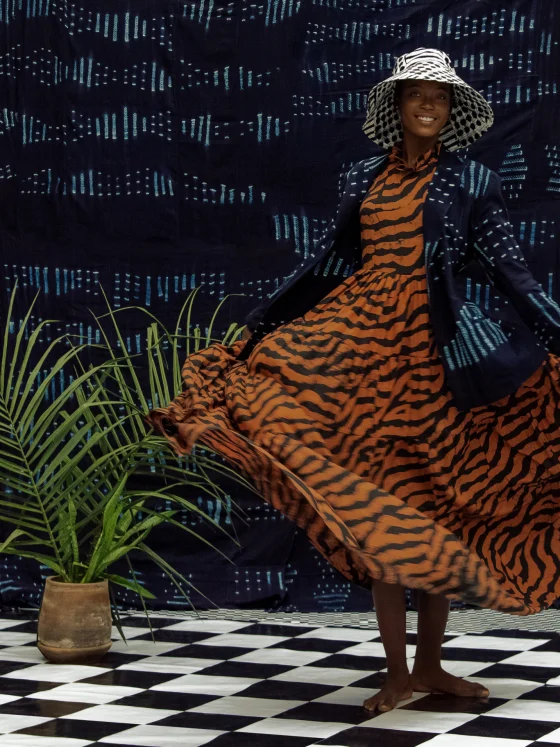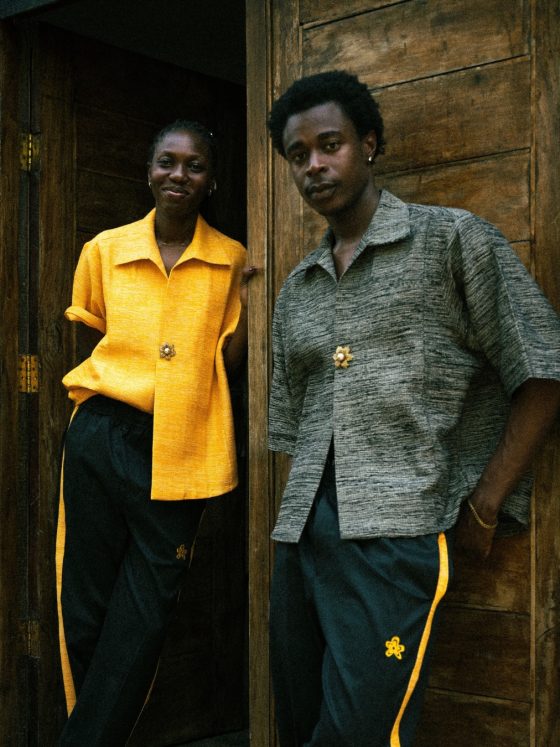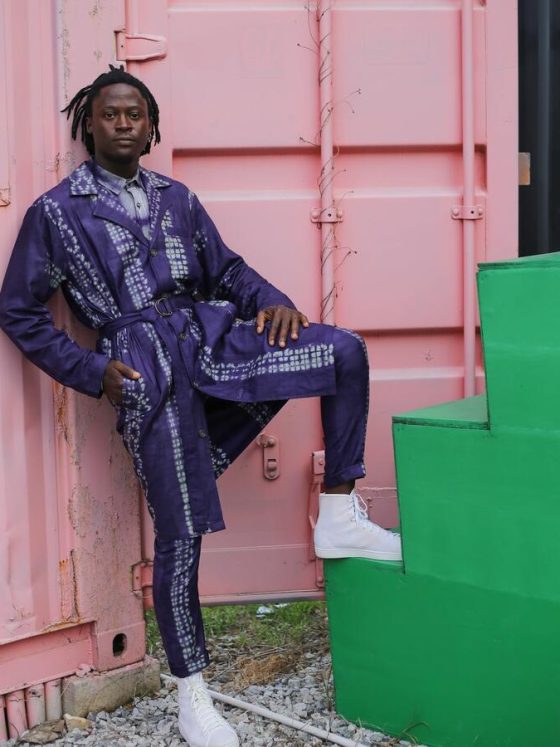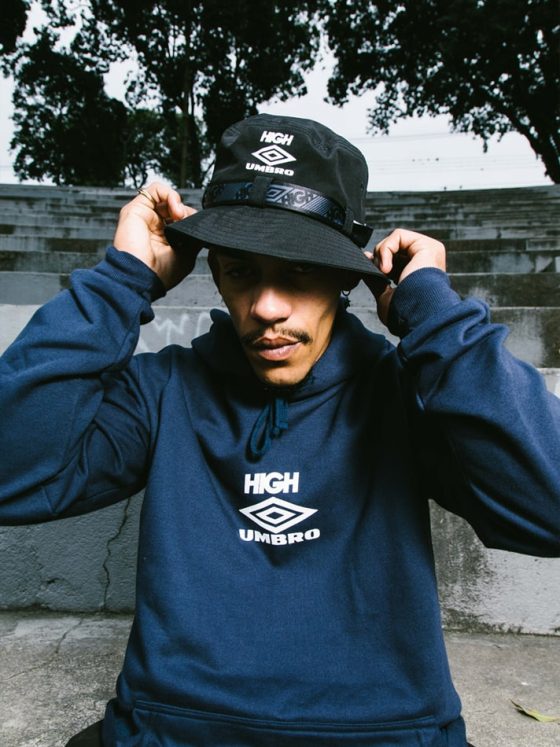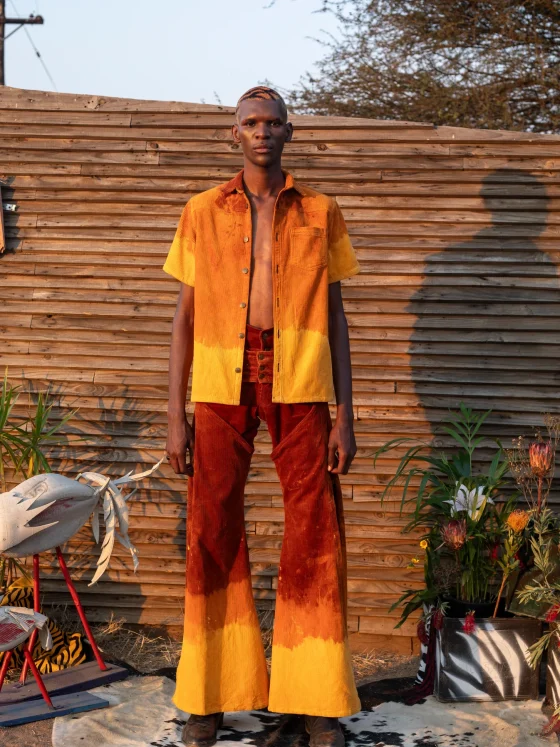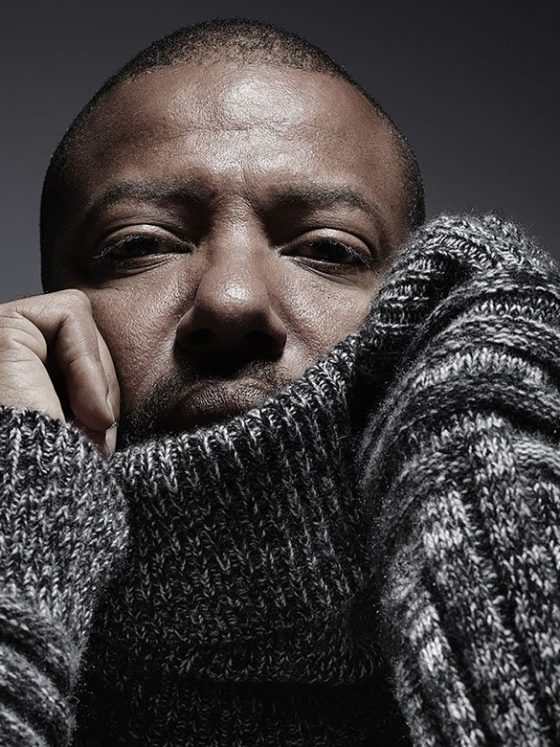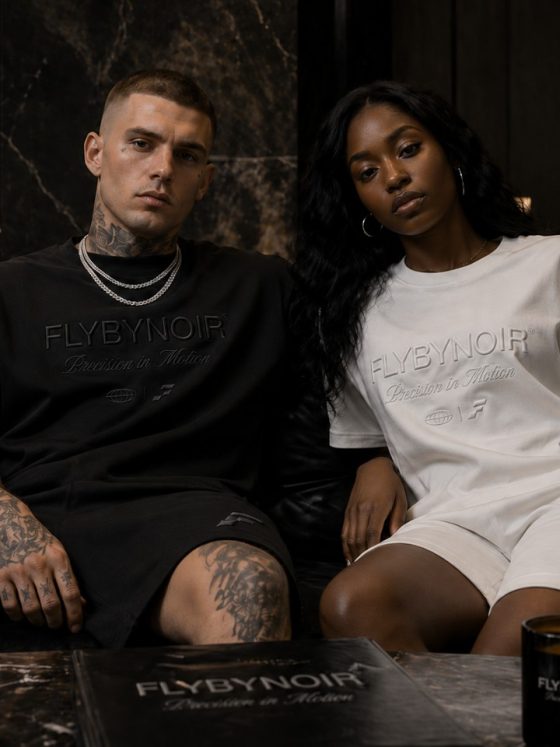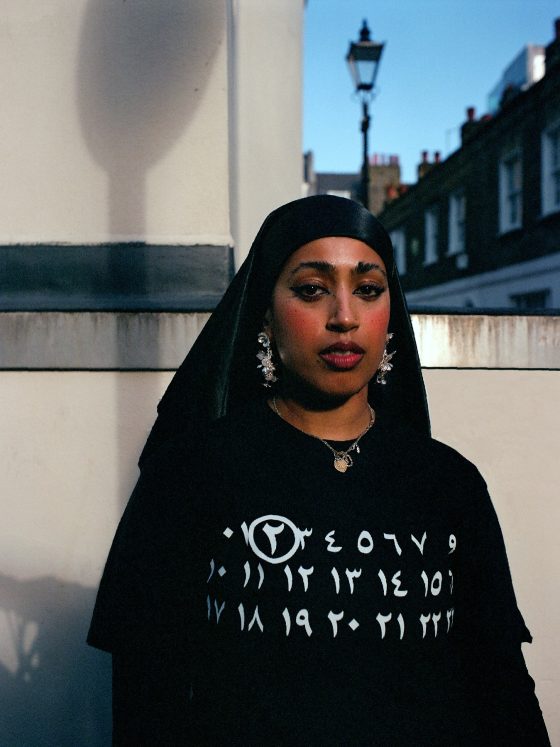
Free The Youth started by putting outfits together and photographing them before its members began printing their own T-shirts. PALMWINE IceCREAM’s debut took another route: Kusi Kubi worked with existing clothing, using reconstruction to turn pieces sourced in Ghana into a new collection. One story begins with the image of an outfit; the other begins with the material already in a garment. Those differences make a six-brand guide useful. Rather than looking for one Ghanaian streetwear aesthetic, we can ask what each label chooses to work on: a graphic, the volume of a trouser leg, the structure of a jacket or the message carried by a release. The six names below are an unranked selection, with founding details qualified where the sources describe different beginnings.
Discover six Ghanaian streetwear brands through their founders, clothes and early work, with website and social links for each label to explore.
1. Free The Youth: The Outfit Came Before the Product
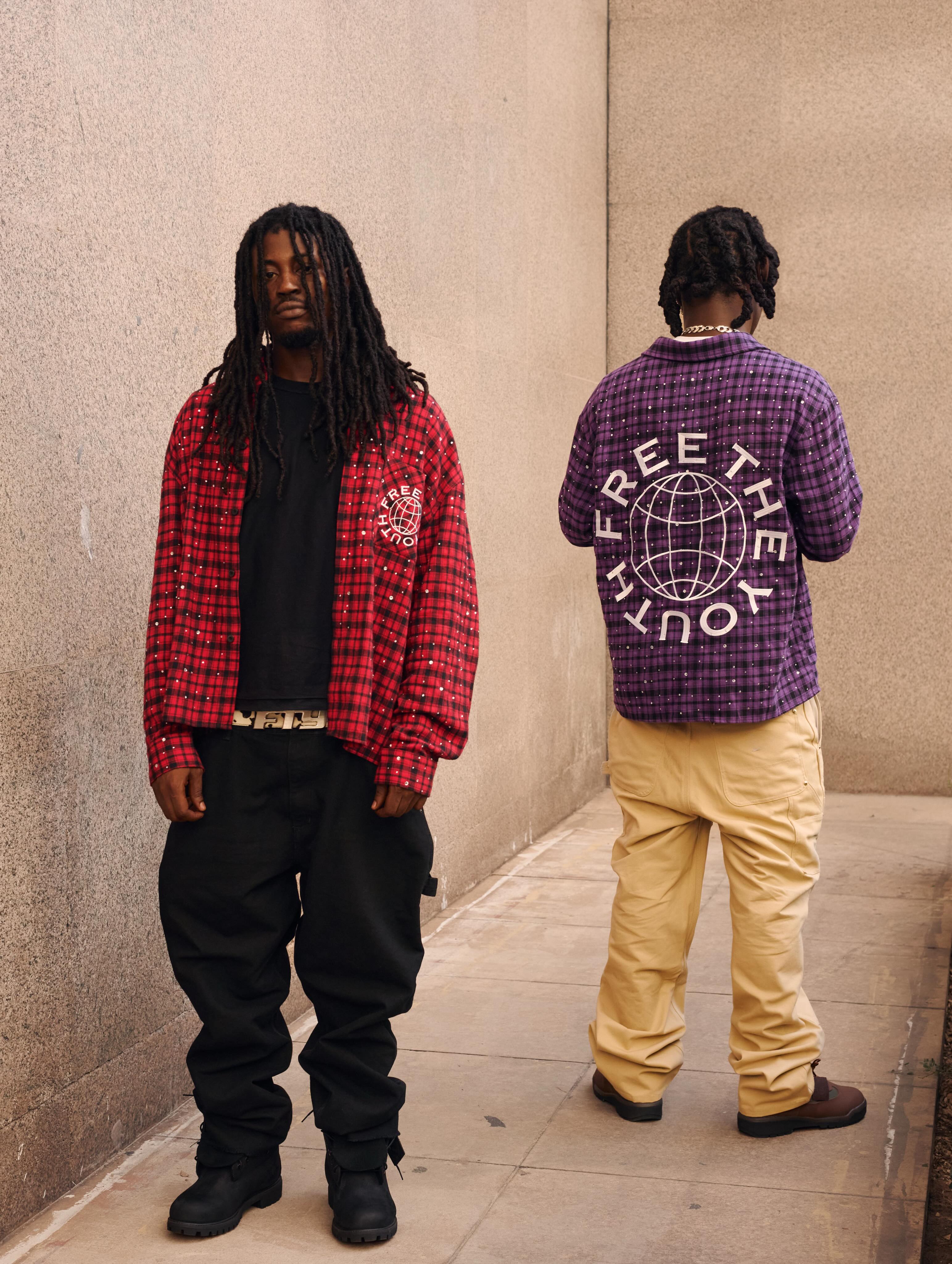
Founders: Jonathan Coffie, Kelly Foli, Winfred Mensah and Richard Kweku Ormano. Published accounts give different dates for the collective’s beginnings; distinguish its early creative activity from the clothing business rather than treating them as one launch.
The early Free The Youth story is about looking at clothes before making them. In a November 2026 interview, Kelly Foli describes thrift-market trips and outfit photographs. The group then began printing its name on tees. That transition matters: a photograph shows one person’s combination of pieces, while a printed T-shirt gives someone else a garment they can incorporate into their own outfit. The collective’s later graphics supplied more than a recognisable name. In a 2023 interview, its members discussed using cotton to express themselves. That gives readers a useful way into the clothes: look at what a particular graphic says, not simply at who has worn the label. The collective’s connection to Tema also belongs in the account, even when its subsequent activity is discussed through Accra.
Visit: Free The Youth website · Instagram: @freetheyouth_ghana.
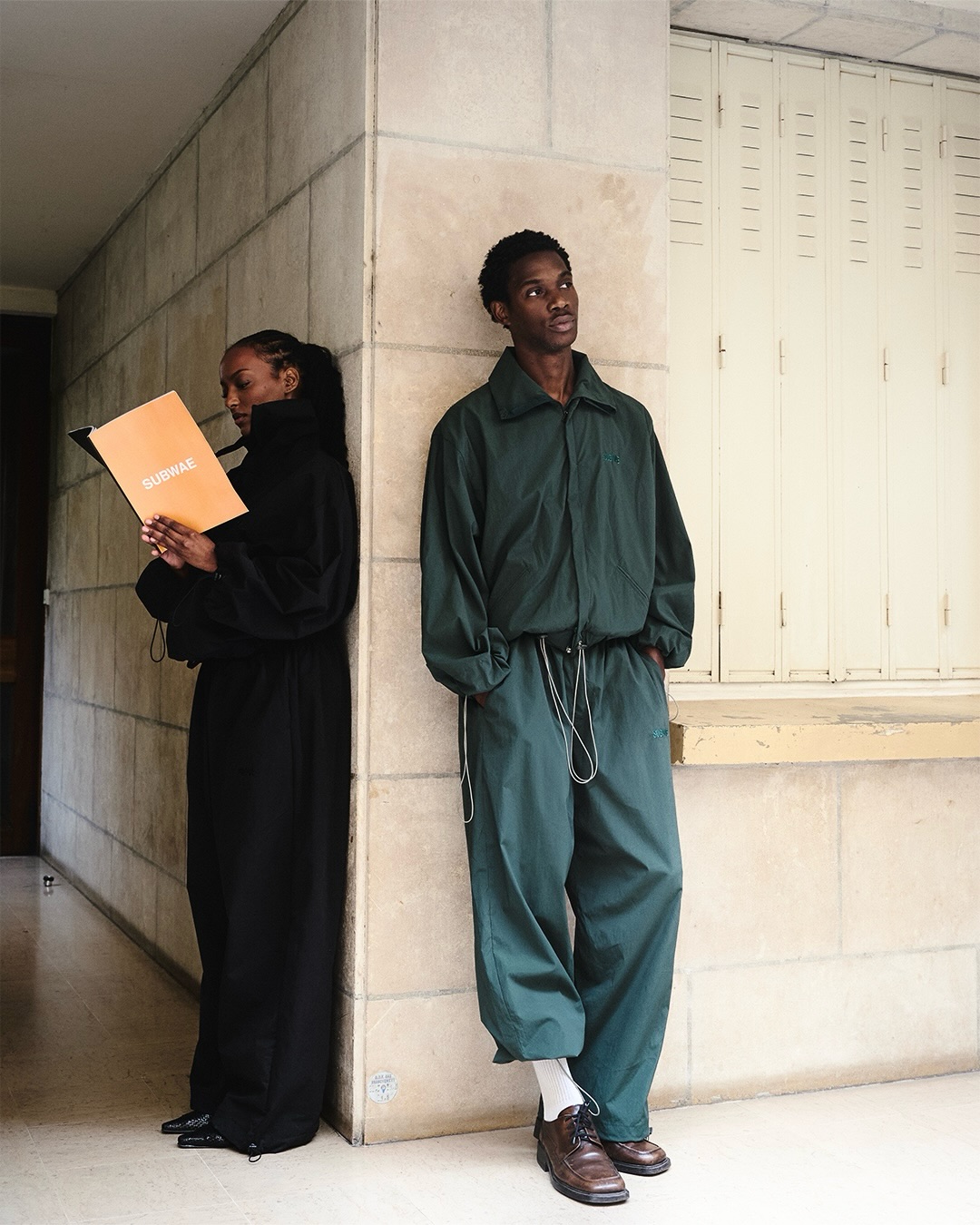
2. SUBWAE: Give the Silhouette Some Space
Founder: Christopher Akpo. SUBWAE dates its beginnings to 2018 in its official history.
SUBWAE describes architecture, art and Ghana’s landscape as influences. Those are broad subjects; the useful question is where they become visible in a piece of clothing. Its website’s Abossey-Okai Barrel Denim Pants give that investigation a specific starting point. Instead of using “architecture-inspired” as a complete explanation, begin with the trouser’s named silhouette and examine where the volume sits. This distinction matters because a biography and a garment do different work. Akpo’s account explains his interests. A product image and specification can show what those interests produce in cloth. Independent coverage also documents SUBWAE’s use of installations and exhibitions, suggesting that presenting the clothes is part of the practice, not an afterthought. Its own sustainability positioning should remain separate from any unverified claim about the sourcing or footprint of an individual piece.
Visit: SUBWAE website · Instagram: @subwaestudios.
3. Complex Department: Volume With Structure
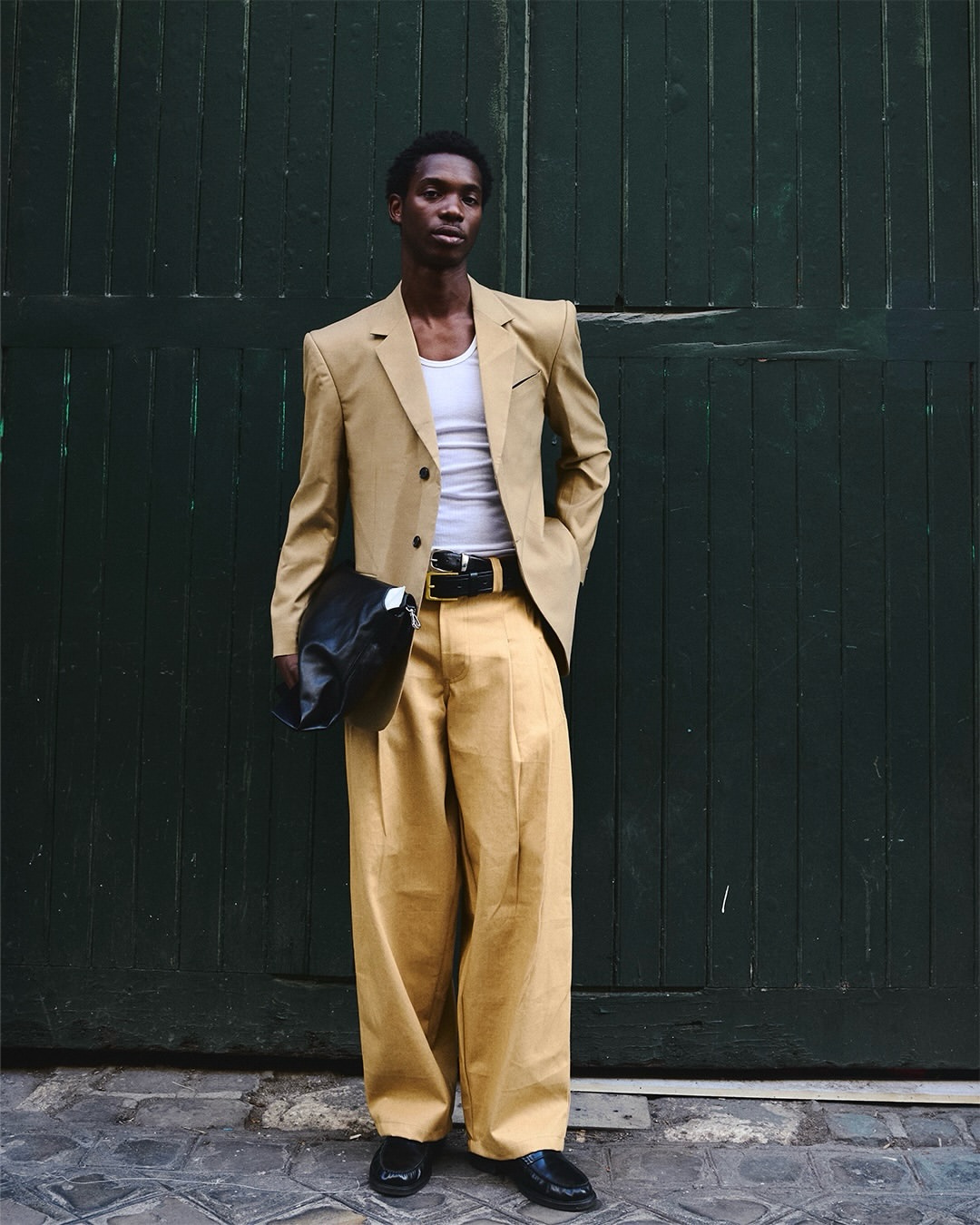
Founder: Davidson Atanko, whose professional profile dates his work with Complex Department to 2021. Published coverage also renders his name as Atanko Davidson.
The Complex Department is worth approaching through the relationship between relaxed proportions and tailoring. Ghanaian publication iMullar describes a range that combines oversized silhouettes, structured pieces, graphics and statement patterns. The point isn’t simply that a garment is large. It’s about how that volume is controlled and how the pieces are assembled into an outfit. The label’s own account introduces another layer. A 2025 post names The Renaissance Collection and describes a meeting between heritage silhouettes and modernity. A later caption frames one image of a man at home in his compound, dressed with intention. These are the brand’s interpretations, not self-evident meanings in the clothes. Read them alongside the actual outfit: a caption can explain the intended reference, but the cut and styling still have to make it convincing.
Visit: Complex Department website, as linked by the brand · Instagram: @complexdepartment.
4. Tribe of God: Faith Is Part of the Brief
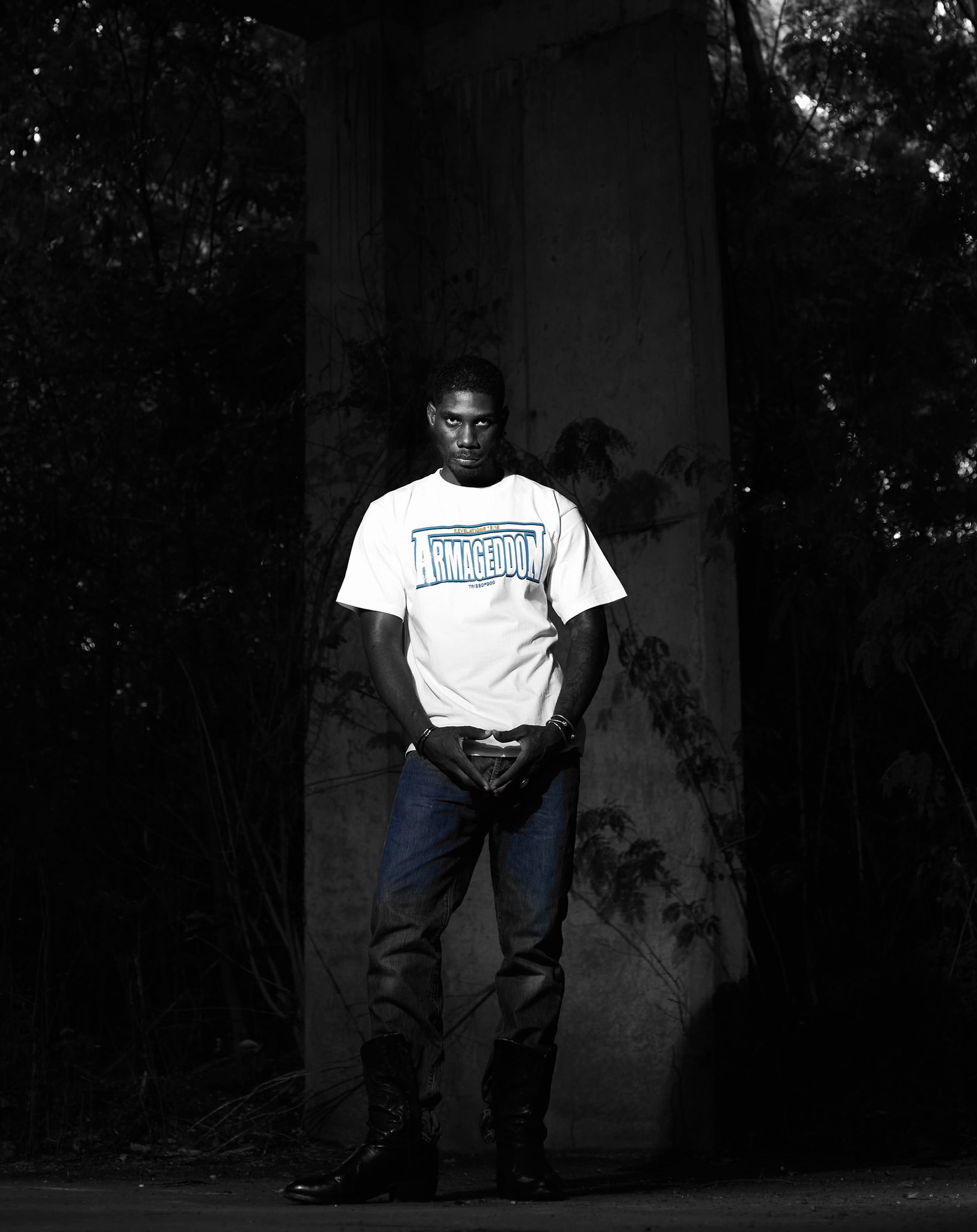
Co-founder: Jude Dontoh, who names Emmanuel Sam-Amoah and George Malm among the people he developed the brand with. Its official website gives 2013 as the founding year.
Tribe of God offers a case where religious meaning does not have to be guessed from a symbol. Dontoh has explicitly connected the label to his Christian faith. In a 2021 interview, he described reworking an earlier streetwear idea to make that connection more direct. Later coverage discusses biblical and church references within his design practice. That stated intention supplies context, but it should not replace looking at the clothes. A phrase across a tee, an image within a graphic, and a collection title communicate in different ways. The most revealing entry point is a release whose reference doesn’t need explaining, followed by attention to placement and scale. His faith can explain why he chose a subject, but it doesn’t explain what every customer believes or why they wear the piece.
Visit: Tribe of God website · X: @TRIBEOFGOD. The website currently displays an “Opening Soon” page rather than a full shop.
5. PALMWINE IceCREAM: Start With What Already Exists
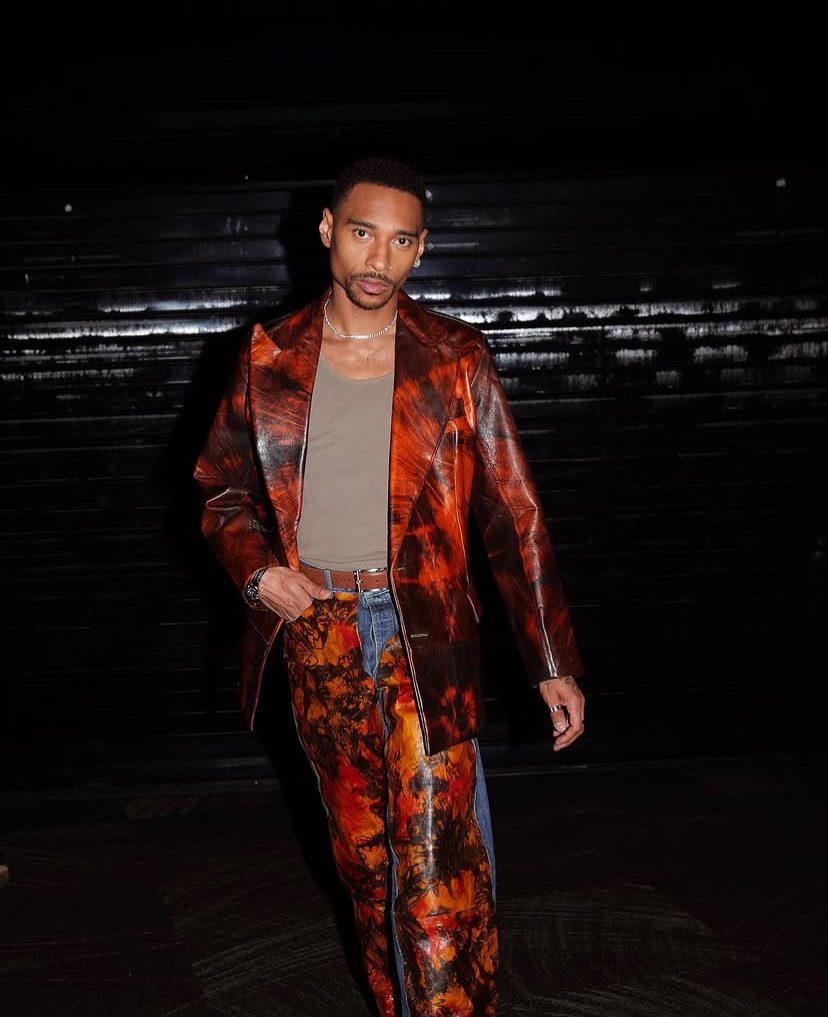
Founder: Kusi Kubi. Its development is associated with a 2018 return to Ghana; Nataal introduced the debut collection, Borga, in January 2020, ahead of its launch. Those are distinct milestones rather than interchangeable founding dates.
PALMWINE IceCREAM expands the selection beyond a streetwear definition centred on printed tees. For the debut, Kubi worked with vintage clothing and local tailors, reconstructing pieces to create new ones. Kantamanto Market is part of the documented sourcing story. The existing garment was therefore not simply a reference image: it provided material that the next design had to work with. That gives readers a precise question to ask of a piece: what survived the reconstruction? A pocket, fastening, panel, or trace of a former silhouette could help explain the process, but each needs verification for the garment in question. The label’s use of existing and deadstock materials is documented in its published accounts. A quantified environmental saving is a different claim and requires more than the fact that a garment was reworked.
Visit: PALMWINE IceCREAM · Instagram: @palmwine_icecream.
6. FAMÖUS: An Origin, Not a Required Aesthetic
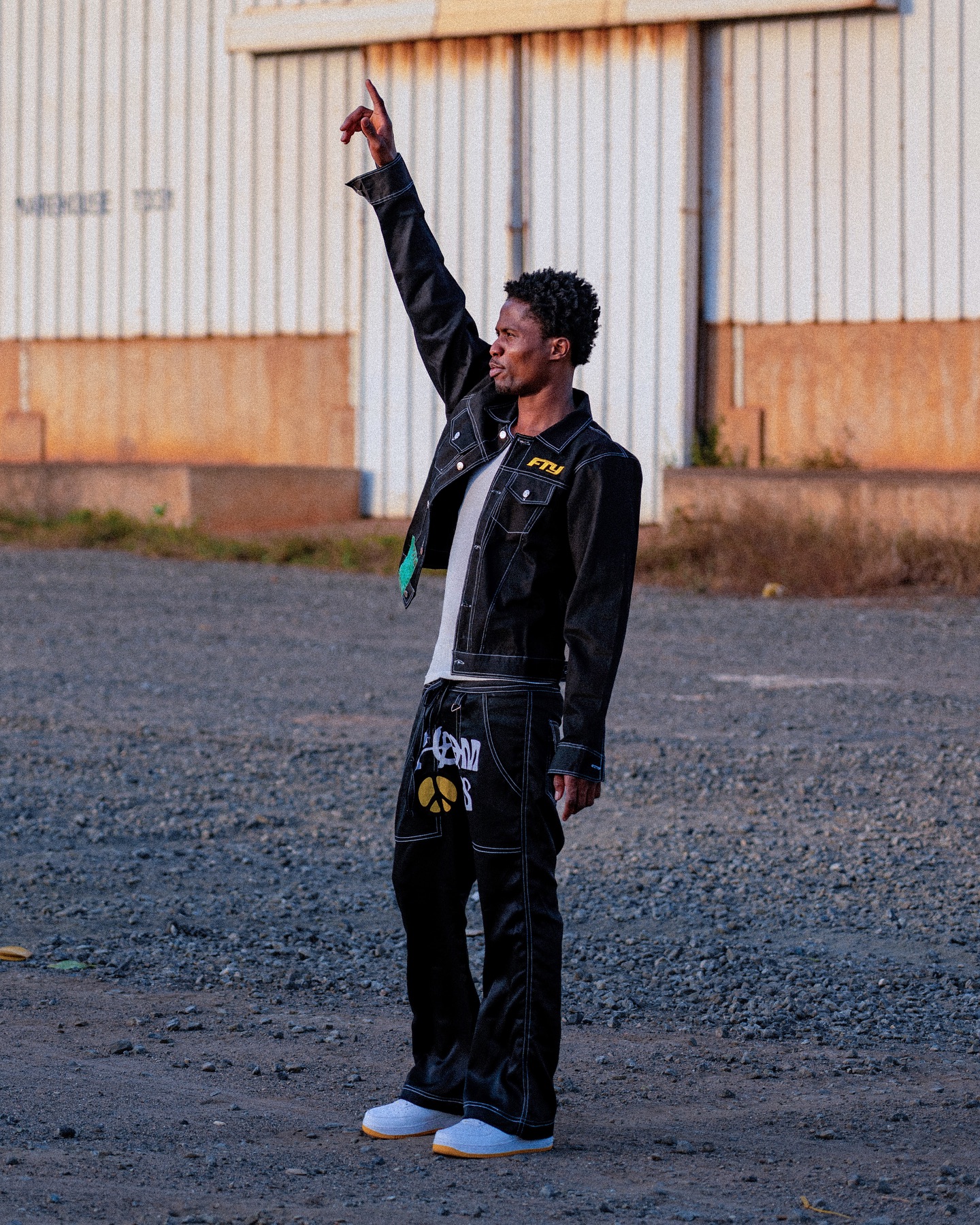
Founder: Miles Taylor. In a July 2026 interview, he identifies 2018 as the point when FAMÖUS was an idea in Accra, not as a clearly documented first commercial release.
Taylor describes the label through clean silhouettes, limited releases and a “Zero to Hero” outlook. Those are statements of intent. They should not automatically become independent claims about quality, exclusivity or commercial standing. More revealing is his distinction between Ghana as the brand’s origin and Ghana as an aesthetic it is expected to perform. That distinction belongs in a streetwear guide because it resists the demand that every Ghanaian label look recognisably national in the same way. A founder can work from Accra without using the same set of cultural signals as neighbouring brands. Taylor also credits his team with bringing the designs into production. The next step in reading FAMÖUS closely is a specific release: examine how the typography, cut and image carry the identity he describes, rather than treating the brand statement as the finished analysis.
Visit: FAMÖUS website · Instagram: @famous0nlinee. Both links are supplied in Taylor’s published interview.
The Omiren Argument
The most useful connection between these labels is not a shared look. It is that each offers a different place to begin reading the clothes. Free The Youth’s early tee asks what happens when an outfit photograph becomes a product. SUBWAE directs attention towards silhouette. Tribe of God provides a stated reference to follow into a graphic, while PALMWINE IceCREAM asks what can be made from a garment that already exists.
Putting the six together should make those differences clearer, not flatten them. “Ghanaian” tells us something important about their origins and perspectives. It doesn’t complete the description of what any one of them makes. That part requires the garment, the person responsible for it and a close look at the decisions between an idea and a release.
Also Read:
- The New Ghanaian Fashion Designers Redefining African Luxury From Accra
- Monrovia Streetwear: How Liberian Youth Built an Urban Fashion Culture
- Nigeria’s Streetwear Revolution: Culture, Craft & Afrofuturism
- Lagos vs Accra: Two Cities, Two Dress Philosophies, One Contested Crown
Frequently Asked Questions
Are these the six biggest streetwear brands in Ghana?
This is an unranked editorial selection, not a sales or popularity ranking. The brands are included to show different approaches to graphics, silhouette, identity and reconstruction. The selection covers Free The Youth, SUBWAE, Complex Department, Tribe of God, PALMWINE IceCREAM and FAMÖUS, and each profile includes founding details where sources differ.
Do all six brands operate from the same starting point?
No. Their published histories describe different beginnings, from outfit photography and printed tees at Free The Youth to reconstructed clothing at PALMWINE IceCREAM. Founder statements also distinguish an initial idea from a later product launch. Published accounts also give different dates for the Free The Youth collective’s beginnings, which the article separates from the start of its clothing business.
Are all six sustainable fashion brands?
This article does not make that claim. SUBWAE and PALMWINE IceCREAM publish sustainability-related positions, but those should be separated from verified sourcing details or measured environmental outcomes for particular garments. The article keeps each label’s own sustainability positioning separate from any claim about the sourcing or footprint of an individual piece.
Can I shop every brand through the links?
The links are starting points for exploring the labels, not a guarantee of current stock, delivery destinations or checkout availability. Tribe of God’s website currently displays an “Opening Soon” notice; check each brand’s own information before ordering. Each profile ends with its own website and social links, and the article does not tell readers which brand ships where.