In the early hours of 2 January 2025, fire moved through Kantamanto Market in Accra. By the time it was contained, 9,000 stalls had been destroyed, two people had lost their lives, and over 10,000 people had lost their livelihoods. The Or Foundation, which has worked inside the market for fifteen years, committed one million US dollars to emergency relief within twenty-four hours. The fashion industry, whose waste had been sustaining Kantamanto for decades, offered considerably less.
What the fire revealed about Kantamanto was not new information. The market receives an estimated 15 million secondhand garments from the Global North every week. It recirculates 25 million pieces every month through resale, repair, reuse, and upcycling, according to The Or Foundation’s documented figures. Over 30,000 people earn their livelihoods within it. What the fire forced into view was how much creative intelligence had been quietly built inside those stalls, and how little of that intelligence the formal fashion industry had ever formally acknowledged.
Kantamanto is West Africa’s largest secondhand clothing market and, by any serious measure, one of the continent’s most productive design schools. It has never issued a diploma. It has shaped a generation of Accra’s most inventive designers and stylists anyway.
Kantamanto is not just a secondhand market. It is where Ghana’s most inventive designers were trained by necessity. Omiren Styles documents the school that the industry never built.
How Kantamanto Market Became Fashion’s Most Unlikely Curriculum
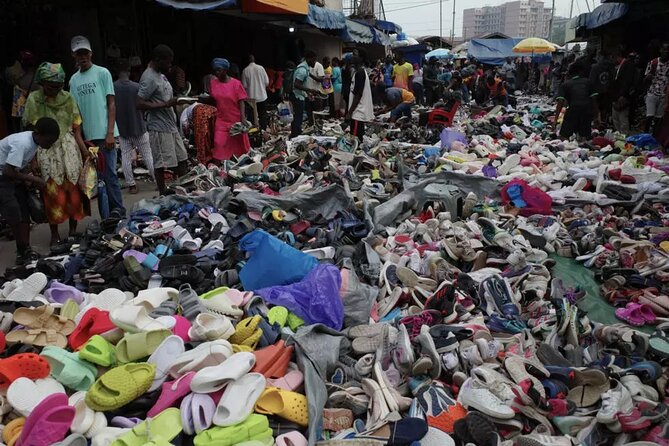
The market’s origins as a design education system were entirely accidental. When Ghana began importing secondhand clothing from Western countries in the mid-twentieth century, the purpose was economic: new clothing was expensive, and imported secondhand garments made dress accessible to a wide population. What no one planned was that the market would, over decades, become one of the most densely sourced collections of global fabric, cut, and construction knowledge on the continent. As Dazed documented, designers and stylists in Accra who lacked access to European or American retail nevertheless developed deep literacy globally through the market: learning garment construction by examining what arrived in the bales, understanding fabric quality by handling it daily, and developing an eye for proportion, silhouette, and detail through constant exposure to the full breadth of what the Global North discards.
Adom Gee, founder of Adom Gee The Brand, makes the trip to Kantamanto at least three times a week. He relies on the market not only as a source of fabric but also as a creative trigger. His own description of the practice is precise: walking through Kantamanto inspires him to create more. He knows the market’s geography intimately, understands which sections hold which categories of garments, and still acknowledges that you never know what you will find. That unpredictability is pedagogical. It forces creative decisions to be made under material constraints, where the most interesting design intelligence tends to develop.
Richard Asante founded Alpha Costume, a streetwear brand, from the same market ecosystem. Kelly Morgan, one of Accra’s most respected fashion stylists, traces her practice directly to Kantamanto. Both are among the creatives documented as having been directly shaped by the market’s January 2025 fire, not only economically but creatively, because the market was not just where they sourced material. It was where they learned to see.
What Kantamanto Graduates Produce and Where It Shows on the Street
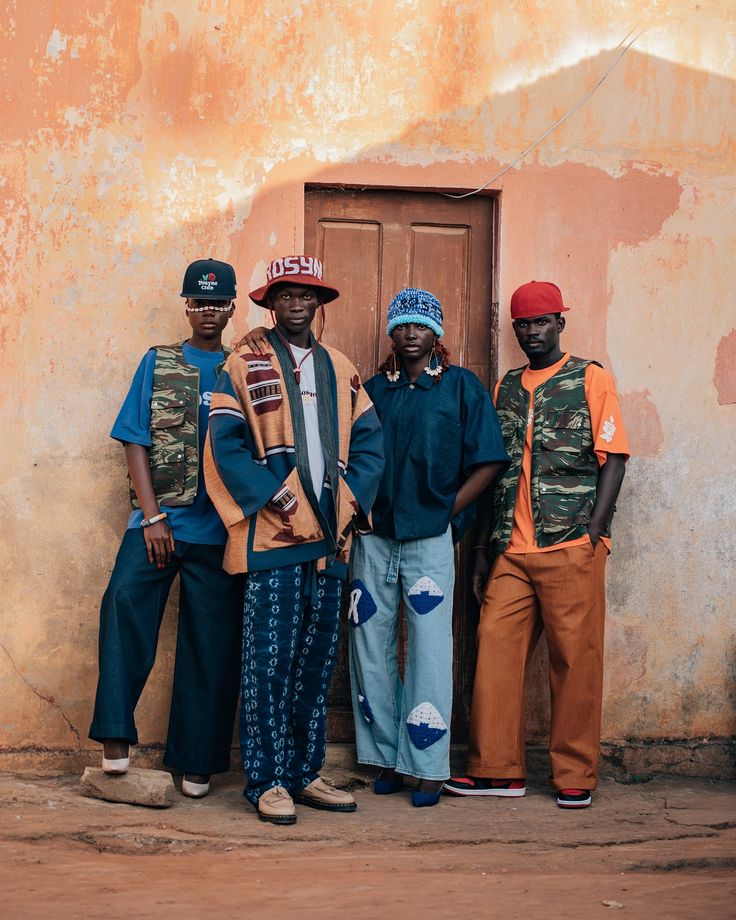
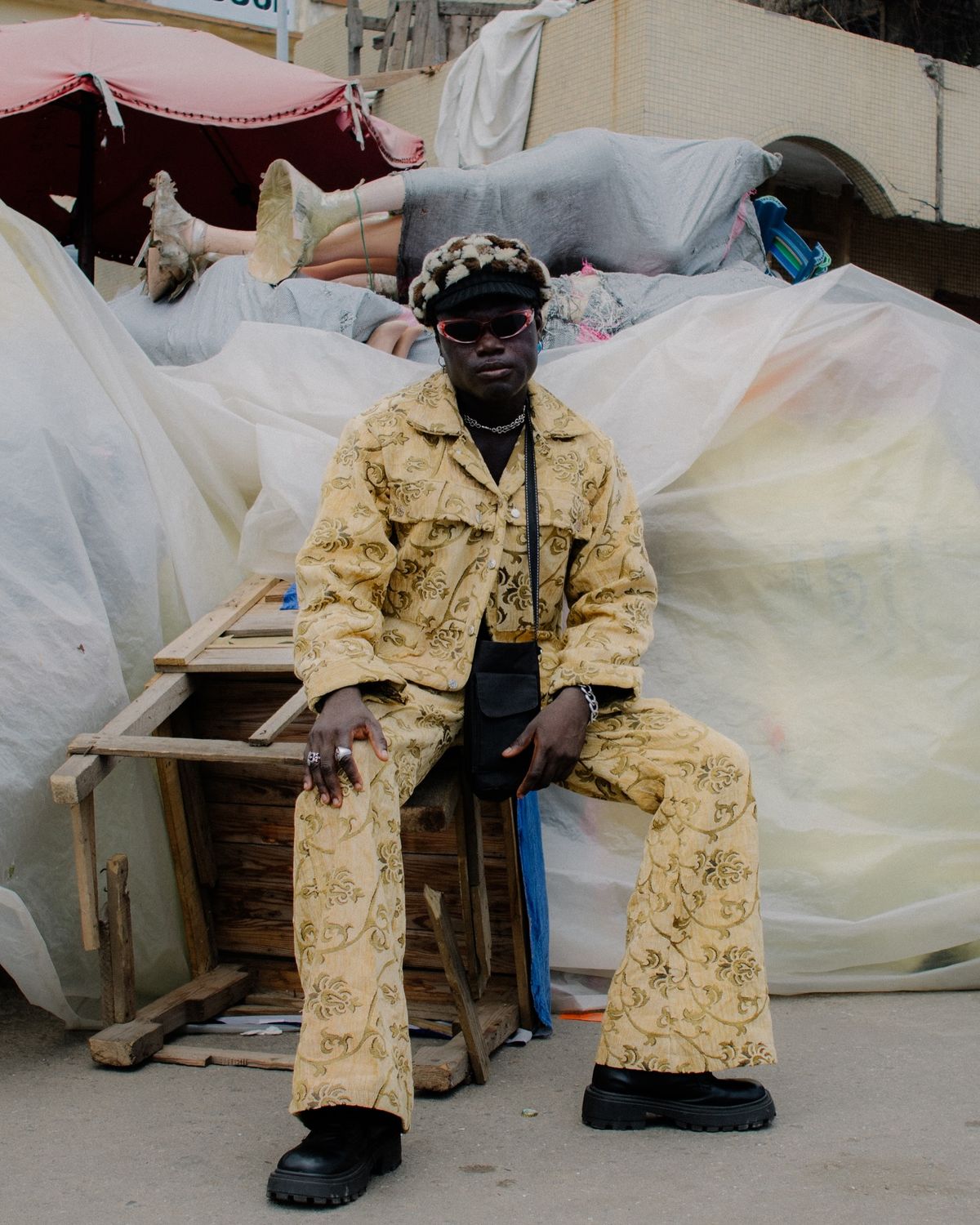
The design intelligence that Kantamanto produces is visible on Accra’s streets in a specific way. It is characterised by what might be called the upcycled-precise aesthetic: garments that combine found materials with deliberate construction decisions, where the interest comes not from expensive fabric or heritage textile but from what the maker chose to do with what was available. This is not the Accra street style that fashion week platforms and international press tend to focus on. It is not Kente referencing or BOYEDOE-style handweaving. It is something more urban, more contingent, and, in certain respects, more technically demanding because working with found materials requires solving construction problems that working with new fabric does not.
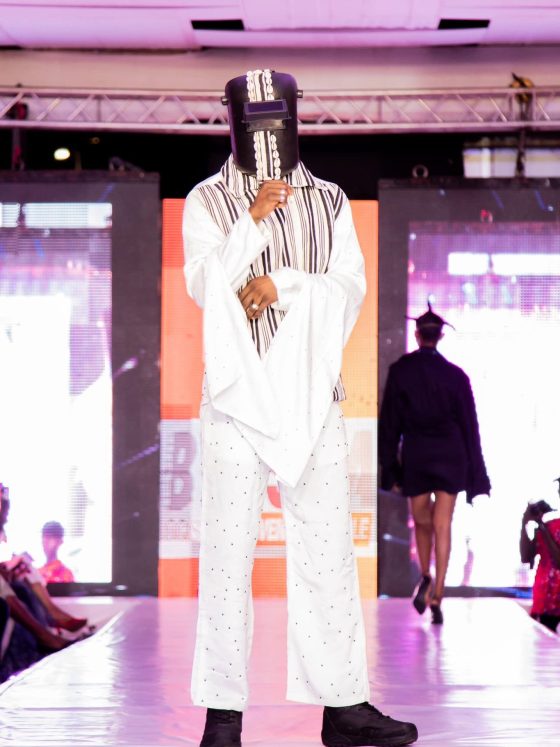
The Obroni Wawu October festival, organised annually since 2022 by The Or Foundation, is where this aesthetic is formally celebrated. The festival combines upcycled runway shows, pop-up thrift shops, and sewing contests into a cultural event that treats the market’s creative output with the same presentation format as any other fashion week. The name comes directly from the Ghanaian term for secondhand imported clothing: Obroni Wawu, meaning dead white man’s clothes. The festival reclaims the term as a site of creative authority rather than economic limitation. The Revival, founded by Yayra Agbofah, is the most internationally recognised organisation working from this creative tradition. The brand’s upcycling practice earned Agbofah the 2025 H&M Foundation Global Change Award, which came with a 200,000 Euro grant. The Revival supplies the V&A in London and is expanding into concept stores in Amsterdam, Paris, and Tokyo. It is building a women-run recycling research lab in the market that will create 80 jobs. All of this is built from Kantamanto’s waste stream.
Kantamanto did not produce designers as a side effect. It produced designers as its primary function, whether the fashion industry acknowledged that or not.
The Fire, the Rebuild, and What the Industry Owes
The January 2025 fire was the most severe in a pattern. The market has experienced at least four devastating fires in the last fifteen years. The Or Foundation’s post-fire documentation confirmed that over 33,000 square metres of stalls and structures were destroyed in the 2025 event. Six months later, the market structure had been rebuilt, with improvements including access to electricity for all stallholders, new fire lanes, and a unified security force. One thousand fire extinguishers were purchased and installed. A new traders’ association was established. The community’s recovery was faster and more organised than external observers expected, partly a function of The Or Foundation’s fifteen years of embedded presence and partly of the market community’s own organisational capacity.
The fashion industry’s response was disproportionate to its responsibility. Kantamanto exists because fast fashion brands in the US, Canada, Europe, and beyond produce volumes of garments that cannot be absorbed by their domestic markets and are exported as secondhand clothing to Ghana and other West African countries. The Or Foundation removes ten tonnes of clothing waste from Accra’s beaches every single week. The market absorbs what the industry produces and cannot sell. When the market burned, the brands whose output sustains it did not respond at scale commensurate with that relationship.
The tension between the OR Foundation’s advocacy role and the Ghana Used Clothing Dealers Association is worth noting. In April 2025, GUCDA held protests against what they described as the OR Foundation’s attempts to portray Ghana as a global dumping ground for textile waste. The traders whose livelihoods depend on the secondhand import trade have a legitimate commercial interest in that trade continuing, and their relationship with the NGO that advocates for its regulation is genuinely complex. The Omiren Styles position is that both can be true: Kantamanto’s traders have built something extraordinary from an unjust system, and the system that produces the waste they process remains unjust and requires reform.
Also Read:
- Lagos vs Accra: Two Cities, Two Dress Philosophies, One Contested Crown
- Accra Fashion Week: How Ghana’s Capital Is Building a Fashion Identity on Its Own Terms
- Five Kente Styles Fante Women Wear and the Living Grammar Behind Each One
- Kigali’s Quiet Dress Revolution: How Rwanda’s Capital Built a Fashion Identity Without Noise
What the Street Shows and What Kantamanto Keeps Producing
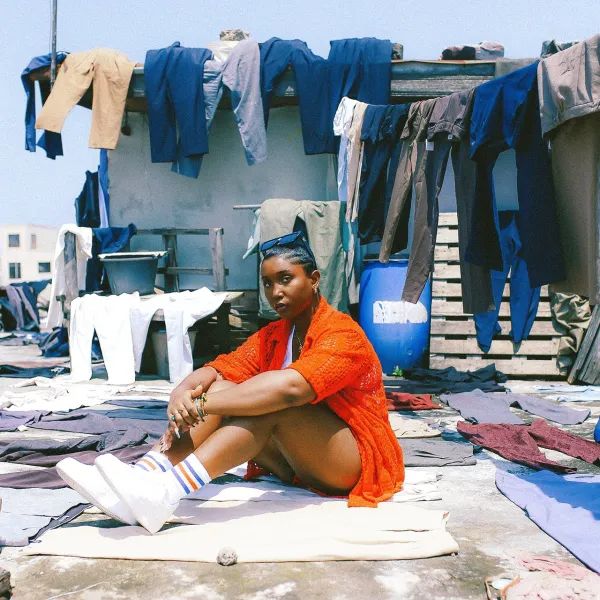
By mid-2025, with the market rebuilt and operations resumed, the creative ecosystem Kantamanto sustains had returned. The bale-sorting that happens in the market’s early morning hours, when the earliest buyers have their pick of newly arrived stock, continued as before. The kayayei, the women head-porters who move bales through the market and whose labour is the physical infrastructure of the whole system, returned to work. The designers and stylists who rely on the market as a primary source of materials resumed their weekly or twice-weekly visits.
KUORO EARTH, an upcycling brand run by Latifa, Rahama, Zuwera, and Fatima, uses secondhand textiles from Kantamanto to design everyday products. Their practice represents the clearest articulation of what the market produces at its most intentional: not repurposed waste but genuinely designed objects whose material history is part of the creative argument. When Latifa spoke at the Global Fashion Summit in Copenhagen in 2025, she was representing a creative tradition with a thirty-year documented history in Accra that most of the summit’s other attendees had never engaged with on its own terms. As Lagos vs Accra: Two Cities, Two Dress Philosophies argues, Accra’s fashion identity is built on cultural specificity and depth of craft. Kantamanto is one of the primary places where that craft depth was developed, tested, and refined.
The street style that Kantamanto graduates produce is neither static nor limited to upcycled pieces. What the market training produces is an eye: an ability to read garments, identify quality, understand construction, and make creative decisions under material constraints. That eye then operates across every context the designer or stylist works in, whether they are sourcing from the market or working with new fabric from Accra’s textile vendors. The market is a school. Its graduates are everywhere on the city’s streets, and most of them are not wearing labels that announce where they trained.
The Omiren Argument
The formal fashion industry has a consistent failure mode: it recognises creative output while ignoring or extracting from the conditions that produced it. Kantamanto is the clearest example of this failure on the continent. The market receives the Global North’s fashion waste, processes it through a community of 30,000 people whose labour is poorly compensated and whose infrastructure is chronically underfunded, and produces from that waste a creative ecosystem that has trained some of Accra’s most inventive designers, generated internationally recognised upcycling brands, and built a dress culture that the city’s formal fashion platforms are only beginning to acknowledge formally. The January 2025 fire exposed the gap between how much the industry extracts from Kantamanto, by dumping its waste there, and how little it invests in return.
The argument Omiren Styles is making is not primarily about sustainability or circular fashion, though both are relevant. It is about educational infrastructure. Kantamanto has functioned as a design school for thirty years without being recognised as one, without receiving the investment that formal design schools receive, and without having its curriculum documented by the institutions that benefit most from its graduates’ work. The designers it has produced are dressing Accra’s streets. The brands that supplied its raw material are still producing at volumes that make the market necessary. The accounting between those two facts has not yet been done at the scale it requires.
Frequently Asked Questions
1. What is Kantamanto Market, and why is it significant to Ghanaian fashion?
Kantamanto is West Africa’s largest secondhand clothing market, located in Accra’s central business district. It receives an estimated 15 million secondhand garments from the Global North each week and recirculates 25 million pieces each month through resale, repair, reuse, and upcycling, according to The Or Foundation. Over 30,000 people earn their livelihoods within it. For Ghana’s fashion community, it serves as a primary source of materials, creative inspiration, and hands-on design education for designers and stylists who have built their practices by working with and within the market.
2. Who are the key designers and creatives shaped by Kantamanto?
Among the most documented are Adom Gee of Adom Gee The Brand, who visits the market at least three times weekly for material and creative input; Richard Asante, founder of streetwear brand Alpha Costume; Kelly Morgan, one of Accra’s leading fashion stylists; Yayra Agbofah, founder of The Revival, which won the 2025 H&M Foundation Global Change Award; and the founders of KUORO EARTH, an upcycling brand that presented at the Global Fashion Summit in Copenhagen in 2025. The Kejetia Boys creative collective in Kumasi operates from a parallel market ecosystem.
3. What happened to Kantamanto in the January 2025 fire?
On 2 January 2025, fire destroyed approximately 9,000 stalls and over 33,000 square metres of market structure, killing two people and impacting more than 10,000 workers. The Or Foundation committed one million US dollars to emergency relief within twenty-four hours. By mid-2025, the market had been substantially rebuilt with improvements including electricity access for all stallholders, fire lanes throughout the market, 1,000 fire extinguishers installed, and a new traders’ association and unified security force established.
4. What is the OR Foundation, and what is its relationship with Kantamanto?
The Or Foundation is a non-profit organisation that has worked inside and in the service of Kantamanto for fifteen years. Its Secondhand Solidarity Fund has distributed over 500,000 US dollars in direct grants to more than 1,500 market community members since 2020. The OR Foundation advocates for globally accountable extended producer responsibility legislation that would require fashion brands to contribute financially to the communities managing their waste. It also organises the Obroni Wawu October festival, an annual celebration of the market’s upcycling culture, held since 2022, that combines runway shows, thrift pop-ups, and sewing competitions.
5. How does Kantamanto’s creative output appear in Accra’s street style?
The Kantamanto-trained aesthetic on Accra’s streets is characterised by garments that combine found materials with deliberate construction decisions, where creative interest comes from what the maker chooses to do with available materials rather than from expensive or heritage fabrics. This is distinct from Accra’s Kente-referencing or luxury streetwear registers and represents a more urban, contingent, and in certain respects technically demanding design tradition. The eye that Kantamanto trains in garment construction, fabric quality, proportion, and silhouette operates across every context its graduates work in, not only when they are sourcing directly from the market.
Explore More
Read the full Street Fashion in Africa archive for ongoing coverage of how African cities build dress cultures, who does the building, and what the industry consistently fails to account for.