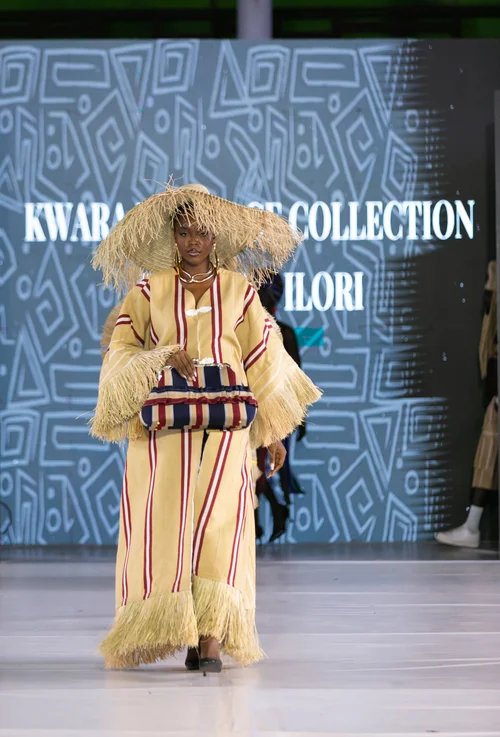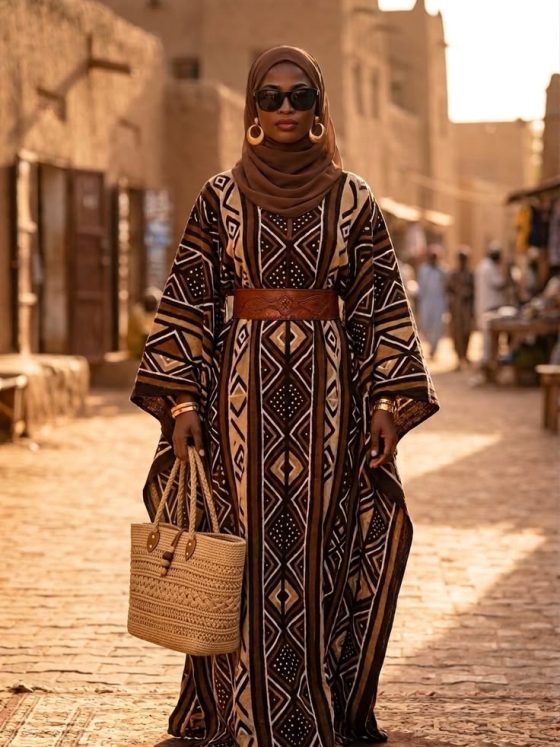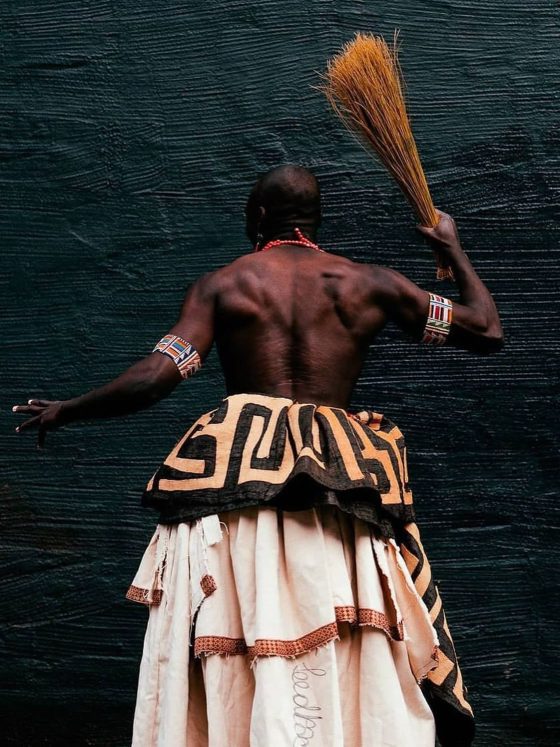
Before there is a commercial fashion transaction, there is a cultural decision.
Someone decided which fibre to grow, which technique to use to process it, which pattern vocabulary to apply to the finished cloth, which silhouette to cut from the fabric, and which occasion made wearing the resulting garment necessary or meaningful. Each of those decisions was made by specific people, in specific places, shaped by specific cultural histories. The garment that a buyer subsequently purchases in a retail context is the commercial product of a sequence that begins with cultural knowledge: knowledge of material, technique, pattern, occasion and meaning that was held by a community before it was converted into a commodity.
That sequence has a direction. Cultural knowledge is produced first. Commercial value is extracted from it second. The communities whose cultural production enters the commercial system first are the ones whose interests that system has been least equipped, and in many cases least willing, to protect.
This series has documented that sequence in eighteen articles across Africa, the Caribbean, Brazil, and the Latinx diaspora. The argument in each case was the same. The evidence was different.
The Global South made fashion and never got credit for it. That sentence is not an accusation. It is a description of a structural condition whose components are identifiable, whose commercial consequences are measurable and whose remedies are known. What has been absent is not the analysis. It has been the will to act on it.
Every commercial fashion transaction is downstream of a cultural decision. The communities whose cultural production enters the commercial system first are the ones whose commercial interests the system has been least equipped to protect. This is why that must change.
What the Series Documented
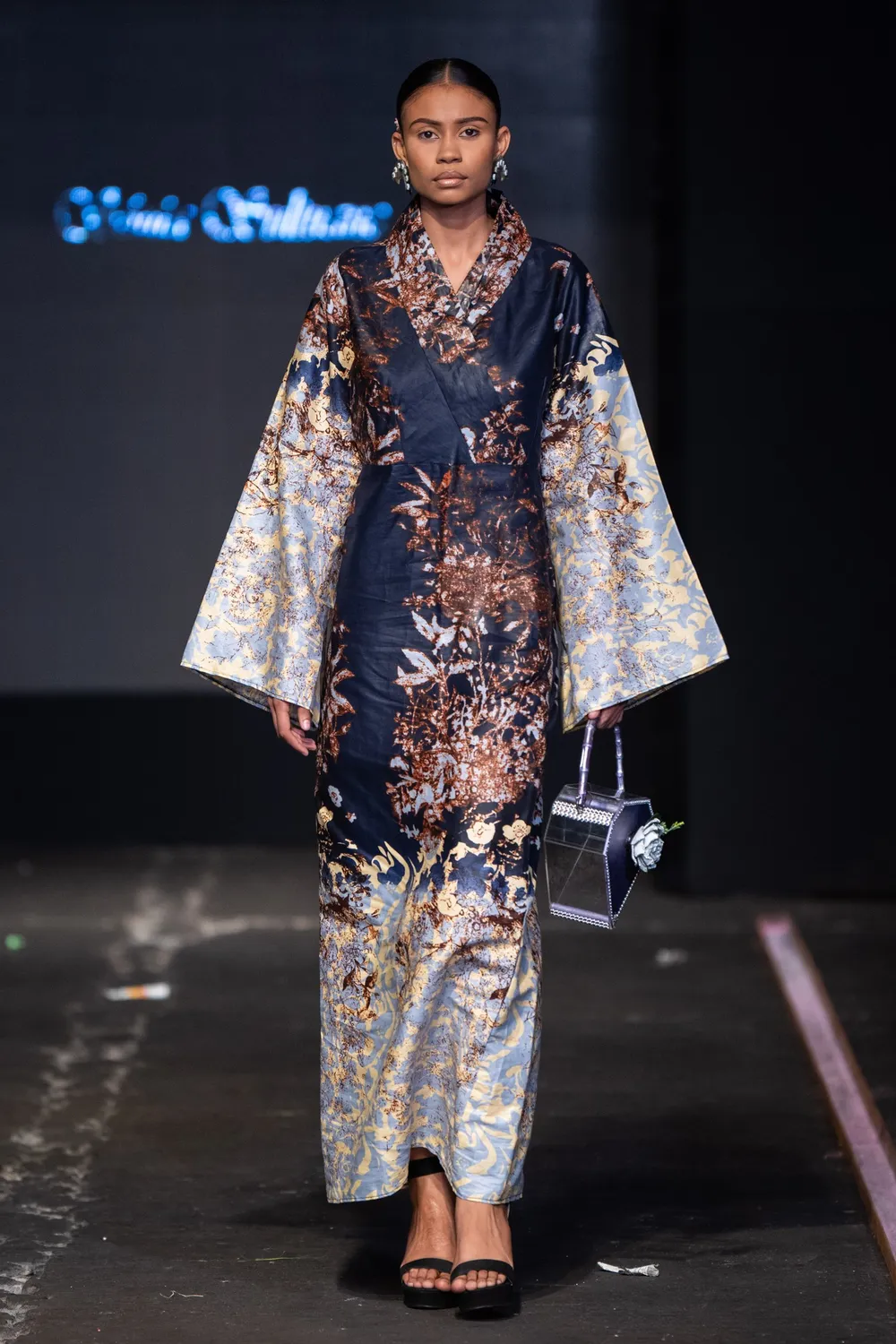
The argument began with the most basic claim: that credit, even accurate and specific credit, is not compensation. A fashion brand can name the cultural source of a technique, pattern, or silhouette in its collection notes and keep every pound of the resulting commercial value. Naming the source creates a record. It does not create a commercial relationship, a consent process, a licensing agreement or a benefit-sharing arrangement. The gap between credit and compensation is where the fashion industry has been comfortable sitting.
In the cotton supply chain, the series documented that Africa produces approximately 6% of the world’s cotton, exports 90% of it as raw fibre, and spends $50 billion annually importing finished textiles. The cultural and material knowledge embedded in that supply chain, the specific weaving traditions, the dyeing practices, the hand-finishing knowledge, accumulates in the manufacturing economies that process the fibre rather than in the agricultural economies that grow it. The value chain is cultural at its origin and commercial in its extraction.
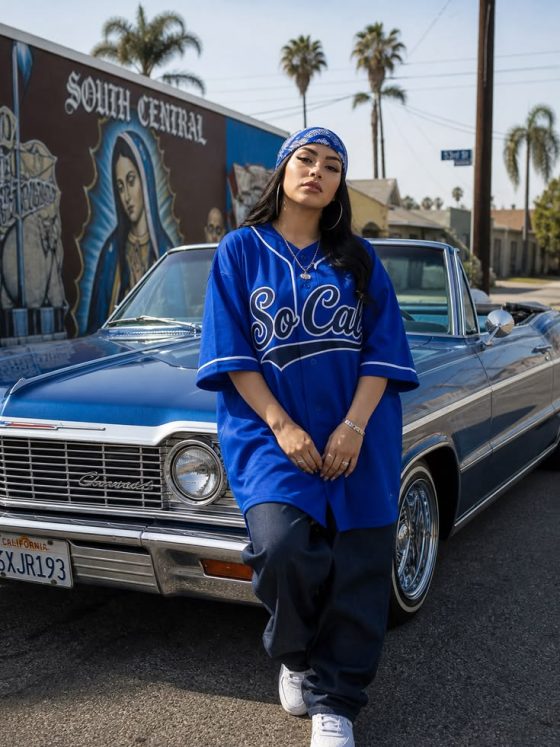
In the Chola aesthetic, the series documented that an aesthetic built over five decades by working-class Mexican-American women in East Los Angeles became a reference point for luxury runway designers in Paris, pop performers in London and beauty brands across multiple continents. The baby hair technique, the dark lip liner method, the winged liner proportion: each was developed within a community under conditions of economic marginalisation and racial discrimination, adopted wholesale by the mainstream fashion and beauty industry, and absorbed into seasonal credit lines that named the aesthetic category without naming the people who built it.
In Caribbean Madras, the series documented how the maré tèt headwrap code, built by Martinican and Guadeloupean women out of colonial trade cloth, was a social communication system of extraordinary precision, encoding marital status, social position, and romantic availability in the number of points tied into the fabric. Fashion photography that shows the headwrap as a decorative element has extracted the image from this code without documenting the code. The image travels. The meaning stays behind.
In the Carnival supply chain, the series documented how wire benders, seamstresses, feather workers, beadworkers, and rhinestone appliqué specialists produce one of the most sophisticated and labour-intensive fashion supply chains in the Caribbean. The TT$137 million allocated by the Trinidad and Tobago government to Carnival 2026 generated nearly 2,000 jobs. The photographs generated by that production system show the masqueraders. They do not show the supply chain workers whose skills made the masquerade possible.
In the Afro-Brazilian fashion system, the series documented that more than 50% of Brazilians identify as Black or mixed-race and that Black designers accounted for more than 30% of São Paulo Fashion Week’s lineup in 2021 alone, after 27 years of the platform’s operation. The Bahiana dress, the Candomblé aesthetic, the specific creative confidence developed under centuries of institutional suppression: these are the cultural foundations of a commercial fashion market whose ownership, investment and editorial direction have remained disproportionately concentrated elsewhere.
In Africa’s repair economies, the series documented that 86.3% of all jobs in sub-Saharan Africa are informal, that the tailors, cobblers and alteration specialists of African fashion cities have been operating circular fashion practices for generations, and that the global fashion industry’s most expensive sustainability programmes are attempting to rebuild what Africa’s informal sector never dismantled. The documentation frameworks that measure, certify, and reward sustainability in fashion were not built to account for craft production. The most sustainable fashion system on earth is invisible to the institutions whose job it is to measure sustainability.
The Pattern That Connects Them
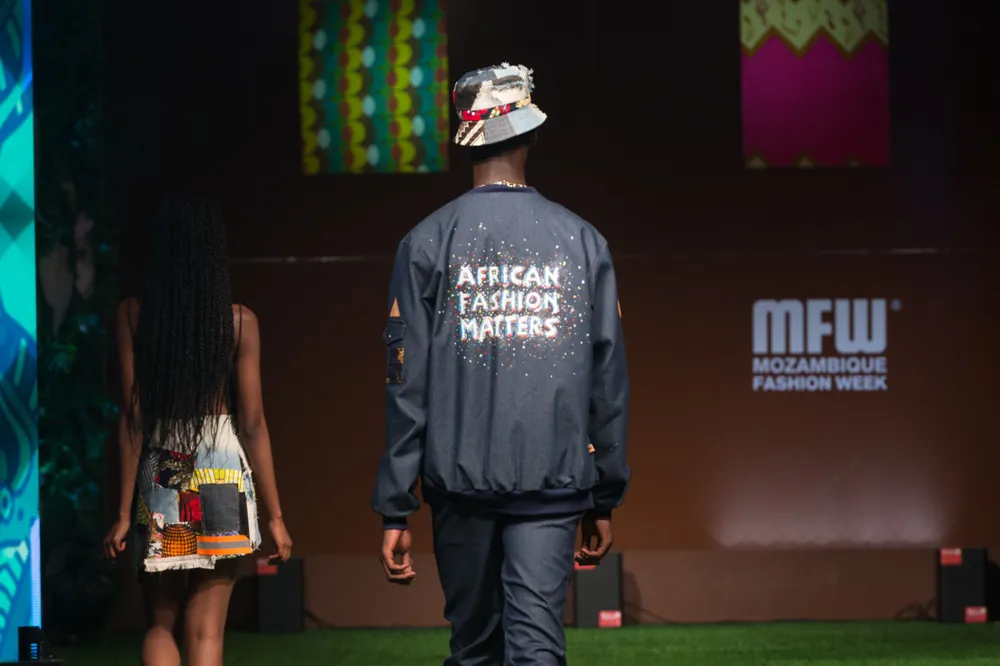
Across every case the series documented, the same structural pattern appears.
A community produces cultural knowledge through practice, necessity, resistance or tradition. That knowledge takes material form: as a textile technique, a garment silhouette, a colour vocabulary, a repair practice, a production skill, a ceremonial dress system, an aesthetic language. The community maintains and transmits that knowledge across generations, often under conditions that include economic marginalisation, colonial suppression, legal prohibition or institutional exclusion.
At some point, the commercial fashion system notices the aesthetic surface of what the community has built. It extracts the visual language, the silhouette, the pattern, the technique, or the raw material from which the knowledge was built. It converts that extraction into a commercial product: a collection, a campaign, a supply chain, a brand narrative. The commercial product is sold at a price that includes the premium generated by the cultural knowledge it contains. The revenue from that sale accrues to the extracting institution.
The originating community receives, at best, a line of credit. More often, it receives nothing. It continues to maintain the cultural knowledge that made the extraction possible, without receiving the commercial infrastructure, investment, licensing revenue, or institutional recognition that would allow it to capture a proportionate share of the value its knowledge generates.
That is not a series of separate problems requiring separate solutions. It is a single structural condition expressing itself in different contexts. The wire bender in Port of Spain who shapes Carnival costume frames, the tailor in Lagos who alters garments for a fraction of what a Paris couture house charges for equivalent skilled labour, the Chicana beadworker whose technique appears in a luxury runway collection without attribution, the Afro-Brazilian designer who reaches São Paulo Fashion Week a generation after the platform began: each is a different expression of the same relationship between cultural production and commercial extraction.
What the Commercial System Knows and Has Not Used

The fashion industry has the tools to build a different relationship. It has known about them for years. What has been absent is the institutional will to use them.
Licensing is not a new commercial instrument. Fashion has been licensing logos, names, celebrity images and brand assets for decades. It knows how to negotiate territory, duration, exclusivity, quality control, approval rights and royalty structures. The technical knowledge required to establish a licensing relationship between a fashion brand and a cultural knowledge holder is embedded in every major fashion company’s commercial and legal infrastructure. The reason it has not been applied to cultural knowledge is not that the tool does not exist. It is that the industry has not been required to apply it and has not chosen to do so voluntarily.
As the series established in its analysis of why cultural credit still rarely becomes licensing revenue, the distinction between credit and licensing is foundational: naming a source after the fact is not the same as securing prior and informed consent before commercial use. A responsible licensing agreement identifies the authorised parties, describes the specific cultural expression involved, sets out uses and limits, establishes payment terms, requires attribution, defines approval rights, protects against misleading representation and creates a mechanism for the relationship to continue beyond a single collection. None of those elements is technically difficult to implement. Each requires a decision that the commercial fashion system has not yet made systematically.
Infrastructure investment is equally available in principle. Development finance institutions, regional trade bodies, national government cultural agencies, and international foundations all have mandates that include the cultural and creative economies of Africa, the Caribbean, Latin America, and the diaspora. The Caribbean Development Bank’s Cultural and Creative Industries Innovation Fund, the African Development Bank’s industrial development mandate, the Inter-American Development Bank’s creative economy programmes: each represents capital that is available and mandated for exactly the kind of infrastructure investment that would change the terms of the relationship between cultural production and commercial extraction. The constraint is not the absence of capital sources. It is the absence of coordinated direction toward the specific infrastructure gaps that matter.
Measurement is the third available tool, and the one that would make the other two accountable. A fashion brand that cannot answer whether the designers who showed on its fashion week platform secured wholesale orders, what those orders were worth, what percentage were fulfilled, and whether they led to repeat relationships has not built the necessary infrastructure. It has produced events. A licensing relationship that does not specify how the cultural knowledge holder will verify that the agreed terms are being met is not a contract. It is a letter of intent whose terms dissolve in the absence of enforcement. The measurement frameworks that would hold both commercial fashion and institutional fashion policy accountable for the outcomes they claim to produce are known, available and rarely deployed.
The Communities That Did Not Wait

The most important thing this series documented is not the structural problem. It is what the communities on the wrong side of the structure did with it.
They did not wait.
Africa’s repair economies built the world’s most sustainable fashion system out of material necessity and community knowledge without a circular economy framework, a Right to Repair directive or a sustainability certification. The Nana Benz of Lomé built commercial authority over wax-print distribution through control of access, exclusive wholesale arrangements and pattern knowledge, demonstrating that cultural knowledge can be the foundation of commercial power when the holder controls the terms. The Chicana-owned beauty brands Reina Rebelde and Bella Doña built commercial practices around the Chola aesthetic from within the community that built it, producing for the community on terms set by the community.
The Afro-Brazilian designers of Salvador built practices rooted in the Candomblé tradition and the Bahiana dress system that the São Paulo fashion industry had not documented. Renato Carneiro’s Katuka Africanidades rebuilt the supply chain relationship between Afro-Brazilian dress culture and its West African material origins through direct sourcing from Nigerian, Senegalese and Beninese fabric producers. Dendezeiro took the 1941 Vagrancy Law to an SPFW runway and argued that Afro-Brazilian dress culture was built against, not just what it produced.
The Carnival supply chain workers maintained the wire bending, feather working, beadwork, and sewing traditions that produce Carnival costumes year after year, without documentation, without certification, and without the policy attention that the event they make possible receives in abundance. The mas camp system built a production and distribution infrastructure for fashion at scale, operating with deposit systems, minimum order quantities, quality control processes and seasonal logistics management, without being recognised as fashion industry infrastructure by any of the frameworks that measure, invest in or certify fashion industry development.
Nawal Rmili built YZA in Guéliz, Marrakech, naming the artisan on every handtag and building a 100% women’s atelier that produces slow fashion from local materials for a global market, on terms that keep the creative authority, the cultural knowledge and the commercial return in the hands of the people who produce it. The Chola aesthetic’s most authoritative contemporary translator, Willy Chavarria, built his practice from within the tradition rather than extracting from it, naming the source of the baggy pant in his collection notes and his public statements, refusing the creative credit that would have accrued to him automatically if he had said nothing.
Each of these practitioners demonstrated the same thing: that it is possible to build a practice that positions cultural knowledge as the source of commercial authority rather than as raw material for commercial extraction. The practices exist. The infrastructure that would enable them to scale needs to be built.
What the Value Chain Argument Requires
The argument that fashion’s value chain is cultural before it is commercial has specific practical implications that this series has been building toward.
For the fashion industry itself, it requires a shift from the public-domain logic that treats cultural knowledge as available creative inventory to a relationship logic that asks who holds the knowledge, whether they consent to its commercial use, what terms they would set and how the resulting value should be shared. That shift does not require a new legal framework in most cases. It requires a decision to apply the commercial and legal tools the industry already has to cultural knowledge holders with the same seriousness with which it applies them to brand partners, celebrity collaborators and licensed IP owners.
For fashion policy institutions, including the Caribbean Development Bank, the African Union, the Inter-American Development Bank, and the national creative economy agencies of the countries this series covered, a shift is required from event and visibility investment toward commercial outcome investment. A fashion week that does not measure its buyer relationships, a policy programme that does not track the commercial outcomes of its participants, a trade event that does not follow up with its exhibitors to determine whether the introductions it facilitated became commercial relationships: each is investing in the appearance of infrastructure rather than in infrastructure itself. The measurement frameworks that would make these investments accountable are available. Deploying them is a decision.
For documentation, including the documentation that Omiren Styles produces through this series, it requires the specificity that makes accountability possible. Naming the wire bender rather than photographing the costume. Naming the community that built the aesthetic rather than crediting the designer who adapted it. Naming the Afro-Brazilian artisan whose supply-chain sourcing relationships re-established a connection between Brazilian dress culture and its West African origins. Naming the informal tailor whose zero-waste production practice is more sustainable than any certified circular fashion programme. Documentation that names the people can be held accountable. Documentation that names only the output is coverage that cannot be.
The Measurement That Would Confirm Change

The argument this series has made is not primarily moral. It is commercial and evidentiary.
Fashion’s value chain is cultural before it is commercial, and the communities whose cultural production enters that chain first should be the ones whose commercial interests the chain is equipped to protect. That is a claim that can be tested. The test is not whether brands write more specific collection notes or whether fashion weeks invite more diverse designers to their platforms. Those are necessary but not sufficient.
The test is whether the communities that hold cultural knowledge receive a growing share of the commercial value that knowledge generates, measured in licensing revenue, in wholesale orders fulfilled, in investment secured, in brand equity built and in the sustained institutional relationships that compound over seasons rather than appearing once in a campaign and disappearing. The test is whether the measurement frameworks that fashion institutions deploy begin to include those outcomes rather than stopping at attendance figures, runway show counts and diversity casting percentages.
The test is whether the next Willy Chavarria does not have to name what the industry should already know. Whether the next Dendezeiro does not have to put a vagrancy law on a runway to make the point that should already be in the press notes. Whether the next mas camp wire bender’s name appears in the documentation of the costume they shaped rather than only in the memory of the masquerader who wore it.
The Omiren Argument, Complete
The Global South made fashion and never got credit for it.
That sentence has been the anchor of this series. Across eighteen articles, the evidence for it has accumulated from the cotton fields of Mali and the tailoring markets of Lagos, from the barrios of East Los Angeles and the mas camps of Port of Spain, from the ateliers of Marrakech and the repair stalls of Gikomba and the informal economy that keeps African cities dressed, from the fashion weeks of Dakar and Abidjan and Kingston that built fashion infrastructure while the criticism was counting what they lacked, from the Afro-Brazilian designers of Salvador who built practices rooted in a tradition the commercial fashion system was not designed to see.
In each case, the argument has been the same. The cultural knowledge that makes fashion commercially valuable was produced by specific communities in specific places under specific historical conditions. The commercial systems that extracted value from that knowledge were built by different institutions, in different places, without the participation or the consent of the communities that produced the knowledge. The credit that has accrued to those commercial institutions is not matched by compensation to the originating communities. That gap is structural. Closing it requires structural responses: licensing, benefit sharing, investment in community-controlled infrastructure, measurement frameworks that track commercial outcomes rather than event metrics, and documentation practice that names people rather than only products.
None of those responses is unprecedented. All of them are available. The fashion industry has the tools. The policy institutions have the mandates. The documentation practice exists in embryonic form in the work that Omiren Styles and the practitioners and researchers whose work this series has drawn on have been building.
What has been absent is the decision to treat fashion’s cultural value chain as the foundation of its commercial value chain – not as a derivative of it, not as raw material for it, not as inspiration feeding into it, but as its actual origin, whose holders should be the primary beneficiaries of the commercial value it generates.
Fashion’s value chain is cultural before it is commercial. The people who hold the culture should hold more of the commerce. The argument is complete. The work is not.
Read the full series at Omiren Styles.
ALSO READ
- Africa Grows the Cotton. Its Designers Still Buy Back the Value.
- The Chola Aesthetic Went Global. Who Kept the Credit?
- Caribbean Madras: From Colonial Textile to Contemporary Creole Fashion
- Brazil’s Fashion System Has Not Matched Its Afro-Brazilian Reality
- Can Africa’s Repair Economies Become Formal Fashion Infrastructure?
- Who Owns the Pattern? Why Cultural Credit Still Rarely Becomes Licensing Revenue
EXPLORE MORE
Read the full Opinion and The Omiren Argument sections at Omiren Styles for the complete argument on fashion, cultural credit and the commercial infrastructure the Global South deserves. Discover travel and heritage intelligence across Africa, the Caribbean and Latin America at Rex Clarke Adventures.