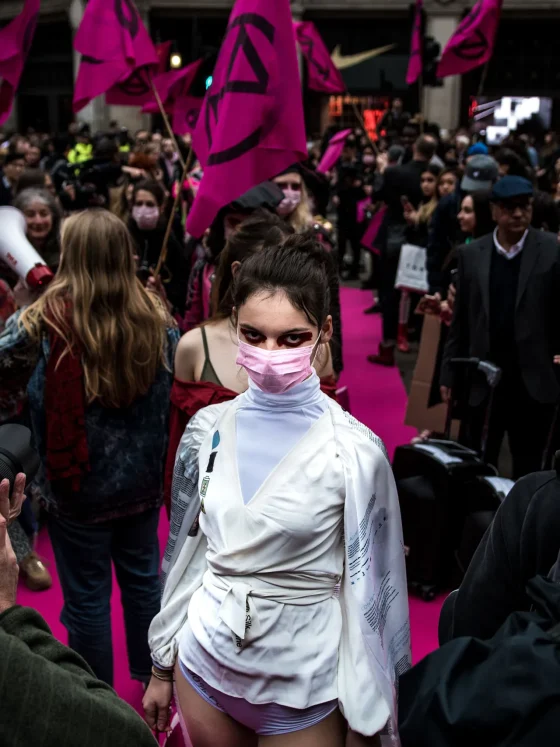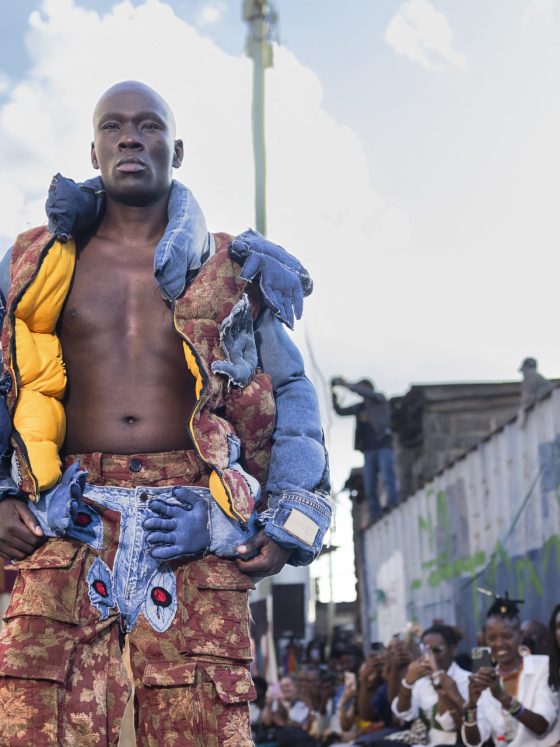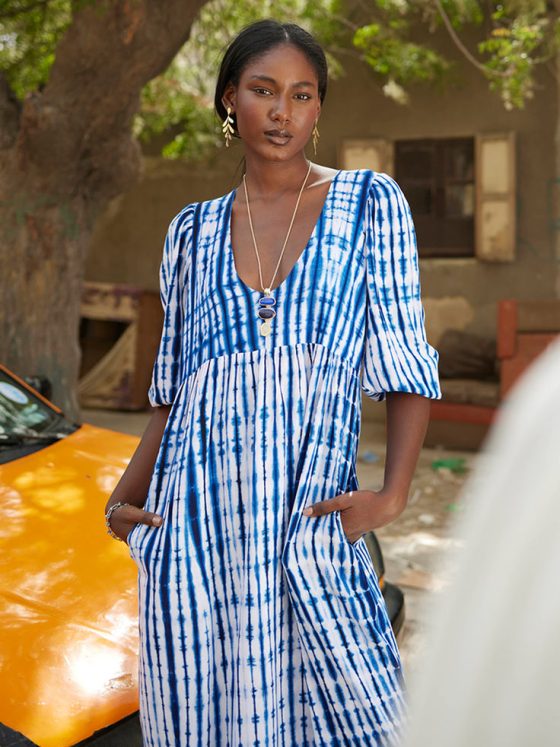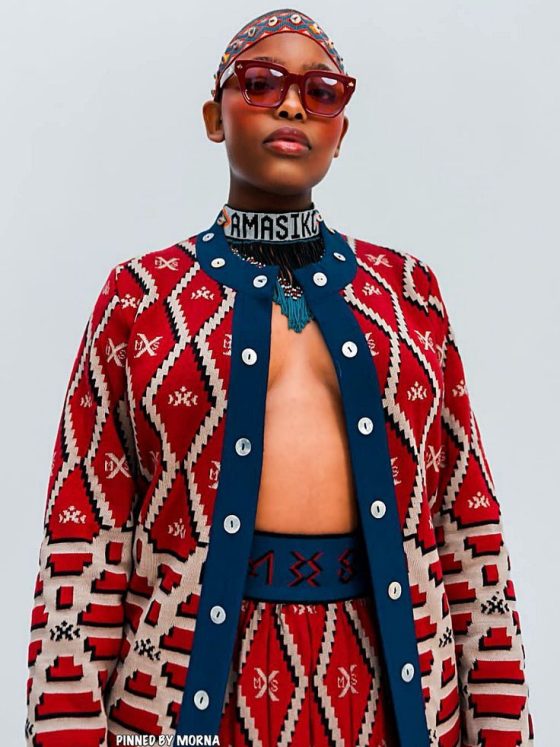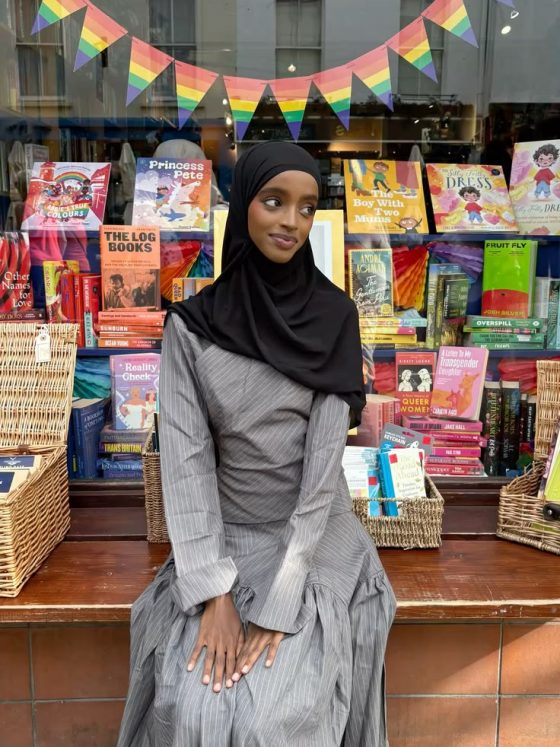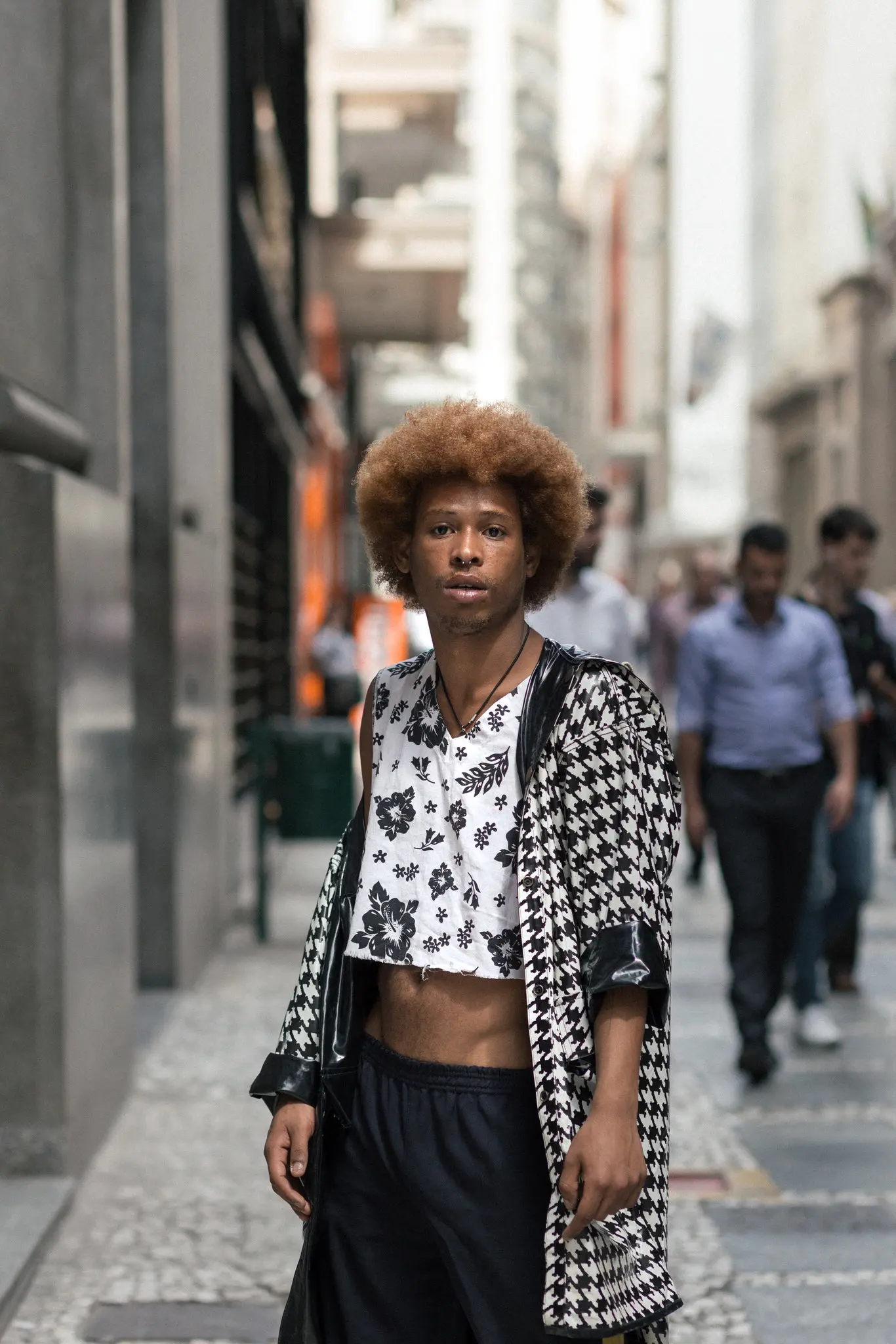
There is a city with nearly 12 million residents producing one of the most original streetwear cultures in the world. The global fashion press has mostly decided that it is not worth learning how to read.
São Paulo is Brazil’s largest city, a financial centre with a long-running fashion calendar, a major cultural industry and the country’s largest self-identified Black population. Brazil’s 2022 census recorded 1.16 million people identifying as Black in São Paulo alone.
Yet São Paulo streetwear remains under-documented in the international fashion conversation. The problem is not a lack of designers. It is not a lack of photographers, stylists, musicians, creative directors, independent labels, collectives, skaters, sneaker communities, baile parties, football supporters or young people using clothing to make themselves visible in a city structured by extreme inequality.
The problem is the gaze.
Global fashion has built extensive archives around streetwear in New York, London, Tokyo, Paris and Los Angeles. It knows how to tell those stories. It understands their designers as cultural figures, their neighbourhoods as creative laboratories and their music scenes as fashion engines. São Paulo receives different treatment. Its style is often filtered through tourism, exoticism, beachwear, sustainability narratives or the few Brazilian designers who have already entered European fashion institutions.
São Paulo streetwear is not waiting to be discovered. It is waiting for fashion to stop confusing international visibility with creative importance.
This matters because global fashion cannot call itself global while repeatedly excluding the cities where major cultural populations, economies and design languages are already shaping the present. São Paulo’s absence from the international record is not accidental. It reflects the same structural failure described in The Global South Made Fashion. It Just Never Got Credit. The fashion industry does not allocate attention based on creative output alone. It distributes attention through language, capital, colonial hierarchy, institutional access and the existing habits of its media.
São Paulo streetwear reflects Black Brazilian life, baile funk, football and the periphery. Global fashion still refuses to see it clearly.
São Paulo Has Fashion Infrastructure
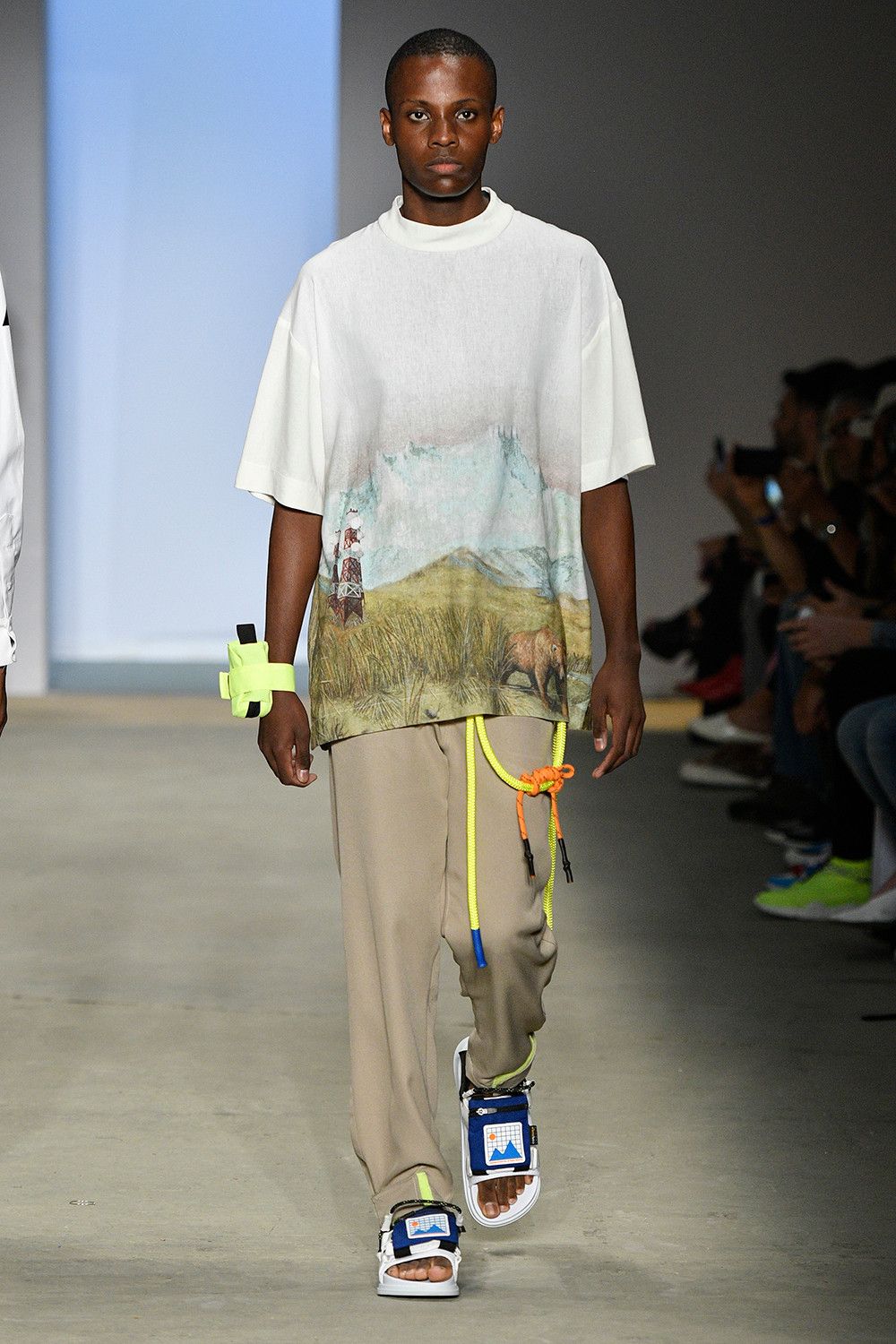
The claim that São Paulo lacks fashion infrastructure is false.
The city has hosted the country’s most significant fashion event for decades. São Paulo Fashion Week grew out of the Phytoervas Fashion event in 1993, and the first Morumbi Fashion Brasil was held at Ibirapuera Park in 1996. It adopted its current name in 2001 and has since become Brazil’s longest-running and best-known fashion platform, described by Google Arts and Culture’s documentation of the event’s history as Latin America’s pre-eminent fashion event.
That infrastructure has helped establish designers, retailers, photographers, stylists and fashion businesses in the domestic market. But fashion-week infrastructure does not automatically serve every fashion culture in the city. Like fashion institutions around the world, São Paulo Fashion Week has historically been more accessible to labels with capital, professional networks, show-production budgets and the ability to work within established fashion-industry norms. Streetwear brands, peripheral collectives and music-led designers often build through different channels: Instagram, local retail, parties, skate communities, music videos, football culture, independent shoots and direct-to-consumer sales.
Their work may have less access to a runway. It does not have less cultural importance. The gap between São Paulo’s official fashion institutions and its peripheral style communities is one reason the international press fails to understand the city. It looks for fashion in the places it already knows to look. Meanwhile, the most revealing work may be happening elsewhere.
The Periphery Is Not a Fashion Footnote
Streetwear in São Paulo cannot be separated from the city’s periferias.
The word does not simply describe a distant geographical edge. It carries social, racial, economic and political meaning. São Paulo’s peripheral neighbourhoods contain large working-class populations, strong Black cultural communities, music scenes, local businesses, religious networks, football cultures and independent creative economies. They also sit within a city marked by sharp inequality, unequal access to transport, housing, education, capital and cultural recognition.
Fashion becomes a way to negotiate those conditions. A garment can communicate arrival, ambition, belonging, survival, faith, masculinity, femininity, local pride, affiliation or independence. It can signal that a wearer understands a particular music scene, football group, neighbourhood code or online visual language. Streetwear does not appear in a vacuum. It grows from the pressures and possibilities of public life.
Brazil’s 2022 census recorded that 45.3% of the population identified as pardo and 10.2% as preto, categories often discussed within the broader Black Brazilian population. These figures make any account of São Paulo style that ignores Black Brazilian life incomplete from the start.
Academic research has identified estilo periférico as a local streetwear form shaped by young people, musicians and brands in the city’s favelas and outer districts. Research published through São Paulo’s Centre for Higher Technological Education examines brands such as AfroPerifa and Loyal as examples of fashion emerging from São Paulo’s peripheries. As Omiren Styles has documented in its analysis of Afrocentric streetwear as a cultural argument across Dakar, Kampala and Monrovia, streetwear becomes original not because it develops in isolation, but because it combines influences under specific social conditions that could not have emerged in the same way elsewhere. São Paulo’s visual language demonstrates that principle with particular force.
Baile Funk Changed the Visual Conversation
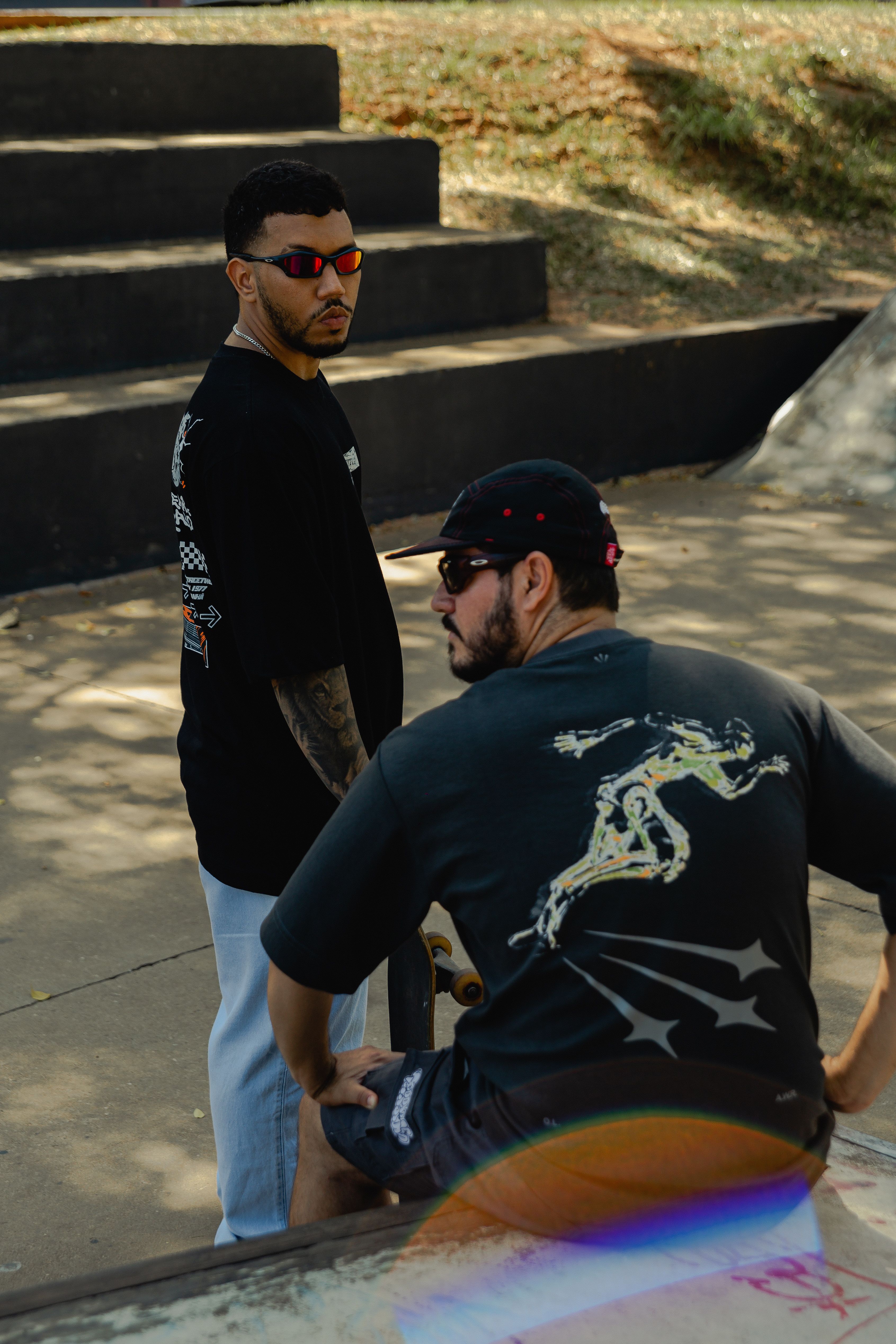
No serious discussion of Brazilian streetwear can ignore baile funk.
Baile funk emerged from Rio de Janeiro’s favelas and spread across Brazil through sound systems, dance, local parties, DJs, MCs, independent music production and youth culture. Its sound has become globally visible in recent years. Its fashion language has often received less rigorous attention.
That language is direct, performative and intensely local. It works through body consciousness, branded sportswear, clubwear, jewellery, fitted silhouettes, bold colour, logos, glamour, hair, beauty, nail culture and the visual codes of nightlife. It can sit in tension with conventional ideas of Brazilian respectability, especially when working-class Black youth use fashion to demand visibility in spaces that have historically policed their bodies and aesthetics.
The relationship between baile funk and São Paulo streetwear is not identical to the relationship between funk and Rio. São Paulo absorbs, adapts, and reworks influences through its own music scenes, trap artists, rap communities, local parties, independent labels and neighbourhood identities. That process is the point.
Streetwear becomes original not because it develops in isolation, but because it combines influences under specific social conditions. São Paulo’s visual language draws from Black Brazilian culture, global hip-hop, local funk, evangelical style, football identity, skate culture, graffiti, street commerce and digital image-making. The combination could not have emerged anywhere else in the same way. As Omiren Styles has documented in its full investigation of Lab Fantasma and the Afro-Brazilian streetwear movement, Lab Fantasma sits at the intersection of hip-hop, Afro-Brazilian history, social criticism and contemporary streetwear construction, referencing quilombos and capoeira not as decorative elements but as the structural logic from which every collection argument is derived. Cartel 011, named after São Paulo’s area code, operates simultaneously as a brand, creative platform, exhibition space and music venue. Fashion media outside Brazil has almost entirely failed to document either.
Football, Faith and the Public Body
Streetwear in São Paulo does not come only from music.
Football supporter culture provides another visual language. Brazil’s torcidas organizadas, organised supporter groups, use colours, flags, logos, scarves, jerseys, banners and custom garments to create collective identity. The stadium and the street become places where clothing immediately communicates allegiance. That sensibility flows into everyday style. A football shirt can be a uniform, a neighbourhood marker, a fashion item, a historical reference or a defiant rejection of elite ideas about what counts as stylish.
Evangelical culture also shapes how people dress, particularly across many peripheral communities. Its influence can produce distinct approaches to modesty, occasion dressing, formality, gender presentation and aspirational consumption. This does not sit outside streetwear. It can create productive tension with the visual excess of funk, nightlife and hip-hop.
São Paulo style contains those contradictions. One person may wear a football shirt with tailored trousers. Another may pair luxury-coded accessories with practical sportswear. A look may combine religious respectability, music-scene glamour, neighbourhood references and global sneaker culture. Fashion critics who search only for a clean, easily exportable aesthetic will miss this complexity. But complexity is not confusion. It is the city’s design logic.
Graffiti Gave the City Its Graphic Language
São Paulo’s streetwear also carries the visual force of its graffiti and street-art traditions.
The city has developed a globally recognisable relationship to wall painting, muralism, tagging, pixação, lettering and public visual intervention. These forms have influenced the city’s colour palettes, graphic sensibilities, typography, photographic backdrops and attitude towards public space.
Graphic tees, custom jackets, patches, printed trousers, hand-altered sneakers and branded accessories can all carry the influence of a city where walls function as contested visual territory. Graffiti and pixação do not merely provide an aesthetic backdrop for fashion campaigns. They arise from debates about class, race, policing, territory, visibility and who has the right to leave a mark on the city. That makes the relationship between streetwear and visual art political as well as aesthetic.
Global fashion understands this when it discusses New York graffiti and early hip-hop. It should bring the same seriousness to São Paulo rather than using Brazilian street art as a decorative campaign setting. The failure to do so reveals a familiar pattern. As Omiren Styles has argued in its analysis of how cultural resistance shaped the world’s most powerful style movements, Global South creativity is welcomed as image but ignored as authorship. São Paulo’s wall culture, peripheral fashion and music-led design deserve the same archival and critical attention global fashion has given to the streets of downtown Manhattan or Harajuku.
The Language Barrier Is a Power Barrier

São Paulo streetwear does not lack stories. It suffers from an international media system that privileges English.
Global fashion’s dominant conversation happens in English, with French retaining a special position of luxury authority. Portuguese-language fashion criticism, Brazilian music journalism, independent publishing and local creative documentation rarely travel across those borders at the speed English-language content does.
That becomes a power issue. Brazilian designers and collectives seeking global attention face a choice. They can create work that fits the expectations of international editors, buyers and institutions, or they can remain rooted in local contexts that people may not easily understand without language access or cultural familiarity. A creative may gain visibility by relocating to London, New York, Paris or Milan. But moving towards established fashion centres can create pressure to translate or soften the local references that made the work distinct.
This is not an individual failure of communication. It is an institutional failure of curiosity. As Omiren Styles has documented in its investigation of the rise of Afro-Brazilian fashion designers and their African roots, the designers building internationally relevant work from Brazilian cultural material are doing so without the institutional infrastructure, press access, buyer relationships, and funding that European fashion brands inherit by default. The language barrier amplifies every other structural disadvantage.
Translation matters. Commissioning matters. Long-term editorial relationships matter. Without them, “global fashion” remains a narrow conversation conducted in a language that excludes much of the world.
The City Is Building Without Permission
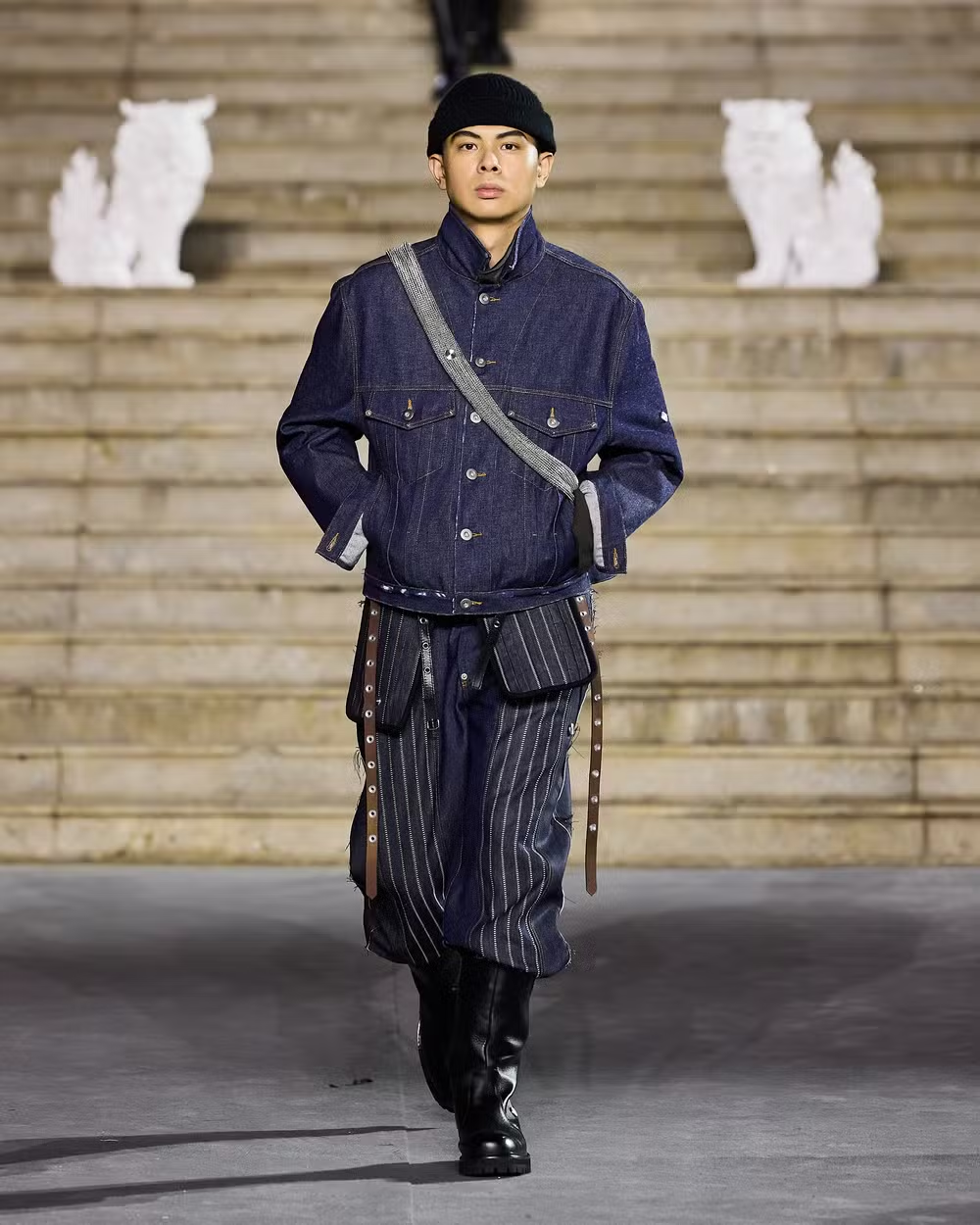
International attention has not arrived at the scale São Paulo’s streetwear deserves. The scene has built anyway.
Independent labels use social media to sell directly. Creative collectives pool photographers, stylists, models, videographers, DJs and locations. Musicians become style references. Small retailers become cultural hubs. Local events create spaces where people can test ideas in public. Digital platforms allow a look made in São Paulo to find an audience without first passing through a traditional fashion editor.
That independence has strengths. It allows designers to speak directly to people who understand their references. It makes local culture less dependent on foreign validation. It can produce images that feel less polished in the conventional fashion sense but more truthful to the communities from which they emerge.
It also has limits. Direct digital growth cannot replace stable investment, fair retail access, production support, international distribution, translation resources, legal advice, studio space, media coverage and long-term business infrastructure. Resourcefulness should be celebrated. It should not become an excuse for institutions to withhold support. As Aba Is a Supply Chain, Not a Craft Village argues, a creative system’s ability to survive without formal support proves its strength. It does not prove that it needs no support.
The Omiren Argument
Serious coverage of São Paulo streetwear would require more than one photographer, one trend piece and a few images from a fashionable district. It would require reporting.
Editors would need to build relationships with designers, stylists, musicians, shop owners, football supporters, visual artists, photographers and young people inside the scene. They would need Portuguese-language capacity. They would need an understanding of Brazil’s racial politics, urban inequality, music history, religious life, migration patterns and regional differences. They would need to stop treating São Paulo as an “emerging market” and start treating it as a source.
That approach should be standard across the Global South. Carnival Is a Design Economy. No One Tracks It. Makes the same case for Trinidad and Tobago’s Carnival production system. Fashion cannot accurately judge a creative economy if it sees only the finished spectacle and ignores its makers, labour, supply chains and commercial structure. Oaxacan Weaving Is Not a Trend. It Is a Textile System. Reaches the same conclusion from Mexico. A pattern is not merely a pattern. It carries systems of knowledge, labour, history and authorship.
São Paulo streetwear deserves that depth of attention. As Omiren Styles has documented in its analysis of what African and Afro-Caribbean communities are wearing in 2026, the visual languages of diaspora and periphery communities are not derivative versions of fashion centred elsewhere. They are primary sources that generate aesthetic authority that travels outward, often without the attribution, investment, or credit that the originating communities deserve. São Paulo sits within that same global dynamic. Its style is not a peripheral version of a scene already validated elsewhere. It is a living archive of Black Brazilian life, music, faith, football, visual art, aspiration, adaptation and urban survival. The city has not been silent. Fashion has simply not listened.
ALSO READ
- Lab Fantasma and the Afro-Brazilian Streetwear Movement That Fashion Forgot to Cover
- The Rise of Afro-Brazilian Fashion Designers and Their African Roots
- The Global South Made Fashion. It Just Never Got Credit.
- Carnival Is a Design Economy. No One Tracks It.
- Dancehall Dressed the World First
- Oaxacan Weaving Is Not a Trend. It Is a Textile System.
Frequently Asked Questions
What is São Paulo streetwear and what makes it distinct?
São Paulo streetwear is the visual culture developing in the city’s peripheral neighbourhoods, music scenes, independent retail spaces and creative collectives, shaped by Black Brazilian life, baile funk, football supporter culture, evangelical dress, graffiti, hip-hop and the specific conditions of a city of nearly 12 million people structured by extreme inequality. Academic research identifies estilo periférico as a locally developed streetwear form, with academic documentation examining brands such as AfroPerifa, Loyal, Lab Fantasma and Cartel 011 as examples of fashion emerging from the city’s peripheries. What makes it distinct is that it is a response to a specific city under specific social conditions, combining influences through a logic that could not have emerged in the same way anywhere else.
Why does global fashion fail to cover São Paulo streetwear seriously?
Global fashion’s dominant conversation happens in English, with French retaining a position of luxury authority. Portuguese-language creative documentation, fashion criticism, and local publishing rarely cross those borders at the same speed. Beyond the language barrier, the international press tends to look for fashion in the places it already knows how to find it: institutionalised fashion weeks, exportable luxury narratives, sustainability stories and the few Brazilian designers who have already entered European fashion contexts. The peripheral streetwear scene, the music-led collectives and the neighbourhood-based creative communities that produce the most original work receive less structured attention. That is an institutional failure of curiosity, not a creative failure of the city.
What role does baile funk play in São Paulo’s fashion culture?
Baile funk originated in Rio de Janeiro’s favelas and spread across Brazil through sound systems, local parties, DJs, MCs and independent music production. Its visual language works through body-conscious silhouettes, branded sportswear, jewellery, fitted pieces, bold colour, glamour, beauty and nightlife codes. In São Paulo, its influence is absorbed and adapted through the city’s own music scenes, trap communities, local parties and neighbourhood identities rather than replicated directly. The result is a distinct São Paulo visual language that draws from funk while combining it with Black Brazilian culture, global hip-hop, evangelical style, football identity, skate culture and graffiti in a combination that could only have emerged from this city’s specific conditions.
Who are the key designers and brands building São Paulo streetwear?
Lab Fantasma, founded by Emicida, builds collections from Afro-Brazilian history, referencing quilombos, capoeira and contemporary Black Brazilian urban culture as structural logic rather than decoration. Cartel 011, named after São Paulo’s area code, operates simultaneously as a brand, creative platform, exhibition space and music venue. Academic research on São Paulo’s peripheral fashion scene documents brands including AfroPerifa and Loyal as part of the estilo periférico movement. These brands have built directly through music communities, social media and independent retail rather than through conventional fashion-week access.
How does São Paulo’s graffiti culture connect to its streetwear?
São Paulo has developed a globally recognisable relationship to wall painting, muralism, tagging, pixação and public visual intervention. These forms have shaped the city’s colour palettes, graphic sensibilities, typography and attitude towards public space. Streetwear in the city absorbs this visual language through graphic tees, custom jackets, patches, printed pieces, hand-altered sneakers and branded accessories that carry the influence of a city where walls function as contested visual territory. The connection is not aesthetic alone. Graffiti and pixação arise from debates about class, race, policing, territory and who has the right to leave a mark on the city. São Paulo’s streetwear carries that political logic into how people dress.
How does São Paulo streetwear connect to the wider Global South fashion argument?
São Paulo is one of the clearest examples of the pattern known as “The Global South Made Fashion.” It Just Never Got Credit. documents across Africa, the Caribbean and Latin America: major creative economies generating original visual cultures that global fashion media fails to document with the seriousness it applies to New York, London, Tokyo or Paris. The absence is not accidental. It reflects institutional structures that privilege English, European capitals and already-legible fashion formats. Serious coverage of São Paulo streetwear would require Portuguese-language capacity, long-term editorial relationships, an understanding of Brazil’s racial politics and urban inequality, and a willingness to treat the periphery as a source rather than a backdrop.
EXPLORE MORE
Read the full “The Lens” and “Fashion > Power” sections at Omiren Styles for ongoing analysis of Global South streetwear, fashion authorship, and the political economy of style. Discover travel and heritage intelligence across Latin America and Africa at Rex Clarke Adventures.