A successful sample proves that a garment can be made once. The next order tests whether its materials, fit, finish, timing and cost can be reproduced under workable commercial terms.
Reporting note: This provisional analysis draws on published interviews, research and company descriptions. It does not reconstruct an independently verified repeat order or include new interviews. Current production outcomes and order-level financial arrangements remain to be established.
When Oroma Cookey-Gam approached a Nigerian textile mill to source fabric for This Is Us, the obstacle was not simply finding material. It was making the purchase worthwhile for the supplier. “They said they can’t work with fashion because the orders are not big enough,” the label’s co-founder recalled in a January 2024 report in The Business of Fashion. Her response was to pool orders with other brands to create a larger collective purchase.
“A first order shows what a label can make. A second order shows what it can keep making.” Omiren Styles Editorial Intelligence
The account identifies a specific commercial mismatch. A fabric purchase can represent a substantial commitment for an independent label while remaining too small for a mill. Pooling orders offers a response without requiring each designer to manufacture more garments than customers want. The published report does not disclose the purchasing agreement or document subsequent production runs, but it shows an attempt to realign supplier requirements with fashion businesses’ needs.
That is where the test of repeat production begins. After a successful sample or first order, the business must connect the product customers liked with a system that can make it again. Published experiences from This Is Us, clothing manufacturer SOKO Kenya and Studio 189 illuminate different parts of that task. They are not equivalent case studies or proof of a single continental condition. Their value lies in the specific questions they raise about materials, technical preparation, skills and commercial commitments.
How African fashion businesses approach repeat production, from fabric sourcing and grading to quality control, minimum orders and working capital.
Can the Material Be Secured Again?
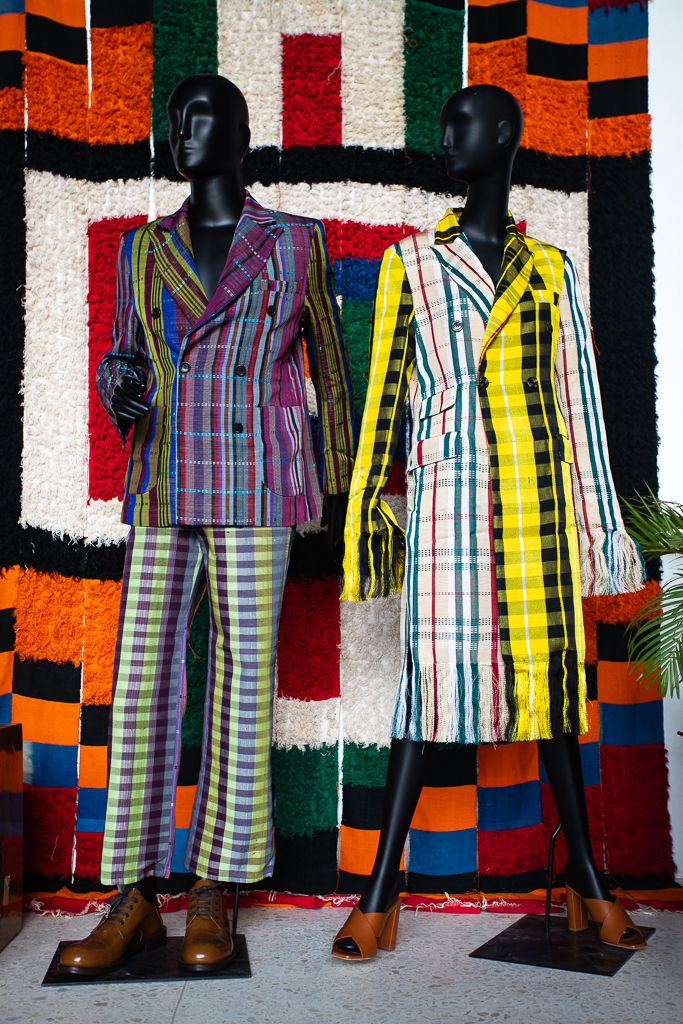
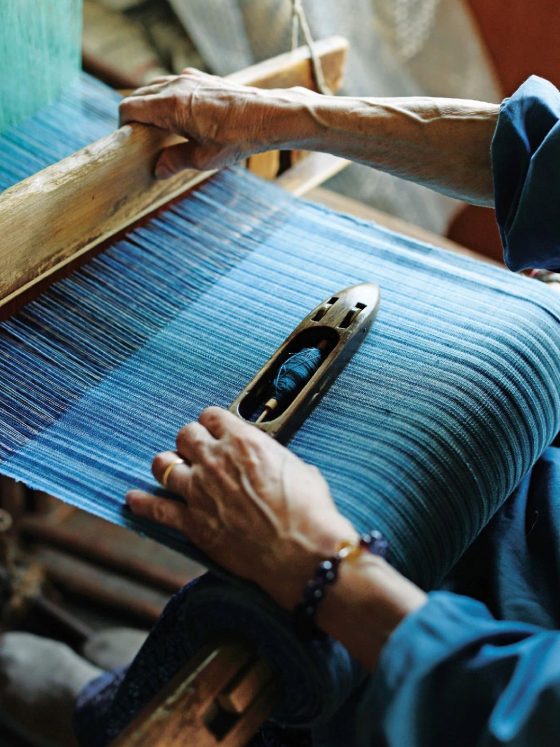
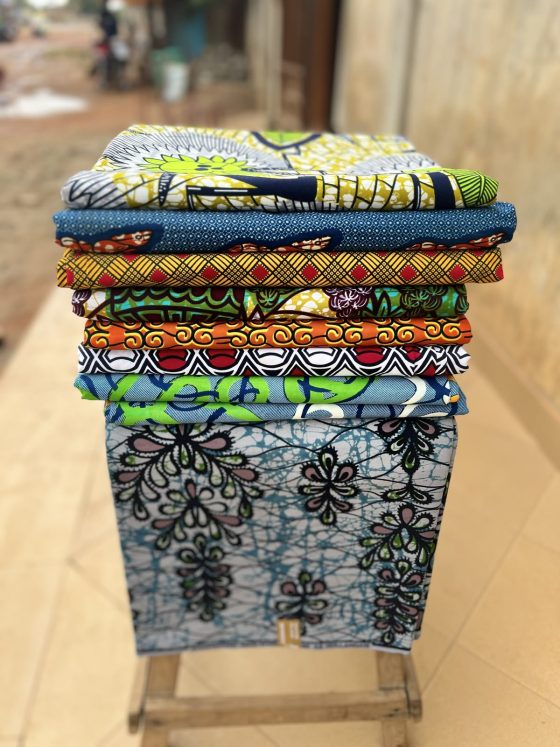
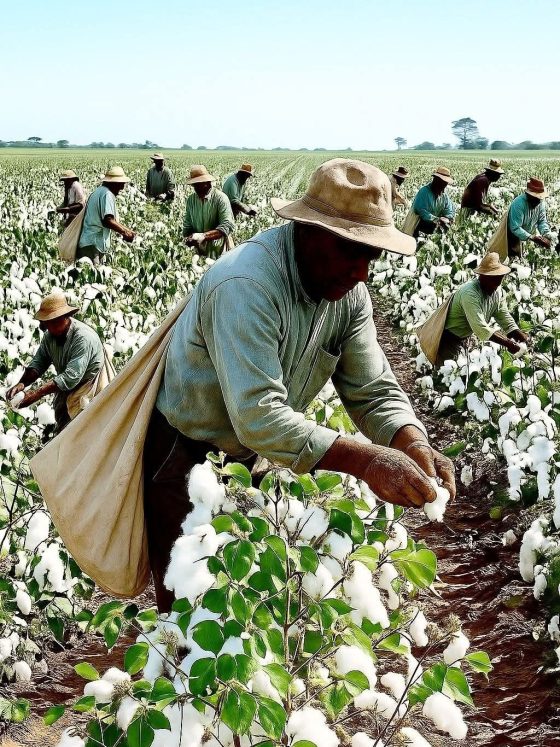
For This Is Us, sourcing within Nigeria required deliberate development. Cookey-Gam told The Business of Fashion that she had previously imported cotton from Morocco and Turkey before beginning a year-long search for domestic materials in 2016. The reported production route connected the Funtua textile mill in Katsina with hand-dyeing at the Kofar Mata dye pits in Kano, bringing industrial textile production and skilled handwork into the same supply chain.
That combination resists a simple craft-versus-manufacturing opposition. The mill contributes one part of the product; dyeing contributes another. The purchasing arrangement must accommodate both. Cookey-Gam’s pooled-order response addressed the mill’s objection to order size. Still, the source does not specify a standard minimum quantity or explain how participating brands divided payment and material. It should therefore be understood as a reported sourcing intervention, not a fully documented financing model.
Academic research published in 2025 offers a related perspective. Drawing on interviews with 23 designers in Lagos and Nairobi from 2020 to 2021, the study identified inconsistent supplies of imported materials as a complication for ready-to-wear production. Limited fabric variety posed a different challenge for bespoke businesses seeking originality. These were experiences reported by particular designers in two cities, not a current assessment of every African sourcing market.
The distinction is between access and continuity. Finding enough suitable fabric for a first batch does not establish a dependable basis for replenishment. A repeat order requires the label to secure an appropriate material again within its production timetable and budget, or decide how the product will change. The This Is Us account shows an effort to reorganise purchasing around supplier requirements rather than treating those requirements as something an individual designer must meet alone.
Can the Product Be Reproduced to an Agreed Standard?
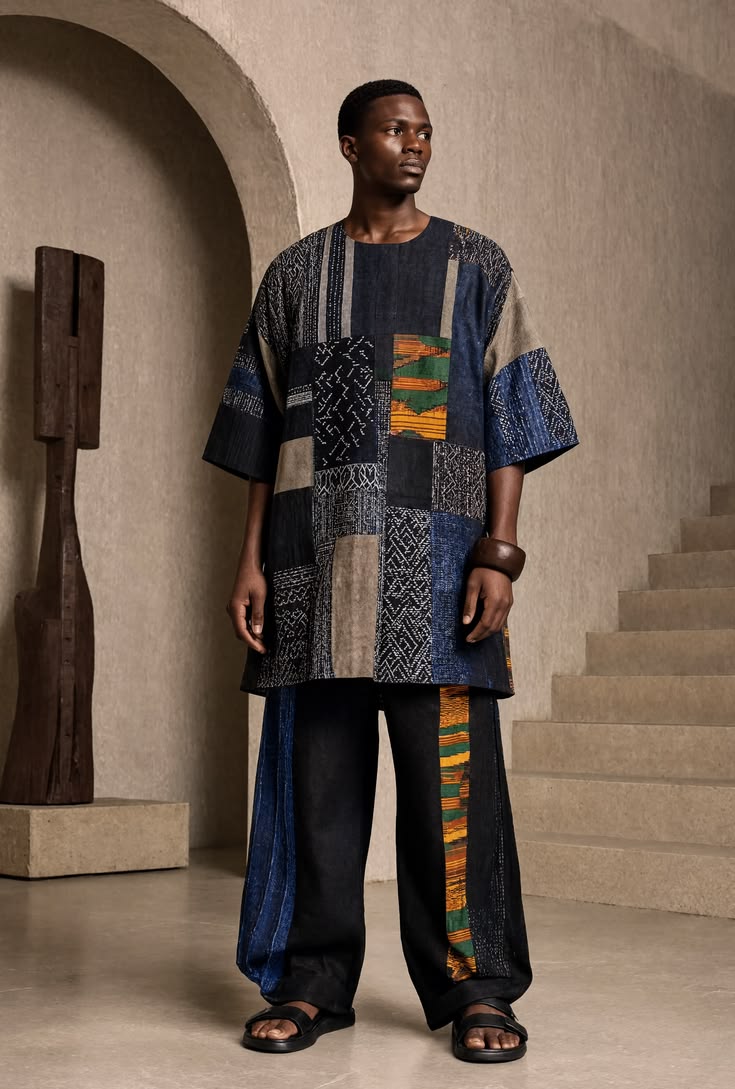
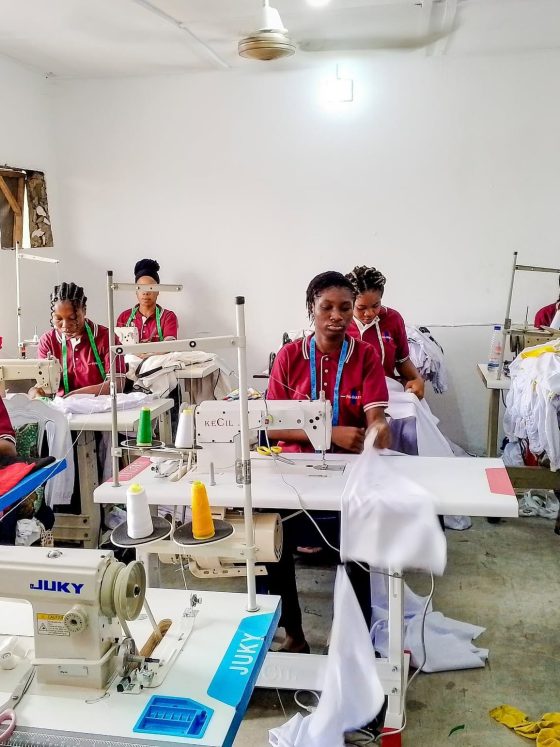
SOKO Kenya’s published services identify another layer of work between an approved sample and a production order. The manufacturer says it develops production-ready graded patterns from samples or specifications, manages sampling and costing, and assists with fabric and trim sourcing. Grading, developing patterns across a size range, is presented as a distinct technical service, not something established merely by approving one garment.
This matters because a sample answers a narrower question than a multi-size order. It demonstrates one version of a design. Reproduction requires information a production team can use consistently: measurements, construction requirements and the intended relationship between sizes. SOKO’s description establishes the support it offers, but it does not independently demonstrate that a particular client achieved better fit, fewer defects or more reliable delivery. A documented client order would be needed to establish those outcomes.
The manufacturer also describes checks at several stages, including fabric inspection, examination during production and final inspection. Its services include hand embroidery and crochet, along with pattern development and bulk cutting. That combination shows why technical preparation and handwork need not be at odds. A product can include intentional variation while still requiring consistent measurements and construction; the key is agreeing which differences define its character and which depart from the specification.
Studio 189’s published history offers a different perspective on preparing to reproduce work. In a 2019 Vogue Business report republished by the label, co-founder Abrima Erwiah described beginning gradually with a tailor and a community of sewers in Cape Coast rather than immediately pursuing the largest retail exposure available through co-founder Rosario Dawson’s visibility. The report described investment in a small Ghanaian factory and training. In a 2020 interview, Erwiah also discussed recruiting through community relationships and building production expertise.
Those are historical accounts of capability building, not current audited performance measures. Their relevance is the sequence they describe: attention does not automatically establish readiness. Before accepting a larger commitment, a business needs people, instructions, and working arrangements that can support it. Gradual development can therefore be a commercial choice rather than evidence of insufficient ambition. Read Studio 189’s account on those terms, without assuming its earlier production arrangements remain unchanged today.
Can the business finance and deliver the order?
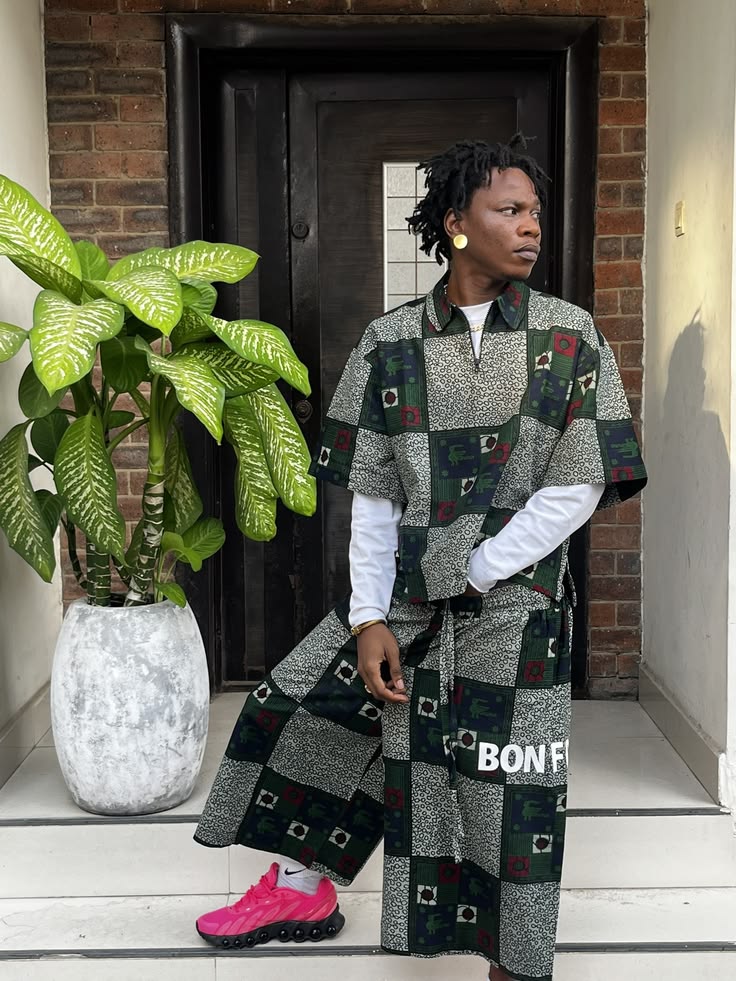
Production capacity, customer demand and available cash are related but different. More sewing capacity may help fulfil an existing order; it does not establish that additional garments will sell. Conversely, a confirmed order may exceed the business’s ability to pay for materials and making before the customer’s balance arrives. The business must match its promises to both its production arrangements and its cash timing.
Supplier minimums sharpen the distinction. Cookey-Gam’s pooled purchasing addressed the size of the order offered to the mill. The available account does not establish whether the supplier required advance payment, how the brands financed their shares or how long material remained unused. Consequently, it cannot demonstrate that pooling resolved the participants’ working-capital needs, even if it helped them access the supplier.
Working capital is the money required to keep the production cycle moving before sales receipts replenish it. For a repeat order, a useful financial account would link the buyer’s deposit and final payment to the dates when fabric, labour, and other expenses become payable. The company descriptions and historical interviews examined here do not disclose a comparable sequence. Therefore, we cannot responsibly calculate any order-level financing requirement or margin from them.
Timelines require the same precision. A delivery promise must account for material availability, technical preparation, making, and checking, not just the time spent sewing. The next reporting should follow one product through those stages, establishing what changed after the first run and whether the repeat arrived as promised. Without that evidence, neither a published service offering nor a company’s capacity-building history can establish its performance on a particular order.
The Omiren Argument

The next test is not whether African designers can produce an impressive first piece. It is whether a particular business can repeat what customers value under conditions that work for its suppliers, makers and finances. This Is Us’s purchasing coordination, SOKO Kenya’s stated technical services and Studio 189’s historical development offer different entry points into that question, not a single formula for the continent.
A viable repeat order is not necessarily the largest. It is one the business can source, make, finance and deliver without losing the qualities that earned it. The available evidence supports an analysis of production approaches, not a verdict on their current performance. Establishing that performance requires the next layer of reporting: an actual order, its commitments and its outcome.
Also Read:
- Can Textile Provenance Protect the People Who Make the Cloth?
- How to Verify a Fashion Brand’s Fabric Claims
- What Happens After a Fashion Showcase? The Measures That Prove Market Access
- The Maker-Credit Test: What a Heritage Fashion Product Page Should Clarify
FAQs
What does repeat production mean in fashion?
In this article, it means making an approved product again to agreed requirements for materials, sizing, construction and finish. The work extends beyond copying a sample: SOKO Kenya’s service description separates sampling, graded patterns, sourcing and production checks.
Why can fabric sourcing become difficult after a first order?
A label’s purchasing needs may not align with a supplier’s preferred order size, and supply continuity can also be uncertain. This Is Us reported pooling purchases after a mill considered individual fashion orders too small. Research involving designers in Lagos and Nairobi also identified inconsistencies in material supply. These are specific examples, not universal conditions.
Does repeat production require factory-scale manufacturing?
The examples do not support one mandatory model. They include industrial fabric combined with hand-dyeing, specialist manufacturing services incorporating hand techniques, and gradual development of a brand’s production operation. The relevant question is whether the arrangement suits the product and order.
What financial information is needed to assess a repeat order?
The analysis needs to link production expenses to incoming payments: when materials and production must be paid for, what deposit the buyer provides, and when the balance arrives. The published accounts used here do not disclose enough order-level financial information to quantify that requirement for the featured businesses.